Blog · Tours
7-Day Albania Road Trip: Tirana to the Riviera Without Backtracking
 Tours
ToursIn this article
- 01Day 1: Tirana – exploring the capital
- 02Day 2: Tirana → Berat (100 km, ~2 h)
- 03Day 3: Berat → Gjirokastra (130 km, ~2.5 h)
- 04Day 4: Gjirokastra → Saranda (55 km, ~1.5 h) via Blue Eye
- 05Day 5: Albanian Riviera – Saranda → Himara (75 km, ~2 h)
- 06Day 6: Himara → Vlora (75 km, ~2 h) via Llogara Pass
- 07Day 7: Vlora → Durres → Tirana (150 km, ~2.5 h)
- 08Budget breakdown for two (7 nights)
- 09Transport and car rental
- 10Insurance
- 11Tours
- 12Connectivity
- 13Practical tips
- 14Frequently asked questions
- 15Summary
Some links are affiliate links. You pay the same, and we may earn a commission.
A week-long driving itinerary covering two UNESCO cities, the Albanian Riviera, Llogara Pass and real prices. Where to sleep, what to skip, and how much fuel costs.
Seven days is the sweet spot for Albania: enough to see two UNESCO old towns, a turquoise coastline, a mountain pass and a couple of canyons – without rushing. This itinerary loops from Tirana and requires a rental car, since public transport between many stops is unreliable or non-existent. Total distance is roughly 850 km with no pointless detours.
Key facts:
- Best season – May–June or September–October: fewer crowds, warm water, Llogara Pass is open.
- 7-day budget for two – from €700 to €1 200 (accommodation + car + food + admission fees).
- Car rental – from €20 per day for an economy car, plus €10–20 for full insurance (Updated: March 2026).
- Fuel – approximately €2.20 per litre; the entire route costs around €60–75 in fuel.
- Cash is king – Albania runs on cash. Many hotels and restaurants do not accept cards. The currency is the lek (ALL), but euros are widely accepted at a rounded rate.
- Visa – check requirements for your nationality before booking. Citizens of the EU, US, UK, Canada, and Australia do not need a visa for stays up to 90 days. Holders of a valid multi-entry Schengen visa or residence permit can also enter visa-free.
Day 1: Tirana – exploring the capital
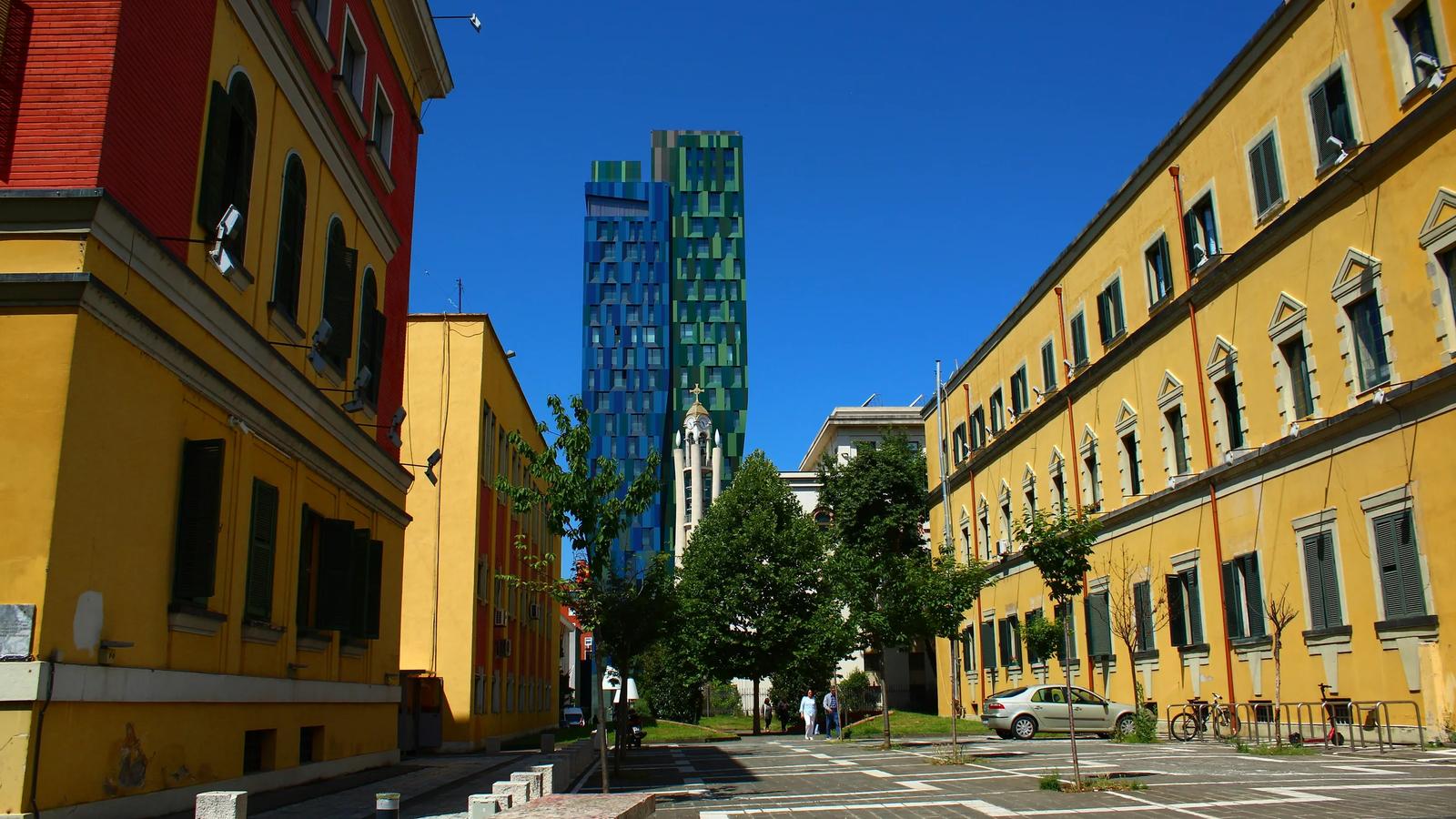
Tirana is a city of contrasts where Ottoman mosques sit next to communist bunkers and neon-painted Blloku facades. One full day is enough to get the highlights.
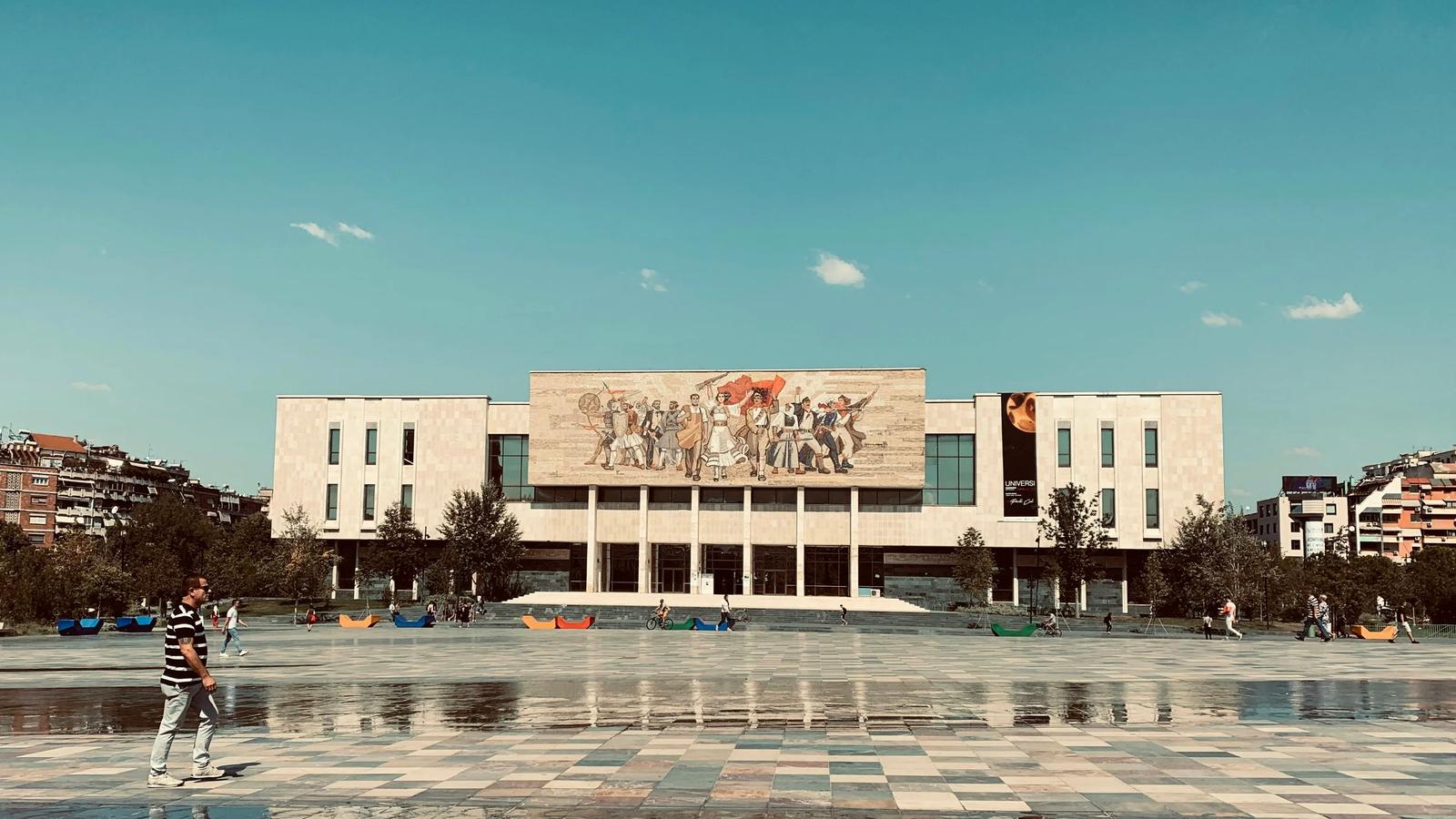
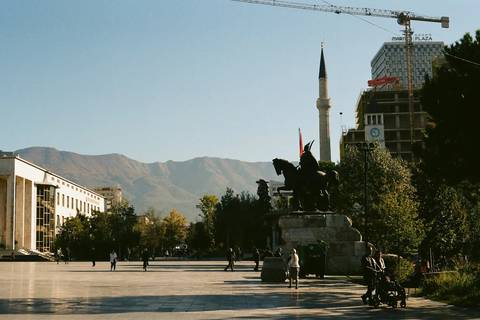
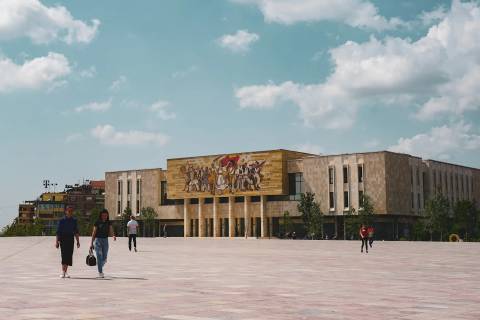
Start at Skanderbeg Square – the main hub with the Et'hem Bey Mosque and the National Historical Museum (entry 700 lek, about €7). Walk to the Pyramid of Tirana – the former Enver Hoxha museum, now a youth centre with terraces and city views.
In the afternoon, visit Bunk'Art 2 downtown (entry 500 lek). It is a former nuclear bunker turned into a museum-installation about the communist regime. If time permits, take the cable car to Mount Dajti – a return ticket is about 1 000 lek (€10), and the views from the top cover the entire city.
For dinner, head to the Blloku district: a meal for two with drinks runs €25–35. A simple lunch costs €7–12 per person in the centre – typical for tourist areas; neighbourhood restaurants are about 30% cheaper.
Tip: Pick up your rental car on the evening of Day 1 or the morning of Day 2 – parking in central Tirana is paid and chaotic, and you do not need a car for this walking day.
Where to stay: Tirana, hotels on Booking.com or Trip.com – from €40 for a double room.
Leave in the morning. On the way, consider a short stop in Kruja (30 km from Tirana): Kruja Castle, the Skanderbeg Museum (entry 300 lek), and the Old Bazaar with carpets and antiques. Allow 1.5–2 hours for Kruja.
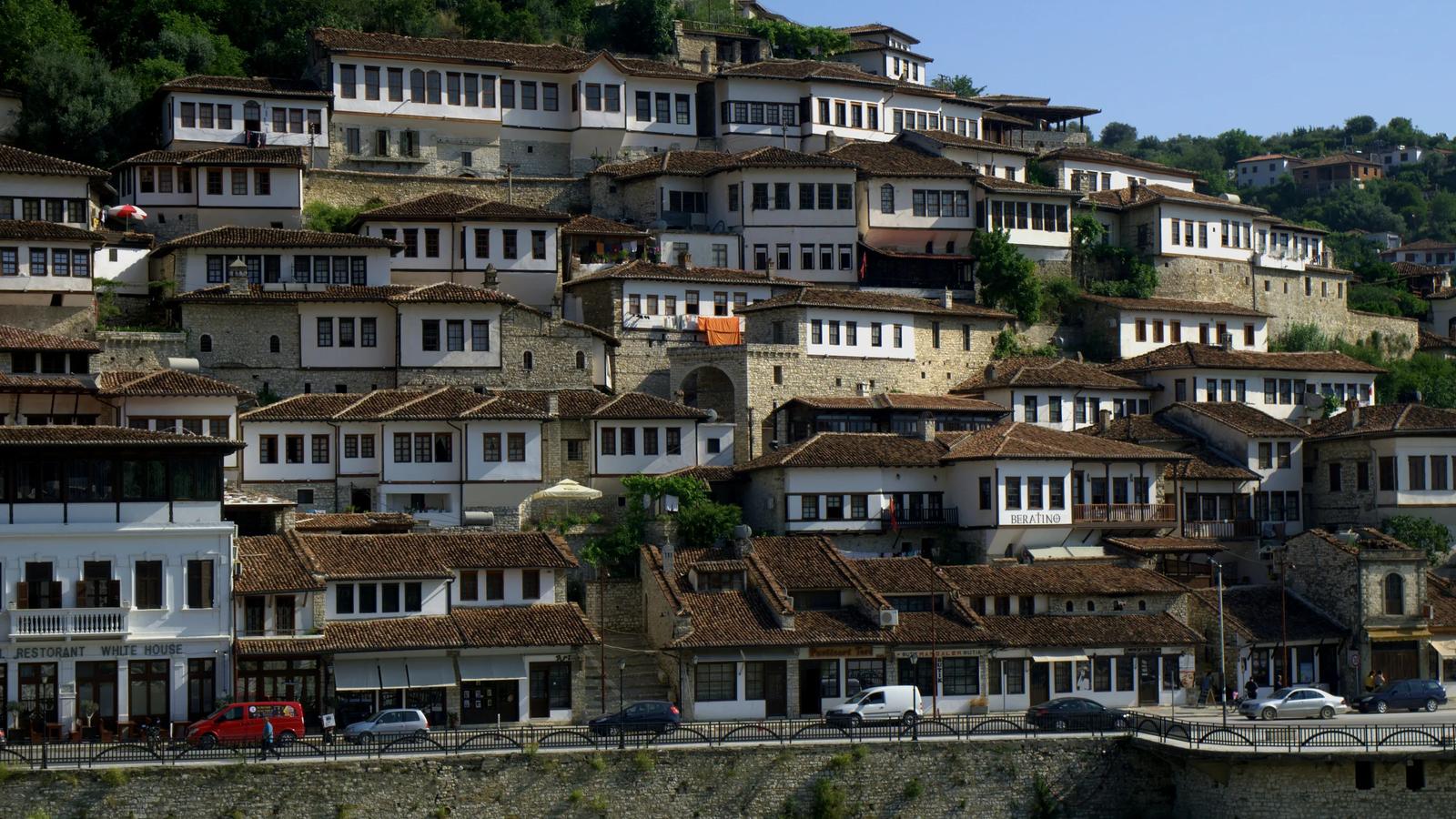
Arrive in Berat by lunchtime – the "city of a thousand windows" and a UNESCO World Heritage Site. Parking at the base of the castle is free, but the climb is steep on cobblestone streets.
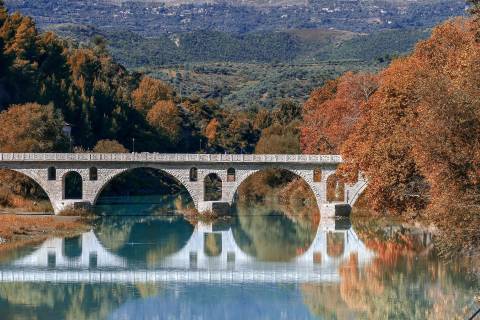
Must-sees: Berat Castle (free entry to the grounds; museums inside from 200 lek), the Old Town with its Mangalem and Gorica quarters, and Gorica Bridge – the best sunset photo spot. Inside the castle, the Onufri National Iconographic Museum holds a collection of 16th-century icons (entry 400 lek).
Where to stay: Berat, guesthouses in the old town – from €30 per room. More options in Best Hotels in Albania's Old Towns.
Day 3: Berat → Gjirokastra (130 km, ~2.5 h)
Drive south through mountain roads. The drive itself is scenic – switchbacks, valleys, and open pastures – but there are no major stops en route.
Gjirokastra is Albania's second UNESCO city, the "city of stone" with Ottoman-era architecture. Gjirokastër Castle is massive, with a military museum and a captured American spy plane on display (entry 400 lek). In the old town: Skenduli House (a classic Ottoman mansion, entry 300 lek), Zekate House, and the atmospheric Old Bazaar of Gjirokastër.
Lunch in the old town runs €5–10 for a full plate with a drink. Try the local dish qifqi – herb-fried rice balls.
Where to stay: Gjirokastra, stone guesthouses in the old town – from €35.
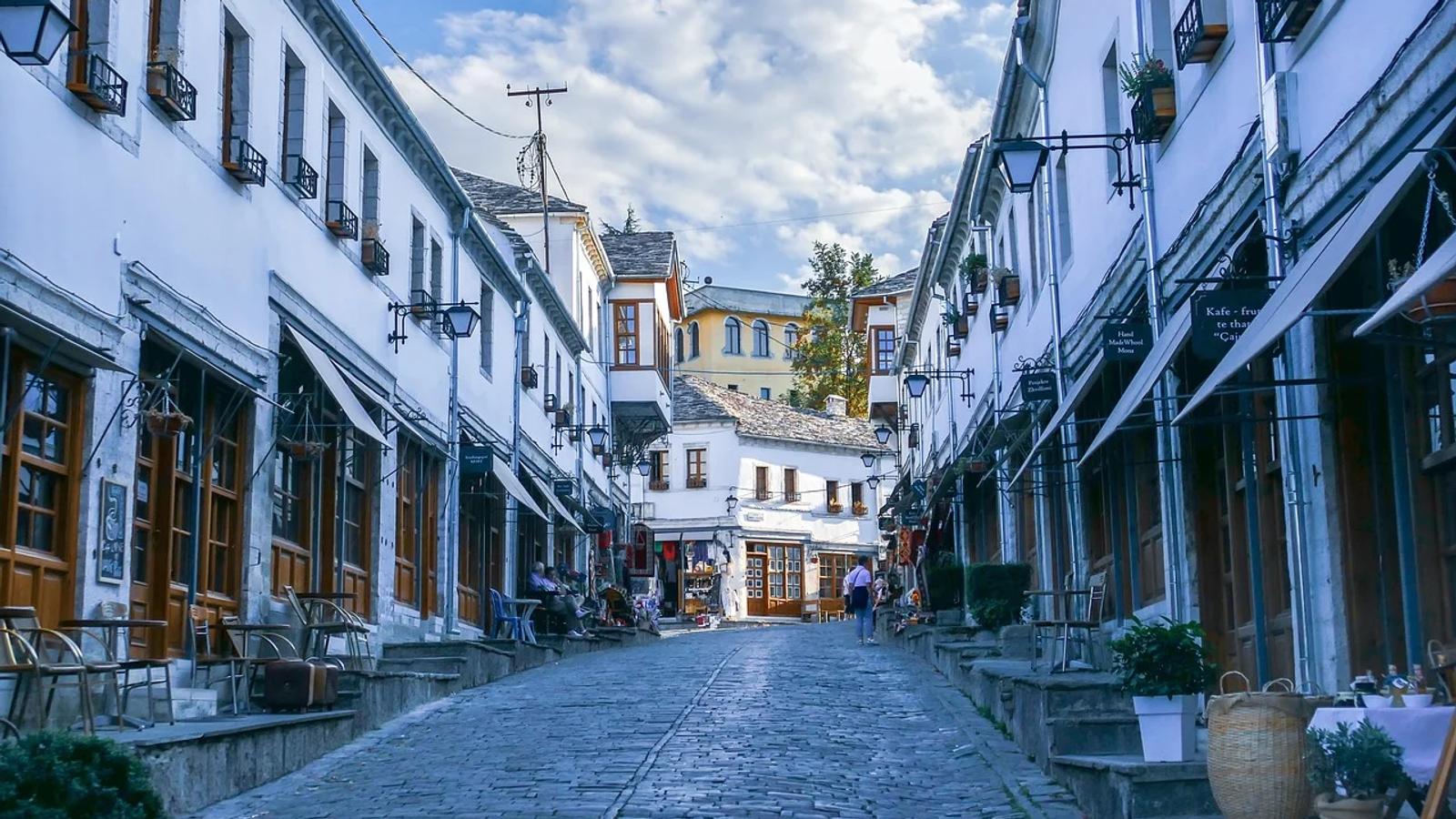
Day 4: Gjirokastra → Saranda (55 km, ~1.5 h) via Blue Eye
Leave in the morning with a mandatory stop at Blue Eye (Syri i Kaltër) – a karst spring with impossibly blue water whose depth has never been fully measured. Entry is 100 lek, parking 300 lek. Allow one hour; arrive before 10:00 to beat the crowds.
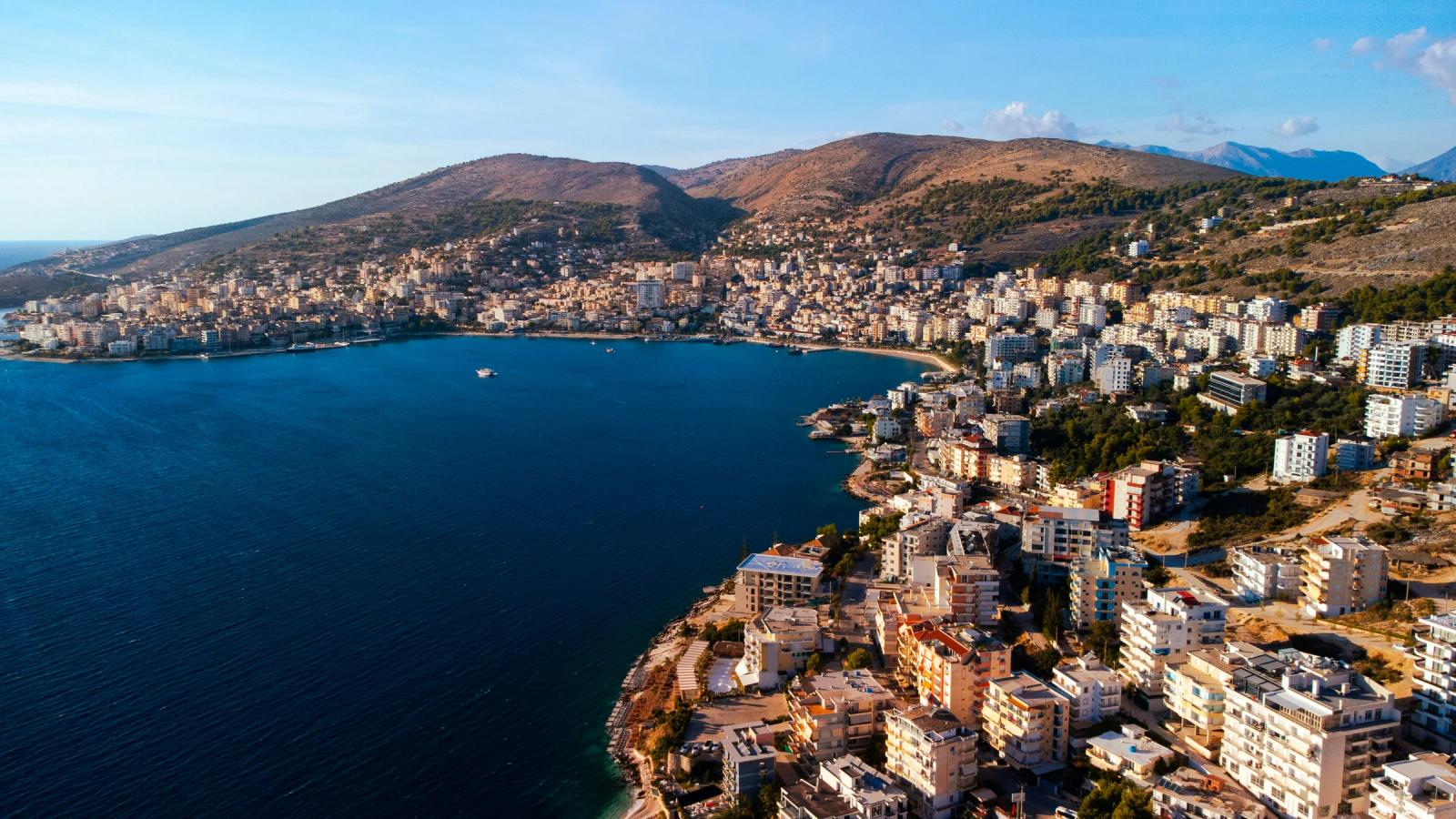
By lunch, reach Saranda, a resort town on the Ionian Sea with views of Corfu across the water. Saranda itself is not the most picturesque stop (typical resort development), but it is a convenient base.
Spend the afternoon at Butrint National Park (25 km south of Saranda). This is Albania's largest archaeological site: Greek, Roman, and Byzantine ruins spread across a forested peninsula. Entry is 1 000 lek (€10); allow 2–3 hours. A UNESCO site and one of the most impressive on the entire Balkan peninsula.
Where to stay: Saranda, waterfront hotels rated 8+ – from €45 in season, from €30 off-season.

This day is about beaches and coastline. From Saranda, head north along the Riviera, stopping at the highlights:
| Beach | What makes it special | Stop time |
|---|---|---|
| Sandy shore, islands 50 m offshore, most photogenic | 1–2 h | |
| "Mirror Beach," quiet, pebbly | 30–40 min | |
| Deep cove, turquoise water, camping options | 1 h | |
| Wide, beach bars, good for families | 1 h | |
| Venetian castle on a headland, entry 200 lek | 30 min |
The road along the Riviera is narrow and winding – allow more time than your GPS suggests. Sun-lounger rental on most beaches runs 500–1 000 lek (€5–10) per set.
By evening, arrive in Himara – a quiet fishing town with a harbour and the Venetian-era Himara Castle on the hill above.
Where to stay: Himara, sea-view apartments – from €35.
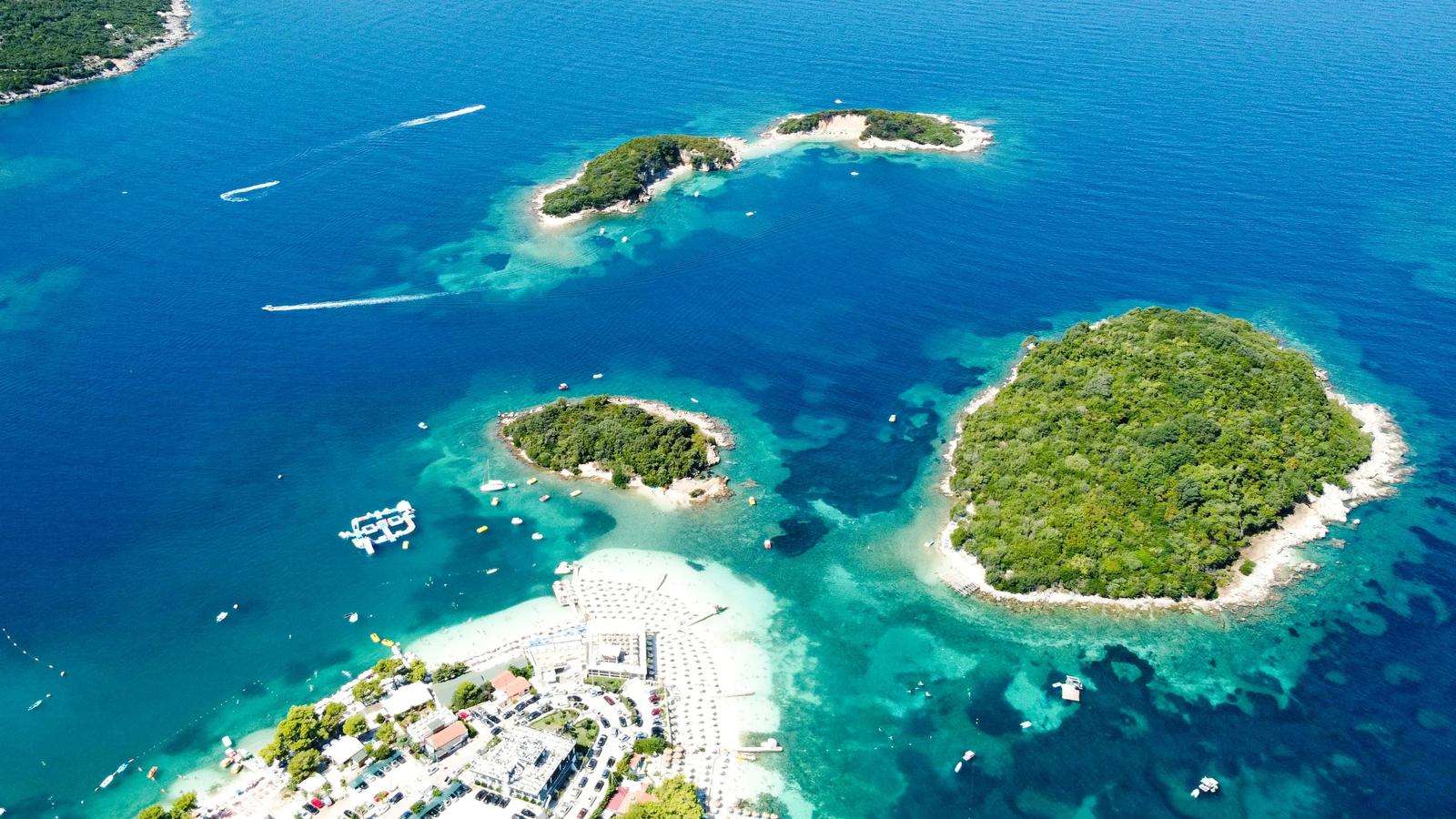
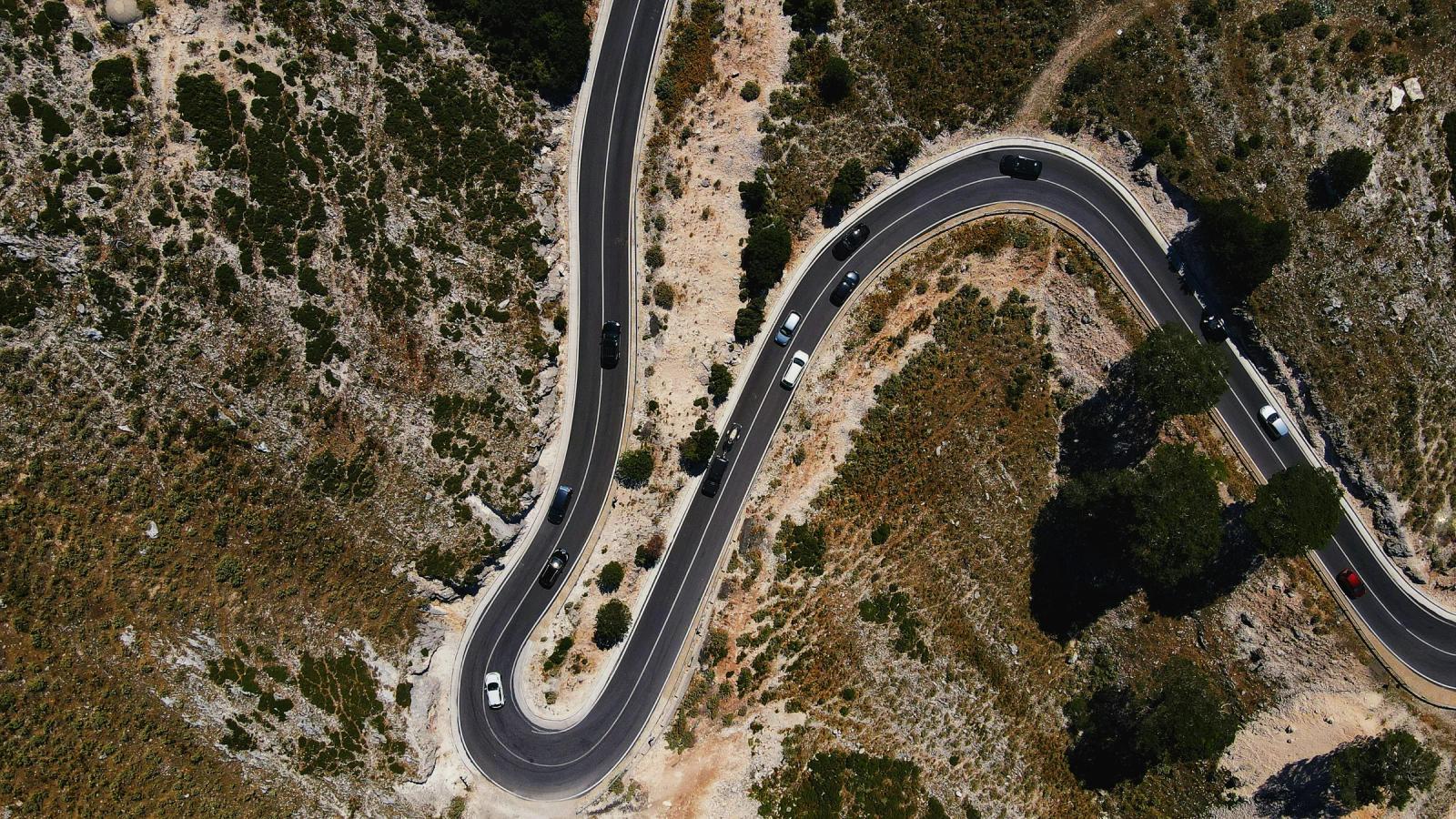
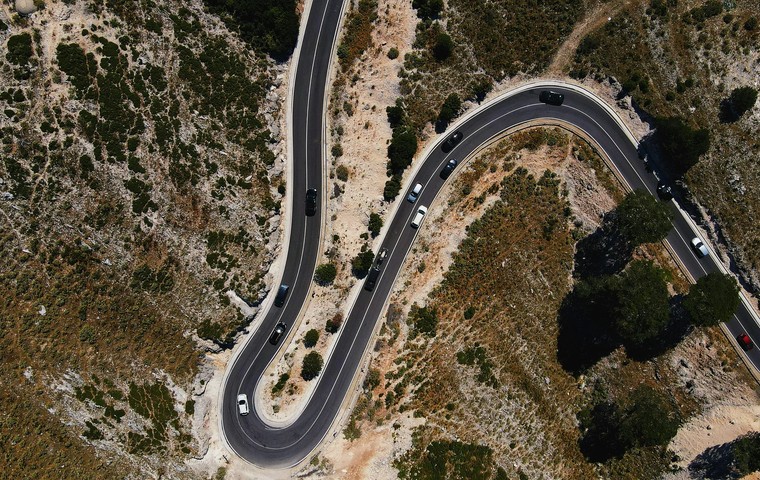
The highlight of the day – Llogara National Park and its pass at 1 027 m elevation. The SH8 road climbs in switchbacks from the coast through pine forests – one of the most spectacular stretches of road in the Balkans. At the top, there is parking and restaurants with views on both sides. Paragliders launch from here.
After the descent – Vlora, the port city where Albania declared independence in 1912. Visit the Independence Museum (entry 300 lek). The Vlora waterfront is pleasant for an evening stroll; dinner with a sea view starts from €15 for two.
Note: Vlora Airport (VLO) is planned to open in summer 2026, though the timeline has been delayed before. Check the current status before your trip.
Where to stay: Vlora, waterfront hotels – from €35.
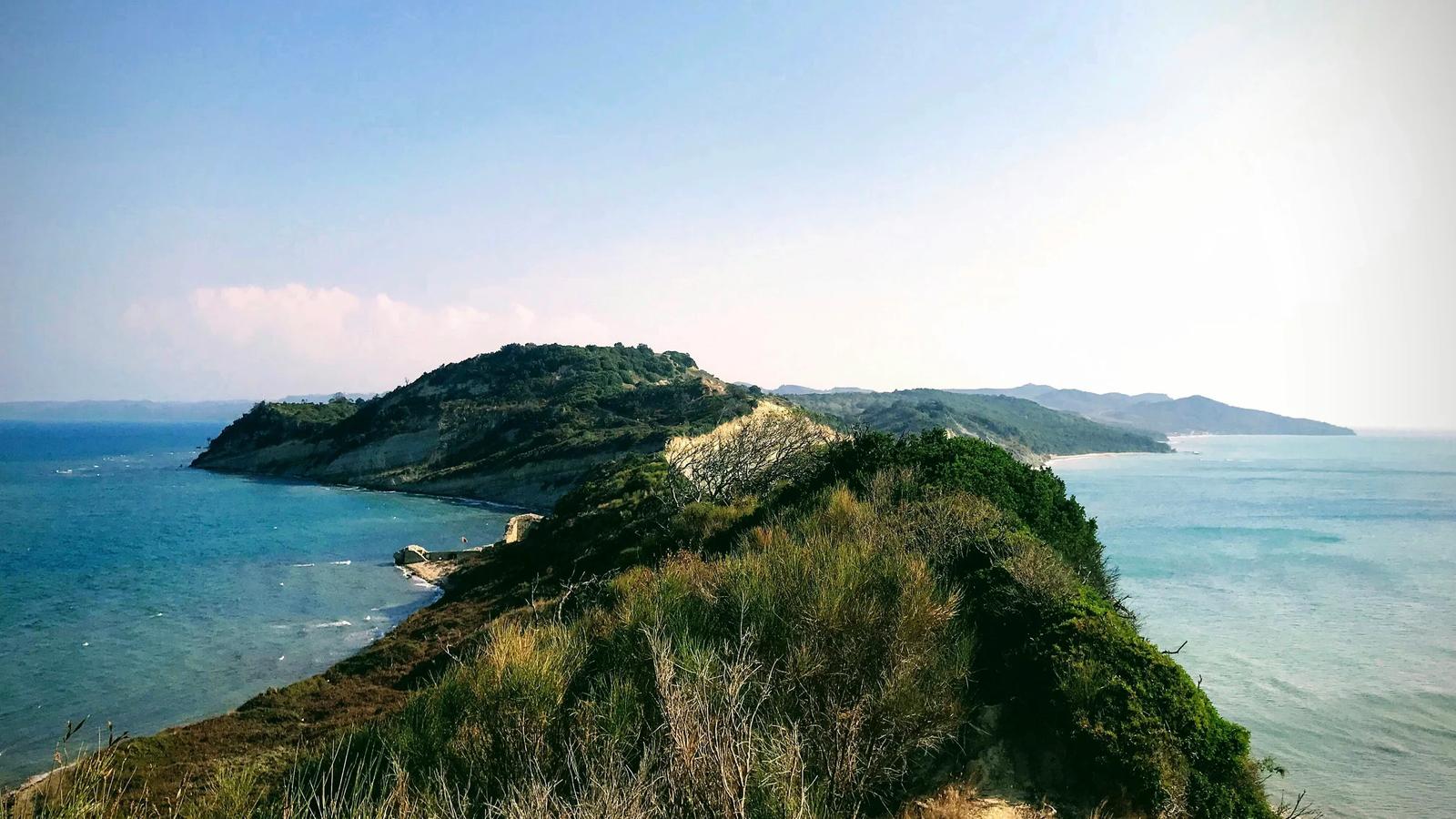
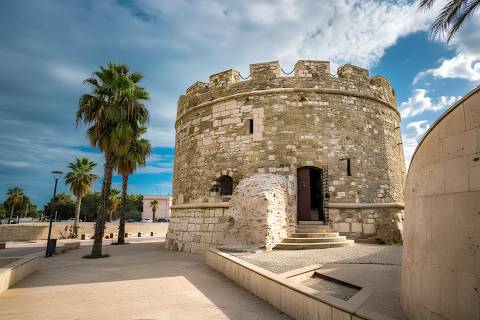
Return to Tirana via Durres – Albania's second-largest city. Stop for 1.5–2 hours: the Venetian Tower, the Roman amphitheatre (one of the largest in the Balkans, entry 400 lek), and a walk along the waterfront. Durres is more of a transit stop than a destination, but the amphitheatre alone is worth the detour.
By lunch or early evening, return the car at Tirana Airport or the city office. If your flight is late, there is time for a stroll in the Grand Park of Tirana or a final coffee in Blloku (cappuccino from €1.50–2.50).
Budget breakdown for two (7 nights)
| Expense | Budget option | Mid-range option |
|---|---|---|
Car (7 days + insurance) | €200–250 | €300–400 |
Fuel (~850 km) | €60–75 | €60–75 |
Accommodation (7 nights) | €210–280 | €350–500 |
Food (breakfast + lunch + dinner) | €200–280 | €350–450 |
Admission & activities | €50–70 | €80–120 |
Total for two | €720–955 | €1 140–1 545 |
(Updated: March 2026)
Note: Flights and visa fees are not included. International carriers serve Tirana Airport from major European hubs. Average round-trip fares range from €150 to €400 depending on the season and booking time.
Transport and car rental
Rent a car at Tirana Airport through Localrent or EconomyBookings. Economy class (Volkswagen Polo, Fiat Panda) starts at €20 per day; a compact SUV (Kia Sportage) from €50 per day. Full insurance (SCDW/CDW with zero excess) adds €10–20 per day, but skipping it is not worth the risk – mountain roads are narrow and surfaces are sometimes rough.
Key driving notes:
- Speed limits: 40 km/h in towns, 80 km/h on rural roads, 110 km/h on motorways.
- The motorway between Tirana and Durres is good quality. South of Vlora, expect switchbacks and narrow roads.
- GPS sometimes routes through unpaved tracks – double-check the road type before following.
- Fuel stations are available in every town, but between Gjirokastra and the coast they are scarce – fill up beforehand.
- An International Driving Permit is not strictly required if your licence uses the Latin alphabet, but having one avoids questions at the rental desk.
Insurance
Travel insurance is not legally required for Albania, but strongly recommended. Public hospitals in smaller towns are basic, while private clinics in Tirana operate at European standards and prices.
An EKTA START policy for 7 days costs from €7, with worldwide coverage. For active travel (rafting, hiking) – EKTA GOLD from €37. More details in Healthcare for Tourists in Albania.
Tours
If you prefer not to drive, key stops on this route are available as organised day trips from Tirana. A popular option is the Berat UNESCO tour with Belshi Lake from Tirana starting from $12 per person (4.9 rating, 830+ reviews), covering Berat's castle, old town, and lake in a single day. For the active type, the Gamti Mountain with Bovilla lake view & canyon is the top-rated experience (4.9 rating, 1 300+ reviews, from $12 per person). Food lovers can book Cooking classes and traditional food tasting in Tirana for around $49 per person.
Connectivity
Mobile data is essential for navigation on mountain roads. Local SIM cards from Vodafone and One cost €5–10 with a data bundle, but buy them in city shops – airport prices are 2–3 times higher.
An alternative is eSIM, which you can activate before departure. Full comparison in Best eSIM for Albania. Good options include Yesim, Airalo, and Esim4travel.
Practical tips
- Cash is essential. Even when booking online, many hotels request cash payment at check-in. ATMs exist in every town, but withdrawal fees run 300–500 lek (€3–5).
- Electricity – European Type C/F sockets, no adapter needed for most European plugs. US/UK travellers need a converter.
- Language – Albanian, but English and Italian are widely spoken in tourist zones.
- Safety – Albania is safe for tourists. Petty crime is minimal, but keep an eye on belongings at beaches and crowded areas.
- Book accommodation through Booking.com or Trip.com. Never wire money directly to a property owner – use verified platforms only.
More on budgeting: Albania Travel Budget. On renting: Car Rental in Albania.
Frequently asked questions
1. Can I do this route without a car?
Not realistically. Furgons (shared minivans) run between cities, but schedules are irregular, no public transport serves the Riviera beaches, and reaching Blue Eye without a car is extremely difficult. Without a vehicle, you would need to significantly shorten the itinerary.
2. What type of car should I rent?
A compact crossover or high-clearance hatchback works best. A full SUV is not necessary – all roads on this route are paved, though surface quality varies. Automatic transmission costs about €10–15 more per day than manual.
3. How many days should I spend on the Riviera?
This itinerary allocates one full day to the coast. If you want beach time, add 2–3 days in Himara or Saranda – these are the best bases for swimming.
4. Are the mountain roads safe?
Yes, but they require attention. The road through Llogara Pass is narrow, with sharp turns and no guardrails on some stretches. Local drivers tend to be aggressive. Avoid driving mountain sections at night.
5. Can I cross the border with a rental car?
Most Albanian rental companies prohibit taking the car across borders. If you plan to combine Albania with Montenegro or Greece, confirm this before booking – only a few companies allow it, usually for an extra fee.
Summary
Seven days in Albania by car covers two UNESCO World Heritage Sites, a Riviera with beaches rivalling Croatia at half the price, a mountain pass, and hearty food for very little. The route is balanced: no drive exceeds 2.5 hours, no overnight stay repeats. On a budget, the trip costs less than a single week in many Mediterranean destinations – with more variety. For a comparison, see Albania vs Montenegro Vacation.
Sources:
- Ministry of Foreign Affairs of Albania – visa regime
- Albania e-Visa – official portal
- Albania Tour Guide – car rental costs
- Budget Your Trip – Albania travel costs
- Numbeo – cost of living data
Places to see in Albania
You may also like
Ulcinj to Shkodër by Car: Is It Worth the Day Trip and What Documents Do You Need
How to drive from Ulcinj, Montenegro to Shkodër, Albania – Sukobin-Muriqan border crossing, rental car documents, Green Card insurance, what to see, and trip costs in 2026
February 24, 2026Driving in Albania: Traffic Police Target Rentals – Fines & Rules You Can't Miss
Zero alcohol tolerance (0.01‰), daytime headlights mandatory, phone use fine €150. Police specifically pull over rental cars. The real rules behind the wheel in Albania.
April 21, 2026
Car Rental in Albania: Companies, Insurance, Roads and Hidden Pitfalls
Complete guide to renting a car in Albania: where to book, costs, insurance traps, road conditions, fuel prices, parking and cross-border trips.
February 25, 2026
Localrent Albania: How to Find a No-Deposit Car and Check Insurance
"No deposit" does not guarantee full insurance. Follow a real €247.38 quote to the payment boundary and see what to verify first.
July 16, 2026Montenegro – Albania Border Crossing: 3 Checkpoints, Wait Times & What Documents You Need
Three crossings, wildly different queues. Which one to pick, what papers border guards actually check, and how to skip the summer gridlock – a practical breakdown.
March 20, 2026
Albania in August: 32°C, Peak Crowds & Where to Find a Quiet Beach
August brings 10 hours of sun a day and 25°C sea – but Riviera accommodation costs 40–60% more than May. An honest look at whether peak season is worth it, plus the uncrowded coves right next to packed Ksamil.
July 12, 2026