Blog · Tours
Albania vs Montenegro – Which Country to Choose for Your Vacation
 Tours
ToursIn this article
Some links are affiliate links. You pay the same, and we may earn a commission.
Detailed comparison of Albania and Montenegro for holidays: prices, beaches, visas, transport, and infrastructure. An honest breakdown of each country's pros and cons.
In short – Montenegro suits travelers who want predictable service, compact distances, and well-developed beach infrastructure. Albania is for those willing to trade some polish for dramatically lower prices, wild beaches, and the thrill of an "undiscovered" destination. Both countries sit on the Adriatic, both offer mountains and sea, but the experience inside each differs significantly. Here is an honest comparison across the key parameters.
Key takeaways:
- Budget: Albania is 25–40% cheaper than Montenegro across all major spending categories
- Currency: Montenegro uses the euro; Albania uses the lek (ALL), but euros are widely accepted
- Beaches: Montenegro – pebble and concrete platforms; Albania – sandy beaches and wild Ionian coves
- Getting there: Both countries are well served by low-cost carriers from major European hubs
- Car rental: The best way to see either country; Localrent offers vehicles from €25–30 per day
- Infrastructure: Montenegro caters to mass tourism; Albania is developing fast with uneven quality
- Visa: Check requirements for your nationality – many passport holders enjoy visa-free access to both countries
Getting There
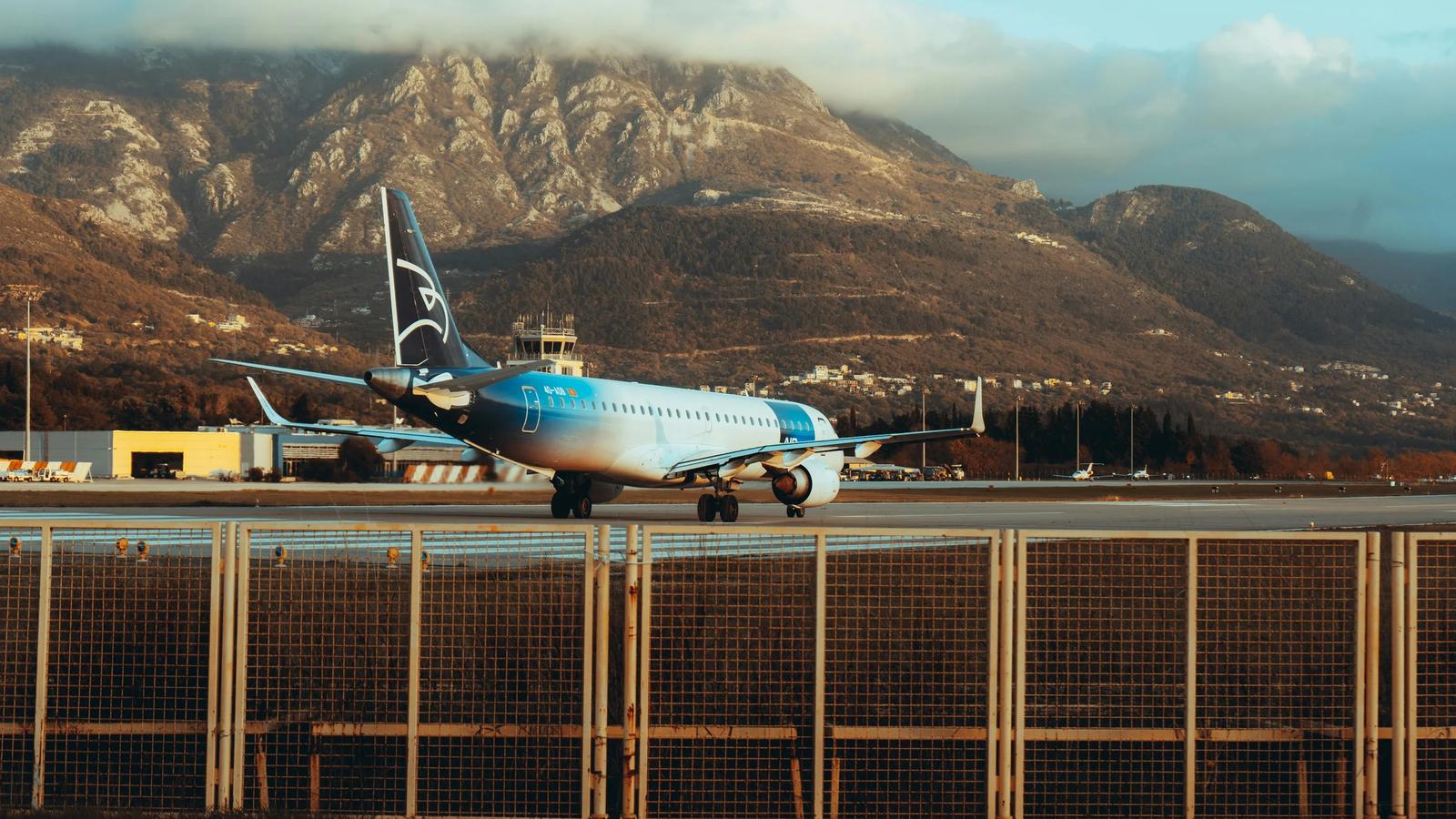
Both countries have improving air connectivity.
Tivat is more convenient for the coast, while Podgorica serves the capital and northern Montenegro. Tirana is the main hub, with the new Vlora airport adding capacity for the southern Riviera.
Prices: How Much Does a Week Really Cost
Both countries are budget-friendly by European standards, but Albania is noticeably cheaper. (Updated: February 2026)
| Category | Montenegro | Albania |
|---|---|---|
Lunch at a café | €10 (€6–15) | ~€8 (€5–20) |
Dinner for two at a restaurant | €40 (€30–90) | ~€40 (€25–75) |
Cappuccino | €2.15 | ~€1.70 |
Draft beer (0.5L) | €2.50 | ~€2.50 |
Taxi per km | €1 | ~€0.90–1.30 + €3.30–3.80 start |
Petrol (1L) | €1.75 | ~€2.10 |
Car rental (economy, per day) | from €25 | from €20 |
The main catch with Albania is taxis: meters are rare, starting fares are steep, and negotiating is essential. In Montenegro, taxis are cheaper and more transparent.
Accommodation is comparable in tourist zones, averaging €50–80 per night in peak season. The difference appears off the beaten path: Albanian guesthouses run €20–30, while Montenegrin mountain stays cost €35–50. Book through Booking or Trip.com for coverage in both countries.
Beaches and Sea: Pebbles vs Sand
This is probably the biggest distinction for beach holidaymakers.
Montenegro features predominantly pebble beaches. The Budva Riviera (Budva, Becici, Rafailovici) is densely built-up and crowded in summer. Exceptions include Queen's Beach near Sveti Stefan and the long sandy stretches near Ulcinj and Ada Bojana.
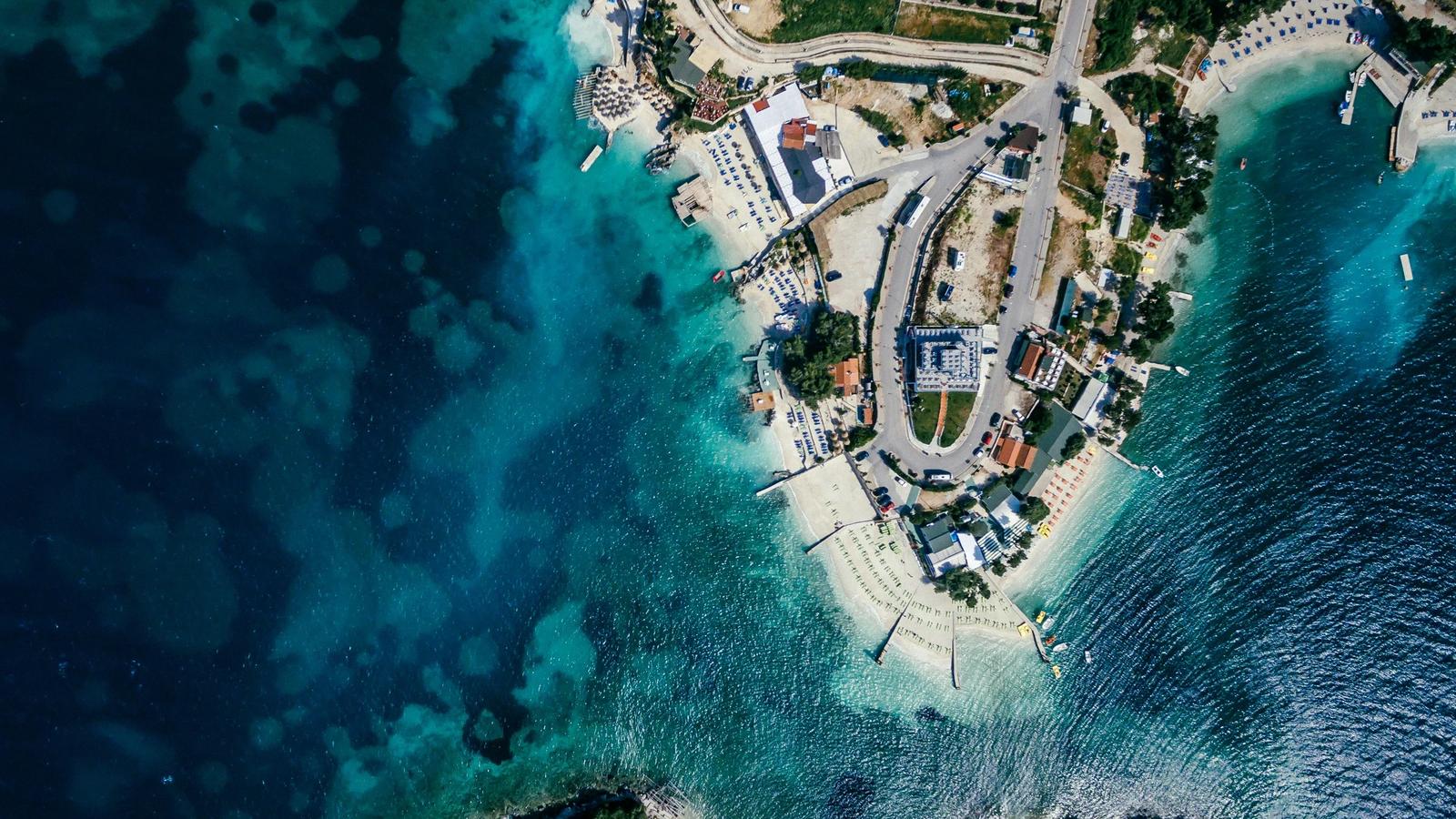
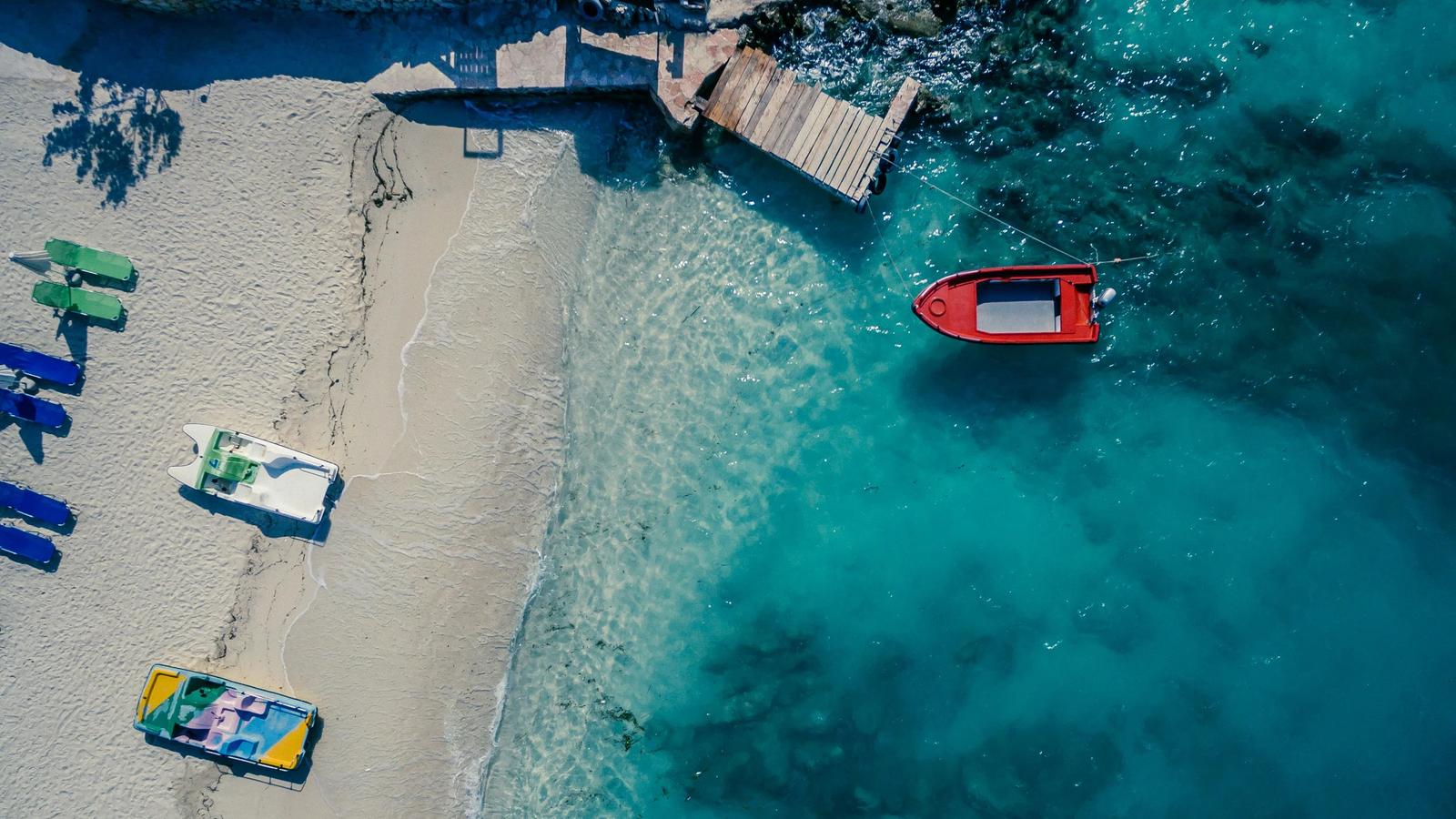
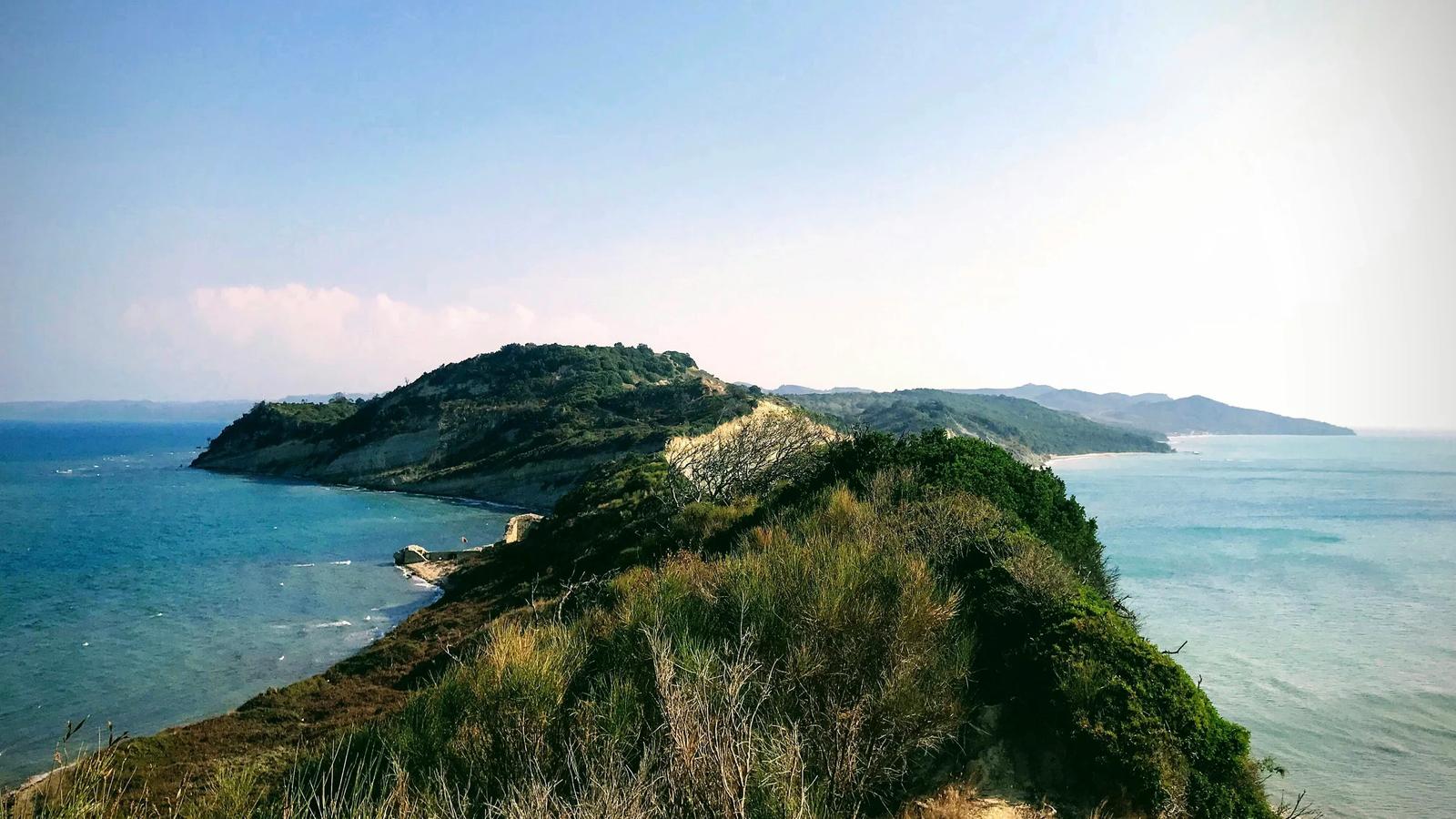
Albania wins on variety. The Adriatic coast (Durrës, Vlorë) has sand but murky shallow water. The real gem is the Ionian coastline south of Vlorë: Himarë, Dhërmi, and Ksamil near Sarandë. Turquoise water, rocky coves, and minimal development – rivaling Greek islands at a fraction of the price.
| Parameter | Montenegro | Albania |
|---|---|---|
Main beach type | Pebble, concrete platforms | Sand (north), rocky coves (south) |
Water clarity | Good (Bay of Kotor), average (Budva) | Excellent (Ionian), average (Durrës) |
Peak season crowding | High | Moderate (except Ksamil) |
Sunbed + umbrella | €10–20 | €5–10 |
Wild beaches | Few | Many |
What to See
Both countries pack a remarkable amount into small areas.
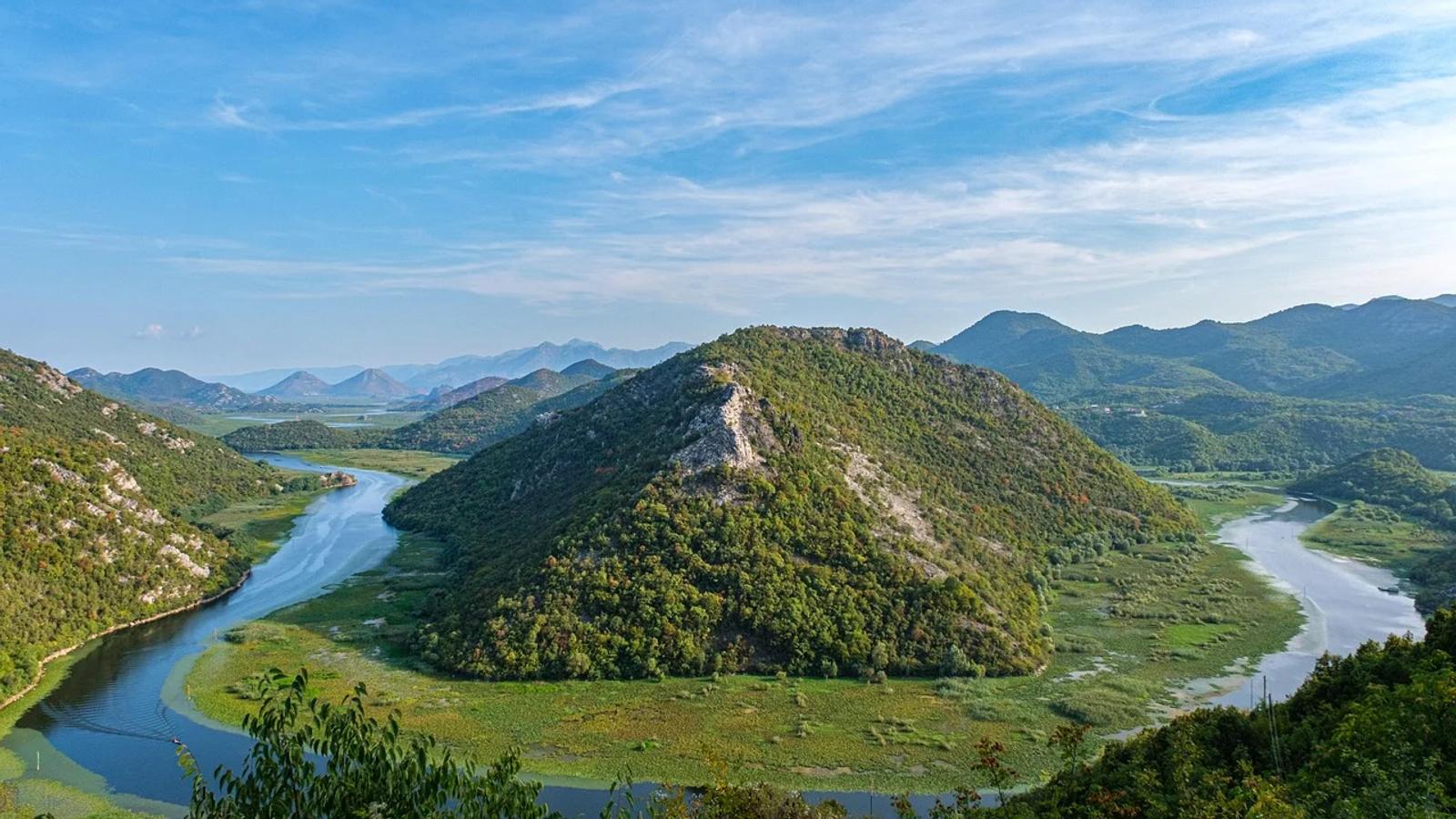
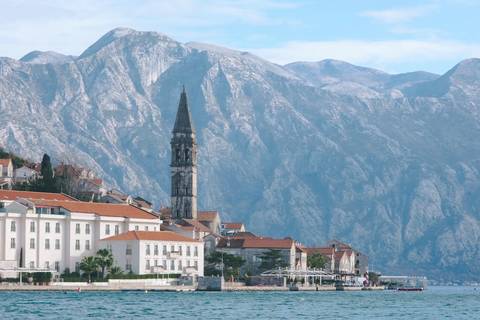
Montenegro revolves around the Bay of Kotor: medieval fortresses, the climb to San Giovanni Castle, and Our Lady of the Rocks near Perast. The north offers Durmitor National Park with the Tara Bridge and Black Lake, plus Lake Skadar for nature lovers.
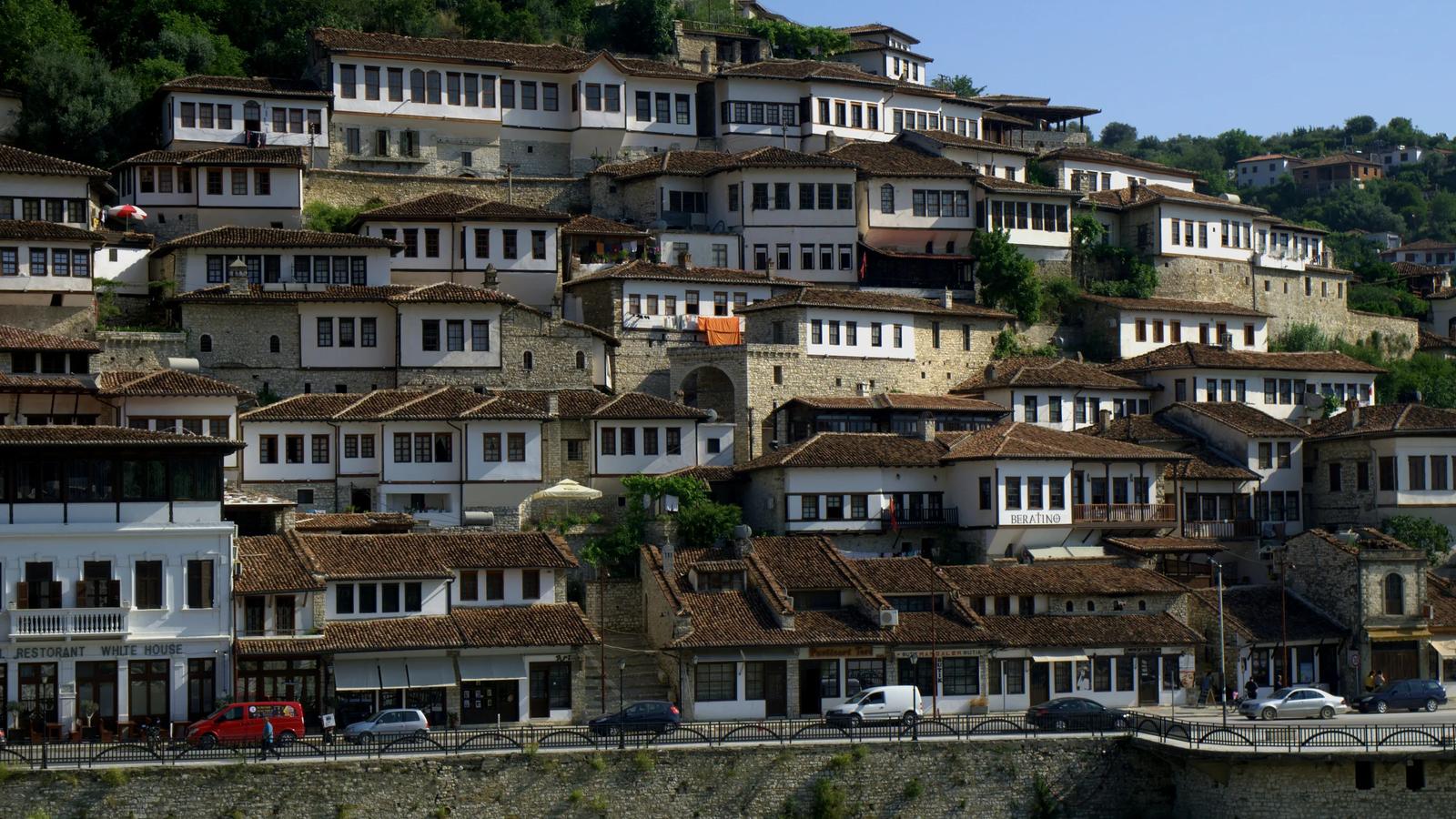
Albania boasts two UNESCO sites – Berat ("city of a thousand windows") and Gjirokastër (Ottoman architecture). Butrint National Park near Sarandë is a major archaeological site. Tirana features Skanderbeg Square, Bunk'Art, and the Pyramid of Tirana. The Blue Eye spring is a natural wonder.
If time is limited (5–7 days), Montenegro is more convenient – everything is close. With 10+ days and an appetite for adventure, Albania rewards with depth and diversity.
Organized tours in both countries are available through Viator and Tripster.
Transport and Roads
Montenegro is compact – key distances are 30–100 km. The main coastal road (Adriatic Highway) is good quality but single-lane and congested in summer. Mountain switchbacks to Žabljak demand experience. Car rental through Localrent from €25 per day is the best option.
Albania covers larger distances with worse roads. Main highways have improved significantly, but mountain sections (Llogara Pass, road to Gjirokastër) remain challenging. Local driving style is aggressive, and livestock on roads is common. Rent through Localrent from €20, but full insurance is essential.
Food and Gastronomy
Both cuisines are Balkan with strong Mediterranean influence, but the accents differ.
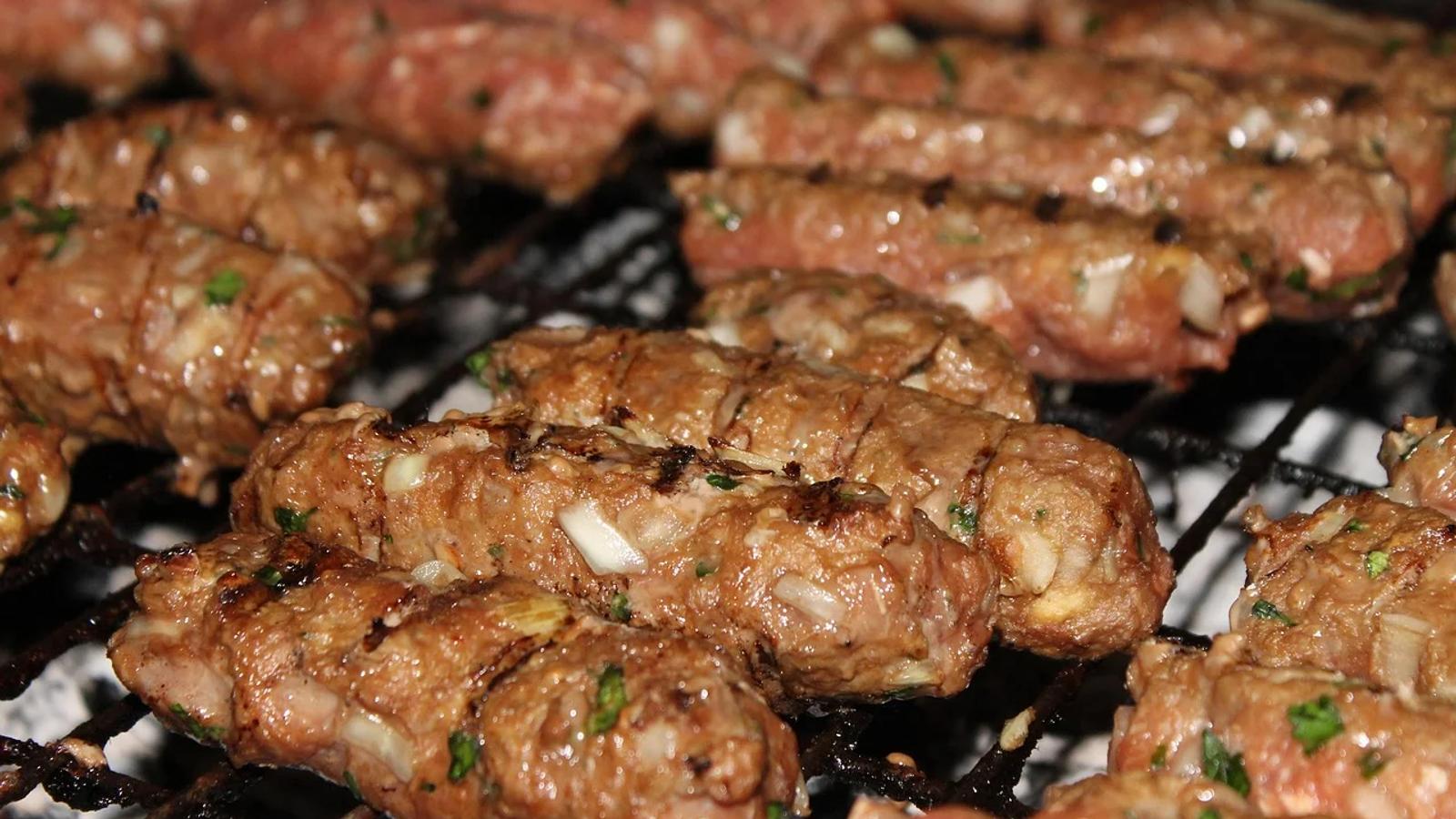
Montenegro specializes in coastal seafood (Bay of Kotor mussels, grilled fish) and highland meats (lamb, Njeguši prosciutto, kajmak cheese). Local wines – Vranac and Krstač – are underrated.
Albania offers Turkish-influenced street food: burek, sufllaqe, tavë kosi (lamb baked in yogurt), and fergese (vegetable and cheese stew). Seafood in Sarandë and Vlorë is fresh and cheap. Raki (grape brandy) accompanies every meal.
For value, Albania wins – generous portions, street food at €2–4, and full lunches at €7–10 vs Montenegro's €10–15.
Who Should Choose Which Country
| Traveler Profile | Better Choice | Why |
|---|---|---|
Families with children | Montenegro | Predictable service, compact, safe |
Backpackers and budget travelers | Albania | 30–40% cheaper, more "discoveries" |
Beach lovers | Albania (south) | Ionian beaches – the best in the Balkans |
Food and wine enthusiasts | Montenegro | Developed restaurant scene, winemaking |
Active holidays (mountains, canyons) | Montenegro | Durmitor, Tara rafting, canyoning |
Cultural tourism | Albania | UNESCO cities, archaeology, bunkers |
First Balkan trip | Montenegro | Easier logistics, familiar service |
"Seen everything" – seeking new | Albania | Feels like an undiscovered country |
Connectivity
Mobile internet works in both countries, though mountain coverage can be spotty. For traveling across both countries, a regional eSIM is the most convenient solution – one plan covers both nations.
Yesim offers a Balkans package: 5 GB for €15 for 30 days or 20 GB for €36 – covering Montenegro, Albania, Croatia, Serbia, and 8 more countries. For single-country visits, Yesim also offers local unlimited plans: €7 for 1 day or €22 for 7 days in Montenegro.
Local SIM cards are cheaper (around €5–10 for a data package) but require visiting a carrier shop with your passport. More details in Best eSIMs for Montenegro and Albania.
Insurance
Neither Montenegro nor Albania requires proof of medical insurance at the border, but traveling uninsured is a risky gamble. Emergency room visits and hospitalization can cost hundreds of euros.
A basic EKTA policy for 7 days starts at $7, with extended coverage for active holidays from $37. If you plan rafting in Montenegro or hiking in Albania, choose the sports coverage option. See Travel Insurance in Montenegro for details.
Combining Both Countries in One Trip
Yes – and it is one of the best scenarios. The border crossing is straightforward by car; Budva to Shkodër is roughly 100 km (2–2.5 hours). From Ulcinj to the border takes 30 minutes.
Ideal 10–14 day route: Tivat → Montenegro coast (3–4 days) → Bay of Kotor (1–2 days) → drive via Ulcinj → Shkodër (1 day) → Tirana (1 day) → Berat (1 day) → Ionian Coast and Sarandë (3–4 days) → fly out from Tirana.
You will need a rental car (Localrent allows cross-border travel when booking from Montenegro) and a regional eSIM to stay connected at the border crossing.
More on cross-border routes: Border Routes: Where to Go from Montenegro for a One-Day Trip.
Frequently Asked Questions
1. Which country is cheaper – Albania or Montenegro? Albania is cheaper by 25–40% on average. The biggest difference is in food (lunch €7–10 vs €10–15) and beach amenities (sunbed €5–10 vs €10–20). Accommodation in tourist zones is comparable, but off the beaten path Albania is significantly more affordable.
2. Where are the better beaches? It depends on preference. Albania's Ionian coast (Himarë, Ksamil, Dhërmi) offers turquoise water and rocky coves. Montenegro has more developed but pebble and crowded beaches in peak season. For wild beaches, choose Albania; for comfort, choose Montenegro.
3. Can you visit both countries in one trip? Yes, easily. By car, the coastlines are 2–3 hours apart. Plan 10–14 days: 4–5 for Montenegro, 5–7 for Albania. A regional eSIM covers connectivity in both countries.
4. Which country is safer for tourists? Both are safe with low crime rates. Montenegro has more mature tourist infrastructure. In Albania, be cautious on roads (chaotic driving) and in remote areas (stray dogs). Minor scams with taxi fares and restaurant bills can happen in both countries – always check prices beforehand.
5. Is it worth renting a car in both countries? Absolutely. Public transport is limited in both countries, especially outside main cities. A rental car opens up the best beaches, mountain passes, and hidden villages. Budget €25–30 per day with full insurance. Book through Localrent for transparent pricing with cross-border options.
Conclusion
Montenegro is the reliable Adriatic classic – convenient logistics, predictable service, and everything within easy reach. Albania is the next level for travelers seeking authenticity, budget-friendly prices, and beaches that have not yet hit the mainstream guides. Both countries deserve a visit. The ideal scenario is combining them into a single itinerary.
Read also:
- Montenegro Prices in 2026
- Popular Itineraries in Montenegro: What to See in 1 to 7 Days
- Car Rental in Montenegro
- Best eSIMs for Montenegro and Albania
Places to see in Montenegro
You may also like
Montenegro in August: +32 °C, Budva Crowds and Where to Actually Go Instead
Peak season: sea at +26 °C, hotels cost double May rates, Budva is packed. Here's where to stay smarter – Ulcinj, Žabljak, Herceg Novi – and what it really costs.
April 21, 2026
Bar, Montenegro: Ancient Ruins, 2 000-Year-Old Olives & a Working Port
Bar is Montenegro's only ferry port to Italy and the terminus of the Belgrade–Bar railway. Stari Bar fortress, a 2 000-year-old olive tree, quiet beaches, and prices 30% below Budva.
March 21, 2026
Albania in March: Empty Coast & 30–40% Cheaper Than Summer
March in Albania: 13–16°C on the coast, a sea too cold for swimming, but no crowds and prices 30–40% below summer. What's open, transport and tips.
February 26, 2026
Where to Book a Tour in Montenegro?
Find out where and how to easily book a tour in Montenegro – the best online platforms for excursions, transfers, and reviews.
June 07, 2025
Montenegro in November – weather, sea and is it worth going?
Montenegro in November – weather and sea temperature, how rainy it gets, where to stay, average prices for hotels, car rental and transfers, what to pack and what to do on the coast and in the mountains.
November 16, 2025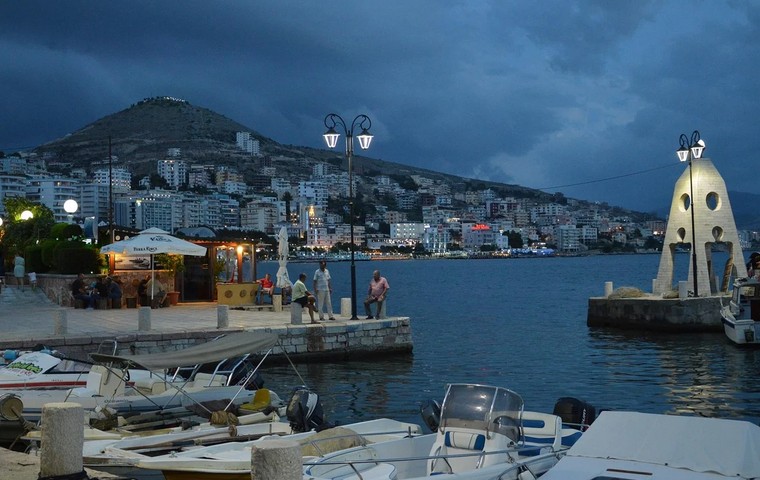
Day Trips from Saranda: 5 Honest Tour Picks (and Where Combo Tours Lie)
Butrint, Blue Eye, Ksamil and Gjirokastra in one day – with real prices, drive times and which combo tours are worth it. Includes ferry to Corfu logistics.
April 26, 2026