Blog · Tips
Albania in March: Empty Coast & 30–40% Cheaper Than Summer
 Tips
TipsIn this article
Some links are affiliate links. You pay the same, and we may earn a commission.
March in Albania: 13–16°C on the coast, a sea too cold for swimming, but no crowds and prices 30–40% below summer. What's open, transport and tips.
March in Albania is an early shoulder season: tourist crowds are virtually non-existent, accommodation prices drop 30–40% compared to summer, and nature begins to awaken. Daytime temperatures range from 6 °C at night to 15 °C during the day, while the sea sits at a chilly 13–15 °C – swimming is off the table, but conditions are solid for exploring cities, fortresses and mountain trails. The main drawback is rain: expect 10–13 rainy days per month and about 110 mm of precipitation.
Key facts:
- Air temperature: 6–15 °C on the coast, 2–12 °C in the mountains, up to 15 °C daytime in Tirana
- Sea temperature: 13–15 °C – no swimming
- Rainfall: 10–13 rainy days, approximately 110 mm per month
- Crowds: low season, many coastal businesses closed
- Accommodation prices: 30–40% cheaper than July – August
- Visa: check requirements for your nationality – many passport holders enter visa-free for 90 days; others may need an e-visa (60 €)
- Currency: Albanian lek (ALL), though euros are widely accepted in tourist areas
Weather by Region
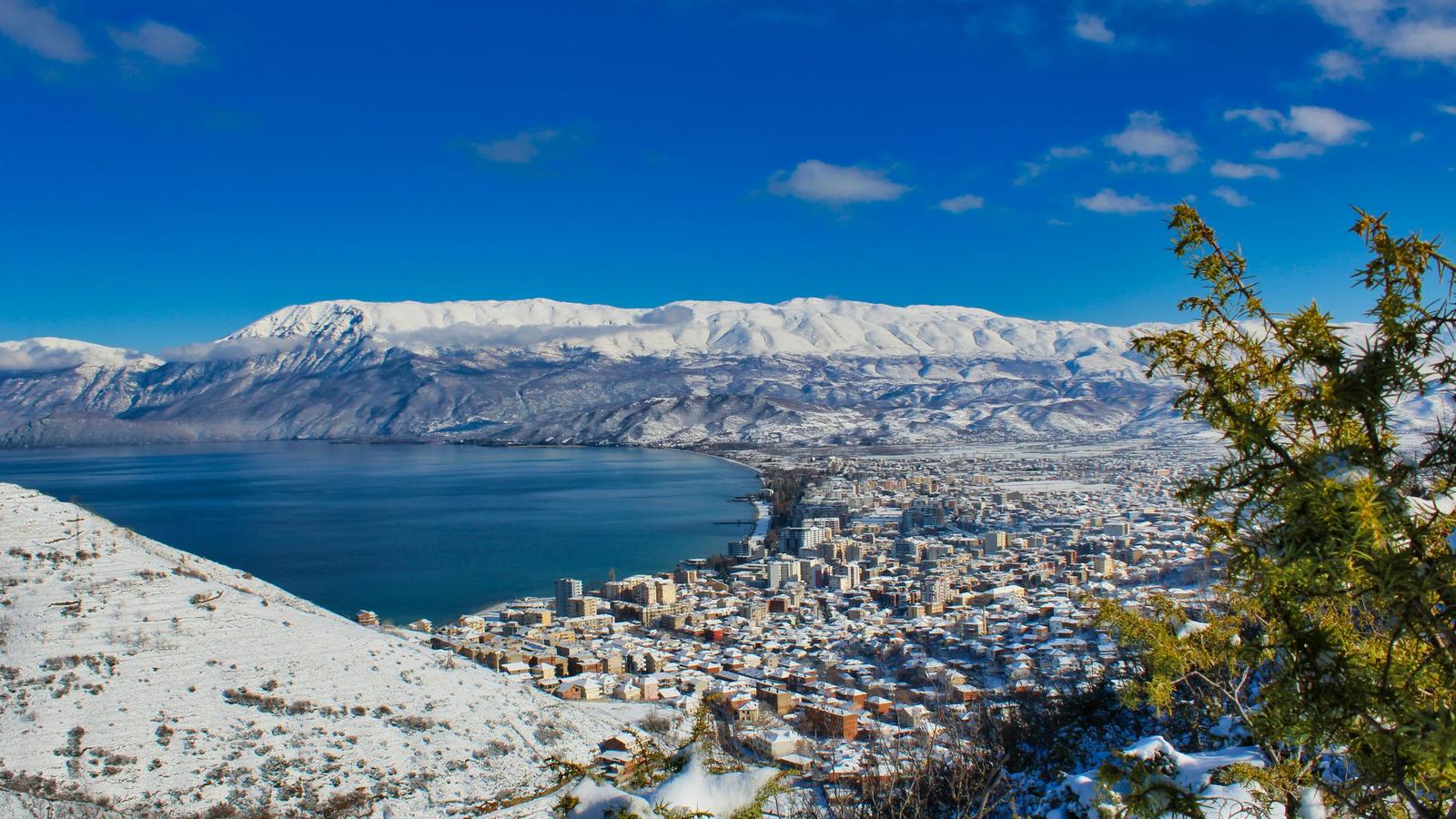
March in Albania is a transitional month. Early March still feels like winter; by month's end, spring is in the air.
Coast (Durrës, Vlorë, Sarandë): Daytime 13–16 °C, nights 5–8 °C. Around 5 hours of sunshine per day. Sea breezes add a chill factor. A waterproof jacket and umbrella are essential.
Tirana and central Albania: Up to 15 °C by day, 4–5 °C at night. Slightly less rain than the coast but frequent cloud cover.
Mountains (Shkodër, Gjirokastër): Daytime 10–14 °C, nights as low as 2 °C. Snow is possible above 1 500 m. The Llogara Pass between Vlorë and Himarë may still be snow-covered.
Tip: if driving south along the Albanian Riviera in March, check road conditions through Llogara National Park – the pass occasionally closes due to snow early in the month.
What to See and Do
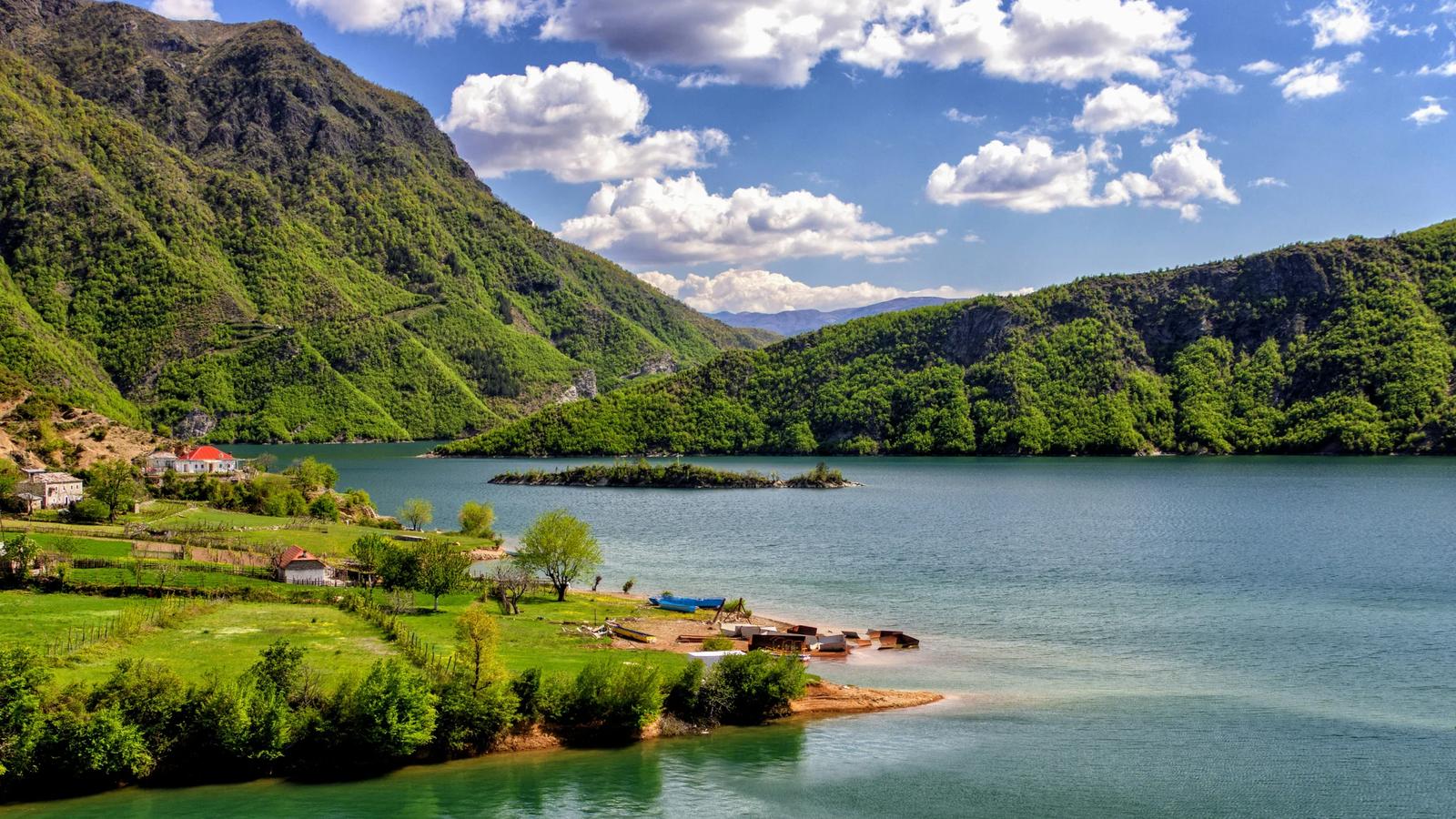
Beach holidays are off the table, but March is excellent for cultural and urban tourism. The absence of crowds is the key advantage.
Cities
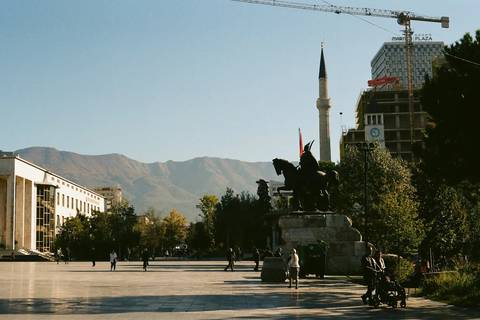
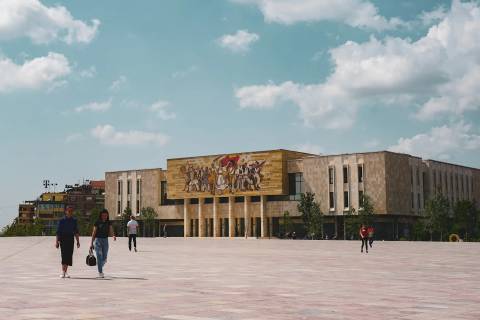
Tirana – the capital operates year-round. Skanderbeg Square, the Pyramid of Tirana (converted into a youth centre), Bunk'Art 1 and Bunk'Art 2 – all museums are open. The cable car to Mount Dajti offers a city panorama with snow-capped mountains in the background – particularly striking in March.
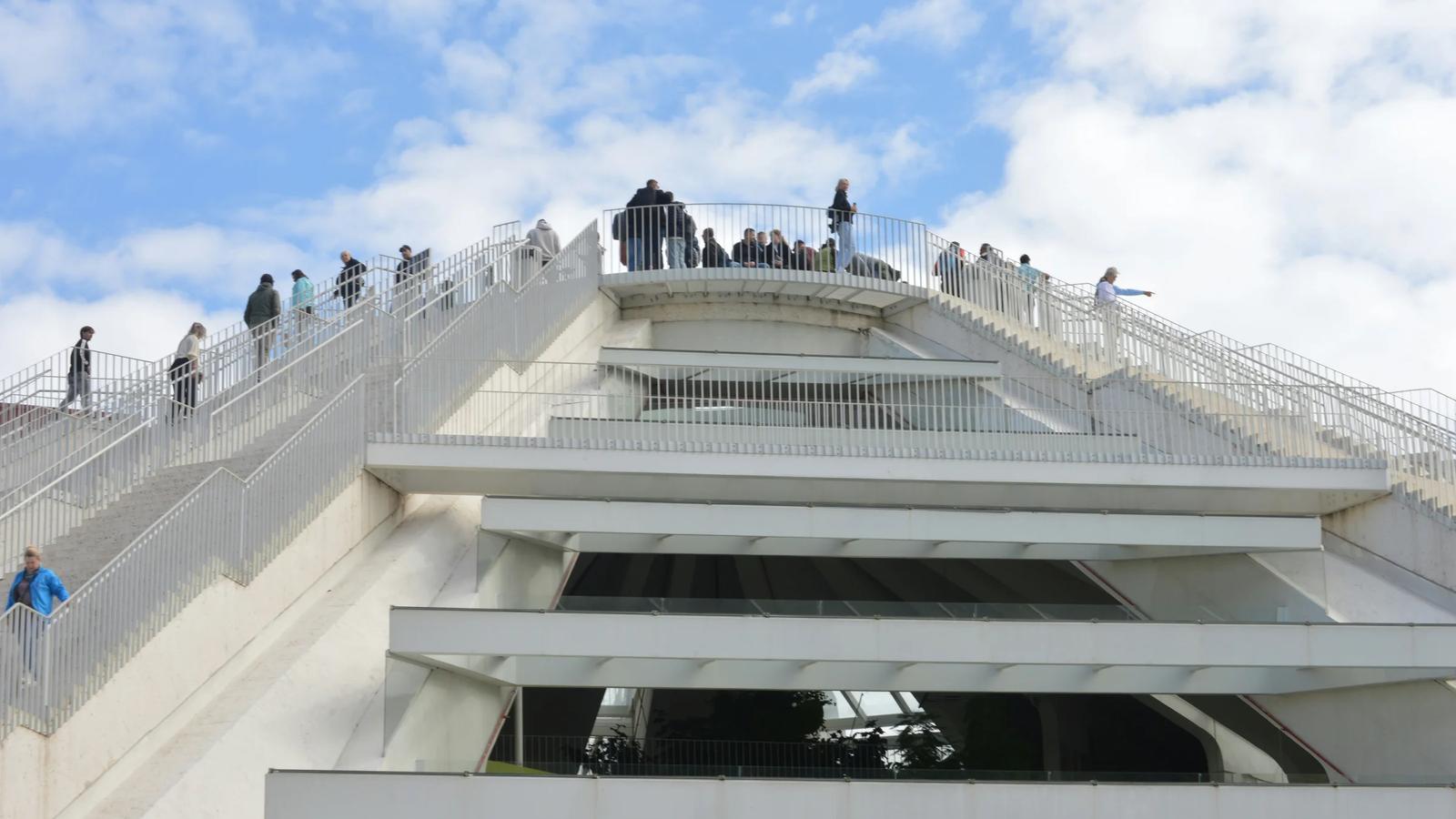
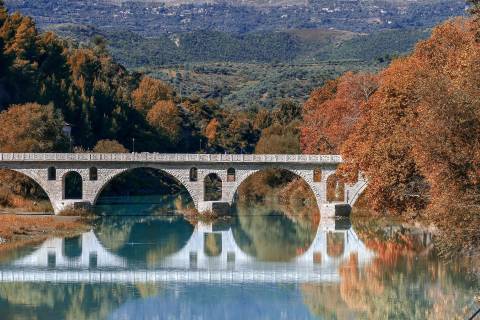
Berat – the "City of a Thousand Windows," a UNESCO World Heritage Site. Berat Castle, the Onufri Museum and the Mangalem and Gorica quarters are crowd-free, making it easy to photograph and explore at leisure.
Gjirokastër – another UNESCO site. Gjirokastër Castle, the Old Bazaar and Zekate House. The hillside city looks particularly atmospheric in overcast weather.
Nature
Blue Eye (Syri i Kaltër) – this karst spring operates year-round. In March the water level is higher and the colour even more vivid. Entry is around 100 ALL (less than 1 €).
Butrint National Park – an ancient city with Greek, Roman and Byzantine layers. Open year-round, entry approximately 1 000 ALL (~9 €).
Lake Shkodër (near Shkodër) – the largest lake in the Balkans. Migratory birds return in March, making it excellent for birdwatching. Rozafa Castle above the lake offers sweeping views.
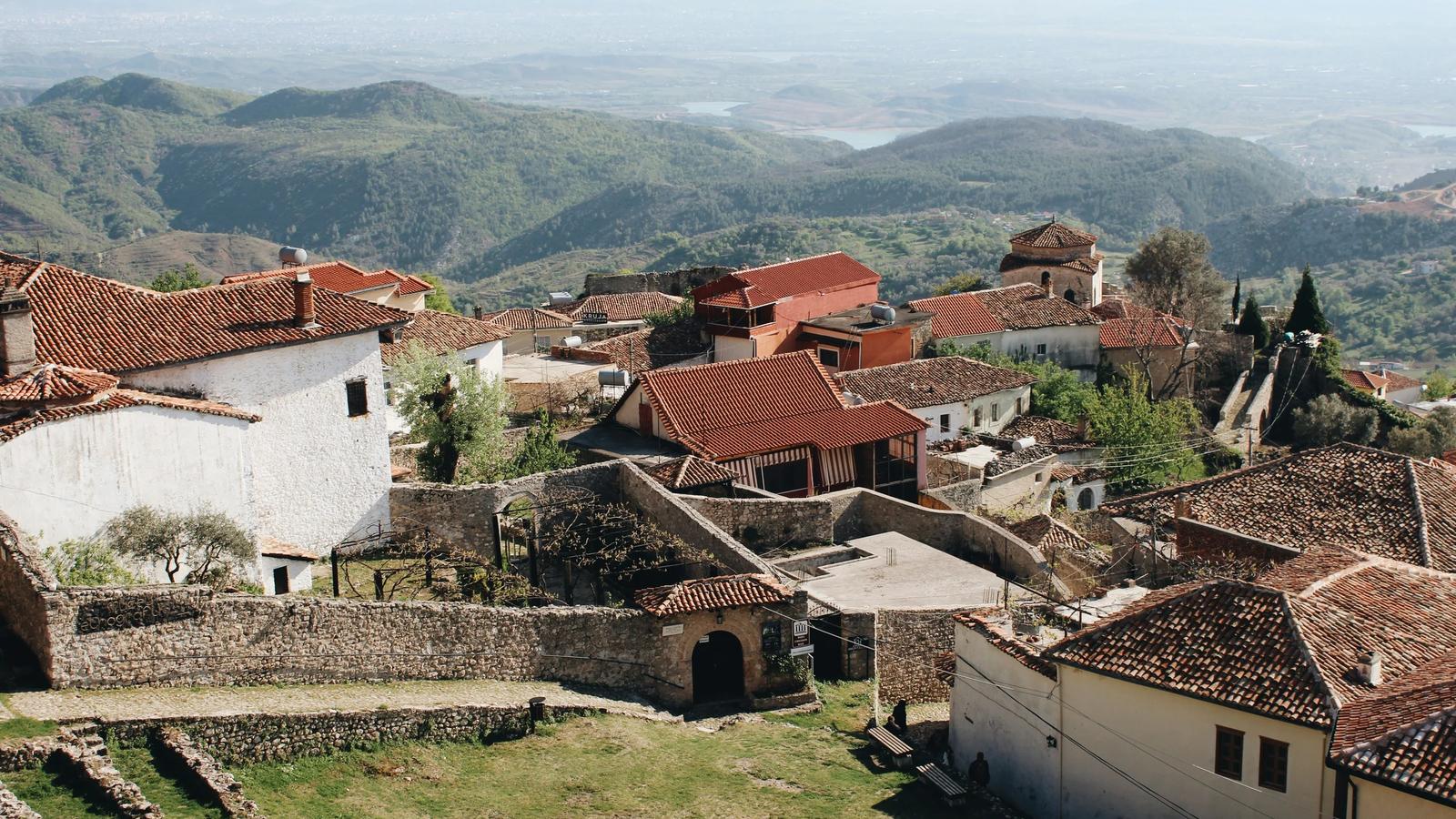
Fortresses and Castles
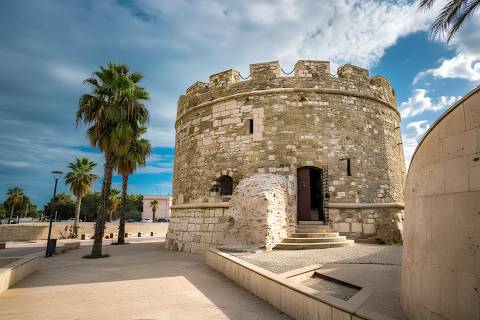
Albania is a country of fortresses. In March, without the heat and crowds, exploring them is far more comfortable: Kruja Castle with the Skanderbeg Museum and Old Bazaar of Kruja, Porto Palermo Castle, Lëkurësi Castle above Sarandë.
Transport
Getting There
The main airport is Tirana International Airport Nënë Tereza (TIA), 17 km from the city centre. Vlora International Airport opened in 2025 and serves the southern coast, though flight options remain limited.
Airport transfer from Tirana: taxi 2 500–3 000 ALL (20–25 €), bus 400 ALL (~3.50 €). Pre-booked transfers are available through KiwiTaxi or Welcome Pickups.
Getting Around
Buses are the main public transport. Fixed schedules are rare – buses often depart when full. Tirana to Berat: ~2.5 hours, 400–500 ALL. Tirana to Sarandë: ~5–6 hours, 1 500–2 000 ALL. Intercity routes can be checked through Omio.
Car rental is the best way to see the country in a week. Prices start from 20–30 € per day in low season. Try EconomyBookings or Localrent. Coastal roads are good, but mountain switchbacks demand attention – especially in the rain.
Be prepared for local driving habits: Albanian drivers may ignore lane markings, overtake on blind corners and triple-park with confidence. It becomes manageable once you adjust, but the first few hours behind the wheel can be surprising.
Prices
Albania is one of Europe's most affordable countries. In March, prices are even lower due to the off-season.
| Category | Price | Notes |
|---|---|---|
Budget lunch | 5–10 € | Even cheaper outside tourist areas |
Dinner for two at a restaurant | 25–40 € | Three courses, no alcohol |
Cappuccino | ~2 € | Strong coffee culture, good quality |
Beer (0.5 l, local) | 1.50–3 € | Korçë is the most popular local brand |
Accommodation (double room) | 25–50 € | Choice is limited on the coast in March |
Car rental | 20–30 €/day | Low season, basic insurance included |
City taxi (initial fare) | ~3.50 € | Plus ~3.50 € per km |
EKTA START travel insurance (7 days) | ~7 € | Via Ekta |
Accommodation in March is best booked via Booking or Trip.com – in the low season, many small coastal guesthouses are closed, and finding a working option on arrival can be tricky.
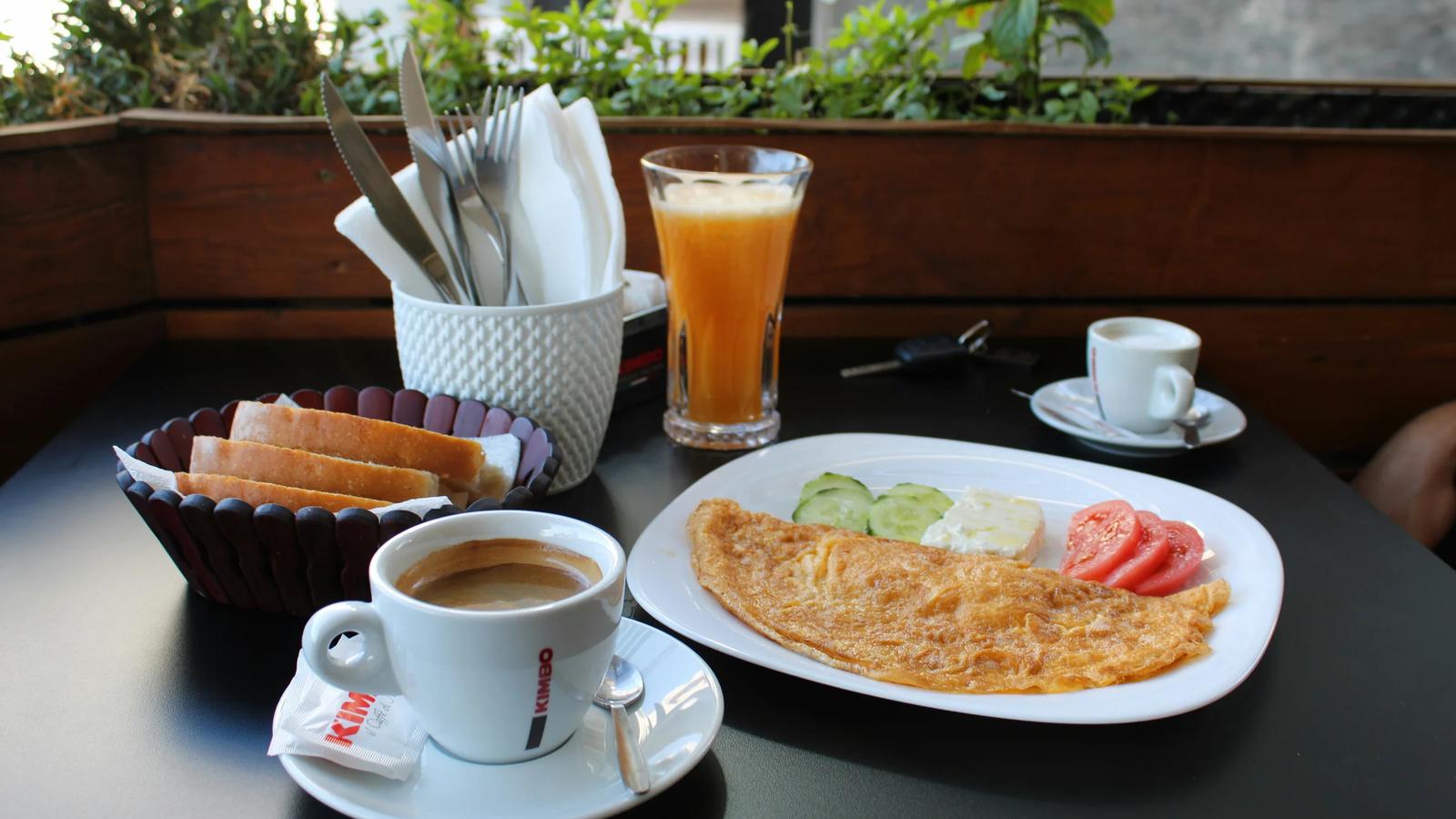
Food
Albanian cuisine blends Mediterranean and Balkan traditions. In March, restaurants in cities operate normally, but many coastal establishments remain shuttered.
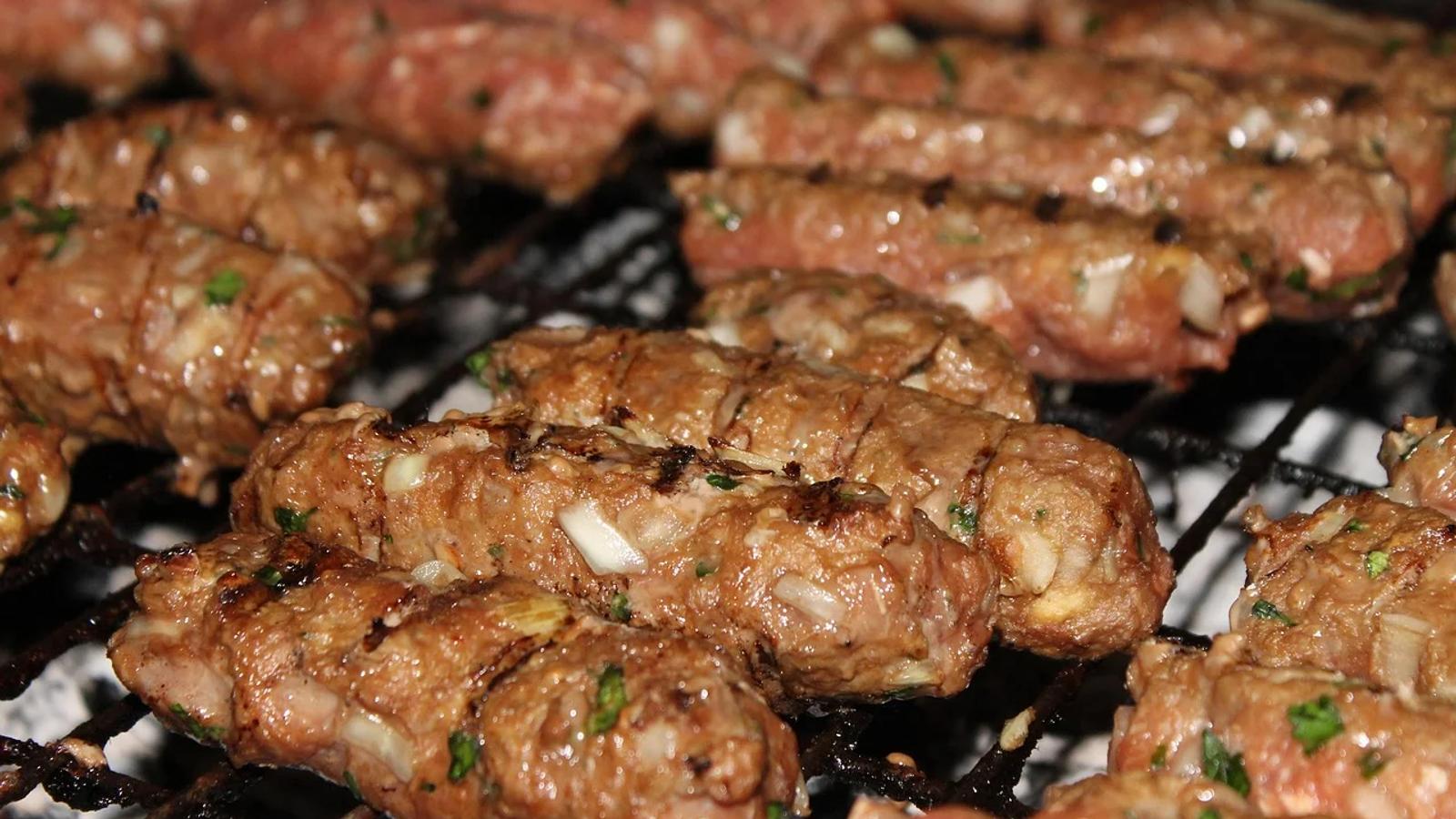
Must-try dishes: tavë kosi (baked lamb with yoghurt), byrek (meat or cheese pie), qofte (meatballs), fergesa (vegetable and cheese stew). Seafood is fresh year-round in Sarandë and Vlorë – mussels, squid and grilled fish at 8–15 € per plate.
Connectivity
Wi-Fi is available in most hotels and cafés, but coverage is patchy in mountainous areas. For maps and navigation, mobile data is essential.
Local SIM: operators include Vodafone, ONE (ALBtelecom) and Telekom Albania. A tourist package with 10–15 GB costs 500–1 000 ALL (4–9 €). Available at carrier shops in Tirana and major cities – passport required.
eSIM is a convenient alternative, especially if arriving late or wanting to skip the carrier-shop detour. Packages for Albania via Airalo:
Via eSIM4Travel (crypto payment available):
If visiting neighbouring Montenegro or Greece, a regional Best Europe package is more cost-effective (5 GB for ~$8.93, 30 days, covering 35 countries).
Bottom line: for a 5–7 day trip, eSIM is comparable in price to a local SIM and saves time. For stays longer than two weeks or heavy data usage, a local SIM is the better deal.
Travel Insurance
Travel insurance is not formally required for entry into Albania, but is strongly recommended. Local healthcare is affordable but public hospital standards are limited – serious cases may require evacuation. A 7-day policy via Ekta starts from ~7 € (basic) to ~12 € (extended).
Practical Tips
Clothing: layering is key. Daytime may reach +15 °C with sunshine; evenings drop to +5 °C with wind. Pack a waterproof jacket, comfortable shoes for cobblestone streets and a warm layer. An umbrella is non-negotiable.
Cash: outside Tirana and major resorts, many places are cash-only. ATMs are available in all cities. EUR → ALL exchange rates are better at exchange offices than hotels.
Language: Albanian. English is spoken in tourist areas, and younger Albanians speak it fairly well. Italian is understood by many over 40.
Safety: Albania is a safe country. Standard precautions apply: watch belongings in markets, don't leave valuables unattended. Street crime is low.
Is Albania Worth Visiting in March?
March suits travellers who value quiet, low prices and don't mind unpredictable weather. No beach days – but no crowds either. For urban exploration, historical sites and local cuisine, it's a perfectly viable month. The second half of March tends to be more pleasant, with more sunny days.
A suggested itinerary: 2 days Tirana → 1 day Berat → 2 days Gjirokastër + Blue Eye → 1 day Sarandë + Butrint National Park. A rental car makes the route flexible, and a long lunch overlooking the mountains more than compensates for the absent seaside.
Frequently Asked Questions
1. Can you swim in Albania in March? No. Sea temperatures of 13–15 °C rule out comfortable swimming. The beach season runs from June through October.
2. Do I need a visa to visit Albania? It depends on your nationality. Citizens of the EU, US, UK, Canada, Australia and many other countries can enter visa-free for up to 90 days. Holders of valid multi-entry Schengen, US or UK visas are also typically exempt. Check the official Albanian government portal for the latest requirements.
3. What budget should I plan for a week in Albania in March? For one person at a mid-range comfort level, approximately 500–700 € (flights excluded). This covers accommodation (200–350 €), food (150–200 €), and transport plus sightseeing (100–150 €).
4. Are restaurants and hotels on the coast open in March? Partially. In Sarandë and Vlorë, some establishments operate year-round, but the selection is significantly smaller than in summer. In smaller villages like Ksamil or Dhërmi, almost everything is closed until May.
5. What currency should I bring? Euros are the most practical option. They're accepted nearly everywhere in tourist areas and easily exchanged for lek in any town. US dollars are less convenient.
Conclusion: Albania in March is a budget shoulder-season destination focused on history, gastronomy and mountain scenery. There will be no beach days, but there won't be crowds either. For travellers wanting to see the country without the tourist veneer – it's an excellent choice.
See also:
- eSIM for Travel: How to Save on Roaming Charges
- eSIM Providers for Travel: Which One Offers the Best Value?
Places to see in Albania
You may also like
Albania vs Greece for a Beach Vacation: An Honest Price, Beach & Logistics Comparison
Albania's Riviera delivers Greek-quality turquoise water at 40–60% lower cost. We compare beaches, accommodation, food, and transport with real 2026 prices.
March 08, 2026
Albania vs Montenegro – Which Country to Choose for Your Vacation
Detailed comparison of Albania and Montenegro for holidays: prices, beaches, visas, transport, and infrastructure. An honest breakdown of each country's pros and cons.
February 25, 2026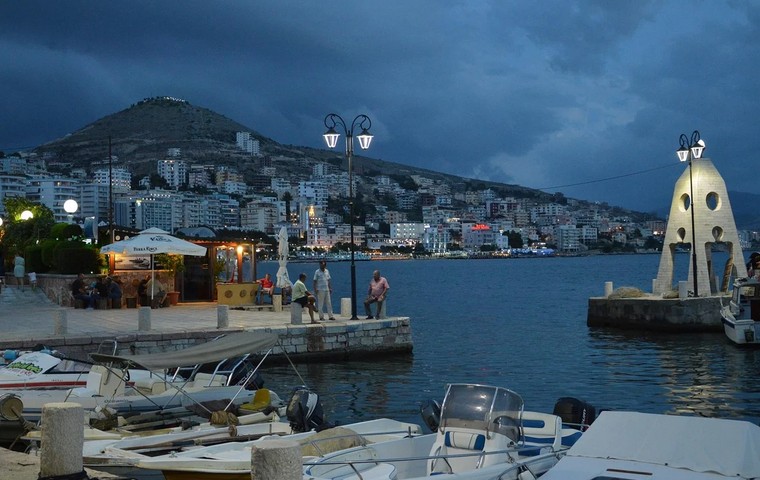
Day Trips from Saranda: 5 Honest Tour Picks (and Where Combo Tours Lie)
Butrint, Blue Eye, Ksamil and Gjirokastra in one day – with real prices, drive times and which combo tours are worth it. Includes ferry to Corfu logistics.
April 26, 2026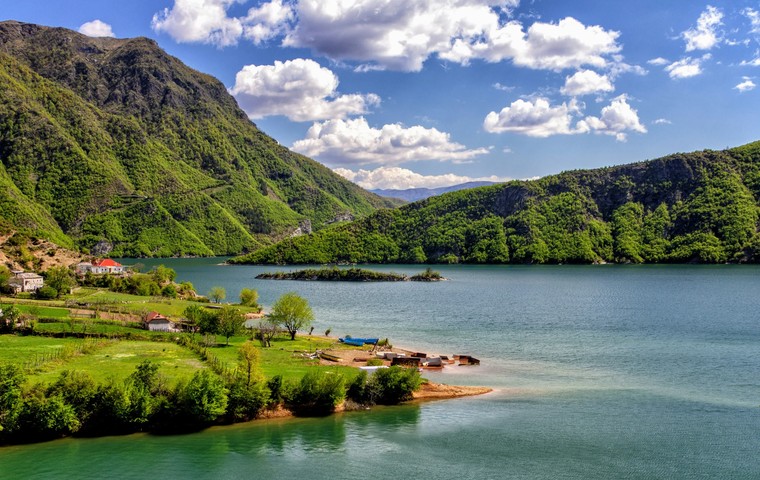
Albania in April: Weather, Prices, What to See
Is April a good time to visit Albania? Weather details, sea temperature, prices, top attractions, and practical advice for traveling to Albania.
February 27, 2026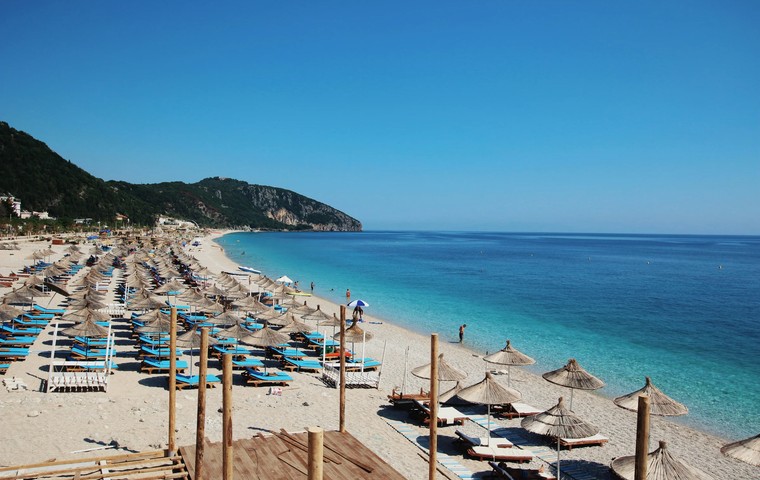
Albania in August: 32°C, Peak Crowds & Where to Find a Quiet Beach
August brings 10 hours of sun a day and 25°C sea – but Riviera accommodation costs 40–60% more than May. An honest look at whether peak season is worth it, plus the uncrowded coves right next to packed Ksamil.
July 12, 2026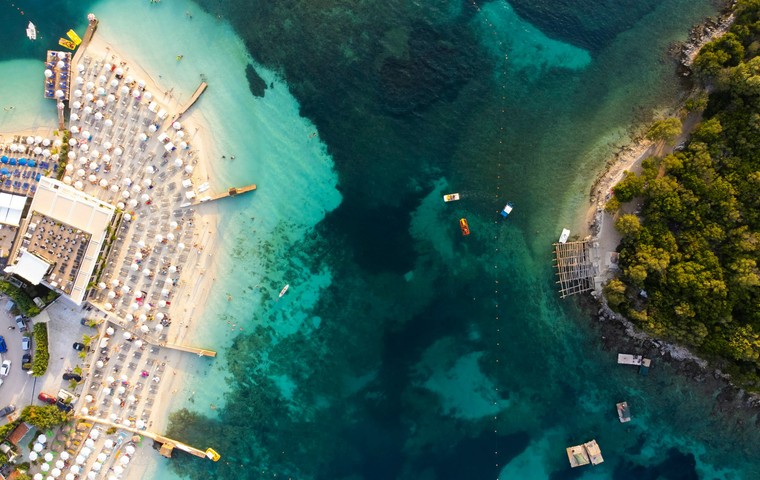
Durres or Vlora: Which Albanian Resort Is Better for Families in 2026
Durres is closer to the airport and cheaper; Vlora has cleaner water and wilder nature. The honest breakdown: beaches, logistics, prices and who should go where.
April 24, 2026