Blog · Tips
Albania in April: Weather, Prices, What to See
 Tips
TipsIn this article
Some links are affiliate links. You pay the same, and we may earn a commission.
Is April a good time to visit Albania? Weather details, sea temperature, prices, top attractions, and practical advice for traveling to Albania.
April in Albania means daytime temperatures of 15–20 °C, minimal tourist crowds, and accommodation prices 30–40% below peak season rates. Swimming is off the table (sea temperature 15–17 °C), but for city exploration, hiking, and cultural immersion, it's arguably the best time to visit. One caveat: the festival and beach season doesn't start until May, so some coastal infrastructure remains shuttered.
Key facts:
- Daytime temperature: 15–20 °C along the coast, 10–15 °C in the mountains
- Sea temperature: 15–17 °C – too cold for comfortable swimming
- Rainy days: 7–13 per month, typically brief spring showers
- Daylight hours: approximately 13 hours
- Accommodation prices: 30–40% below July–August peak
- Currency: Albanian lek (ALL); euros widely accepted
Weather by Region
April weather in Albania varies significantly from coast to mountains. Along the Adriatic and Ionian coast, daytime temperatures reach 16–20 °C, climbing to 21–23 °C on sunny days toward month's end. Nights are cool at 8–10 °C, making a light jacket essential.
In Tirana, average daytime temperatures hover around 17–18 °C with nighttime lows near 8 °C. Expect roughly 6 hours of sunshine daily and around 13 rainy days, though these are usually brief spring showers rather than prolonged downpours.
The south – Sarandë and Himarë – runs slightly warmer at 18–20 °C during the day. Mountain areas like Gjirokastër see daytime highs of 10–15 °C, with frost possible overnight. Snow may linger on the Llogara Pass in early April.
Tip: Don't rely solely on averages. April weather in Albania is unpredictable – mornings can be sunny before afternoon showers roll in. Pack layers and a waterproof jacket.
Can You Swim?
Short answer: no. Water temperatures of 15–17 °C are too cold for comfortable swimming. By late April, the sea near Ksamil Beach may reach 18 °C, but that's still chilly for most.
If beach time is your priority, plan for June or later. April offers something different: empty promenades, photogenic coves without crowds, and the first colours of spring.
What to See and Do
April is arguably the best month for sightseeing – no heat, no crowds, and nature in full bloom.
Cities and Historical Sites
Berat – the "City of a Thousand Windows," a UNESCO World Heritage site with Ottoman architecture. Berat Castle is nearly empty in April, and the Old Town of Berat looks stunning against blooming trees. Don't miss the Onufri National Iconographic Museum.
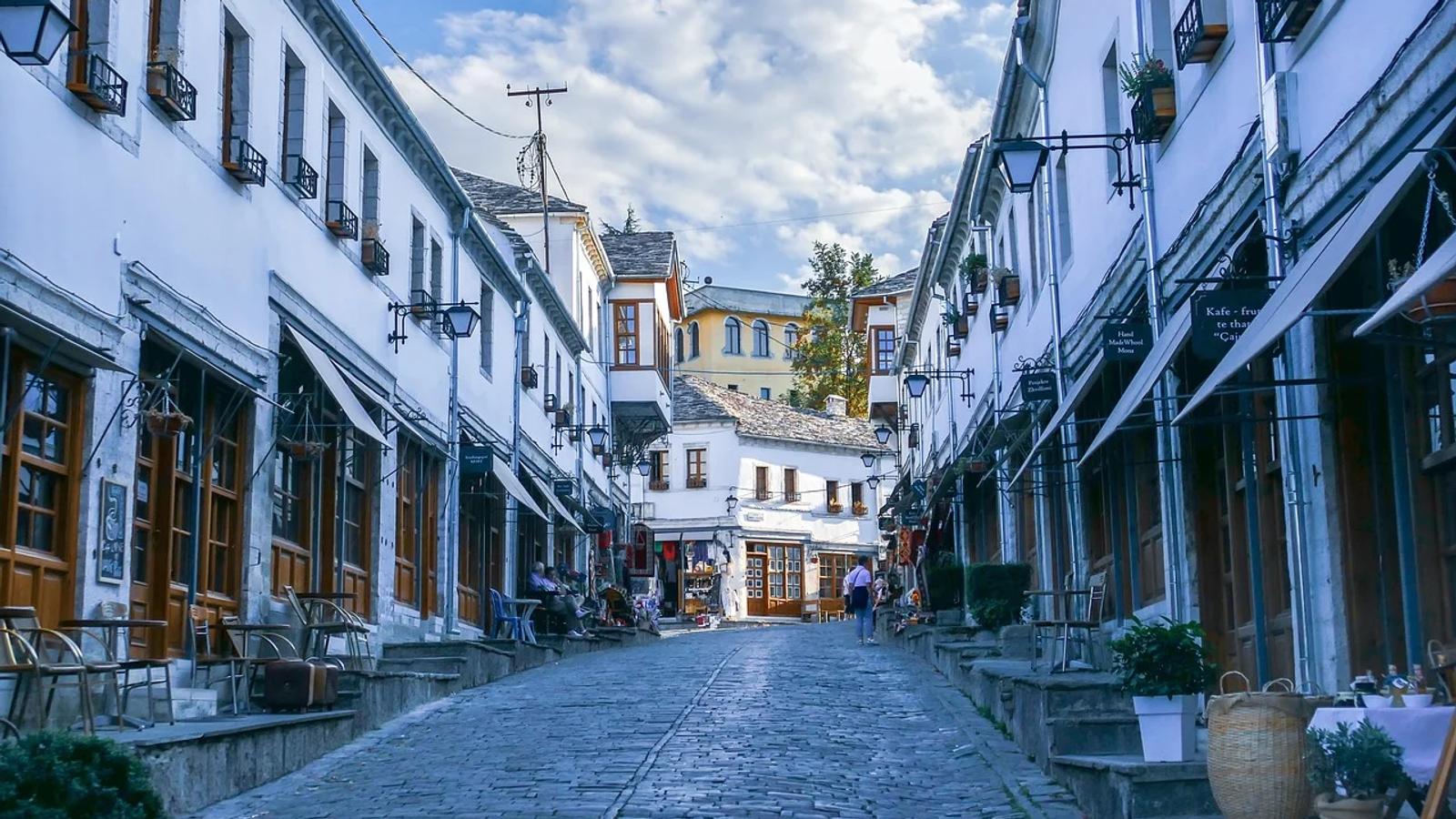
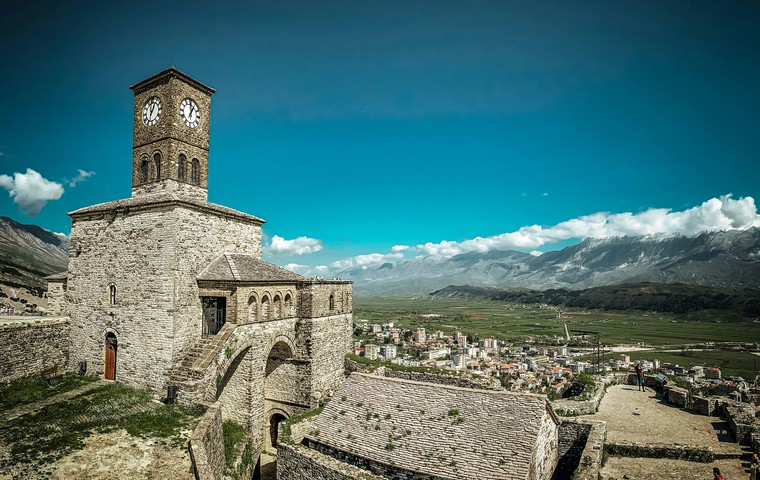
Gjirokastër – another UNESCO city featuring stone houses and a massive fortress. Gjirokastër Castle is one of the largest in the Balkans. The Old Bazaar of Gjirokastër operates at a relaxed pace without summer crowds.
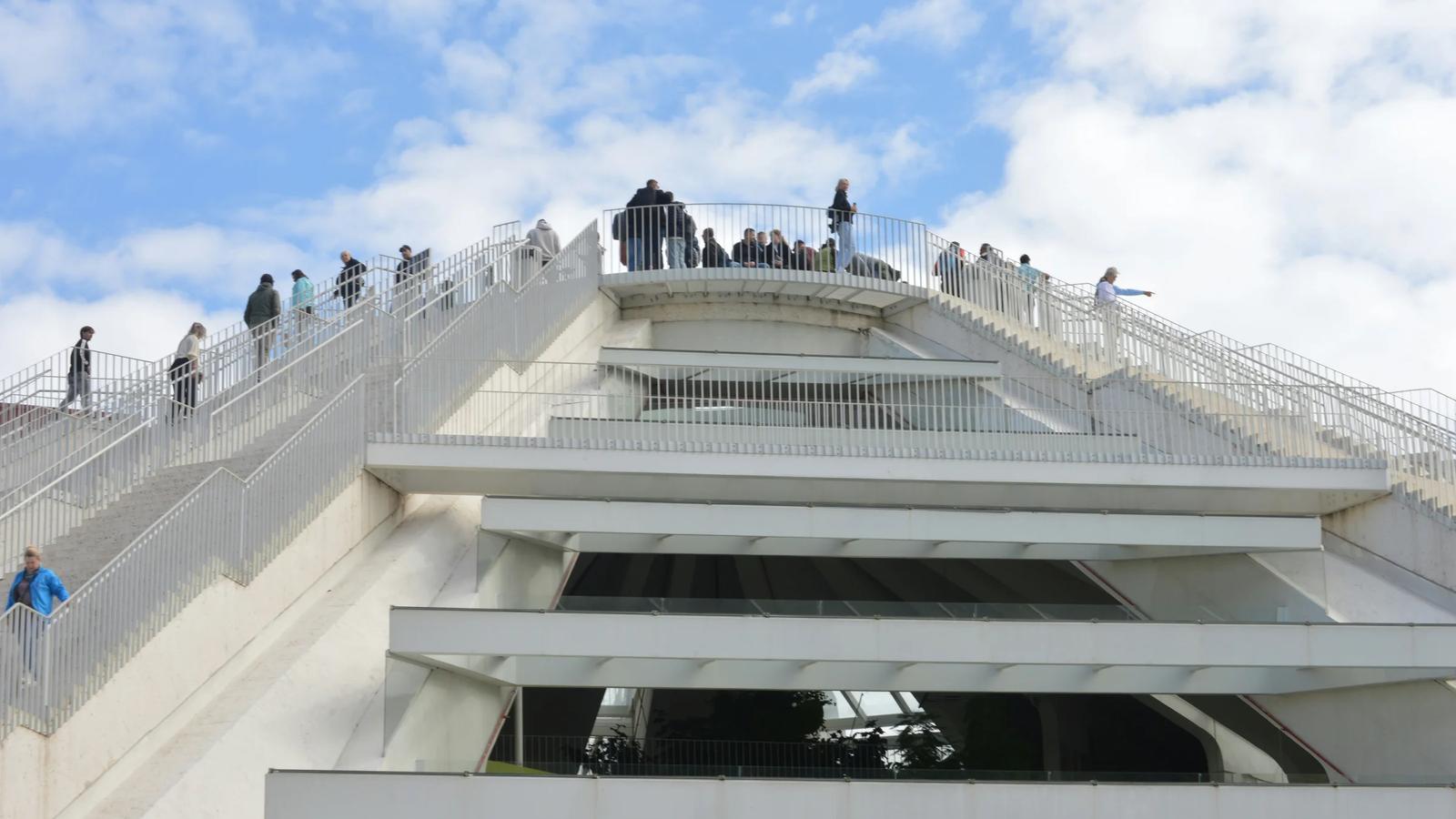
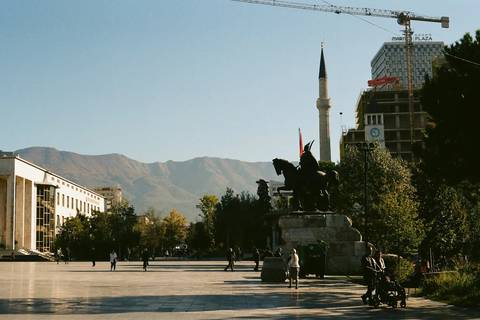
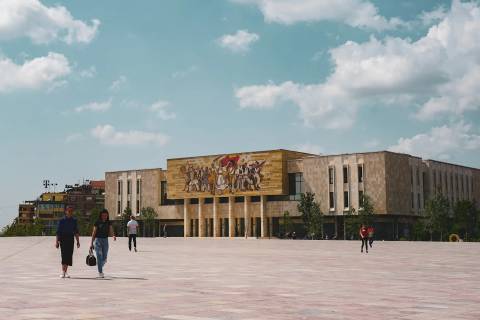
Tirana – the capital with a rapidly evolving food and cultural scene. Skanderbeg Square, the Pyramid of Tirana (now an arts space), and Bunk'Art 1 and Bunk'Art 2 – former nuclear bunkers turned museums.
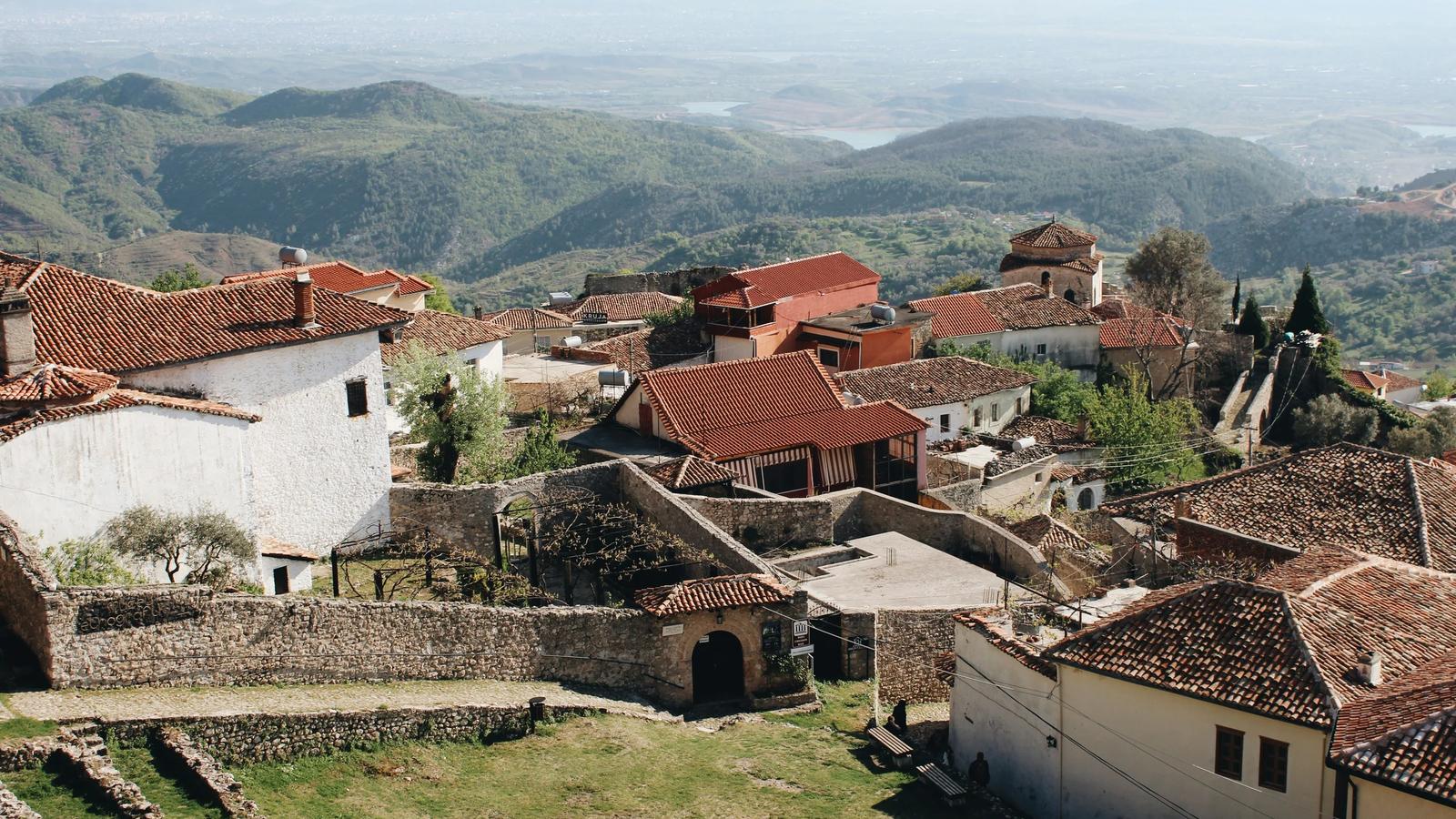
Krujë – Skanderbeg's city with its atmospheric Old Bazaar of Kruja and Skanderbeg Museum. Panoramic valley views, with the sea visible on clear days.
Nature and Hiking
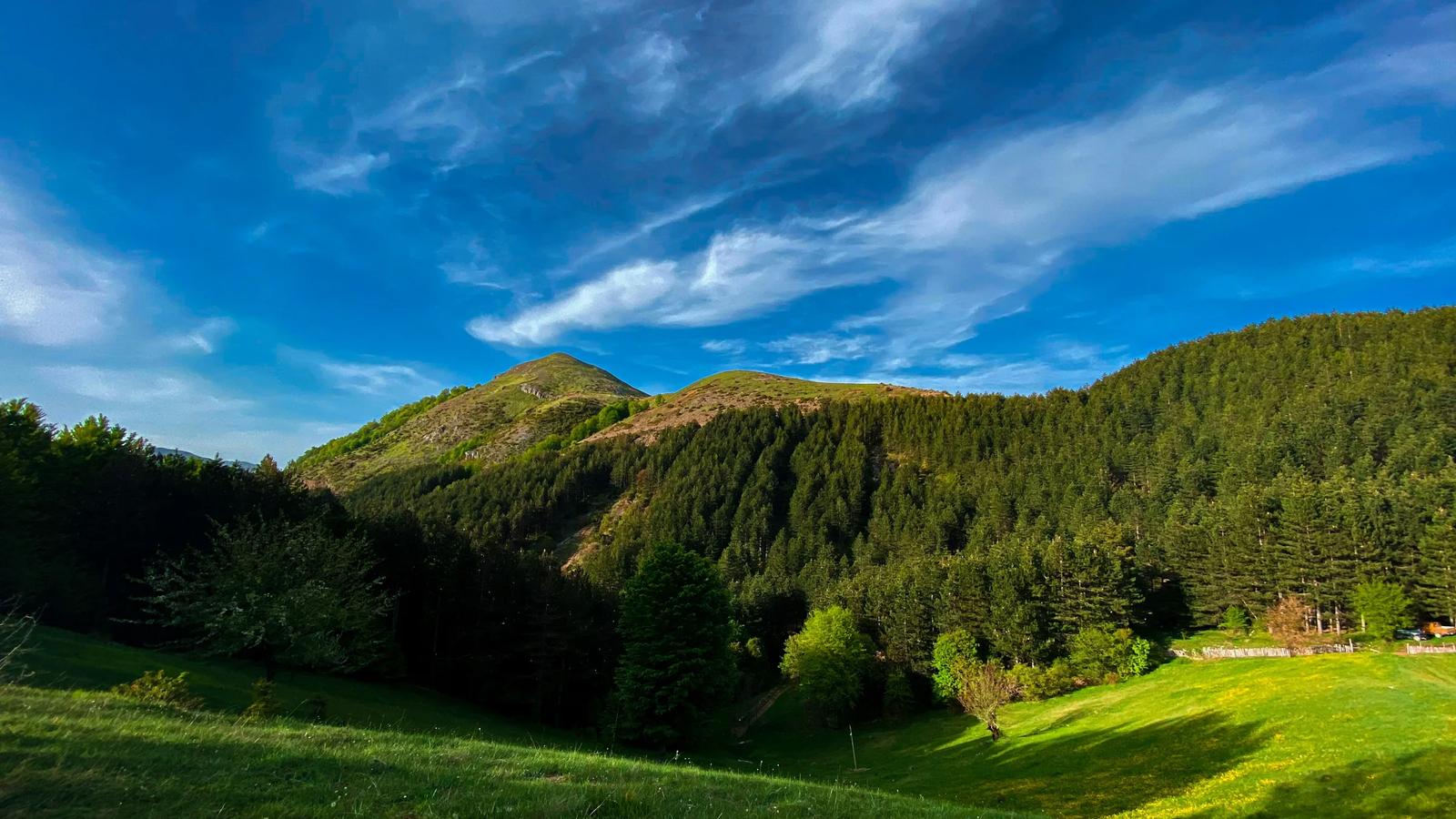
April is excellent for mid-altitude hiking. Llogara National Park on the pass between Vlorë and the coast is accessible, though summits may have snow. Blue Eye – a karst spring with impossibly blue water – is open year-round and blissfully uncrowded in April.
Butrint National Park near Sarandë is an ancient city and UNESCO site. April brings lush greenery and ideal temperatures for exploring the ruins at length.
Events in April
Major festivals don't begin until May. However, the South Outdoor Festival in the village of Borsh on the Riviera takes place in late April – a small event set among olive groves celebrating local culture and cuisine. Tirana hosts regular urban events and exhibitions throughout the month.
Prices and Budget
Albania is one of Europe's most affordable countries, and April prices drop further due to low season. (Updated: February 2026)
| Category | Average price |
|---|---|
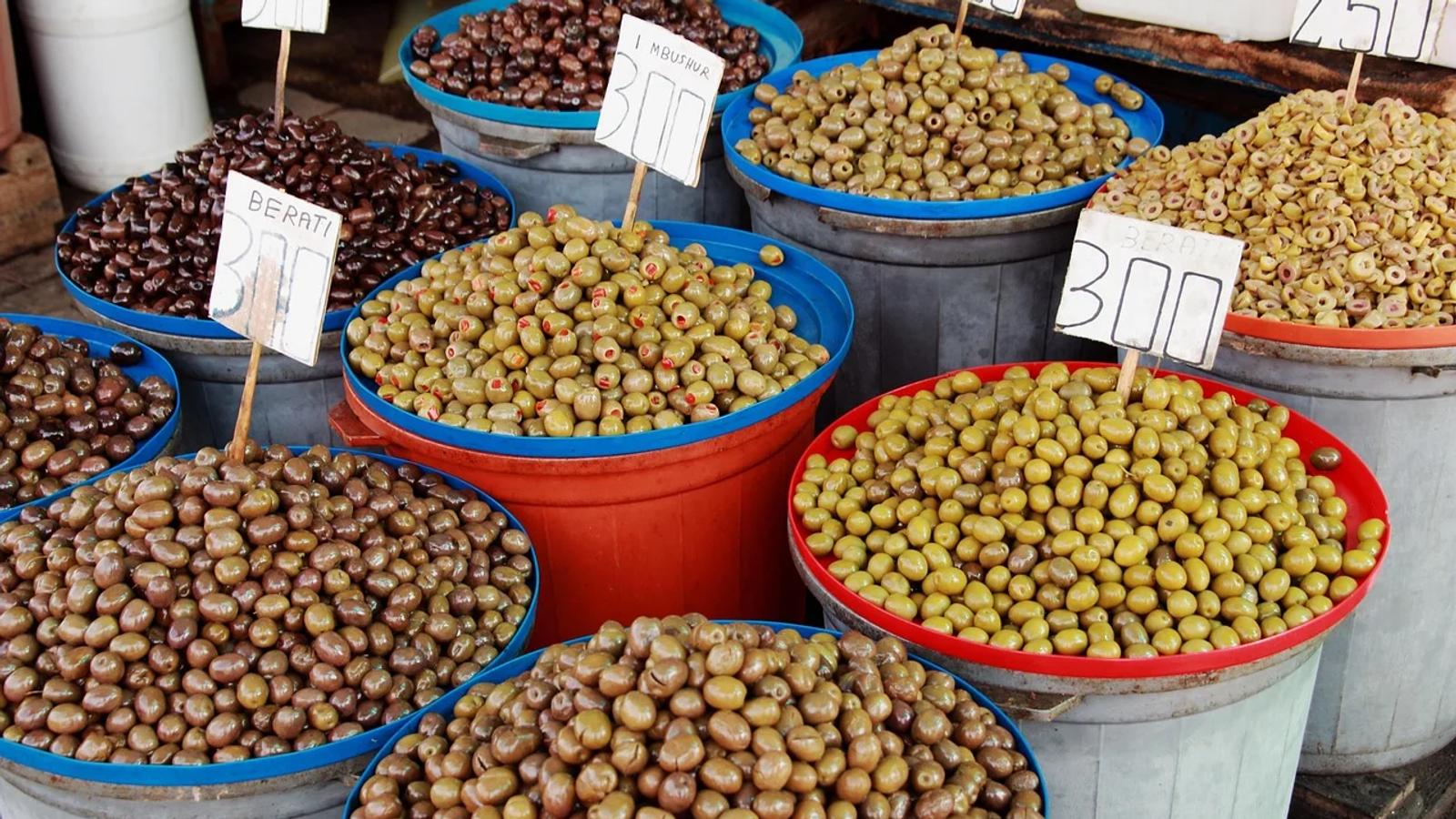
Budget restaurant meal | 5–10 € |
Dinner for two (mid-range) | 25–45 € |
Fast food combo | 4–5 € |
Draft beer (0.5L, local) | 1.5–2.5 € |
Coffee (espresso) | 0.50–1 € |
Taxi per km | 1.5–3 € |
City bus ticket | 0.40 € |
1-bedroom apartment (centre) | 300–550 €/month |
3-star hotel (per night, April) | 25–50 € |
Budget travelers can manage on 30–40 € per day (hostel + street food + local transport). A comfortable trip runs 60–80 € daily (3-star hotel + restaurants + taxis).
Note: Cash is king in Albania, especially outside Tirana. ATMs exist but aren't everywhere. Euros are widely accepted, though change will be given in lek at the vendor's rate – usually not in your favour.
Getting There
Flights
The only operational international airport in April 2026 is Tirana International Airport Nënë Tereza (IATA: TIA). The new Vlora International Airport is expected to begin commercial flights in summer 2026 but won't be serving regular routes in April.
Tirana Airport is served by low-cost carriers (Wizz Air, Ryanair) and legacy airlines from most European hubs. Ryanair is opening a base in Tirana in April 2026 with multiple new routes across Europe.
Overland
Albania borders Montenegro, Kosovo, North Macedonia, and Greece. All land crossings operate in April. Popular routes: from Podgorica via Shkodër, from Ohrid via Pogradec, from Ioannina (Greece) via Gjirokastër.
Getting Around
Public transport consists mainly of minibuses (furgons) with no fixed schedules. Intercity buses operate between major cities – check routes through Omio.
Renting a car is strongly recommended for coastal and mountain routes. Albanian roads have improved significantly, though mountain switchbacks require confident driving. Rental options include Localrent and EconomyBookings.
Airport transfers from Tirana Airport to the city centre cost approximately 15–20 €. Pre-book through KiwiTaxi or Welcome Pickups.
Warning: Albanian driving style is aggressive. Overtaking on blind corners, livestock on roads, and missing lane markings in mountains are common. Stay alert, especially on the Riviera switchbacks.
Visa Requirements
Check visa requirements for your nationality before traveling. Citizens of the EU, Schengen Area, UK, USA, Canada, Australia, and many other countries enjoy visa-free entry for up to 90 days within 180 days. Holders of valid, previously used Schengen, US, or UK multi-entry visas are also exempt.
Nationals requiring a visa can apply online through the official e-Visa portal (e-visa.al). Processing takes up to 15 working days. Fees: 30 € (single entry) or 50 € (multiple entry).
Passport must be valid for at least 3 months beyond your planned departure date.
Connectivity
Wi-Fi is available at most hotels and cafes, but mobile data is essential for navigation on the road. Local operators (Vodafone, One Albania) sell tourist SIM cards for around 5–10 € (5–10 GB, 30 days). Some coastal outlets may be closed in April.
An eSIM is a convenient alternative – install it before departure to have connectivity from landing.
| Provider | Plan | Data | Validity | Price |
|---|---|---|---|---|
| Local 5 GB | 5 GB | 30 days | €11.50 | |
| Local 10 GB | 10 GB | 30 days | €19.50 | |
| Local 3 GB | 3 GB | 30 days | $3.55 | |
| Local 10 GB | 10 GB | 30 days | $9.52 |
For short trips, Esim4travel offers the best value. If you're continuing to other Balkan or European countries, consider the Best Europe regional package from Esim4travel (from $5.77 for 3 GB / 30 days – covers 35 countries).
More on choosing an eSIM for travel
Travel Insurance
Travel insurance is not legally required for Albania but strongly recommended. Healthcare infrastructure is limited, and serious cases may require evacuation. Ekta offers policies from $6.93 for 7 days (START tier).
Suggested 7-Day April Itinerary
Days 1–2: Tirana – Skanderbeg Square, Bunk'Art 1, Pyramid of Tirana, Blloku dining district, Grand Park of Tirana.
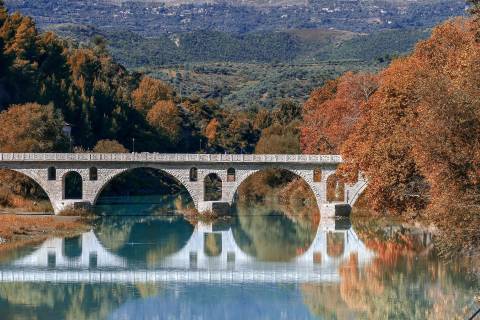
Day 3: Berat – Berat Castle, Old Town, Onufri Museum, Gorica Bridge. Overnight in Berat.
Day 4: Drive to Gjirokastër – Castle, Old Town, Zekate House.
Day 5: Blue Eye + drive to Sarandë.
Day 6: Butrint National Park + weather permitting, a walk along Ksamil Beach.
Day 7: Return via Vlorë with a stop at Llogara National Park.
A rental car is essential for this itinerary – public transport won't cover it in a week. Book through Localrent or EconomyBookings.
Accommodation is easy to find via Booking.com or Trip.com.
FAQ
1. Is April a good time to visit Albania? Yes, for cultural tourism, history, and nature. April is ideal for Berat, Gjirokastër, and Tirana without summer heat and crowds. Not suitable for beach holidays – the sea is still cold at 15–17 °C.
2. How do I get to Albania? Fly into Tirana International Airport (TIA), served by Wizz Air, Ryanair, and other carriers from European hubs. Ryanair opens a Tirana base in April 2026. Overland options include buses from Montenegro, North Macedonia, Kosovo, and Greece.
3. What's the budget for a week in Albania in April? Budget: 250–300 € (hostels, street food, buses). Comfortable: 500–700 € (3-star hotels, restaurants, rental car). Albania is one of Europe's cheapest countries, with April prices even lower than peak season.
4. Do I need a visa? EU/Schengen/UK/US/Canadian/Australian citizens: no visa needed for stays up to 90 days. Other nationalities should check the official Albanian visa portal (e-visa.al) or the nearest Albanian embassy.
5. Are restaurants and hotels open on the coast in April? In major towns (Sarandë, Vlorë, Durrës), yes – core infrastructure operates year-round. However, smaller beachside hotels and seasonal restaurants in Himarë and Dhërmi often don't open until May. Book ahead through Booking.com.
Conclusion
April in Albania delivers quiet streets, low prices, and comfortable walking temperatures. It's perfect for exploring UNESCO cities, natural landmarks, and Albanian cuisine without summer crowds. Too early for beaches, ideal for culture. Pack layers, book accommodation ahead in coastal areas, and consider renting a car for maximum flexibility.
Places to see in Albania
You may also like
Albania in March: Empty Coast & 30–40% Cheaper Than Summer
March in Albania: 13–16°C on the coast, a sea too cold for swimming, but no crowds and prices 30–40% below summer. What's open, transport and tips.
February 26, 2026
Albania vs Greece for a Beach Vacation: An Honest Price, Beach & Logistics Comparison
Albania's Riviera delivers Greek-quality turquoise water at 40–60% lower cost. We compare beaches, accommodation, food, and transport with real 2026 prices.
March 08, 2026
Durres or Vlora: Which Albanian Resort Is Better for Families in 2026
Durres is closer to the airport and cheaper; Vlora has cleaner water and wilder nature. The honest breakdown: beaches, logistics, prices and who should go where.
April 24, 2026
Albania vs Montenegro – Which Country to Choose for Your Vacation
Detailed comparison of Albania and Montenegro for holidays: prices, beaches, visas, transport, and infrastructure. An honest breakdown of each country's pros and cons.
February 25, 2026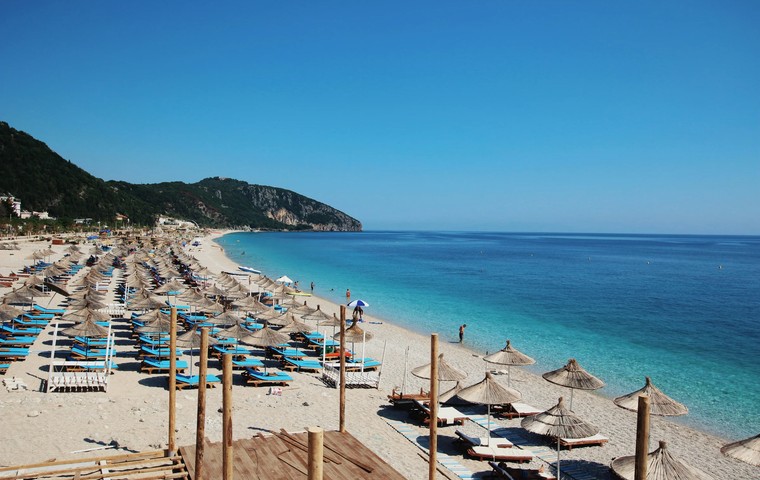
Albania in August: 32°C, Peak Crowds & Where to Find a Quiet Beach
August brings 10 hours of sun a day and 25°C sea – but Riviera accommodation costs 40–60% more than May. An honest look at whether peak season is worth it, plus the uncrowded coves right next to packed Ksamil.
July 12, 2026
How Much Does a Trip to Albania Cost – Budget for 7, 10 and 14 Days
Real Albania travel budget. Detailed cost breakdown for accommodation, food, transport, and activities for 7, 10, and 14 days across budget, mid-range, and comfort levels.
February 24, 2026