Hero background

Old Town of Berat

Qyteti i Vjetër i Beratit

A 13th–19th century historic center – UNESCO site with Ottoman quarters on the slopes of the Osum River

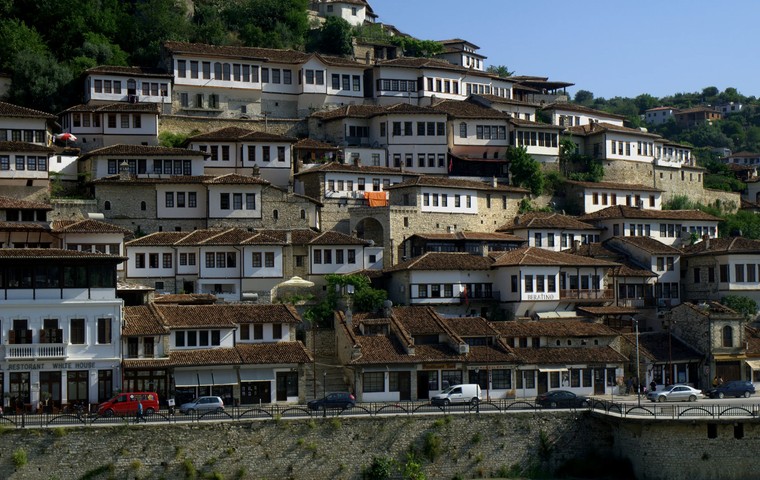
Berat's Old Town is the historic core of one of Albania's oldest continuously inhabited cities. Three quarters – Mangalem, Gorica, and Kala – spread across hillsides on both sides of the Osum River, at 60–215 m above sea level. In 2008, the historic center was inscribed as a UNESCO World Heritage Site, extending the nomination of Gjirokastër.

Berat is 120 km south of Tirana, about a 2-hour drive. Buses and shared minibuses (furgons) depart from the capital's South Bus Terminal every 30–60 minutes. Berat's bus station is 3 km from the Old Town – from there, take city bus #1 (30 ALL / ~$0.30) or a taxi (500 ALL / ~$5).

Allow 1–2 days to explore all three quarters and the castle. Suitable for all ages, but steep cobblestone streets require reasonable fitness. Entry to the quarters is free; individual museums and religious sites charge separately.

Location

On the Map

About

What's Here

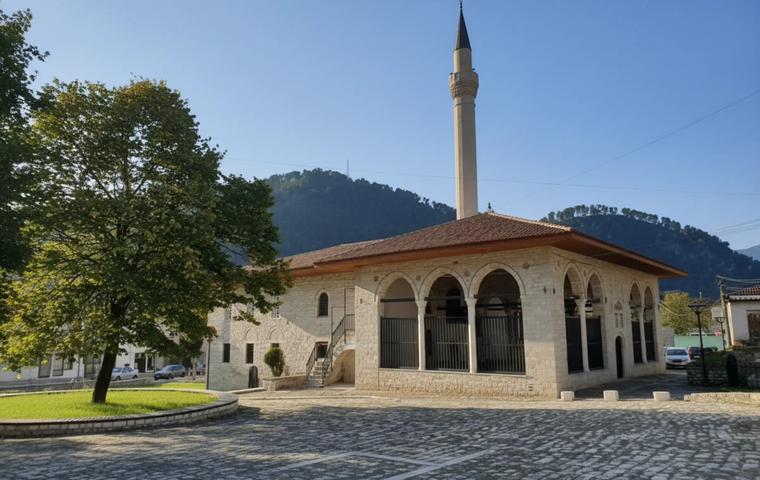
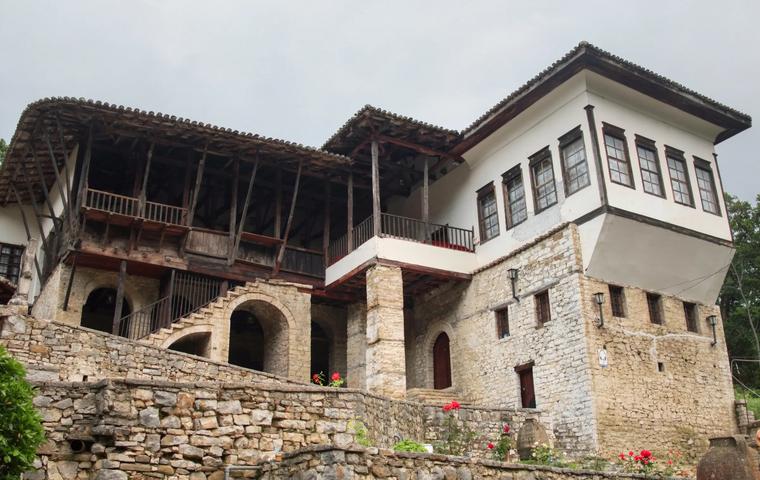
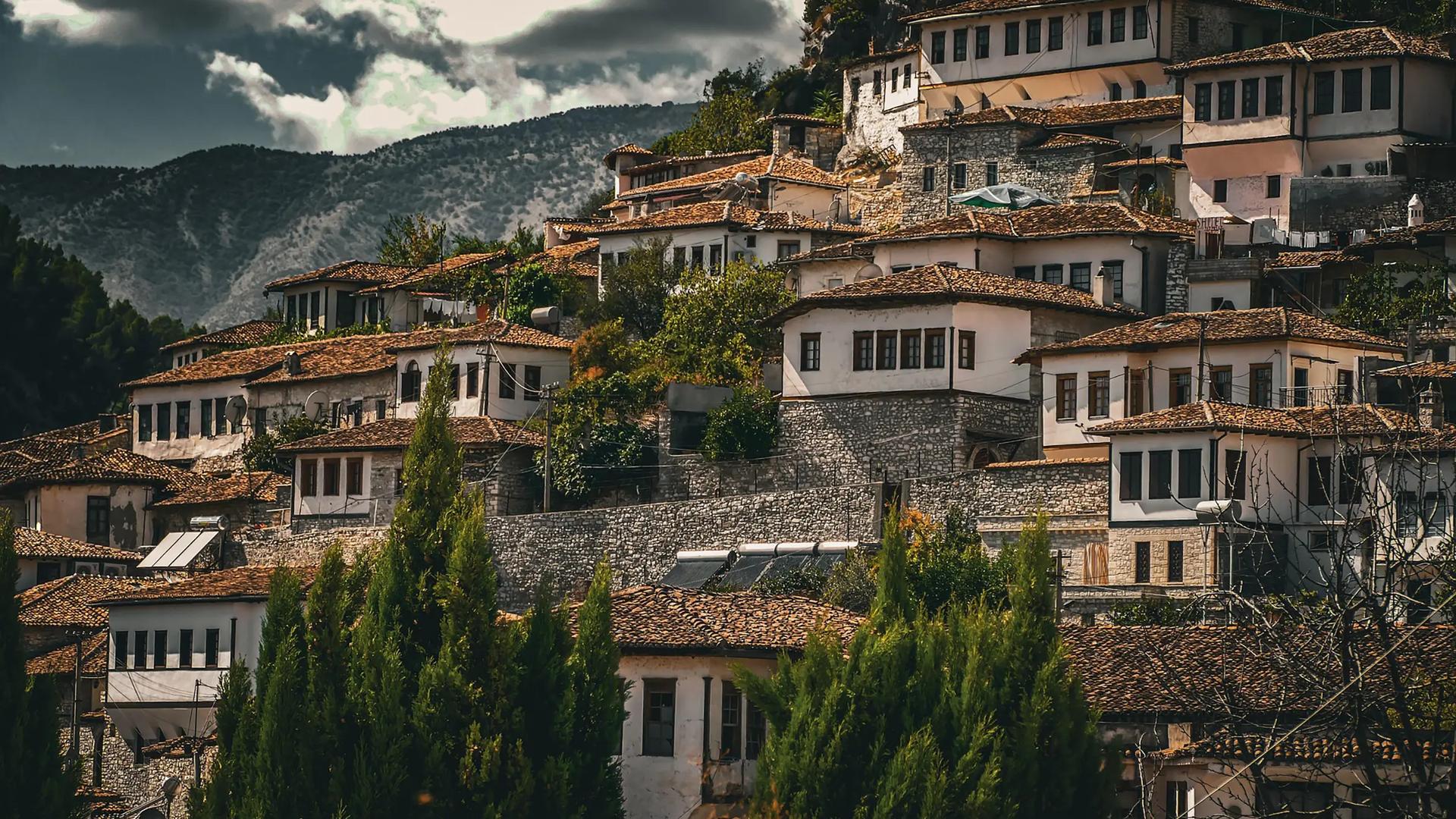
Mangalem is the Muslim quarter on the Osum's western bank and Berat's most iconic area. White Ottoman houses from the 18th–19th centuries are terraced up the hillside, their tall symmetrical windows creating the famed "city of a thousand windows" effect. Walls are built using the çatma technique – horizontal timber beams every 80–120 cm provide earthquake resistance. Projecting bay windows (erkeri) extend 50–60 cm using Ottoman modular proportions, with south-facing windows deliberately larger for winter heating. The riverside promenade Boulevard Republika is lined with restaurants and cafés. Here you'll find the King's Mosque, the 16th-century Lead Mosque, and the 1827 Bachelors' Mosque.

Gorica is the Christian quarter on the eastern bank, connected to Mangalem by the seven-arched stone Gorica Bridge built in 1780. Less restored than Mangalem, its streets are quieter and many 18th-century houses hold cultural monument status. From the top of Gorica Hill, there's a panoramic view of Mangalem and the castle silhouette against the Tomorr mountains. The quarter contains the 19th-century churches of St. Spiridon and St. Thomas.

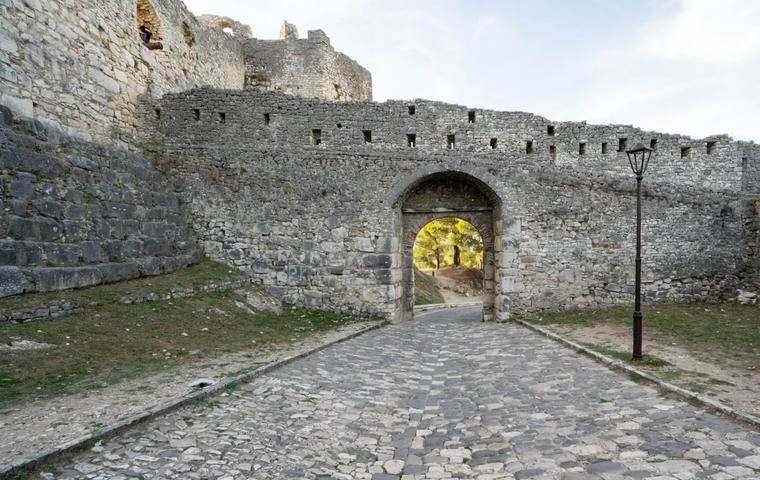
Kala is the castle quarter at the hilltop, where people have lived within the fortress walls for centuries. The walk up from Mangalem takes 15–20 minutes along cobbled Rruga Mihal Komnena. Inside the walls are residential houses, several Byzantine churches (13th-century Holy Trinity, St. Mary of Blachernae, St. Nicholas), ruins of the 15th-century Red Mosque, cafés, and souvenir shops. The Cathedral of the Assumption houses the Onufri Museum with its collection of 16th-century icons.

Why Visit

The Highlights

Age – settlement founded in the 6th century BC as Illyrian Antipatrea, continuously inhabited for over 2,400 years

UNESCO – historic center inscribed on the World Heritage List in 2008 as an extension of the Gjirokastër nomination

Architecture – white Ottoman houses built with çatma technique (timber beams every 80–120 cm) have survived earthquakes for centuries

Three quarters – Mangalem (Muslim), Gorica (Christian), and Kala (castle) form a unified ensemble on both sides of the Osum River

Religious coexistence – mosques, Orthodox churches, Sufi tekkes, and a synagogue have stood side by side for centuries

Museum-city status – declared a museum-city under the communist regime, which restricted modern construction and preserved the historic fabric

History

Past & Present

Berat was founded as the Illyrian fortress of Antipatrea in the 6th century BC. Throughout antiquity the city passed from Macedonians to Romans, and in the 4th–5th centuries became part of the Byzantine Empire – this is when the first fortifications and churches were built on Kala hill. In the 13th century the castle was expanded and rebuilt; most surviving fortifications date from this period. In 1417 Berat came under Ottoman control. It was under the Ottomans that the city expanded beyond the castle walls: the Mangalem quarter grew on the western slope, Gorica on the eastern. Mosques, caravanserais, and bathhouses were constructed, and the architectural character of the "city of a thousand windows" took shape.

In 1830–1831 the castle was damaged during the suppression of an Albanian revolt, but the civilian quarters survived. Under Enver Hoxha's communist regime, Berat received museum-city status in 1961, which banned new construction in the historic center. Many mosques were closed (Albania declared itself an atheist state in 1967), but most buildings were physically preserved. After the regime fell in 1991, religious sites were gradually restored. In 2008 UNESCO inscribed Berat's historic center on the World Heritage List, recognizing it as a rare example of well-preserved Ottoman urban planning in the Balkans.

For Visitors

Visitor Information

Tickets & Prices

Quarter access: free, open 24/7.

Museums:

Onufri Museum (inside the castle): 400 ALL (~$4 / €4), audio guide 500 ALL

Ethnographic Museum: 200 ALL (~$2 / €2), youth ticket 100 ALL

Berat Castle:

– Main gate entrance: 300 ALL (~$3 / €3)

– Via Rruga Shkembi side route: free (alternative path)

Guided tours: walking tours from €20–40 per person, bookable through local agencies or online.

Rules & Restrictions

Cobblestone streets are steep and slippery – non-slip footwear is essential. The Kala quarter involves a ~150 m elevation gain from the riverfront. For mosques: cover shoulders and knees; women should cover their hair; remove shoes at the entrance. Photography is allowed in most churches and mosques; prohibited inside the Onufri Museum. In summer (July–August), exposed sections get very hot – carry water and sun protection.

On-Site Facilities

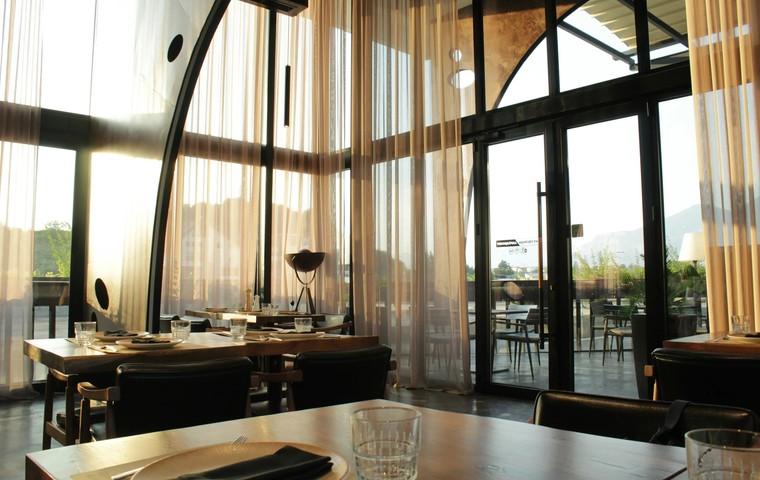
Restaurants and cafés along Boulevard Republika and inside the castle. Souvenir shops in Mangalem and Kala. Restrooms in museums and restaurants. Parking at Gorica garage in the city center; car access to the castle via the northern approach road. Mobile signal is reliable in town, weaker inside castle walls. The old town is challenging for visitors with limited mobility: steep stairs, uneven cobblestones, no ramps.

Getting There

Transport & Directions

From Tirana (120 km, ~2 hours):

– Bus from South Bus Terminal (Terminali i Autobuzave te Jugut): 400–500 ALL (~$4–5), departures every 30–60 min, morning to early afternoon

– Shared minibus (furgon): 500 ALL, departs when full

– By car: via SH3 highway, road in good condition

From Saranda (~5–6 hours):

– 2 buses daily (8:00 AM and 2:30 PM), 1,200 ALL (~$12)

From Fier (40 km, ~40 min):

– Transfer point for southern routes: furgons 200–250 ALL

Getting around:

Berat bus station is 3 km from the Old Town. City bus #1 to center – 30 ALL. Taxi to Mangalem – 500 ALL (~$5). Everything within the Old Town is walkable. For driving to the castle, use the northern approach (turn left at the roundabout past the bus station) – the southern road is narrow and steep.

When to go

Best time to visit

Best season: May–June and September–October – comfortable temperatures (20–28°C / 68–82°F), fewer tourists. July–August is hot (35°C+ / 95°F+) but the city remains uncrowded. Winter (November–March) brings reduced museum hours.

Time of day: early morning for the castle (fewer visitors, soft light). Evening for the riverside promenade and the Albanian tradition of "xhiro" (evening stroll). Sunset from Gorica Hill offers a panorama of illuminated Mangalem and the castle.

Duration: 1 day for a compact tour of all three quarters. 2 days to include museums, leisurely walks, and a day trip to Osum Canyon.

Avoid: Mondays – museums are closed. Midday hours in summer – steep climbs in the heat are exhausting.

FAQ

Common Questions

At least 1 full day for the three quarters and castle. Ideally 2 days with an overnight stay – the illuminated quarters at night are half the experience. The castle alone takes 3–5 hours.

The Mangalem and Gorica quarters are free and open 24/7. The castle main gate charges 300 ALL (~$3 / €3). Museums inside have separate tickets.

Buses and shared minibuses (furgons) from Tirana's South Bus Terminal run every 30–60 minutes, costing 400–500 ALL (~$4–5), taking about 2 hours. From Berat bus station, take city bus #1 (30 ALL) or a taxi (500 ALL / ~$5) to the Old Town.

It's challenging. Streets are steep, paved with uneven cobblestones, and there are no ramps. Boulevard Republika along the riverfront is flat and wheelchair-accessible. The climb to the castle is 15–20 minutes up a steep road.

Non-slip, closed-toe shoes are essential. The polished cobblestones are slippery, especially when wet. Heels and flip-flops are a poor choice for the castle climb.

Boulevard Republika (Rruga Antipatrea) has dozens of traditional Albanian restaurants along the riverfront. Several cafés inside the castle offer valley views. Try tavë kosi (lamb baked in yogurt) – Berat's signature dish.

Possible – it's 2 hours each way. But an overnight stay is recommended: the evening stroll and illuminated quarters are a major part of the experience. If you only have one day, leave early in the morning.

The Onufri Museum inside the castle has 16th-century icons including works by Onufri, who created a unique red pigment still unidentified by scientists. The Ethnographic Museum shows life in a wealthy Ottoman-era household. Both are closed on Mondays.

Distance

Travel Time

On foot from Berat center 9-14 min.
From Vlora by car ~1 h 9 min.
From Himara by car ~1 h 42 min.
From VLO airport (Vlora Airport (VLO)) by car ~1 h 7 min.
From TIA airport (Tirana Airport (TIA) ) by car ~2 h
Social

Share