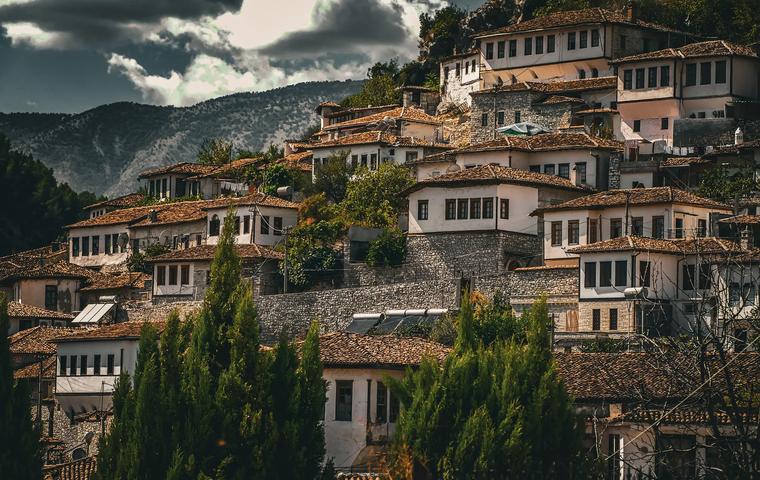
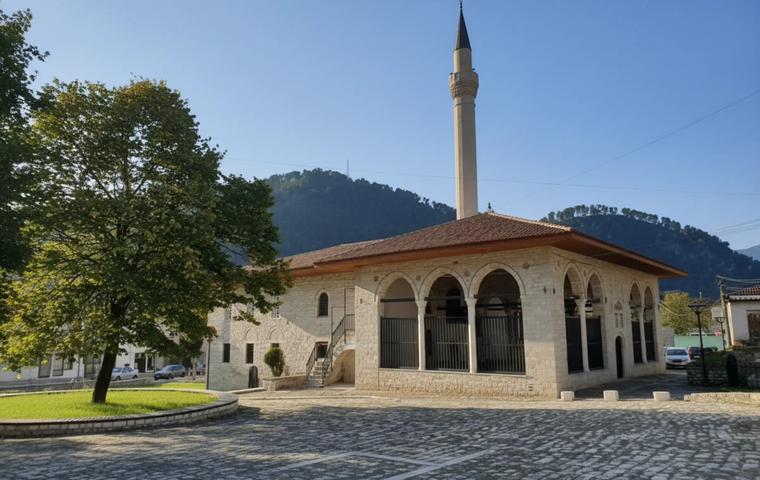
The Ethnographic Museum of Berat (Muzeu Etnografik i Beratit) is a national museum housed in a characteristic 18th-century Ottoman residence in the Mangalem quarter. Its collection of over 1,300 exhibits covers everyday life, crafts, and traditions of the city from the late Middle Ages to the 19th century. The museum opened in 1979.
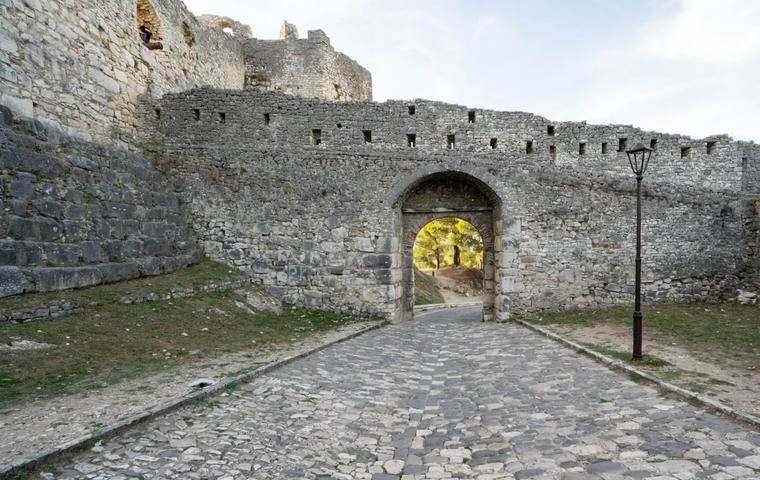
The building stands on the hillside between the Old Town and the road to the castle, at Rr. Toli Bojaxhiu, Berat. It's a 5–7 minute uphill walk from Boulevard Republika along the riverfront.
A visit takes 30–45 minutes. Admission is 200 ALL (~$2 / €2). Closed on Mondays. Suitable for all ages and easy to combine with the walk up to the castle.