
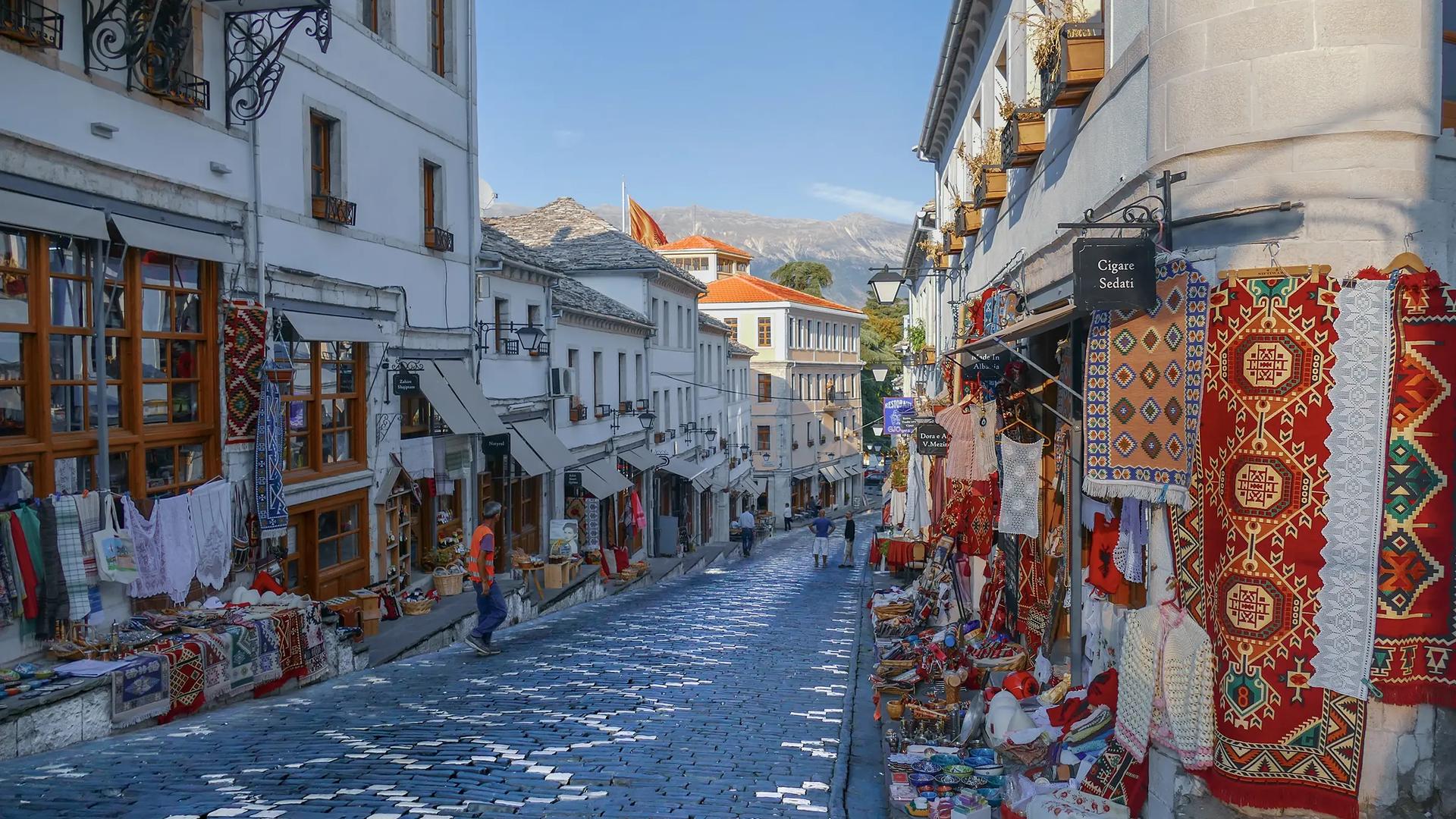
Gjirokastra
The Stone City UNESCO site – the best introduction to Ottoman Albania
Gjirokastra. Overview
About the city
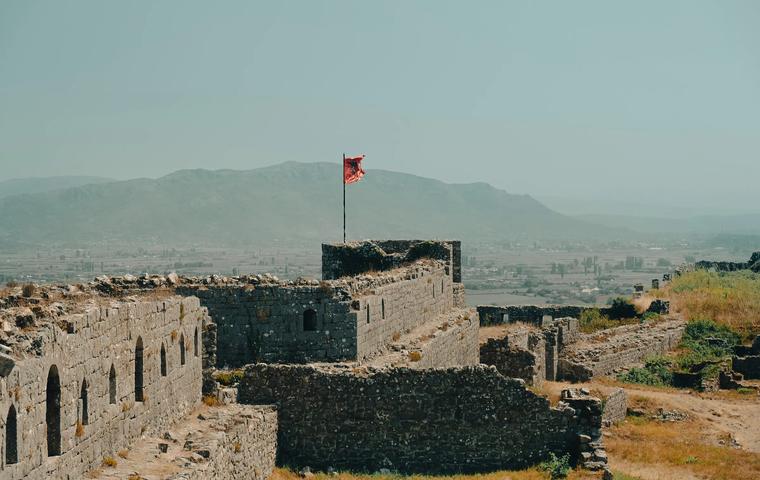
Gjirokastra is a museum-city in southern Albania, inscribed on the UNESCO list in 2005. It sits on the slope of the Wide Mountain (Mali i Gjërë) above the Drino river valley. The city splits into two parts: the Old Town uphill – stone roofs, cobbled streets, Ottoman mansions from the 17th–19th centuries – and the New Town below, concrete and uninteresting. All tourist life is on top. Gjirokastra Castle is one of the largest in the Balkans, entry 400 ALL (~€4), allow 2–3 hours with museums. The Old Bazaar is the neighborhood hub: restaurants, souvenirs, cafes. Must-visits include Zekate House (best valley views) and Skenduli House with a tour from the owner's family. The Ethnographic Museum covers Ottoman-era life. The entire Old Town is a pedestrian zone with its own character.
From Tirana – bus 4 hours, 6 services daily. From Saranda – 1–1.5 hours (several services daily). From Greece – bus via the Kakavija border crossing (30 km), or furgons from the border to town. The bus drops you in the New Town – from there it's a taxi or a steep walk up to the Old Town. Car rental is convenient for a combined Gjirokastra–Berat–coast route. The town is compact: all sights within 500 m of the bazaar's central junction. Best time is April–June and September–October. Summers are hot, and the stone streets amplify the heat. Non-slip footwear is essential – the cobblestones have been polished smooth by centuries of use.
Weather now · Gjirokastra
—
RegionInland Albania
When to goApril – October
AirportVlora (VLO)84 kmLocal time—Albania
Gjirokastra. What to see
Top sights
What you should not miss in the city and around it.
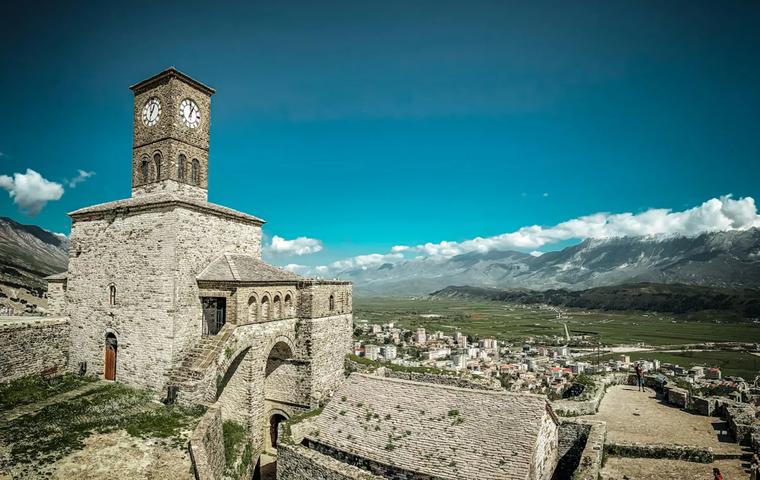
Gjirokastër Castle
12th-century fortress at 336 m elevation – one of the largest in the Balkans, UNESCO World Heritage Site
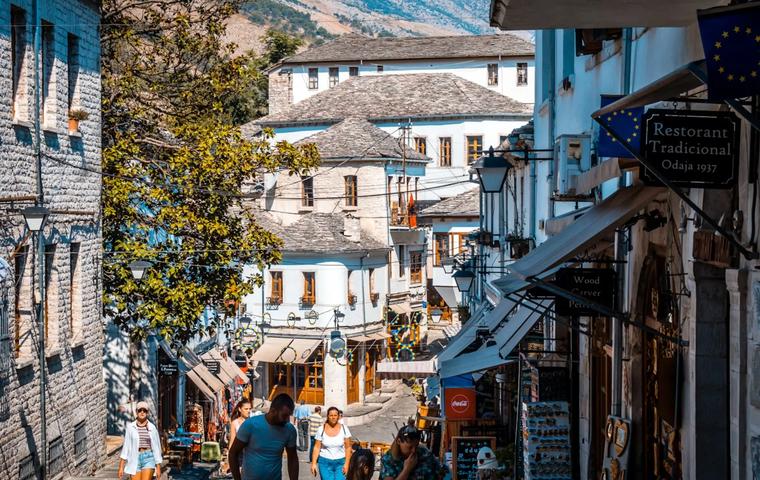
Old Town of Gjirokastër
Ottoman 'City of Stone' from the 17th–19th centuries – UNESCO site with 500+ stone tower houses
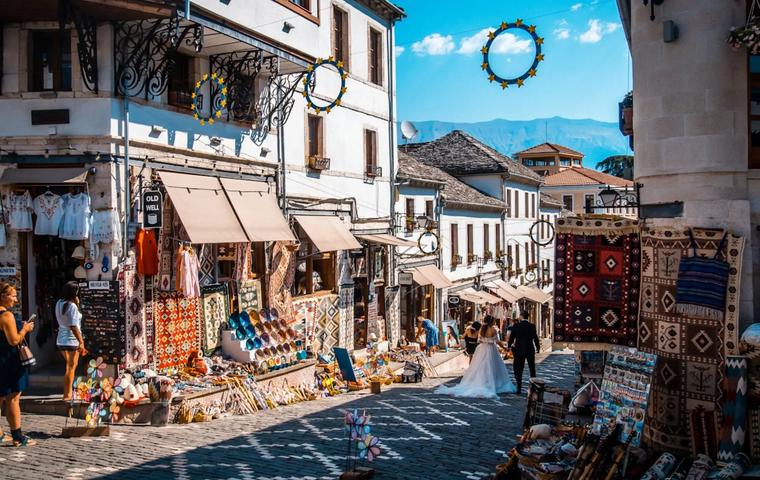
Old Bazaar of Gjirokastër
17th-century trading quarter at the heart of the old town – Ottoman architecture and artisan workshops
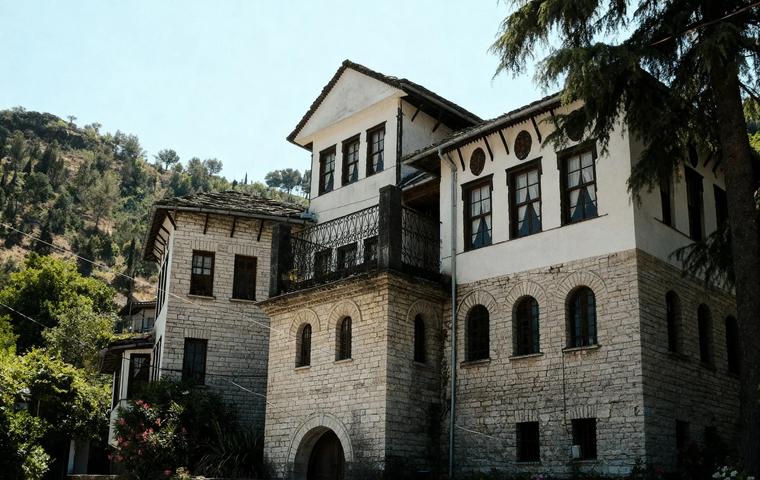
Ethnographic Museum of Gjirokastër
A museum of 19th-century traditional life housed in a 1966 building on the site of Enver Hoxha's birthplace
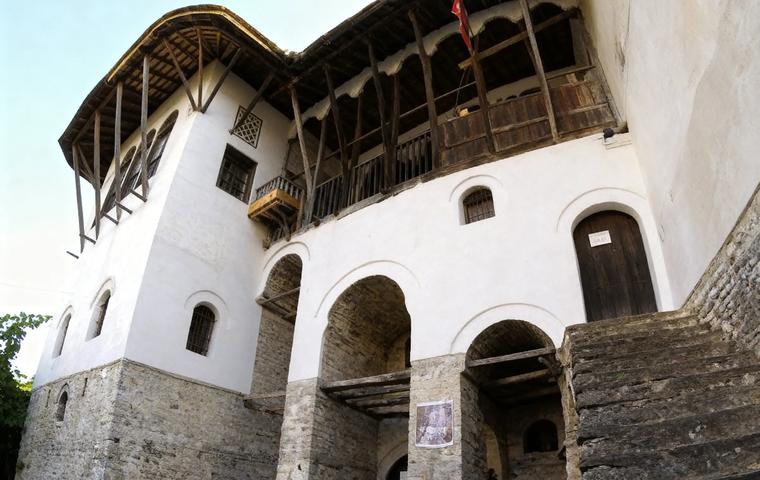
Skenduli House
An early 18th-century Ottoman mansion – Gjirokastër's most authentic historic residence with family-led guided tours
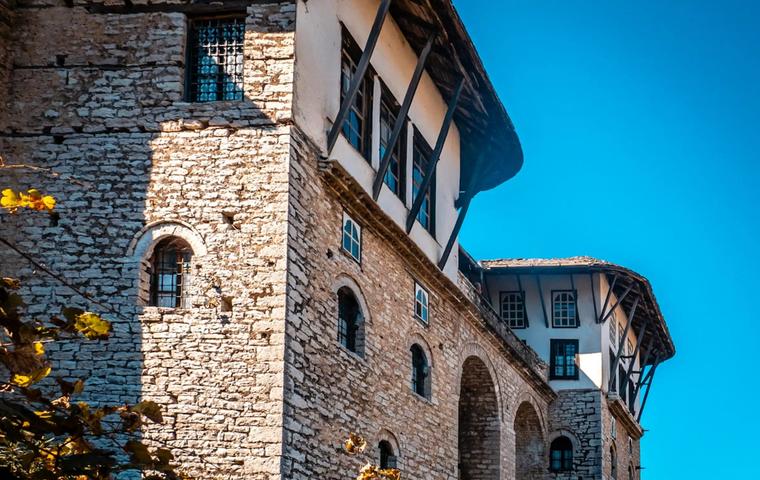
Zekate House
A fortified tower house from 1811 – the finest example of Ottoman kulla architecture in Gjirokastër with panoramic Drino Valley views
Gjirokastra. Map
On the map
Key sights and surroundings — to plan your walk and gauge distances.
Loading map…
Gjirokastra. Services
Plan your trip
Everything you need — connectivity, transport, stay and tours.
Gjirokastra. Questions & answersFAQ
Popular questions
Answers about seasonality, routes, neighbourhoods and basic trip planning.
What currency is used in Gjirokastra and how should I pay?+
The lek (ALL). Euros are accepted but less often than on the coast, and at unfavorable rates. Exchange booths near the Old Town entrance offer good rates. Cards are only accepted at larger hotels and restaurants – markets and small cafes are cash-only.
How do I get to Gjirokastra?+
Bus from Tirana – ~4 hours, 6 services daily. From Saranda – 1–1.5 hours, several furgons daily. From Berat – morning bus (~3.5 hours with a transfer). From Greece (Ioannina) – direct bus or taxi to Kakavija border + furgon. A rental car gives maximum flexibility: the road from Saranda is scenic but winding.
How many days do I need for Gjirokastra?+
One full day is the minimum for the castle, bazaar, and one or two house-museums. Two days let you add the hike to the Ali Pasha Bridge (45 minutes from town), dinner at a taverna with a view, and time to absorb the evening atmosphere. Gjirokastra pairs well with Berat on a 'two UNESCO cities' route.
Where should I stay in Gjirokastra?+
Only in the Old Town – that is Gjirokastra. Guesthouses in Ottoman houses run €25–40 for a double room. The New Town is cheaper but pointless: all restaurants and sights are uphill. Book ahead in season – options are limited.
Is Gjirokastra safe?+
The Old Town center is completely safe, day and night. The city is small and tourism-oriented. The outskirts and New Town are less comfortable at night, but there's no aggressive crime. The main hazard is slippery stone streets after rain.
How much does eating out cost in Gjirokastra?+
One of the most affordable places in Albania. Lunch for two at an Old Town taverna – €10–18. A burek costs ~€1. Try çomlek (meat stew), spit-roasted lamb, and local yogurt. Evening dinner at a restaurant overlooking the valley – €15–25 for two with wine.
What can I see in Gjirokastra in one day?+
Morning – the castle (2–3 hours with museums). Then descend through the Old Bazaar, visit Zekate House or Skenduli House. After lunch – the Ethnographic Museum, walk through the quarters. Evening – dinner on a terrace with a view.
Where can I go on a day trip from Gjirokastra?+
Does mobile internet work?+
4G is available in the center but can drop out in the castle and on the outskirts. An eSIM or local SIM solves this. Wi-Fi in guesthouses works, speeds are average.
Do I need a visa and insurance?+
Russian citizens need a visa – the seasonal visa-free regime was cancelled in 2023: apply for an e-visa at e-visa.al, or enter with a used multiple-entry Schengen, US or UK visa or a residence permit there. EU, UK, US and Canadian citizens enter visa-free for up to 90 days. Insurance is strongly recommended: the hospital in Gjirokastra is basic, serious cases mean evacuation to Tirana (4 hours). If coming from Greece – note that Greece requires a Schengen visa.
Is it true that everything in Gjirokastra is close together?+
Yes. All sights are within 500 m of the bazaar's central junction. But factor in the terrain: the city is on a steep slope, and '500 meters' can mean a serious climb. Flat, non-slip footwear is essential.
Gjirokastra. Helpful resourcesblog
Articles
Tours
Day Trips from Saranda: 5 Honest Tour Picks (and Where Combo Tours Lie)
Butrint, Blue Eye, Ksamil and Gjirokastra in one day – with real prices, drive times and which combo tours are worth it. Includes ferry to Corfu logistics.
April 26, 2026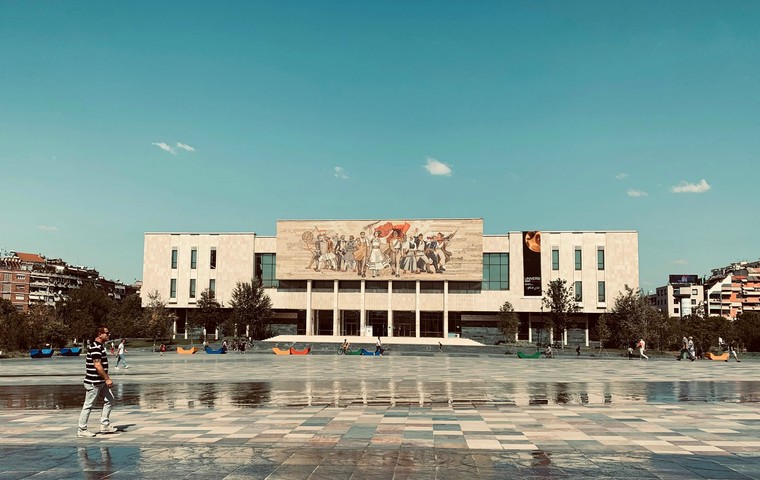
Tours
Best Day Trips from Tirana – 8 Routes with Prices & Honest Tips
Tirana is Albania's best launch pad: UNESCO Berat from $12, Kruja Castle from $24, Gamti Mountain hikes from $12. Real prices, travel times, and what they don't tell you.
March 25, 2026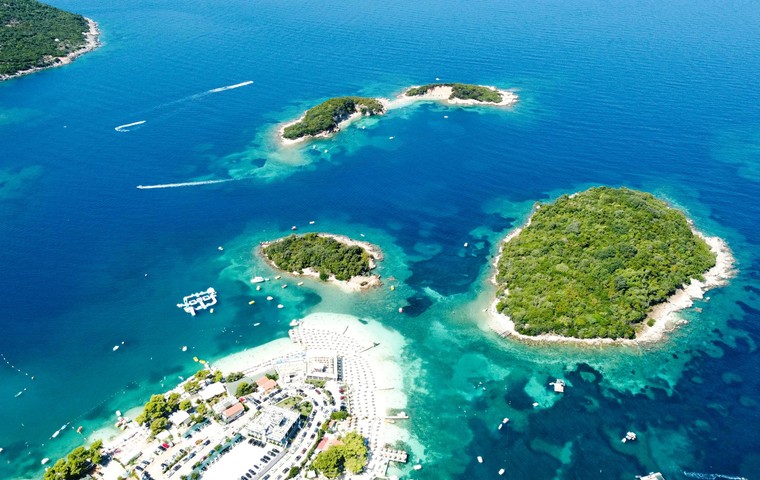
Tips
Ksamil or Saranda: Which Albanian Riviera Resort Is Right for You?
Ksamil has Maldives-level beaches but sunbeds cost up to €50, while Saranda offers better value and variety. Here's how to choose – or combine both in one trip.
March 28, 2026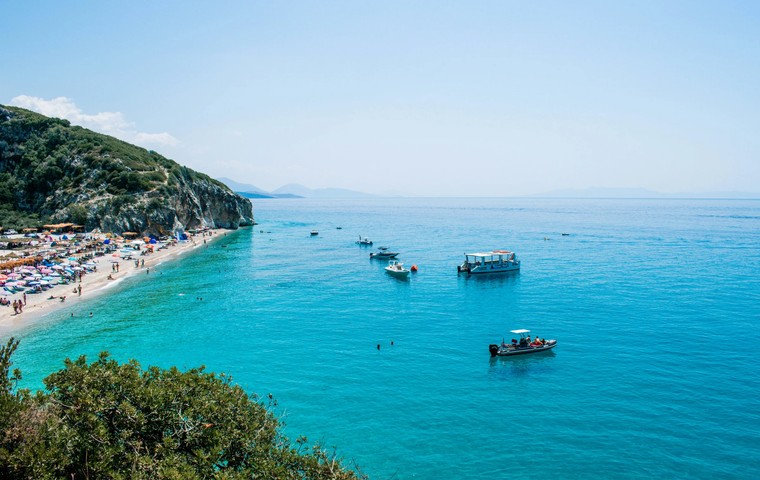
Tips
Albania with Kids: Best Beaches, Resorts & Family Logistics Explained
Sandy Adriatic shores for toddlers, turquoise Riviera coves for teens – at half the price of Greece. A practical guide to family holidays in Albania.
March 28, 2026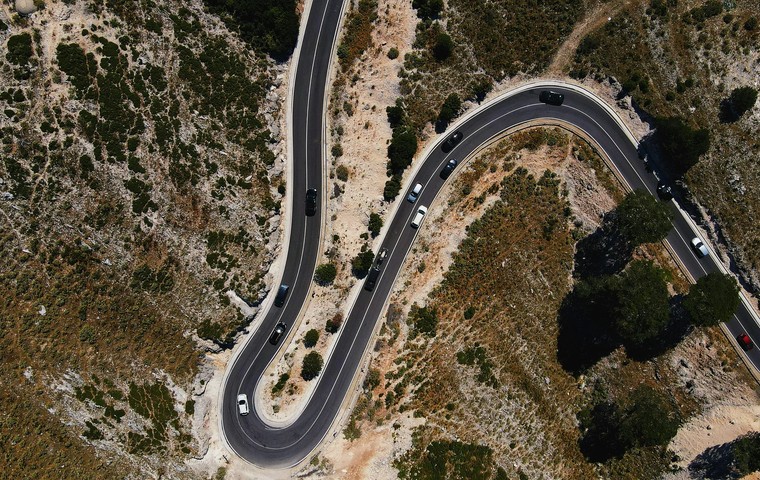
Transport
Driving in Albania 2026: Traffic Police Target Rentals – Fines & Rules You Can't Miss
Zero alcohol tolerance (0.01‰), daytime headlights mandatory, phone use fine €150. Police specifically pull over rental cars. The real rules behind the wheel in Albania.
April 21, 2026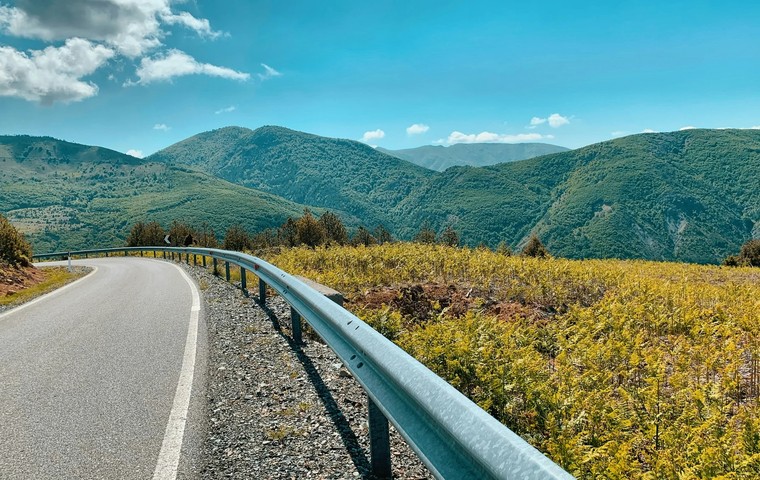
Tours
7-Day Albania Road Trip: Tirana to the Riviera Without Backtracking
A week-long driving itinerary covering two UNESCO cities, the Albanian Riviera, Llogara Pass and real prices. Where to sleep, what to skip, and how much fuel costs.
March 15, 2026Gjirokastra. Nearby
Nearby cities
Towns nearby — easy to add to your route for a day trip.
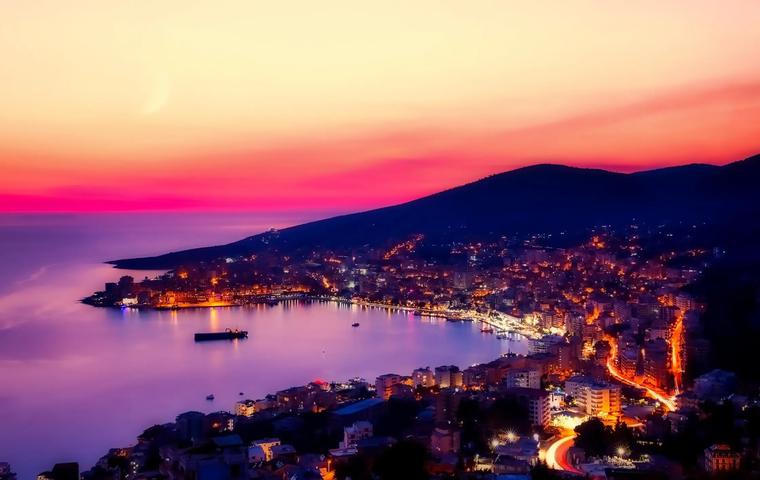
54 km
Saranda
Southern Albania's resort capital and gateway to Butrint and Ksamil
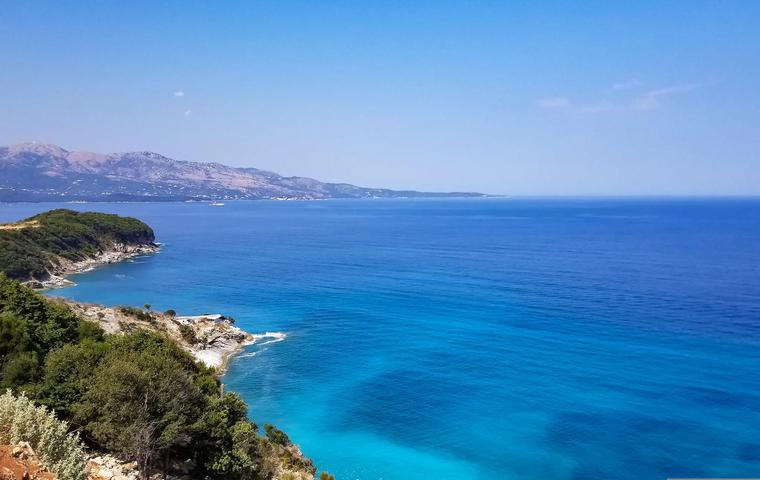
101 km
Himara
The Albanian Riviera's main beach town without the crowds of Ksamil or the price tags of Dhermi
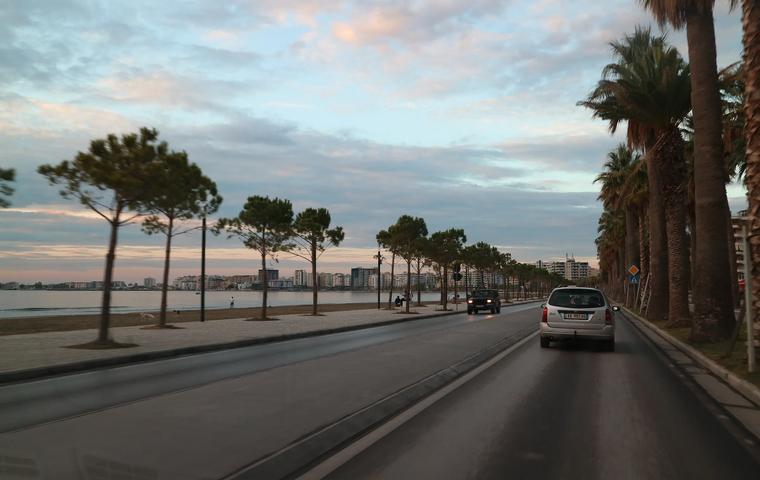
123 km
Vlora
Gateway to the Albanian Riviera and the city where Albania's independence was declared
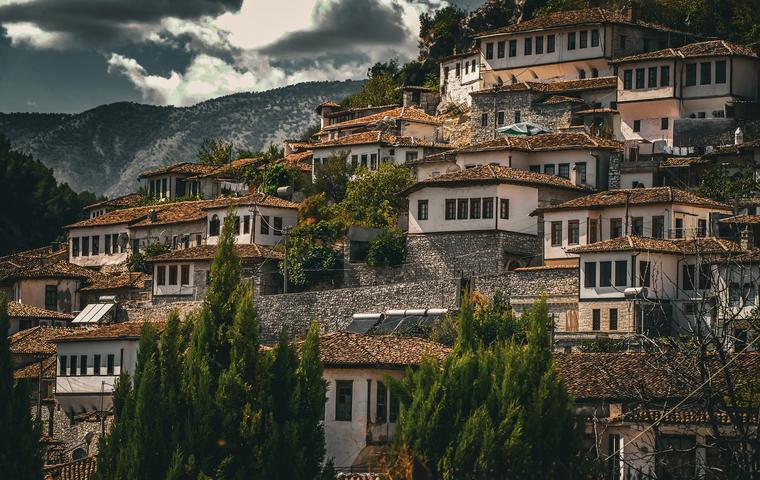
142 km
Berat
The City of a Thousand Windows – Albania's essential cultural stop (UNESCO)
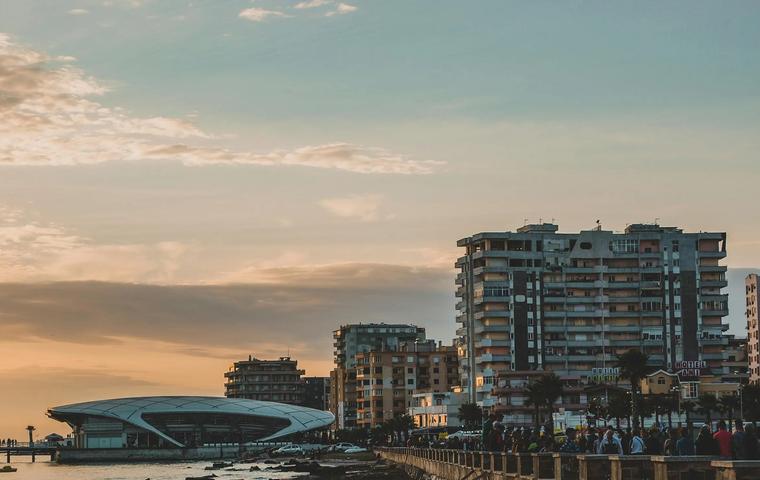
187 km
Durres
The closest seaside town to Tirana and Albania's largest port with Roman heritage
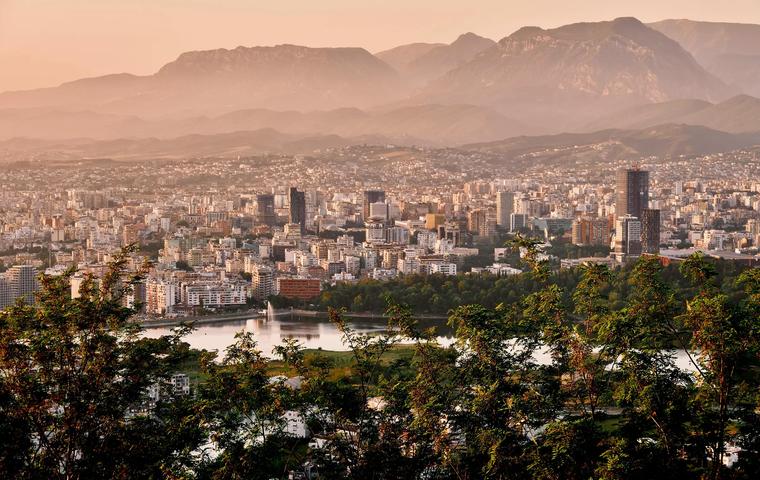
218 km
Tirana
Albania's capital and the country's main transport hub: most Balkan itineraries start here
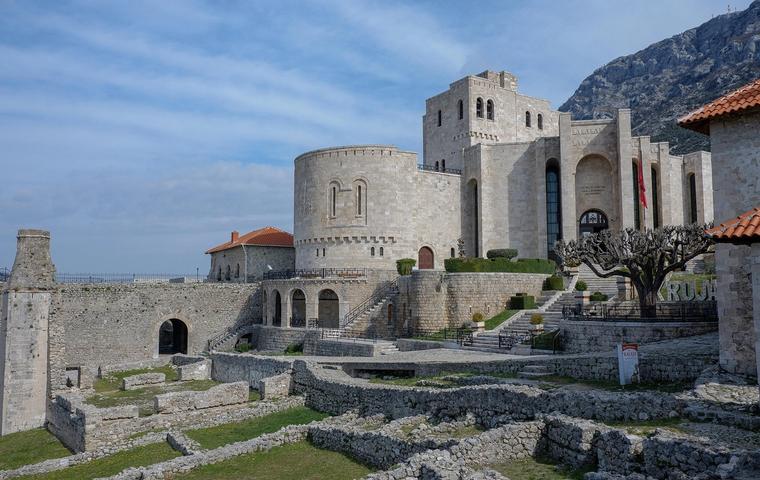
225 km
Kruja
Skanderbeg's fortress town: the top historical day trip from Tirana
292 km
Shkoder
Northern Albania's cultural capital and launchpad for the Albanian Alps
Plan your trip in minutes