In detail
What's here
The park's centerpiece is the artificial lake, encircled by walking and cycling paths totaling about 3.5 km. Pine, oak, and cypress trees line the shore – roughly 120 species of trees, shrubs, and flowers grow across the park. The western shore has clusters of cafés and restaurants with waterfront terraces; expect to pay 800–1,500 ALL ($8–15) for a meal. The eastern shore holds the Cemetery of National Heroes and memorials to British, Australian, and German soldiers from World War II.
The southern section houses the botanical garden (established 1971, over 2,000 plant species) and a small zoo. An amphitheater here hosts summer concerts and cultural events. Playgrounds, basketball courts, and outdoor gym equipment are scattered throughout. Pedal boats and kayaks are available for rent on the lake – check prices on-site.
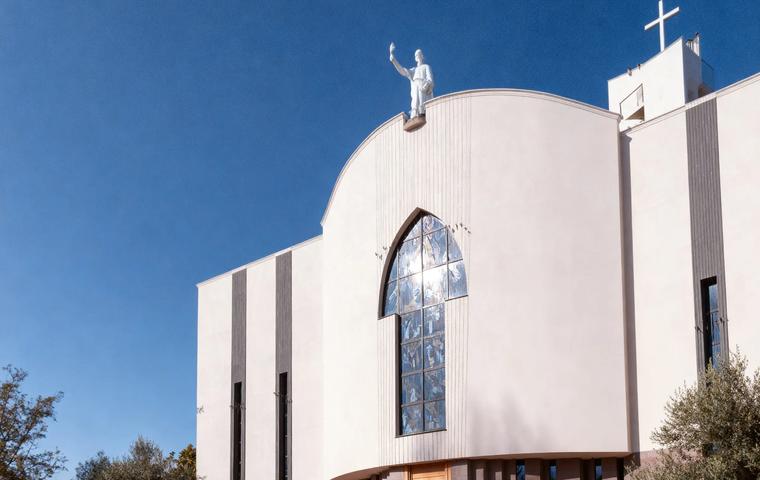
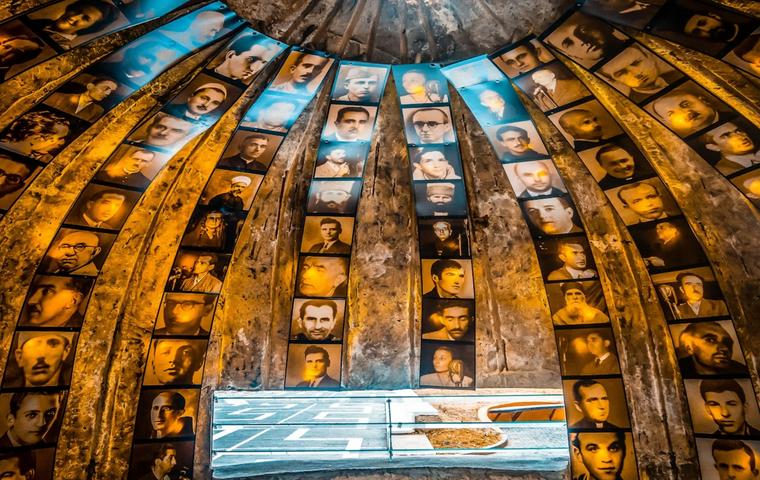
The park grounds include the Presidential Palace (originally King Zog I's residence, closed to visitors) and Saint Procopius Church. A Holocaust memorial was installed near the Mother Teresa Square entrance in 2020. On warm weekends the park fills up by 10:00–11:00 AM; weekdays are noticeably quieter.
Highlights
Why visit
Area – 289 hectares total, including 230 ha of parkland and 55 ha of lake
Biodiversity – roughly 120 species of trees, shrubs, and flowers; botanical garden spanning 14.5 ha with 2,000+ plant species
Lake – artificial reservoir with a 3.5 km perimeter path; pedal boats, kayaks, fishing
Facilities – playgrounds, basketball courts, outdoor gym equipment, amphitheater
Historical sites – Presidential Palace, Holocaust memorial, Frashëri Brothers mausoleum
Access – 15 minutes on foot from Skanderbeg Square, free entry, open 24/7
History
Past & present
The park was built in 1955–1956 following a Bulgarian master plan on the site of the former Gogo stables. The artificial lake was created in 1955 through volunteer labor – a 400-meter-long dam was erected to contain the water. During the communist era, the park served as the main mass recreation area: thousands of residents gathered here on weekends for picnics and walks. In 1966, the adjacent Dajti National Park was established. In 1971, the botanical garden was founded under Tirana University.
After the fall of communism in the early 1990s, the park went through a period of neglect: infrastructure deteriorated, lakeshores became overgrown, and informal construction encroached on the edges. From the 2000s onward, renovation began: pathways were repaved, new cafés and restaurants opened, and playgrounds were installed. In 2008, a large-scale lakeside development plan was announced, sparking public debate. In 2020, a Holocaust memorial was unveiled at the park entrance.
Getting there
Transport & directions
From central Tirana (2 km, 15–20 minutes on foot):
– Walk along Dëshmorët e Kombit Boulevard from Skanderbeg Square – past the University of Tirana, straight to the entrance
– City bus (Tirana–Sauk line) – 40 ALL (≈ $0.40), stops at the main entrance
– Taxi via app (inDriver, Speed Taxi) – 400–500 ALL ($4–5)
By bicycle:
From Blloku district along the Lana River cycle path – leads directly to the park, 10–15 minutes.
Main entrances:
North side (Dëshmorët e Kombit Boulevard), Rruga Herman Gmeiner, and the southern botanical garden side.