Blog · Tips
How Much Does a Trip to Albania Cost – Budget for 7, 10 and 14 Days
 Tips
TipsIn this article
- 01Getting There: Flight Costs
- 02Accommodation: From Hostels to Boutique Hotels
- 03Food: Street Food, Restaurants, and Markets
- 04Transport: Buses, Taxis, and Car Rental
- 05Attractions and Sightseeing
- 06Budget Summary: 7, 10, and 14 Days
- 07Mobile Connectivity
- 08Travel Insurance
- 097 Money-Saving Tips
- 10Frequently Asked Questions
- 11Conclusion
Some links are affiliate links. You pay the same, and we may earn a commission.
Real Albania travel budget. Detailed cost breakdown for accommodation, food, transport, and activities for 7, 10, and 14 days across budget, mid-range, and comfort levels.
Albania is one of the most affordable Mediterranean destinations, but "cheap" no longer means "almost free." The average daily budget in 2026 ranges from €35 to €90 depending on travel style, and a week-long trip for two realistically costs €900–1,600 excluding flights. Here's a detailed cost breakdown by category to help you plan a trip that matches your wallet.
Key takeaways:
- Currency – Albanian lek (ALL), though euros are widely accepted. Exchange rate as of October 2026: 1 € ≈ 92 ALL.
- Cash is king – Albania runs on cash. Many hotels, restaurants, and transport accept only cash, even when booked online.
- ATM fees are steep – flat fee of €5–8 per withdrawal regardless of amount. Withdraw the maximum each time.
- Prices are rising – tourist zones have increased by 12–20% over the past year, particularly along the Riviera.
- Season matters enormously – July-August accommodation on the coast costs double compared to May-June or September.
- Main airport – Tirana International Airport. The new Vlora airport has opened but offers limited routes.
- Still 30–50% cheaper than Greece and Croatia for comparable beaches and cuisine.
Getting There: Flight Costs
Flight prices to Tirana vary widely depending on your departure point. Budget carriers like Wizz Air and Ryanair connect Tirana to most major European cities from €20–60 one way. From North America, expect €400–700 round trip via connections in Istanbul, Rome, or Athens.
Check visa requirements for your nationality before booking – many passport holders enjoy visa-free entry for up to 90 days, but some nationalities require an e-visa (approximately €60).
Accommodation: From Hostels to Boutique Hotels
Accommodation is the biggest variable in your budget. Prices range from €10–15 for a hostel bed to €150+ for a decent hotel room on the Riviera during peak season.
(Updated: October 2026)
A few things rarely mentioned. Ksamil Beach and Sarandë experience disproportionate price spikes in summer – these are the most hyped coastal spots. Mountain guesthouses in Berat and Gjirokastër often include homemade breakfast and dinner, saving significantly on food. And while you can book through platforms, expect to pay cash on arrival.
Food: Street Food, Restaurants, and Markets
Food in Albania offers outstanding value. Mediterranean cuisine, fresh seafood, and local wine come at prices that seem unreal compared to neighboring Greece.
| Category | Average price | Notes |
|---|---|---|
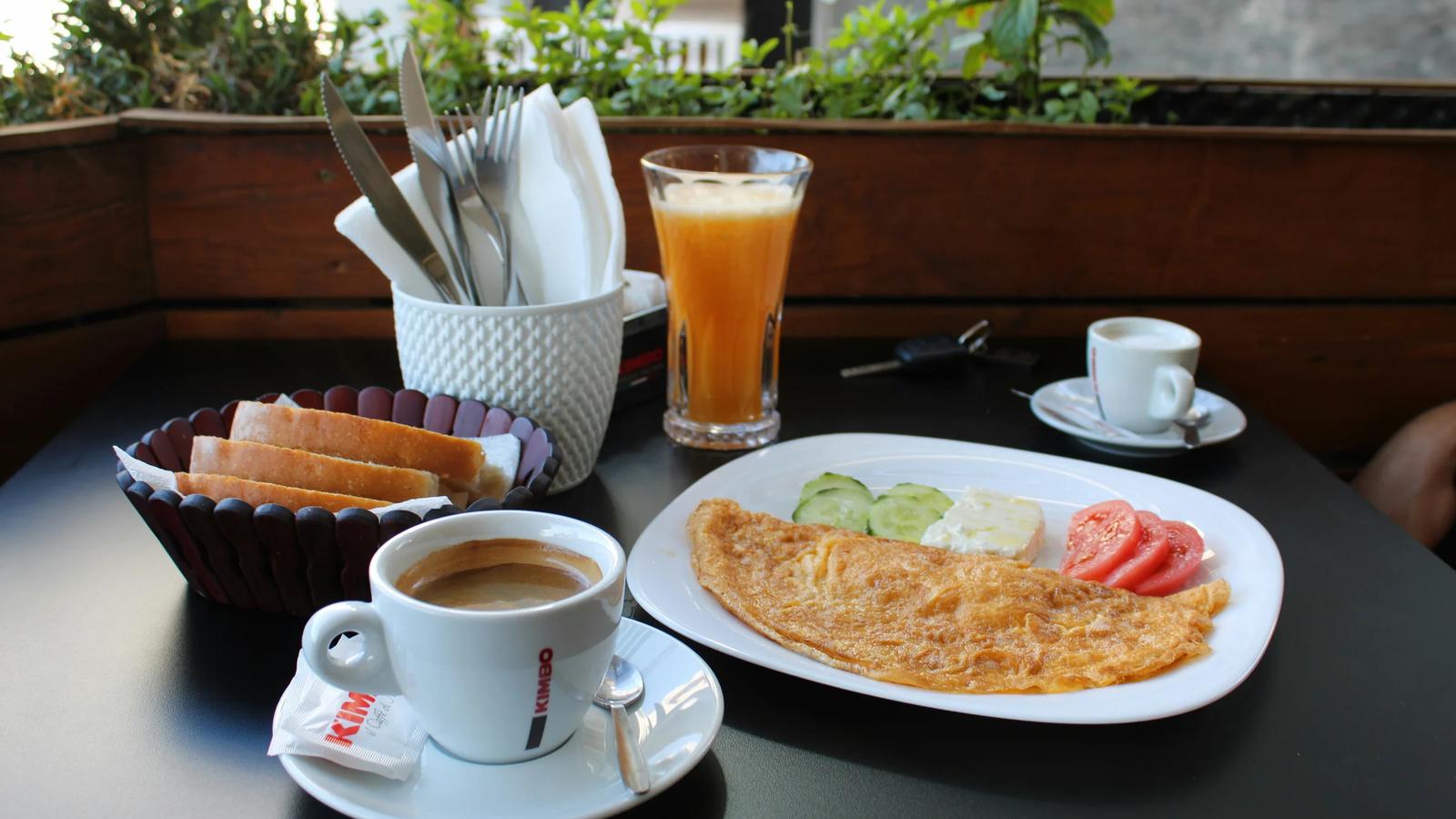
Börek for breakfast | €0.5–1 | Found at every bakery, filling and cheap |
Lunch at a budget café | €6–12 | Single dish with a drink, non-tourist area |
Dinner for two at mid-range restaurant | €30–50 | Three courses, without wine |
Cappuccino | €1–2 | Coffee culture is strong and affordable |
Draft beer (0.5L, local) | €1.5–3 | In a bar; from the shop it's €1 |
Water 1.5L (shop) | €0.5–0.8 | Tap water is not drinkable |
Bottle of local wine | €5–10 | Quality often pleasantly surprises |
(Updated: October 2026)
The golden rule: walk one block away from the waterfront or main square and prices drop 30–40%. In Tirana, the "Blloku" district (former party elite compound) is full of local-priced cafés. In coastal towns, look for restaurants where Albanians are eating – portions tend to be larger and quality higher than at "tourist" establishments.
Transport: Buses, Taxis, and Car Rental
Public transport in Albania exists but is an adventure in itself. There's no unified system, schedules are approximate, and bus stations sometimes consist of a parking lot by a crossroad.
| Transport type | Cost | Notes |
|---|---|---|
City bus | €0.4–0.7 | Only in Tirana |
Intercity bus/furgon | €3–15 | Depending on distance; Tirana – Sarandë ≈ €15 |
City taxi | €3–7 | Use Speed Taxi or Lux Taxi apps to avoid overcharging |
Airport transfer | €15–25 | Fixed price via KiwiTaxi or Welcome Pickups |
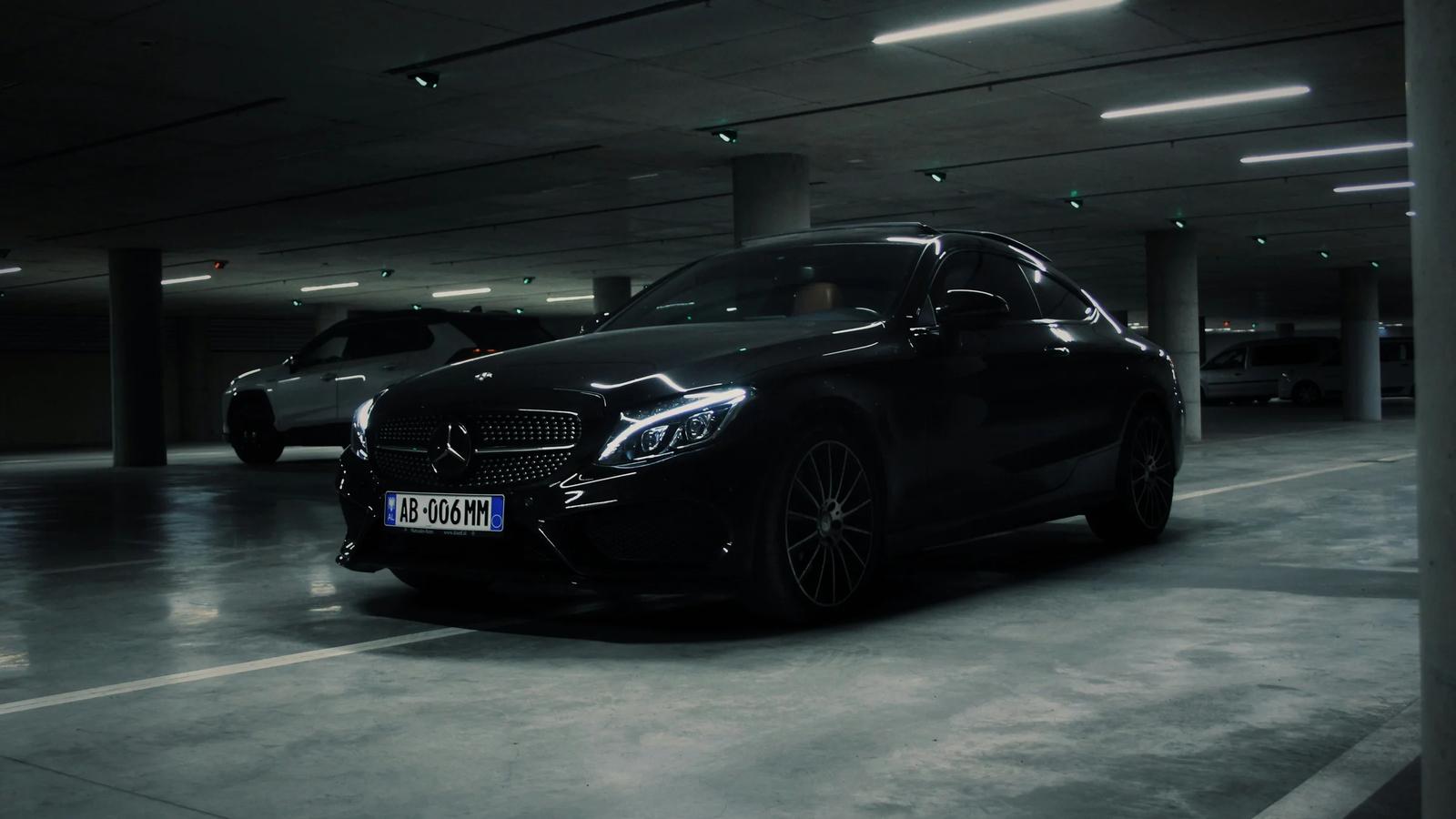
Car rental (economy) | €25–45/day | Low season, via Localrent or EconomyBookings |
Car rental (summer) | €35–60/day | Book well in advance, supply is limited |
Petrol | ~€2.1/L | Higher than neighboring countries |
(Updated: October 2026)
Renting a car via Localrent is the best option for the Riviera and mountain routes. Albanian roads have improved significantly – main highways are in good condition. However, mountain switchbacks (particularly the Llogara Pass near Himarë) require confidence behind the wheel. Local driving style is aggressive, with overtaking on blind corners being common.
Attractions and Sightseeing
Entry fees at most historical sites range from €3–8 – considerably cheaper than Greece or Italy for sites of comparable significance.
Budget Summary: 7, 10, and 14 Days
Per person, based on double occupancy (accommodation cost split between two).
Budget tier (€25–45/day)
Hostels and guesthouses, street food and markets, buses, free beaches and sights.
| Expense | 7 days | 10 days | 14 days |
|---|---|---|---|
Accommodation | €85–125 | €120–180 | €170–250 |
Food | €70–105 | €100–150 | €140–210 |
Local transport | €25–40 | €35–55 | €50–80 |
Activities | €15–30 | €20–40 | €30–55 |
Connectivity (eSIM/SIM) | €5–10 | €5–10 | €10–15 |
Miscellaneous (ATM fees, souvenirs) | €15–25 | €20–35 | €30–45 |
Total | €215–335 | €300–470 | €430–655 |
Mid-range tier (€50–90/day)
3-star hotels, restaurants, mix of buses and taxis, key excursions.
| Expense | 7 days | 10 days | 14 days |
|---|---|---|---|
Accommodation | €175–280 | €250–400 | €350–560 |
Food | €120–175 | €170–250 | €240–350 |
Local transport | €50–80 | €70–110 | €100–155 |
Activities | €40–70 | €55–100 | €80–140 |
Connectivity | €5–12 | €10–15 | €10–20 |
Miscellaneous | €25–40 | €35–55 | €50–80 |
Total | €415–657 | €590–930 | €830–1,305 |
Comfort tier (€100–180/day)
4–5 star hotels, seafood restaurants, car rental, private tours.
| Expense | 7 days | 10 days | 14 days |
|---|---|---|---|
Accommodation | €350–560 | €500–800 | €700–1,120 |
Food | €210–280 | €300–400 | €420–560 |
Transport (car + fuel) | €210–350 | €300–500 | €420–700 |
Activities | €80–140 | €115–200 | €160–280 |
Connectivity | €10–15 | €10–20 | €15–25 |
Miscellaneous | €40–70 | €55–100 | €80–140 |
Total | €900–1,415 | €1,280–2,020 | €1,795–2,825 |
(Updated: October 2026)
Mobile Connectivity
Albania is not part of the EU roaming zone, making data connectivity a separate budget item. Two options: buy a local SIM card or activate an eSIM before departure.
Local SIM cards (Vodafone, One, ALBtelecom) cost €5–10 for 5–15 GB. eSIM offers instant connectivity from the moment you land.
If you're traveling through neighboring countries (Montenegro, Greece), consider regional Best Europe packages from Esim4travel – 5 GB for $8.93 covering 35 countries for 30 days.
For a 7-day trip, 5 GB is sufficient for navigation, messaging, and photos. For 14 days, go with 10 GB or unlimited if you plan heavy video calls.
Travel Insurance
Travel insurance with minimum €30,000 coverage is recommended for any trip abroad. Policies via EKTA start at $7 for 7 days (basic START tier) up to $42 (extended MAX+). For active holidays (trekking, diving), the GOLD tier covering extreme sports costs $37 per week.
7 Money-Saving Tips
Travel in shoulder season (May-June, September-October) – save 30–40% on accommodation with perfect weather. Eat börek for breakfast – a filling meal for under €1. Withdraw large amounts at ATMs – the flat fee is the same whether you take €20 or €200. Use taxi apps (Speed Taxi, Lux Taxi) instead of hailing rides – prices differ by 2–3x. Book mountain guesthouses – they often include homemade meals. Shop at local markets – fruit, vegetables, and cheese cost 2–3x less than in tourist restaurants. Get an apartment with a kitchen for trips over 10 days – savings on breakfast and snacks add up quickly.
Frequently Asked Questions
1. How much cash should I bring to Albania?
At least €200–300 per person in cash euros for the first few days. Albania runs on a cash economy – many hotels, restaurants, and transport services accept only cash. Exchange currency at exchange offices in Tirana rather than at the airport, where rates are 3–5% worse.
2. Is Albania still a cheap destination?
By European standards, yes. A daily backpacker budget runs €25–45, comparable to Bulgaria and cheaper than Croatia, Greece, or Montenegro. However, coastal tourist zones (especially Ksamil Beach and Sarandë) have seen 15–20% price increases in recent years. True savings are found in mountain towns and non-tourist areas.
3. Should I bring euros or dollars?
Euros. They're accepted almost everywhere alongside leks, and the exchange rate is better than for dollars. Leks are only needed for small purchases – street food, bus tickets, markets.
4. Should I rent a car or rely on buses?
If your route covers only Tirana, Berat, and Sarandë, buses work fine. But for the Riviera (Himarë, Gjipe Beach, Jale Beach) and mountain areas (Shkodër), a rental car saves time and unlocks places inaccessible by bus. Rates via Localrent start at €25/day in low season.
5. What's the biggest hidden cost in Albania?
ATM fees. At €5–8 per withdrawal, frequent small withdrawals can cost you €50+ over a two-week trip. The solution: withdraw the maximum amount each time and keep your cash secure. Sunbed and umbrella rental at popular beaches (Ksamil) is another surprise – up to €35 per pair per day at premium spots.
Conclusion
Albania in 2026 remains one of Europe's best destinations for value. Budget travelers can spend a week for €215–335, mid-range travelers for €415–660, and comfort seekers for €900–1,400. The biggest savings come from accommodation (choose guesthouses and book ahead) and food (eat where locals eat). Most important tip: bring enough cash and don't rely on bank cards.
Sources:
- Albania e-visa portal – official visa applications
- INSTAT Albania – price statistics
- Albanian Ministry of Tourism – official information
- Tirana International Airport – flight information
- Vlora International Airport – new airport details
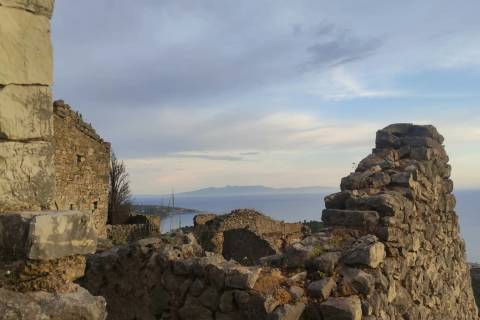
Places to see in Albania
You may also like
Albania in April: Weather, Prices, What to See
Is April a good time to visit Albania? Weather details, sea temperature, prices, top attractions, and practical advice for traveling to Albania.
February 27, 2026
Albania vs Montenegro – Which Country to Choose for Your Vacation
Detailed comparison of Albania and Montenegro for holidays: prices, beaches, visas, transport, and infrastructure. An honest breakdown of each country's pros and cons.
February 25, 2026
Day Trips from Saranda: 5 Honest Tour Picks (and Where Combo Tours Lie)
Butrint, Blue Eye, Ksamil and Gjirokastra in one day – with real prices, drive times and which combo tours are worth it. Includes ferry to Corfu logistics.
April 26, 2026
Albania in March: Empty Coast & 30–40% Cheaper Than Summer
March in Albania: 13–16°C on the coast, a sea too cold for swimming, but no crowds and prices 30–40% below summer. What's open, transport and tips.
February 26, 2026
Albania in August: 32°C, Peak Crowds & Where to Find a Quiet Beach
August brings 10 hours of sun a day and 25°C sea – but Riviera accommodation costs 40–60% more than May. An honest look at whether peak season is worth it, plus the uncrowded coves right next to packed Ksamil.
July 12, 2026
Durres or Vlora: Which Albanian Resort Is Better for Families in 2026
Durres is closer to the airport and cheaper; Vlora has cleaner water and wilder nature. The honest breakdown: beaches, logistics, prices and who should go where.
April 24, 2026