Some links are affiliate links. You pay the same, and we may earn a commission.
Public facilities in Albania must publish tariffs in advance – ask for the amount before treatment.
First response
Healthcare for tourists in Albania: what to do if you get sick
Healthcare for tourists in Albania starts with a short sequence: call 127 or the unified emergency number 112 when health is at risk, then contact your insurer as soon as you are referred to a facility. Do not postpone the payment question – in 2026, public facilities must publish tariffs in advance, tell the patient the treatment cost, and issue financial documents.
For a medical emergency, call 127. The National Centre decides which nearest ambulance team to dispatch.
For any emergency call, 112 is also available. The unified number is free on public telephone and digital networks.
After referral to a facility, contact your insurer as soon as possible.
Ask for the cost before treatment. Public facilities publish tariffs in advance, tell patients the cost, and issue financial documents.
Emergency numbers
Emergency care: 127 and 112
127 is Albania's medical emergency number. The National Centre receives the call and coordinates dispatch of the nearest ambulance team.
112 is the unified emergency number. It is available free of charge on public telephone and digital networks.
Seasonal care
Summer medical centres in 2026
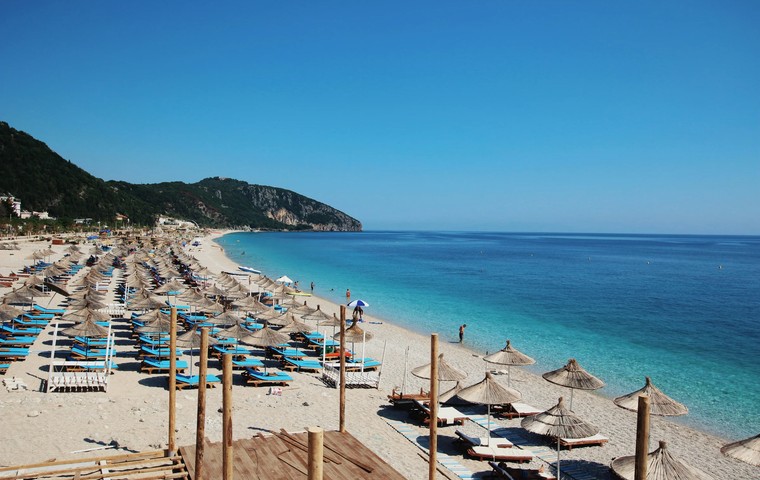
During the 2026 summer season, Albania has 36 seasonal medical centres operating 24/7. Of these, 28 are in coastal areas, 5 in mountain areas, and 3 in cultural or religious tourist areas.
The seasonal network
36
summer medical centres
24/7
operating schedule
28
coastal centres
5 + 3
mountain and cultural areas
Only non-resident foreign tourists pay for certain services at these 36 centres. Card-terminal payment is available at every centre, and patients can ask for the amount before treatment.
The tariff covers a visit to a general practitioner or a specialist, microsurgery, blood and urine tests, a blood sugar measurement, and an ECG. Prices run from 250 lekë for a blood sugar test to 1500 lekë for a specialist consultation; the Compulsory Health Care Insurance Fund puts the average at 650 lekë.
The seasonal centres keep no cash desk – the whole payment goes through the card terminal. The unified tariffs have applied since 1 July 2026 and only to non-resident foreign tourists; Albanian residents continue to be treated free of charge.
Facility capacity
Hospitals and care outside Tirana
In 2026, Albania's public medical facilities introduced a unified process for foreign patients: tariffs must be published in advance, patients are told the treatment cost, and financial documents are issued.
The FCDO reference list updated on 17 March 2026 includes American Hospital in Tirana, Durrës, and Fier; German Hospital and Hygeia in Tirana; and the public Nënë Tereza hospital. It is a directory, not a recommendation of any facility.
Medical capacity outside Tirana is limited, ambulances are scarce, and evacuation can be difficult and expensive.
Daniel Silva
Before payment
Payment and travel insurance
At a public facility, ask to see the published tariff and obtain the cost before treatment. Collect the financial documents after payment. At seasonal centres, certain services are paid by non-resident foreign tourists, and card-terminal payment is available.
Is healthcare free in Albania for a foreigner?
Free treatment in Albania runs through the compulsory health insurance scheme, and the scheme covers those who pay contributions or for whom the state pays them. Contributions are mandatory for economically active people permanently resident in Albania; among foreign nationals the Fund lists only asylum seekers. A tourist is outside the scheme, so the visit, the examination and the hospital treatment are paid for.
The European Health Insurance Card does not close the gap either. It covers unplanned treatment in EU countries and in Iceland, Liechtenstein, Norway and Switzerland, and Albania is not on that list. Travel insurance is the cover that works here.
The US Embassy in Tirana warns that doctors and hospitals in Albania expect payment in cash at the time of service, and that a home health insurance policy may not cover a doctor's visit or a hospital stay. Keep accessible funds even with a policy in hand.
Published tariffs for foreigners so far exist only at the seasonal centres. In July 2026 the Fund said the costing of hospital services was still awaiting approval by the Ministry of Health, so at a hospital the amount still has to be asked for on the spot.
If you are referred to a medical facility, contact your insurer as soon as possible. Even with a policy, keep accessible funds for treatment, air-ambulance evacuation, and repatriation.
Check that the policy covers all medical costs and evacuation, the full trip including stopovers, planned activities, and exclusions. The comparison is covered separately in our guide to travel insurance for Albania.
Trip preparation
Medicines, vaccines and drinking water
Bring enough regular medication for the entire trip. Pack a copy of the prescription and a doctor's letter stating the medicine names, doses, and that the drugs are for your personal use.
The US Embassy notes that Albanian health and customs authorities may ask for a doctor's prescription when the quantity far exceeds a 30-day course, and that narcotic and psychotropic medicines carried for personal use require a certificate issued by the competent state health authority before departure.
MDFrescuerYouTube
Update routine vaccinations before travel. Hepatitis A and hepatitis B vaccination is recommended for unvaccinated travellers to Albania.
According to the CDC, rabies vaccine after a possible exposure is typically available throughout most of Albania. The decision about pre-travel vaccination depends on planned activities and how quickly you can access care.
Boiled or bottled water is safer for drinking than tap water in Albania.
Pharmacies in Albania: opening hours and prescriptions
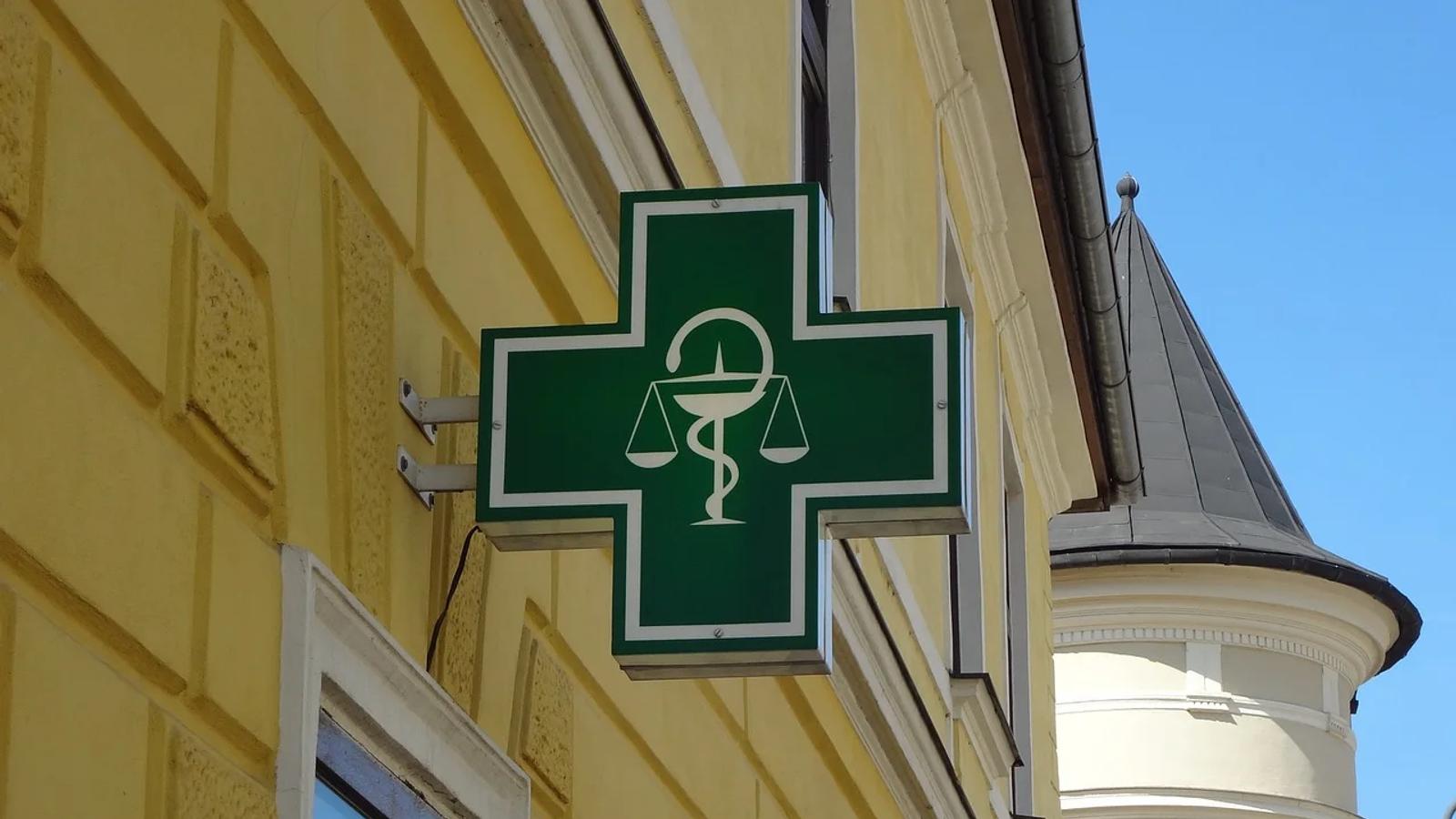
Night pharmacy service in Albania is a legal obligation rather than the goodwill of an individual pharmacy: the law on medicines and pharmaceutical service makes the night service compulsory, and the Ministry of Health sets its rules and its rotation for each local government unit. Opening hours on rest days and public holidays are set by the Ministry as well, and local authorities check them together with the Order of Pharmacists.
The roster itself is local, and no national list of duty pharmacies is published. Ask which pharmacy is on duty tonight at your hotel reception or at the nearest health centre – in a resort town this is the fastest route to an answer.
Medicines are sold in a pharmacy or a pharmaceutical agency only on a doctor's prescription. The exception is the over-the-counter list approved by the Minister of Health: 813 items in the order of 3 July 2018. Selling anything outside that list without a prescription is an administrative offence and costs the pharmacy 100 000 lekë, and 200 000 lekë on repetition.
Can you buy antibiotics over the counter in Albania?
Legally, no. The over-the-counter list contains no systemic antibiotics – amoxicillin, azithromycin, ciprofloxacin and the rest are absent from it – so a course requires a doctor's prescription. Plan the sequence as a consultation first and the pharmacy counter second, and at a seasonal centre a visit to a general practitioner costs less than the specialist tariff.
Emergency care and treatment
Frequently asked questions
Which number should I call for a medical emergency in Albania?
Call 127 for a medical emergency. The unified emergency number 112 is also available free of charge on public telephone and digital networks.
What should I do after referral to a clinic?
Contact your insurer as soon as possible.
How do I pay, and which documents should I collect?
At a public facility, ask for the treatment cost before the service and collect financial documents. Card-terminal payment is available at all 36 seasonal centres.
What should I check in a travel insurance policy?
Check medical costs and evacuation, the full itinerary with stopovers, planned activities, and exclusions.
How should I prepare regular medication?
Bring enough for the entire trip, plus a prescription copy and a doctor's letter with names, doses, and confirmation of personal use.
Can I buy antibiotics without a prescription in Albania?
No. Only medicines on the over-the-counter list approved by the Minister of Health may be sold without a prescription, and none of the 813 items on that list is a systemic antibiotic. A pharmacy that breaks the rule is fined 100 000 lekë.
Is healthcare free in Albania for tourists?
No. Free care goes to people insured in the compulsory scheme – those who pay contributions or for whom the state pays them. A tourist is not in the scheme and pays for the service. At the seasonal centres the tariff for non-resident foreign tourists runs from 250 to 1500 lekë, with an average of 650.
Are pharmacies open at night in Albania?
Night pharmacy service is compulsory under the law on medicines, and the Ministry of Health sets the rotation for each local government unit. The duty roster is local and is not published nationally, so check it at your hotel or at the nearest health centre.
Does the European Health Insurance Card work in Albania?
No. The card covers unplanned treatment in EU countries and in Iceland, Liechtenstein, Norway and Switzerland. Albania is outside that list, so travel insurance is the only cover that applies.
If you become ill, follow the sequence: 127 or 112, contact your insurer, obtain the cost before treatment, and keep the financial documents.