Blog · Tips
Albania vs Greece for a Beach Vacation: An Honest Price, Beach & Logistics Comparison
 Tips
TipsIn this article
Some links are affiliate links. You pay the same, and we may earn a commission.
Albania's Riviera delivers Greek-quality turquoise water at 40–60% lower cost. We compare beaches, accommodation, food, and transport with real 2026 prices.
The short answer: a beach vacation in Albania costs 40–60% less than Greece for a comparable turquoise-water Mediterranean experience. Greece wins on infrastructure, island diversity, and ease of logistics. Your choice depends on whether you prioritize budget and rawness or comfort and predictability.
Below is a criterion-by-criterion breakdown with real prices rather than marketing promises.
Key Takeaways
- Daily budget: Albania – €50–90 for two (mid-range), Greece – €115–165 for two at a comparable level.
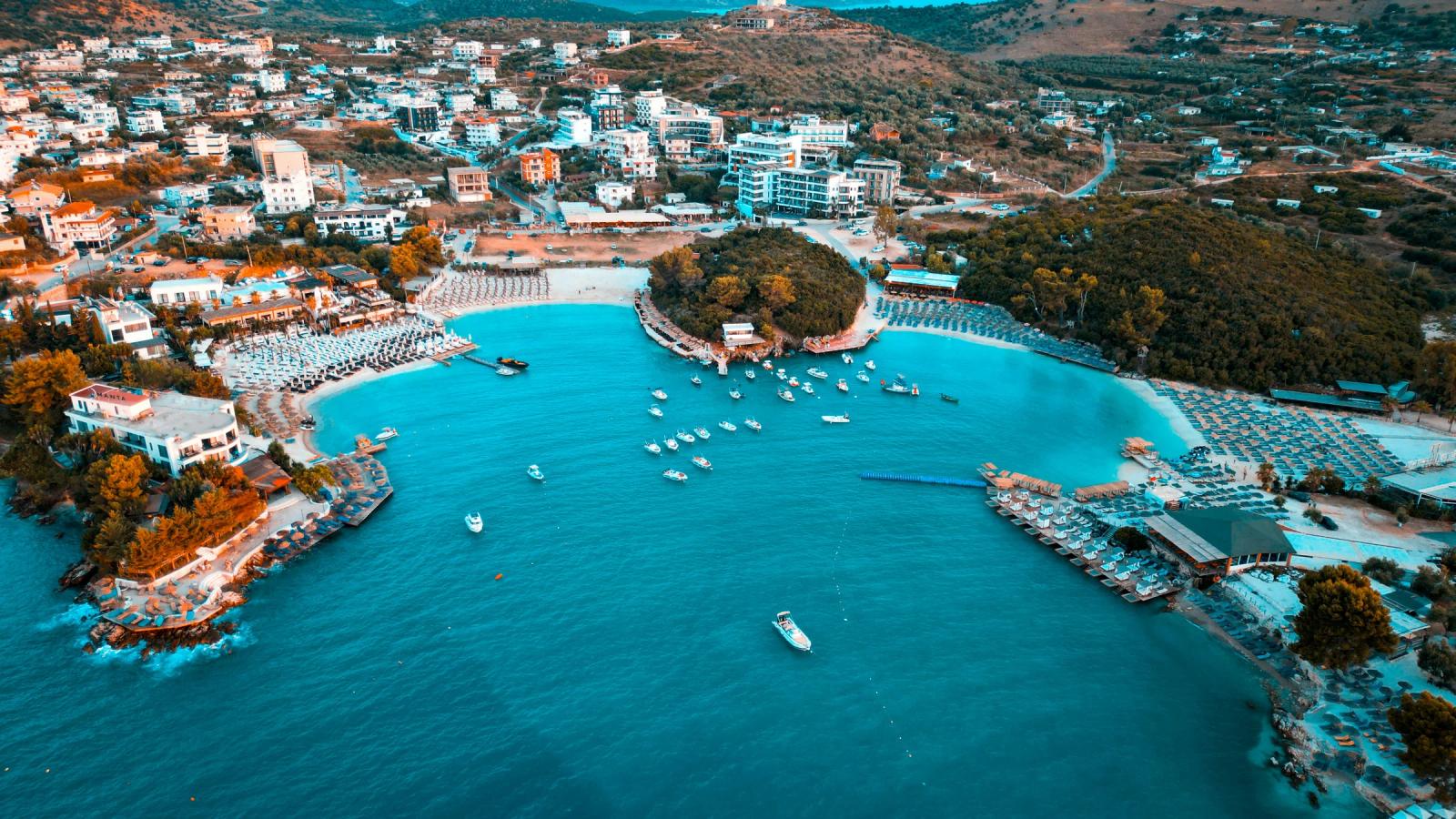
- Water quality: Albania's Ionian coastline genuinely rivals Greek islands – crystal-clear turquoise water with visibility up to 15 meters.
- Infrastructure: Greece offers more polished, predictable service. Albania is fresher but rougher around the edges – cash-heavy economy, chaotic traffic, occasional construction in progress.
- The ultimate hack: the Saranda–Corfu ferry (30 minutes, from €15) lets you combine both countries in a single trip.
- Visa requirements: vary by nationality. Check entry requirements for both countries before booking.
Beaches: What to Actually Expect
Albania
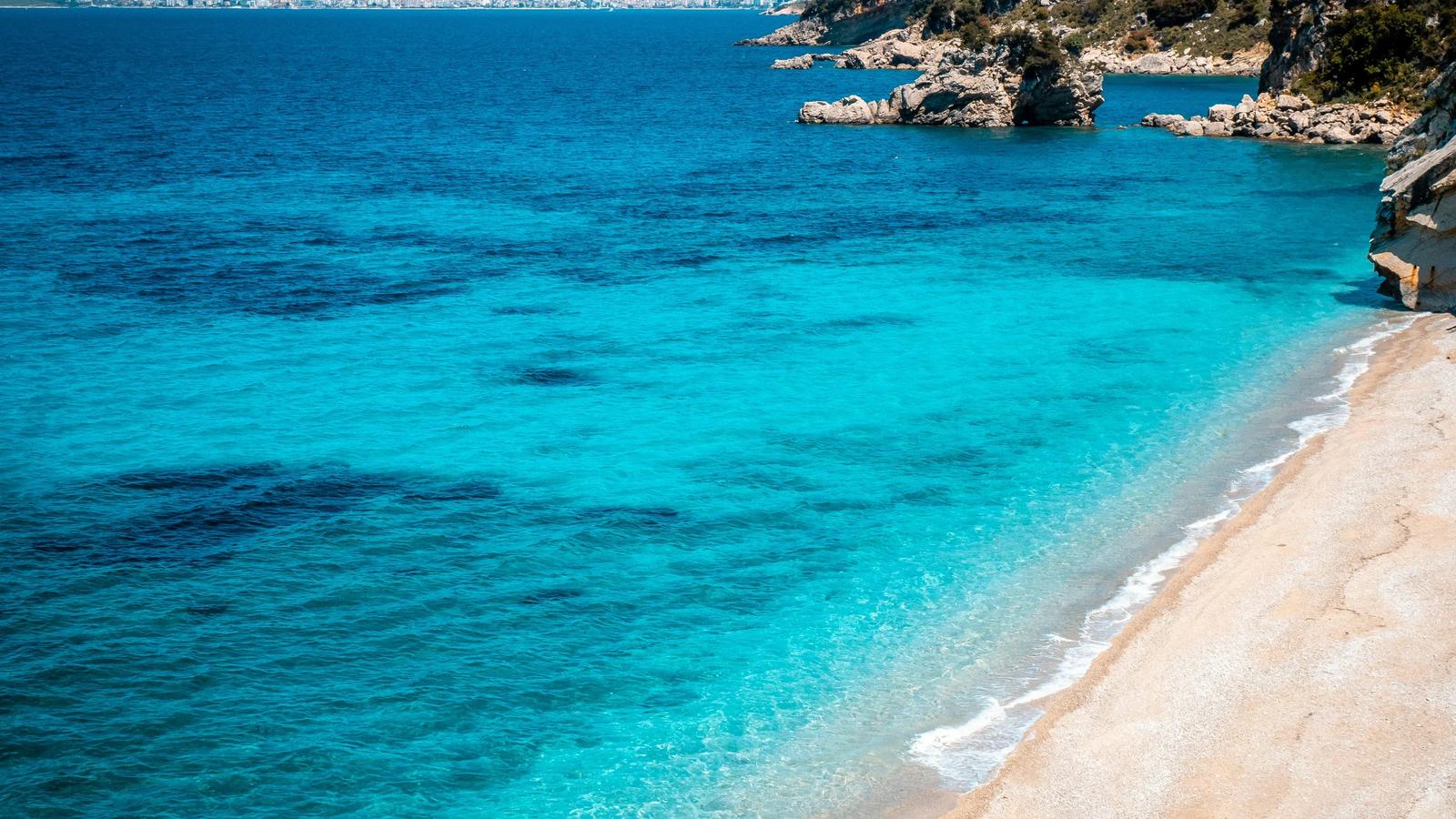
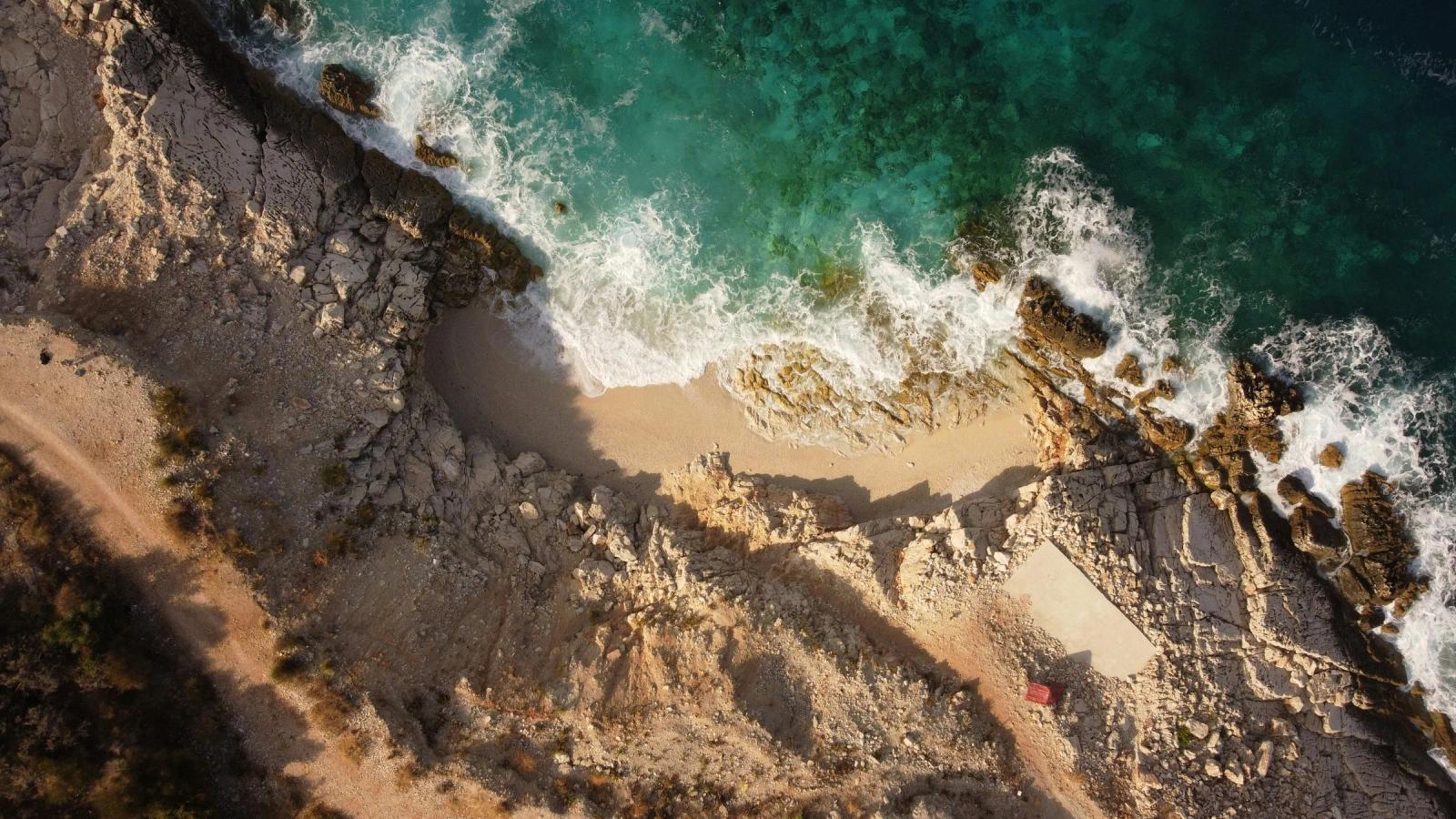
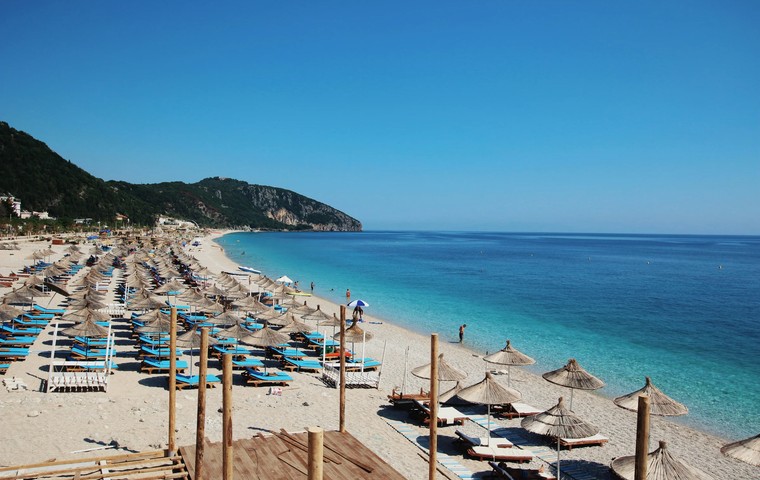
The Albanian Riviera stretches from Vlora to Saranda along the Ionian coast. Top spots include Ksamil Beach, Gjipe Beach, Jale Beach, Livadi Beach, and Drymades. The water really is turquoise – no filter needed.
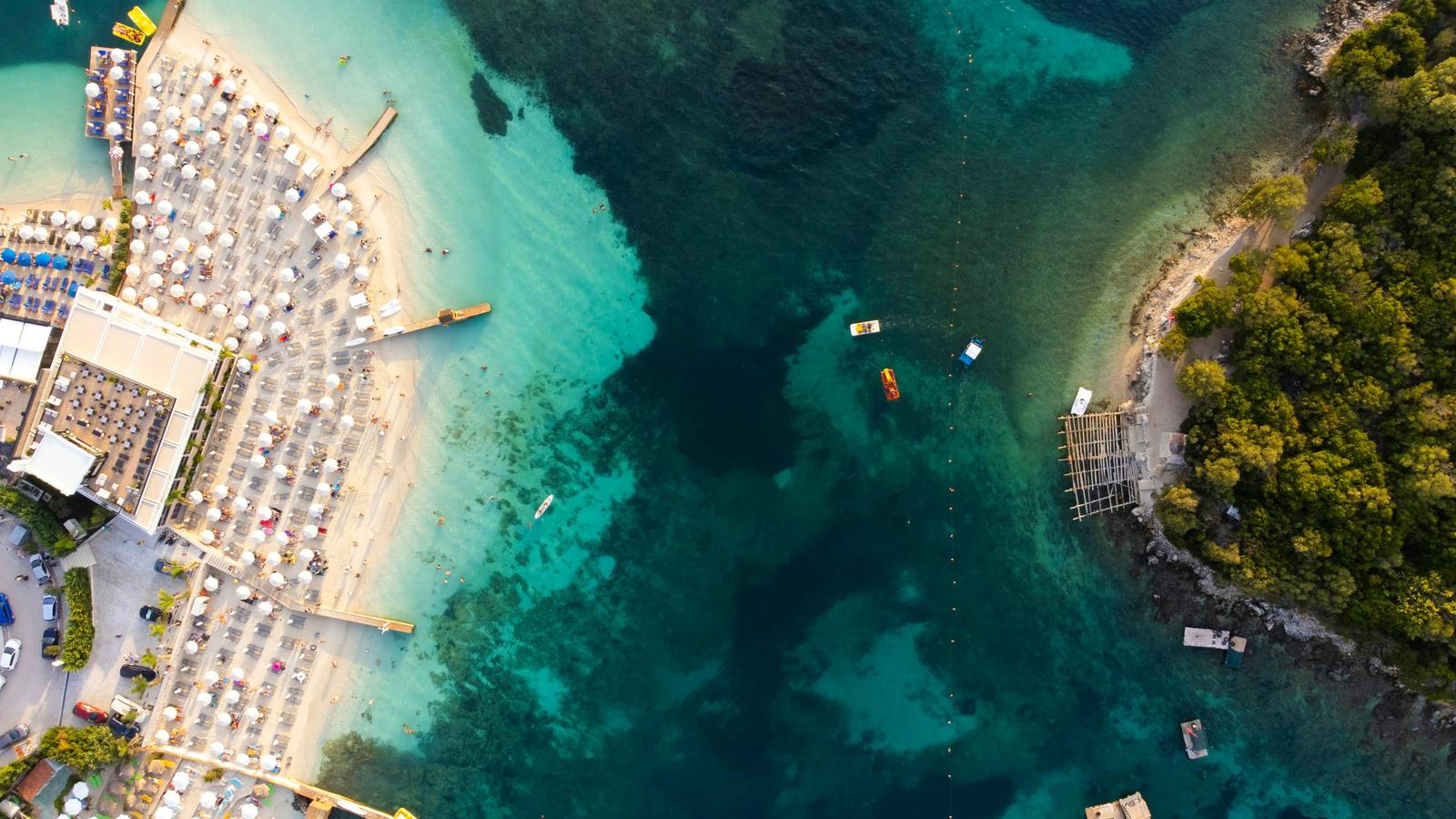
What travel bloggers skip: most beaches in Ksamil are rows of sunbeds managed by beach bars. A pair of sunbeds with an umbrella costs €15–25 per day in peak season, up to €50–70 on premium spots. Free space for a towel is limited in July-August. Pebble beaches are more common than sand along the Riviera.
Greece
Greece offers 6,000+ islands and 15,000 km of coastline. The range is enormous: from packed Mykonos beaches to deserted Peloponnese coves. Sandy beaches dominate on Crete, Naxos, and Zakynthos. Sunbed prices on popular islands run €20–40 per pair; on Mykonos, up to €100. But there is almost always a free section nearby.
Greece's advantage is scale. Don't like one island – hop to another for €25–70 by ferry. Albania's coast is more compact: the entire Riviera is a 120 km road.
Beach Verdict
For budget-oriented, wild beach experiences – Albania. For variety of formats across different islands – Greece. Water clarity – a tie.
Accommodation & Prices
| Category | Albania (Riviera) | Greece (islands, not Mykonos/Santorini) |
|---|---|---|
Budget hotel/guesthouse | €30–50/night | €45–85/night |
Mid-range hotel (3★) | €50–90/night | €80–160/night |
Apartment (2 people) | €40–70/night | €60–120/night |
Lunch at a café (1 person) | €6–12 | €10–20 |
Dinner for two (restaurant, 3 courses) | €30–50 | €50–95 |
Beer (0.5L, local) | €2–3 | €4–6 |
Cappuccino | €1.5–2.5 | €3–5 |
Important: Albania runs largely on cash. Cards are accepted at larger hotels and restaurants in Tirana and major resorts, but smaller establishments and markets require cash. Bring euros – they're widely accepted alongside the Albanian lek.
For accommodation booking, Booking.com offers the widest selection. Trip.com is another reliable alternative.
Getting There
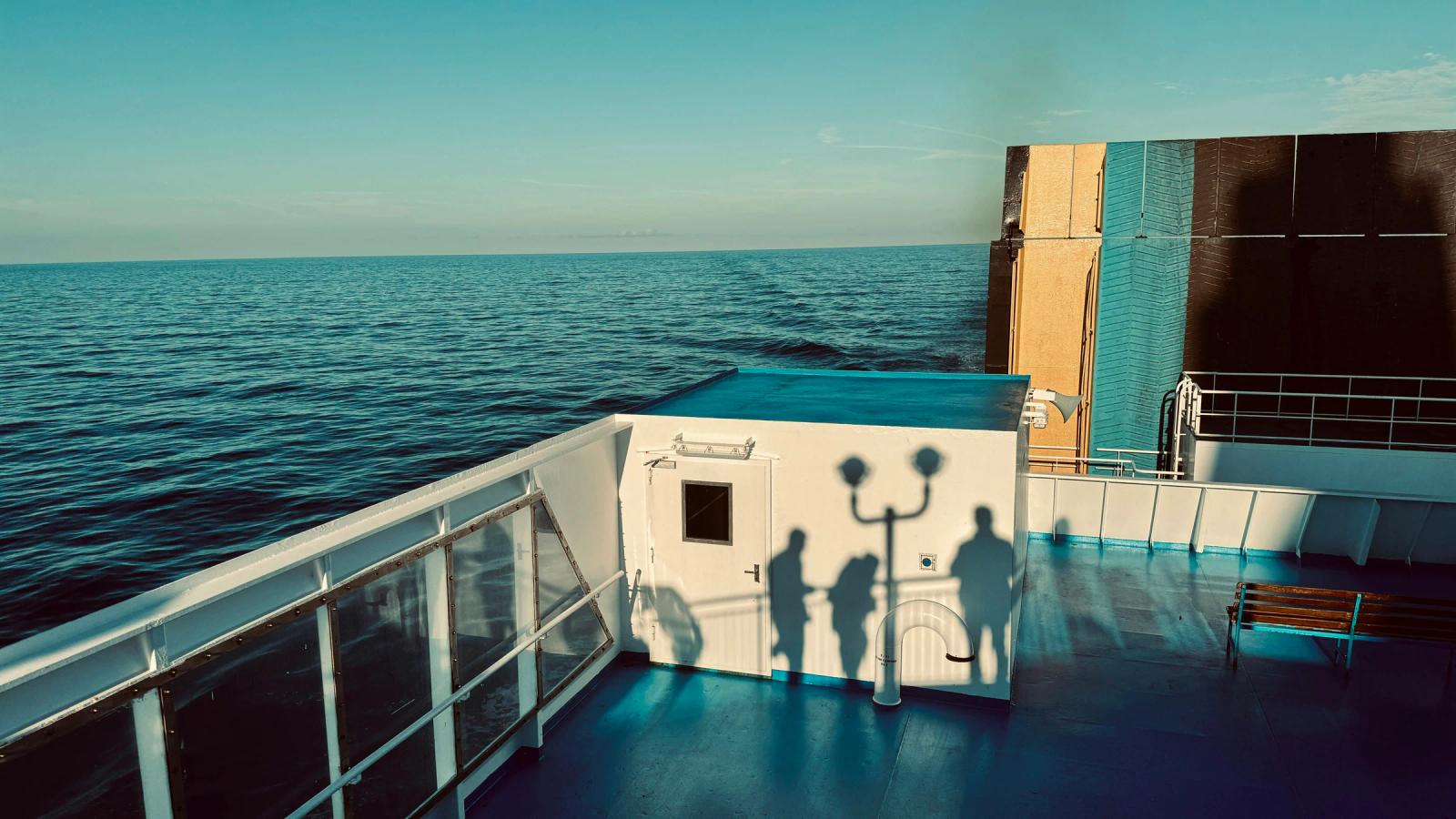
To Albania: the only operating international airport is Tirana Airport (TIA). The new Vlora Airport (VLO) was planned for summer 2026 opening, but given previous delays, verify the status before buying tickets. An alternative route: fly to Corfu (Greece) + ferry to Saranda – 30 minutes, from €15.
To Greece: international airports in Athens, Thessaloniki, Crete (Heraklion), Rhodes, Corfu, and many other islands. More choice, better connections.
Getting Around
Albania
Intercity transport means minibuses (furgons). Schedules are informal, air conditioning is hit-or-miss. A ticket from Tirana to Saranda is about €12, taking 5–6 hours over mountain switchbacks. Roads have improved significantly in recent years, but Riviera mountain sections demand confident driving skills.
For freedom of movement, renting a car is the best option. EconomyBookings offers competitive rates for Albania.
Note: rental cars from Greece generally cannot be taken into Albania (and vice versa). Always check the contract terms.
Greece
A well-developed ferry network between islands (€25–70 per crossing), domestic flights (from €30–60), and KTEL buses. Infrastructure is more predictable, schedules more reliable. Car rental on islands starts from €30–50 per day.
Food: Subjective but Important
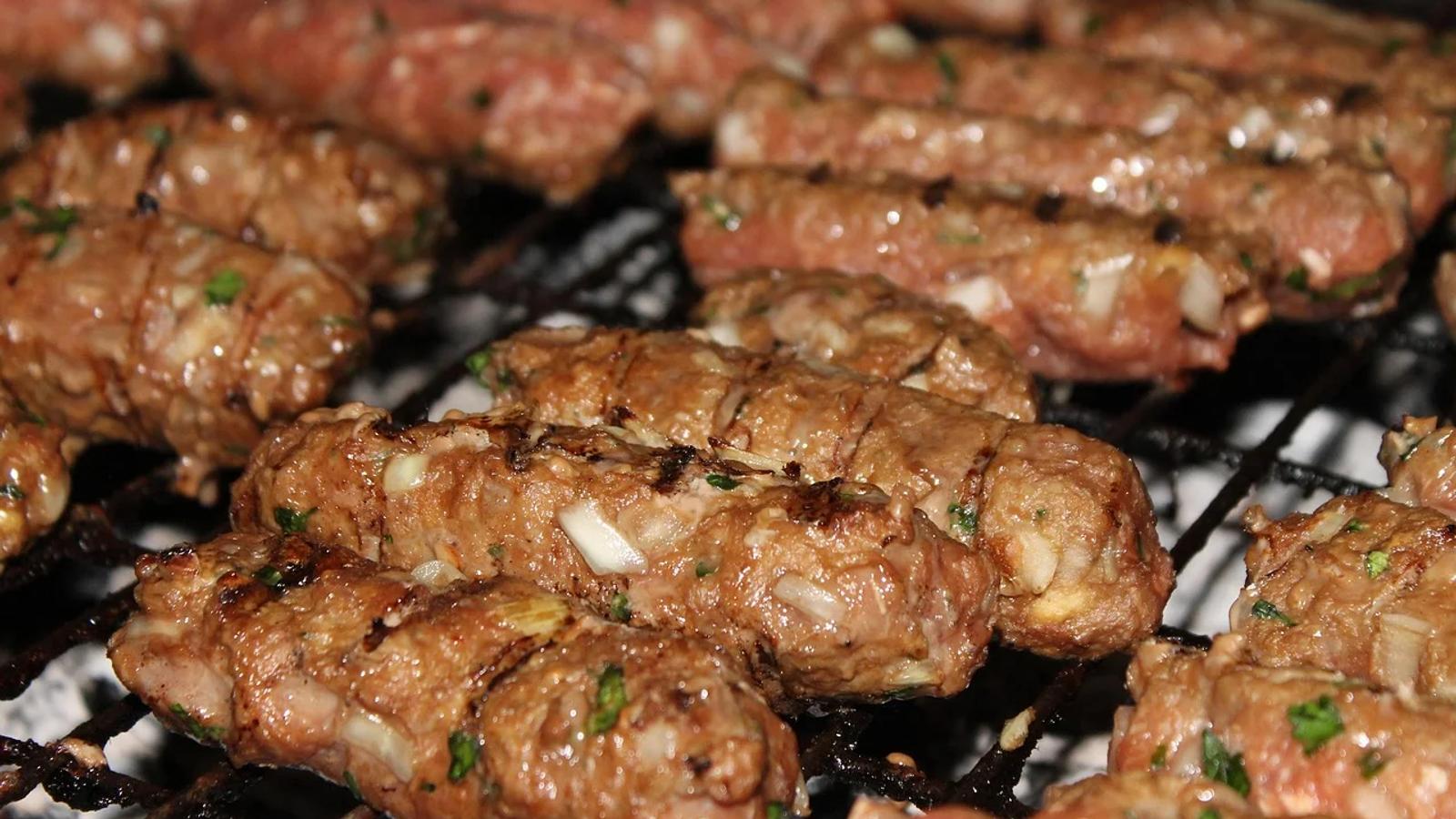
Albanian cuisine blends Balkan and Mediterranean traditions. Expect grilled meats (ćevapi, lamb on charcoal), burek with meat or cheese, and fresh seafood along the coast. Prices are appealing: a full lunch runs €6–12. An honest take: the cuisine is simpler than Greek, and dishes can feel repetitive after a few days.
Greek cuisine is one of the world's most recognized. Gyros, moussaka, tzatziki, grilled fish, house wine – the variety and depth of flavors are noticeably greater. But prices are higher: takeaway gyros run €3–4, a seafood dinner €15–25 per person.
Beyond the Beach
Albania
- Butrint National Park (UNESCO) – ancient Greek and Roman city near Saranda. Entry €10.
- Old Town of Berat – the "City of a Thousand Windows," a UNESCO site.
- Old Town of Gjirokastër – Ottoman-era stone architecture, another UNESCO site.
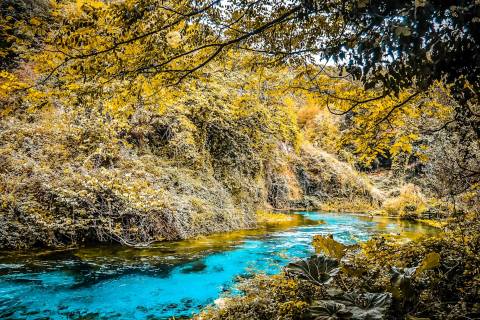
- Blue Eye – a karst spring with surreally blue water.
- Llogara National Park – a mountain pass with panoramic Riviera views.
Greece
The Acropolis, Meteora, Delphi, Knossos on Crete, medieval Rhodes – the list is virtually endless. In terms of sheer volume of historical heritage, Greece is objectively ahead.
Tours
For exploring Albania beyond beaches, organized tours offer convenient access to harder-to-reach spots. Among the most popular options: a Hike to Gamti Mountain with Bovilla Lake views from Tirana from just $12 per person, or a UNESCO Berat city tour with castle and Belshi Lake also from $12. For a cultural evening, the Albanian Night Show with traditional music, dance and dinner in Tirana (from $53 per person) is highly rated among travelers.
See our detailed beach guide: Best Beaches in Albania – Complete Ranking with Prices and Tips.
Safety & Comfort
Both countries are safe for tourists. In Albania, driving culture is more aggressive (overtaking on switchbacks, random stops in the middle of the road), and navigation outside major cities can be challenging. In Greece, service is more standardized and predictable.
Connectivity
Albania is not in the EU, so European "roam like at home" does not apply. Local SIM cards cost €10–15 with registration, but airport prices at Tirana are significantly higher than city shops. An eSIM purchased in advance is often cheaper than an airport SIM and saves the hassle of finding a shop.
In Greece, EU roaming works for European operators. Non-EU visitors face high roaming charges in both countries.
Compare eSIM options in our guide: Best eSIM for Albania: Comparison.
Can You Combine Both Countries?
Yes, and it is the optimal approach. The Saranda–Corfu ferry runs daily (up to 10 departures per day in summer), taking 25–30 minutes at €15+ for foot passengers. Sample itinerary: fly into Corfu → ferry → Albanian Riviera (5–7 days) → ferry back → Corfu (2–3 days) → fly out. Or: fly into Tirana → Riviera → ferry to Corfu → fly out of Greece.
Note: Greece is 1 hour ahead of Albania.
Frequently Asked Questions
1. Is Albania really cheaper than Greece, or is it a myth? It is substantially cheaper. As of 2026, the difference is 30–50% on accommodation, food, and transport. A meal at an inexpensive restaurant in Albania costs €6–12, in Greece €10–20. However, Albania is no longer the cheapest country in Europe – coastal prices have been rising 12–20% annually.
2. Can I get around Albania without a car? Technically yes – buses run between major cities. Practically, a car makes a huge difference, especially on the Riviera where the best beaches are tucked behind mountain roads. Try EconomyBookings for competitive rates.
3. Which is better for families with children – Albania or Greece? For families with small children, Greece is more convenient: gradual water entry on sandy beaches in Crete and Naxos, children's menus in restaurants, and a familiar level of service. Albania's beaches tend to be pebbly, and family-oriented infrastructure is less developed.
4. When is the best time for a beach holiday? Peak season in both countries is July-August (hot, expensive, crowded). The sweet spot is June or September: warm water (24–26°C), prices 20–30% lower, fewer tourists. In Albania, October is still comfortable for swimming in the south.
5. Is the Corfu–Saranda ferry reliable? Very reliable from April through October, with multiple daily sailings. Winter can bring occasional weather cancellations. In summer, up to 10 departures daily make it extremely dependable.
Bottom Line
Albania is for those who want "Greece 20 years ago": wild beaches, low prices, and a sense of discovery. Greece is for those who value island diversity, world-class cuisine, and polished service. The ideal scenario is combining both countries via the Corfu–Saranda ferry and getting the best of each.
Useful reads:
How Much Does a Trip to Albania Cost – Budget for 7, 10 and 14 Days
Car Rental in Albania: Companies, Insurance, Roads and Hidden Pitfalls
Albania vs Montenegro – Which Country to Choose for Your Vacation
Most Atmospheric Apartments in Albania
VPN for Albania – Do You Need One and Which to Choose
Sources
- Albanian Ministry of Foreign Affairs – visa regime
- Albania e-Visa portal
- Ferryhopper – Corfu–Saranda schedules
- Greece visa information
Places to see in Albania
You may also like
Albania in August: 32°C, Peak Crowds & Where to Find a Quiet Beach
August brings 10 hours of sun a day and 25°C sea – but Riviera accommodation costs 40–60% more than May. An honest look at whether peak season is worth it, plus the uncrowded coves right next to packed Ksamil.
July 12, 2026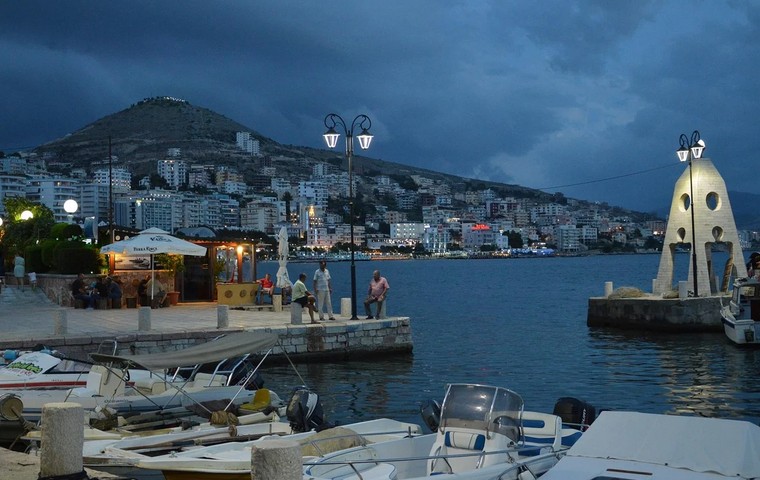
Day Trips from Saranda: 5 Honest Tour Picks (and Where Combo Tours Lie)
Butrint, Blue Eye, Ksamil and Gjirokastra in one day – with real prices, drive times and which combo tours are worth it. Includes ferry to Corfu logistics.
April 26, 2026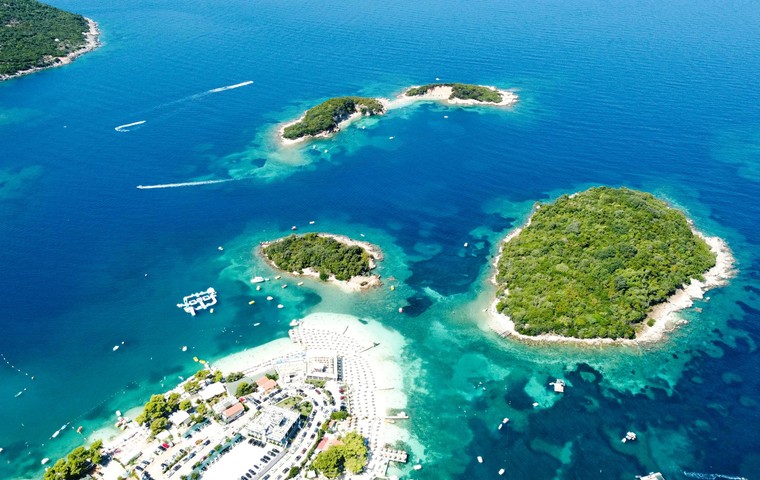
Ksamil or Saranda: Which Albanian Riviera Resort Is Right for You?
Ksamil has Maldives-level beaches but sunbeds cost up to €50, while Saranda offers better value and variety. Here's how to choose – or combine both in one trip.
March 28, 2026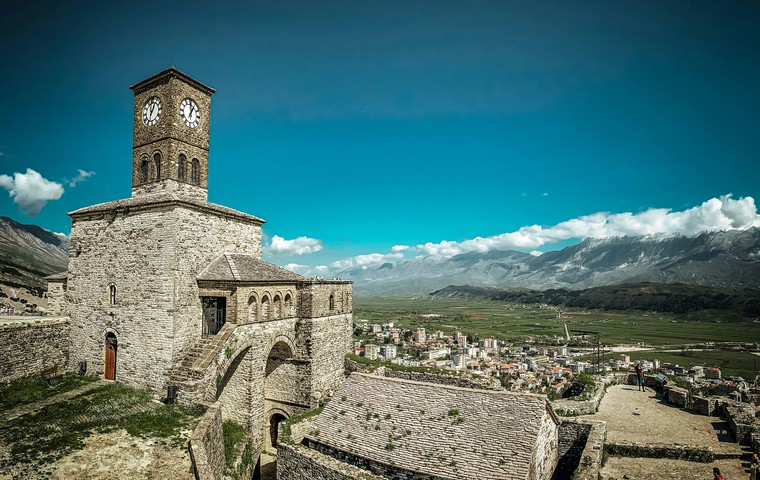
Albania in March: Empty Coast & 30–40% Cheaper Than Summer
March in Albania: 13–16°C on the coast, a sea too cold for swimming, but no crowds and prices 30–40% below summer. What's open, transport and tips.
February 26, 2026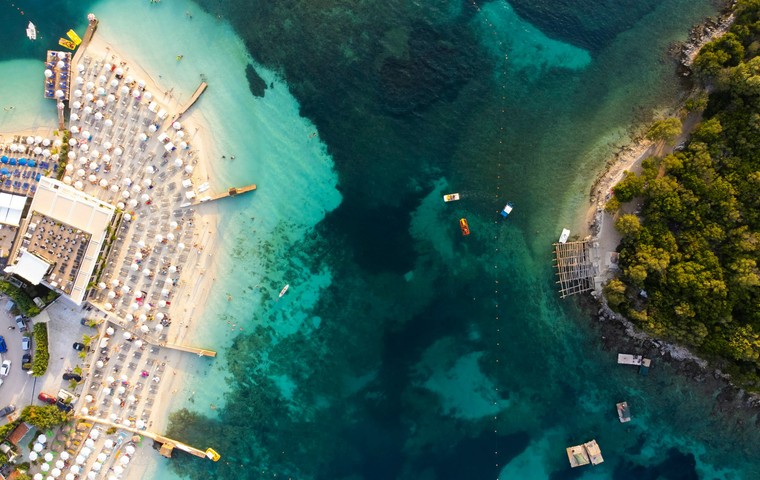
Durres or Vlora: Which Albanian Resort Is Better for Families in 2026
Durres is closer to the airport and cheaper; Vlora has cleaner water and wilder nature. The honest breakdown: beaches, logistics, prices and who should go where.
April 24, 2026Best Beaches in Albania – Complete Ranking with Prices and Tips
A practical ranking of the best beaches in Albania from Ksamil to Durrës – sunbed prices, how to get there, when to visit, and what to know before you go in 2026.
March 06, 2026