Blog · VPN
VPN for Albania – Do You Need One and Which to Choose
 VPN
VPNIn this article
Some links are affiliate links. You pay the same, and we may earn a commission.
Is a VPN necessary in Albania? We cover real public Wi-Fi risks, content restrictions, and compare NordVPN, Surfshark, and ProtonVPN on price, speed, and usability for travelers.
VPN usage in Albania is fully legal and unrestricted – there are no government blocks or penalties for personal use. However, unsecured public Wi-Fi at tourist hotspots creates real risks, and some streaming or banking content may be geo-blocked. Below are the specific scenarios where a VPN is genuinely useful, plus a comparison of three reliable services that work seamlessly in the country.
Key facts:
- VPNs are completely legal in Albania – the Electronic Communications Law (No. 9918) does not restrict their use for personal purposes.
- Public Wi-Fi in Tirana, Saranda, and along the coast is often unencrypted – convenient but easy to intercept.
- Streaming platforms may restrict content libraries based on your Albanian IP – a VPN unlocks your home library in seconds.
- Annual VPN plans cost between €2 and €4 per month – less than a single coffee in Berat.
- Free VPNs are risky: they throttle speeds, harvest and sell user data, and some inject DNS redirects.
- In 2025, Albania blocked a major social platform for one year – approximately 1.7 million users bypassed the ban using VPNs.
When You Actually Need a VPN in Albania
Albania is not China or Iran – there is no systematic internet censorship. But several specific situations make a VPN either necessary or strongly advisable.
Public Wi-Fi at Hotels and Cafes
Tourist areas like Ksamil, Vlora, and Durres offer free Wi-Fi almost everywhere: cafes, guesthouses, ferry terminals. The problem is that most of these networks lack encryption. In practice, an attacker on the same network can intercept login credentials and card details if a website does not enforce HTTPS. A VPN encrypts all traffic and makes an open network safe.
If you plan to work remotely from Albania or access online banking through hotel Wi-Fi, a VPN is not optional – it is essential.
Accessing Home Content Abroad
Streaming platforms restrict their content libraries by region. By connecting to a VPN server in your home country, you regain access to your full catalog. The same applies to sports broadcasts, which are often licensed per jurisdiction.
The Social Media Ban Precedent
In March 2025, the Albanian government blocked a major social media platform for one year, officially citing child safety concerns. The ban was lifted in February 2026, but the precedent matters: users with VPNs experienced no disruption whatsoever. According to independent estimates, roughly 1.7 million Albanians continued accessing the blocked platform through VPNs. While future blanket bans are not guaranteed, having a VPN ready provides a reasonable safeguard.
Which VPN to Choose: Three Services Compared
Three major providers operate reliably in Albania, each with servers in the region (Balkans, Southern Europe). Here are their real specifications as of March 2026.
| Feature | NordVPN | Surfshark | ProtonVPN |
|---|---|---|---|
Price (2-year plan) | ~€3.39/mo | ~€1.99/mo | ~€2.99/mo |
Price (monthly) | ~€12.99/mo | ~€15.45/mo | ~€9.99/mo |
Servers | 9,000+ in 130+ countries | 4,500+ in 100 countries | 6,000+ in 110+ countries |
Servers in Albania | Yes (Tirana) | Yes (Tirana) | Yes (Tirana) |
Devices per account | 10 | Unlimited | 10 |
Crypto payments | Yes | Yes | Yes |
Free tier | No (30-day refund) | No (30-day refund) | Yes (limited) |
Protocol | NordLynx (WireGuard) | WireGuard | WireGuard |
Kill Switch | Yes | Yes | Yes |
(Updated: March 2026)
Quick Analysis
NordVPN – the best balance of speed and features. Largest server network, consistently fast performance on the NordLynx protocol, built-in ad and malware blocking (Threat Protection). Ideal for reliable streaming and banking access. The only one of the three offering cash payments at retail stores.
Surfshark – best for families or groups: unlimited simultaneous device connections on a single account. Cheapest on long-term plans. Offers IP rotation (changes your IP every few minutes) and Alternative ID for disposable credentials. Slightly slower than NordVPN, but the difference is imperceptible for everyday tasks.
ProtonVPN – privacy-first. Swiss jurisdiction, open-source code, Secure Core feature (double VPN through hardened data centers). The only provider among the three with a genuinely free tier – limited to 5 server locations and reduced speed, but with no data caps. Suitable if you want a VPN «just in case» without committing to a subscription.
Why Free VPNs Are Not Worth the Risk
The temptation is understandable: why pay when free options exist? Here is what actually happens:
- Data harvesting – free VPNs monetize through advertising and selling user data. Some embed trackers directly into the app.
- Speed and data caps – most free VPNs limit bandwidth to 500 MB – 10 GB per month. Not enough for streaming or video calls.
- DNS leaks – cheap infrastructure does not guarantee complete encryption, and your real IP can leak.
- Ad injection – some free VPNs replace website ads with their own.
The exception is ProtonVPN's free tier: no ads, no data limit, but only 5 server locations and reduced speed.
VPN vs eSIM: What Protects What
These two tools solve different problems – do not confuse them.
eSIM replaces a physical SIM card. It provides mobile internet (3G/4G/5G) without relying on open Wi-Fi. This is inherently safer than public Wi-Fi, but it does not encrypt traffic or hide your IP address.
VPN encrypts all traffic and masks your IP. It works on top of any connection: mobile data, Wi-Fi, or wired.
The ideal setup for traveling in Albania: eSIM for stable internet + VPN for encryption and bypassing geo-blocks. When using mobile data via eSIM, risks are significantly lower than with public Wi-Fi, but if you handle sensitive data or need content from another region, a VPN remains essential.
Frequently Asked Questions
1. Is it legal to use a VPN in Albania? Yes, fully legal. Law No. 9918 on Electronic Communications does not restrict VPN use. Liability applies only to illegal activities (piracy, fraud), not to the VPN connection itself.
2. Do I need a VPN if I use mobile data or an eSIM? Mobile connections are safer than public Wi-Fi, but a VPN is still useful for two purposes: accessing geo-blocked content (streaming, banking) and adding encryption when handling sensitive data.
3. Which VPN is best for Albania – NordVPN, Surfshark, or ProtonVPN? For speed and reliability – NordVPN. For tight budgets and multiple devices – Surfshark. For maximum privacy or a free option – ProtonVPN. All three maintain servers in Tirana.
4. Will a VPN slow down my internet? Modern VPNs using WireGuard typically reduce speed by 5–15% – imperceptible during normal use. Noticeable slowdowns occur only when the base speed is critically low (below 5 Mbps). In Albanian tourist areas, 4G mobile speeds typically reach 20–50 Mbps, providing ample headroom.
5. Can I try a VPN before committing? All three services offer 30-day money-back guarantees. ProtonVPN also has a permanent free tier with no time limit. Check visa and entry requirements for your nationality before traveling.
Conclusion
Albania does not have widespread censorship, and technically a VPN is not mandatory. But if you use public Wi-Fi, work remotely, stream content from your home library, or need access to banking apps – a VPN shifts from «nice to have» to «necessary». A two-year subscription costs less than a single dinner on the Saranda waterfront, and setup takes two minutes.
Read Also
- What Is a VPN and Why Do You Need One?
- How to Choose a Reliable VPN Service: What to Look For
- How to Use a VPN While Traveling: A Step-by-Step Guide
- Why You Should Never Use Public Wi-Fi Without a VPN
- Why You Shouldn't Trust Free VPNs
Sources
- AKEP (Albanian Authority for Electronic and Postal Communications) – telecom regulator
- Balkan Investigative Reporting Network – digital rights coverage
- Freedom House – internet freedom rating
- NordVPN – servers and pricing
- Surfshark – servers and pricing
- Proton VPN – internet censorship observatory
Places to see in Albania



You may also like
VPN in Albania 2026: TikTok's Back, But Hotel WiFi Is Still a Trap
Albania lifted the TikTok ban in February 2026 – but VPN still matters. Real reasons: hotel WiFi sniffing, streaming geo-blocks, and why free VPNs cost more than $3/month ones.
April 26, 2026
Why You Shouldn’t Trust Free VPNs
Free VPNs might seem like a convenient solution – but behind the apparent savings often lie serious risks: from selling your data to leaks and poor security. In this article, we’ll explore why free VPN services shouldn’t be blindly trusted – and what consequences that can bring.
June 18, 2025
What Is a VPN and Why Do You Need One?
VPNs aren’t just for tech experts. Here’s a simple explanation of what a VPN is, how it works, and why an everyday user might need one – from staying safe on public Wi-Fi to accessing your favorite websites while abroad.
June 09, 2025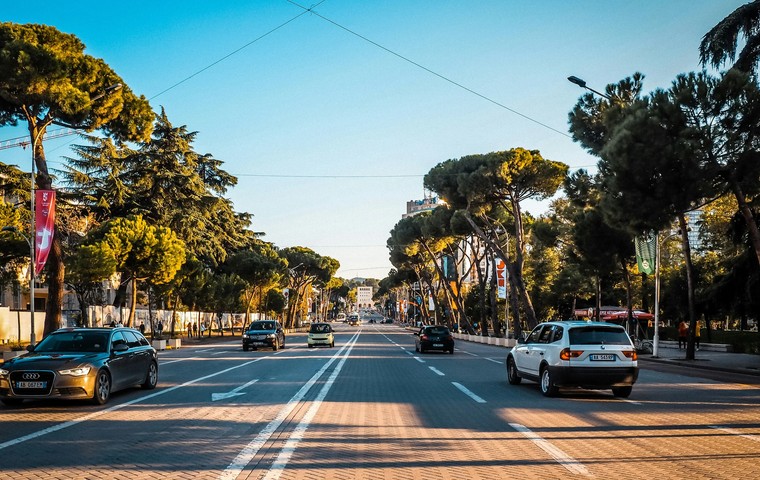
Localrent Albania: How to Find a No-Deposit Car and Check Insurance
"No deposit" does not guarantee full insurance. Follow a real €247.38 quote to the payment boundary and see what to verify first.
July 16, 2026
How to Use a VPN While Traveling: A Step-by-Step Guide
Learn how to properly use a VPN while traveling: choosing a service, setting it up on your phone and laptop, bypassing restrictions, staying safe on public Wi-Fi, and accessing your favorite websites abroad. A simple step-by-step guide for beginners.
July 28, 2025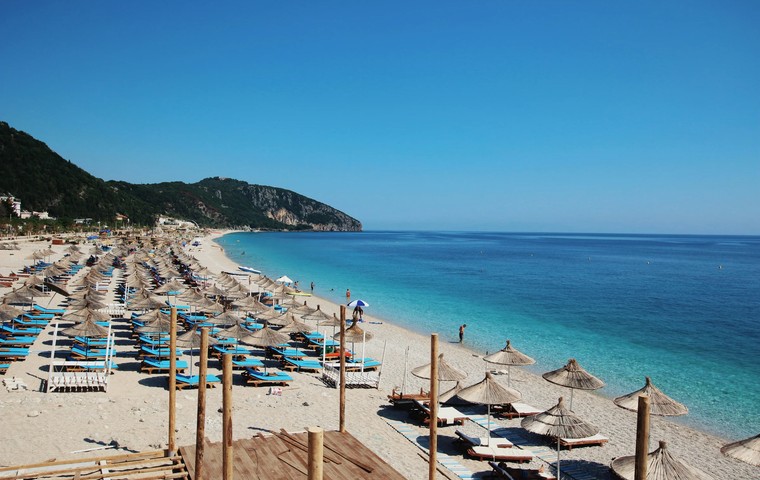
Albania in August: 32°C, Peak Crowds & Where to Find a Quiet Beach
August brings 10 hours of sun a day and 25°C sea – but Riviera accommodation costs 40–60% more than May. An honest look at whether peak season is worth it, plus the uncrowded coves right next to packed Ksamil.
July 12, 2026