Durmitor National Park
Durmitor Nacionalni Park
A national park and limestone massif in northern Montenegro. A UNESCO World Heritage site.
About
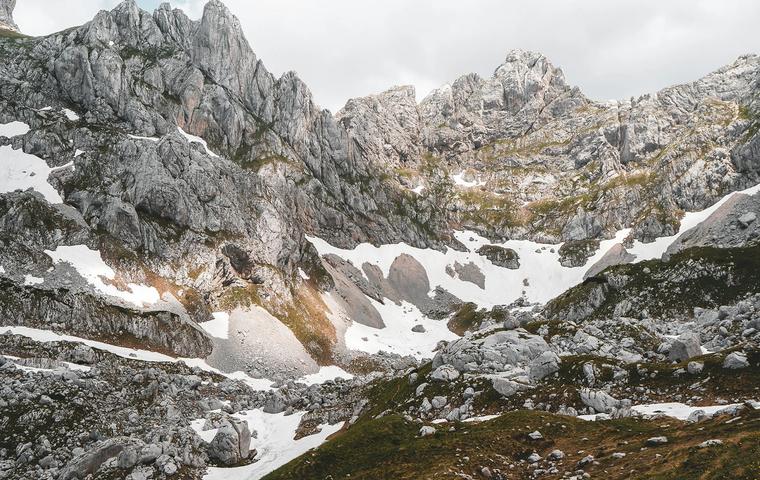
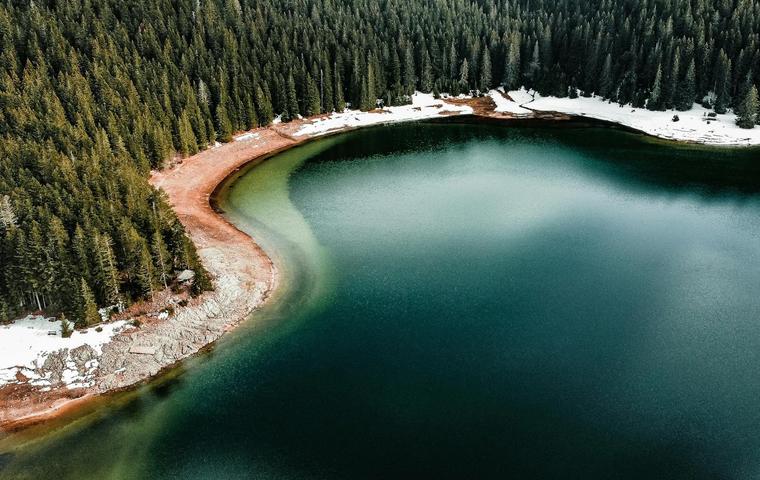
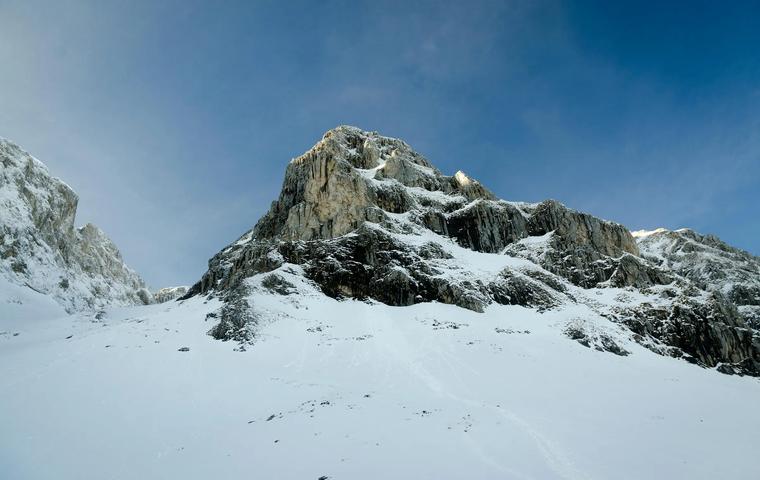
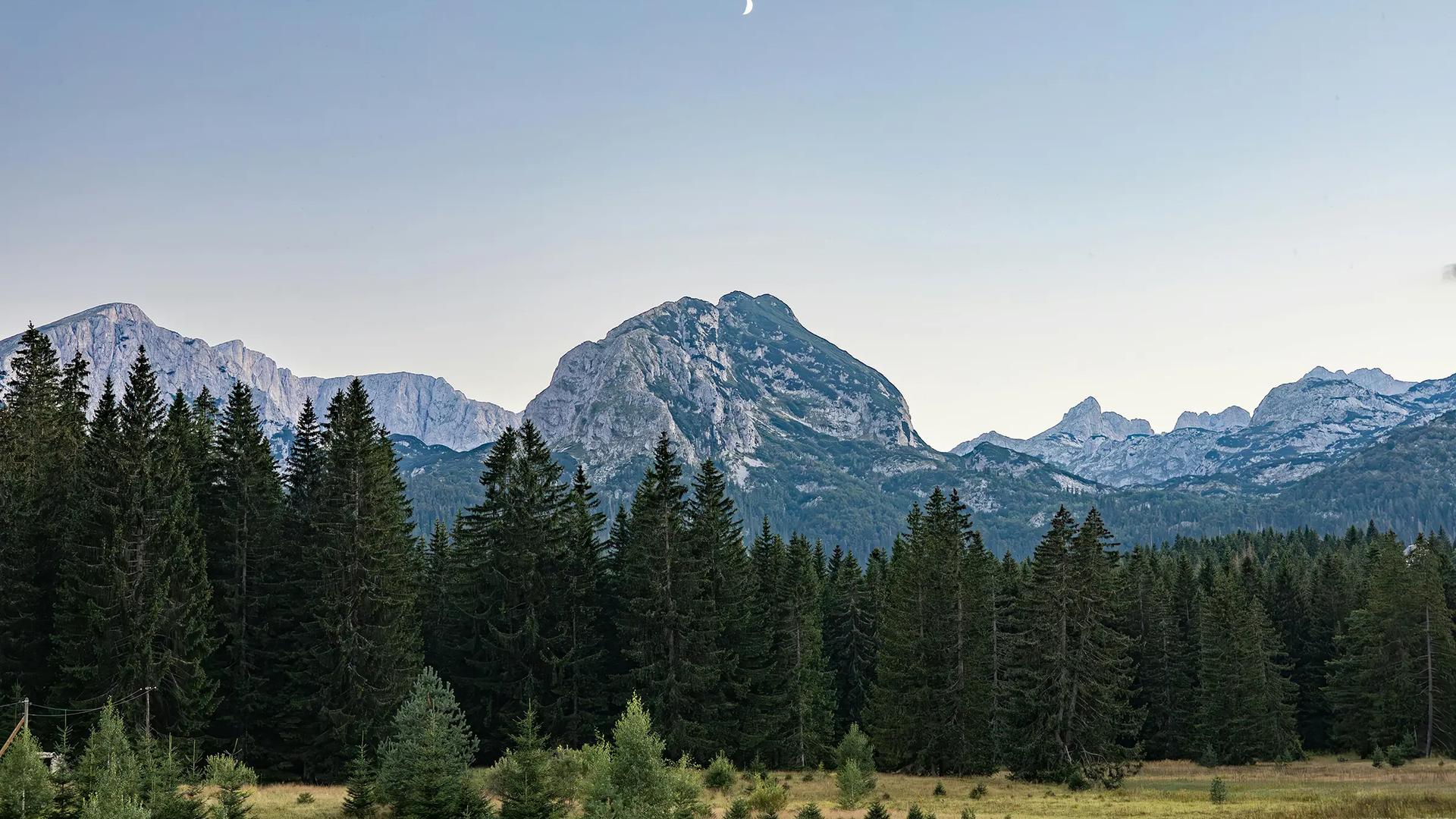
Established in 1952, the park comprises summits rising to 2523 meters at Bobotov Kuk, deep canyons and high karst plateaus. It contains around eighteen glacial lakes, the best known being Black Lake near Žabljak.
Transport
Travel time
By car from Žabljak12 min.10 km
From the airport Tivat · TIV3 h 24 min.114 km
On the map
Location
In detail
What's here
What is this place
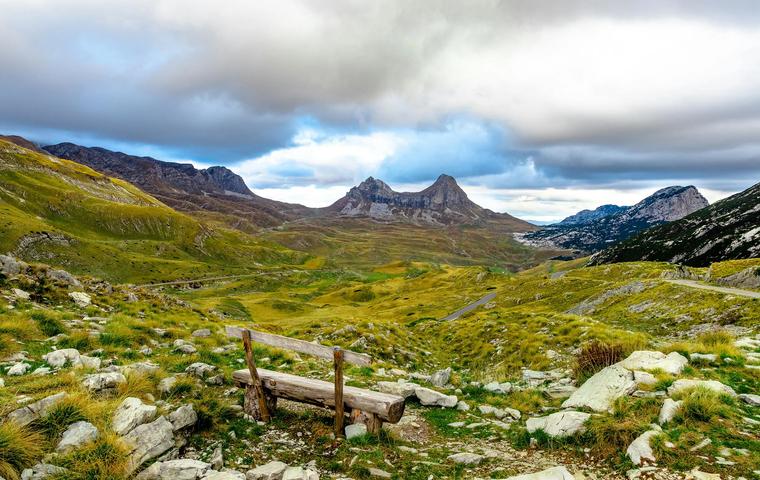
Durmitor National Park is a high-mountain massif in northern Montenegro with glacial cirques, 18 alpine lakes and the Tara River Canyon. The highest peak is Bobotov Kuk at 2523 m. Established in 1952, it forms a UNESCO World Heritage site together with the Tara Canyon.
Key features
- Area about 390 km² – classic Dinaric karst and glacial relief.
- 18 “mountain eyes” – glacial lakes, with Black Lake the best known near Žabljak.
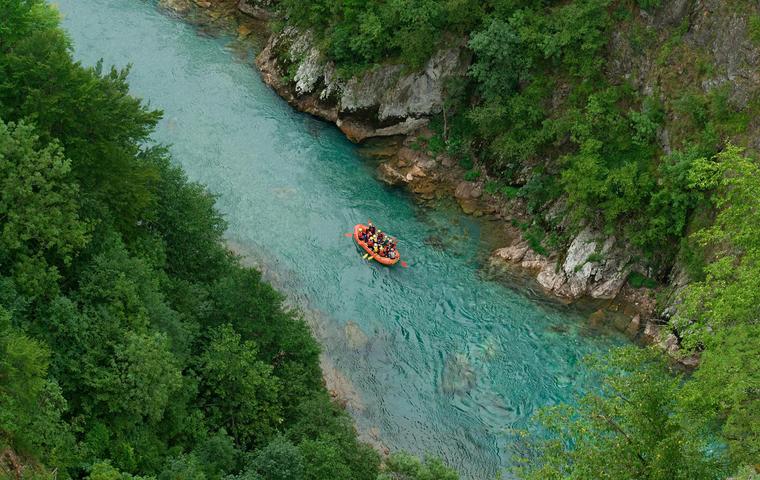
- Tara Canyon ~60 km long and up to ~1300 m deep – top European whitewater.
- 48+ summits over 2000 m – Zupci, Prutaš, Planinica ridges with far-reaching views.
- Rich alpine fauna and Balkan endemics across fir–spruce and beech forests.
What to see
- Black Lake and the ~3.5 km lakeside loop under Međed.
- Đurđevića Tara Bridge with canyon viewpoints.
- The scenic Durmitor Ring (P14) over Sedlo Pass and Sedlena Greda peak.
History
Created in 1952 to protect glacial–karst landforms, primeval forests and lakes, the area became a UNESCO Man and the Biosphere reserve in 1977.
In 1980 “Durmitor National Park with the Tara Canyon” was inscribed as a UNESCO World Heritage Site for outstanding natural beauty and geomorphology. From the late 20th century, hiking, mountaineering, rafting and nature tourism have flourished.
Practical information
Location: northern Montenegro; main gateway town is Žabljak; key access points include Đurđevića Tara Bridge and Sedlo Pass.
Getting there: drive from Podgorica via Nikšić or via Mojkovac/Plužine to Žabljak; follow P14 (Durmitor Ring) to Sedlo.
Access: trails and lakes are open in season; some areas require park registration at visitor points.
When to visit: year-round; main hiking June–October; Tara rafting typically May–September.
Visit duration: 1 day for highlights; 2–3 days or more for ridge and lake treks.
Best time: June–September for hikes and lakes; May–June for higher-water rafting; crisp autumn for vistas.
Notes: mountain weather changes fast – bring layers, water and sturdy boots; expect scree and karst potholes on high ridges; winter ascents require skills and kit.
Durmitor National Park
Articles about this place
Tips
Montenegro Prices 2026: Real Weekly Budget – From €480 Bare-Bones to €2 000 Comfort
What a week in Montenegro costs in 2026: lodging, food, car rental, tours.
April 27, 2026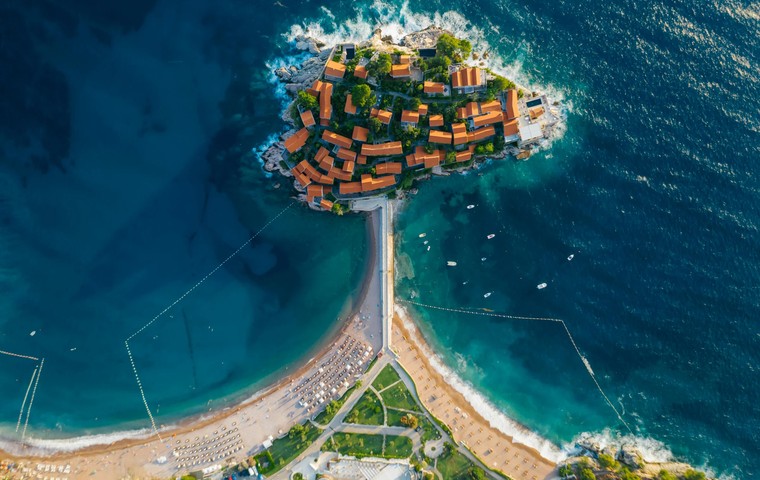
Tips
Montenegro in August: +32 °C, Budva Crowds and Where to Actually Go Instead
Peak season: sea at +26 °C, hotels cost double May rates, Budva is packed. Here's where to stay smarter – Ulcinj, Žabljak, Herceg Novi – and what it really costs.
April 21, 2026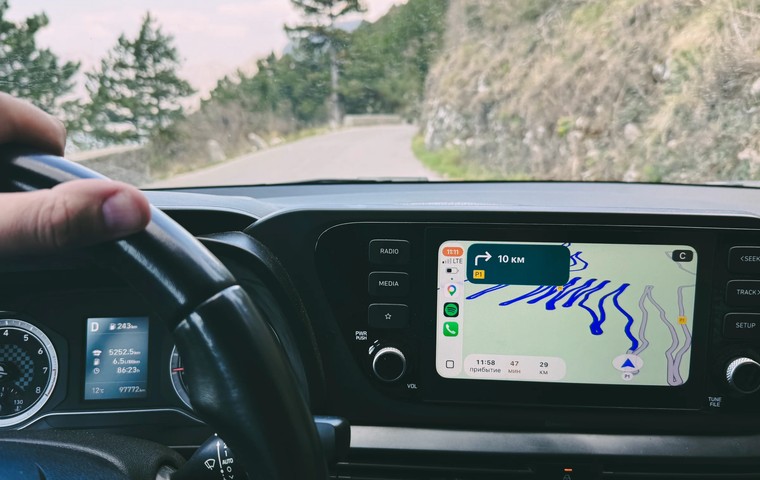
Tips
Travel Apps for Montenegro 2026: No Uber, No Wolt, Glovo Delivers, eSIM Saves
Uber and Bolt don't work in Montenegro, Wolt left, Google Maps gets addresses wrong. The 7 apps that actually work in 2026, with prices and local quirks.
April 26, 2026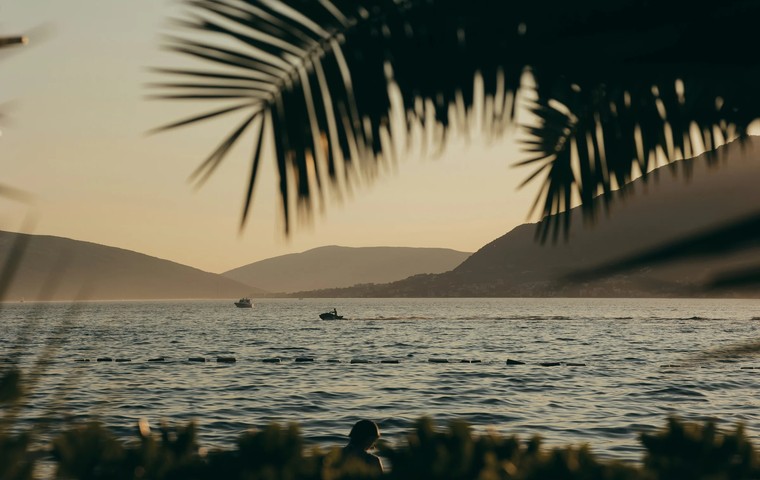
Tips
Montenegro or Cyprus for Summer: Price, Beach & Logistics Comparison
Montenegro is 30–40% cheaper, easier to reach, and packed with wild coastline. Cyprus counters with warmer seas and longer season. Here's a point-by-point breakdown.
April 09, 2026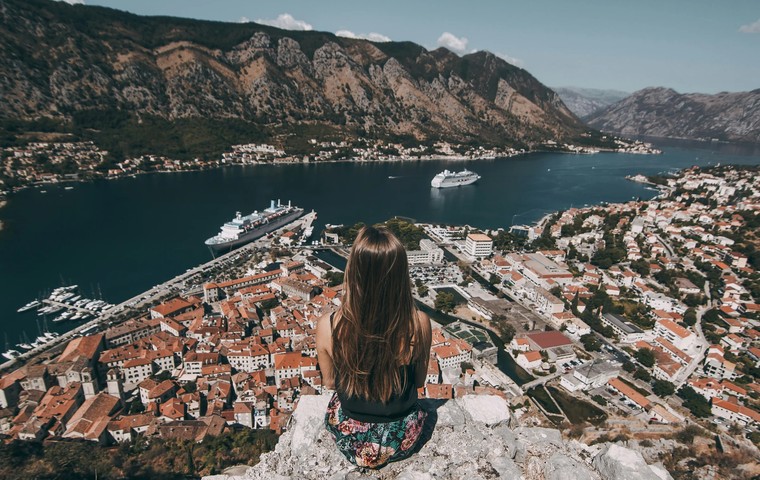
Tips
Solo Female Travel in Montenegro: Real Safety Stats, Dress Codes & Hidden Traps
Montenegro ranks #14 globally for female solo travel safety. Honest take on what works, where to watch out, and why Ostrog Monastery turns away tourists in shorts.
April 25, 2026
Transport
Scooter & Motorcycle Rental in Montenegro: Traffic Rules, Prices and the 5 Best Rides
Scooters from €15/day, motorcycles from €40. License requirements, hidden costs, real fines – and 5 routes that make two wheels better than four.
April 02, 2026Nearby