Tara Canyon
Kanjon Tare
Europe’s deepest canyon in the UNESCO-listed Durmitor National Park.
About
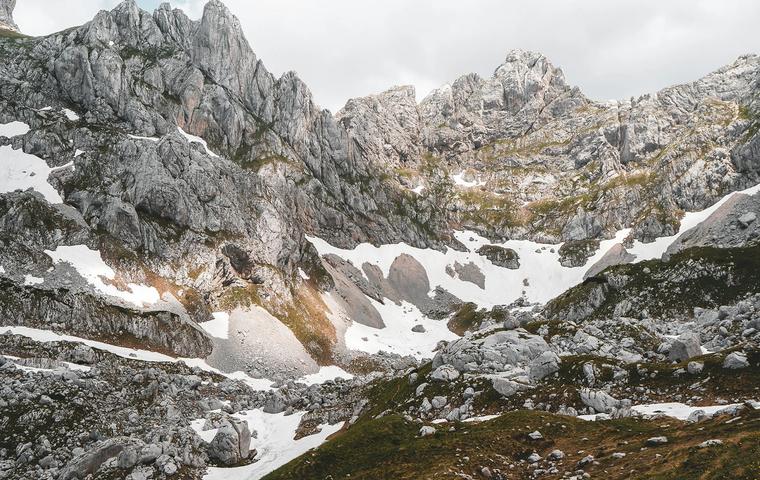
The Tara cuts the limestone plateau into a sequence of cliffs, terraces and bays with more than eighty large caves. Inside the park the gorge retains a largely natural character and anchors the region’s classic vistas together with Đurđevića Tara Bridge and viewpoints such as Ćurevac.
Transport
Travel time
On foot from Žabljak center1 h 19 min. – 1 h 59 min.5 km
By car from Žabljak15 min.7 km
From the airport Tivat · TIV3 h 27 min.124 km
On the map
Location
In detail
What's here
What is this place
The Tara River Canyon is Europe’s largest gorge and, by many accounts, the world’s second-deepest after the Colorado; it runs ~60 km across northern Montenegro within Durmitor National Park. Average depth ~1,073 m, maximum up to 1,333 m.
Key features
- Deepest viewpoints near Obzir ~1,250–1,300 m of relief.
- UNESCO MAB (1977) biosphere status – outstanding geomorphology and ecosystems.
- Pristine valley – hideout for endemic flora and fauna, famously clear water.
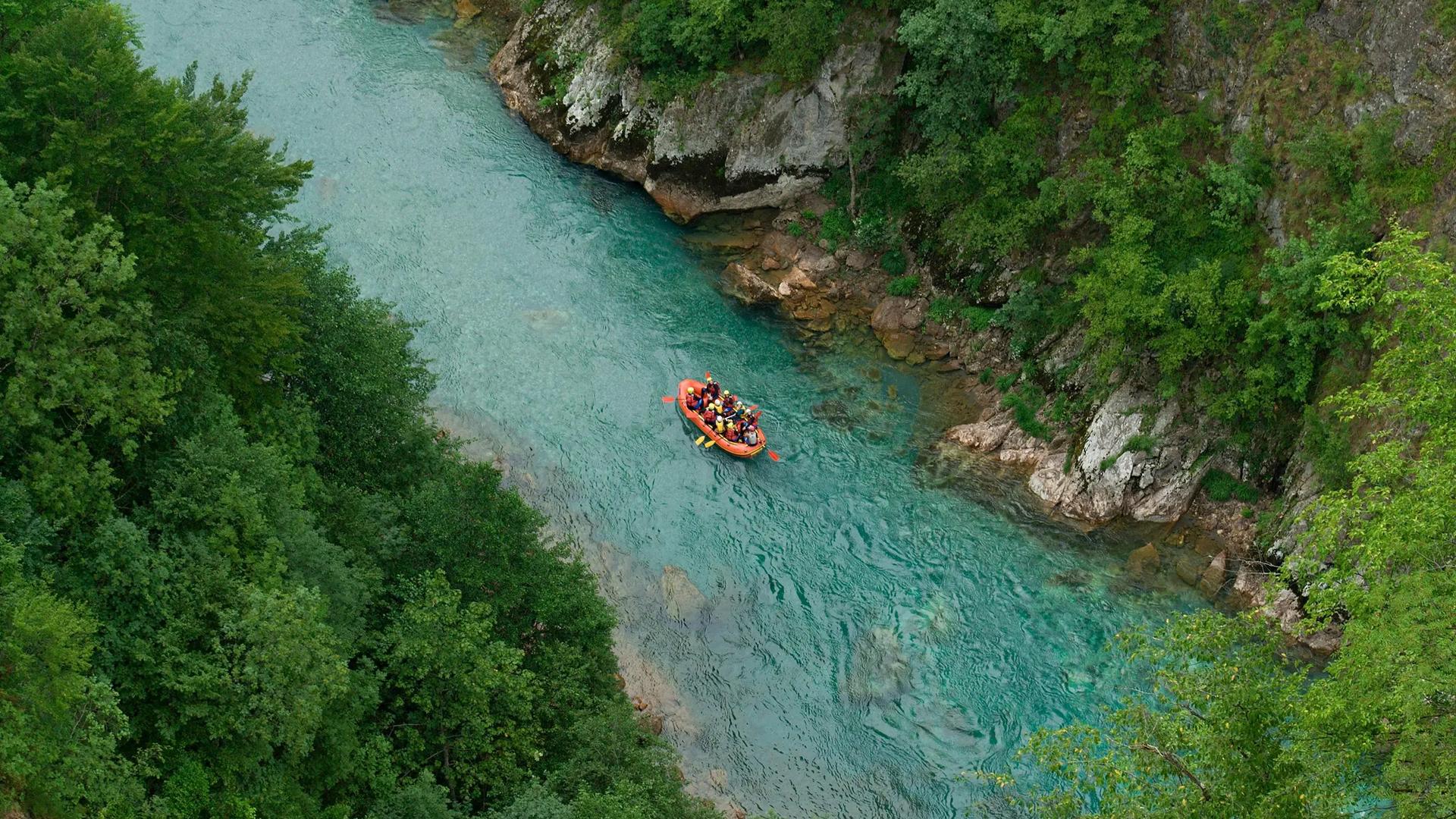
- Iconic whitewater – seasonally varied rafting from sporty spring runs to family-friendly late summer.
- Landmark engineering – Đurđevića Tara Bridge with sweeping vistas.
What to see
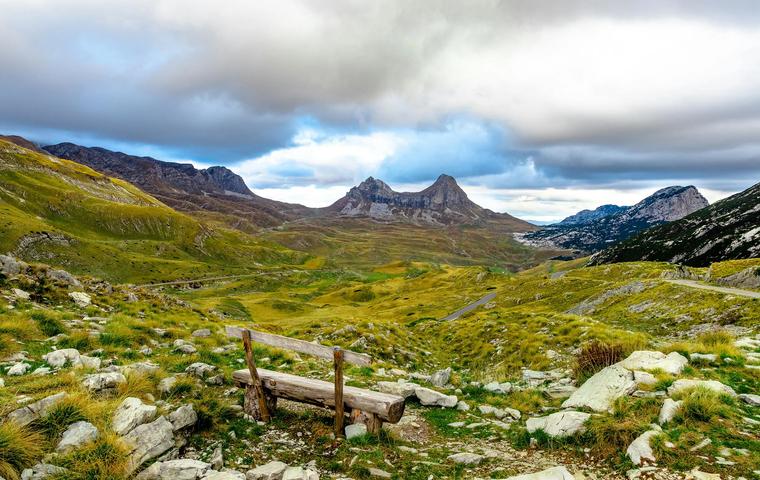
- Lookouts by Đurđevića Tara Bridge and along the Durmitor rim.
- Tight river bends, sheer limestone walls and hanging forests.
- Rafting put-ins and take-outs along the lower Tara.
History
Carved by glacio-fluvial erosion through Dinaric limestones and dolomites, the canyon’s rugged terrain kept human impact low, preserving near-wild habitats.
In 1977 it entered UNESCO’s Man and the Biosphere Programme; later the wider Durmitor area with the Tara gorge gained international protection, while rafting grew into the signature outdoor activity.
Practical information
Location: northern Montenegro, Tara valley between Žabljak/Durmitor and the border with Bosnia & Herzegovina.
Getting there: roads P5/P4 to Đurđevića Tara Bridge (≈25 km from Žabljak); rafting bases line the lower river—book with licensed outfitters.
Access: lookouts year-round; rafting by reservation with gear and shuttles provided.
When to visit: views any time; rafting May–September (water/weather dependent).
Visit duration: 1–2 h for bridge vistas; rafting 2–3 h short runs or 4–6 h full-day.
Best time: May–June high water for sporty runs; July–September mellower family trips.
Notes: this is a national-park area—follow rules; bring spare layers and sun protection; carry ID for lower-border sections; ensure operator insurance.
Tara Canyon
Articles about this place
Tips
Montenegro in August: +32 °C, Budva Crowds and Where to Actually Go Instead
Peak season: sea at +26 °C, hotels cost double May rates, Budva is packed. Here's where to stay smarter – Ulcinj, Žabljak, Herceg Novi – and what it really costs.
April 21, 2026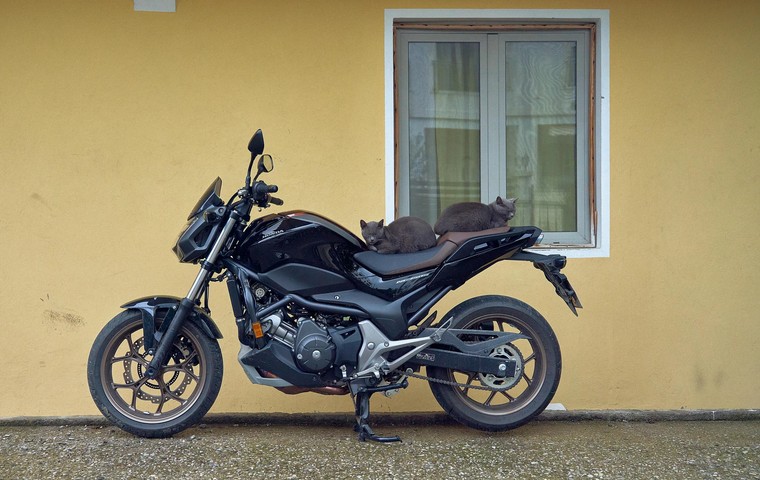
Transport
Scooter & Motorcycle Rental in Montenegro: Traffic Rules, Prices and the 5 Best Rides
Scooters from €15/day, motorcycles from €40. License requirements, hidden costs, real fines – and 5 routes that make two wheels better than four.
April 02, 2026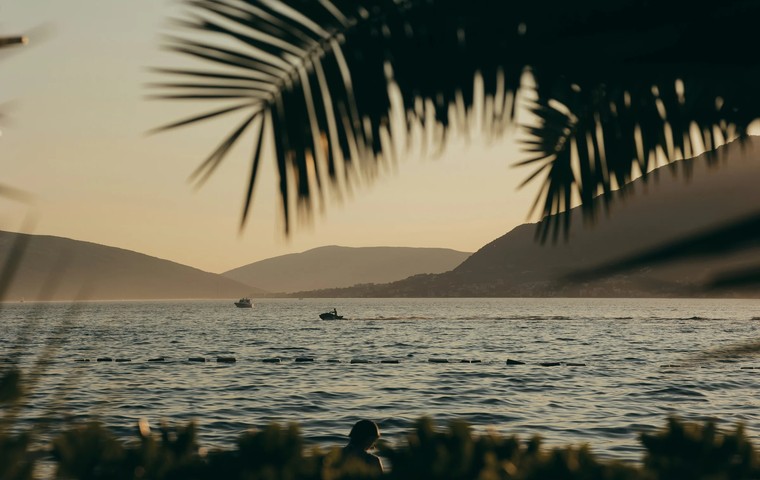
Tips
Montenegro or Cyprus for Summer: Price, Beach & Logistics Comparison
Montenegro is 30–40% cheaper, easier to reach, and packed with wild coastline. Cyprus counters with warmer seas and longer season. Here's a point-by-point breakdown.
April 09, 2026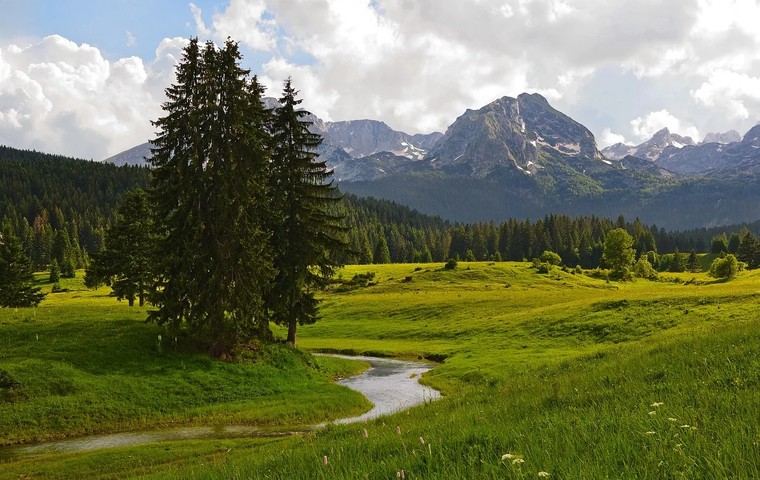
Tours
Kolašin in Summer: Why Visit a Ski Town When There's No Snow
While the coast hits 35 °C, Kolašin sits at a cool 15–25 °C with ancient forests, alpine lakes and rafting. Prices 40% lower than the Riviera – here's the practical breakdown.
March 25, 2026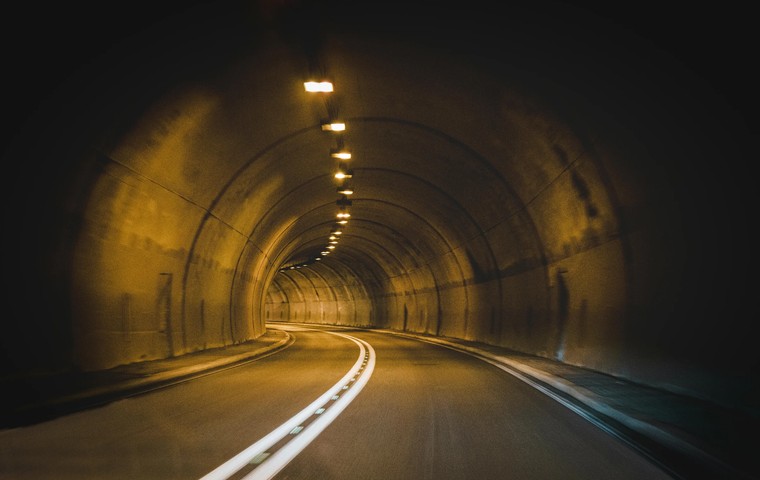
Transport
Driving in Montenegro 2026: Toll Roads, Sozina Tunnel Price and Real Fines
Montenegro's roads are stunning but tricky – switchbacks without guardrails, aggressive local drivers, and fines up to €2,000. Speed limits, toll costs, and 9 things guidebooks don't mention.
March 06, 2026
Tips
Montenegro in July: +31°C, Peak Prices & What They Don't Tell You
July is Montenegro's hottest and priciest month – 31°C air, 25°C sea, packed beaches. Here's what it actually costs, where to find space, and what to skip.
March 06, 2026Nearby