Ice Cave
Ledena pećina
A high-altitude cavity with perennial ice.
About
Set above two thousand meters, the cave preserves ice due to its entrance geometry and trapped cold air. Snow ramps and drip-formed ice persist even in the warm season.
Transport
Travel time
On foot from Žabljak center11–17 min.700 m
By car from Žabljak3 min.945 m
From the airport Tivat · TIV3 h 13 min.121 km
On the map
Location
In detail
What's here
What is this place
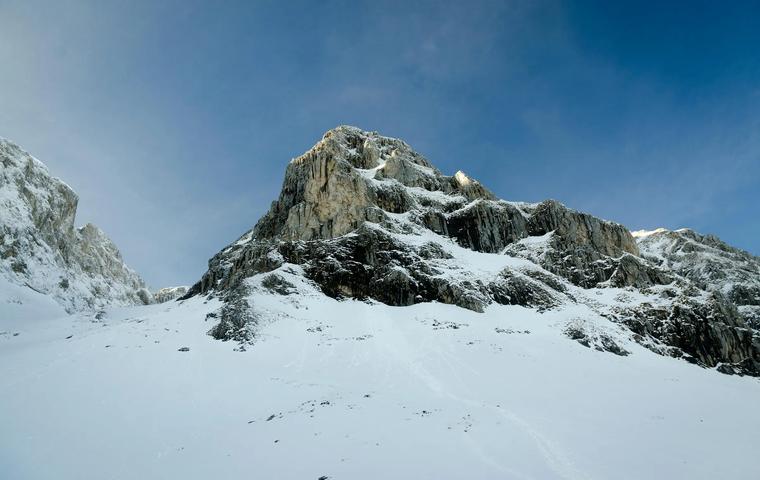
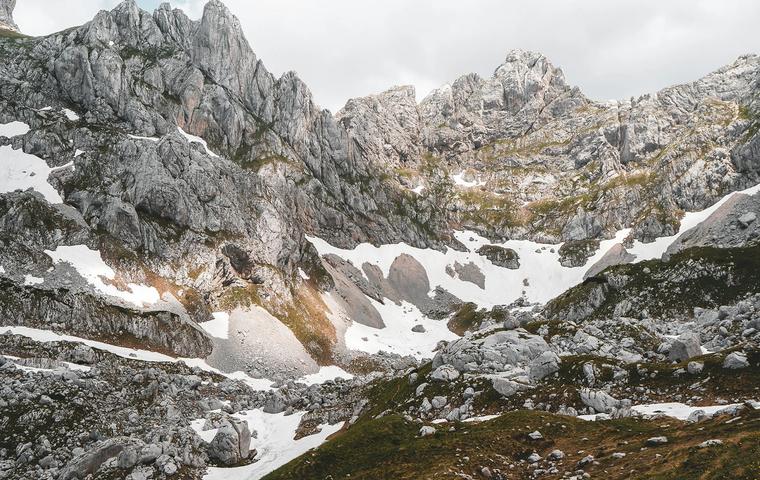
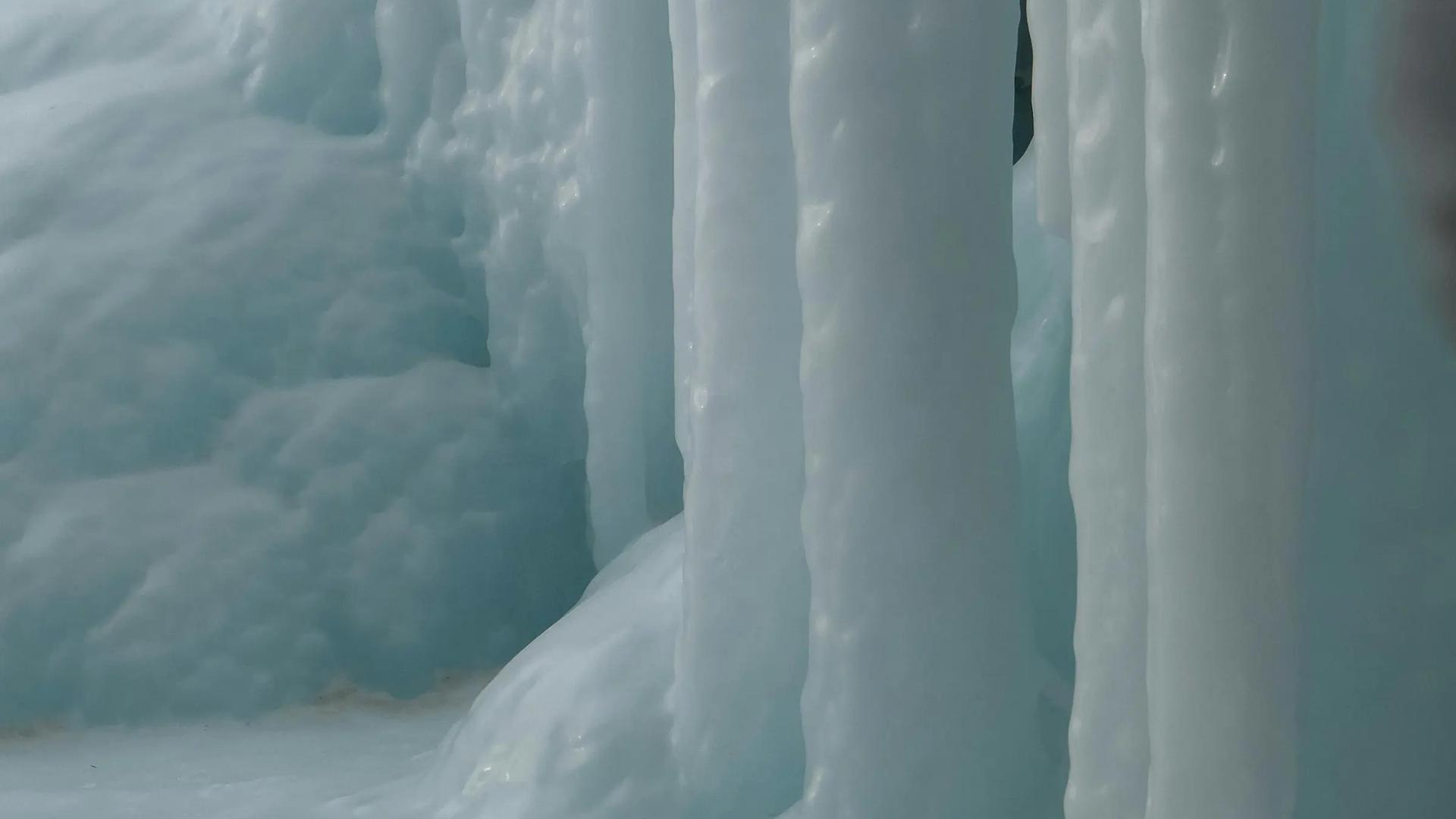
Ledena Pećina is an ice cave on Durmitor beneath the summit of Obla Glava, at ~2160 m. From the entrance a steep ~40 m snow–ice ramp drops to the cave floor, where year-round ice stalagmites and columns stand.
Key features
- High-alpine setting (~2160 m) – perpetual shade preserves ice all year.
- Entrance slope ~40 m – often firm snow; safest to descend by step-cutting or with a rope.
- Main chamber about 40×20 m – a stable cold microclimate.
- Ice formations – from tiny “candles” to multi-metre pillars; dripwater keeps sculpting new figures.
- Pure meltwater dripping from the roof – useful to top up bottles (carefully, without damaging the ice).
What to see
- Ice stalagmites, columns and translucent “curtains”.
- The steep snow/ice entry ramp.
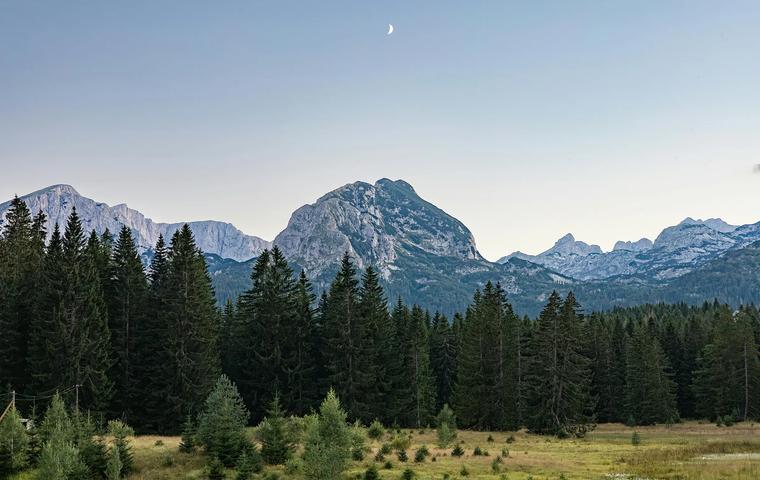
- Broad Durmitor views near Obla Glava outside the cave.
History
Formed in Dinaric karst, the cave’s shaded entrance acts as a cold-air trap, keeping ice intact even in midsummer.
With the growth of Durmitor trails, Ledena Pećina became a classic natural stop on hikes around Sedlo Pass and the Dobri Do basin.
Practical information
Location: Durmitor National Park, near Obla Glava; nearest road access at Sedlo Pass (P14, Durmitor Ring).
Getting there: drive from Žabljak to Sedlo; continue on waymarked alpine paths toward Obla Glava, then a short approach to the entrance. Final section is a steep snow/ice slope.
Access: wild cave with no lighting or barriers; go only in good weather and with basic gear (helmet, gloves, headlamp; rope recommended).
Visiting hours: June–September when trails are largely snow-free; inside expect ~0…+2 °C.
Visit duration: 2–4 h including drive, approach and return; 15–30 min inside the cave.
Best time: around midday for more ambient light at the entrance; dry, stable conditions.
Notes: sturdy boots and warm windproof layers; do not touch or break ice formations – this is a protected natural feature.
Nearby