Black Lake
Crno jezero
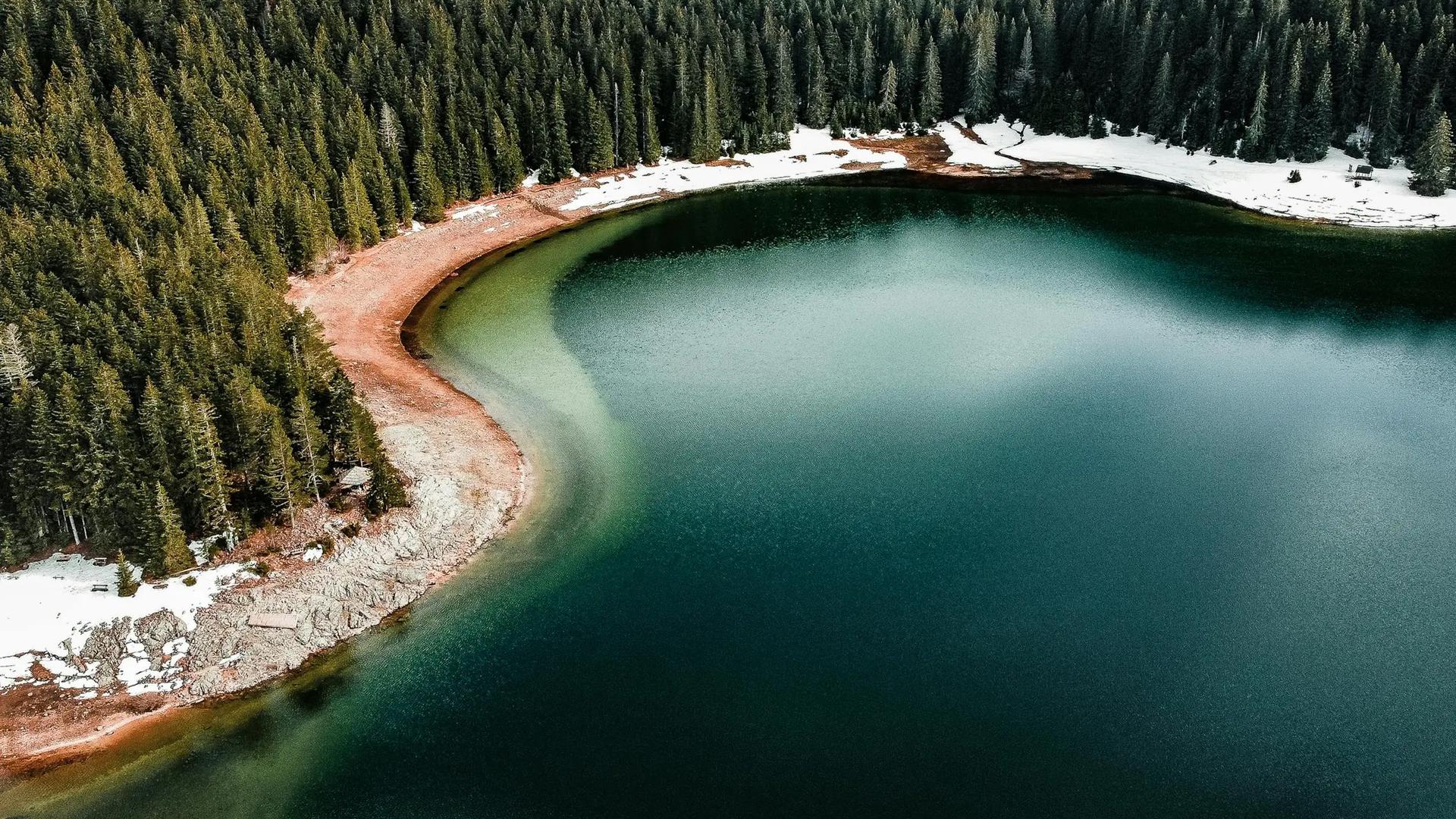
Durmitor’s signature lake on the forest edge. Two basins linked by a narrow strait.
About
This glacial lake sits at about 1416 meters and comprises the Big and Little basins. A narrow strait links them and can dry in summer. A roughly three-and-a-half-kilometer loop path circles the shore. It is the largest of glacial lakes on the massif.
Transport
Travel time
On foot from Žabljak center37–55 min.3 km
By car from Žabljak10 min.4 km
From the airport Tivat · TIV3 h 17 min.117 km
On the map
Location
In detail
What's here
What is this place
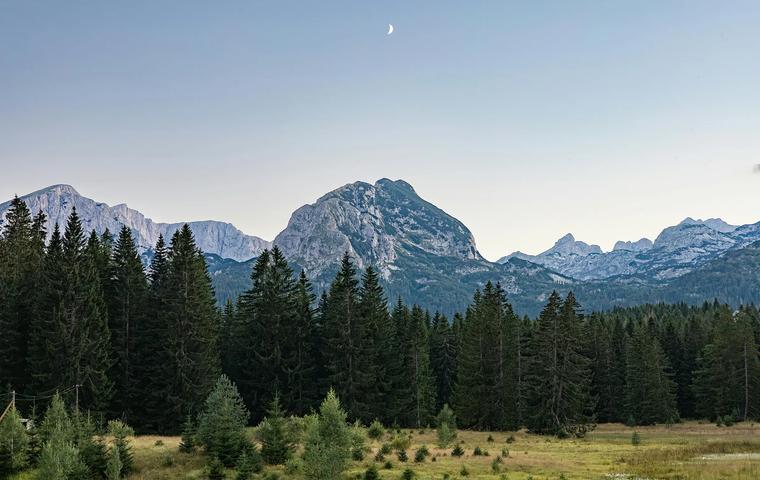
Crno Jezero (Black Lake) is a glacial lake on Mt Durmitor, 3 km from Žabljak, at 1416 m elevation. It sits below Mt Međed and is the area’s signature natural landmark.
Key features
- Two basins – Veliko Jezero and Malo Jezero – linked by a narrow strait, forming one lake system.
- Total area 0.515 km², maximum length 1155 m – the largest of Durmitor’s 18 glacial lakes.
- Veliko Jezero: 0.338 km², max depth 24.5 m, up to 855×615 m – wider and shallower.
- Malo Jezero: 0.177 km², max depth 49.1 m, up to 605×~400 m – smaller in area, deeper and more voluminous.
- Fed by mountain streams, notably Mlinski potok; many inflows are seasonal snowmelt.
What to see
- A ~3.5 km loop trail around both basins.
- Clear contrast in color and depth between Veliko Jezero and Malo Jezero.
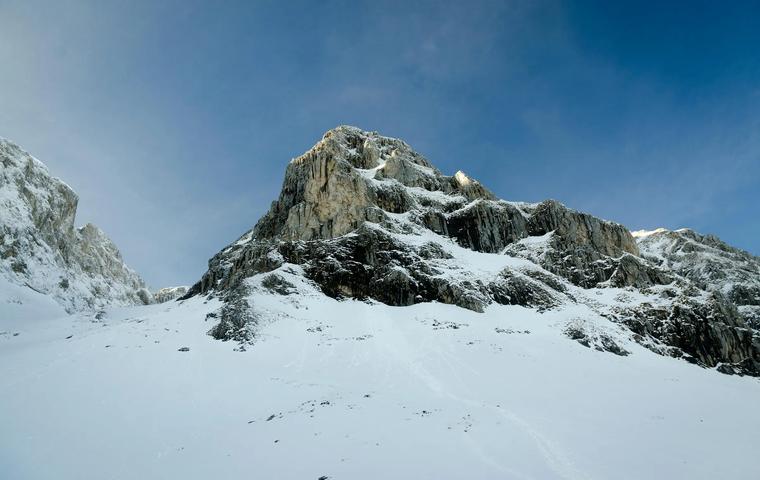
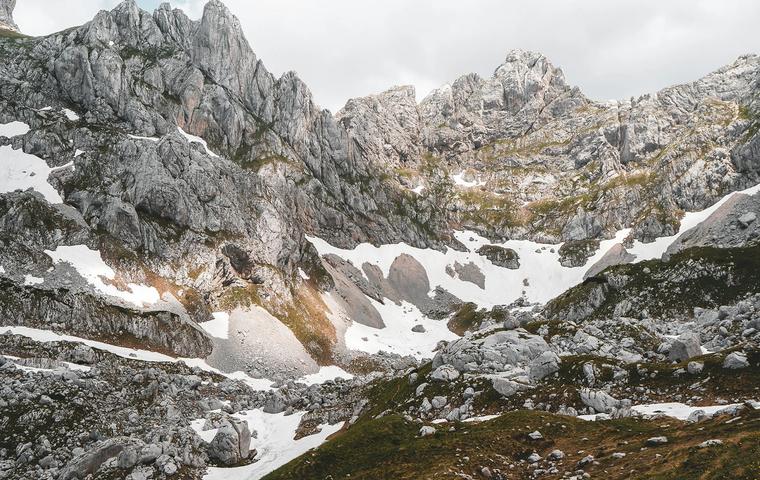
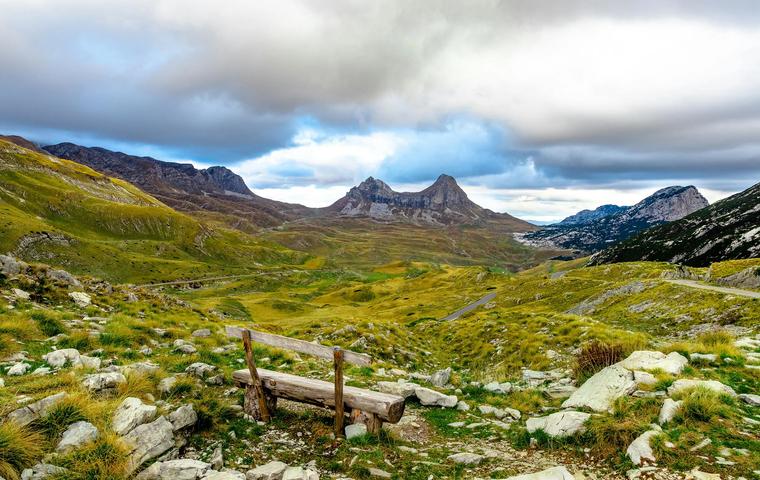
- Views of Durmitor’s cirque slopes and Mt Međed above the water.
History
The lake basins were carved by Durmitor’s glaciers; a natural sill and seasonal levels maintain the two-basin layout. Over time the shoreline path became Žabljak’s classic stroll for locals and visitors.
In the 20th–21st centuries, easy access from town and the short loop cemented the lake’s role as the area’s prime recreation spot.
Practical information
Location: Durmitor massif, Žabljak municipality, Montenegro; ~3 km from Žabljak centre.
Getting there: on foot from town via waymarked paths; local road access to the forest trailhead, then walking only.
Access: lakeside trail generally open year-round when conditions allow; basic facilities near the start.
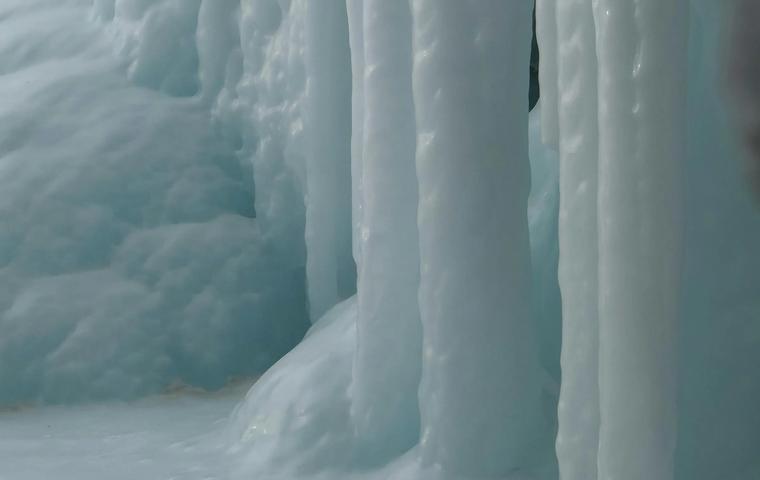
Visiting hours: any time; winter access depends on snow and ice.
Visit duration: 1–2 hours for the 3.5 km loop with photo stops.
Best time: late spring to autumn; summers bring lower water and wider shores, spring has higher levels.
Notes: roots and slick sections after rain; wear grippy footwear and carry wind/sun protection.
Black Lake
Articles about this place
Tips
Solo Female Travel in Montenegro: Real Safety Stats, Dress Codes & Hidden Traps
Montenegro ranks #14 globally for female solo travel safety. Honest take on what works, where to watch out, and why Ostrog Monastery turns away tourists in shorts.
April 25, 2026
Tours
Albania vs Montenegro – Which Country to Choose for Your Vacation
Detailed comparison of Albania and Montenegro for holidays: prices, beaches, visas, transport, and infrastructure. An honest breakdown of each country's pros and cons.
February 25, 2026
Tips
Montenegro in July: +31°C, Peak Prices & What They Don't Tell You
July is Montenegro's hottest and priciest month – 31°C air, 25°C sea, packed beaches. Here's what it actually costs, where to find space, and what to skip.
March 06, 2026Tips
Montenegro in June: Weather, Beaches, Prices and What to Do
Montenegro in June 2026 – warm weather before peak crowds. Sea temperature, hotel prices, best beaches and itineraries for a perfect early-summer trip.
March 06, 2026
Tips
Montenegro in August: +32 °C, Budva Crowds and Where to Actually Go Instead
Peak season: sea at +26 °C, hotels cost double May rates, Budva is packed. Here's where to stay smarter – Ulcinj, Žabljak, Herceg Novi – and what it really costs.
April 21, 2026
Tips
Montenegro in May: +27°C, Warming Sea & No Summer Crowds
May is Montenegro's sweet spot — 22–27°C days, a sea warming to 20°C, prices well below July and no crowds yet. Best routes, beaches and tips.
February 24, 2026Nearby