Blog · Tips
Montenegro in August: +32 °C, Budva Crowds and Where to Actually Go Instead
 Tips
TipsIn this article
Some links are affiliate links. You pay the same, and we may earn a commission.
Peak season: sea at +26 °C, hotels cost double May rates, Budva is packed. Here's where to stay smarter – Ulcinj, Žabljak, Herceg Novi – and what it really costs.
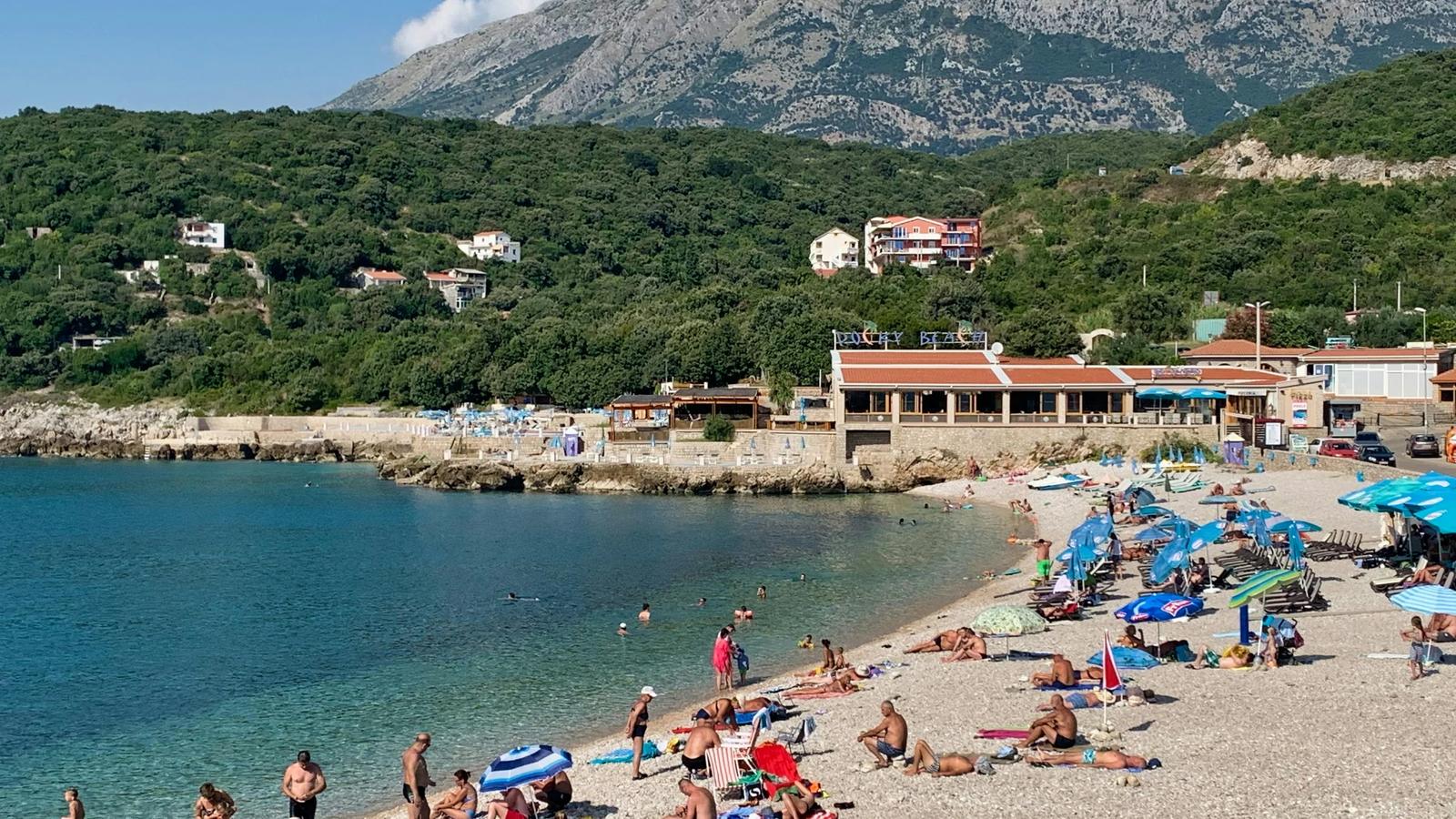
August is Montenegro's hottest, most expensive and most crowded month: +28…+32 °C by day, the Adriatic warmed to +25…+27 °C, and hotel rates on the Budva Riviera running roughly twice what they are in May. It's worth the trip if you're committed to peak-season logistics and know where to actually stay. Short version: Budva is for nightlife and not caring about the bill, Kotor is for evening walks and cruise-ship chaos by day, Ulcinj is for genuine beach time on sand with wind, and Žabljak with Kolašin are for escaping the heat in the mountains.
Key points
- Weather: +28…+32 °C on the coast, consistently +35 °C and above in Podgorica and the inland canyons, +22…+25 °C in the Durmitor and Lovćen highlands.
- Sea: +25…+27 °C – the warmest water of the year, more comfortable than July.
- Accommodation prices (8.0+ rated only): +80…+120 % over May. Decent stays on the Budva Riviera start at 120–150 €/night; Ulcinj and Herceg Novi start around 80–100 €.
- Crowds: Budva, Petrovac and Rafailovići are saturated – claim a paid-beach lounger by 09:30.
- Jellyfish: late August occasionally sees Pelagia noctiluca and Rhizostoma pulmo blooms along the coast – brief but uncomfortable.
- Water supply: during peak weeks, smaller villages on the Riviera (Bečići, Rafailovići) sometimes cut cold water midday – confirm with your host.
Weather in August: hot, but tolerable near the sea
Montenegro in August splits into three climate zones, and the choice of base depends entirely on how well you tolerate heat.
| Region | Daytime | Night | Notes |
|---|---|---|---|
Coast (Budva, Kotor, Ulcinj) | +28…+32 °C | +21…+24 °C | Morning and evening sea breeze, 60–70 % humidity |
Podgorica and inland valleys | +33…+38 °C | +22…+25 °C | The country's furnace, peaks at +40 °C |
Mountains (Žabljak, Kolašin) | +22…+26 °C | +10…+14 °C | Cool nights – pack a windbreaker |
Rain is rare – on average 2–3 days across the month, usually short thunderstorms after a heatwave. Sea temperatures hold at +25…+27 °C in the Bay of Kotor and +26…+27 °C along the open coast – warmer than Croatia and without cold currents.
Warning: travelling with small children, avoid Podgorica and the canyons in August. Between 14:00 and 17:00 the outdoor temperature reaches +38 °C, and the stone paving of the old towns radiates heat that makes even a 500-metre walk punishing.
Where to stay: honest resort comparison
Budva is the main tourist hub. Upside: nightlife, concerts, beach clubs, developed infrastructure. Downside: in August Mogren Beaches and Richard's Head Beach are packed, parking is impossible, and loungers run 15–25 €/day. Best for younger travellers and anyone who'll pay for atmosphere.
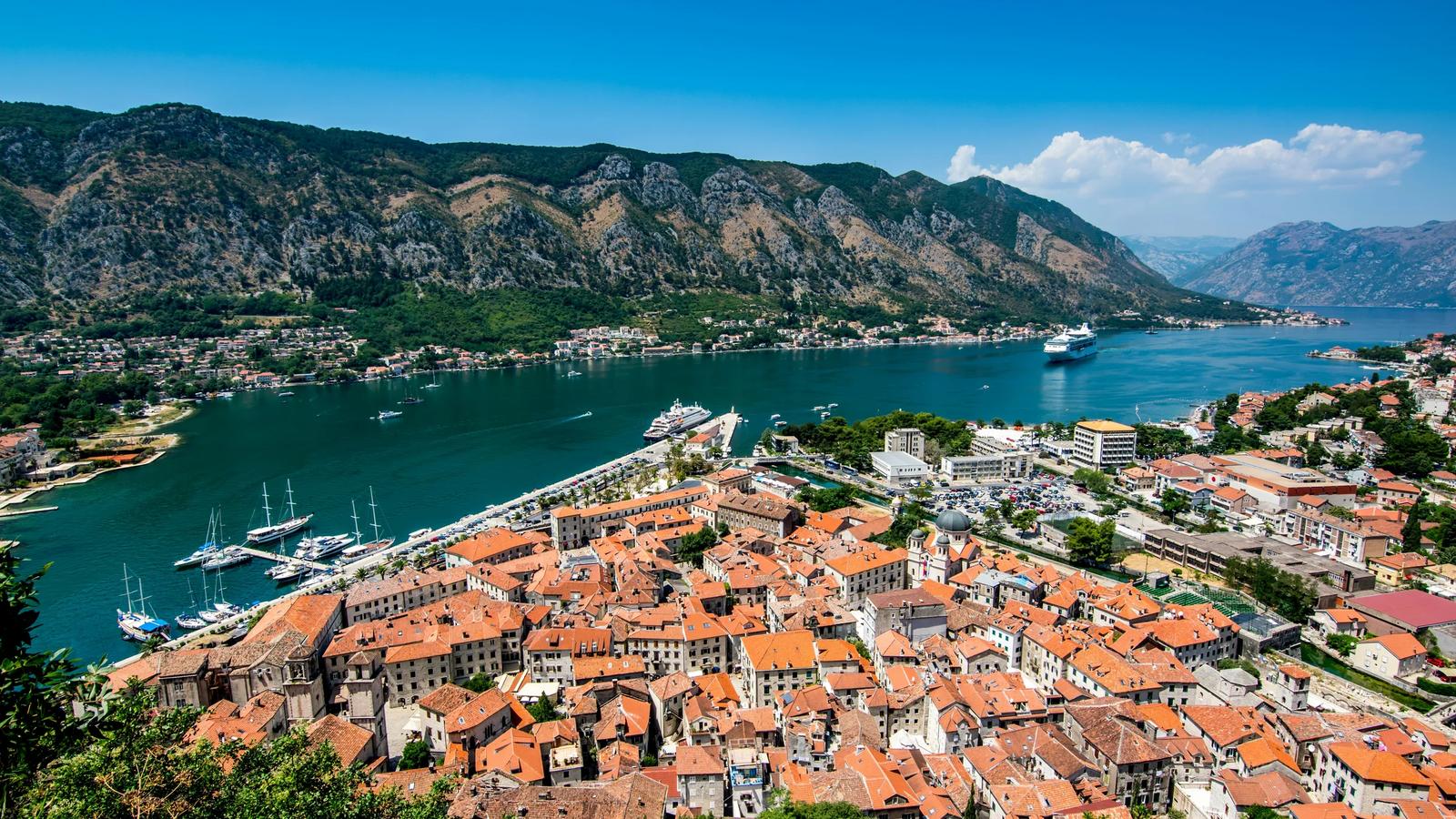
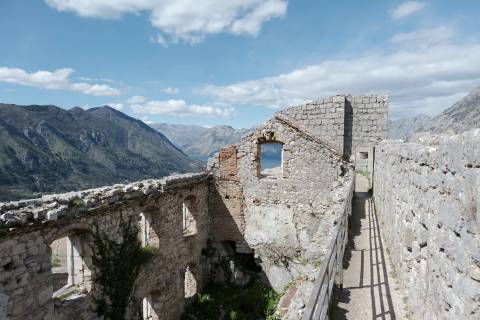
Kotor is not a beach resort. There's nowhere to swim properly – only hotel decks or platforms, and the water inside the bay is noticeably inferior to the open coast. Kotor works as a 1–2 night base for Kotor Old Town and Castle of San Giovanni, but not as a beach base: cruise ships deposit 4,000–6,000 people into the Old Town simultaneously by day.
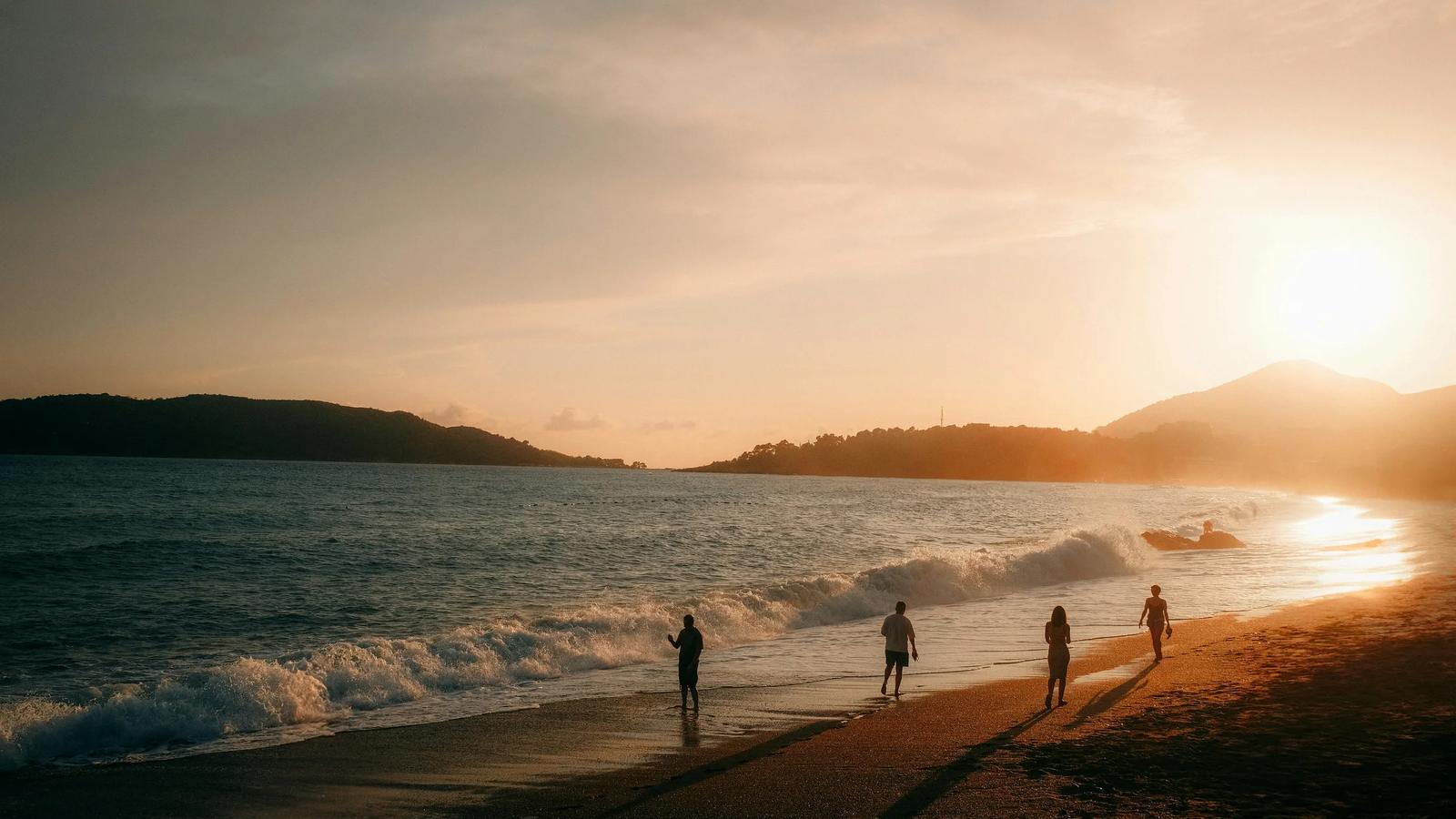
Ulcinj is the southern resort with 15 km of sandy beach (Velika Plaža) and the genuine alternative to Budva. The water is slightly cloudier from river sand, but the shallow entry is perfect for kids, there's reliable wind (windsurfing scene), and the atmosphere is less commercial. Accommodation averages 25–30 % cheaper than the Budva Riviera.
Herceg Novi is the quiet alternative at the entrance to the Bay of Kotor. Dense greenery, mimosa, Venetian architecture. Beaches are mostly concrete platforms, but the town has the most lived-in feel of the coastal options.
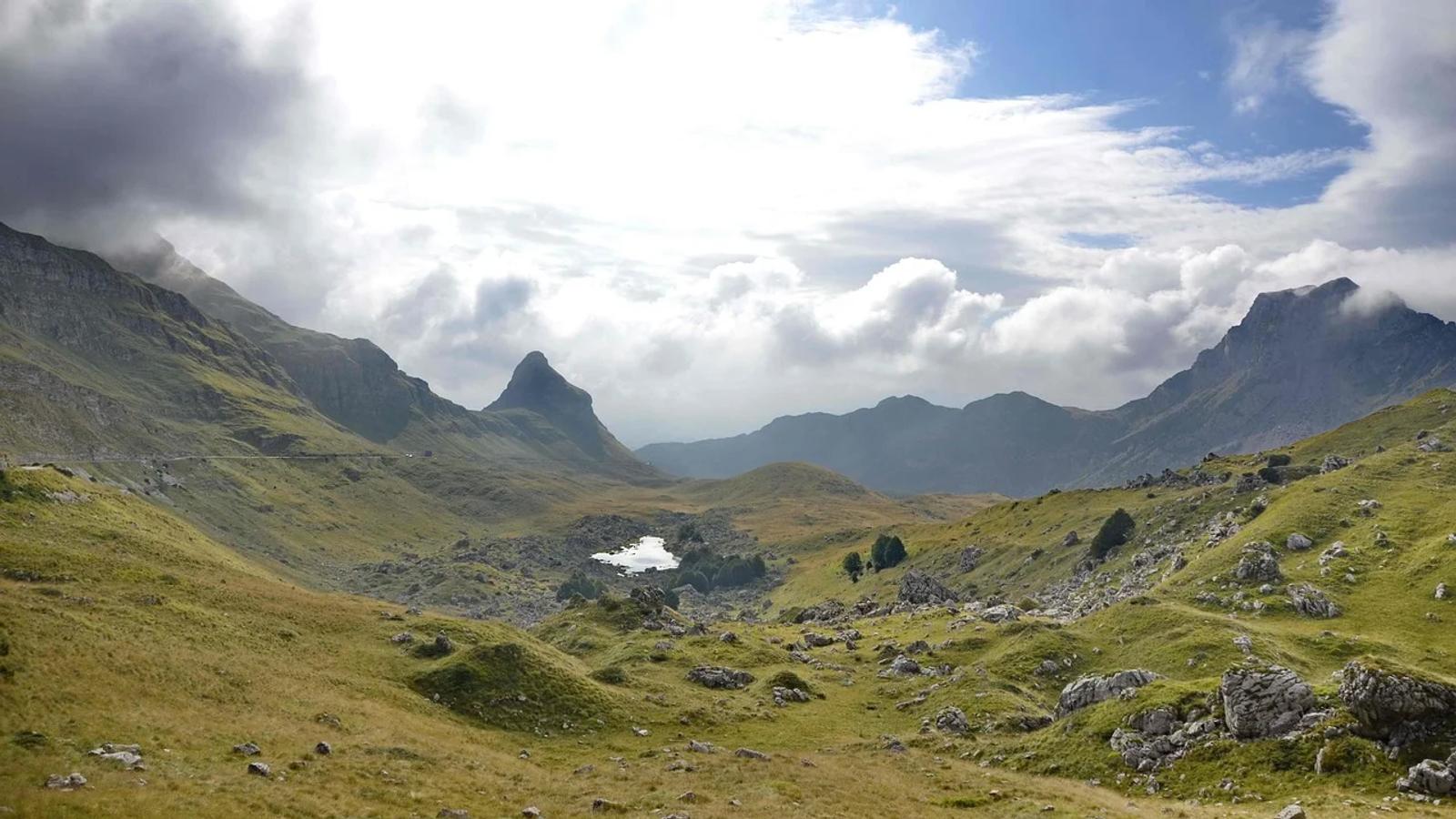
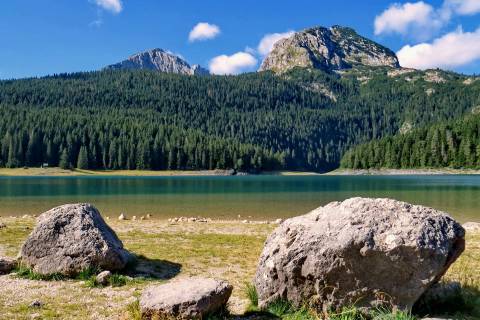
Žabljak and Kolašin are the mountain bases and the heat-escape move. +22…+25 °C by day, Black Lake, Tara Canyon, trekking in Durmitor National Park and Biogradska Gora National Park. The ideal format: 3–4 nights in the mountains plus a week by the sea.
Prices in August: expect the peak
August and the last week of July are the most expensive days of the year. Below are realistic August 2026 benchmarks for 8.0+ rated properties on booking platforms – quality-filtered apartments and hotels, not raw market averages that include junk inventory.
| Category | Budva / Bečići | Ulcinj / Herceg Novi | Žabljak / Kolašin |
|---|---|---|---|
Studio / 2-person apartment | 80–130 € | 60–95 € | 55–80 € |
3* hotel with breakfast | 100–160 € | 85–120 € | 70–110 € |
4* seafront | 170–280 € | 140–220 € | – |
Luxury / 5* | 350–700 € | 250–400 € | 180–300 € |
*Updated: March 2026. Rates per night for two people, filtered to 8.0+ properties only.*
Food and transport shift less. Lunch at a regular tavern runs 12–18 € per person, a steak at a mid-range restaurant 18–25 €, fish by weight 45–70 €/kg (sea bream, sea bass). Coffee 2–2.50 €, local Nikšićko beer 2.50–3.50 € on a terrace. Petrol sits around 1.49 €/litre.
Car rental in August is its own problem. Tivat and Podgorica rates hit the yearly peak: a compact like a Hyundai i20 or Kia Rio runs 40–55 €/day versus 20 € in February, a family SUV 80–120 €. Book 2–3 months ahead – in July, many popular categories are already sold out. EconomyBookings compares international and local suppliers side-by-side, which in peak season is the only reliable way to find availability at sensible prices.
Airport transfers run at fixed prices – this matters, because in August airport taxi drivers often mark up on the spot. Tivat → Budva: 25–35 €, Tivat → Kotor: 20–25 €, Podgorica → Budva: 60–80 €, Podgorica → Žabljak: 110–140 €. For prepaid pricing, KiwiTaxi and Welcome Pickups both work on fixed quotes.
What to do besides the beach: August activities
Bay of Kotor by speedboat. In summer this is the default move – Our Lady of the Rocks, Blue Cave and the old Luštica submarine base. Group 3-hour speedboat tours from Kotor start at 40 €/person, a private boat runs 300–400 € for a group of 6–8. A strong pick is Kotor: #1 Rated Blue Cave, Secret Tunnels & Lady of the Rocks from 45 € per person.
Tara River rafting. The biggest nature experience of the month. A full rafting day with departure from Žabljak costs 50–70 €/person, from Budva with transfer 85–120 €. The water is lower in August – less whitewater drama than in May, but safer for beginners and children aged 10+. The Full-day Tara River White Water Rafting Tour from Kotor bundles transfer and lunch from 134 € per person.
Trekking in Durmitor. The loop around Black Lake is 3.7 km, doable for anyone. The serious effort is the climb up Bobotov Kuk (2,523 m) – 7–9 hours, proper footwear essential, start early because thunderstorms often build by 14:00.
Lake Skadar. August water levels are low, islands are visible, and the fish taverns in Virpazar run full service. Best format: a morning boat ride (before 11:00, while it's cool and pelicans are still active) followed by lunch on the water.
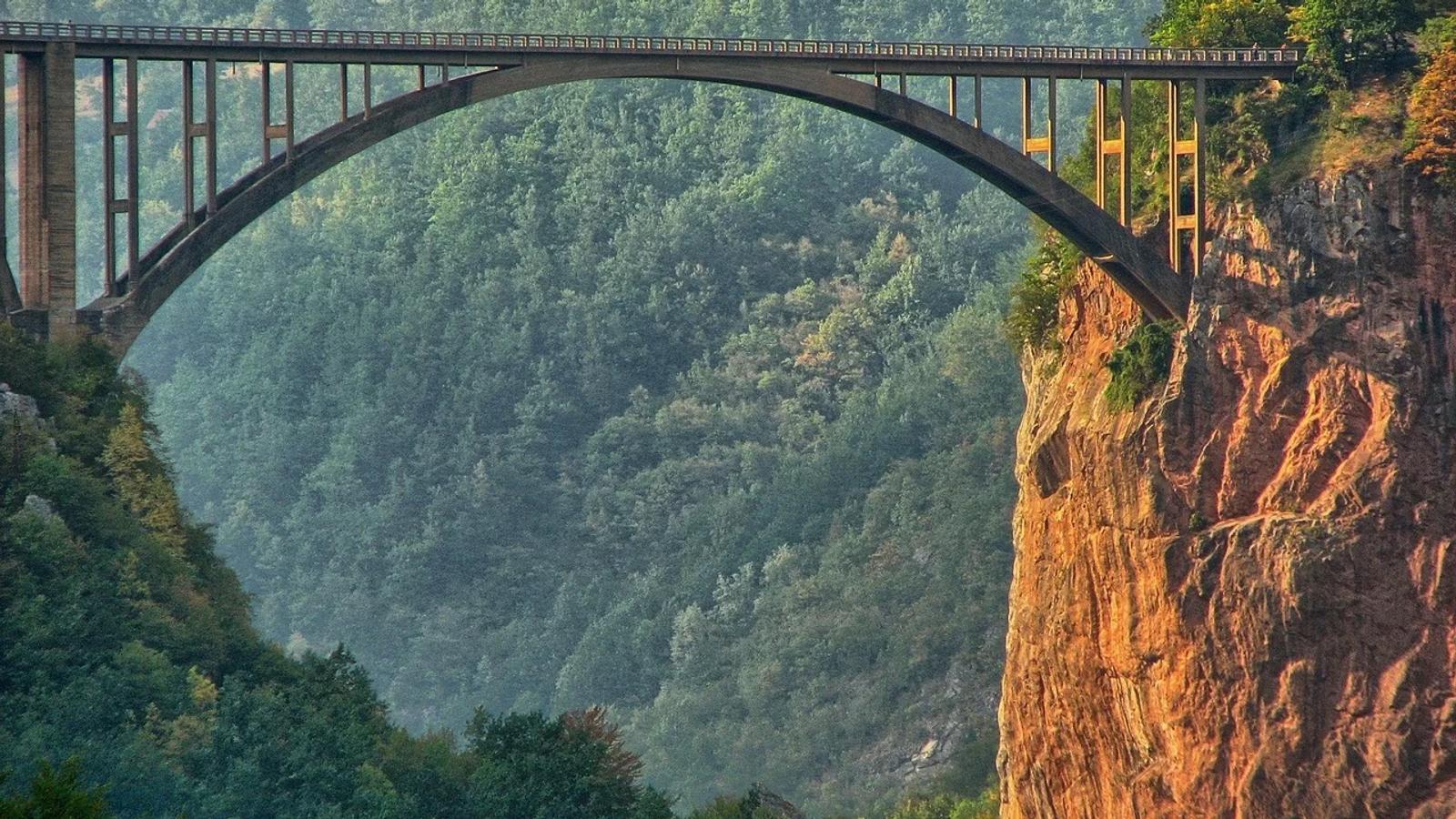
Full-day country tours. For first-time visitors, the classic move is the north loop – Durmitor, Tara Bridge and Ostrog Monastery in one day. The Great Montenegro Tour (Lovćen, Njegoš Mausoleum, Crnojević River, Sveti Stefan) covers the southern highlights from 79 €, while the North Montenegro, Durmitor, Tara & Ostrog Tour is the signature northern day trip from 84 €. For the town itself, the Kotor Old Town Walking Tour runs from 25 € and works well as an early-morning slot before cruise crowds arrive.
Festivals. The first week of August brings the International Summer Carnival to Kotor's Old Town – street parades, concerts, masked balls, culminating in Boka Night later in the month when the bay fills with decorated boats and fireworks. Mid-August at Lake Krupac near Nikšić is Lake Fest, Montenegro's largest rock festival.
Getting there in August
International carriers operate to Tivat (TIV) and Podgorica (TGD). Tivat is smaller and closer to the main beach destinations but handles peak summer charters – arrival queues at passport control can stretch 40–60 minutes on busy days, which you should factor into transfer timing. Podgorica is the year-round hub with more reliable connections from hubs like Istanbul, Vienna and Belgrade. Check visa requirements for your nationality before booking.
Practical tips
Book accommodation at least 2 months ahead. In August, the strong 8.5+ rated apartments on the coast are gone by May. Booking.com has the widest inventory for Montenegro. Avoid direct bookings via messengers or social media – without platform protection, overbooking risk is high in peak season.
Don't rely on roaming. August mobile traffic in tourist zones is saturated, and a standard SIM doesn't always cope. Install an eSIM before departure: an Airalo Montenegro 3 GB / 30-day plan costs around 11 $ and covers maps plus messengers. For heavier use, Saily Montenegro works well if you plan heavy streaming or remote work.
Travel insurance. Insurance isn't formally required for entry, but in August – with crowds, heat and active pursuits like rafting and trekking – it's worth having. A weekly policy typically runs 5–10 $. Make sure coverage includes adventure sports if you're rafting, hiking or doing any watersports.
Cash. Many private apartments, village fish taverns and taxis take only cash. Budva and Kotor have ATMs on every corner; in Ulcinj and Žabljak, withdraw in advance – and avoid Euronet (fees up to 7 %), prefer NLB Bank or Erste.
Jellyfish. Late August occasionally sees Pelagia noctiluca (mauve stinger) – the sting is painful but not dangerous for adults. If stung: rinse with seawater (not fresh!), remove tentacles with a card, apply hydrocortisone cream. After Sting Aloe Vera gel is widely available in local pharmacies.
Tourist tax and "White Card". Every foreign visitor staying in Montenegro must be registered within 24 hours. If you stay in a hotel, reception handles it automatically; for private apartments, it's usually the host's job. Ask for the bijeli karton (white card) with a stamp before checkout – border officers may ask for it on exit, and the fine for missing registration can reach 500 €.
See also
- Montenegro Prices in 2026: How Much Does a Week Really Cost
- Montenegro Tourist Tax & White Card: Step-by-Step Registration Guide
- Car Rental in Montenegro: Everything Tourists Need to Know
- Popular Itineraries in Montenegro: What to See in 1 to 7 Days?
- Kotor vs Budva: Detailed Comparison
FAQ
1. What is the sea temperature in Montenegro in August? Between +25 and +27 °C along the full coastline. The Bay of Kotor occasionally runs about 1 degree warmer (slightly above +27 °C), while Ulcinj – with its sandy bottom – offers clearer and more stable conditions. It's the warmest swimming month of the year.
2. How much does a week in Montenegro in August cost for two people? A minimum of 900–1,200 € for two covers a week in budget apartments in Ulcinj or Herceg Novi plus basic meals. A comfortable format with a 4* hotel in Budva comes to 2,500–3,500 €. Luxury starts from 5,000 €.
3. Where in Montenegro is it less crowded in August? The north: Žabljak, Kolašin and the villages around Lake Skadar. On the coast: Ulcinj and smaller towns like Petrovac and Sutomore. Avoid: Budva, Bečići and Kotor during the day.
4. Do I need a car in Montenegro in August? For beach-only stays in one place, no – taxis and buses are enough. For flexible itineraries covering the mountains, Lake Skadar and border crossings to Albania or Bosnia, yes – a car is significantly more efficient. Book 2+ months ahead; August is peak pricing and there's genuine shortage in the SUV category.
5. Are there jellyfish in Montenegro in August? Yes, occasionally. Late August sometimes brings Pelagia noctiluca (mauve stinger) blooms along the coast. They pass through in 1–3 days rather than sticking around. Check local beach flags or ask the lifeguard before a long swim; if you're stung, rinse with seawater and apply hydrocortisone cream.
Conclusion
August in Montenegro is a trade-off: you get the warmest sea and maximum sunshine, but you pay for it with doubled accommodation rates, crowd saturation on the Budva Riviera and extreme heat in the inland cities. The right strategy is not to book "Montenegro" abstractly but to pick a region that fits your format – sand and sea means Ulcinj, classic postcard views mean the Bay of Kotor with early-morning walks, cool air and nature means the northern mountains. And book everything early: in August the market doesn't forgive improvisation.
Sources
- Government of Montenegro, Ministry of Foreign Affairs – official entry rules
- National Tourism Organization of Montenegro – official events calendar
- Public Enterprise for National Parks of Montenegro – Durmitor & Biogradska Gora
- Civil Aviation Agency of Montenegro – airport traffic data
- ACCOBAMS – Adriatic marine fauna bulletins including jellyfish blooms
Places to see in Montenegro
You may also like
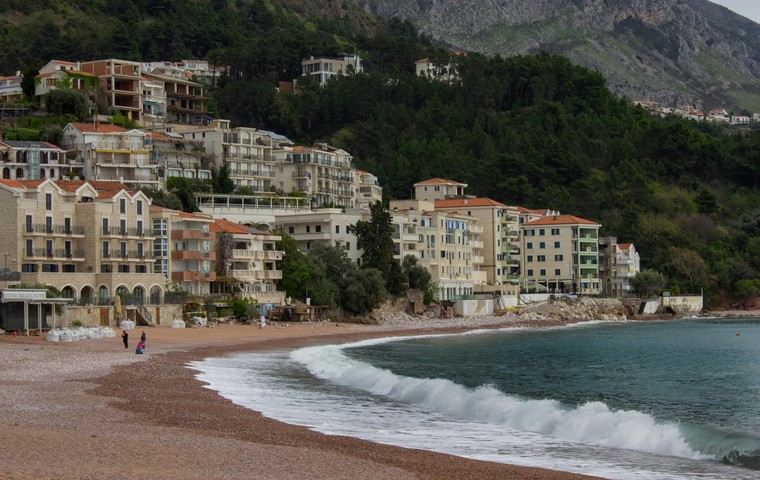
Montenegro in May: +27°C, Warming Sea & No Summer Crowds
May is Montenegro's sweet spot — 22–27°C days, a sea warming to 20°C, prices well below July and no crowds yet. Best routes, beaches and tips.
February 24, 2026
Bar, Montenegro: Ancient Ruins, 2 000-Year-Old Olives & a Working Port
Bar is Montenegro's only ferry port to Italy and the terminus of the Belgrade–Bar railway. Stari Bar fortress, a 2 000-year-old olive tree, quiet beaches, and prices 30% below Budva.
March 21, 2026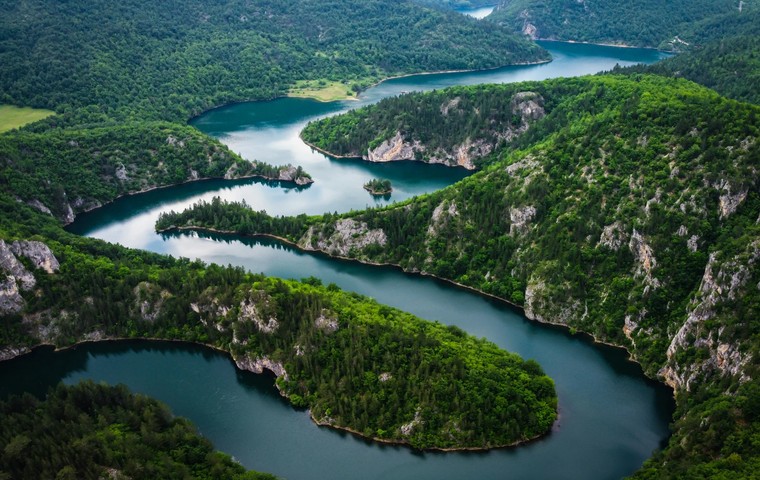
Lake Skadar: €5 Kayaks, Pelicans, and the Real Virpazar Fish Dinner
The Balkans' largest lake, one hour from Budva: group boats from €15, kayaks from €5/hr. Where to eat fresh carp, when pelicans actually show up, and what to skip.
April 22, 2026
Montenegro in January – weather, sea, skiing and prices
Montenegro in January: weather, sea temperature, ski resorts, prices, where to stay and what to pack.
November 18, 2025
Montenegro in November – weather, sea and is it worth going?
Montenegro in November – weather and sea temperature, how rainy it gets, where to stay, average prices for hotels, car rental and transfers, what to pack and what to do on the coast and in the mountains.
November 16, 2025
Montenegro or Cyprus for Summer: Price, Beach & Logistics Comparison
Montenegro is 30–40% cheaper, easier to reach, and packed with wild coastline. Cyprus counters with warmer seas and longer season. Here's a point-by-point breakdown.
April 09, 2026