Biogradska Gora National Park
Biogradska gora
A celebrated core of beech forest and alpine meadows on Bjelasica.
About
The park brings together rounded ridges, high pastures and a compact tract of old-growth forest. Valleys, cirques and lakes create varied scenery within a modest area.
Transport
Travel time
By car from Kolašin17 min.15 km
From the airport Tivat · TIV2 h 55 min.122 km
On the map
Location
In detail
What's here
What is this place
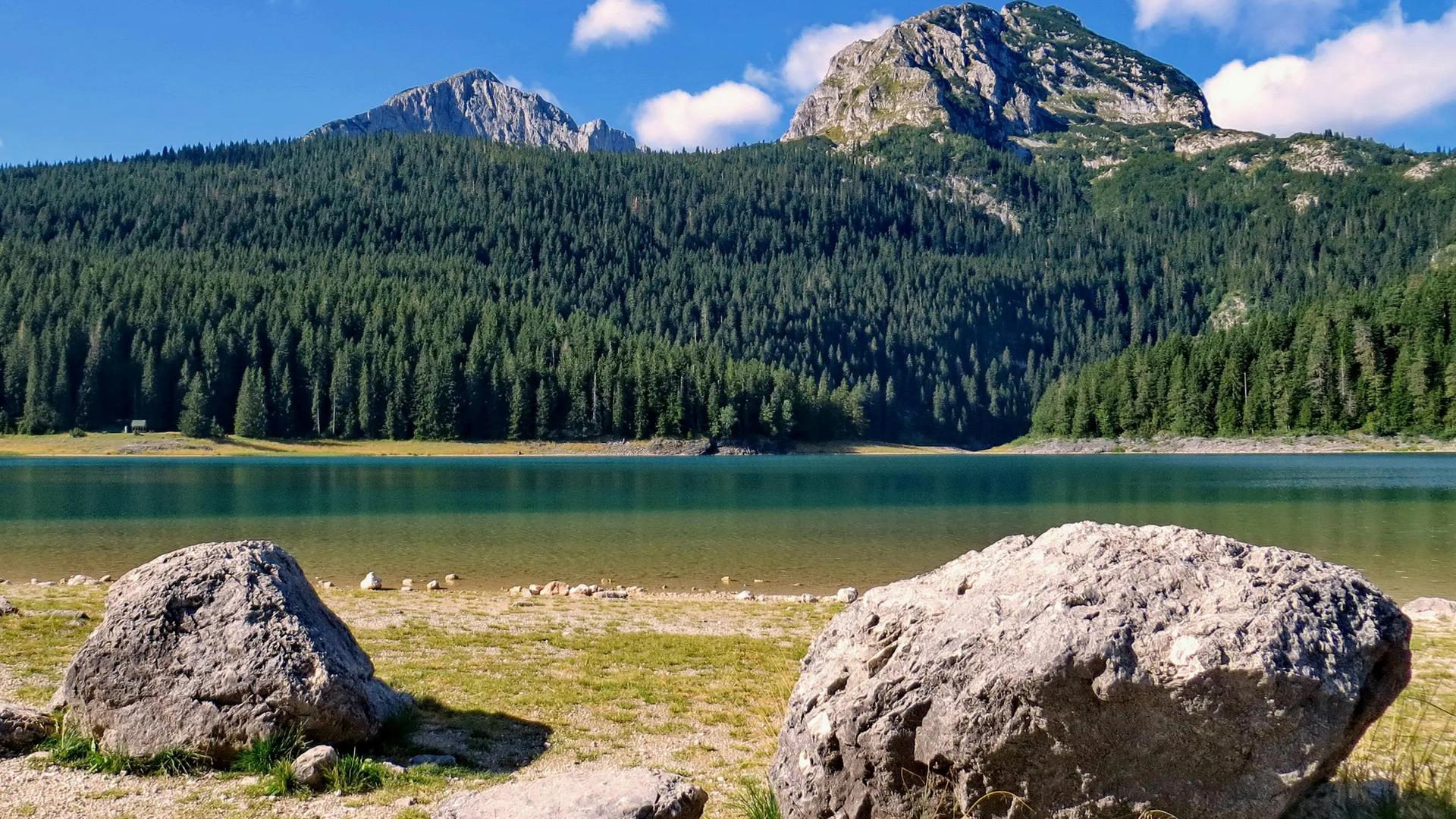
Biogradska Gora National Park is Montenegro’s smallest national park on Mt. Bjelasica between the Lim and Tara rivers, near Kolasin. It protects one of Europe’s last primeval forests and a cluster of glacial lakes.
Key features
- Area ~54–56.5 km² (sources vary); national park since 1952.
- Primeval forest – about 1,600 ha under strict protection, with beeches up to ~500 years old and 40–60 m tall.
- Highest point – Crna Glava 2,139 m, the summit of Bjelasica.
- Six glacial lakes; the easiest is Lake Biograd with a 3.5–3.6 km boardwalk loop and interpretive panels.
- Since 1977 part of UNESCO’s Man and the Biosphere network; noted for rich biodiversity.
What to see
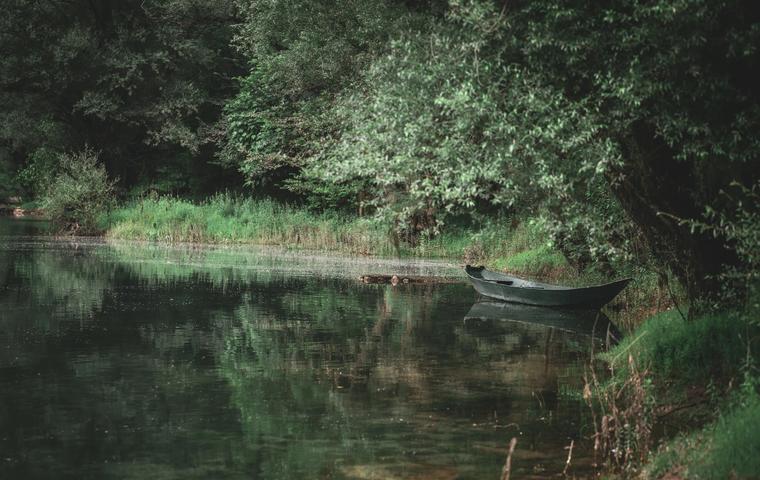
- Lake Biograd with wooden boardwalks and a seasonal rowing pier.
- Bendovac viewpoint above the lake and traditional mountain shepherds’ hamlets (katuns).
- Old-growth beech stands and diverse birdlife along forest trails.
History
In 1878, after the liberation of Kolašin, part of the forest was gifted to Prince Nikola and placed under protection as a royal reserve, which helped preserve the primeval woodland and glacial landforms.
The area was proclaimed a national park in 1952. Trails and viewpoints were added over the decades, while traditional katuns and cultural features remain around the park’s edges.
Since 1977, Biogradska Gora has been included in UNESCO’s World Network of Biosphere Reserves, confirming the global value of its primeval forest and high-mountain ecosystems.
Practical information
Location: NE Montenegro, Bjelasica range; main gate at Lake Biograd, ~20–25 min from Kolasin.
Getting there: via E65/E80 (Podgorica–Kolašin), then signed turn-off to Biogradsko jezero/NP Biogradska gora; good forest roads lead to trailheads.
Access: entry via ticket booth by the lake; facilities include a visitor centre, boardwalks and seasonal rowboat rental.
Visiting hours: year-round; winter access depends on snow.
Visit duration: 1–1.5 h for the lake loop; 3–5 h to Bendovac; full day for higher-lake hikes.
Best time: May–October for hiking; autumn foliage peaks September–October.
Notes: mountain weather changes fast; bring waterproof boots and layers; respect boardwalks and strict-protection forest zones.
Biogradska Gora National Park
Articles about this place
Tips
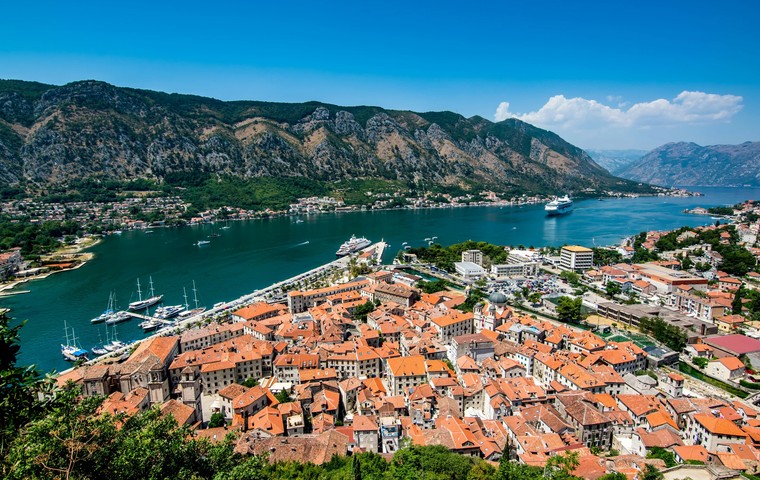
Montenegro Prices 2026: Real Weekly Budget – From €480 Bare-Bones to €2 000 Comfort
What a week in Montenegro costs in 2026: lodging, food, car rental, tours.
April 27, 2026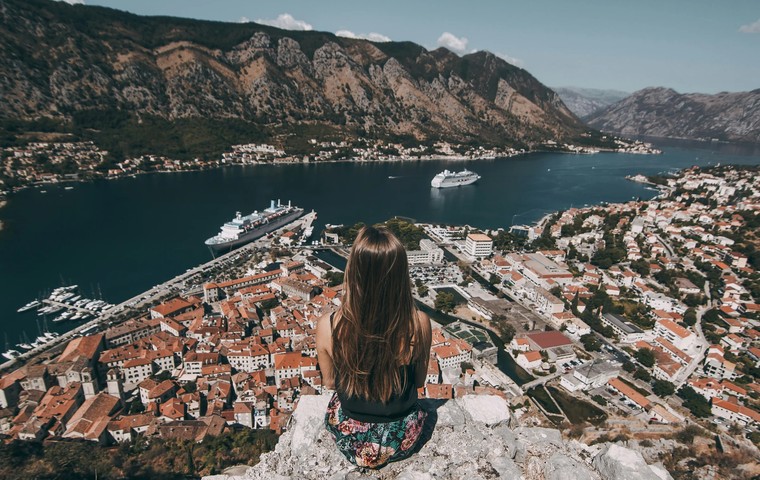
Tips
Solo Female Travel in Montenegro: Real Safety Stats, Dress Codes & Hidden Traps
Montenegro ranks #14 globally for female solo travel safety. Honest take on what works, where to watch out, and why Ostrog Monastery turns away tourists in shorts.
April 25, 2026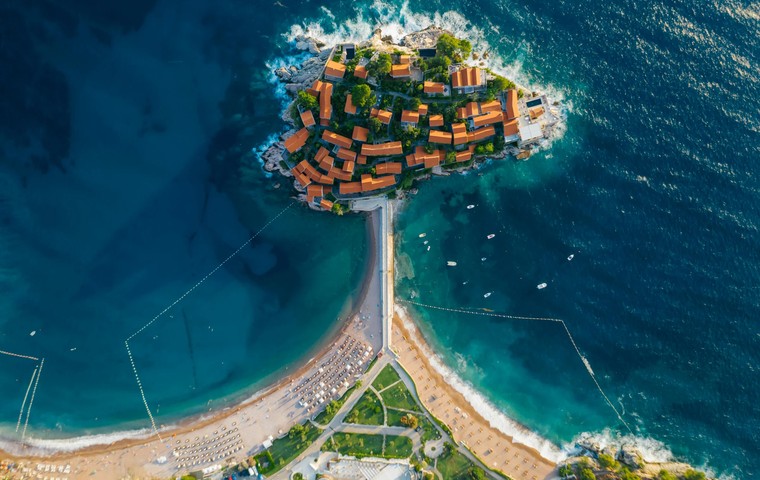
Tips
Montenegro in August: +32 °C, Budva Crowds and Where to Actually Go Instead
Peak season: sea at +26 °C, hotels cost double May rates, Budva is packed. Here's where to stay smarter – Ulcinj, Žabljak, Herceg Novi – and what it really costs.
April 21, 2026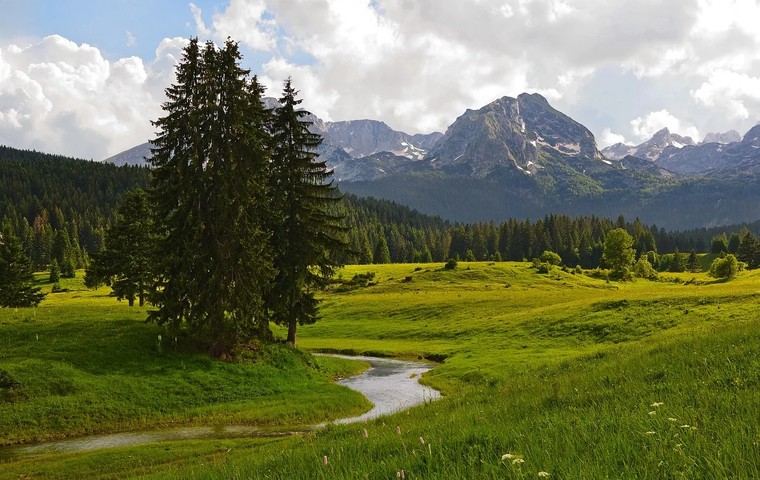
Tours
Kolašin in Summer: Why Visit a Ski Town When There's No Snow
While the coast hits 35 °C, Kolašin sits at a cool 15–25 °C with ancient forests, alpine lakes and rafting. Prices 40% lower than the Riviera – here's the practical breakdown.
March 25, 2026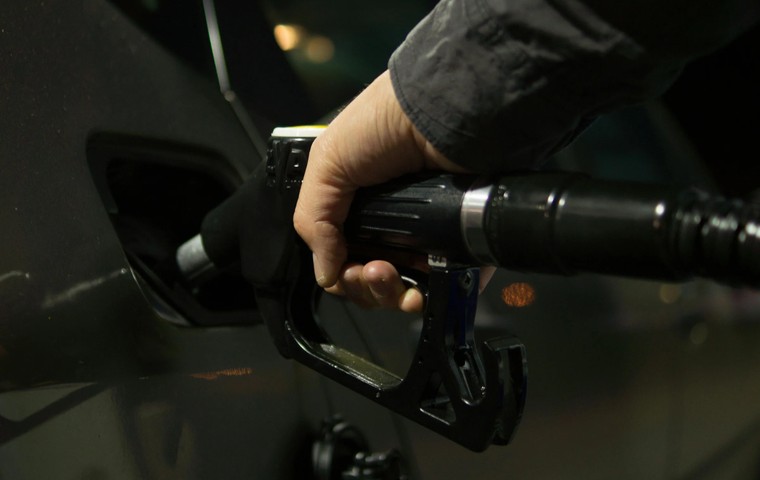
Transport
Petrol in Montenegro: Fuel Prices, Which Brands to Trust, Where Tourists Get Scammed
Fuel prices in Montenegro, autumn 2026: €1.75 for 95-octane, €1.95 for diesel. Which networks won't cheat you, where cards work, and why the cheapest pump is rarely the best one.
April 26, 2026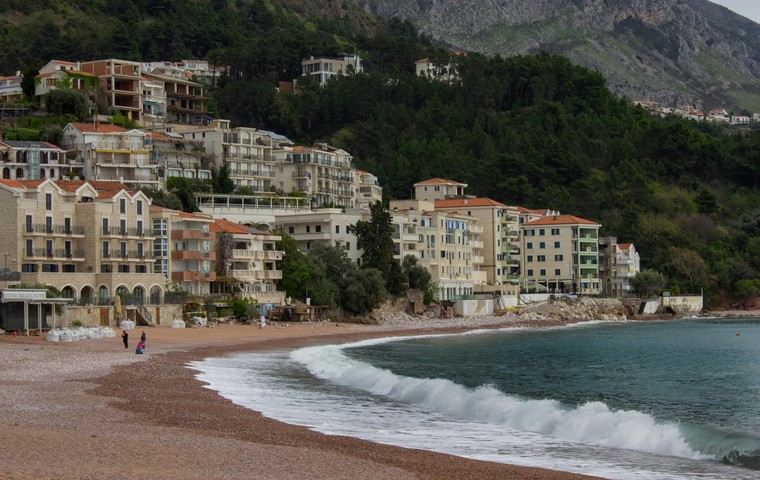
Tips
Montenegro in May: +27°C, Warming Sea & No Summer Crowds
May is Montenegro's sweet spot — 22–27°C days, a sea warming to 20°C, prices well below July and no crowds yet. Best routes, beaches and tips.
February 24, 2026Nearby