Blog · Tips
Solo Female Travel in Montenegro: Real Safety Stats, Dress Codes & Hidden Traps
 Tips
TipsIn this article
- 01Key takeaways
- 02How safe Montenegro actually is: numbers and nuance
- 03Dress code: where anything goes vs. where it really doesn't
- 04Cities and neighbourhoods: where to base yourself solo
- 05Solo transport: what works and what doesn't
- 06Solo trip budget for a week
- 07Connectivity and digital safety
- 08Travel insurance: paperwork or necessity
- 09Solo on group tours: the format that actually works
- 10Etiquette and cultural code: what to expect from locals
- 11Frequently Asked Questions
- 12Conclusion
- 13Sources
Some links are affiliate links. You pay the same, and we may earn a commission.
Montenegro ranks #14 globally for female solo travel safety. Honest take on what works, where to watch out, and why Ostrog Monastery turns away tourists in shorts.
Montenegro is one of the safest European destinations for solo female travel: the country sits at №34 in the Global Peace Index 2025/2026 and №14 globally for female solo travel safety, with a 4.7 out of 5 rating from women who actually travelled there. As of March 2026, the U.S. State Department classifies Montenegro as Level 1 – Exercise Normal Precautions. The real risks here aren't street crime but persistent attention in nightlife venues, mandatory dress codes at monasteries, and a few logistical traps that glossy guidebooks tend to skip.
Key takeaways
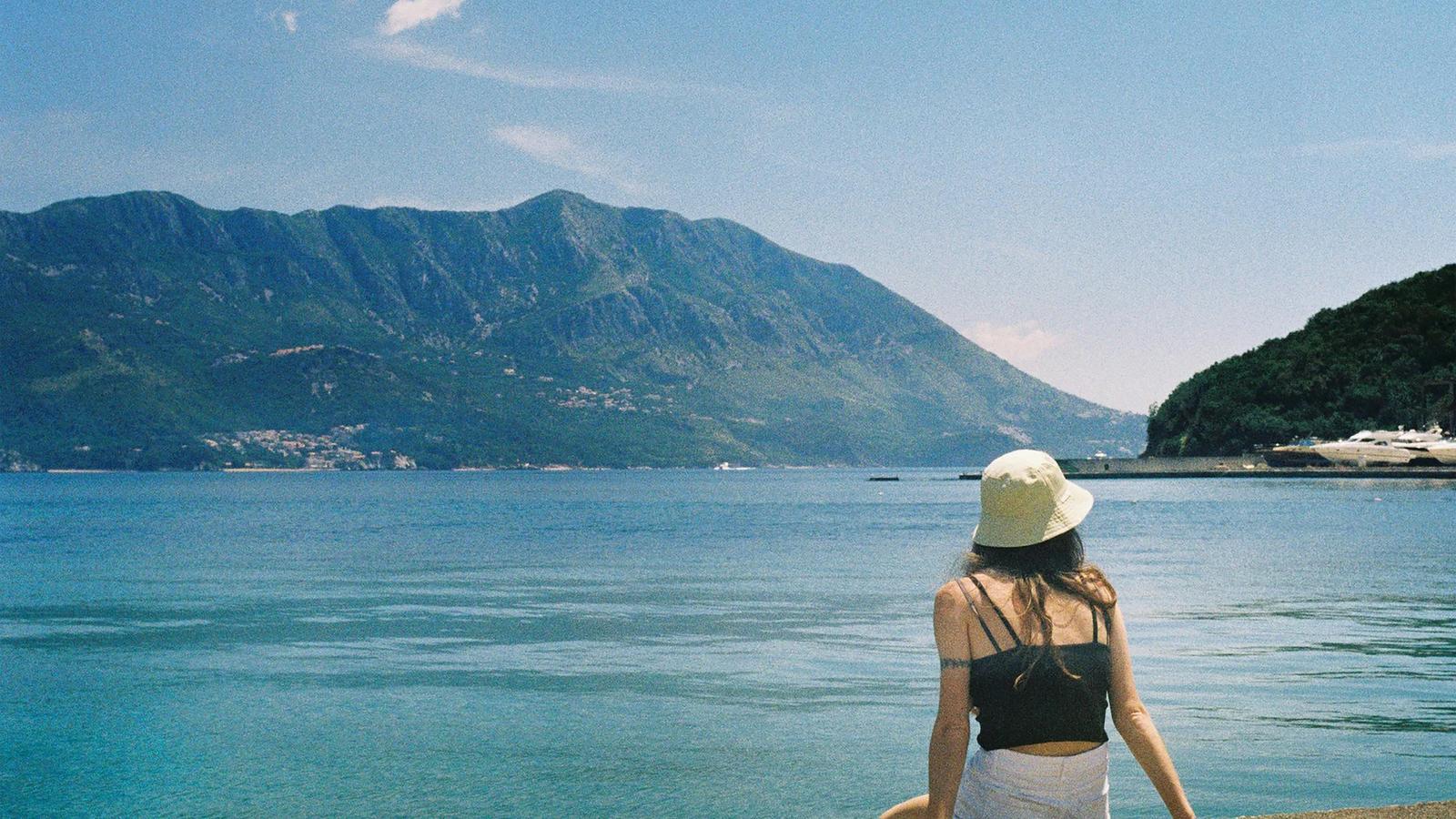
- Statistical safety: violent crime is rare; women routinely walk Old Town Kotor, Budva, and Tivat alone after dark. Tivat is repeatedly mentioned in solo female reviews as «a place where you forget your phone on a beach table and find it untouched».
- The main «risk» isn't crime – it's flirting culture: Montenegrin men can be forward in bars and on promenades. It isn't aggression, it's local dating norms – a confident «Ne, hvala» (no, thank you) settles 95 % of situations.
- Monastery dress code is non-negotiable: shoulders and knees must be covered. Cetinje Monastery and especially Ostrog will turn you away in shorts, mini skirts, or sleeveless tops – even at +35 °C in August.
- Coastal areas are fully relaxed: swimwear, shorts, and short dresses raise zero eyebrows in Budva, Becici, or Sveti Stefan. Heavy tourist flow neutralises local conservatism.
- Hidden traps to watch: unmetered taxis at airports, «free» rakija from strangers in bars, and inflated prices in tourist-zone menus without English versions.
- Transport works, but without major apps: Uber and Bolt do not operate in Montenegro. Use local dispatch services or licensed taxi stands and always insist on the meter.
- Connectivity is a safety tool, not a luxury: offline maps + working SIM or eSIM from day one. Without internet, booking, taxis, and navigating Kotor's Old Town turn into a guessing game.
How safe Montenegro actually is: numbers and nuance
Unlike most travel blogs where «safe» is just a vibe, Montenegro has hard indicators. The country consistently ranks in the top 15 globally for female solo travel safety according to independent indexes built on first-hand reviews. Tivat, Kotor, and smaller coastal towns score even higher than the capital Podgorica, where occasional political demonstrations occur but never target tourists.
The biggest practical risk isn't violent crime – it's pickpocketing during peak season (July-August) on the Budva promenade and at the Kotor Old Town entrance queues. Standard precautions (cross-body bag with zipper toward the body, wallet not in back pocket) fully cover this risk.
Important: as of January 2026, Montenegro can legally bill tourists for mountain rescue operations in cases of «gross negligence» – for example, hiking a marked trail without water, proper footwear, or without notifying anyone. Solo hiking in Durmitor National Park or Prokletije requires extra prep: offline map, charged phone, and a mandatory check-in with someone outside the trail.
Dress code: where anything goes vs. where it really doesn't
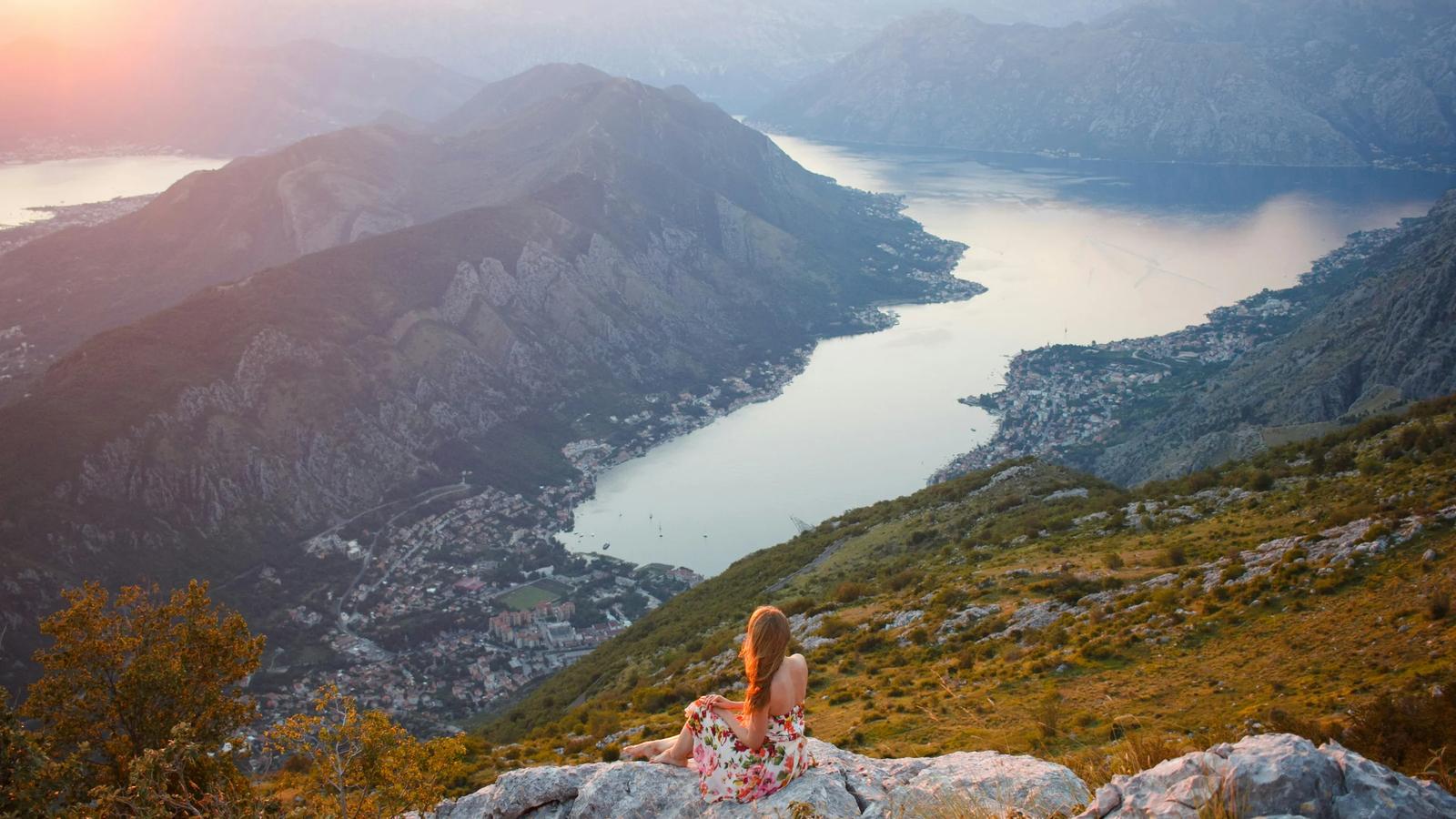
Montenegro is a country of contrasts. The coast runs on Mediterranean ease; mountains and monasteries follow Balkan conservatism. As a solo female traveller, recognising both contexts saves you from passive-aggressive looks and outright denial of entry to religious sites.
| Location | What works | What to skip |
|---|---|---|
Beaches and promenades (Budva, Becici, Sveti Stefan) | Swimwear, bikinis, sarongs, shorts, mini skirts | Topless on public beaches (only private hotel sections allow it) |
Old Towns (Kotor, Budva) | Casual summer wear, light dresses | Swimwear in shops or restaurants – fines apply |
Restaurants and bars | Casual; smart casual in the evening | Beach attire after 7 pm in nicer establishments |
Monasteries (Cetinje, Ostrog) | Skirt or trousers below knee, sleeves covering shoulders, headscarf | Shorts, mini, sleeveless tops, sheer fabric – entry refused |
Rural areas, northern Montenegro | Modest casual wear | Revealing tops, very short shorts – attracts attention |
The practical workaround: carry a lightweight, neutral-coloured cotton scarf or sarong in your day bag. It's a backup for monastery entry, a windbreaker for evening Bay-of-Kotor breeze, and a beach mat – one accessory covering three scenarios.
Cities and neighbourhoods: where to base yourself solo
The city you pick fundamentally shapes how solo travel feels.
- Kotor – the strongest first solo pick. The compact Kotor Old Town circles in 30 minutes, crowds keep moving until midnight, and hostels turn into companion-finding hubs from day two. Downside: peak season (July-August) doubles the population thanks to cruise ships.
- Tivat – the most «European» feel. Porto Montenegro marina, boutique hotels, low background hassle. Solo female reviewers repeatedly note that beach belongings stay where you leave them.
- Budva – go here if nightlife and active socialising are the point. Old Town is the heart of the city, but coastal clubs and bars are where unwanted attention lives. Standard nightlife rules apply: never leave a drink unattended.
- Herceg Novi – a quieter alternative. The town stretches vertically up the hillside; lots of stairs, mellow atmosphere. Downside for solos – less English-speaking service.
- Podgorica – the capital is for transit, not sightseeing. Safe but visually unrewarding for a solo trip.
When booking accommodation, prioritise places in historic centres with 24/7 reception – it's just practical when you arrive late. Booking.com works normally in Montenegro and Trip.com is a reliable alternative.

Solo transport: what works and what doesn't
The biggest blind spot for solo travellers – Uber and Bolt do not work in Montenegro the way they do in Tbilisi or Istanbul. Local taxi services exist, but interfaces are often Serbian/Montenegrin only and phone-based.
| Option | Price (Updated: April 2026) | Solo convenience | Risks |
|---|---|---|---|
City bus | 1 € per ticket | High during the day, low after 10 pm | Minimal |
Street taxi | 1 €/km + 1 € pickup | Medium | High risk of overcharging without meter |
Pre-booked transfer | 25–60 € from airport | High | Minimal |
Car rental | from 25 €/day off-season | High for confident drivers | Narrow mountain serpentines |
For airport transfers from Tivat or Podgorica the smart move is fixed-price services like Kiwitaxi or Welcome Pickups: driver meets you with a name sign, price is locked, free cancellation. The +10–15 € premium over a street cab buys you zero negotiation at 1 am with a stranger.
For inter-city travel, the bus network is genuinely workable – cheap, regular, safe. For drivers, aggregators of local rental companies like Localrent keep deposits low and don't always require an international credit card.
Solo trip budget for a week
2026 prices for a solo female traveller in mid-tier comfort, excluding flights.
| Item | Budget | Comfort | Where to save |
|---|---|---|---|
Stay (7 nights, 3* hotel) | 280–420 € | 490–700 € | Book 2+ months ahead; April and October are 30–40 % cheaper |
Food (3 meals/day) | 105–140 € | 210–280 € | Lunch at local cafés is 10 €, the same set seaside is 15–20 € |
Transport (buses + occasional taxi) | 35–60 € | 100–150 € | Inter-city bus 5–8 € beats a 40 € taxi every time |
Tours (2 group experiences) | 50–100 € | 150–250 € | Group day tours are 35–80 € |
Connectivity (eSIM 5–10 GB / 30 days) | 18–35 € | – | Comparison below |
Weekly total | 490–755 € | 950–1 380 € | – |
A realistic «average» for a solo female trip lands around 700–800 € for a week of moderate comfort. For reference: a seaside dinner in Budva with a glass of wine runs 25–35 €, the same meal one block off the promenade is 12–18 €.
Connectivity and digital safety
For a solo woman, working internet isn't a comfort feature – it's a safety tool. Sharing live location, calling a taxi via app, last-minute booking, translating signs at a monastery – everything depends on data. Local SIM cards from Mtel and Telenor cost 5–10 € at supermarkets but require a passport. eSIM installs in 5 minutes pre-flight without a shop visit – ideal if you arrive late at night.
eSIM tariff comparison for 2026:
| Provider | Plan | Price | Coverage |
|---|---|---|---|
Airalo (local) | 3 GB / 30 days | 12 € | Montenegro only |
Airalo (regional Europe) | 5 GB / 30 days | 18.5 € | 41 European countries – ideal for Albania + Montenegro + Croatia routes |
Yesim | Montenegro plan | from 7 € | Multi-currency support |
What's better: local Airalo eSIM is optimal if you stay in Montenegro only. If you cross borders (Albania, Croatia, Bosnia) – grab the regional package; one tariff covers the whole route. Yesim is convenient for travellers who prefer multi-language interfaces.
Warning: never connect to open Wi-Fi at cafés or airports without a VPN – it's basic solo-travel hygiene, especially when you're the single person controlling access to your finances and email.
Travel insurance: paperwork or necessity
Many solo travellers treat insurance as a visa formality. In Montenegro that's a mistake on two grounds.
First – the mountains. The country is 60 % mountainous terrain, and one-day hikes around Black Lake or Biogradska Gora National Park are standard programme. A sprained ankle 30 km from the nearest hospital costs 200–500 € for evacuation alone, before any medical care.
Second – since January 2026, Montenegro can legally bill tourists for mountain rescue operations in cases of gross negligence. A policy covers that line item; without one, it's out of pocket.
Basic 7-day insurance with adventure-sport coverage (trekking, rafting, canyoning) costs 8–15 € via Ekta.
Solo on group tours: the format that actually works
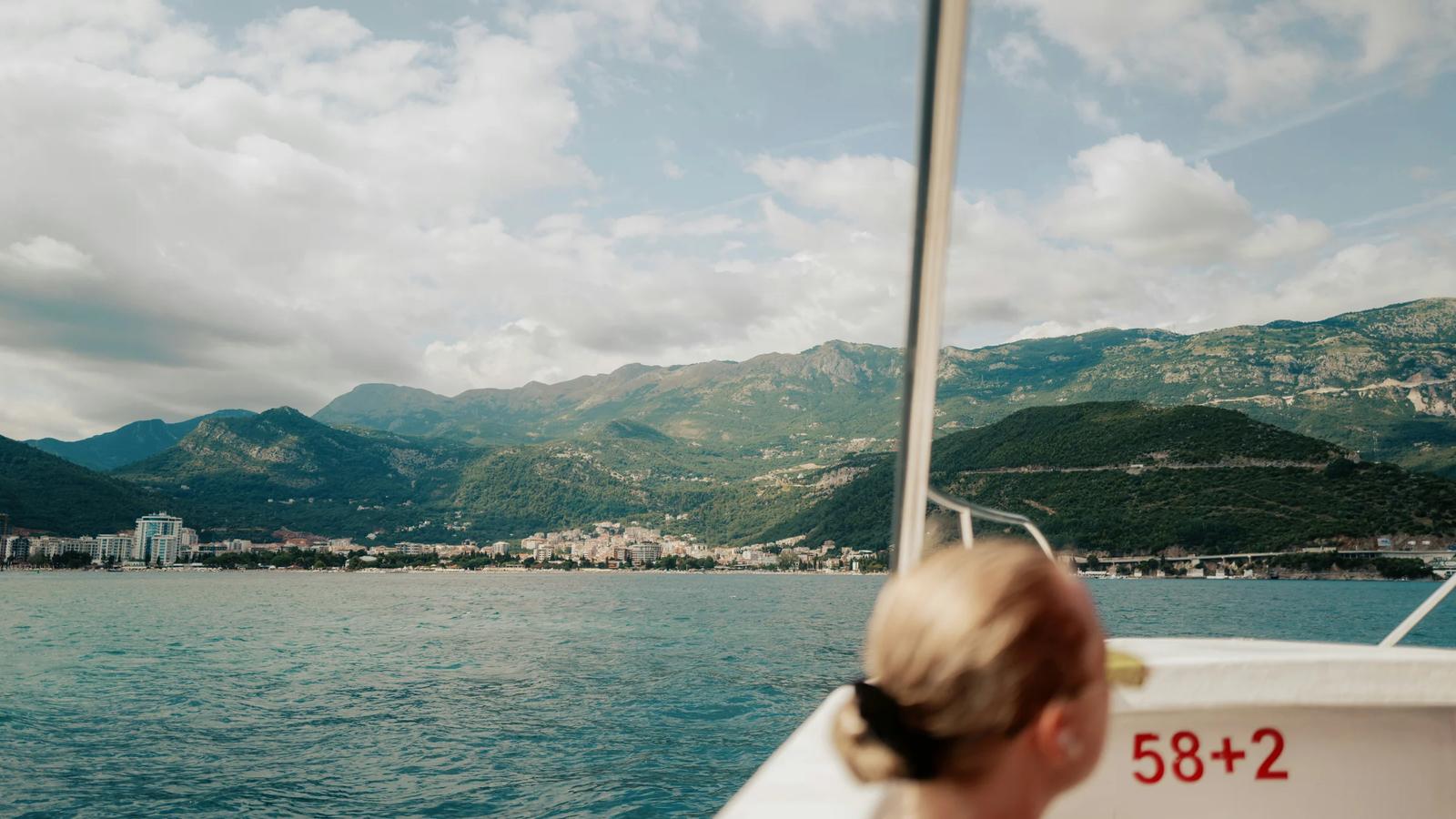
Group day tours are a real win for solo female travellers. They bundle socialisation, transport, guiding, and full-day supervision into one package – particularly valuable if you don't want to drive serpentines alone.
The most solo-friendly formats:
- Kotor Old Town Walking Tour – a 2-hour group walk through Old Town, from 25 € per person. Easy entry point for socialising on day one.
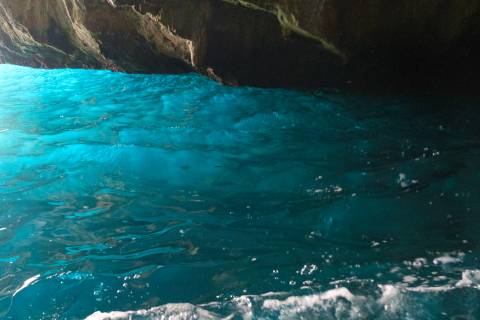
- Kotor: Blue Cave & Lady of the Rocks – the highest-rated boat tour in the country with 1900+ reviews, from 45 € per person.
- Lipa Cave 1-Hour Adventure – a low-effort outdoor pick from Budva, from 16.9 € per person.
- Great Montenegro Tour – Lovćen, Cetinje, Sveti Stefan in a single day, from 79 € per person.
- Tara River Rafting – Europe's deepest canyon by group raft, from 134 € per person, fully guided.
Pro tip: most tours run group-pickup format with 8–15 strangers, which is exactly the social density a solo traveller wants – you get conversation without any commitment.
Etiquette and cultural code: what to expect from locals
Montenegrins are direct but warm. As a solo woman, a few practical rules:
- Any «have a rakija on me» offer in a bar can be politely declined or accepted – it doesn't commit you to anything. But never leave the glass unattended, here or anywhere else.
- Politics and the Yugoslav wars are conversation minefields. Nature, food, and football are safer ground.
- «Hvala» (thank you), «Molim» (please), «Ne, hvala» (no, thank you) are the bare minimum that doubles local friendliness instantly.
- If a local invites you for coffee, 90 % of the time it's hospitality, not a pickup. Accept – but in a public place during daylight.
- Tipping isn't mandatory; rounding the bill or leaving 10 % is standard.
Frequently Asked Questions
Is it safe for a woman to walk Montenegro's old towns alone in the evening?
Yes. Independent solo female travel safety indexes consistently rank Montenegro in the global top 15. Kotor, Budva, and Tivat stay lively until midnight in summer, lighting is fine, and police presence is regular. Standard precautions (don't flash an expensive phone, don't drink yourself into «I forgot where I'm staying» territory) cover it.
What exactly do I need to wear to enter Ostrog Monastery and other religious sites?
A skirt or trousers below the knee plus shoulders covered. At Ostrog you also need a headscarf (free or 1–2 € rental at the entrance). Shorts, capris, and sleeveless tops mean automatic refusal – even after a 2-hour drive from Budva. The clean solution is a light scarf-sarong in your day bag; it covers shoulders, knees, and head simultaneously.
What's the best base for a solo trip without a rental car?
Kotor Old Town – ideal for walking and hostel-based socialising. Tivat – for European-grade infrastructure and quiet. Budva – if nightlife and beach are the goal. Avoid stays outside city centres without a car: evening buses are sparse and the lack of taxi apps turns every late ride into a price negotiation.
What do I do if someone is too persistent in a bar or club?
A confident «Ne, hvala» works 9 times out of 10. If it doesn't – move to a group of other tourists or sit closer to the bar staff. Bartenders in tourist-area venues are used to this and will help. Don't hesitate to leave – with no Uber, save your hotel's licensed taxi number ahead of time.
Should I book group tours or hire a private guide as a solo traveller?
Group tours win for first-timers: lower cost, instant socialisation, no decisions to make. Private guides make sense if you want a specific niche (wine, history, hiking) or you're with one or two friends and splitting costs. For Montenegro, group day tours from Kotor or Budva are the most efficient way to cover the country in 5–7 days without driving.
Conclusion
Montenegro is one of Europe's friendliest destinations for solo female travel. No exotic precautions are needed – just standard road sense, a scarf in your bag for monasteries, and the understanding that bar flirting is local norm, not aggression. The real traps here aren't safety issues but logistics: no Uber/Bolt, mandatory dress codes at religious sites, and mountain rescue bills since 2026. Account for those three and what's left is potentially the best solo trip of your life.
Sources
- Global Peace Index 2025/2026 – country safety rankings
- US Department of State Travel Advisory
- Solo Female Travel Safety Index – Montenegro
- National Tourism Organisation of Montenegro – official visitor rules
Places to see in Montenegro
You may also like
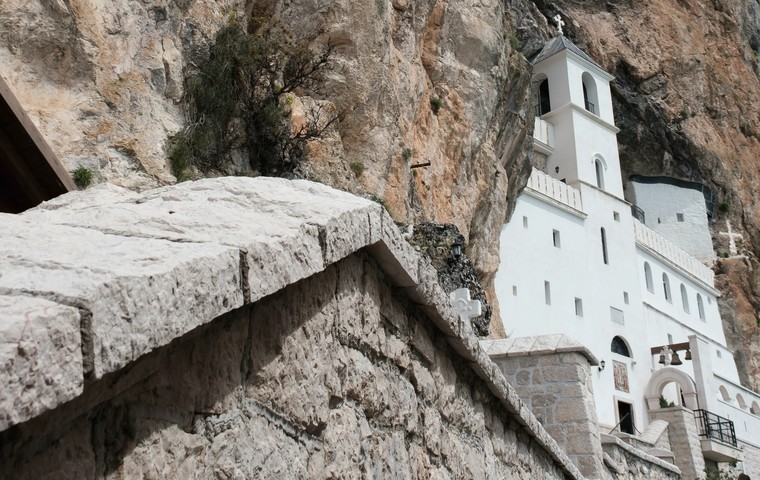
Ostrog Monastery: How to Reach the Cliff-Carved Shrine Without Hitting the Saturday Crowds
Ostrog is carved into a vertical cliff at 900m – but the real challenge isn't the road, it's timing. Here's how to get there, what it really costs, and the visiting window most guides miss.
April 21, 2026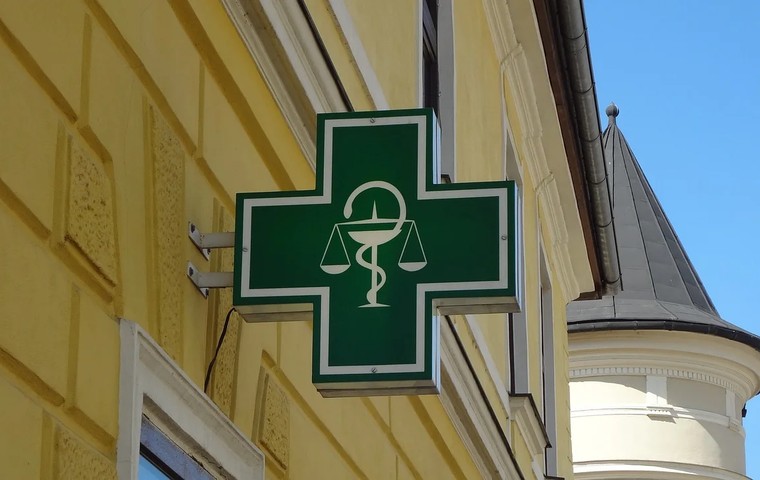
Pharmacies in Montenegro: What's Over-the-Counter, What Needs a Prescription, Real Prices
Antibiotics, sedatives and many "everyday" meds are prescription-only here. What to pack, what to buy locally and how to ask the pharmacist when you don't speak the language.
April 25, 2026
Bar, Montenegro: Ancient Ruins, 2 000-Year-Old Olives & a Working Port
Bar is Montenegro's only ferry port to Italy and the terminus of the Belgrade–Bar railway. Stari Bar fortress, a 2 000-year-old olive tree, quiet beaches, and prices 30% below Budva.
March 21, 2026
Travel Apps for Montenegro 2026: No Uber, No Wolt, Glovo Delivers, eSIM Saves
Uber and Bolt don't work in Montenegro, Wolt left, Google Maps gets addresses wrong. The 7 apps that actually work in 2026, with prices and local quirks.
April 26, 2026
Montenegro Markets (Pijaca): How to Buy Real Cheese at €8/kg, Kajmak and Wine
Budva's market is 1.5–2× more expensive than supermarkets, while Podgorica sells the same cheese at half price. Where to buy real Njeguški cheese, kajmak, pršut and Vranac without the tourist markup.
April 30, 2026
Wild & Secret Beaches of Montenegro: Where Crowds Actually Disappear
300 km of coast, but most of it is sunbeds and crowds. 12 beaches where logistics beat popularity – and why Montenegro's "untouched beach" is mostly a myth.
April 24, 2026