Kotor Old Town
Stari grad Kotor
A compact historic core within Venetian walls.
About
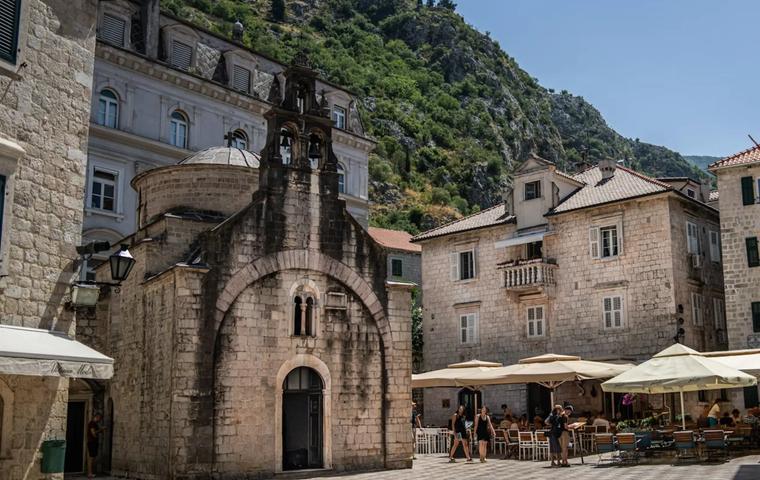
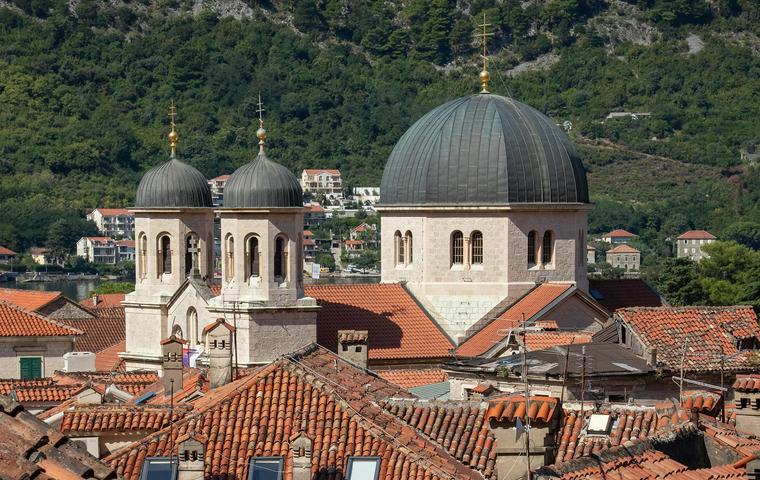
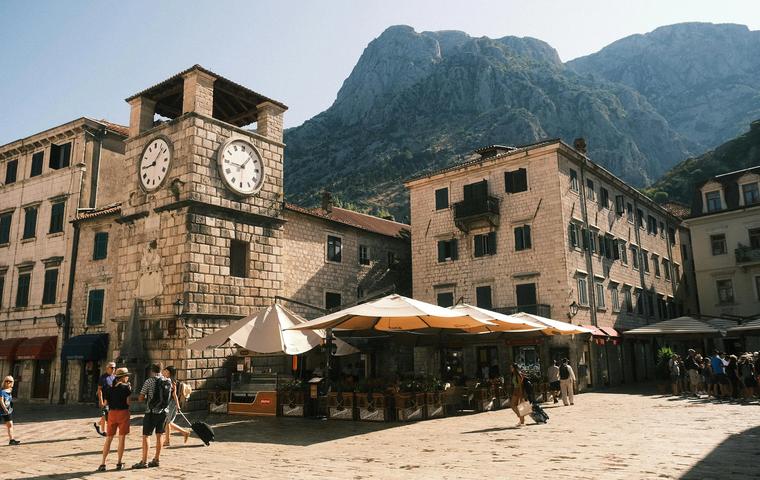
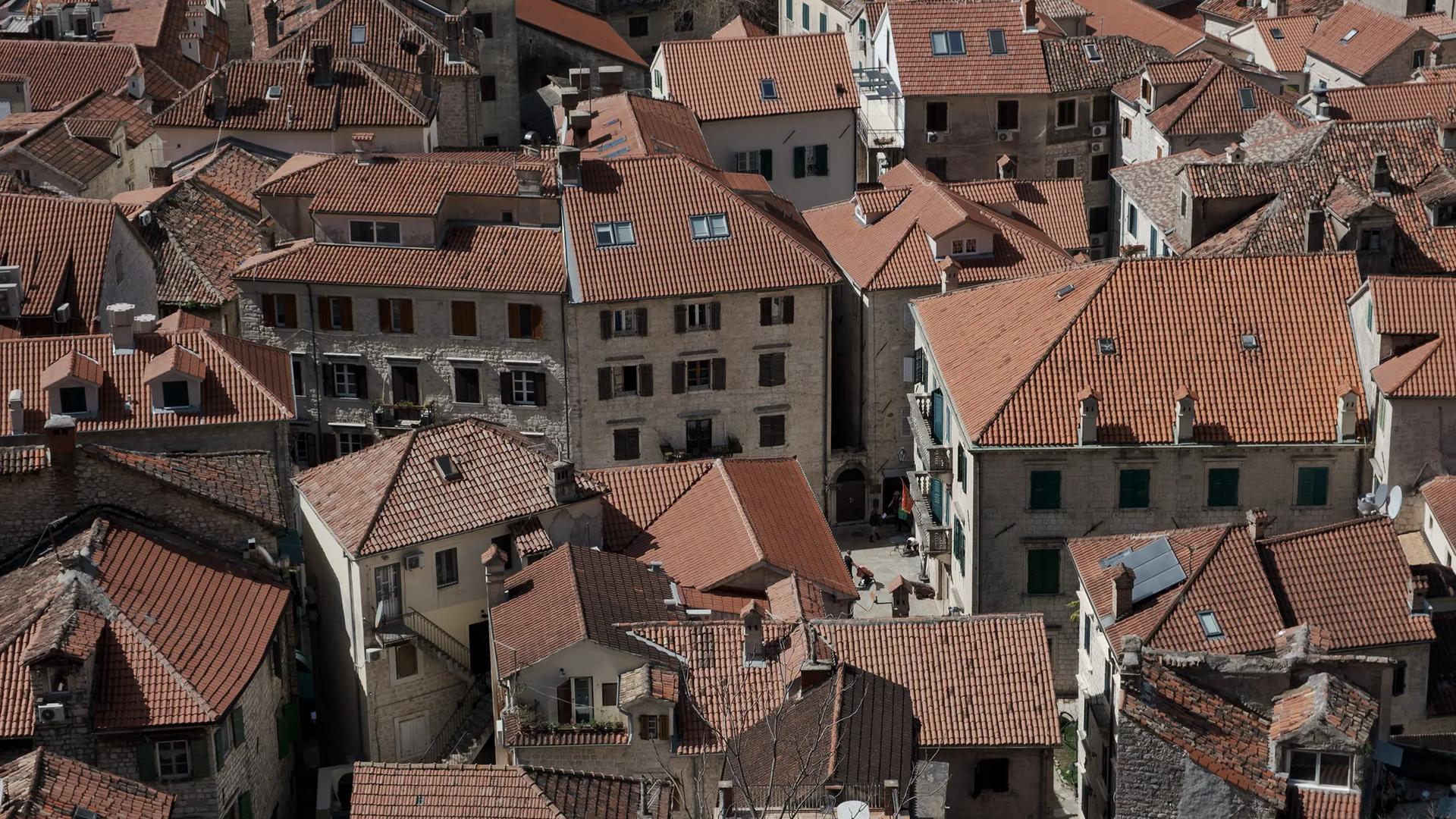
Lanes and small squares converge on Arms Square. Merchant palaces, bell towers and arcades span eras from the Middle Ages to the Austrian period. Stone, lime and the bay set the tone.
Transport
Travel time
On foot from Kotor center3–5 min.200 m
By car from Kotor1 min.270 m
From the airport Tivat · TIV12 min.6 km
On the map
Location
In detail
What's here
What is this place
Kotor Old Town is a medieval core at the end of the Bay of Kotor, entirely enclosed by city walls. It is part of the UNESCO World Heritage property “Natural and Culturo-Historical Region of Kotor”.
Key features
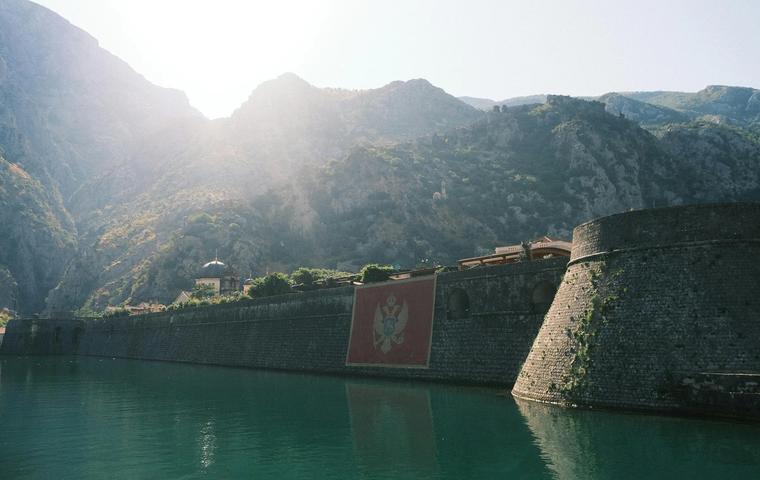
- City walls run up and around St John (Sveti Ivan) hill for about 4.5 km, forming a full defensive ring.
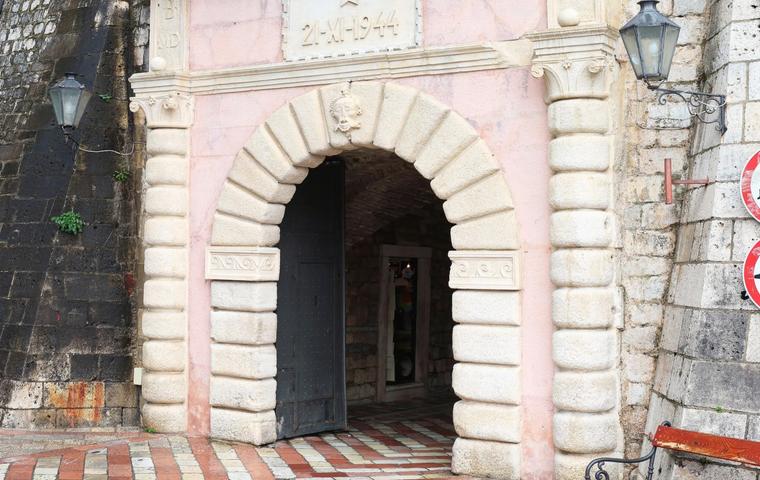
- Three main gates: the Sea Gate (west), the River/North Gate, and the Gurdic/South Gate – a classic seaside-fortress layout.
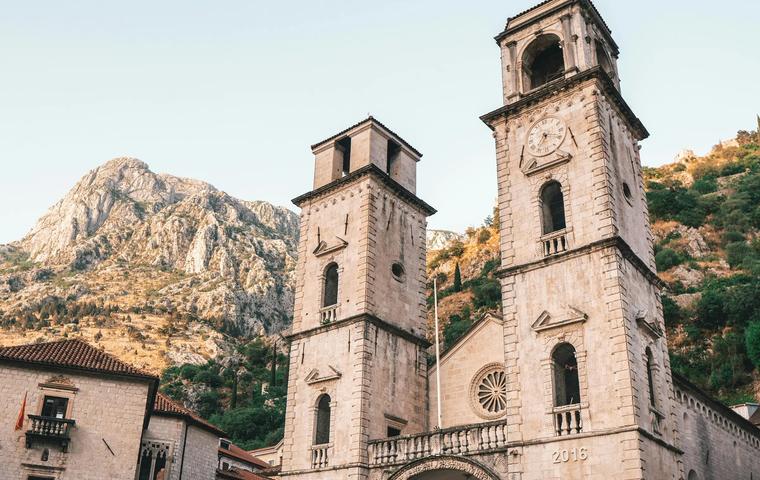
- The Cathedral of Saint Tryphon was consecrated in 1166 and remains Kotor’s emblem.
- The April 15, 1979 earthquake severely damaged the town; after restoration the site stayed on the “In Danger” list until 2003.
- UNESCO recognizes the site under criteria (i)–(iv) for its exceptional blend of urban fabric and fortifications in a dramatic bay landscape.
What to see
- Squares & ensembles: Arms Square (Trg od Oružja) with the Clock Tower and the former Napoleon Theatre.
- Churches: Cathedral of St Tryphon, churches of St Nicholas and St Luke.
- Palaces & details: Pima, Drago and Grgurina palaces; the historic Karampana fountain.
History
A settlement beneath St John hill is attested since antiquity; by the 9th–12th centuries the upper hillfort and the lower coastal town took shape, with early churches and wall segments. The Cathedral of St Tryphon was consecrated in 1166.
The Venetian period (15th–18th centuries) was pivotal: bastions were reinforced, squares laid out, and palaces and monasteries built. Rule alternated among Serbian, Hungarian, Bosnian, Ottoman and Austrian authorities, leaving a mix of styles.
In modern times, the 1979 earthquake was decisive; that same year Kotor entered the UNESCO List and the “In Danger” list, from which it was removed in 2003 after extensive restoration and international support.
Practical information
Location: Inside the fortified walls on the south shore of the Bay of Kotor, at the foot of Mt Lovćen.
Getting there: Enter via the Sea Gate on the waterfront, the River/North Gate by the moat, or the Gurdic/South Gate; from Dobrota and Prčanj you can walk along the seaside promenade.
Access: Pedestrian zone; vehicular entry restricted. Core streets and squares are open year-round.
Visiting hours: Daily; churches and museums keep separate schedules.
Visit duration: 2–4 hours for an overview; 4–6 hours with museums.
Best time: Early morning or after sunset in high season; spring and autumn are quieter.
Notes: Expect heat and cruise-ship crowds in summer; wear good non-slip shoes for cobbles and slopes.
Kotor Old Town
Articles about this place

Accommodation
Aman Sveti Stefan Is Open Again: From $2 512 a Night and Why the Waitlist Is Real
Montenegro's iconic island resort is back after five years. 57 rooms in restored 15th-century stone cottages, a private beach in an emerald lagoon, and a 2 500 m² spa – what's inside and when to book.
July 08, 2026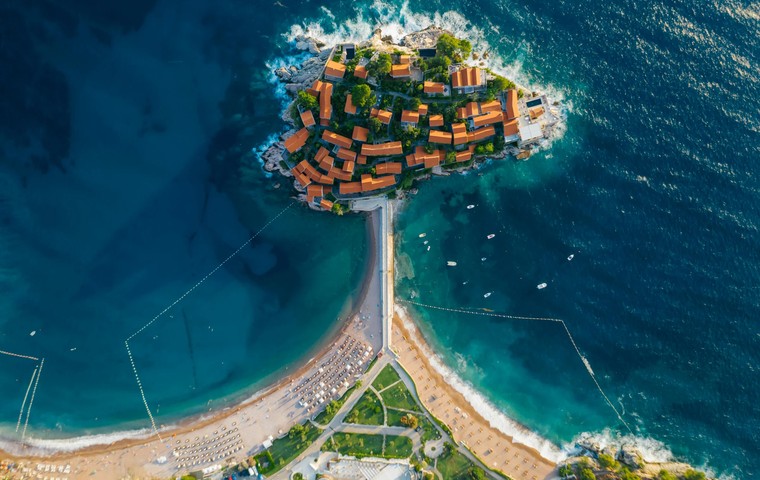
Tips
Montenegro in August: +32 °C, Budva Crowds and Where to Actually Go Instead
Peak season: sea at +26 °C, hotels cost double May rates, Budva is packed. Here's where to stay smarter – Ulcinj, Žabljak, Herceg Novi – and what it really costs.
April 21, 2026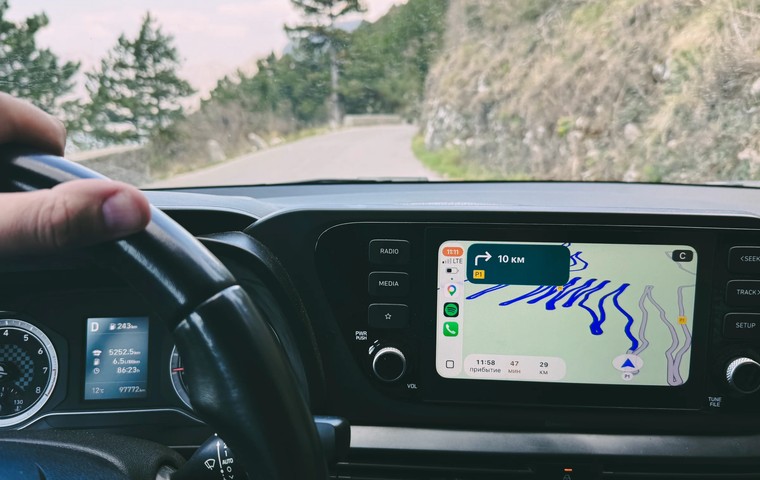
Tips
Travel Apps for Montenegro 2026: No Uber, No Wolt, Glovo Delivers, eSIM Saves
Uber and Bolt don't work in Montenegro, Wolt left, Google Maps gets addresses wrong. The 7 apps that actually work in 2026, with prices and local quirks.
April 26, 2026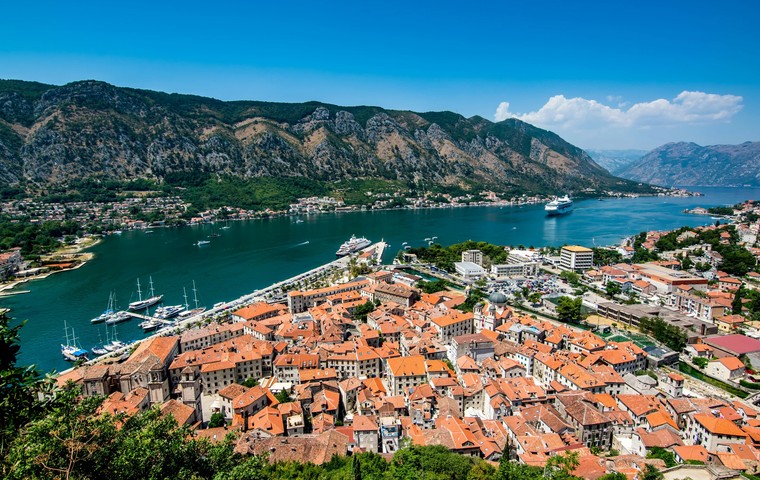
Tips
Montenegro Prices 2026: Real Weekly Budget – From €480 Bare-Bones to €2 000 Comfort
What a week in Montenegro costs in 2026: lodging, food, car rental, tours.
April 27, 2026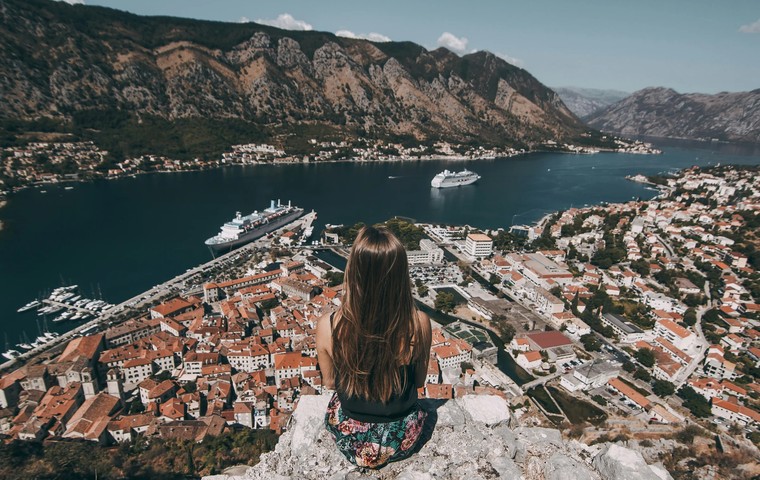
Tips
Solo Female Travel in Montenegro: Real Safety Stats, Dress Codes & Hidden Traps
Montenegro ranks #14 globally for female solo travel safety. Honest take on what works, where to watch out, and why Ostrog Monastery turns away tourists in shorts.
April 25, 2026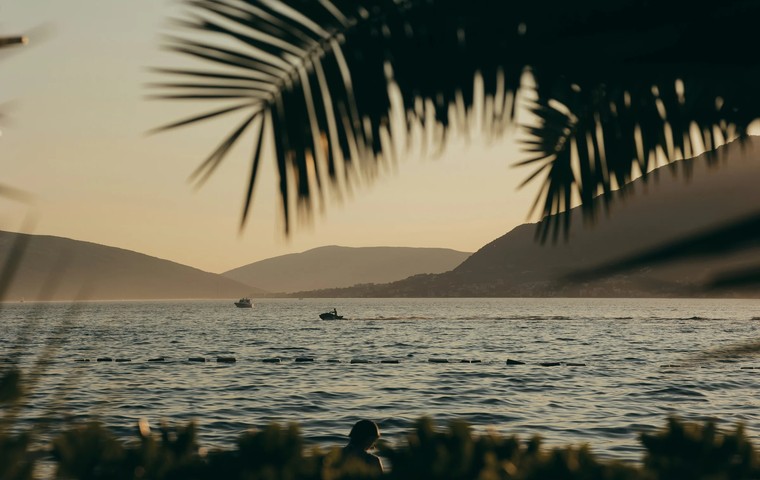
Tips
Montenegro or Cyprus for Summer: Price, Beach & Logistics Comparison
Montenegro is 30–40% cheaper, easier to reach, and packed with wild coastline. Cyprus counters with warmer seas and longer season. Here's a point-by-point breakdown.
April 09, 2026Nearby