Blog · Tips
Montenegro or Cyprus for Summer: Price, Beach & Logistics Comparison
 Tips
TipsIn this article
Some links are affiliate links. You pay the same, and we may earn a commission.
Montenegro is 30–40% cheaper, easier to reach, and packed with wild coastline. Cyprus counters with warmer seas and longer season. Here's a point-by-point breakdown.
Montenegro wins on three practical fronts for a summer 2026 trip: lower prices across the board, simpler flight connections from most European hubs, and a coastline that mixes organised beaches with hidden coves you won't find on Cyprus. Cyprus fights back with warmer sea temperatures from early June, an extended season stretching into November, and a well-developed all-inclusive hotel segment. Below is a detailed comparison to help you choose.
Key takeaways:
- Flights: Montenegro has two airports – Tivat (10 min from the coast) and Podgorica. Multiple direct connections from European cities. Cyprus serves Larnaca and Paphos with good coverage from the UK and Northern Europe.
- Accommodation (rated 8+): Montenegro – from €70 per night for a 3-star hotel. Cyprus – from €80–150 per night for comparable quality.
- Lunch at a café: Montenegro – €10–15. Cyprus – €15–20.
- Sea temperature in July: Montenegro – 24–26 °C. Cyprus – 27–29 °C.
- Car rental: Montenegro – from €25/day via Localrent. Cyprus – from €30–50/day.
- Weekly budget (couple): Montenegro – €900–1,400. Cyprus – €1,200–1,800.
Getting There
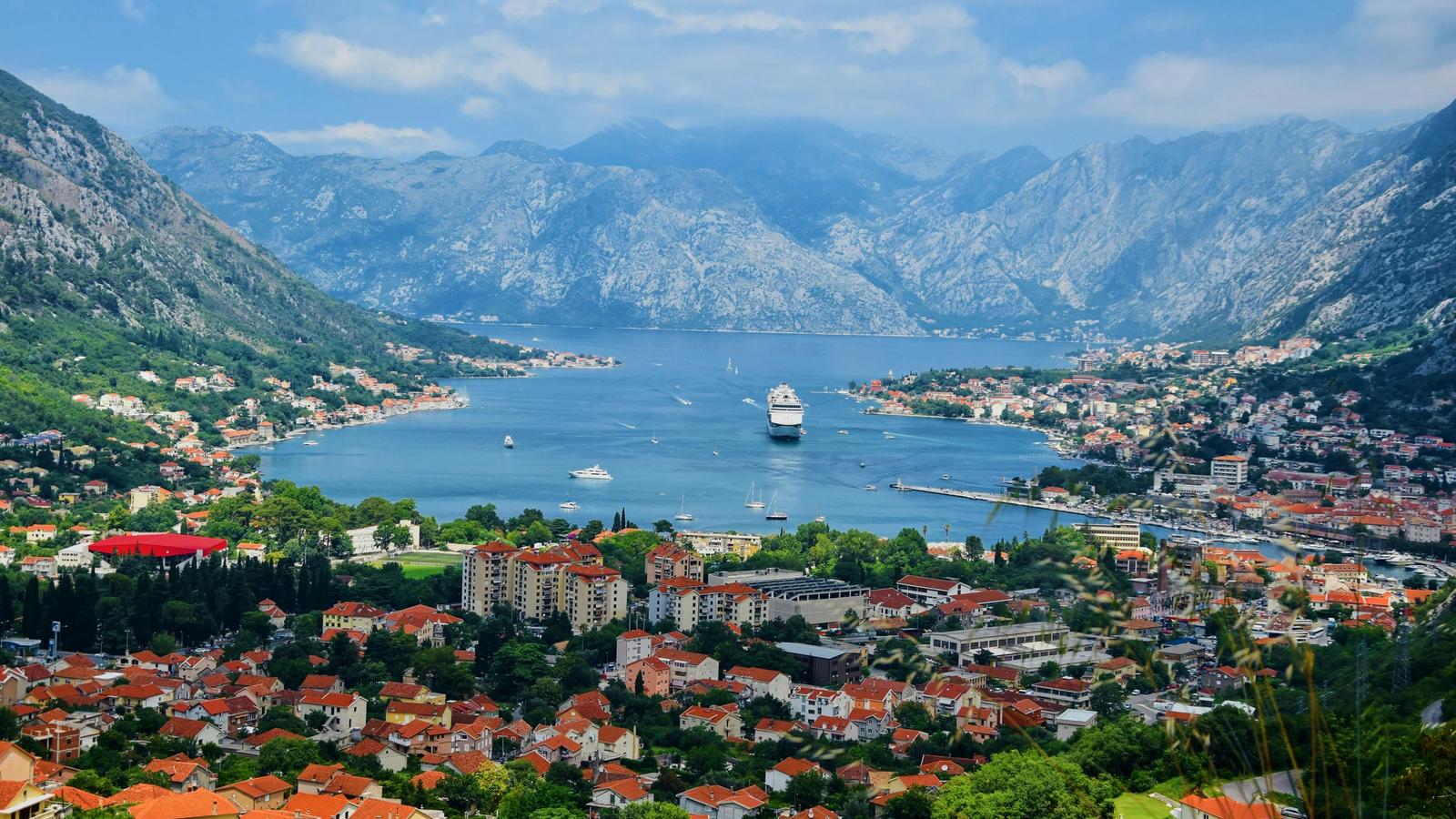
Montenegro is well connected via low-cost and major carriers. Tivat airport is just 10 minutes from Kotor and Tivat, making it one of the most convenient airport-to-beach transfers in Europe. Podgorica serves the capital and the northern mountains. Direct flights operate from London, Vienna, Paris, Belgrade, Istanbul, and many other European cities during summer.
Cyprus has two airports – Larnaca (the main hub) and Paphos. Flight coverage is excellent from the UK (about 4.5 hours) and strong from Northern Europe. However, connections from Eastern Europe or the Middle East may involve layovers. Larnaca airport is about 30 minutes from Ayia Napa and around an hour from Limassol.

Weather & Sea
Both destinations offer Mediterranean summers, but with notable differences in intensity.
Cyprus runs hotter. July and August regularly hit 33–38 °C with low humidity. Sea temperatures reach 27–29 °C by mid-June and stay warm through October. The downside – inland areas become uncomfortably hot, and even coastal towns can feel oppressive in peak August.
Montenegro is milder. Summer highs of 28–33 °C on the coast, with mountain breezes keeping things bearable. Sea temperatures peak at 24–26 °C. The swim season runs from mid-June to mid-September – shorter than Cyprus, but without the extreme heat.
| Month | Montenegro (air / sea) | Cyprus (air / sea) |
|---|---|---|
June | 27–30 °C / 22–24 °C | 30–33 °C / 24–26 °C |
July | 30–33 °C / 24–26 °C | 33–36 °C / 27–28 °C |
August | 30–33 °C / 25–26 °C | 33–38 °C / 28–29 °C |
September | 25–28 °C / 23–24 °C | 30–33 °C / 27–28 °C |
If you struggle with heat above 35 °C, Montenegro is the safer bet. If maximum sea warmth and a long season are your priority, Cyprus wins.
Beaches
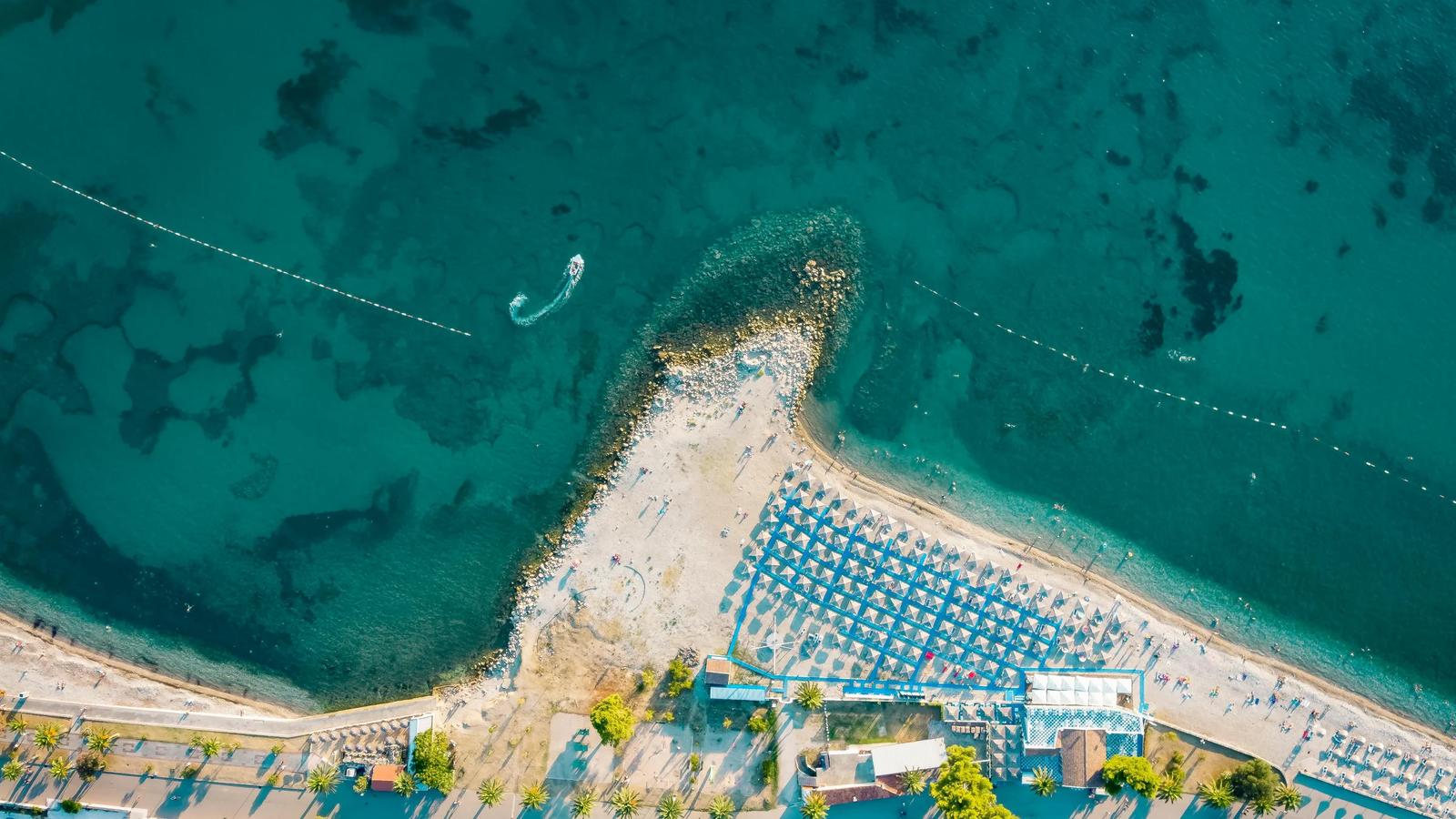
Cyprus beaches are predominantly sandy with gentle slopes – ideal for families with small children. The most popular resort zones include Ayia Napa (Nissi Beach is the standout), Protaras, Paphos, and Limassol. Beach access is free; a sunbed and umbrella set costs around €5. The coastline is well organised with restaurants, water sports rentals, and lifeguard stations.
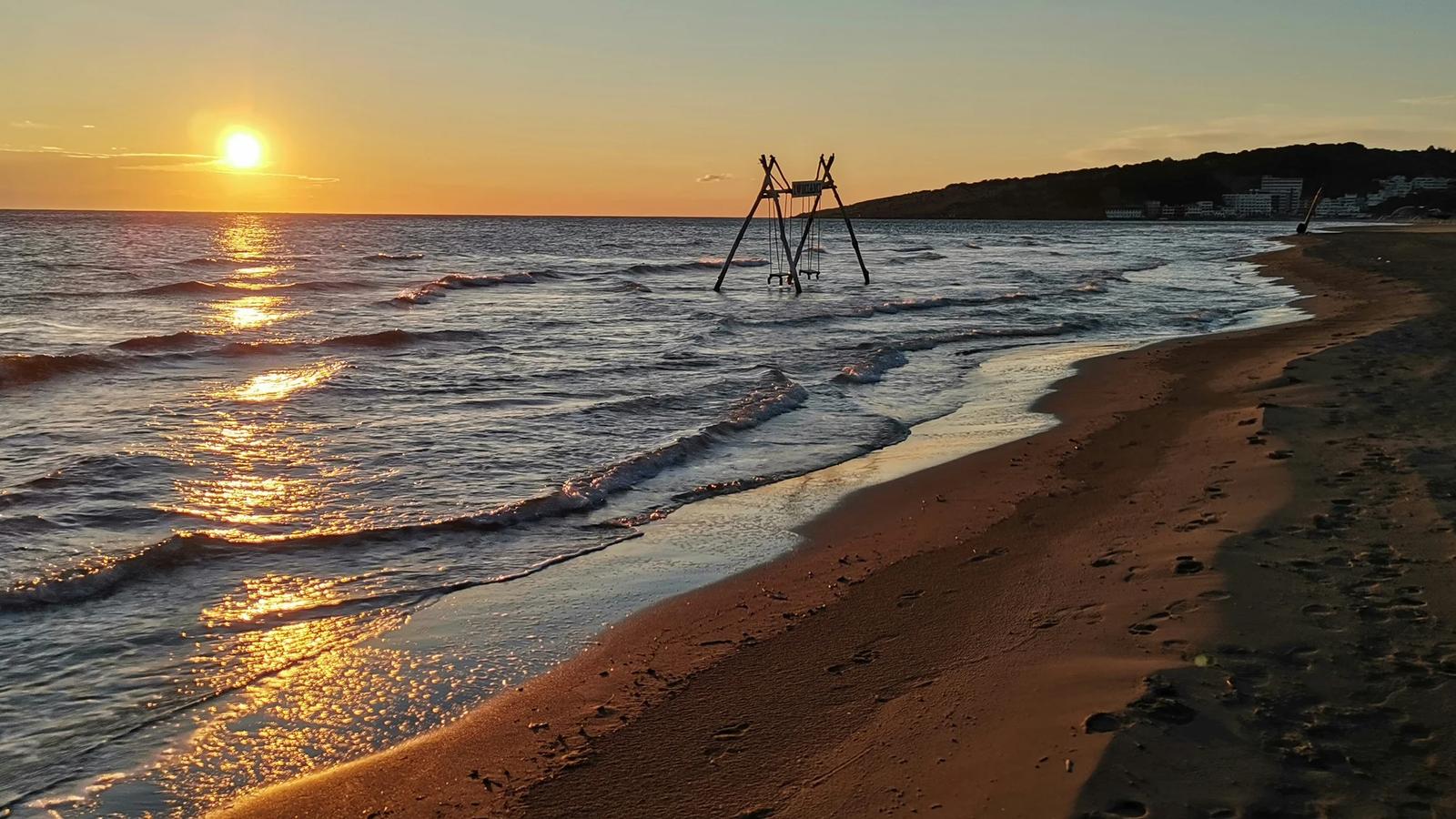
Montenegro's coastline is more varied. You'll find fine sand at Becici and Rafailovici, pebble-sand mixes at Budva, hidden rocky coves like Kamenovo Beach and Mogren Beaches, and the dramatic 12 km stretch of dark sand at Velika Plaza near Ulcinj. Sunbed prices range from €5–15 per pair depending on location.
The key difference: Cyprus offers more polished, resort-style beach experiences. Montenegro delivers more variety – from lively town beaches to secluded coves reachable only by boat or footpath.
Accommodation
Prices below are for properties rated 8+ on booking platforms. (Updated: April 2026)
| Type | Montenegro (July) | Cyprus (July) |
|---|---|---|
Studio apartment (2 pax) | €40–60 / night | €50–70 / night |
3★ hotel (8+ rating) | €70–100 / night | €80–150 / night |
4★ hotel | €100–160 / night | €150–250 / night |
All-inclusive 4–5★ | €150–250 / night | €250–400 / night |
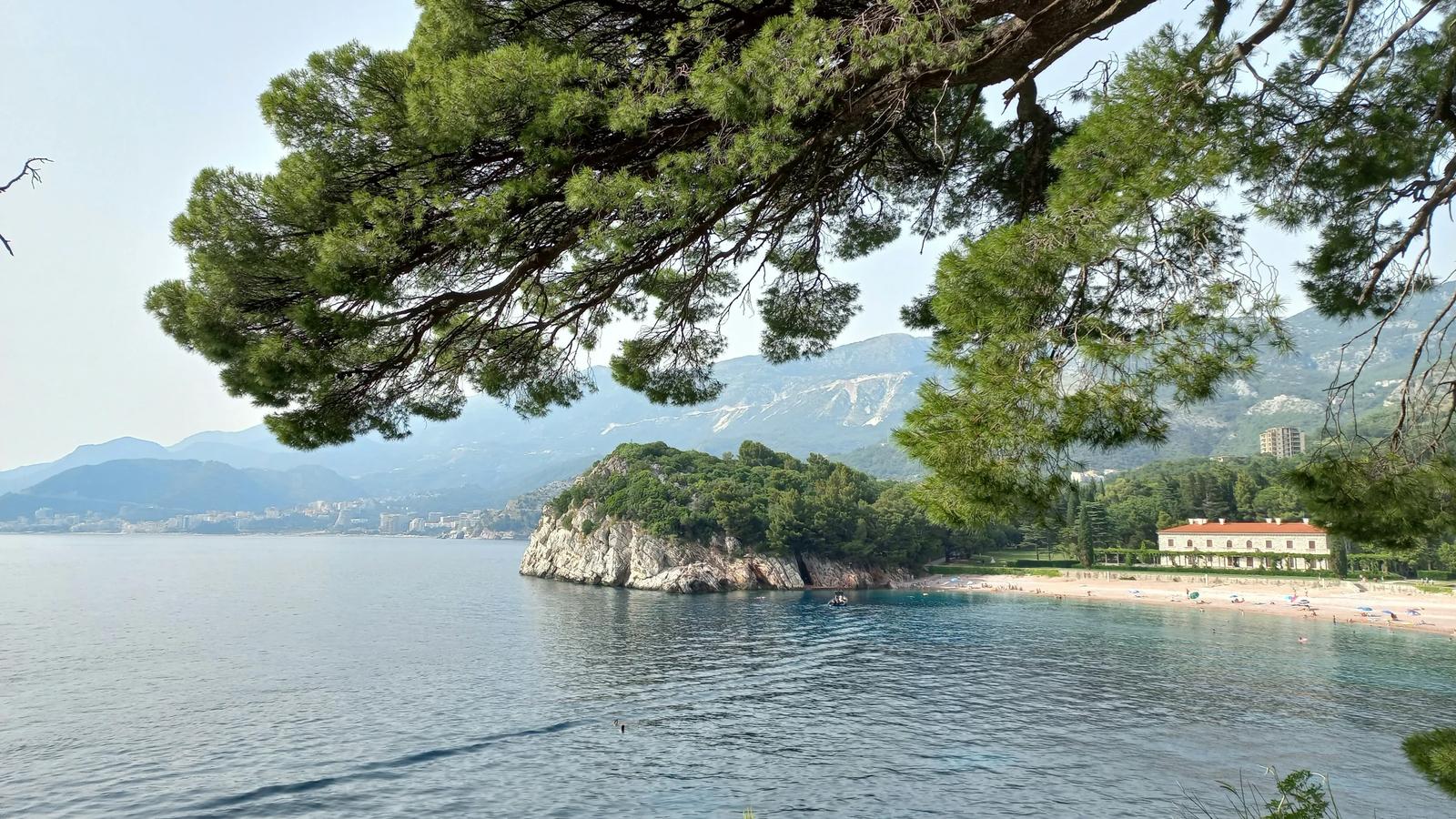
Montenegro's accommodation market leans heavily towards apartments and boutique hotels. All-inclusive options exist but are limited. This means more flexibility and lower costs, but also more self-catering. For curated picks, see the best family hotels in Montenegro and affordable seaside hotels.
Cyprus has a mature all-inclusive sector, particularly in Ayia Napa and Paphos, with large international chains offering full packages including kids' clubs, entertainment, and water parks.
Book via Trip.com or Booking.com for the widest selection in both countries.
Food & Daily Costs
Montenegro is noticeably cheaper for everyday expenses. (Updated: April 2026)
| Item | Montenegro | Cyprus |
|---|---|---|
Café lunch (1 person) | €10–15 | €15–20 |
Restaurant dinner (2 people) | €30–50 | €40–70 |
Cappuccino | €1.50–2.50 | €2.50–3.50 |
Beer (0.5L, bar) | €2–3 | €3–5 |
Weekly groceries (couple) | €70–100 | €100–140 |
Wine bottle (shop) | €4–7 | €5–10 |
Fish restaurants in Budva and Kotor will run you €25–40 for two with wine. A comparable meze dinner on Cyprus starts at €40 and climbs from there. For a full budget breakdown, see Montenegro prices in 2026.
Transport
Both countries are compact, but getting around works differently.
Montenegro has inter-city buses, but schedules can be inconvenient, especially in the north. Details in our bus guide. Taxis between towns are pricey (€20–40 for short hops). The best option is renting a car through Localrent – from €25/day with no deposit. Full details in our car rental guide.
Cyprus has limited public transport outside major cities. A rental car is essentially mandatory for exploring beyond resort zones. Expect €30–50/day. Note: Cyprus drives on the left (former British colony), which takes adjustment for continental European drivers.
| Factor | Montenegro | Cyprus |
|---|---|---|
Car rental | from €25/day | from €30–50/day |
Petrol (1L) | ~€1.50 | ~€1.40 |
Taxi (10 km) | €10–15 | €12–18 |
Inter-city bus | €3–8 | €4–7 |
Driving side | Right | Left |

Sightseeing & Tours
This is where both countries shine, but in different ways.
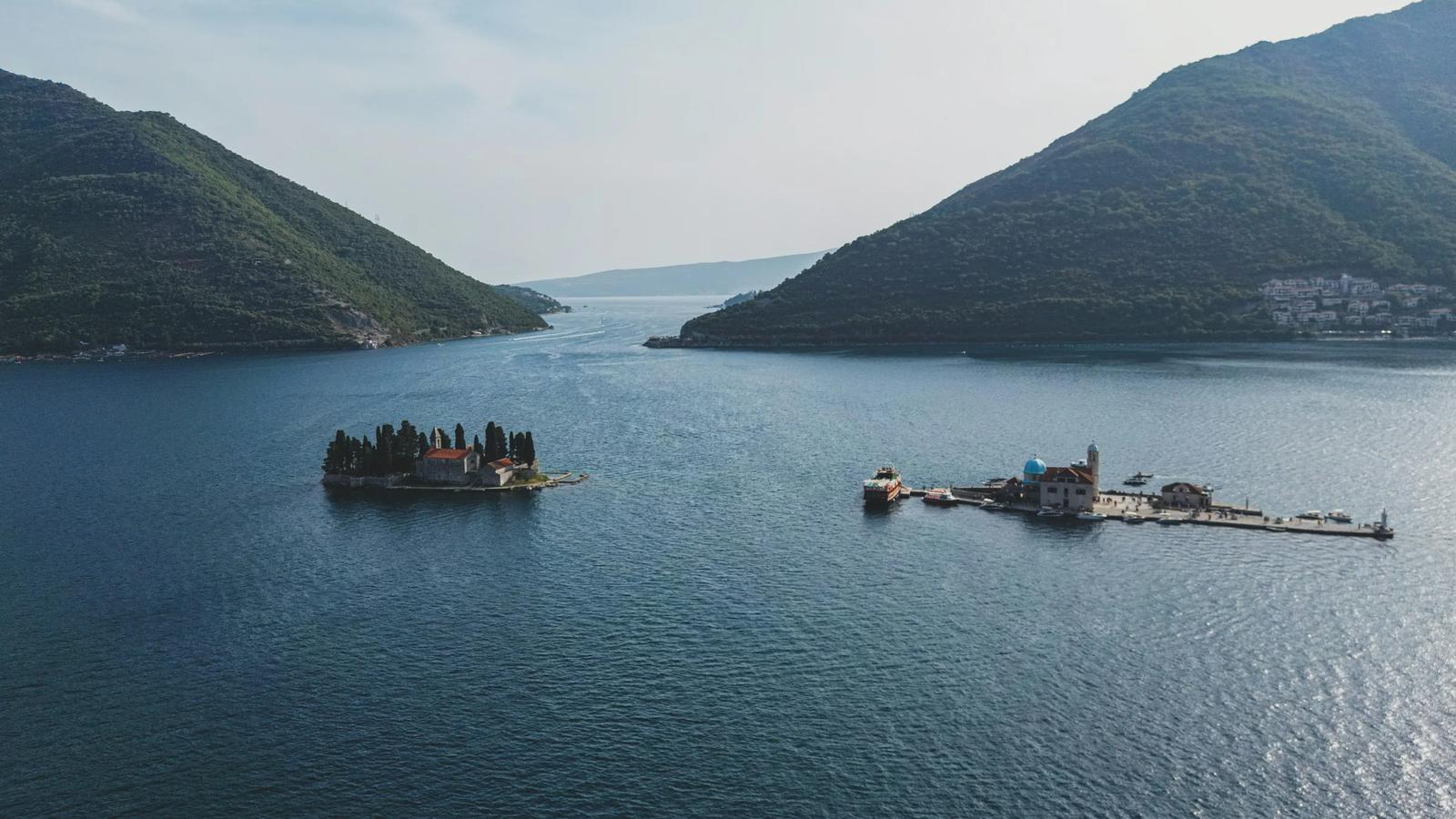
Montenegro packs an extraordinary density of natural and historical sites into a tiny area. In one trip you can explore the medieval Kotor Old Town, climb the Castle of San Giovanni, visit Our Lady of the Rocks in Perast, raft through Tara Canyon, and hike Durmitor National Park.
Top-rated English-language tours:
- Blue Cave, Secret Tunnels & Lady of the Rocks – from €45 per person (rating 4.8, 1 918 reviews). The most popular boat tour from Kotor.
- Great Montenegro Tour: Lovcen, River Crnojevic, Sveti Stefan – from €79 per person (rating 4.9, 637 reviews). A full-day overview hitting all the highlights.
- North Montenegro: Durmitor, Tara & Ostrog – from €84 per person (rating 4.9, 413 reviews). Deep dive into the mountainous north.
Cyprus focuses on archaeology, wine tourism, and beach relaxation. The Paphos Archaeological Park (UNESCO), Aphrodite's Rock, Troodos mountain monasteries and wineries, and the medieval Kolossi Castle are the main draws. Group excursions typically run €40–80 per person.
Who Should Choose Which
Choose Montenegro if you:
- Want to save 30–40% on your overall budget
- Prefer active holidays – canyons, rafting, hiking, kayaking
- Like hidden coves and varied coastline over resort-style beaches
- Want compact geography where coast and mountains are 90 minutes apart
Choose Cyprus if you:
- Prioritise maximum sea warmth (28–29 °C) and a season stretching to November
- Want all-inclusive hotels with kids' clubs and entertainment
- Are interested in archaeology and wine tourism
- Don't mind higher prices for more polished infrastructure
For families with young children under 5, Cyprus may be more comfortable thanks to sandy beaches and established resort infrastructure. For couples and active travellers, Montenegro offers more variety at lower cost.
Insurance
Travel insurance is not a legal entry requirement for either country, but it's strongly recommended for both. Montenegro's medical costs for foreigners start at €50 for a basic consultation, and emergency treatment can easily exceed €1,000. For Cyprus, travel insurance is typically required as part of the visa application process (minimum €30,000 coverage). Check visa requirements for your nationality to confirm.
Summary Comparison
| Criterion | Montenegro | Cyprus |
|---|---|---|
Visa | Check your nationality | Check your nationality |
Weekly budget (couple) | €900–1,400 | €1,200–1,800 |
Sea temp (July) | 24–26 °C | 27–28 °C |
Air temp (July) | 30–33 °C | 33–36 °C |
Beaches | Pebble + sand, coves | Sandy, organised |
Car rental | from €25/day | from €30–50/day |
Tours (English) | Excellent variety | Good, less diverse |
All-inclusive | Limited | Extensive |
Cuisine | Balkan + seafood | Greek + meze |
Frequently Asked Questions
1. Which is cheaper – Montenegro or Cyprus?
Montenegro, by a significant margin. Expect to spend 30–40% less on accommodation, food, and transport. A typical weekly budget for a couple in Montenegro runs €900–1,400, compared to €1,200–1,800 in Cyprus. The gap is most noticeable in restaurant prices and mid-range hotel rates.
2. Where is the sea warmer – Montenegro or Cyprus?
Cyprus. Water temperatures reach 27–28 °C in July compared to 24–26 °C in Montenegro. The Cypriot sea warms up earlier (by early June) and stays swimmable longer (through late October). Montenegro's comfortable swimming season runs from mid-June to mid-September.
3. Which is better for families with children?
It depends on the age group and travel style. For toddlers and young children, Cyprus offers gentler sandy beaches, established resort hotels with kids' clubs, and consistently warm sea. For older children (7+), Montenegro provides more adventure – kayaking, canyons, fortresses, and caves. See our family hotel picks for Montenegro.
4. Do I need a car in either country?
In both, a car significantly improves the experience. In Montenegro, you can manage with buses between major coastal towns, but reaching the mountains and hidden beaches requires driving. In Cyprus, a car is practically essential outside Ayia Napa and Limassol. Note that Cyprus drives on the left side of the road.
5. When is the best month to visit each country?
For Montenegro, June and September are ideal – warm enough for swimming, fewer crowds, and lower prices than July-August peak. For Cyprus, May-June and September-October offer the best balance of warm sea temperatures without extreme heat. July-August works for both if you tolerate high temperatures.
Conclusion
Montenegro offers better value, more varied landscapes, and simpler logistics for most European travellers in summer 2026. Cyprus counters with warmer seas, a longer season, and superior all-inclusive infrastructure. Neither is the wrong choice – the question is whether you prioritise budget and adventure (Montenegro) or warmth and convenience (Cyprus). If Montenegro interests you, explore the price breakdown for 2026 or start with the Kotor vs Budva comparison to pick your base.
Also read
- Montenegro Prices in 2026
- Kotor vs Budva: Detailed Comparison
- Albania vs Montenegro – Which to Choose
- Car Rental in Montenegro
- Montenegro in June
Sources
- Government of Montenegro – visa regime and entry conditions
- Republic of Cyprus – visa requirements
- Cyprus tourism statistics and pricing data
Places to see in Montenegro

You may also like
Montenegro in July: +31°C, Peak Prices & What They Don't Tell You
July is Montenegro's hottest and priciest month – 31°C air, 25°C sea, packed beaches. Here's what it actually costs, where to find space, and what to skip.
March 06, 2026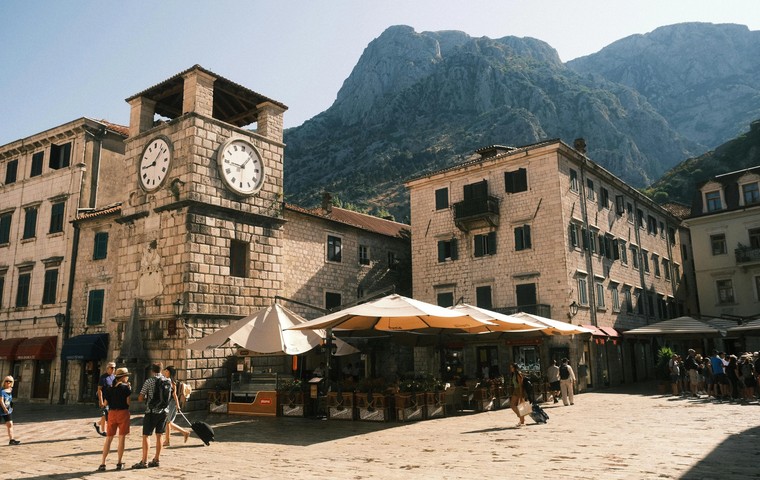
Kotor vs Budva: Honest Comparison – Where Should You Actually Stay in Montenegro?
Kotor has the fjord and fortress walls, Budva has the beaches and nightlife. We compare prices, accommodation, transport and hidden catches so you can pick the right base.
March 07, 2026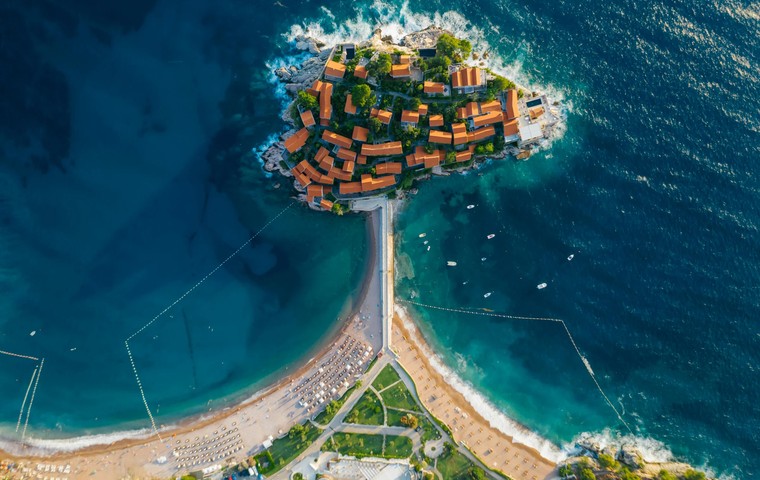
Montenegro in August: +32 °C, Budva Crowds and Where to Actually Go Instead
Peak season: sea at +26 °C, hotels cost double May rates, Budva is packed. Here's where to stay smarter – Ulcinj, Žabljak, Herceg Novi – and what it really costs.
April 21, 2026Bar or Ulcinj: Which Southern Montenegro Town Should You Pick?
Bar costs 20% less, but Ulcinj has Montenegro's best sandy beaches. An honest comparison of accommodation, food, sights, and vibe – so you don't regret your choice.
March 28, 2026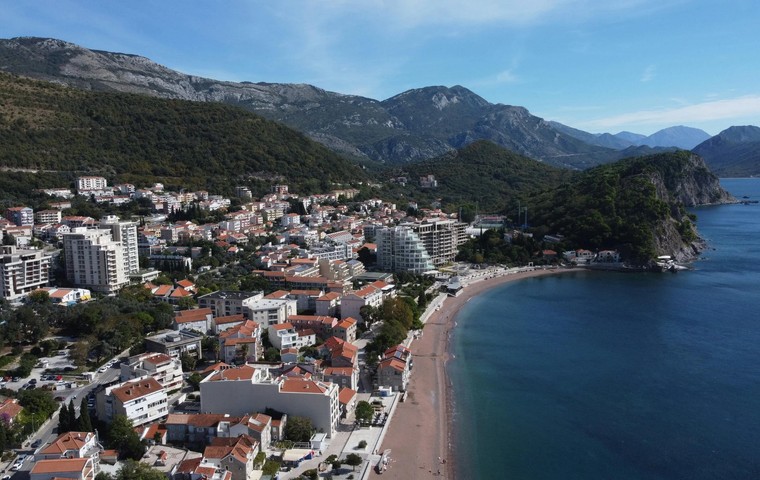
Petrovac for Family Holidays: Calm Beaches, Coastal Trails & Hotels That Actually Work for Kids
Petrovac is Montenegro's quietest Riviera resort – gentle entry to water, stroller-friendly trails through pine forests, and quality hotels from €70/night. Here's what guidebooks don't tell you.
March 08, 2026
Bar, Montenegro: Ancient Ruins, 2 000-Year-Old Olives & a Working Port
Bar is Montenegro's only ferry port to Italy and the terminus of the Belgrade–Bar railway. Stari Bar fortress, a 2 000-year-old olive tree, quiet beaches, and prices 30% below Budva.
March 21, 2026