
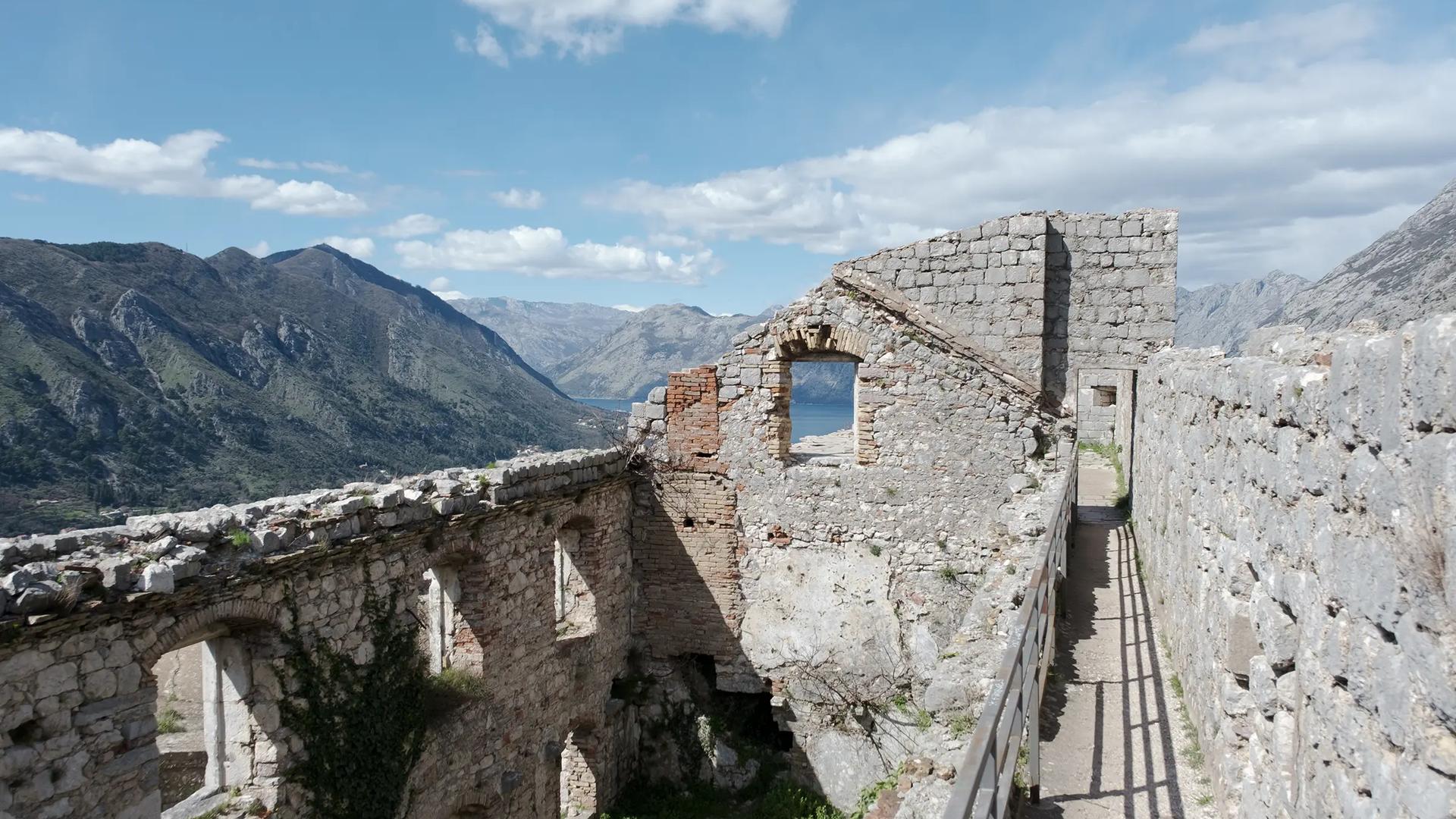
Castle of San Giovanni
San Đovani
The upper citadel crowning Kotor’s fortifications.
About
Ramparts climb the slope to terraces and bastions of the fortress. From the top you read the bay’s outline and the town plan. The defensive core took shape in the Venetian era.
Transport
Travel time
On foot from Kotor center23–35 min.600 m
By car from Kotor2 min.810 m
From the airport Tivat · TIV12 min.6 km
On the map
Location
In detail
What's here
What is this place
The Castle of San Giovanni (St John’s Fortress) is Kotor’s upper fortress, sitting on a 260-m slope directly above the Old Town. It forms the main part of Kotor’s historic defensive system and is the city’s most famous panoramic climb.
Key features
- Fortifications developed between the 9th and 15th centuries, with major expansion under Venetian rule.
- The defensive walls stretch for about 4.5 km, reaching over 20 m in height in some sections.
- The ascent follows a path of ~1350 steps along the inner slope.
- Along the route are small bastions, viewpoints and the Church of Our Lady of Health (15th century).
- The summit provides one of the most iconic views of Kotor and the Bay of Kotor.
What to see
- Ruins of upper bastions, walls with embrasures and remains of casemates.
- The Church of Our Lady of Health halfway up.
- Viewpoints overlooking the Old Town, harbour and the Lovćen mountains.
History
The first fortifications on the slope above Kotor appeared in the 9th century as protection against pirates and Arab raids. The defensive core expanded over time, creating a layered system around the Old Town.
During the Venetian era (14th–18th centuries) the fortress underwent major rebuilding: new walls, bastions and defensive lines were added, forming the extensive system seen today. The ascent route became part of the official military access path.
After the 1979 earthquake sections of the walls and trail were damaged, later reinforced and partly restored. Today San Giovanni is one of Kotor’s most visited sites and an essential element of its UNESCO-listed heritage.
Practical information
Location: eastern slope above Kotor’s Old Town; access near the north gate or via steps from Arms Square.
Getting there: walk from within the Old Town; nearest parking areas are outside the walls near the north gate and the waterfront.
Access: entry is ticketed in high season; winter access may be free. The path is open during daylight hours.
Visiting hours: best in the morning or near sunset; midday in summer is very hot.
Visit duration: allow 1.5–2.5 hours for the ascent and descent.
Best time: April–June and September–October; in summer, go early.
Notes: the path is steep and can be slippery; sturdy shoes and water are essential. After rain stones are wet, and in summer there is almost no shade.
Castle of San Giovanni
Articles about this place
Tips
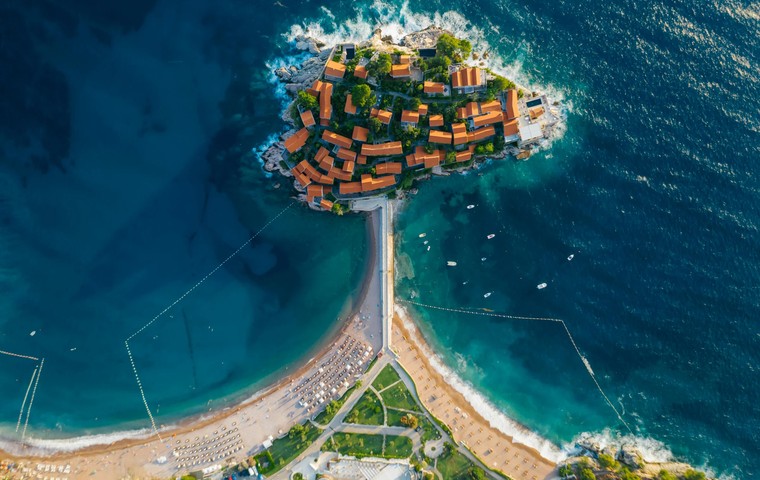
Montenegro in August: +32 °C, Budva Crowds and Where to Actually Go Instead
Peak season: sea at +26 °C, hotels cost double May rates, Budva is packed. Here's where to stay smarter – Ulcinj, Žabljak, Herceg Novi – and what it really costs.
April 21, 2026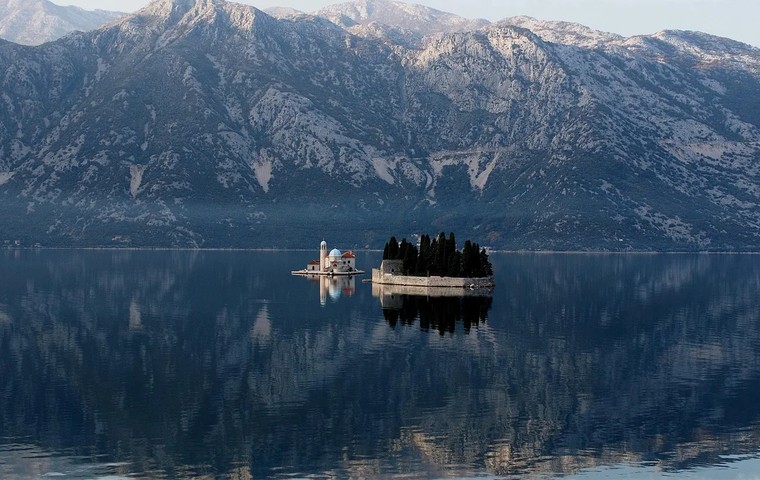
Tours
Perast: The Most Romantic Town in the Bay of Kotor – What to See, Prices & Tips
16 palaces, 17 churches, 400 residents, and zero cars in summer – Perast looks like a film set but runs on its own rules. How to skip tourist traps and find the real charm.
March 11, 2026
Tips
Montenegro or Cyprus for Summer: Price, Beach & Logistics Comparison
Montenegro is 30–40% cheaper, easier to reach, and packed with wild coastline. Cyprus counters with warmer seas and longer season. Here's a point-by-point breakdown.
April 09, 2026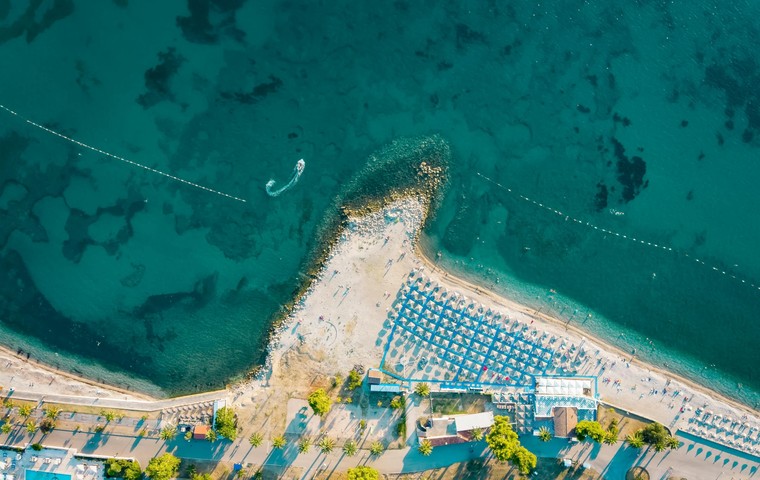
Tips
Montenegro in June: Weather, Beaches, Prices and What to Do
Montenegro in June 2026 – warm weather before peak crowds. Sea temperature, hotel prices, best beaches and itineraries for a perfect early-summer trip.
March 06, 2026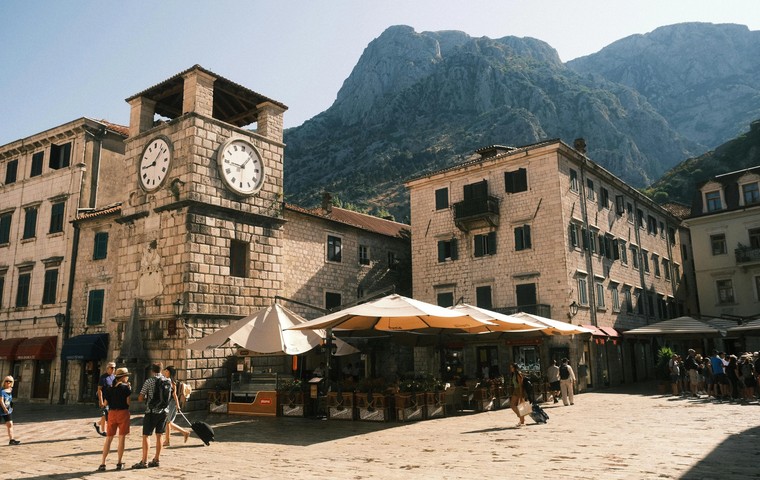
Accommodation
Kotor vs Budva: Honest Comparison – Where Should You Actually Stay in Montenegro?
Kotor has the fjord and fortress walls, Budva has the beaches and nightlife. We compare prices, accommodation, transport and hidden catches so you can pick the right base.
March 07, 2026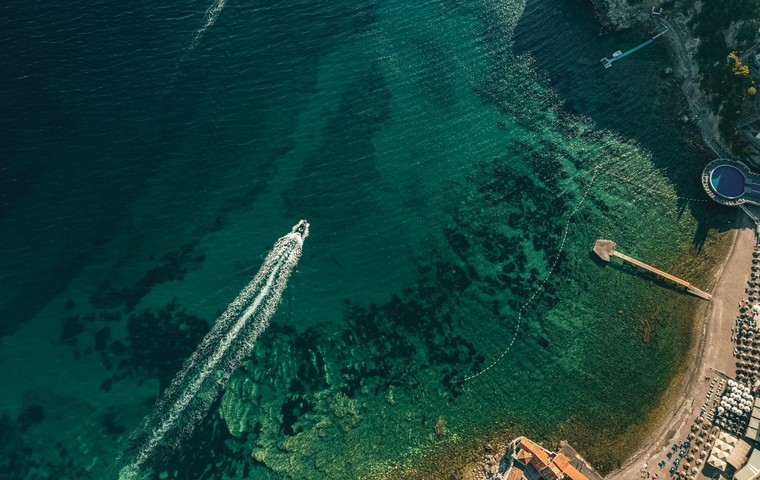
Tours
Albania vs Montenegro – Which Country to Choose for Your Vacation
Detailed comparison of Albania and Montenegro for holidays: prices, beaches, visas, transport, and infrastructure. An honest breakdown of each country's pros and cons.
February 25, 2026Nearby
Nearby attractions
310 m
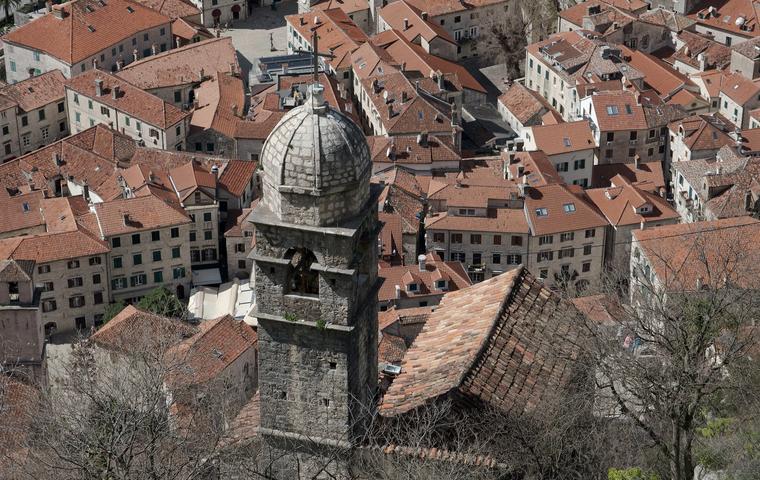
Church of Our Lady of Health
Crkva Gospe od Zdravlja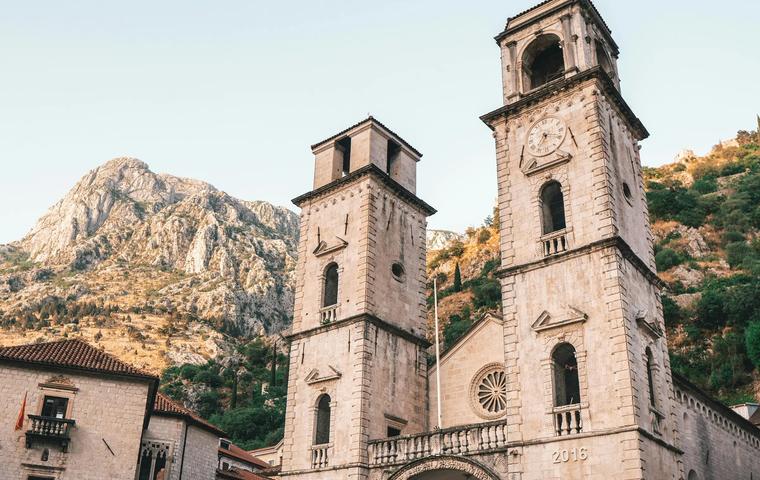
436 m
Cathedral of St. Tryphon
Katedrala sv. Tripuna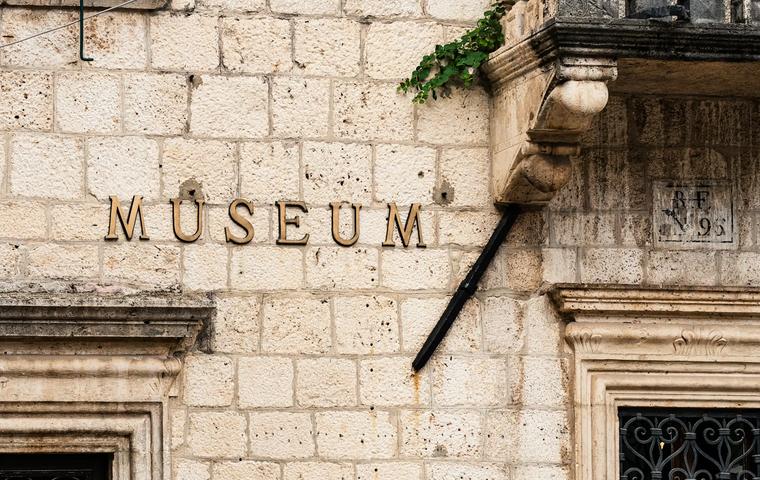
502 m
Maritime Museum of Montenegro
530 m
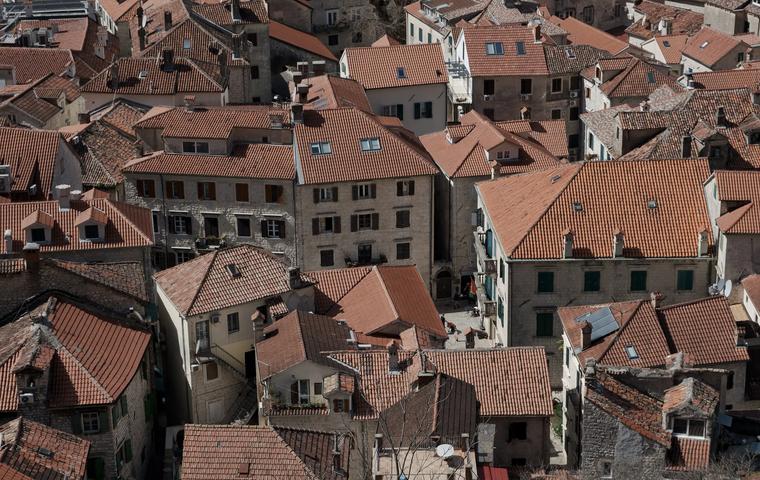
Kotor Old Town
Stari grad Kotor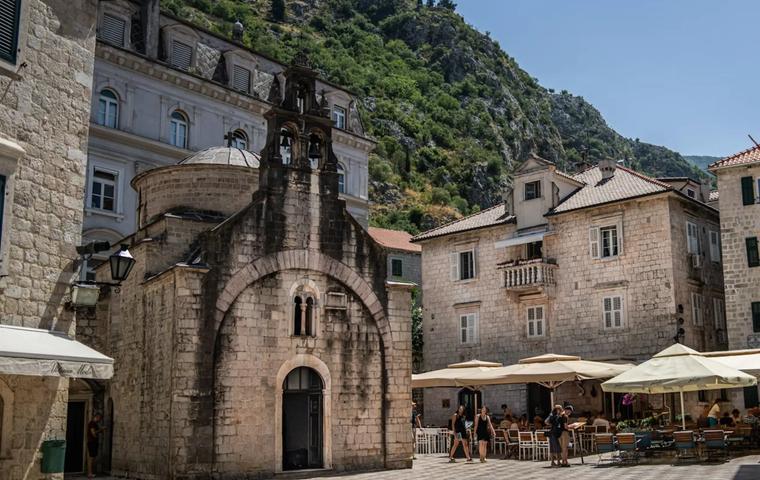
552 m
Church of St. Luke
Crkva Svetog Luke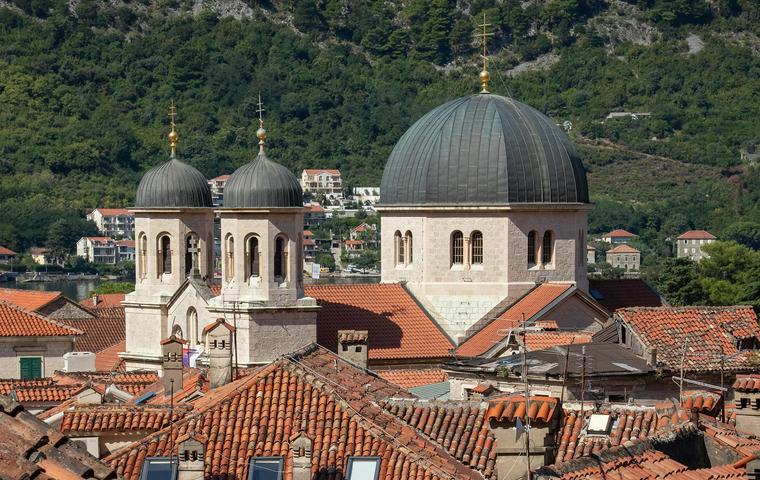
600 m
Church of St. Nicholas
Crkva sv. Nikole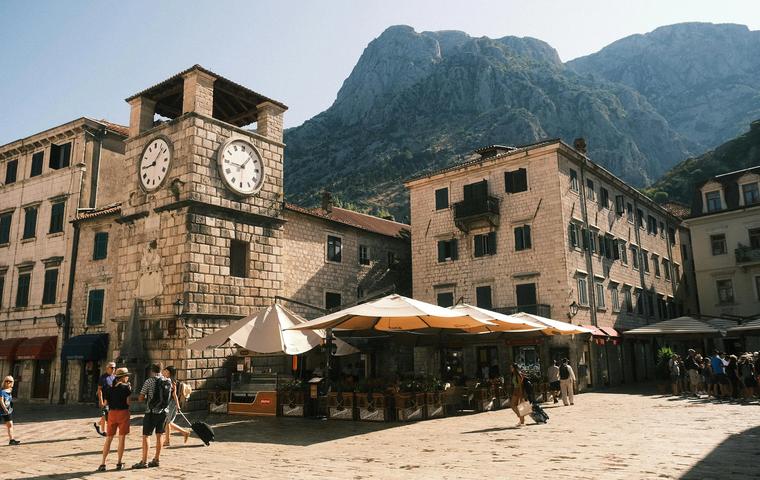
613 m
Kotor Clock Tower
Sat Kula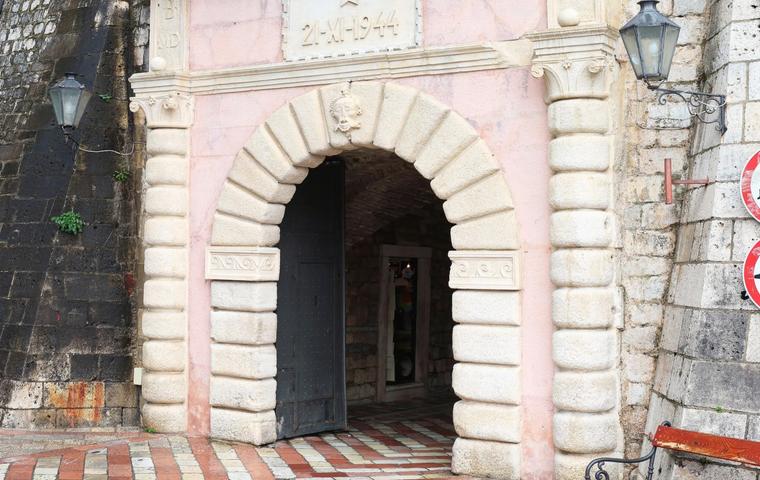
641 m
Sea Gate
Vrata od Mora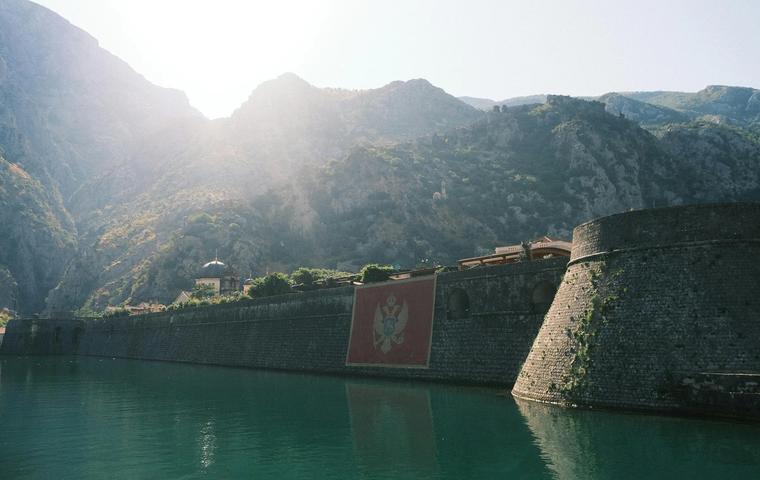
770 m