
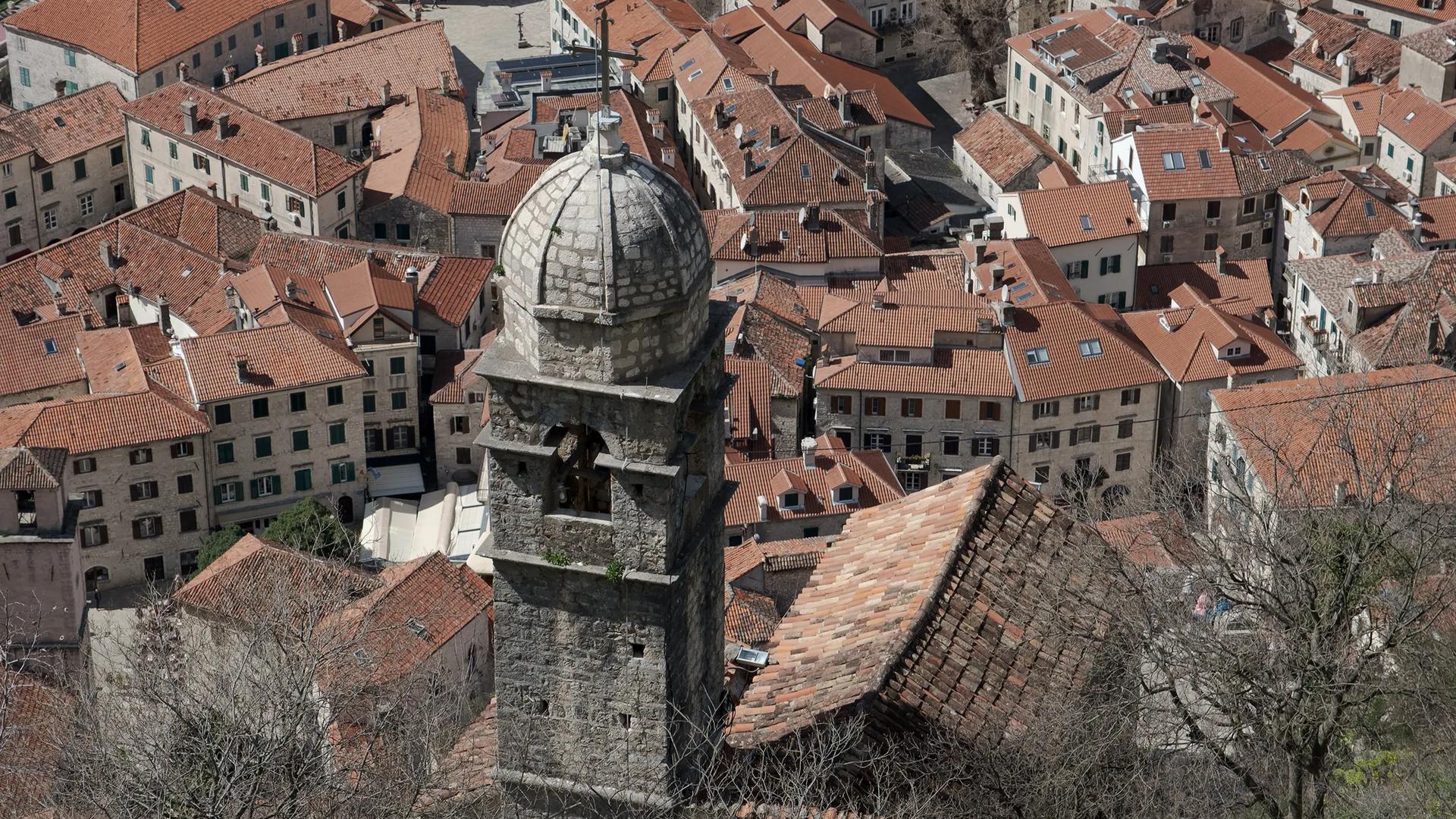
Church of Our Lady of Health
Crkva Gospe od Zdravlja
A 16th-century hillside chapel overlooking the bay.
About
The chapel is associated with vows for protection from epidemics. The terrace offers classic views over the roofs and the bay.
Transport
Travel time
On foot from Kotor center13–19 min.400 m
By car from Kotor2 min.540 m
From the airport Tivat · TIV12 min.6 km
On the map
Location
In detail
What's here
What is this place
The Church of Our Lady of Health (Gospa od Zdravlja) is a small Catholic church on the slope above Kotor’s Old Town, positioned on the trail leading to the San Giovanni fortress. It served as a protective sanctuary during epidemics and remains a distinctive landmark above the city.
Key features
- Built in the 15th century, during outbreaks of plague, as a shrine dedicated to health and protection.
- Located at roughly 100 m altitude, halfway up to the fortress, making it a natural rest point.
- A small single-nave stone church with a modest bell tower and simple, almost defensive architecture.
- Preserves elements of early interior decoration – wooden details, old icons and altar images.
- Offers a panoramic view of Kotor, the harbour and the upper fortress walls.
What to see
- A stone church with a bell tower and a terrace embedded in the hillside.
- A small interior with an altar dedicated to Our Lady of Health.
- Broad views of Kotor from the terrace and nearby trail.
History
The church was founded in the 15th century, when Kotor suffered epidemics and locals dedicated a hillside shrine to the Virgin as a protector of health. Its position on the slope also gave it secondary defensive value on the path to the upper fortifications.
Over the centuries it was repaired and strengthened several times, especially after earthquakes, and by the 18th century it became an important place of pilgrimage for Kotor’s inhabitants.
After the 1979 earthquake the church underwent restoration, retaining its historic stone form. Today it remains an active sanctuary and a customary stop on the ascent to the fortress.
Practical information
Location: on the slope above Kotor’s Old Town, halfway along the path to San Giovanni fortress.
Getting there: walk from the Old Town following the marked staircase; the ascent to the church takes 15–20 minutes.
Access: free; often open during the day, though hours can vary off-season.
Visiting hours: mornings or late afternoons are most pleasant.
Visit duration: 10–20 minutes, or as part of the 1.5–2-hour climb to the fortress.
Best time: spring and autumn; in summer, early morning is recommended.
Notes: the path is steep with uneven steps; sturdy shoes are useful. Limited space on the terrace can mean crowding at peak times.
Nearby
Nearby attractions
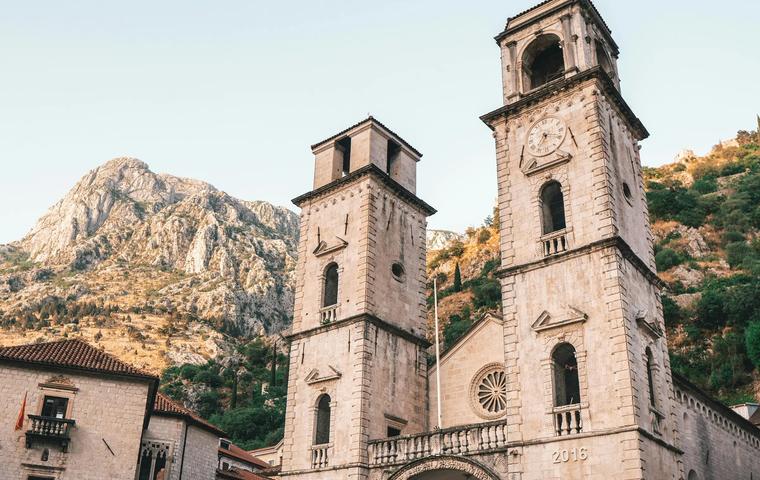
188 m
Cathedral of St. Tryphon
Katedrala sv. Tripuna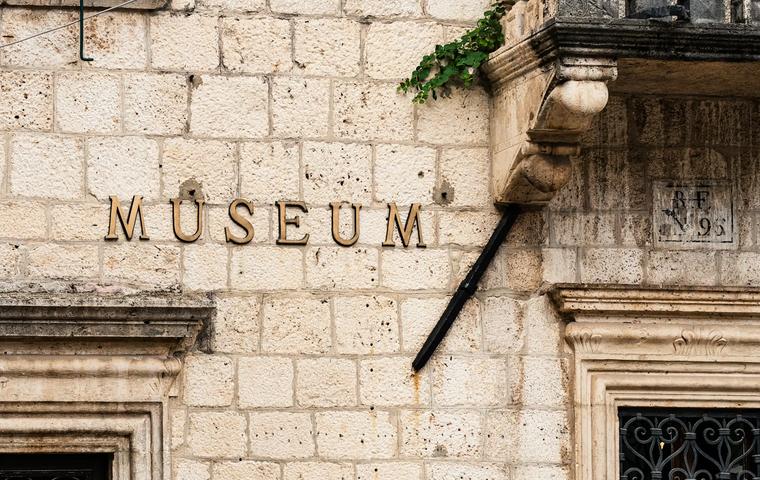
211 m
Maritime Museum of Montenegro
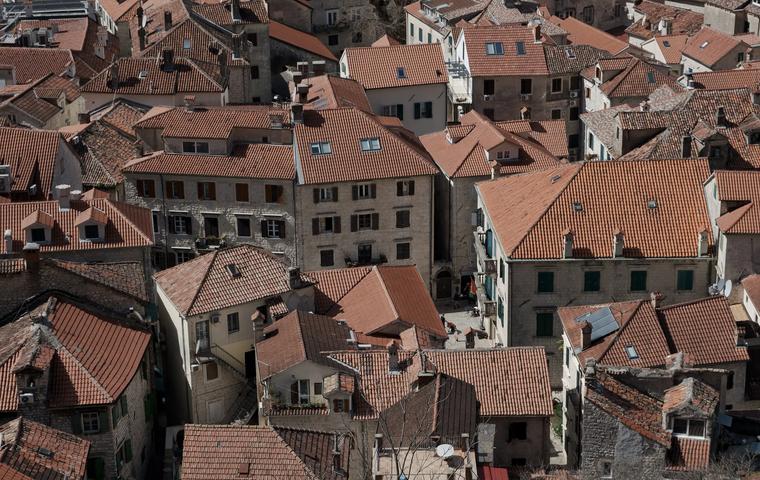
248 m
Kotor Old Town
Stari grad Kotor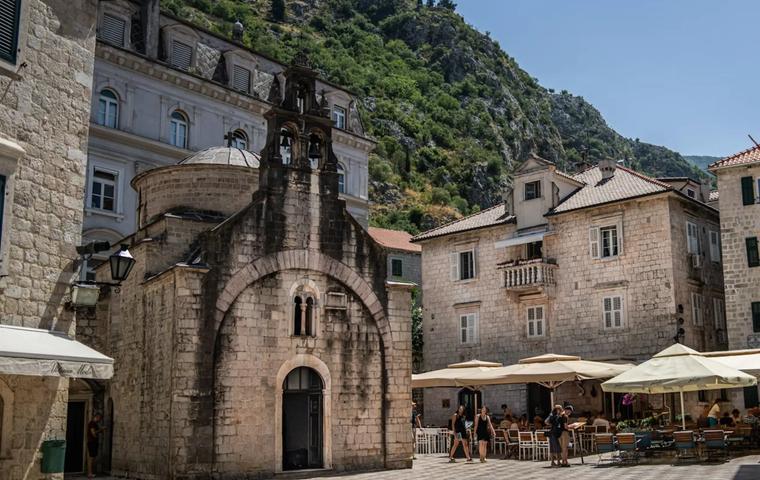
253 m
Church of St. Luke
Crkva Svetog Luke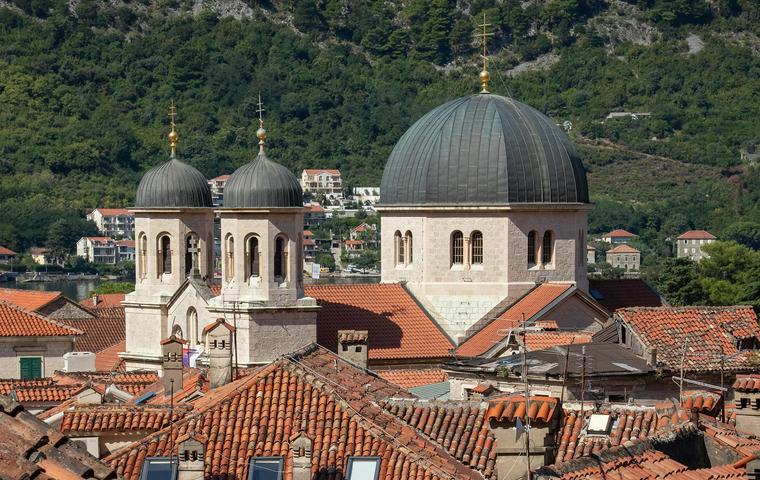
300 m
Church of St. Nicholas
Crkva sv. Nikole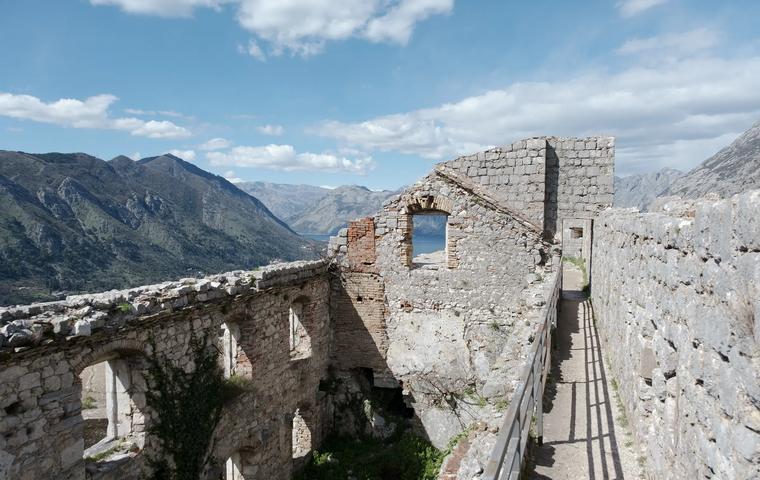
310 m
Castle of San Giovanni
San Đovani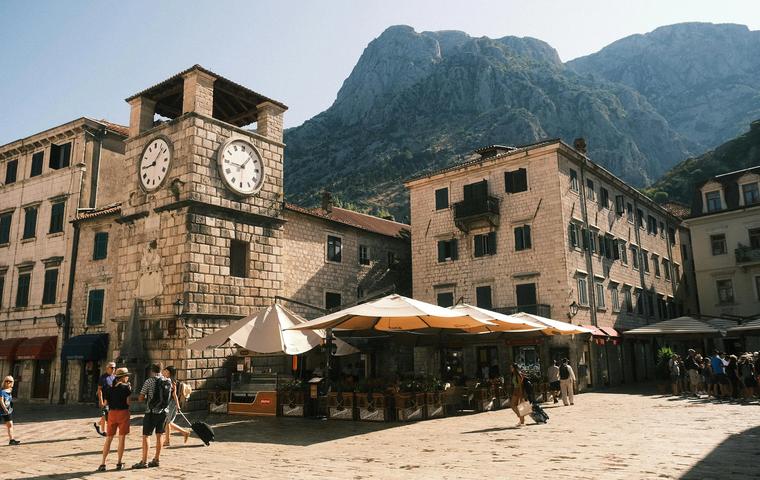
350 m
Kotor Clock Tower
Sat Kula
388 m
Sea Gate
Vrata od Mora
495 m