Mogren Beaches
Plaža Mogren
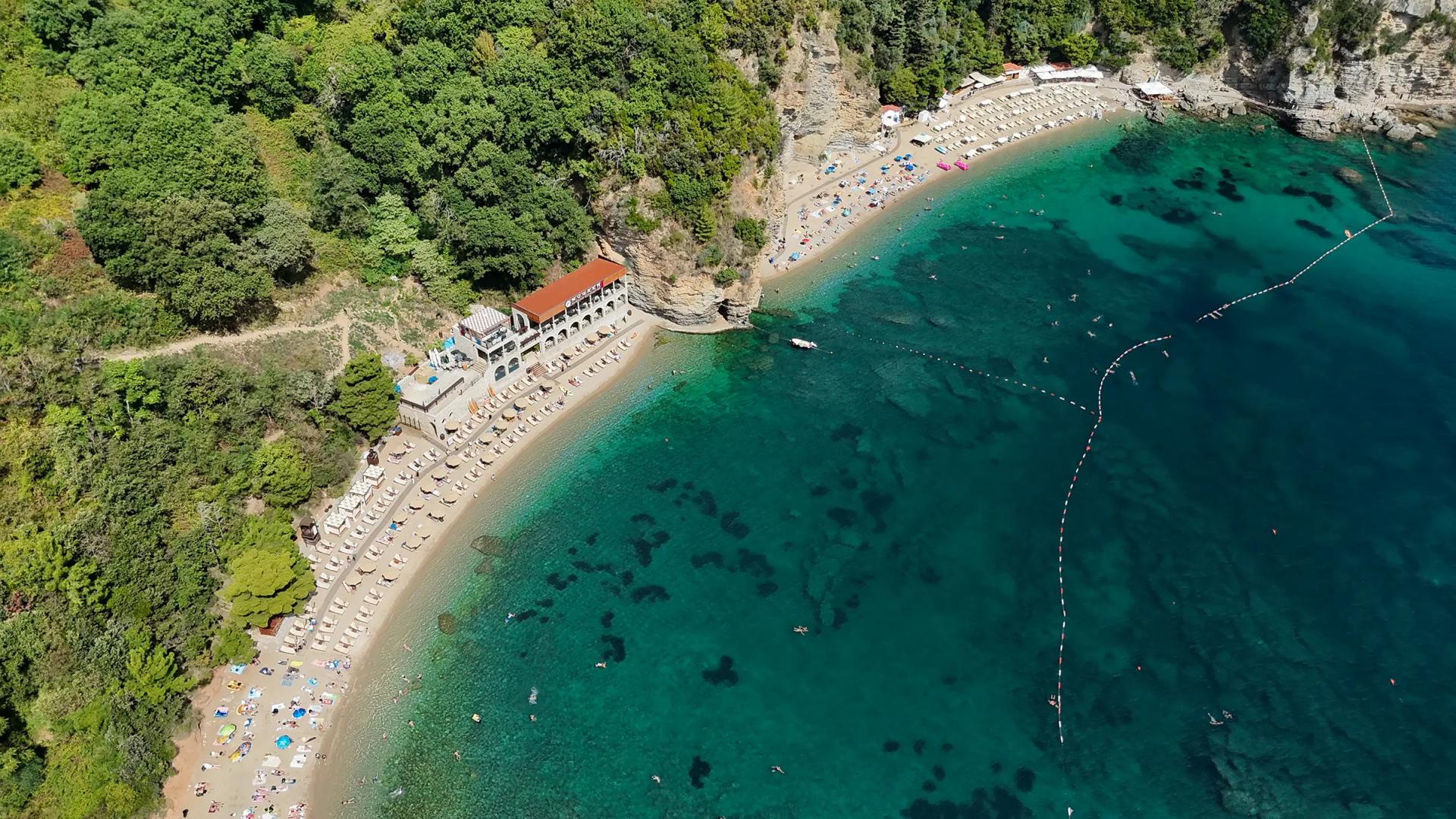
Two adjacent coves below cliffs with clear water.
About
A narrow path leads to the twin arcs of Mogren 1 and Mogren 2. Pebble shores and cliff shelter create calm water conditions.
Transport
Travel time
On foot from Budva center21–31 min.2 km
By car from Budva5 min.2 km
From the airport Tivat · TIV32 min.24 km
On the map
Location
In detail
What's here
What is this place
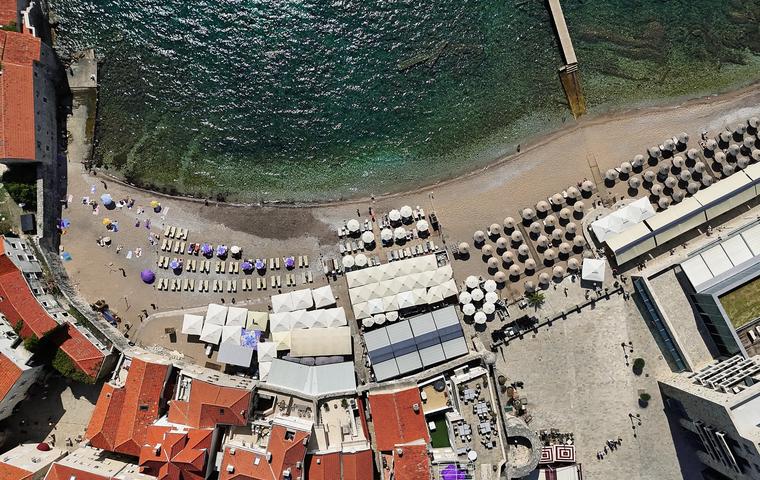
Mogren Beach comprises two adjacent coves, Mogren I and Mogren II, just west of Budva’s Old Town and linked by a short rock tunnel. The trailhead lies about 150 m from the Old Town; the combined shoreline is roughly 350 m.
Key features
- Two coves joined by a rock passage, total beach length about 350 m.
- Sole access is a ~350 m concrete walkway from Hotel Avala; in strong southerlies and swell the gate is closed.
- Surface is fine to medium pebbles on shore and in the water; south-facing aspect brings ample sun yet surf can hit the rocks.
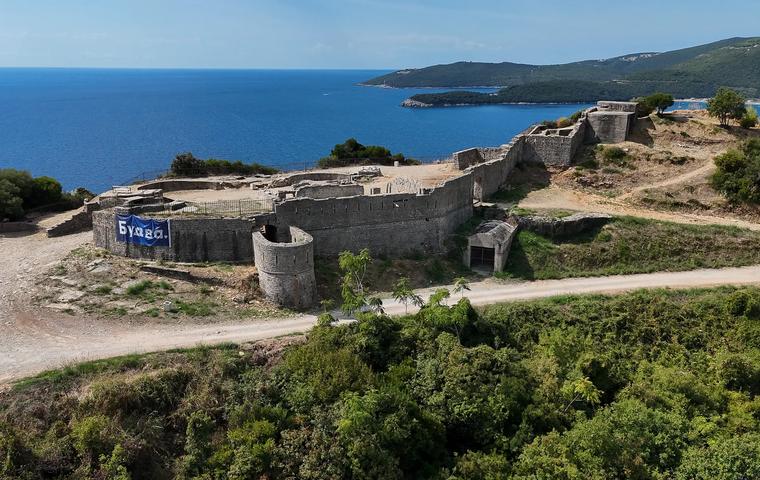
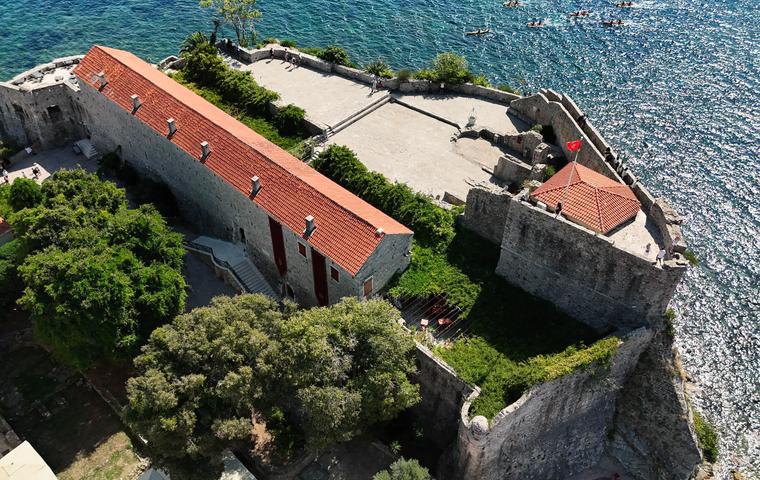
- Protected area – both the beach and Mt Spas above are Natural Monuments, with 1860 Mogren Fort on the slope.
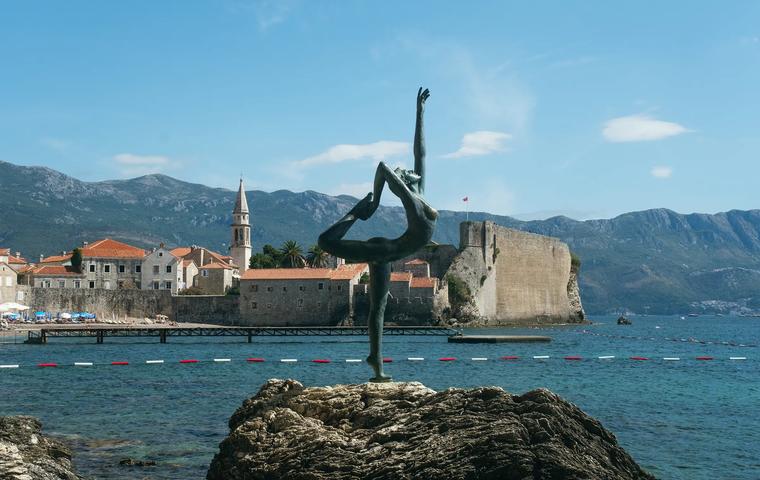
- Signature sights – the “Ballerina” statue at the entrance and a memorial plaque to the 1955 incident.
What to see
- Viewpoints to the Old Town and St Nikola Island along the path.
- The “Ballerina” statue and rock arches by the tunnel between the coves.
- Remains of Mogren Fort on Mt Spas.
History
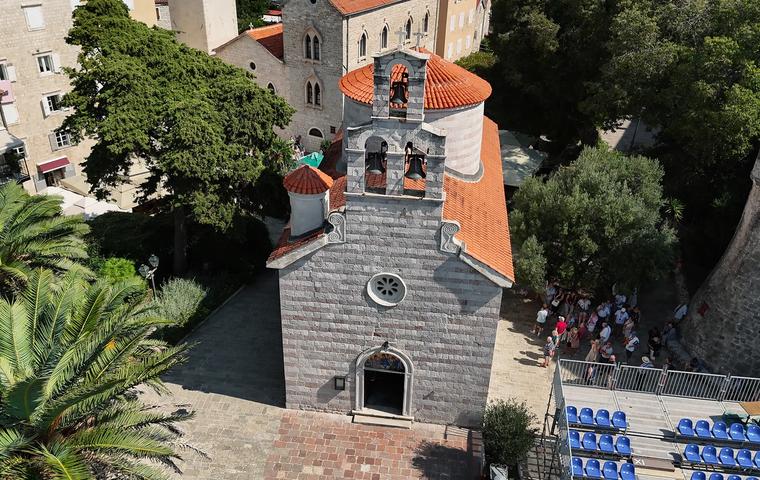
Legend ties the name to a Spanish sailor, Mogrin(i), shipwrecked here, who built St Anthony’s chapel above Mogren II. The chapel was lost after 1945, later replaced by a restaurant. For decades Mogren has been Budva’s favourite “local” beach and a town emblem.
On 13 July 1955 the coast’s only recorded shark attack on a bather occurred here; a plaque on the cliff commemorates the victim. The access path has since been improved and fenced.
Practical information
Location: west of Budva Old Town, entrance by Hotel Avala.
Getting there: on foot from the town gate; path starts about 150 m away and runs ~350 m along the rocks; nearest paid parking at the marina and outside the walls.
Access: free; path may close in bad weather; Mogren I is serviced with cafés and rentals, Mogren II is more natural.
Visiting hours: year-round; bathing season typically May–October.
Visit duration: 1–2 hours; up to 3 hours including Mogren Fort.
Best time: morning and golden hour; off-season is quiet and scenic.
Notes: in southerly swell the path and shoreline are hazardous – respect barriers; pebbly bottom – water shoes help.
Mogren Beaches
Articles about this place
Tours
Wild & Secret Beaches of Montenegro: Where Crowds Actually Disappear
300 km of coast, but most of it is sunbeds and crowds. 12 beaches where logistics beat popularity – and why Montenegro's "untouched beach" is mostly a myth.
April 24, 2026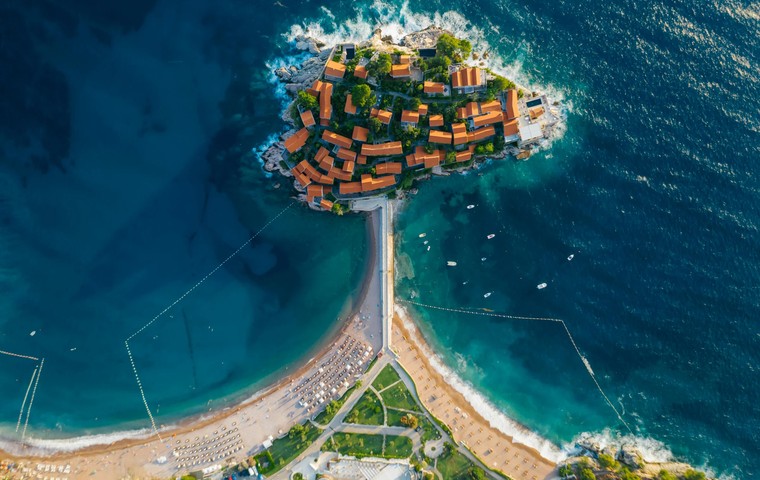
Tips
Montenegro in August: +32 °C, Budva Crowds and Where to Actually Go Instead
Peak season: sea at +26 °C, hotels cost double May rates, Budva is packed. Here's where to stay smarter – Ulcinj, Žabljak, Herceg Novi – and what it really costs.
April 21, 2026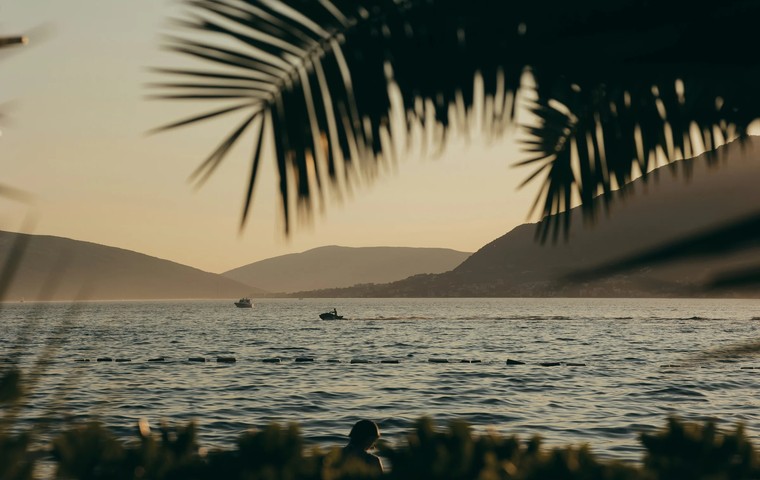
Tips
Montenegro or Cyprus for Summer: Price, Beach & Logistics Comparison
Montenegro is 30–40% cheaper, easier to reach, and packed with wild coastline. Cyprus counters with warmer seas and longer season. Here's a point-by-point breakdown.
April 09, 2026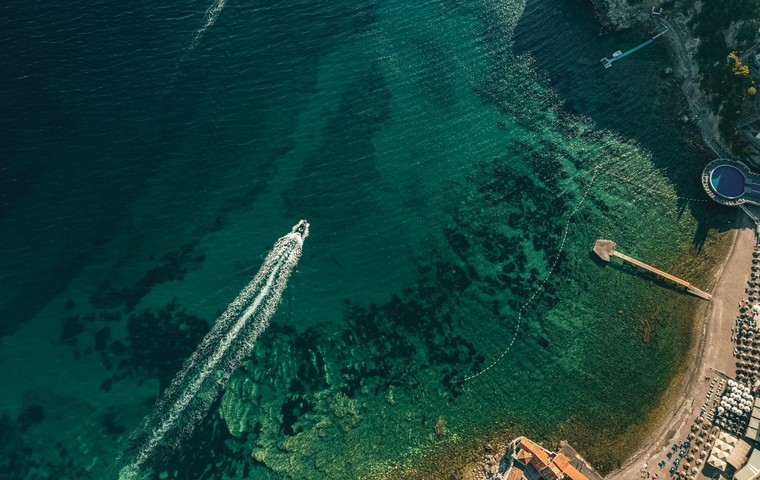
Tours
Top 10 Blue Flag Beaches in Montenegro: Where to Find the Cleanest Water
Montenegro has nearly 40 Blue Flag beaches – but not all are equal. We rank the 10 best by water quality, surface, crowd levels, and practical tips.
March 29, 2026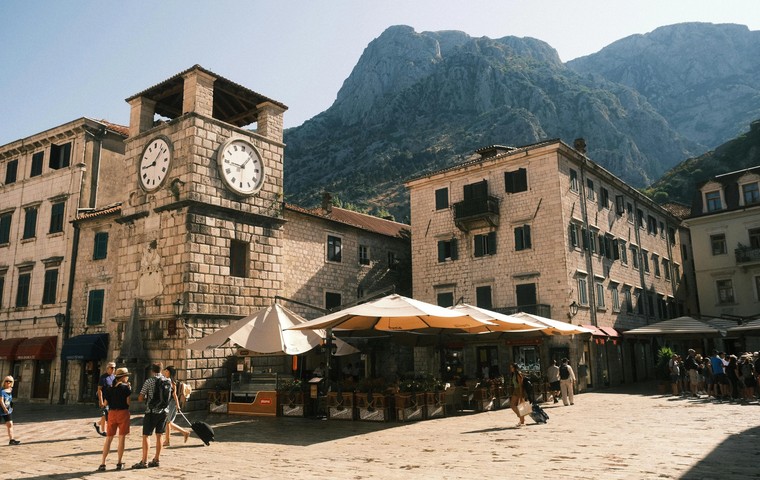
Accommodation
Kotor vs Budva: Honest Comparison – Where Should You Actually Stay in Montenegro?
Kotor has the fjord and fortress walls, Budva has the beaches and nightlife. We compare prices, accommodation, transport and hidden catches so you can pick the right base.
March 07, 2026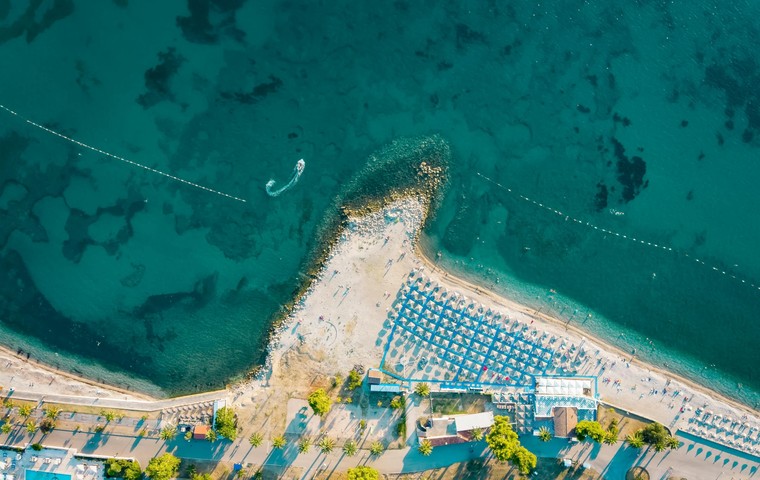
Tips
Montenegro in July: +31°C, Peak Prices & What They Don't Tell You
July is Montenegro's hottest and priciest month – 31°C air, 25°C sea, packed beaches. Here's what it actually costs, where to find space, and what to skip.
March 06, 2026Nearby