Budva Old Town
Stari grad Budva
Medieval seaside quarter with stone lanes and small squares.
About
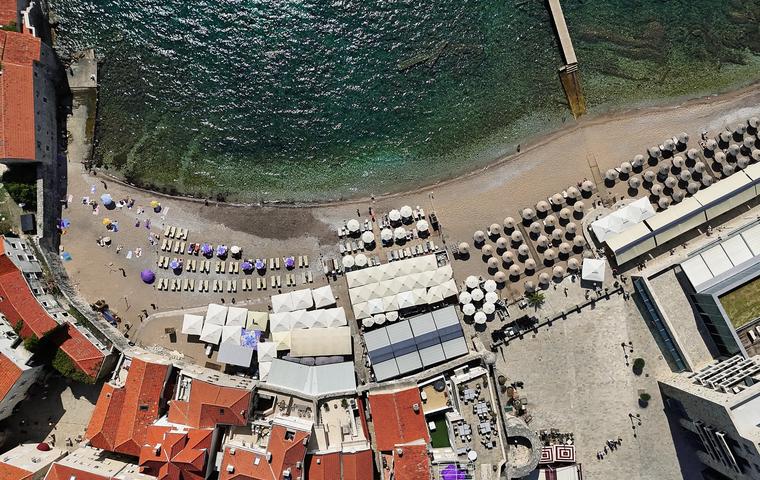
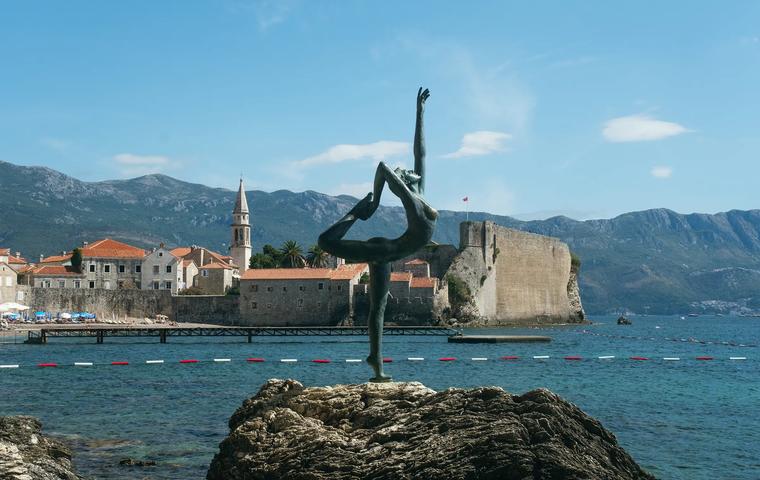
The Old Town stands on a rocky promontory encircled by walls. Inside are churches, small squares and passages leading to the sea. It is Budva’s most recognisable area and the usual starting point for waterfront walks.
Transport
Travel time
On foot from Budva center14–22 min.1 km
By car from Budva4 min.2 km
From the airport Tivat · TIV40 min.24 km
On the map
Location
In detail
What's here
What is this place
Budva Old Town is a walled medieval settlement on a low peninsula (originally an island later linked to the mainland), encircled by stone ramparts and bastions. It remains a lived-in quarter with churches, a museum and the Citadel, fully restored after the 1979 earthquake.
Key features
- Continuous curtain walls with gates and the Citadel – a textbook fortified Adriatic town.
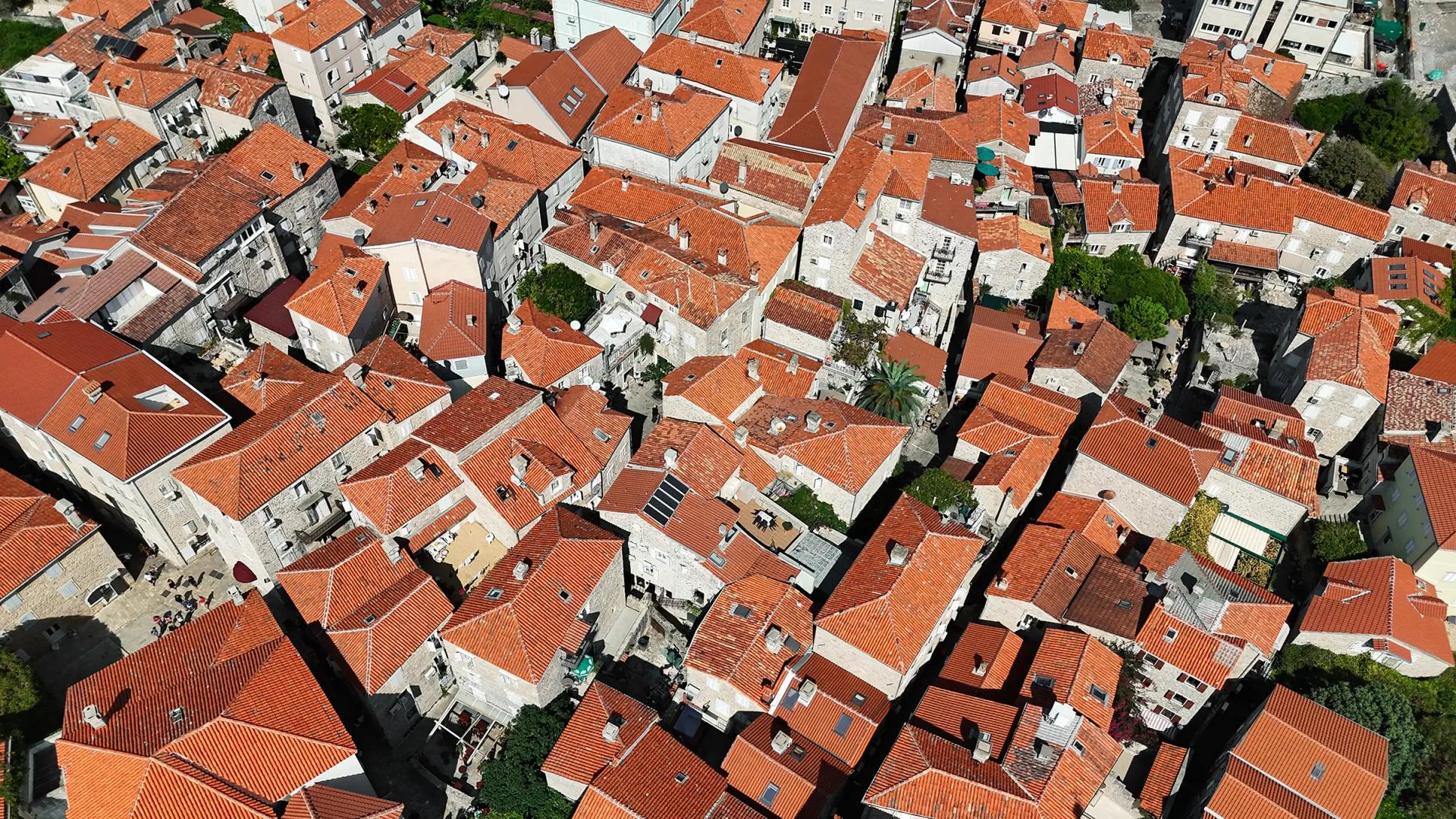
- Core fabric of narrow lanes, small squares and stone houses; active churches: St John, Holy Trinity, Santa Maria in Punta.
- City Museum holding antiquities and medieval finds – artifacts from the 5th c. BC to modern times.
- The southern Citadel preserves St Mary’s remains, sea-facing ramparts and terraces with bay views.
- Major post-quake restoration after 1979 retained the historic layout and appearance.
What to see
- The Citadel and sea walls with viewpoints.
- Churches: St John (former cathedral), Holy Trinity, Santa Maria in Punta.
- Budva City Museum with ancient helmets, pottery and daily-life items.
History
Antique Butua is attested early; under Rome it grew as a fortified oppidum. In the Middle Ages it belonged to Byzantium, later to Serbian realms, and from the 15th century to Venice, when the wall circuit and towers took shape.
Severe earthquakes in 1667 and 1979 caused heavy damage; after 1979 the Old Town was comprehensively restored, conserving masonry and façades. Today it is a lived-in historic quarter with museums and churches.
Practical information
Location: south Budva by the marina, on the Old Town peninsula.
Getting there: walk from the town gate; paid parking by the marina and outside the walls; inside is pedestrian-only.
Access: Old Town is free to enter; Citadel and the museum are ticketed.
Visiting hours: year-round by day; individual sites have their own hours.
Visit duration: 1–2 hours for a stroll; up to 3 hours with museum and Citadel.
Best time: morning/golden hour for softer light; expect summer crowds.
Notes: modest dress for churches; cobbles can be slippery after rain; paid parking zones near the port.
Budva Old Town
Articles about this place

Accommodation
Aman Sveti Stefan Is Open Again: From $2 512 a Night and Why the Waitlist Is Real
Montenegro's iconic island resort is back after five years. 57 rooms in restored 15th-century stone cottages, a private beach in an emerald lagoon, and a 2 500 m² spa – what's inside and when to book.
July 08, 2026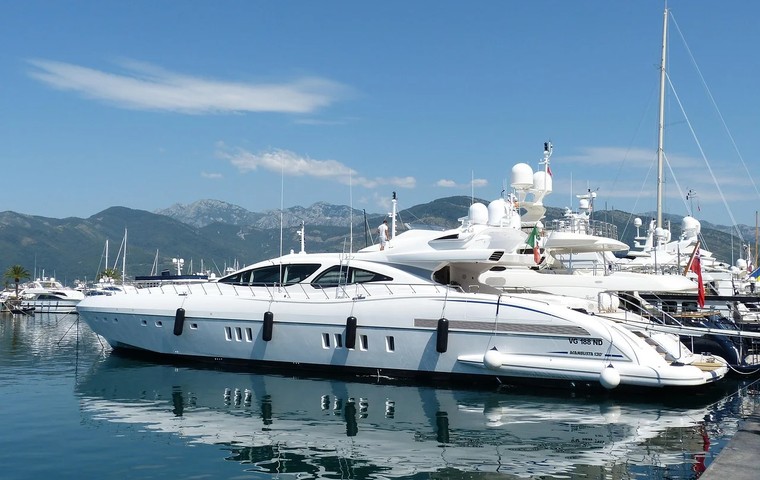
Transport
Yacht Rental in Montenegro: Prices, Routes & Do You Need a Skipper?
A half-day speedboat in the Bay of Kotor costs from €250, a week on a sailboat from €1 500. Marinas, skipper rules, hidden fees and the routes worth taking.
March 15, 2026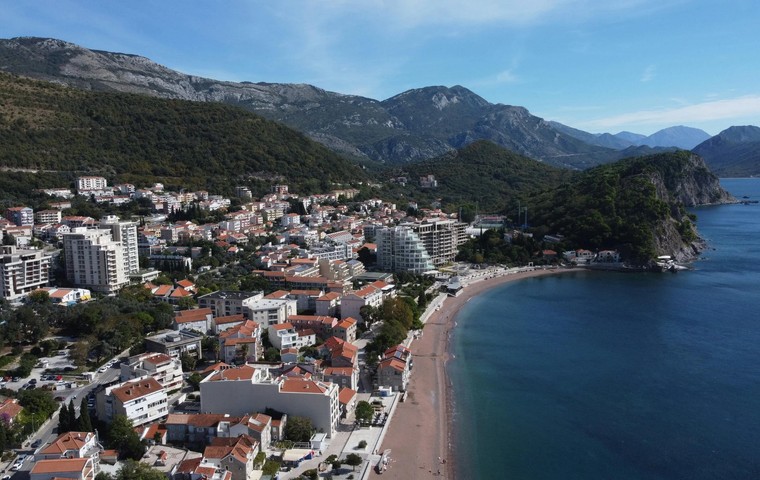
Tips
Montenegro with Kids: 8 Shallow-Entry Beaches That Work for Families
Sandy bottom, knee-deep water for 50 metres, sunbeds from €5 – a guide to the best family-friendly beaches in Montenegro.
March 15, 2026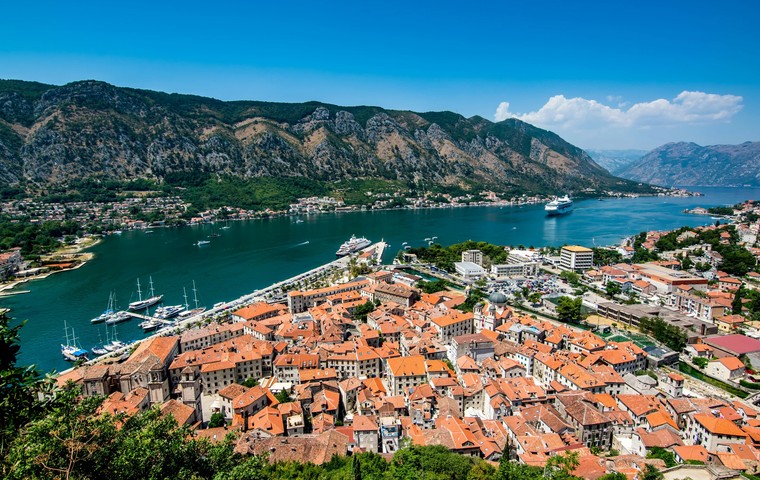
Tips
Montenegro Prices 2026: Real Weekly Budget – From €480 Bare-Bones to €2 000 Comfort
What a week in Montenegro costs in 2026: lodging, food, car rental, tours.
April 27, 2026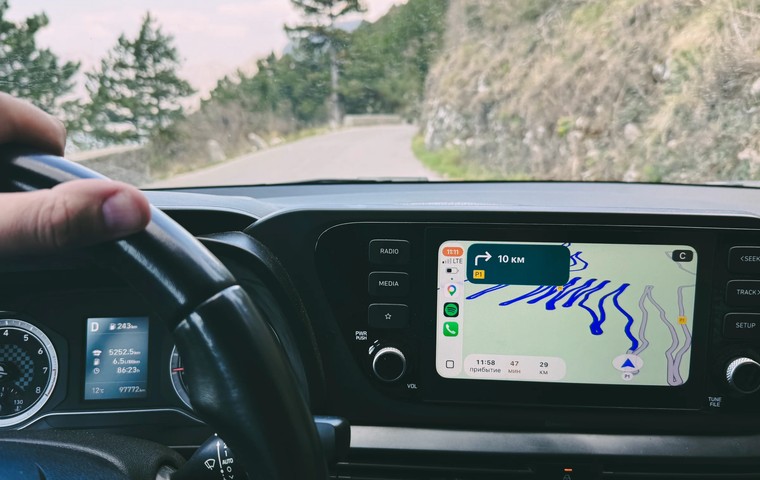
Tips
Travel Apps for Montenegro 2026: No Uber, No Wolt, Glovo Delivers, eSIM Saves
Uber and Bolt don't work in Montenegro, Wolt left, Google Maps gets addresses wrong. The 7 apps that actually work in 2026, with prices and local quirks.
April 26, 2026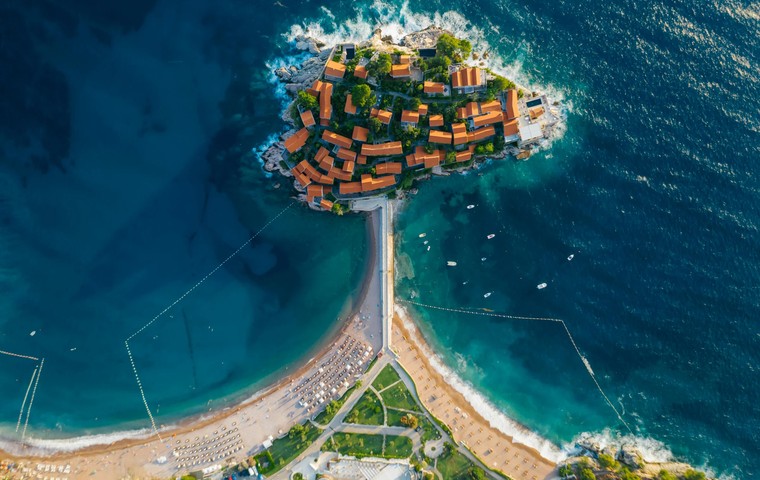
Tours
Sveti Stefan: How to Visit the Island & Best Beaches Nearby
The island is completely closed – no entry allowed. But it's still worth the trip: a free beach with the view, three coves within walking distance, and one of the best coastal walks in the Adriatic.
March 09, 2026Nearby