Blog · Accommodation
Kotor vs Budva: Honest Comparison – Where Should You Actually Stay in Montenegro?
 Accommodation
In this article
- 01Atmosphere and Architecture
- 02Beaches and Sea
- 03Accommodation and Prices
- 04Food and Restaurants
- 05Transport and Logistics
- 06Tours and Activities
- 07Who Should Choose Which City
- 08Frequently Asked Questions
Some links are affiliate links. You pay the same, and we may earn a commission.
Kotor has the fjord and fortress walls, Budva has the beaches and nightlife. We compare prices, accommodation, transport and hidden catches so you can pick the right base.
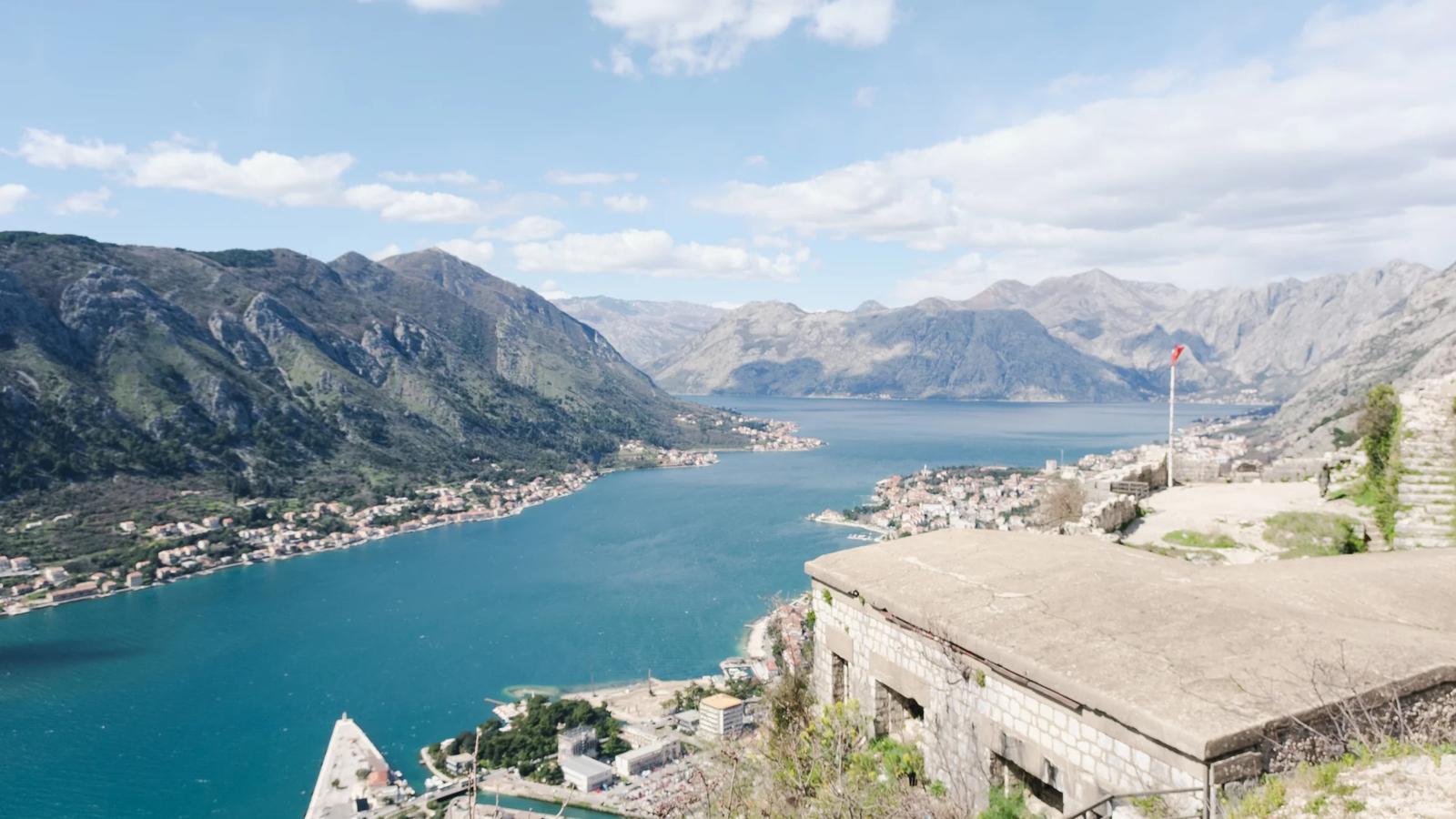
Kotor and Budva are just 25 km apart, yet staying in one feels nothing like staying in the other. Kotor is a walled medieval town wedged between a fjord-like bay and mountains that rise a vertical kilometre. Budva is a resort sprawl with long sandy beaches, high-rise hotels and a club scene. The short version: Kotor is for atmosphere and day trips, Budva is for the sea and daily convenience.
Key facts at a glance:
- Distance – 25 km, 30–40 minutes by car or bus (ticket around €3).
- Nearest airport – Tivat: 10 minutes to Kotor, 30 minutes to Budva.
- Beaches – Budva wins easily, with kilometres of sand-and-pebble coastline. Kotor sits on an enclosed bay with almost no beaches of its own.
- Old Town – Kotor Old Town is a UNESCO World Heritage Site, larger and more dramatic. Budva Old Town is smaller but charming.
- Summer hotel rates – A rated 8+ 3-star hotel starts from around €55–65/night in Budva, €70–90/night in Kotor.
- Nightlife – Budva is the clear winner. Kotor has bars, but they close earlier.
- Cruise ships – They dock daily in Kotor, creating daytime crowds that thin out by evening.
Atmosphere and Architecture
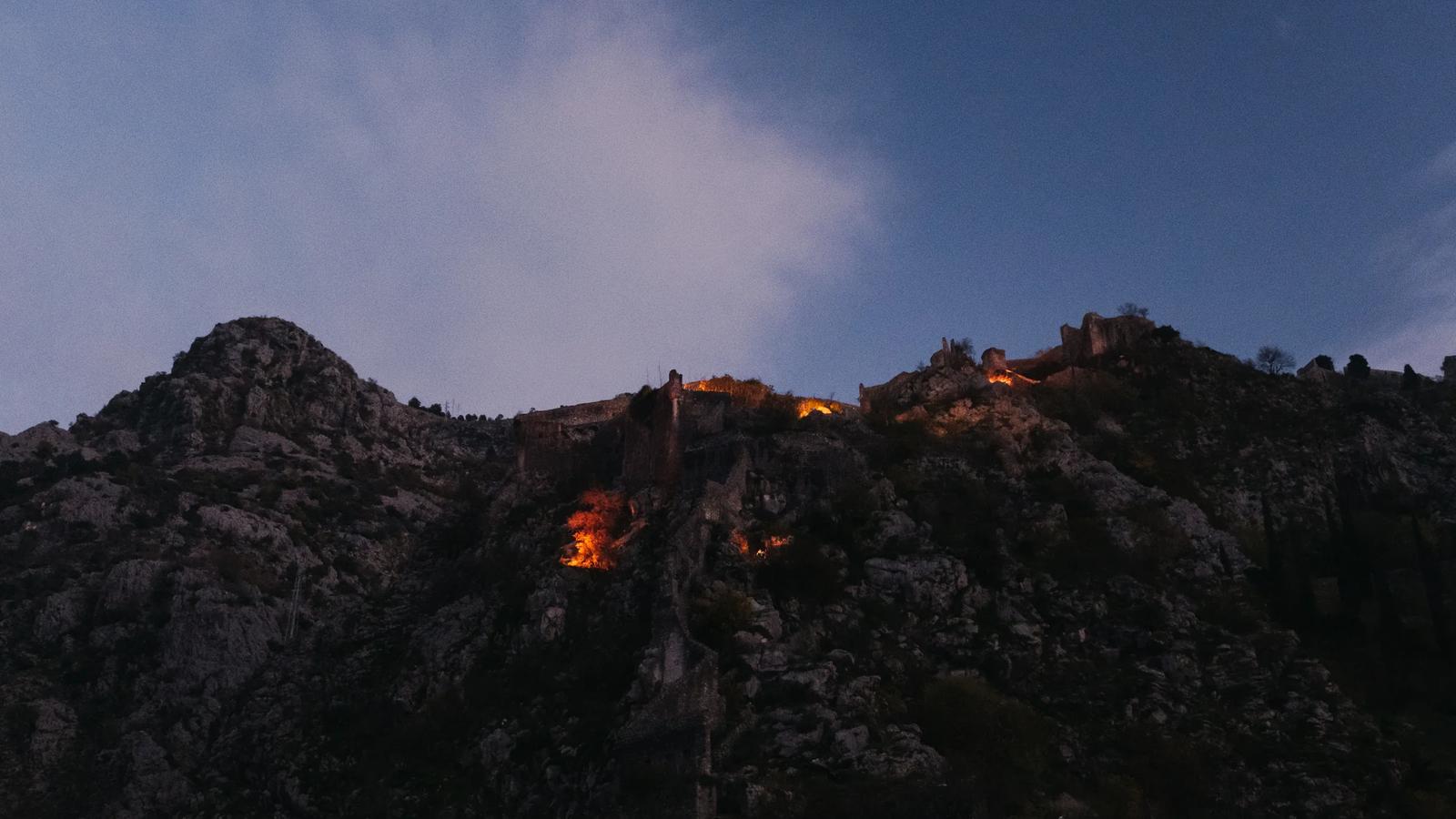
Kotor is a triangular fortress town squeezed between the Bay of Kotor and Mount St. John. Its deliberately maze-like stone streets were designed to confuse invaders – today they confuse tourists, which is part of the charm. The climb up 1 350 steps to Castle of San Giovanni at 280 m above sea level is a must-do ritual. Cathedral of St. Tryphon (12th century), Maritime Museum of Montenegro, and Church of St. Luke are all within a five-minute walk of each other.
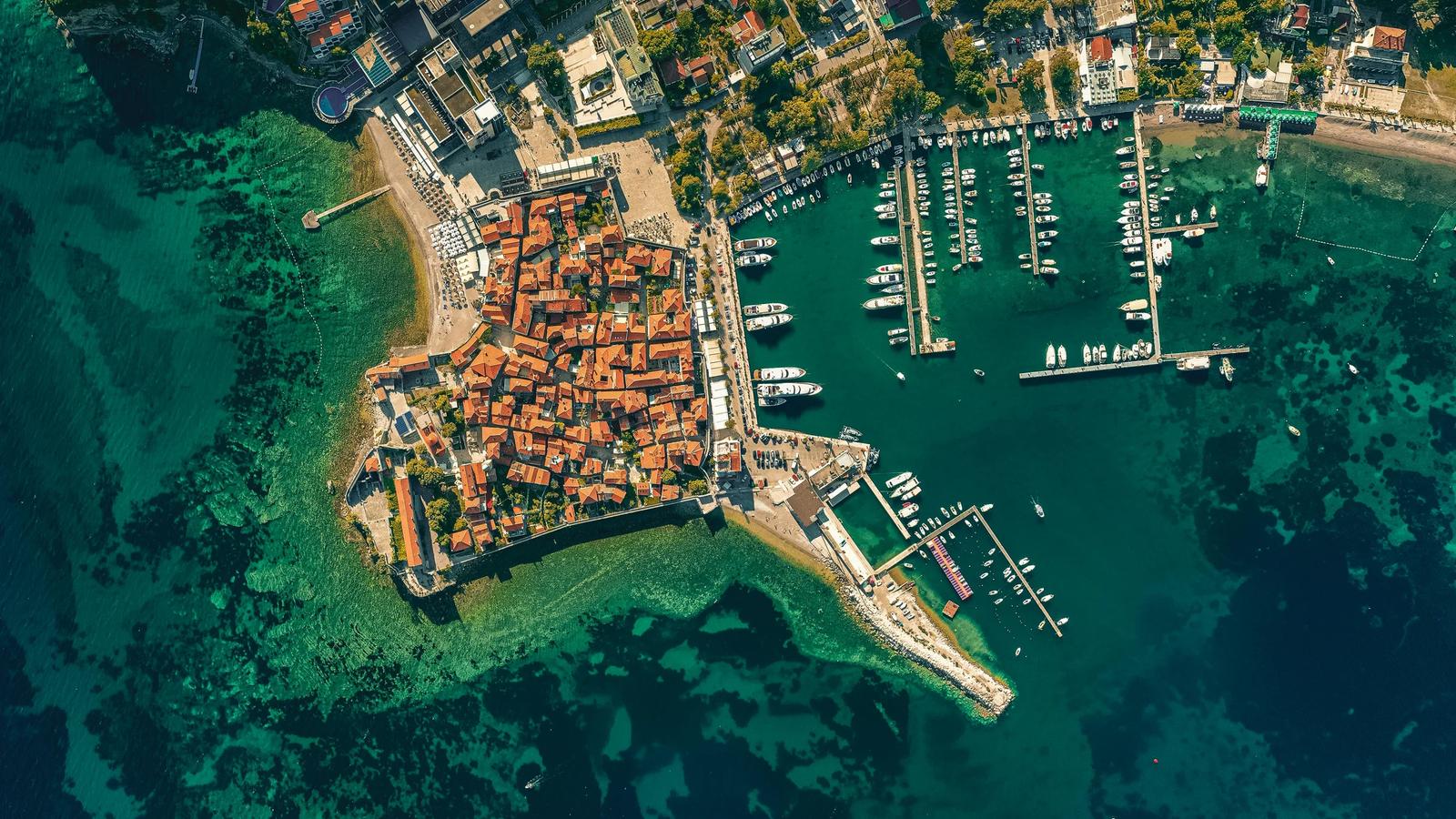
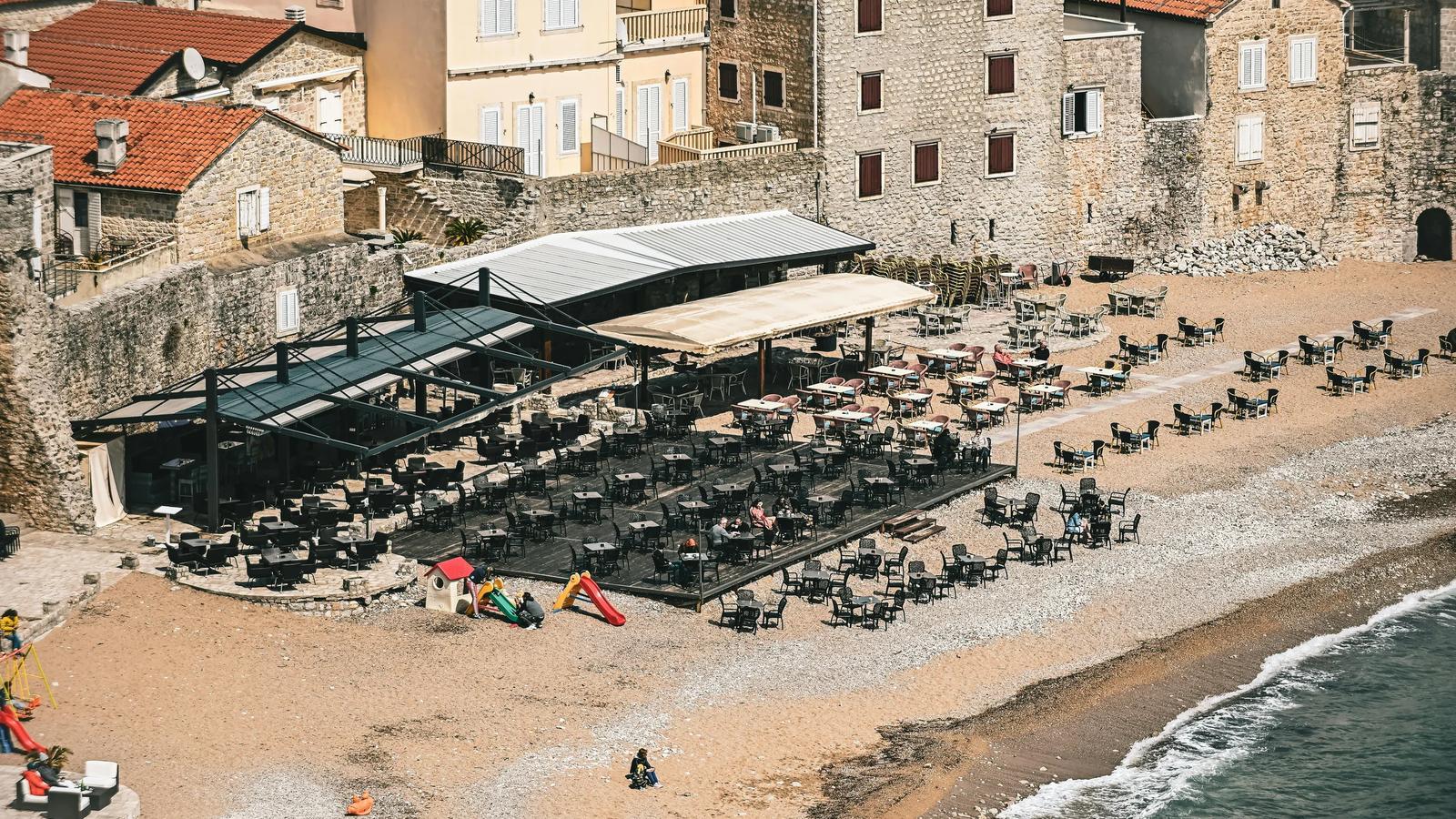
Budva has a different energy. Budva Old Town sits on a small peninsula jutting into the sea, with Budva Citadel at its tip. Beyond the walls, the modern resort takes over: a palm-lined promenade, tower-block hotels, restaurants and beach bars. If Kotor is raw medieval character, Budva is a Mediterranean resort town with a historic core.
Beaches and Sea
This is Budva's strongest argument. Mogren Beaches – two coves linked by a short tunnel – are regularly rated among the best on the entire coast. Slovenska Beach stretches for over 1 600 m and can absorb large crowds (though August tests it). Richard's Head Beach at the foot of the Old Town walls is tiny but photogenic. Further along the riviera you reach Becici with Becici Beach, Kamenovo, and Pržno.
From Budva you can hop a water taxi to Sveti Nikola Island – nicknamed "Hawaii" by locals – for €3–4.
In Kotor, beaches are limited. The town sits on an enclosed bay rather than the open sea: the water is calm but can look murky in high season. The nearest decent spots are in Dobrota or Prčanj (10–15 minutes' walk). For real open-sea swimming, drive to Plavi Horizonti (20 minutes) or head to Budva.
| Criterion | Kotor | Budva |
|---|---|---|
Number of beaches | 2–3 within the town (pebble, bay side) | 10+ along the riviera (sand and pebble) |
Open sea | No (enclosed bay) | Yes |
Sunbeds and umbrellas | €10–15 per set | €10–20 per set |
Water temperature (Jul–Aug) | +24–26 °C | +24–27 °C |
Accommodation and Prices
(Updated: March 2026)
Budva offers far more choice – from budget apartments to five-star resorts. Average rate for an 8+ rated 3-star hotel in high season: €55–70/night. Four-star hotels run €100–130/night. Luxury options like Splendid Conference & Spa start from €180–250/night.
Kotor's inventory is more compact: boutique hotels inside the Old Town's stone houses go for €80–120/night (3–4 star), bay-view properties for €100–160/night. Budget apartments start from €40–50/night but sell out fast in peak season.
| Category | Kotor (€/night) | Budva (€/night) |
|---|---|---|
Hostel / budget | 15–30 | 12–25 |
Apartments (rated 8+) | 50–90 | 40–70 |
3-star hotel | 70–120 | 55–90 |
4-star hotel | 100–180 | 90–140 |
5-star / luxury | 180–350 | 180–300 |
Tip: Book via Booking.com and compare rates across platforms. Check visa requirements for your nationality before booking.
Food and Restaurants
The average lunch at an inexpensive restaurant costs around €10 in both cities; a dinner for two at a mid-range place runs €35–50. But there are differences.
Budva offers more variety: street-food stalls and bakeries (burek for €2–3), seafood restaurants on the promenade, and large supermarkets (HDL, Voli) in residential areas – convenient if you're in a self-catering apartment.
Kotor's restaurants are concentrated in the Old Town and along the waterfront – more atmospheric but 10–20% pricier. The trade-off is easier access to authentic Dalmatian cooking: black risotto, home-cured pršut, cheese from Njeguši. The nearest supermarket is outside the Old Town walls.
| Item | Kotor | Budva |
|---|---|---|
Cappuccino | €2.00–3.00 | €1.80–2.50 |
Casual lunch | €10–15 | €8–12 |
Dinner for two (no alcohol) | €40–60 | €35–50 |
Draft beer (0.5 l) | €2.50–3.50 | €2.00–3.00 |
Transport and Logistics
Both cities are connected by frequent buses (every 20–30 minutes, around €3, journey time 30–40 minutes). For more details see How to Use Buses in Montenegro.
From the airport: Tivat is the main gateway. Taxi to Kotor – 10 minutes (€10–15), to Budva – 25–30 minutes (€25–35). From Podgorica it is about an hour to Budva and 90 minutes to Kotor. See How to Get from the Airport to Your Resort.
Car rental: If you plan to explore beyond the two towns, a car makes a big difference. Compare rates on Economybookings or Localrent. See Car Rental in Montenegro.
Parking note: In Kotor parking is notoriously scarce. The lot nearest the Old Town fills up early, and on cruise-ship days traffic around the bay grinds to a halt. Budva is slightly better – there are larger car parks (€5–10/day) – but the centre is still tight. For details see Parking in Montenegro.
Tours and Activities
Most boat tours of the Bay of Kotor depart from Kotor: Blue Cave, Mamula island, and Our Lady of the Rocks in Perast. A popular format is the three-hour speedboat tour, starting from about €45 per person. The top-rated option – Kotor: Blue Cave, Secret Tunnels & Lady of the Rocks – has over 1 900 reviews and a 4.8 rating.
A walking tour of Kotor's Old Town is another highlight: Kotor Old Town Walking Tour starts from €25 per person and covers the medieval highlights in about 90 minutes.
From Budva, the most popular activities lean towards adventure: Budva Bay: Kayak & SUP Tour to Coastal Caves costs from €45 per person, while a Lipa Cave Adventure runs from just €16.90.
A full-day Great Montenegro Tour from Kotor (Lovćen, Cetinje, Sveti Stefan) starts from €79 per person, rated 4.9 with over 630 reviews.
Who Should Choose Which City
Choose Kotor if you:
- prioritise atmosphere, architecture and walking;
- plan day trips around the bay to Perast, Cetinje, and Lake Skadar;
- are flying into Tivat and want to minimise transfer time;
- prefer quiet evenings in intimate bars.
Choose Budva if you:
- want to spend time at the beach every day;
- are travelling with children (infrastructure, water park, gentle slopes into the sea);
- value nightlife, shopping and restaurant variety;
- are renting a self-catering apartment – supermarkets are close by;
- plan to stay more than 4–5 days.
Best of both: Split your time – 3–4 nights in Kotor, the rest in Budva. That way you experience both the medieval bay and the open-sea beaches.
Frequently Asked Questions
1. Can I commute daily from Kotor to Budva's beaches? Yes – buses run every 20–30 minutes for around €3. But the ride takes 30–40 minutes each way, stretching to an hour in peak season traffic. If the beach is your priority, base yourself in Budva.
2. Where is accommodation cheaper – Kotor or Budva? Budva is 15–25% cheaper at equivalent quality, thanks to a larger supply of apartments and hotels. Kotor's inventory is limited by the Old Town footprint.
3. Which city works better as a base for exploring the country? Kotor is better for the north (Lovćen, Cetinje, Durmitor via Podgorica) and the bay (Perast, Herceg Novi). Budva is better for the south (Sveti Stefan, Petrovac, Bar, Ulcinj). See Popular Itineraries in Montenegro.
4. Is there nightlife in Kotor? Some – Old Town bars stay open until 1:00–2:00 AM. In Budva, clubs (including Top Hill on the hillside above town) run until sunrise.
5. Do I need a car? Not if you're staying in one city and sticking to the Budva Riviera. For trips to the north (canyons, national parks), a car makes things considerably easier. See Do You Need a Car in Montenegro?.
Verdict: Kotor and Budva are not rivals – they complement each other. If you have at least five days, split your time between the two. If you must pick one: for a first visit centred on beaches and daily convenience – Budva; for a photogenic base with medieval character – Kotor.
Read also:
Sources:
- Ministry of Tourism of Montenegro – visitor statistics
- UNESCO – Bay of Kotor profile
- Montenegro bus timetable – routes and fares
- Tivat Airport – flight schedule
Places to see in Montenegro
You may also like
Montenegro or Cyprus for Summer: Price, Beach & Logistics Comparison
Montenegro is 30–40% cheaper, easier to reach, and packed with wild coastline. Cyprus counters with warmer seas and longer season. Here's a point-by-point breakdown.
April 09, 2026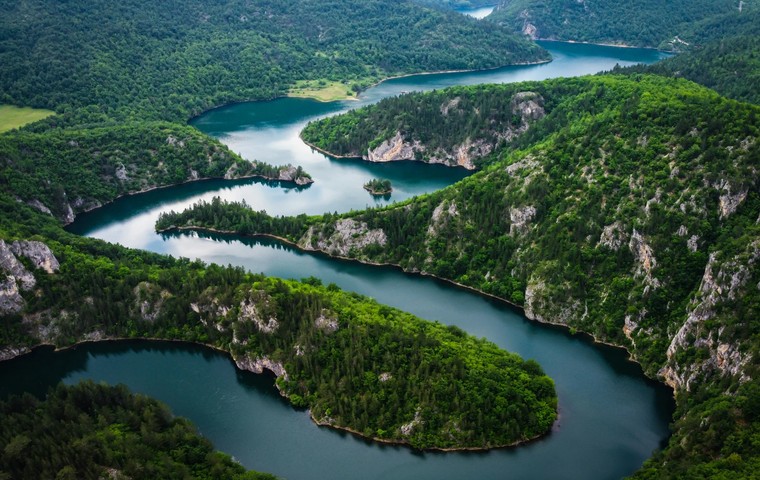
Lake Skadar: €5 Kayaks, Pelicans, and the Real Virpazar Fish Dinner
The Balkans' largest lake, one hour from Budva: group boats from €15, kayaks from €5/hr. Where to eat fresh carp, when pelicans actually show up, and what to skip.
April 22, 2026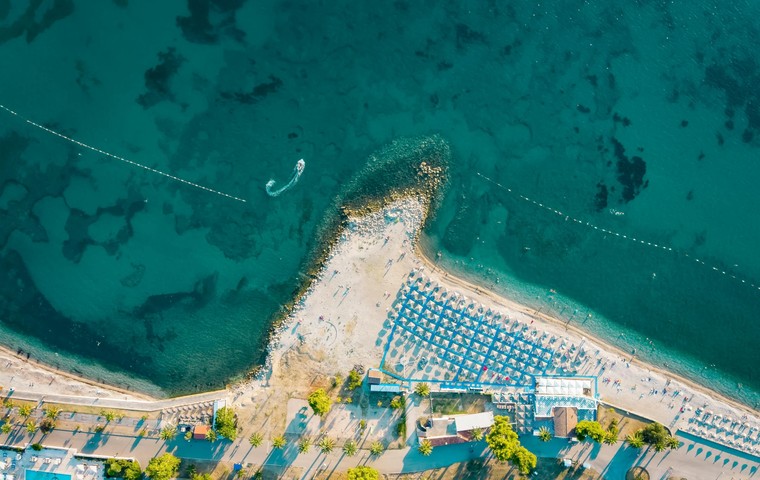
Bar or Ulcinj: Which Southern Montenegro Town Should You Pick?
Bar costs 20% less, but Ulcinj has Montenegro's best sandy beaches. An honest comparison of accommodation, food, sights, and vibe – so you don't regret your choice.
March 28, 2026Montenegro in July: +31°C, Peak Prices & What They Don't Tell You
July is Montenegro's hottest and priciest month – 31°C air, 25°C sea, packed beaches. Here's what it actually costs, where to find space, and what to skip.
March 06, 2026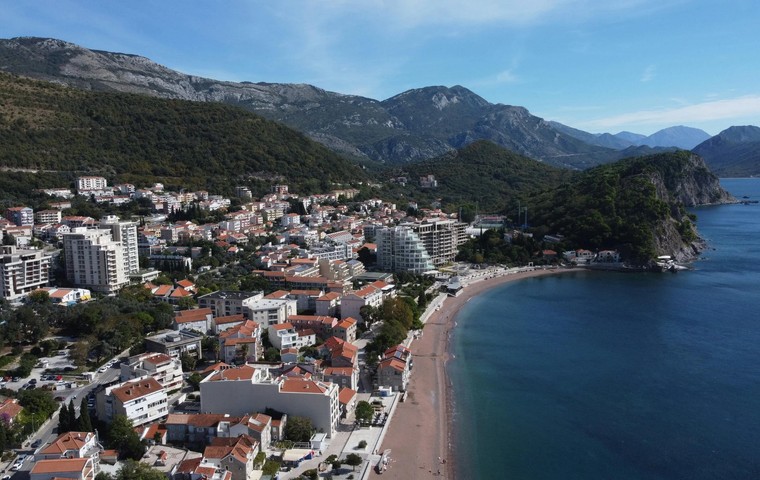
Petrovac for Family Holidays: Calm Beaches, Coastal Trails & Hotels That Actually Work for Kids
Petrovac is Montenegro's quietest Riviera resort – gentle entry to water, stroller-friendly trails through pine forests, and quality hotels from €70/night. Here's what guidebooks don't tell you.
March 08, 2026
Bar, Montenegro: Ancient Ruins, 2 000-Year-Old Olives & a Working Port
Bar is Montenegro's only ferry port to Italy and the terminus of the Belgrade–Bar railway. Stari Bar fortress, a 2 000-year-old olive tree, quiet beaches, and prices 30% below Budva.
March 21, 2026