Our Lady of the Rocks
Gospa od Škrpjela
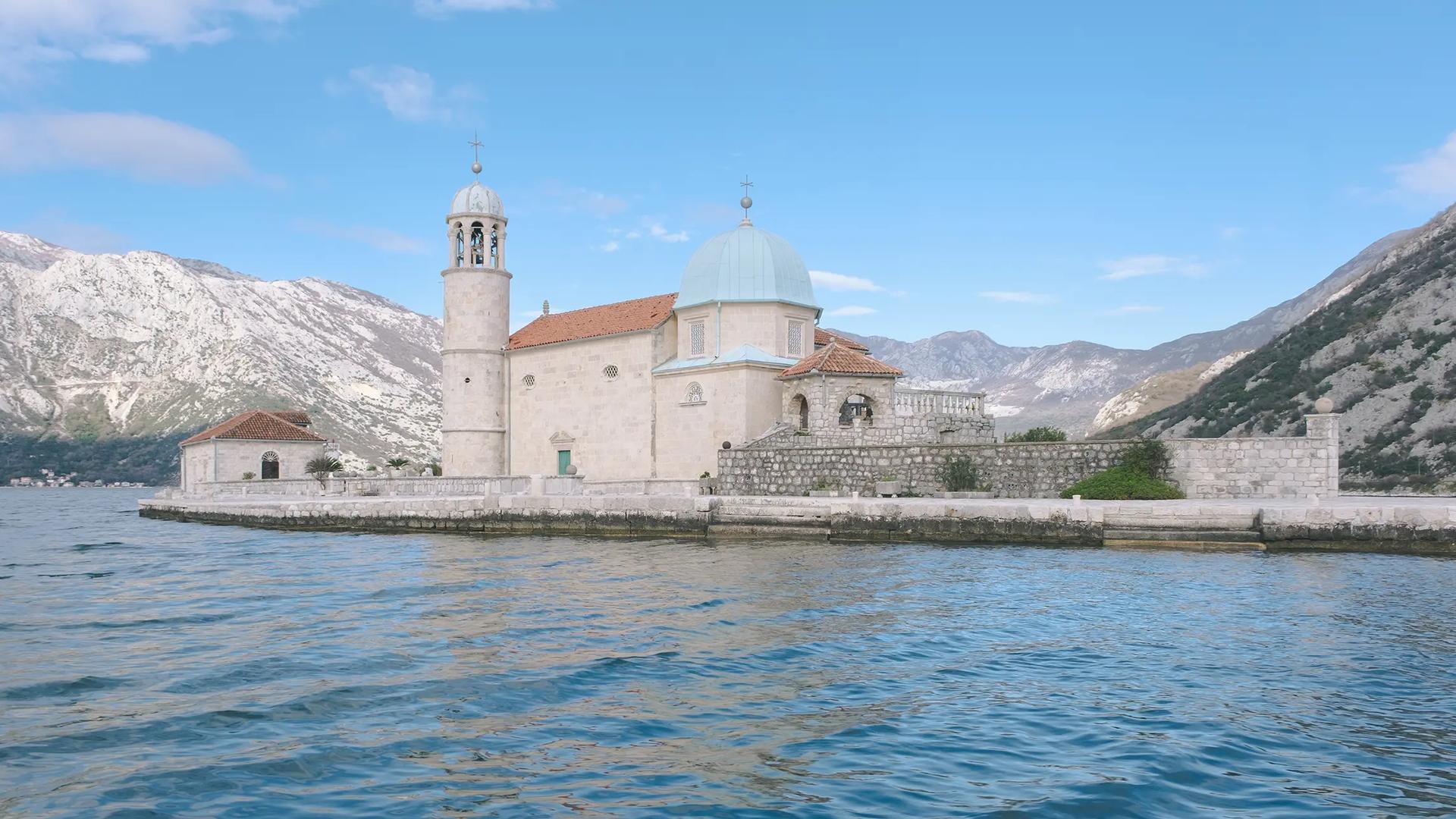
An artificial islet with a Baroque church of Our Lady.
About
The islet was built by Perast’s seafarers who for centuries dropped stones around the reef where an icon of the Virgin was found. The Baroque church is decorated with frescoes, paintings by Tripo Kokolja and a rich collection of votive gifts from sailors. It is Boka’s most iconic symbol.
Transport
Travel time
On foot from Perast center3–5 min.700 m
By car from Perast3 min.945 m
From the airport Tivat · TIV34 min.12 km
On the map
Location
In detail
What's here
What is this place
Our Lady of the Rocks (Gospa od Škrpjela) is a small artificial island sanctuary with a Catholic church and museum, lying just off Perast in the Bay of Kotor. It is one of Montenegro’s key landmarks and a rare example of an island entirely created by human hands.
Key features
- The islet covers about 0.38 ha, almost completely occupied by the church, quay and a few service buildings.
- It is considered the only fully man-made island in the Adriatic, created by sinking old ships and piling rocks on a reef.
- Legend says the island began after seamen found an icon of the Madonna and Child on a reef on 22 July 1452.
- Every year on 22 July locals still hold the fašinada ritual, sailing out and throwing stones into the sea to reinforce the island.
- The church and museum hold large collections of votive gifts, more than 60 paintings by baroque artist Tripo Kokolja and the famous tapestry by Jacinta Kunić-Mijović, partly embroidered with her own hair.
What to see
- The Catholic Church of Our Lady of the Rocks with its blue dome, baroque interior and iconostasis.
- A small museum displaying maritime votive objects, old weapons, amphorae and ship paintings.
- Panoramic views over Perast, neighbouring Sveti Đorđe island and the inner Bay of Kotor.
History
The rocky reef at this spot was known to sailors since the late 15th century and served as a natural navigation mark. According to tradition, Perast fishermen found an icon of the Virgin and Child here in 1452 and vowed to build an island.
In the following decades, local seamen returning from successful voyages scuttled old ships loaded with rocks and added more stones around the reef, gradually creating a solid platform. A church was built and consecrated on the island in the 17th century, then rebuilt and given its present baroque appearance with dome and bell tower after renovation in 1722.
Over time Our Lady of the Rocks became an important pilgrimage and maritime shrine of the bay: sailors dedicated votive gifts, ship paintings and silver tablets. Today the island forms part of the protected Natural and Culturo-Historical Region of Kotor and is considered within a broader UNESCO tentative framework, remaining one of the most visited sights in the Bay of Kotor.
Practical information
Location: opposite the town of Perast, in the central part of the Bay of Kotor, around 12–15 km by road from Kotor.
Getting there: drive or take a bus or taxi to Perast from Kotor/Tivat, then switch to a small boat shuttle; the boat trip from Perast takes about 5–10 minutes.
Access: the island is only accessible by boat; access to the island and church is generally free, while entry to the museum section is paid separately (around 2 euros).
Visiting hours: in high season the church and museum usually open roughly from 08:00 to 20:00, though hours can vary with month and weather.
Visit duration: 30–45 minutes are enough to see the church, museum and walk around the quay; including the boat ride and a short stop in Perast, plan for 1.5–2 hours.
Best time: warm season from May to October; for a quieter experience, choose mornings or late afternoon, especially in peak summer.
Notes: in winter some tours may not operate and boat schedules are reduced; surfaces on the island are paved and exposed, so in summer a hat and water help, and modest dress is recommended inside the church and museum.
Our Lady of the Rocks
Articles about this place
Tips
Montenegro Prices 2026: Real Weekly Budget – From €480 Bare-Bones to €2 000 Comfort
What a week in Montenegro costs in 2026: lodging, food, car rental, tours.
April 27, 2026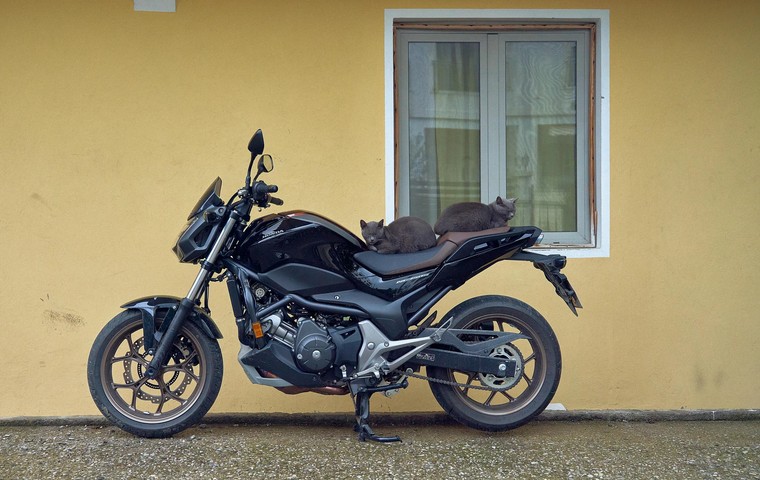
Transport
Scooter & Motorcycle Rental in Montenegro: Traffic Rules, Prices and the 5 Best Rides
Scooters from €15/day, motorcycles from €40. License requirements, hidden costs, real fines – and 5 routes that make two wheels better than four.
April 02, 2026
Tips
Montenegro in August: +32 °C, Budva Crowds and Where to Actually Go Instead
Peak season: sea at +26 °C, hotels cost double May rates, Budva is packed. Here's where to stay smarter – Ulcinj, Žabljak, Herceg Novi – and what it really costs.
April 21, 2026
Tips
Montenegro or Cyprus for Summer: Price, Beach & Logistics Comparison
Montenegro is 30–40% cheaper, easier to reach, and packed with wild coastline. Cyprus counters with warmer seas and longer season. Here's a point-by-point breakdown.
April 09, 2026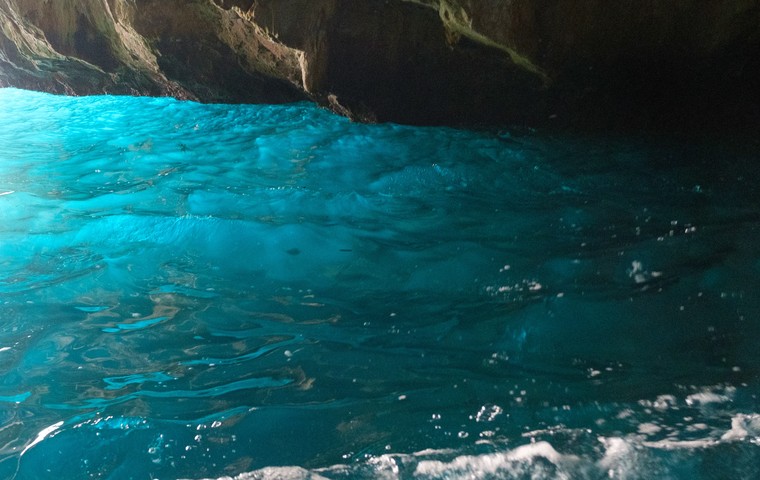
Tours
Blue Cave (Plava Špilja): Boat Tours from Kotor & Tivat – Prices, Routes & Honest Tips
The Blue Cave is Montenegro's most popular sea grotto – €40 speedboat tours from Kotor, 3 hours, and 5 stops. But go at 9 AM or you'll share it with 50 people and engine fumes.
April 09, 2026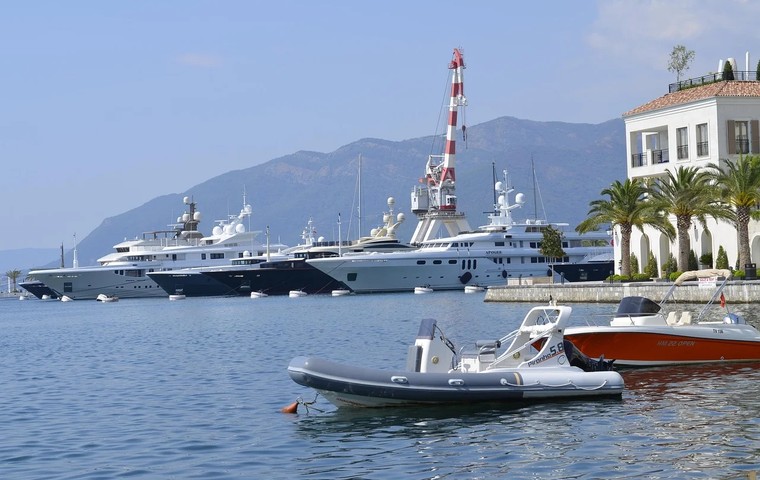
Tours
Tivat & Porto Montenegro: The Insider's Guide to Montenegro's Most Modern Town
Most tourists skip Tivat on the way to their resort. Here's why that's a mistake – a Platinum-rated marina, 17 beaches, and prices lower than Budva.
March 26, 2026Nearby