St. Nicholas Church
Crkva Svetog Nikole
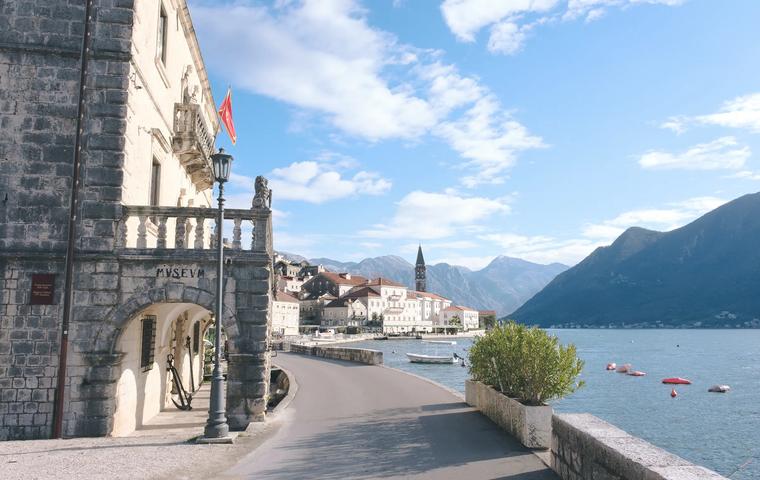
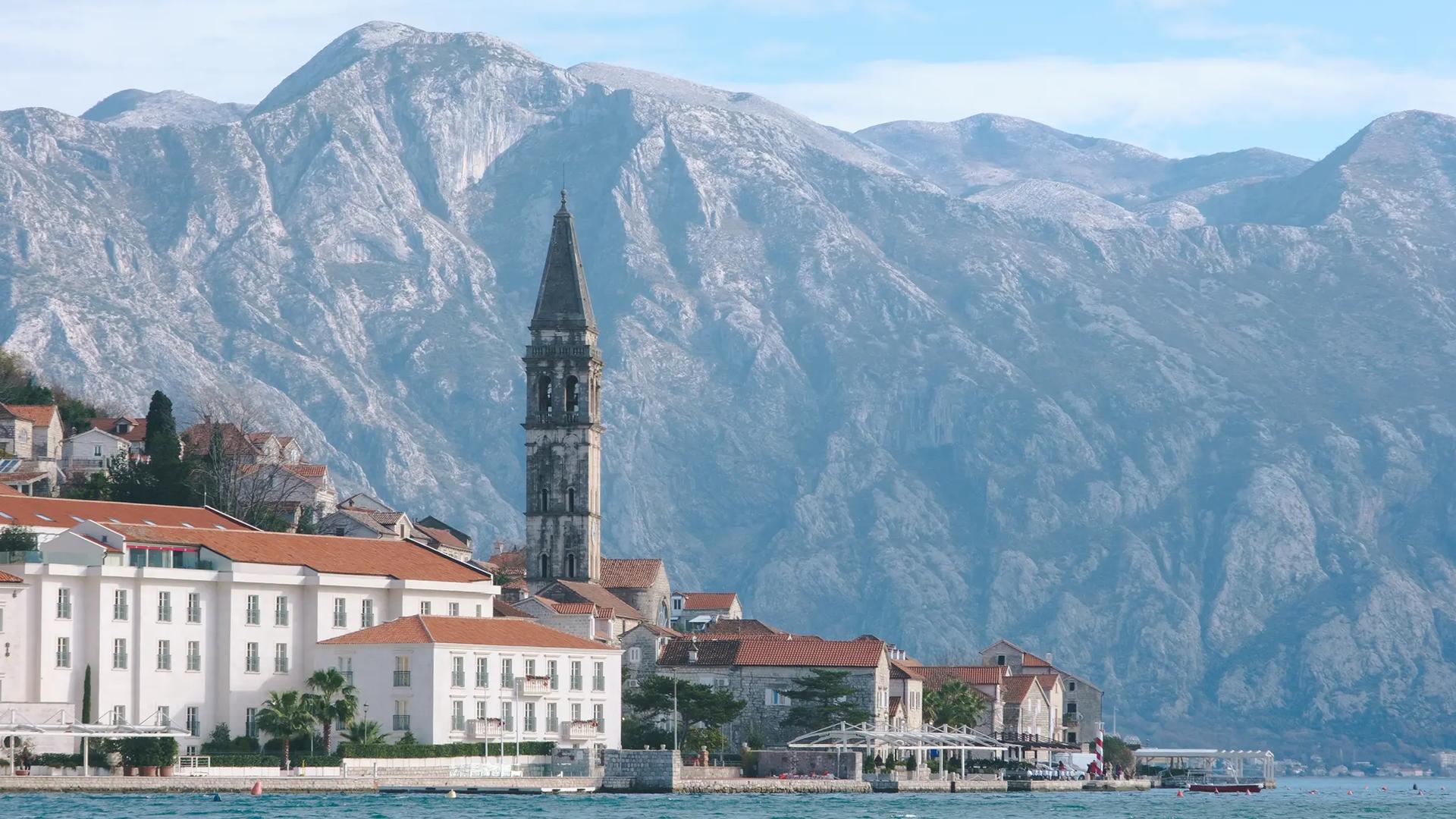
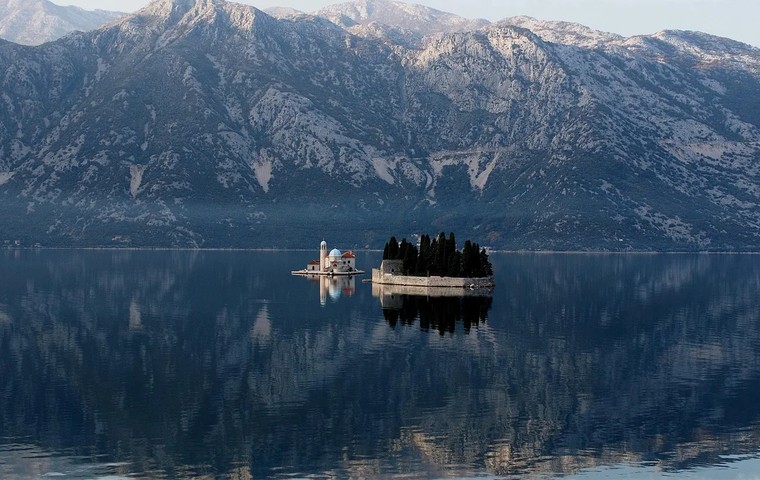
The main church of Perast with a tall belfry and bay panorama.
About
Built in the 17th century, the church is dedicated to the patron of sailors. Its 55-metre belfry is the town’s vertical landmark. From the terrace there are sweeping views of the islands and the bay, while inside are icons and works by local artists.
Transport
Travel time
On foot from Perast center1 min.100 m
By car from Perast1 min.135 m
From the airport Tivat · TIV37 min.11 km
On the map
Location
In detail
What's here
What is this place
The Church of St Nicholas (Crkva Svetog Nikole) is the main Orthodox church in Kotor’s Old Town, a Serbian Orthodox parish church on St Luke’s Square in the northern part of the walled city. Built in the early 20th century in a Neo-Byzantine style, it is the centre of Kotor’s Orthodox community and a prominent landmark in the historic core.
Key features
- Built between 1902 and 1909 on the site of an earlier Orthodox church from 1810, which burned down in a fire in 1896.
- Stands on St Luke’s Square (Trg Svetog Luke) in the northern Old Town and is regarded as the most important Orthodox church in Kotor.
- The main façade has twin bell towers with dark domes topped by golden crosses (a gift from Russia), a mosaic over the portal and the Serbian Orthodox Church flag hanging above the entrance.
- Single-nave interior with a large dome and a richly carved iconostasis by Czech masters, completed in 1908, along with a collection of 19th–20th century icons.
- Holds a notable collection of icons and liturgical treasures, including the revered icon of the Mother of God Trojeručica, as well as documents and vestments donated by wealthy Kotor families; it is the only church in Kotor with daily Orthodox services.
What to see
- The Neo-Byzantine façade with twin towers, black domes and gilded crosses, plus a mosaic above the entrance and the church flag.
- The interior space under the dome with the early-20th-century iconostasis by František (Franjo) Ziegler, rows of icons, silver fittings, candelabra and chandeliers.
- A small treasury with icons, manuscripts, liturgical objects and vestments, many of them gifts from prominent local families.
History
Orthodox worship on this site dates back to the early 19th century: in 1810 the first Orthodox church was erected here under French rule in the Bay of Kotor. It burned down on Christmas Eve 1896, leaving the community without its main place of worship.
Construction of the present church began in 1902, reusing the site of the previous building and the former Dominican complex, and was completed in 1909, as recorded on the façade. The church was conceived as the principal Orthodox temple of Kotor, with a tall twin-tower front and dome rising above the northern Old Town and visible even from outside the walls.
Interior decoration was finished by 1908, when Czech painter František (Franjo) Ziegler completed the iconostasis. Through the 20th century the church functioned as Kotor’s main Orthodox centre, accumulating icons, silverware and vestments as donations. The 1979 Montenegro earthquake did not destroy the building but led to consolidation and restoration works. Today St Nicholas’ is an active parish of the Metropolitanate of Montenegro and the Littoral and a key site for understanding Kotor’s Orthodox heritage.
Practical information
Location: northern Old Town of Kotor, on St Luke’s Square (Trg Svetog Luke), just a few minutes’ walk from the Sea Gate and main square.
Getting there: from the Sea Gate walk straight into the Old Town to Arms Square, then follow signs towards Trg Svetog Luke; the nearest parking is outside the walls along the waterfront and by the northern gate, around 5–10 minutes on foot.
Access: entry is free, with donations appreciated; as an active parish church with daily services, baptisms and weddings, visiting for sightseeing may be limited during liturgy.
Visiting hours: typically open from around 9:00 to 17:00–18:00, often longer in summer; exact hours vary by season and service schedule, so it is best to confirm locally.
Visit duration: 15–30 minutes are usually enough for a quiet look around and time with the icons; allow up to 40 minutes if you are interested in the treasury and architectural details.
Best time: mornings or early evenings for fewer crowds and softer light inside; on major feast days the church is busier but offers a chance to experience full Orthodox liturgy.
Notes: modest clothing (covered shoulders and knees) is required; photography inside may be restricted, so always check with clergy or staff first. Candles and incense are used regularly, which may affect visitors sensitive to scents.
St. Nicholas Church
Articles about this place
Nearby