Blog · Tips
Montenegro Prices 2026: Real Weekly Budget – From €480 Bare-Bones to €2 000 Comfort
 Tips
TipsIn this article
- 01Key Takeaways
- 02Seasonality Drives Everything
- 03Lodging: Breakdown by Type and City
- 04Food: Numbers from Receipts, Not Brochures
- 05Transport: Bus, Taxi, Rental Car
- 06Activities, Tours and Beaches
- 07Connectivity, Insurance, Small Costs
- 08Realistic Weekly Budgets
- 09Frequently Asked Questions
- 10Conclusion
- 11Read Also
- 12Sources
Some links are affiliate links. You pay the same, and we may earn a commission.
What a week in Montenegro costs in 2026: lodging, food, car rental, tours.
A week in Montenegro for two travellers in peak 2026 realistically lands at €1 200–1 600 with lodging, food and a rental car – flights excluded. In winter and spring the same combination drops to €600–800. The two budget killers aren't restaurants but lodging in July-August (a Budva hotel doubles or triples in price) and car rental (August rates start at €80/day vs. €25–35 in winter). Below is a category-by-category breakdown with concrete ranges and notes on what actually moves the total.
Key Takeaways
- Bare-bones budget for one for a week: €480–550. Apartments or hostel out of centre, self-catering, buses, 1–2 paid attractions.
- Comfort budget for two: €1 200–1 600 in season, €600–800 off-season. Decent seafront apartments, café lunches, konoba dinners, 4–5-day car rental.
- Lodging is the biggest variable in summer: a Budva apartment runs €80–150/night for two in August, €30–45 in February.
- Most underestimated expense – paid beach loungers: €20–80/day at branded sections in Budva and Sveti Stefan; municipal beaches are free.
- Supermarket food is 2.5–3× cheaper than restaurants: €8–12/day for two cooking at home vs. €30–40 at a cafe.
- Tourist tax is €1/night per adult, paid separately at check-in or to the host.
- Car rental beats buses for couples staying 4+ days: Budva–Kotor return bus is €12; one day of off-season economy rental is €25–30.
Seasonality Drives Everything
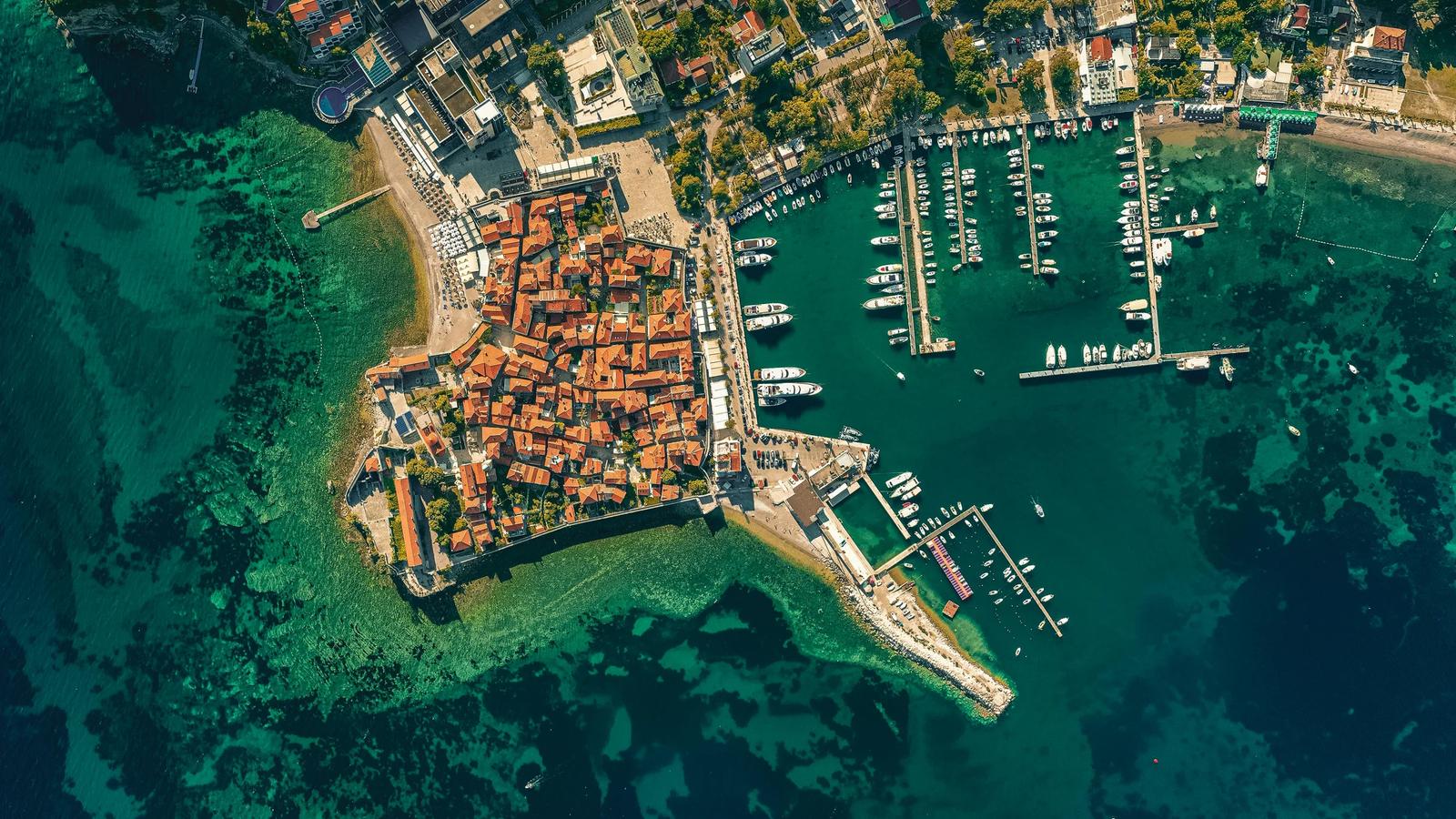
Montenegro has three pricing waves, not two. Understanding them lets you save 30–50 % just by shifting dates by 2–3 weeks.
Low season (November to March) – minimum prices, but half of seaside cafes and beach bars are closed. Kotor, Podgorica and parts of Herceg Novi stay open. Best for mountains, monasteries, and quiet coastal walks.
Shoulder seasons (April to mid-June, mid-September to October) – the sweet spot. Sea is already/still warm (20–24 °C), hotels operate, and prices sit 30–50 % below July peaks.
High season (mid-June to mid-September) – peak. Lodging in Budva and Becici multiplies by 2–3. Last-minute car rentals are often unavailable – local aggregators warn of fleet shortages.
Book July-August accommodation at least 3 months out. According to local market reports, 2026 demand surged from Polish and Baltic low-cost carriers – Wizz Air opens its Podgorica base in March, and good Kotor apartments sell out by April.
Lodging: Breakdown by Type and City
This is the most volatile budget line. The same studio costs €35 in April and €110 in August. Prices below are per night for two (Updated: April 2026).
| Lodging Type | Low Season (€/night) | High Season (€/night) | Where to Look |
|---|---|---|---|
Hostel (dorm bed) | 12–18 | 20–30 | Kotor, Budva, Podgorica |
Apartment studio (off-centre) | 25–40 | 55–85 | Bar, Petrovac, Ulcinj |
Studio with sea view | 35–50 | 75–120 | Kotor, Becici, Perast |
3-star hotel | 45–65 | 90–140 | Coast-wide |
4-star hotel | 70–110 | 130–220 | Tivat, Budva |
Marina/5-star resort | 180–280 | 350–600+ | Porto Montenegro, Sveti Stefan |
For breadth of inventory and free-cancellation options, Booking works across the entire coast. Trip.com offers similar inventory with broader payment methods. We don't recommend booking directly through third-party host sites: there's no protection against cancellations and the tourist tax is still charged separately.
Location hack: Budva is the most expensive coastal town. Bar 30 minutes south is 25–30 % cheaper for the same sea quality. Podgorica isn't a resort but stays under €50/night even in July, with 50-minute drives to the coast.
Food: Numbers from Receipts, Not Brochures
Montenegro is among the cheapest Adriatic countries for groceries, but tourist-strip restaurants push prices toward Croatian levels. The gap between a touristy promenade dinner and a back-street konoba is 30–40 %.
Supermarket basics (Voli, Idea, HDL chains):
| Item | Price |
|---|---|
Bread (500 g) | €0.70–1.50 |
Milk (1 L) | €0.99–1.60 |
Local cheese (1 kg) | €5.50–14 |
Chicken fillet (1 kg) | €4–10 |
Tomatoes (1 kg) | €1.30–3 |
Mid-range wine bottle | €4–10 |
Local beer (0.5 L bottle) | €0.70–1.50 |
Ground coffee (250 g) | €3–5 |
Daily groceries for two: €12–18.
Eating out:
| Item | Price |
|---|---|
Burek (meat/cheese pastry) – snack | €2–3 |
Cevapi with salad and bread | €5–8 |
Inexpensive restaurant meal (one course) | €6–15 |
Three-course dinner for two, mid-range | €30–90 |
Glass of wine | €2.50–4 |
Cappuccino | €1.30–3.50 |
Bottled water (0.33 L) | €1–2 |
Where to save without skipping local food. Konobas (family-run taverns) deliver the best ratio: 30–40 % cheaper than promenade restaurants, with bigger portions. In Kotor, avoid the main square and walk past the city walls – in Dobrota district, dinner for two with wine averages €35–45. Same logic in Budva: head to Podmaine or the older Reževići part of the riviera.
Transport: Bus, Taxi, Rental Car
Transport choices affect the budget more than people expect. For static stays (hotel + beach + 1–2 day trips), buses and taxis suffice. For free-form itineraries with mountains, a rental car wins.
Buses. Network covers all coastal towns. Budva – Kotor is €4–5, Budva – Podgorica is €6–8, Kotor – Žabljak is €14–16 one-way. Luggage charged separately (€1/piece). Schedules are reliable, but August buses fill up – buy tickets at the station counter the day before.
Taxis. Start €1, per km €0.60–1.37, hourly wait €6–15. From Tivat airport to Budva runs €25–35 metered, to Kotor €20–28. From Podgorica airport to the coast taxis cost €60–90. Uber and Bolt don't operate in Montenegro – local apps (Tap, Carpe Diem) exist but in tourist areas it's often easier to flag a car. For predictable pricing, pre-book a transfer: Kiwitaxi or Welcome Pickups lock the rate before pickup.
Car rental. Economy class off-season: €25–35/day. July-August: €60–100. Deposits typically run €100–300 by category. Local aggregator Localrent pulls from private fleets and often skips the deposit. For international brand searches, Economybookings aggregates global suppliers.
Book August rentals 4–6 weeks ahead. Local market reports flag a coast-wide fleet shortage in peak season, with last-minute rentals at Tivat-Budva often costing twice the standard rate.
Fuel. €1.40–1.60/litre. A full tank in a compact car is €50–60. For a week of active driving, budget two refuels.
Activities, Tours and Beaches
This category splits into two budgets. DIY paid attractions: €30–60 per person per week. With 2–3 group tours: €100–180.
Standard entry fees:
- Kotor Old Town city walls – €8
- Budva Citadel – €5.50
- Durmitor National Park entry – €3/day
- Biogradska Gora National Park – €3
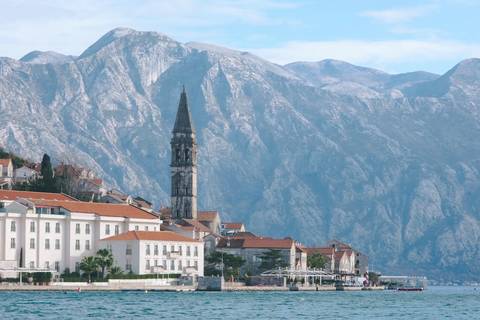
- Boat to Our Lady of the Rocks from Perast – €5–7 per person
Paid beaches. The biggest gotcha for unprepared visitors. At Budva, Pržno, and the Sveti Stefan area, sun loungers run:
- Mogren Beach – €15–25 per pair
- Slovenska Plaža – €10–20
- Sveti Stefan paid section – €50–80/day
- Ploče Beach Club (Kotor area) – €25–40
The fix: most of these have municipal sections with free entry and just lounger fees (€5–8). Cheapest beaches overall – Ulcinj, Bar, Petrovac.
Tours. Group bus tours are cheaper, private guides cost more but deliver depth. Among English-speaking visitors, top sellers from local platforms are the #1-rated Blue Cave speedboat tour from €45 per person and the Great Montenegro Tour (Lovćen, Cetinje, Sveti Stefan) at €79. For a budget walking option, Kotor Old Town walking tour runs €25. Mountain explorers go for the North Montenegro, Durmitor, Tara & Ostrog tour at €84.
The tourist tax is €1 per adult per night, payable at check-in. A week for two adds €14. Under older rules guests had to register a "White Card" at the police; today 90 % of hosts handle this themselves.
Connectivity, Insurance, Small Costs
Mobile data. Local SIM at M:tel or Telenor kiosks: €10–20 for a 10–30 GB / 30-day pack. eSIM is more convenient – set it up before landing and it works on arrival. Yesim local plans start at 3 GB for €10 / 7 days and 10 GB for €17 / 30 days. For multi-country Balkan trips, the regional bundle 20 GB for €36 / 30 days works across 11 countries. For short trips up to 7 days, Airalo offers plans from €12.
Travel insurance. Not mandatory for entry, but Montenegro isn't in Schengen and medical care is paid. A basic 7-day plan starts at $7 (EKTA START), extended adventure cover at $35–40. Critical for hiking and kayaking: a leg injury in Durmitor National Park without insurance runs €200–500 just for evacuation. Check visa requirements for your nationality before flying.
Hidden 50–80 € weekly leaks: paid parking in central Kotor (€1–2/hour), café water charged with your coffee (€1.50), and ATM dynamic conversion losses (3–5 % when withdrawing in EUR via card-currency conversion – always pick "without conversion").
Realistic Weekly Budgets
Numbers below are for two, week-long, flights excluded (Updated: April 2026):
| Scenario | Lodging | Food | Transport | Activities | Total |
|---|---|---|---|---|---|
Bare-bones, April | €210 | €100 | €50 | €60 | €420–470 |
Bare-bones, August | €380 | €130 | €90 | €80 | €680–750 |
Comfort, April | €380 | €220 | €180 | €120 | €900–1 000 |
Comfort, August | €700 | €280 | €350 | €200 | €1 530–1 700 |
Premium, August | €1 800 | €600 | €600 | €400 | €3 400–3 800 |
"Comfort" includes a 5-day rental car, konoba dinners, 2–3 paid tours. "Bare-bones" means buses + apartments with kitchen + 1 tour + municipal beaches.
Frequently Asked Questions
1. How much cash should I bring for a week? €100–150 for two is enough. Cards work everywhere – supermarkets, cafes, hotels, taxis in tourist zones. Cash is for markets, small mountain konobas, and parking meters. ATMs are in every town; EU card fees are usually zero, while non-EU cards add 3–5 %.
2. Can I save by flying via Albania or Croatia? Yes. Flights to Tirana or Dubrovnik are often cheaper than direct to Tivat. From Dubrovnik to Herceg Novi is a 40-minute transfer (€50–80). From Tirana to Ulcinj is a 2-hour bus (€15). Savings: €100–200 per person on tickets, but add a travel day each way.
3. What's actually more expensive than expected? Restaurant alcohol (200–300 % markup over store prices), parking in tourist centres in season (€3–5/hour in Budva in August), spa treatments at branded resorts (€60–90/hour vs. €25–35 at local salons), and loungers at branded beach clubs near Sveti Stefan.
4. At what point does an apartment with kitchen beat a hotel? At 4 nights. Konoba dinners for two average €35–50, while home-cooked meals run €8–12. The €25–35 daily gap over a week saves €100–150, more than offsetting the apartment vs. hotel premium.
5. How widely accepted are credit cards? Visa and Mastercard work nearly everywhere on the coast. Smaller mountain villages and farmers' markets are cash-only. ATMs accept international cards but charge 3–5 % via dynamic conversion – always select "withdraw in EUR" / "without conversion" to avoid the markup.
Conclusion
Montenegro in 2026 remains one of the most affordable Adriatic countries, but "cheap" no longer fits. Lodging and car rental in peak season have caught up to neighbouring Croatia – the gap is at most 15 %. Real savings come from konobas instead of tourist restaurants, municipal beaches instead of paid clubs, and shoulder-season travel. For a couple in comfort mode, expect €1 200–1 600 in August, €700–900 in May, €500–700 in November – flights excluded.
Read Also
- Kotor vs Budva detailed comparison
- Car rental in Montenegro – everything tourists need to know
- Tourist tax and the White Card
- Taxis in Montenegro – how to avoid overpaying
- Affordable seaside hotels in Montenegro
Sources
- Numbeo Cost of Living Index Montenegro – grocery, restaurant, and transport price stats
- Budget Your Trip Montenegro – aggregated traveller spending data
- Hikersbay Travel Cost Montenegro – updated 2026 average prices
Places to see in Montenegro
You may also like
Montenegro Markets (Pijaca): How to Buy Real Cheese at €8/kg, Kajmak and Wine
Budva's market is 1.5–2× more expensive than supermarkets, while Podgorica sells the same cheese at half price. Where to buy real Njeguški cheese, kajmak, pršut and Vranac without the tourist markup.
April 30, 2026
Driving in Montenegro 2026: Toll Roads, Sozina Tunnel Price and Real Fines
Montenegro's roads are stunning but tricky – switchbacks without guardrails, aggressive local drivers, and fines up to €2,000. Speed limits, toll costs, and 9 things guidebooks don't mention.
March 06, 2026
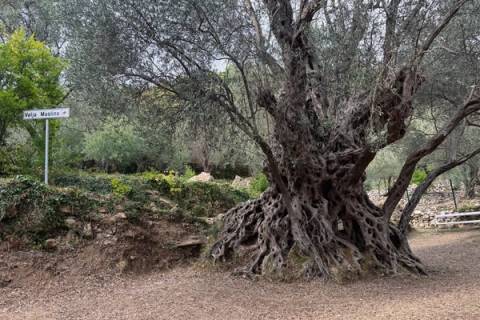
Bar, Montenegro: Ancient Ruins, 2 000-Year-Old Olives & a Working Port
Bar is Montenegro's only ferry port to Italy and the terminus of the Belgrade–Bar railway. Stari Bar fortress, a 2 000-year-old olive tree, quiet beaches, and prices 30% below Budva.
March 21, 2026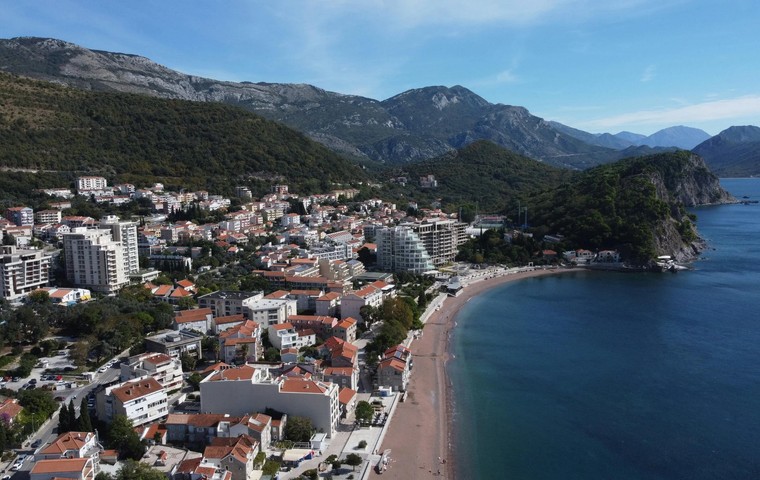
Montenegro with Kids: 8 Shallow-Entry Beaches That Work for Families
Sandy bottom, knee-deep water for 50 metres, sunbeds from €5 – a guide to the best family-friendly beaches in Montenegro.
March 15, 2026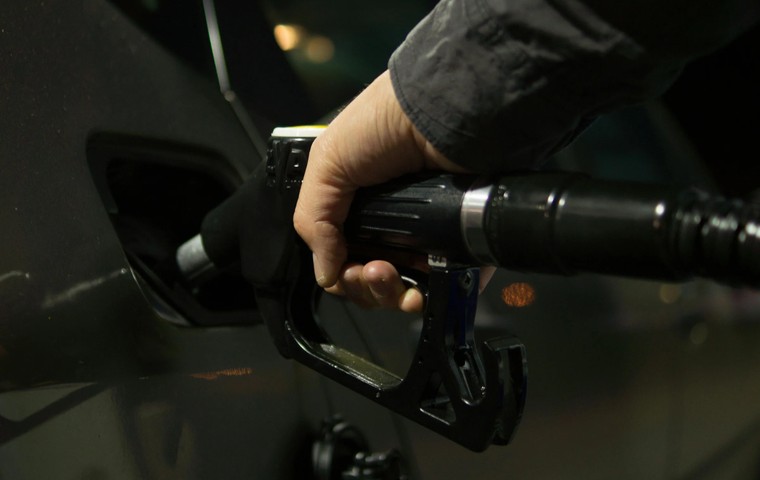
Petrol in Montenegro: Fuel Prices, Which Brands to Trust, Where Tourists Get Scammed
Fuel prices in Montenegro, autumn 2026: €1.75 for 95-octane, €1.95 for diesel. Which networks won't cheat you, where cards work, and why the cheapest pump is rarely the best one.
April 26, 2026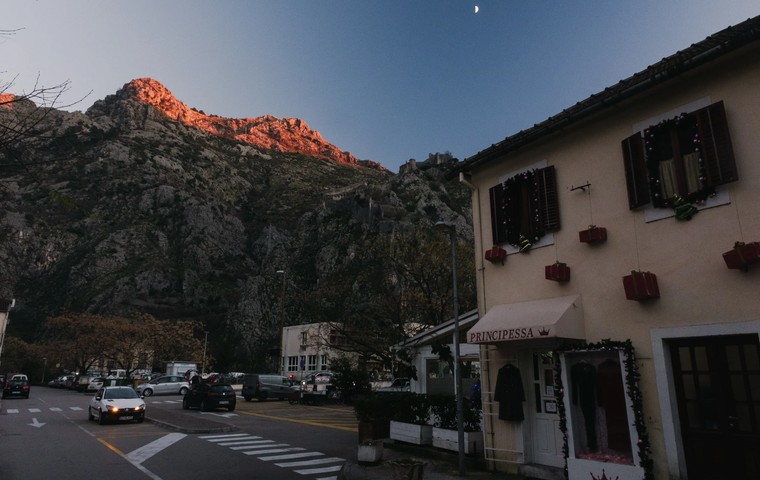
Montenegro Tourist Tax & White Card: Step-by-Step Registration Guide to Avoid Fines
Complete 2026 guide to tourist registration in Montenegro – how to pay the tourist tax, what the "White Card" (Bijeli Karton) is, deadlines, fines, and practical tips for every traveller.
February 24, 2026