Blog · Transport
Driving in Montenegro 2026: Toll Roads, Sozina Tunnel Price and Real Fines
 Transport
In this article
- 01What the Roads Are Actually Like
- 02Local Driving Style: What to Expect
- 03Speed Limits and Cameras
- 04Complete Fine Table 2026
- 05What Happens When Police Stop You
- 06Toll Roads and the Ferry
- 07Fuel: Prices and Stations
- 08Parking: Where It's Free and Where You Get Towed
- 09Winter Driving: Tyres, Chains, and Mountain Passes
- 10Renting a Car: What You Need to Know
- 11Documents You Need While Driving
- 12Navigation and Connectivity on the Road
- 13Frequently Asked Questions
Some links are affiliate links. You pay the same, and we may earn a commission.
Montenegro's roads are stunning but tricky – switchbacks without guardrails, aggressive local drivers, and fines up to €2,000. Speed limits, toll costs, and 9 things guidebooks don't mention.
Montenegro is one of those European countries where renting a car shifts from convenience to necessity. Public transport covers main routes only, and the country's best natural attractions – Durmitor National Park, Lake Skadar, Tara Canyon – demand a vehicle. The roads here are scenic but idiosyncratic: single-lane switchbacks, local drivers with a bold style, and fines that can put a dent in your holiday budget.
Key facts:
- Speed limits: 50 km/h in towns, 80 km/h outside – speed cameras are widespread
- Dipped headlights are mandatory 24/7, year-round; fine for non-compliance starts at €30
- Blood alcohol limit is 0.3‰, equivalent to roughly one small beer; exceeding it risks fines up to €2,000 or arrest
- Winter tyres are mandatory from November 15 to April 1 – driving without them means a fine and possible road closure
- Only two toll roads exist: Sozina Tunnel (€2.50) and the A1 motorway (€3.50)
- Kamenari – Lepetane ferry across the Bay of Kotor costs €5 per car and saves 30 km of driving
- Petrol (95 octane) costs around €1.49 per litre – pricier than Serbia, cheaper than Croatia
What the Roads Are Actually Like
Montenegro has roughly 7,760 km of roads, about 7,140 km paved. That sounds respectable, but the numbers mask reality: most roads are two-lane routes winding through mountains. The country has exactly one proper motorway – a 42 km section of the A1 from Smokovac to Mateševo, opened in 2022.
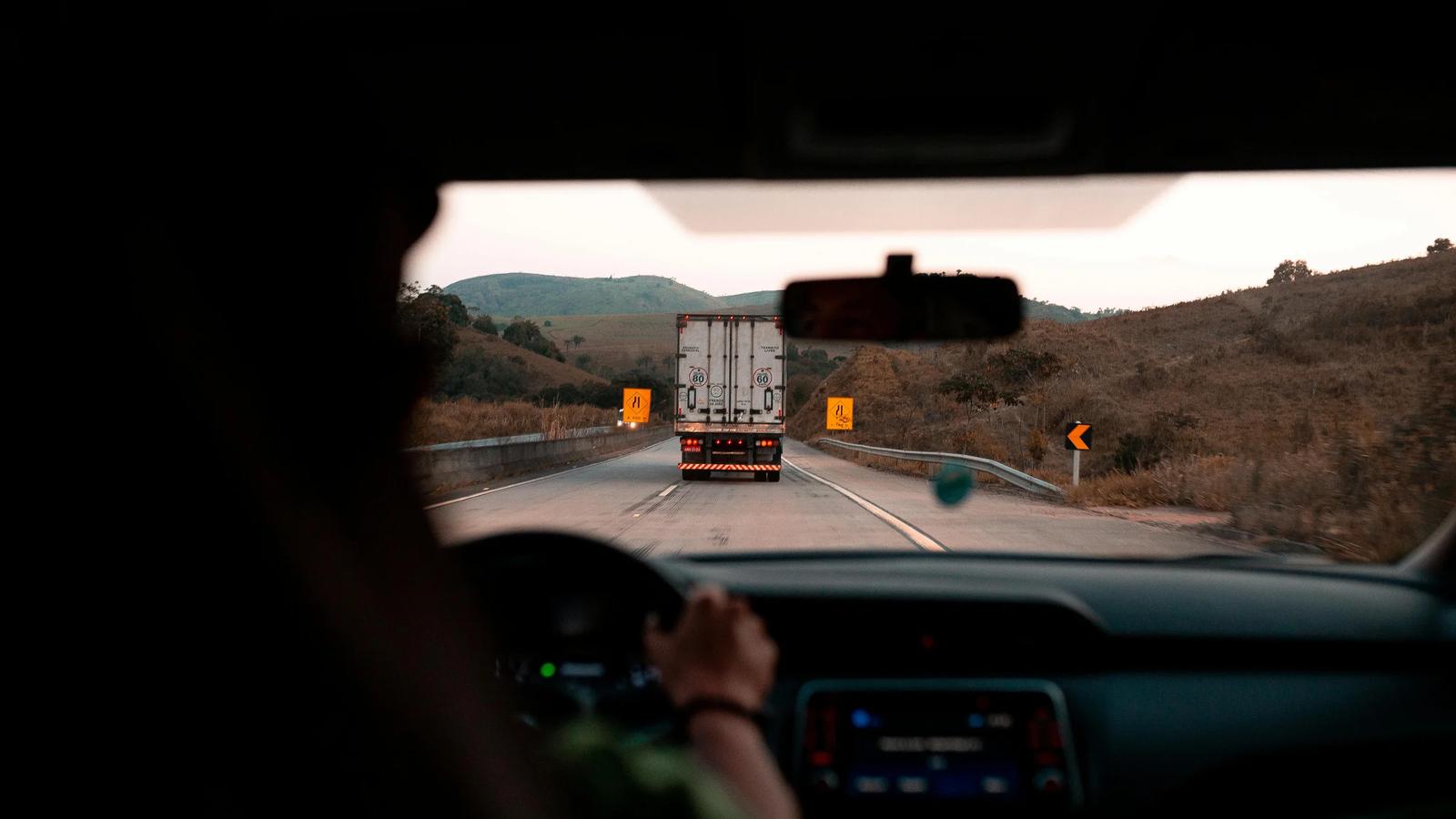
The Adriatic Highway (Jadranska magistrala) connects the coast from Herceg Novi to Ulcinj. In summer, it turns into one long traffic jam, particularly between Budva and Kotor. Inland roads to Žabljak and Kolašin are switchbacks with elevation changes of hundreds of metres, blind corners without barriers, and the occasional truck barrelling towards you.
Key rule: plan mountain drives during daylight hours. Unlit, unmarked switchbacks at night are a serious challenge even for experienced drivers.
Road surfaces on the coast and major routes are generally good. But side roads to villages or secluded beaches often turn to potholed gravel. Navigation apps don't always distinguish between a proper road and a mountain track.
Local Driving Style: What to Expect
Montenegrin drivers are confident, sometimes aggressive. Overtaking on mountain bends across solid lines is more norm than exception. Yet at pedestrian crossings, drivers stop without question – the culture of yielding to pedestrians is strong.
Situations that surprise visitors:
In small towns like Perast, Petrovac, and the old part of Kotor, streets are so narrow that two cars cannot pass simultaneously. Vehicles parked on both sides turn a two-lane road into a single lane. The unwritten rule: whoever is closer to a wider spot yields.
On mountain switchbacks, locals often overtake on blind corners. Keep your distance and don't feel pressured by flashing headlights or horns from behind – it's a request to let them pass, not a threat. Pull slightly to the right and let them go.
Speed Limits and Cameras
Speed limits follow European standards, but enforcement is serious:
| Road Type | Limit | Fine for Exceeding |
|---|---|---|
Urban areas | 50 km/h | €40 – €2,000 |
Outside towns | 80 km/h | €40 – €2,000 |
A1 motorway | 100 km/h | €40 – €2,000 |
Sozina Tunnel | 80 km/h | €40 – €2,000 |
Both fixed and mobile speed cameras operate on all major routes. Local drivers traditionally warn of police by flashing high beams – if oncoming cars flash at you, slow down.
Fine amounts depend on the severity of the offence and the driver's attitude. Exceeding the limit by 10–20 km/h typically gets a minimum fine. Going 50+ km/h over, behaving rudely towards police, or repeat offences – expect the maximum, up to €2,000.
Note: possessing a radar detector in the vehicle is fineable even if the device is switched off.
Complete Fine Table 2026
(Updated: March 2026)
| Offence | Fine |
|---|---|
Speeding | €40 – €2,000 |
Dipped headlights off (daytime) | €30 – €80 |
Driving without lights at night/fog | €60 – €150 |
Seatbelt not worn | €40 – €100 |
Handheld phone while driving | €60 – €150 |
Blood alcohol above 0.3‰ | €70 – €2,000 or arrest |
Running a red light | €70 – €250 |
Overtaking across solid lines | €50 – €150 |
Child under 5 without car seat | €40 – €100 |
Child under 12 in front seat | €40 – €100 |
No winter tyres (Nov 15 – Apr 1) | €40 – €100 |
No reflective vest | up to €80 |
Illegal parking | up to €90 (plus towing) |
Radar detector in vehicle | fine + confiscation |
What Happens When Police Stop You
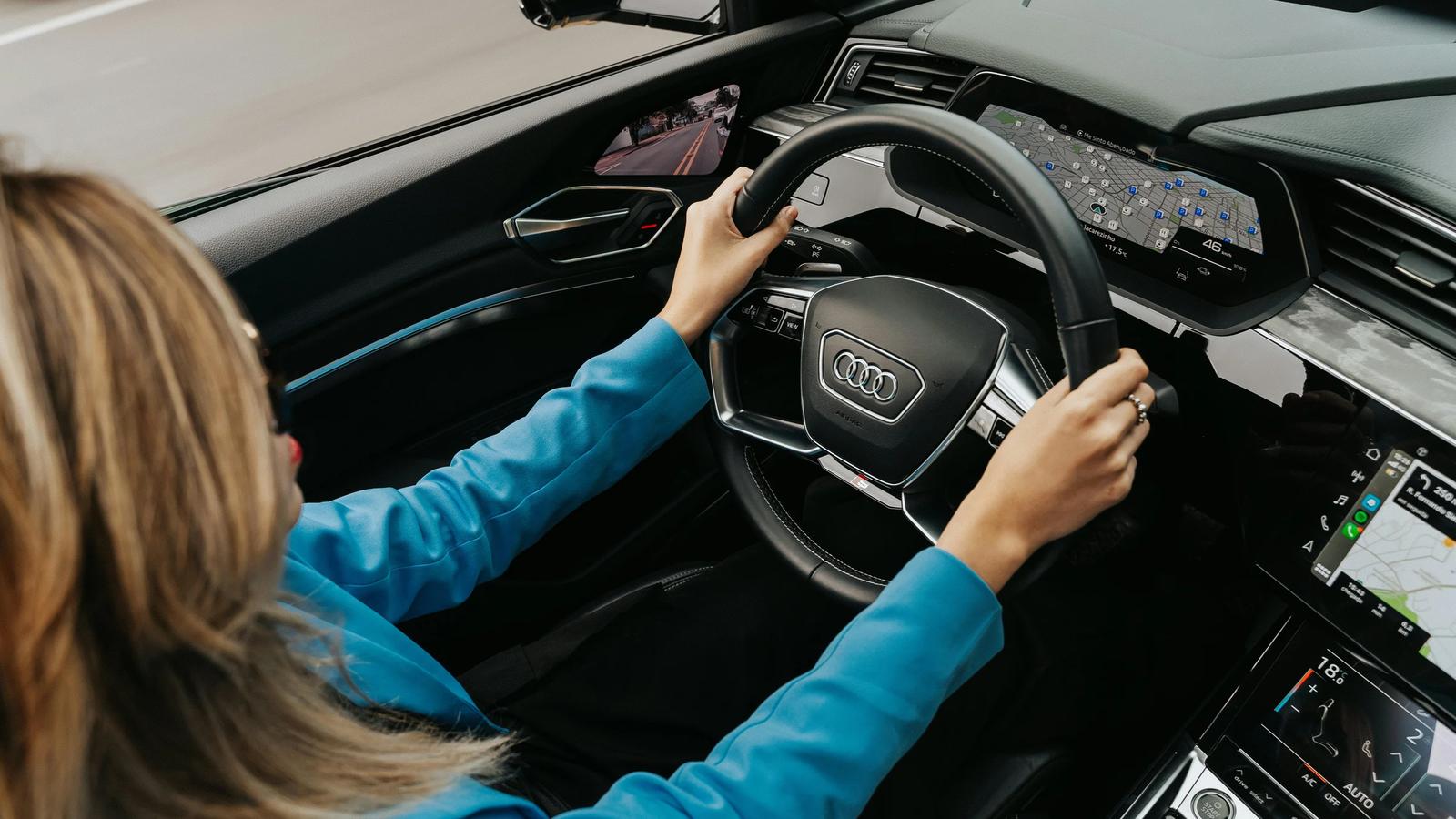
The procedure is straightforward: the officer introduces themselves, asks for your driving licence, vehicle registration, and insurance (Green Card for foreign vehicles). For rental cars, you'll need the rental agreement.
If an offence is recorded, the officer may confiscate your documents until the fine is paid. Police cannot collect cash fines directly – payment goes through a bank or post office. However, many patrols now carry mobile POS terminals for card payments, which may qualify for a discount of up to 30%.
Practical tip: be polite. A calm demeanour and basic courtesy often result in a minimum fine. Rudeness or attempting to offer a bribe guarantees the maximum penalty.
If you cannot pay on the spot, you'll need to collect your documents from the police station in the town where the offence occurred. Fined in Tivat but staying in Bar? You'll need to drive back to Tivat.
Toll Roads and the Ferry
Montenegro has just two toll routes – exceptions within an otherwise entirely free road network.
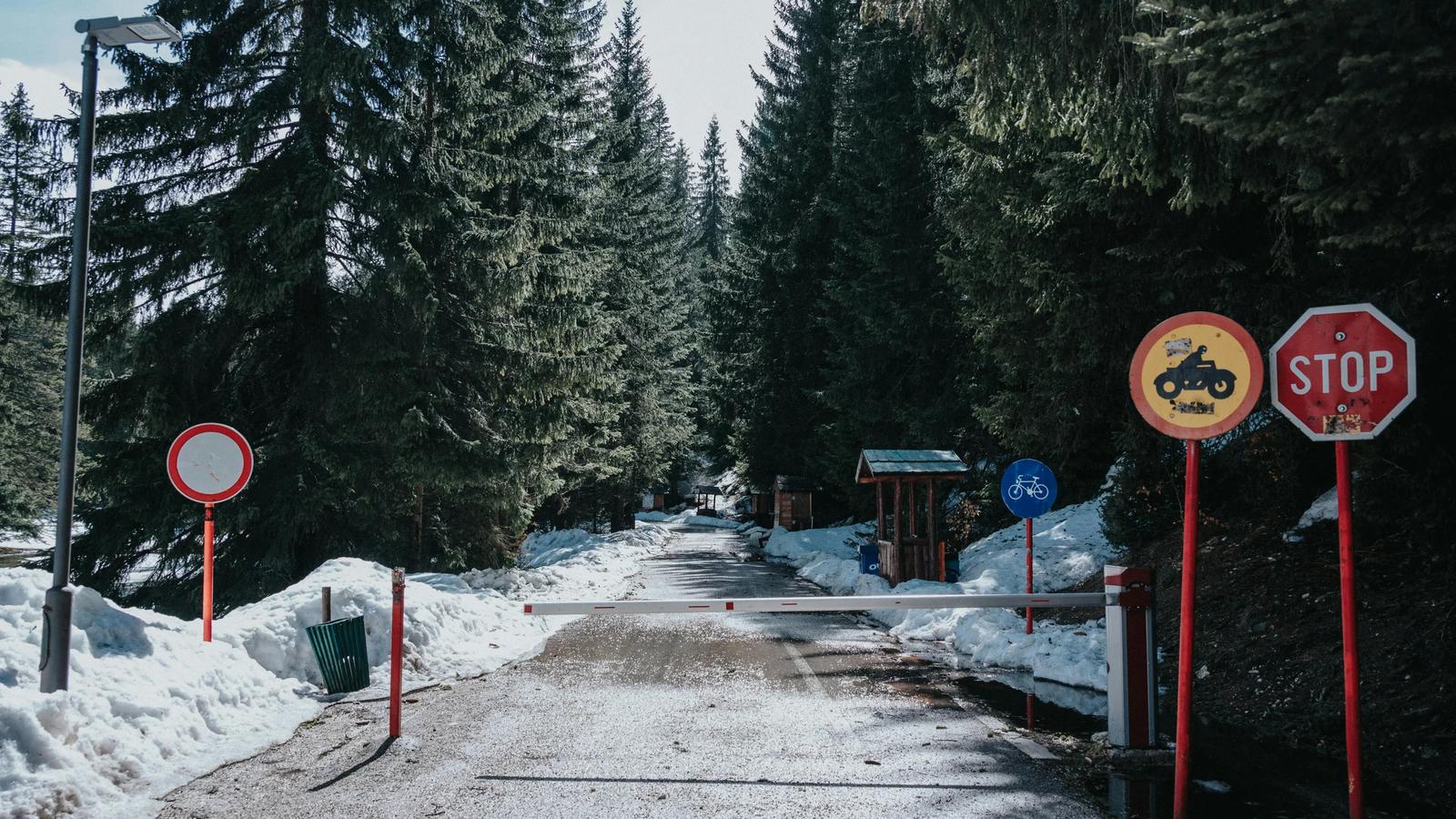
Sozina Tunnel – 4.2 km between Podgorica and Bar. Payment at the northern entrance: €2.50 for a passenger car. The tunnel shortens the journey from the capital to the coast by about 25 km. Accepts cash (euros) and cards.
A1 Motorway (Smokovac – Mateševo) – 42 km of new highway with toll barriers: €3.50 for a passenger car. Accepts cash, cards, and the ENP electronic unit (sold for €20 at entrances and the Monteput office in Podgorica).
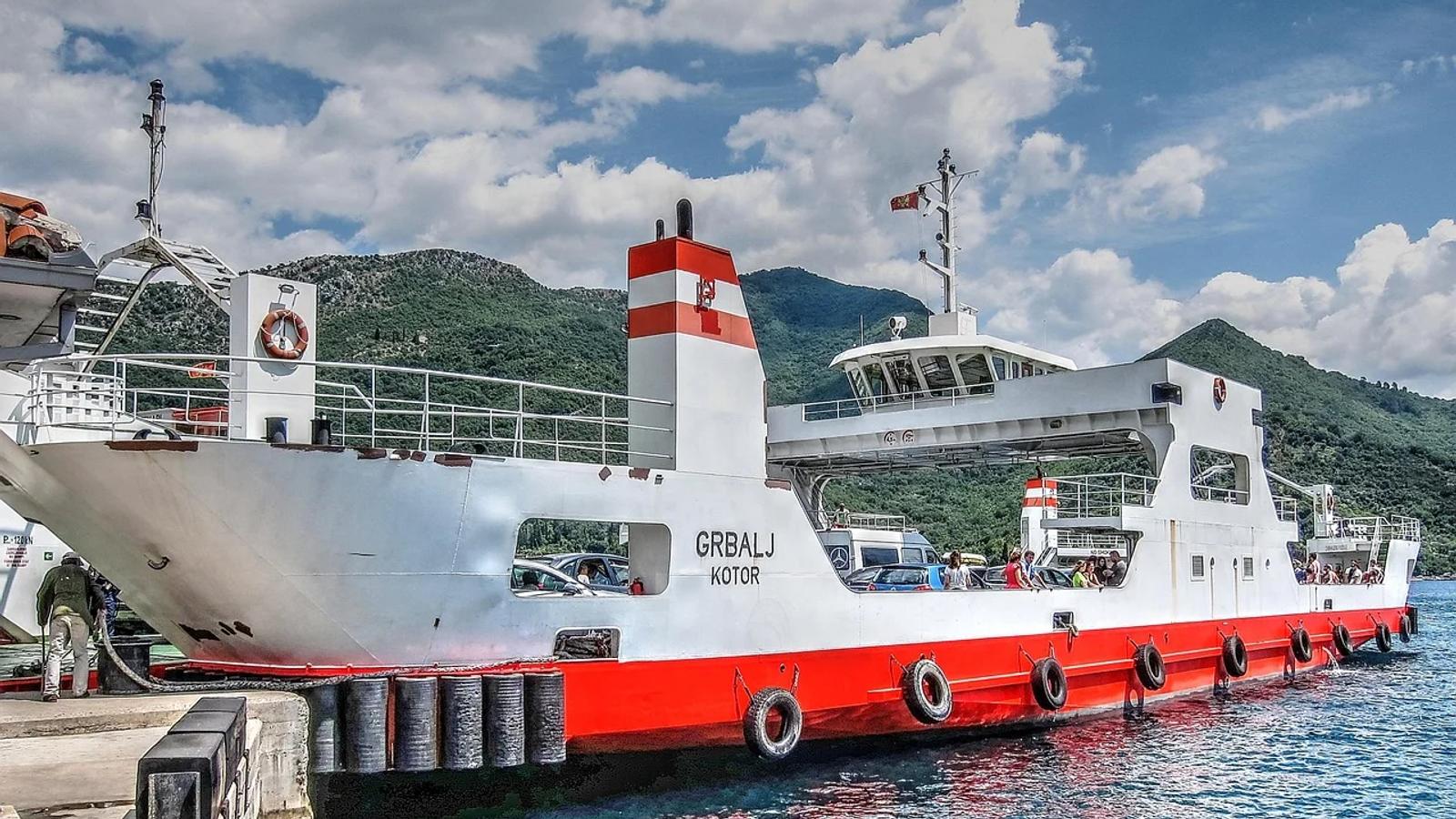
Kamenari – Lepetane Ferry across the Verige Strait in the Bay of Kotor isn't technically a toll road, but nearly everyone driving between Budva and Herceg Novi uses it. The fare is €5 per car. The crossing takes 10 minutes and saves roughly 30 km versus driving around via Kotor and Perast. During peak summer, queues can reach 45 minutes. Pedestrians and cyclists ride free. More details in our article Ferry Kamenari – Lepetane in the Bay of Kotor.
Fuel: Prices and Stations
Petrol (95 octane) costs approximately €1.49 per litre, diesel around €1.33 per litre (early 2026 data). That's 10–15% more than neighbouring Serbia, but cheaper than coastal Croatia.
Fuel stations along the coast and major routes are plentiful. But when heading into the mountains (towards Žabljak or over passes), fill up beforehand – gaps between stations can stretch to 40–60 km. Major networks like Jugopetrol and Eko accept cards. Smaller independent stations sometimes accept cash only.
Parking: Where It's Free and Where You Get Towed
In smaller towns outside peak season, parking is rarely an issue. But during summer in Budva, Kotor, and Tivat, every space becomes a battleground.
Parking rates in season run from €1 to €2.40 per hour in Budva, from €0.50 to €1 in Bar. Winter rates drop to €0.60 – €1. Most paid lots have barriers. Street parking is paid via SMS from a local number or at a parking meter.
Warning: illegally parked cars in Montenegro get towed within 15 minutes. The fine is up to €90, plus towing charges. If you're planning extended stays, book accommodation with private parking – it eliminates the hassle entirely.
More on parking in our article Parking in Montenegro: Where You Can Leave Your Car and How Much It Costs.
Winter Driving: Tyres, Chains, and Mountain Passes
Winter tyres are mandatory from November 15 to April 1. Snow chains are required in mountainous areas during heavy snowfall. The fine for lacking winter tyres ranges from €40 to €100.
Major mountain passes (to Žabljak, Kolašin, through Lovćen National Park) may be closed in winter or passable only with chains. The road from Kotor to the Njegoš Mausoleum – 25 hairpin turns with over 1,000 m of elevation gain – is often impassable in winter.
When exiting your vehicle on a road outside built-up areas (breakdown, accident), you must wear a reflective vest – the fine for not having one reaches €80.
Renting a Car: What You Need to Know
Most nationalities can drive in Montenegro with a valid national driving licence. EU and US licences are accepted directly. Visitors from countries that signed the 1968 Vienna Convention on Road Traffic do not need an International Driving Permit. Check with your rental company if unsure. The minimum rental age is typically 21, with at least one year of driving experience.
For price comparison across multiple providers, EconomyBookings aggregates deals from local and international agencies. Localrent specializes in local Montenegrin rental companies and often has competitive rates.
When booking, clarify: cross-border travel permissions (to Croatia, Bosnia, Albania), full insurance coverage (CDW/TP), and deposit requirements. Full breakdown in our article Car Rental in Montenegro: Everything Tourists Need to Know.
Documents You Need While Driving
When driving a rental car, always carry:
- Valid driving licence
- Rental agreement
- Vehicle registration certificate (usually in the glove compartment)
- Insurance certificate or Green Card (for privately owned vehicles)
- Passport or national ID
When crossing borders in someone else's vehicle, you'll need a notarized power of attorney from the owner (DTV authorization). More on cross-border trips in our article Ulcinj to Shkodër by Car.
Navigation and Connectivity on the Road
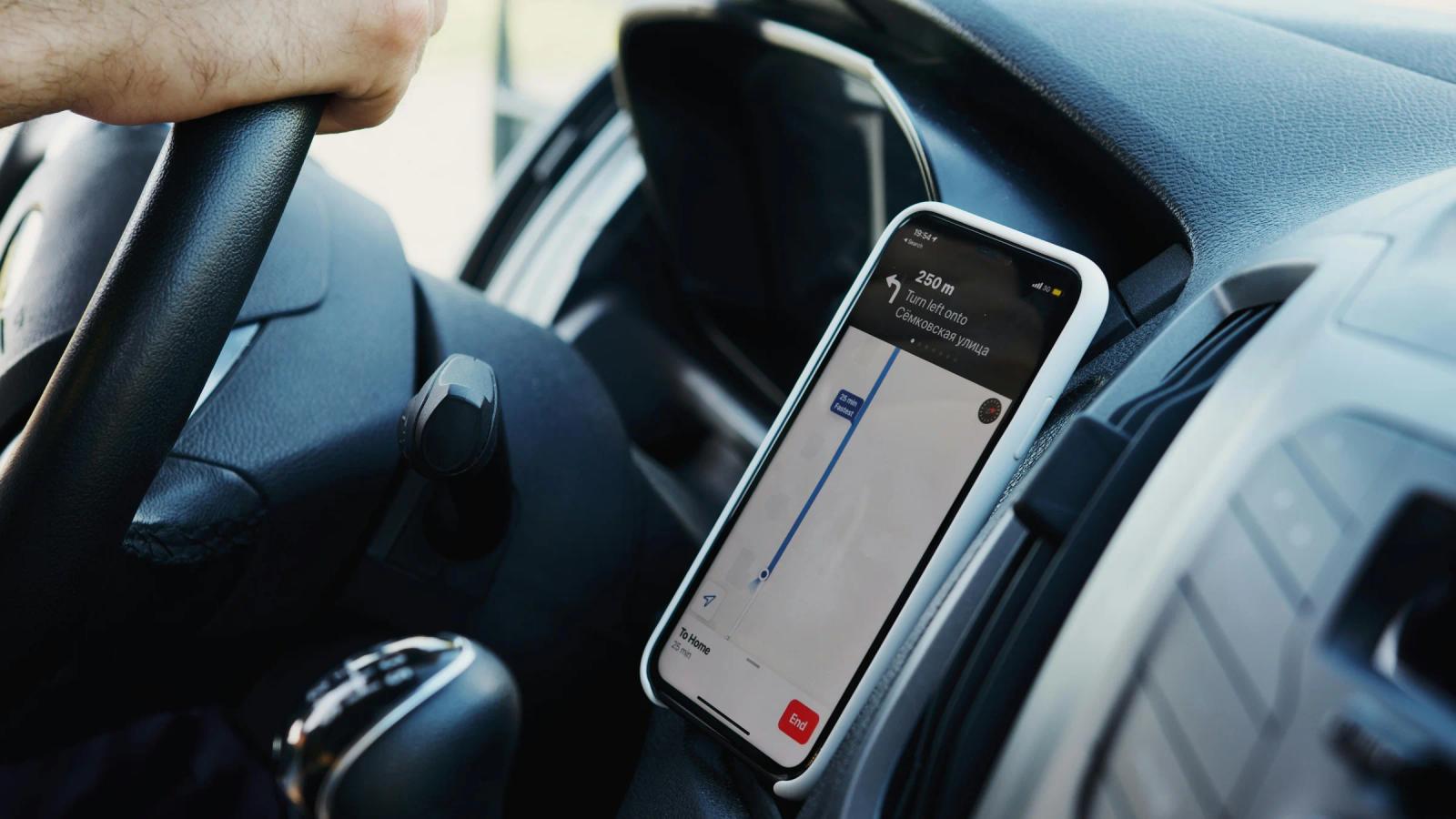
Offline maps via Google Maps or Maps.me are essential. Mobile data helps with traffic updates and real-time routing. In mountainous areas, cellular coverage can be patchy, so download maps before setting off.
Frequently Asked Questions
1. Do I need an International Driving Permit for Montenegro? No, for most nationalities. EU and US licences work directly. Citizens of countries that signed the 1968 Vienna Convention can use their national licence. Check with your embassy if your country is not a signatory.
2. What's the speeding fine in Montenegro? Between €40 and €2,000, depending on severity. Minor excess (10–20 km/h) typically gets the lower end. Significant excess (50+ km/h) or repeat offences attract the maximum fine and potential licence suspension.
3. Can I pay a fine on the spot? Not in cash – police cannot accept money directly. But if the officer has a POS terminal, you can pay by card and may receive up to a 30% discount. Otherwise, pay at a bank or post office.
4. How much does petrol cost in Montenegro? Around €1.49 per litre for 95 octane and €1.33 for diesel (early 2026). That's mid-range for the Balkans – more expensive than Serbia, cheaper than Croatia.
5. Are winter tyres mandatory? Yes, from November 15 to April 1. The fine for non-compliance is €40 to €100. In mountainous areas during snowfall, snow chains are additionally required.
Summary: Driving in Montenegro is manageable once you know the local rules and embrace the switchbacks. Keep your headlights on, respect the speed limits, fill up before mountain sections, and park only where allowed. The rest is a matter of practice – and the reward of stunning views around every corner.
Read also:
- Do You Need a Car in Montenegro? Pros and Cons of Renting a Vehicle
- Public Transport in Montenegro: Is It Convenient to Travel Without a Car?
- Taxis in Montenegro: How to Avoid Overpaying and What You Need to Know
- Montenegro Prices in 2026: How Much Does a Week Really Cost
Sources:
- Zakon o bezbjednosti saobraćaja na putevima – Montenegro road traffic safety law
- Monteput – Montenegro toll road operator
- Trajekt.me – Kamenari – Lepetane ferry schedule and prices
- GlobalPetrolPrices – current fuel prices
- Tolls.eu – Montenegro toll overview
Places to see in Montenegro
You may also like
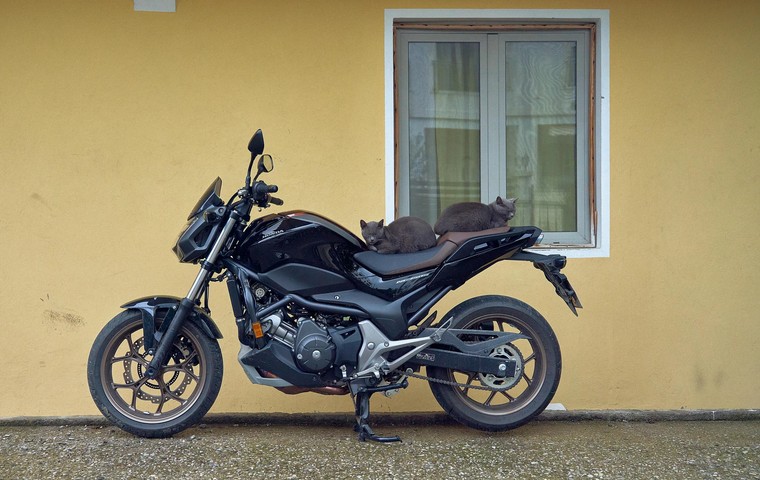
Scooter & Motorcycle Rental in Montenegro: Traffic Rules, Prices and the 5 Best Rides
Scooters from €15/day, motorcycles from €40. License requirements, hidden costs, real fines – and 5 routes that make two wheels better than four.
April 02, 2026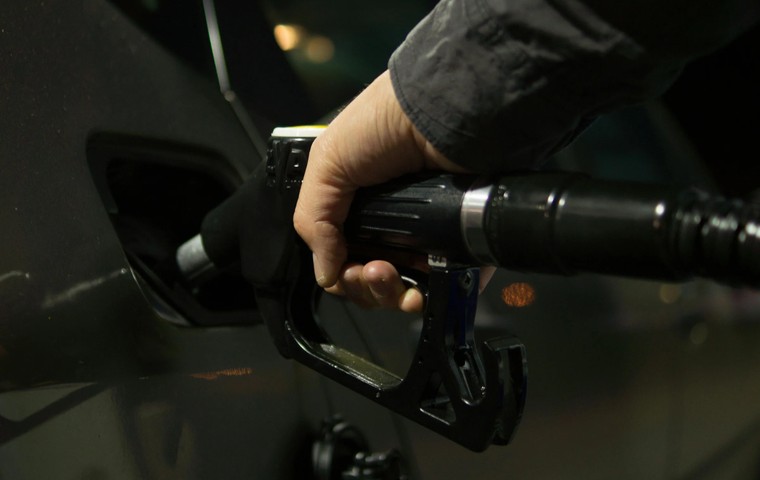
Petrol in Montenegro: Fuel Prices, Which Brands to Trust, Where Tourists Get Scammed
Fuel prices in Montenegro, autumn 2026: €1.75 for 95-octane, €1.95 for diesel. Which networks won't cheat you, where cards work, and why the cheapest pump is rarely the best one.
April 26, 2026
Parking at Porto Montenegro: 2026 Prices and Where to Park Free Nearby
Tivat street zones run €0.70–1.00/hr in 2026, the Arsenal lot by the marina €1.50–2.00, Porto Montenegro garages from €2.00. Seljanovo is still free if you arrive before 9 am.
July 13, 2026
Car Rental in Montenegro: Everything Tourists Need to Know
Planning to rent a car in Montenegro? Here’s how it works – from prices and required documents to popular rental platforms and helpful tips for travelers.
June 11, 2025
Do You Need a Car in Montenegro? Pros and Cons of Renting a Vehicle
We explain when renting a car in Montenegro is truly worth it, when you can do without one, which routes are easier to explore by car, and what challenges to expect. A helpful guide for travelers planning an independent trip.
July 18, 2025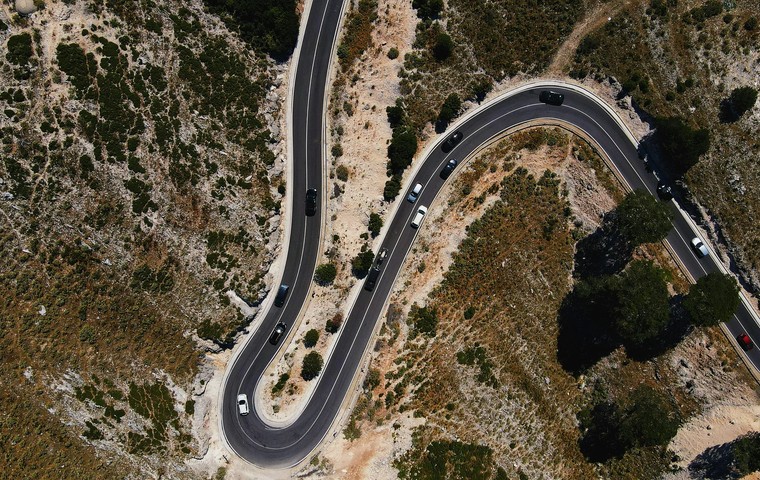
Montenegro – Albania Border Crossing: 3 Checkpoints, Wait Times & What Documents You Need
Three crossings, wildly different queues. Which one to pick, what papers border guards actually check, and how to skip the summer gridlock – a practical breakdown.
March 20, 2026