Blog · Transport
Montenegro – Albania Border Crossing: 3 Checkpoints, Wait Times & What Documents You Need
 Transport
Three crossings, wildly different queues. Which one to pick, what papers border guards actually check, and how to skip the summer gridlock – a practical breakdown.
There are three vehicle border crossings between Montenegro and Albania, all operating 24/7. The busiest is Božaj / Hani i Hotit, linking Podgorica to Shkoder. The coastal crossing at Sukobin / Muriqan connects Ulcinj with Shkoder. The third, Cijevna / Grabon, is the newest and least known.
Wait times range from 5 minutes off-season to 90 minutes during peak summer days. Here's what you need to know about documents, crossing strategies, and what each checkpoint is actually like.
Key facts
- Three crossings – Božaj / Hani i Hotit, Sukobin / Muriqan, and Cijevna / Grabon – all open 24/7
- Sukobin / Muriqan is the only joint checkpoint where both countries' border police operate under one roof
- Summer wait times – 30 to 90 minutes during peak hours (10:00 AM – 2:00 PM), longer on weekends
- Off-season (October – April) – virtually no queues, crossing takes 5–15 minutes
- Green Card is mandatory for rental cars – you will be turned back without it
- Currency changes at the border – Montenegro uses euros, Albania uses lek. Exchange booths exist on both sides but rates are poor
Three crossings: which one to choose
Božaj / Hani i Hotit
The main crossing between the two countries. It connects Podgorica and Shkoder – roughly 60 km, about 1 hour without queues. The road passes along Lake Skadar on the Albanian side, offering genuinely scenic views.
This checkpoint handles the bulk of both freight and passenger traffic, making it the most congested in summer. Typical wait times in July and August during daytime hours are 30–60 minutes, reaching up to 1.5 hours on weekends. Passport control and customs are separate: you clear the Montenegrin side first, then the Albanian side (or vice versa).
Tip: crossing before 8:00 AM or after 6:00 PM dramatically reduces wait times.
Sukobin / Muriqan
The coastal crossing connecting Ulcinj and Shkoder. The distance is roughly 40 km, but the road on the Montenegrin side is hilly and narrow, so expect slower driving than the map suggests. This is the only joint border post where officers from both countries work in the same building. In theory, this should speed things up – in practice, each side still checks documents separately.
Summer queues of 30–45 minutes are common, though overall capacity is lower than Božaj. Popular with tourists traveling along the Adriatic coast.
Cijevna / Grabon
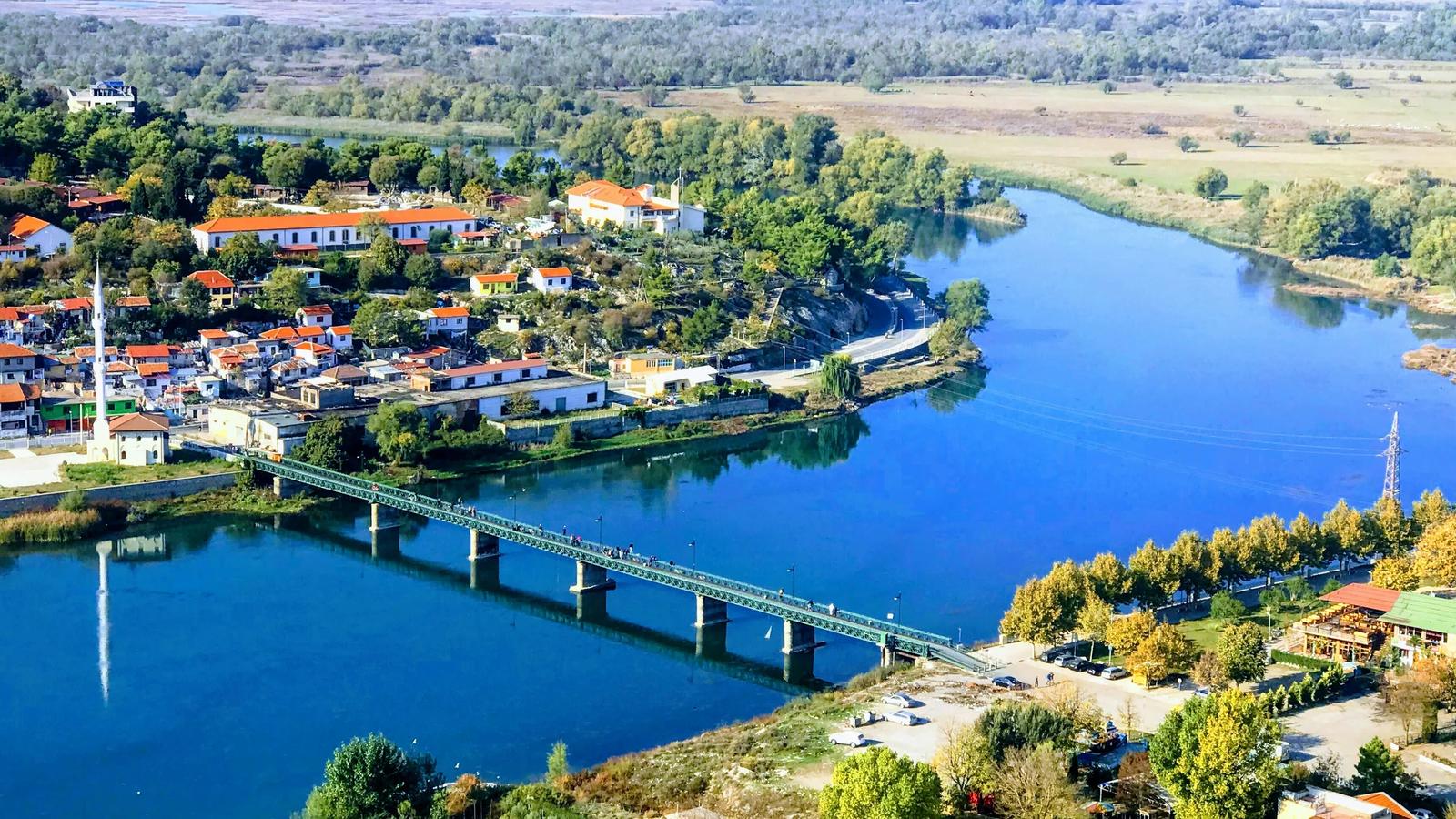
The newest crossing, built with EU funding. It connects the area south of Podgorica with Albania through the Cijevna river valley. Little-known and lightly trafficked – which is both the advantage (no queues) and the drawback (limited infrastructure). Best suited for travelers heading to Gusinje or northeastern Albania.
Important: you cannot purchase Green Card insurance at this crossing. Arrange it in advance or use Božaj / Hani i Hotit.
Documents required at the border
| Document | Drivers | Bus passengers |
|---|---|---|
Passport | Yes, valid 3+ months | Yes, valid 3+ months |
Driver's licence | National or IDP | Not needed |
Green Card (vehicle insurance) | Mandatory | Not needed |
Cross-border permit (for rental cars) | Mandatory | Not needed |
Vehicle registration | Yes | Not needed |
Green Card and rental cars
The Green Card is an international motor insurance certificate proving your liability coverage is valid abroad. It is always checked at the Montenegro – Albania border. Since January 2025, PDF versions are officially accepted, but carrying a printed copy is recommended.
When renting through Localrent, specify at booking that you plan to cross into Albania. Most companies provide the Green Card and cross-border authorization for an additional 40–60 €. Without these documents, your rental insurance is void and border guards will turn you back.
Green Card insurance can be purchased at the Hani i Hotit crossing (on the Albanian side, approximately 15 € for 14 days), but this option is not available at Sukobin or Cijevna.
Crossing by bus
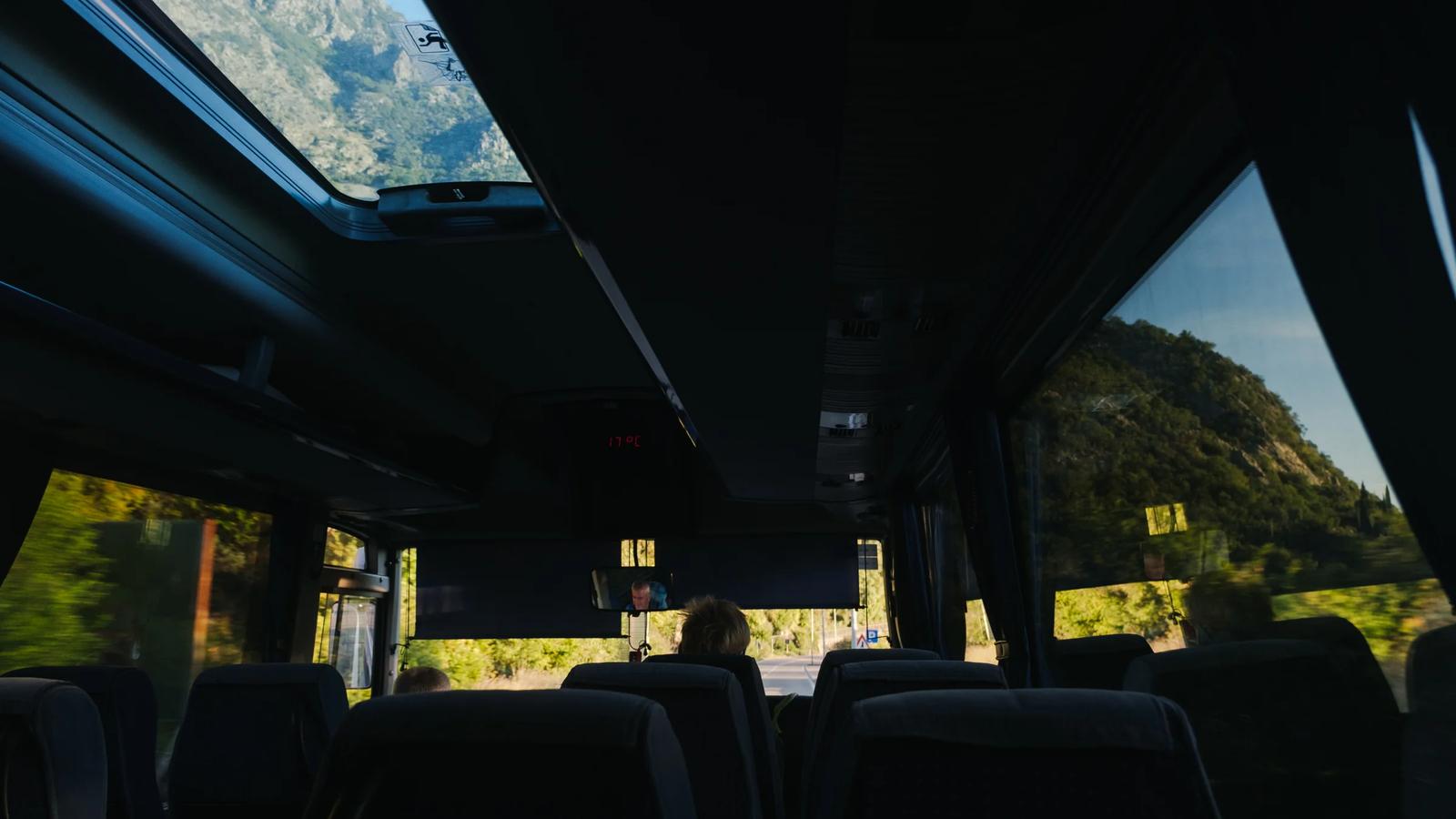
Regular bus service between Montenegro and Albania is limited but functional.
Podgorica – Shkoder – Tirana: several departures daily via operators like Jadran Express and Blue Line. A ticket from Podgorica to Tirana costs 15–25 €, journey time is 3–4 hours plus border waiting time. All buses stop in Shkoder.
Ulcinj – Shkoder: minivans (operated by Vllazen Lluja) run 1–2 times daily. Ticket costs around 7 €, travel time approximately 1 hour 15 minutes excluding border wait. Departure from Ulcinj bus station.
From Shkoder to Tirana, buses depart every 30 minutes for 4–6 €.
Always carry your passport. The driver collects all passengers' documents and hands them to border officials as a batch. No passport means you get left behind at the border – this happens regularly.
(Updated: March 2026)
How to avoid the queue: 5 practical tips
Cross early or late. Peak traffic runs from 10:00 AM to 2:00 PM, especially on Fridays and Saturdays. Before 8:00 AM or after 6:00 PM, crossing takes a fraction of the time.
Match the crossing to your route. Traveling from Podgorica – use Božaj. From Ulcinj – Sukobin. Don't detour hoping for shorter queues; the difference is unpredictable.
Have documents ready. Passports, Green Card, and cross-border authorization should be within arm's reach. Border officers work fast, but fumbling for paperwork holds up the entire line.
Fuel up before the border. Fuel in Albania is roughly 10–15% cheaper than in Montenegro. However, the nearest station after crossing may not be immediate. On the Montenegrin side, fill up in Ulcinj or along the highway before Božaj.
Bring water and snacks. Standing in a summer queue without shade is grueling. Air conditioning only helps so much when your engine has been idling for an hour.
Money and connectivity at the border
Montenegro uses euros, Albania uses lek (ALL). Exchange booths at the border offer poor rates – withdraw lek from an ATM in Shkoder right after crossing for a better deal. Check visa requirements for your nationality before traveling – citizens of the EU, UK, US, Canada, Australia, and Japan enter Albania visa-free for up to 90 days with a valid passport.
Mobile coverage: your Montenegrin SIM will technically work in Albania but roaming charges will be steep. If you're traveling between both countries, a Balkans-coverage eSIM is more practical – see our guide to the best eSIMs for Montenegro and Albania.
Frequently asked questions
1. Can I cross the Montenegro – Albania border on foot?
Yes, pedestrian crossing is allowed at all three checkpoints. Many travelers do exactly this – take a taxi to the border from Ulcinj (15–20 €), walk across, and grab another taxi to Shkoder (10–15 €).
2. How long does the border crossing actually take?
Off-season: 5–15 minutes. Summer weekdays: 20–45 minutes. Summer weekends (July – August): 45–90 minutes. These are averages – early mornings and late evenings are always faster.
3. How much does a Green Card cost for a rental car?
Through your rental company: included in the cross-border fee of 40–60 €. Purchased separately at Hani i Hotit: approximately 15 € for 14 days. Not available at Sukobin or Cijevna crossings.
4. Are the crossings open at night?
Yes, all three checkpoints operate 24/7. Night crossings have virtually no queues, but exchange offices and insurance kiosks at the border will be closed.
5. What do customs officers check when entering Albania?
Passport, vehicle documents, and Green Card. They may ask about the purpose of your visit. Cash exceeding 10 000 € (or equivalent) must be declared. Alcohol limit: 2 litres of spirits. Tobacco: 200 cigarettes.
Conclusion
The Montenegro – Albania border is one of the easiest in the Balkans, but summer demands patience. The key is preparing documents in advance (especially the Green Card for drivers), choosing the right crossing for your route, and crossing during off-peak hours. In winter and shoulder season, the whole process takes just minutes.
Read also:
- Ulcinj to Shkodër by car
- Car rental in Montenegro
- Car rental in Albania
- Border routes from Montenegro
- Albania vs Montenegro comparison
- Travel insurance in Montenegro
Sources
- Albanian Ministry of Foreign Affairs – visa regime
- Albania e-visa portal
- European External Action Service (EEAS) – border crossing information
- Gjirafa Travel – Shkodër to Ulcinj bus routes
Places to see in Montenegro
You may also like
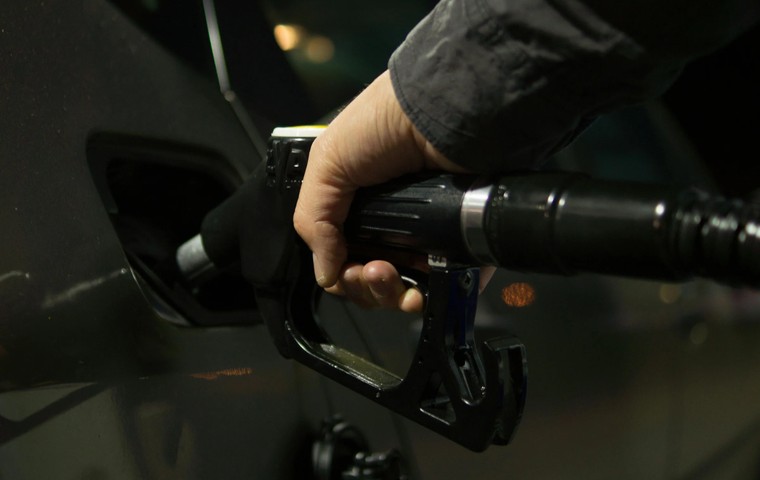
Petrol in Montenegro: €1.55 a Liter, Which Brands to Trust, Where Tourists Get Scammed
Fuel prices in Montenegro for 2026: €1.55 for 95-octane, €1.33 for diesel. Which networks won't cheat you, where cards work, and why the cheapest pump is rarely the best one.
April 26, 2026
Driving in Montenegro 2026: Toll Roads, Sozina Tunnel Price and Real Fines
Montenegro's roads are stunning but tricky – switchbacks without guardrails, aggressive local drivers, and fines up to €2,000. Speed limits, toll costs, and 9 things guidebooks don't mention.
March 06, 2026
Scooter & Motorcycle Rental in Montenegro: Traffic Rules, Prices and the 5 Best Rides
Scooters from €15/day, motorcycles from €40. License requirements, hidden costs, real fines – and 5 routes that make two wheels better than four.
April 02, 2026
Car Rental in Albania: Companies, Insurance, Roads and Hidden Pitfalls
Complete guide to renting a car in Albania: where to book, costs, insurance traps, road conditions, fuel prices, parking and cross-border trips.
February 25, 2026
Montenegro to Croatia by Car: Border Crossings, Documents & What No One Tells You
The Montenegro–Croatia border is just 25 km long, but summer queues stretch to 3 hours. Which crossing to pick, what paperwork your rental car needs, and the alternative route through Vitaljina.
March 07, 2026
Driving in Albania 2026: Traffic Police Target Rentals – Fines & Rules You Can't Miss
Zero alcohol tolerance (0.01‰), daytime headlights mandatory, phone use fine €150. Police specifically pull over rental cars. The real rules behind the wheel in Albania.
April 21, 2026