Lovcen NP & Njegos Mausoleum
Lovćen
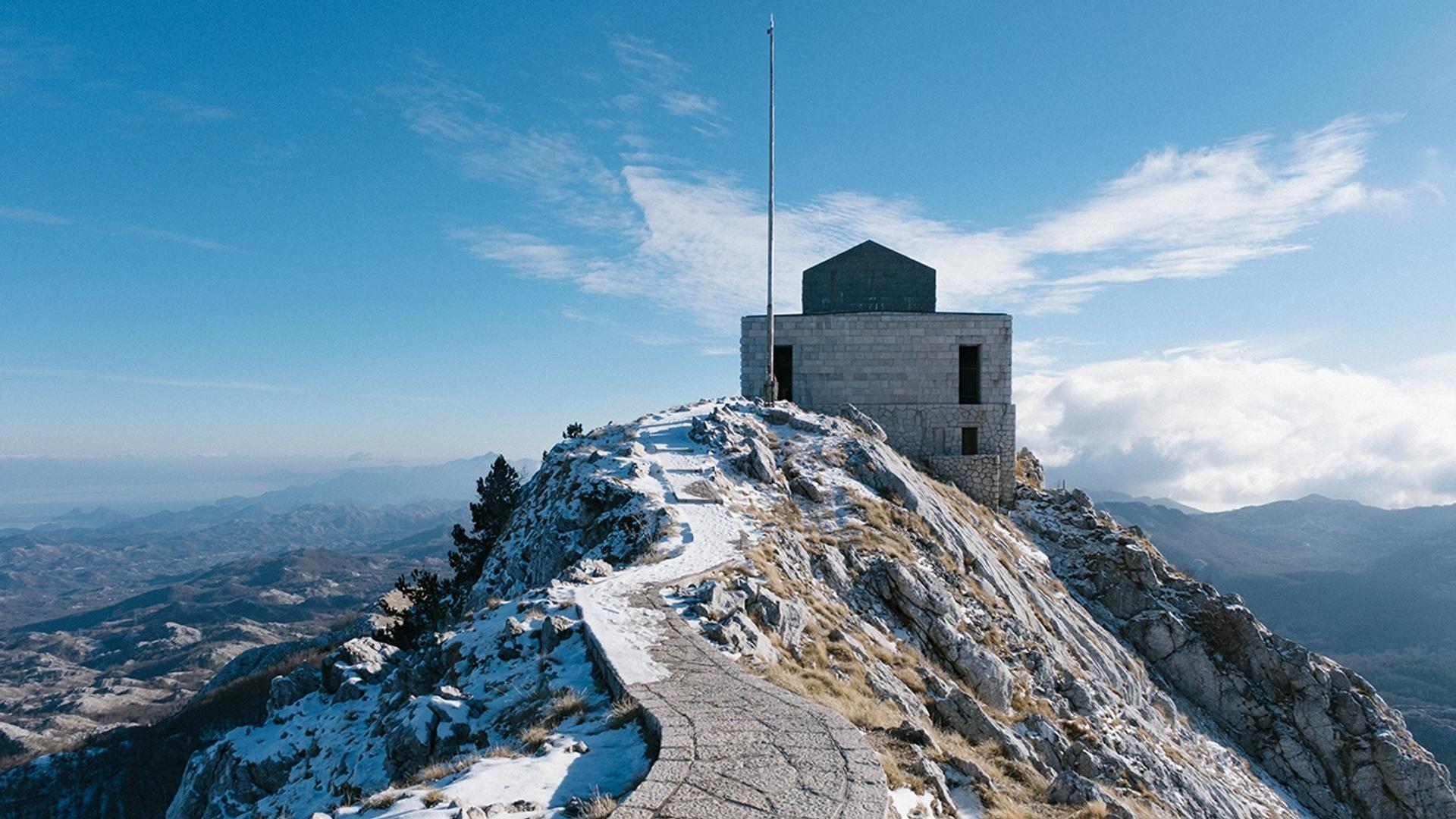
Lovćen mountain park and the mausoleum of Petar II Njegoš on Jezerski vrh peak.
About
The park covers the Lovćen massif with sweeping views over Boka Bay and Lake Skadar. On Jezerski vrh stands Njegoš’s mausoleum, opened in 1974 to a design by Ivan Meštrović. A staircase of 461 steps leads to a platform with one of Montenegro’s best panoramas.
Transport
Travel time
By car from Cetinje12 min.10 km
From the airport Tivat · TIV1 h 30 min.11 km
On the map
Location
In detail
What's here
What is this place
Lovćen is a mountain massif and national park in southwest Montenegro between Cetinje and the Bay of Kotor. Its twin summits, Štirovnik (1,749 m) and Jezerski vrh (1,657 m), dominate the coast; the Njegoš Mausoleum crowns Jezerski vrh. Park area – 62.2 km².
Key features
- Two key peaks: Štirovnik 1,749 m (highest); Jezerski vrh 1,657 m with the mausoleum and viewpoint.
- Stairway to the mausoleum – 461 steps with sweeping Adriatic/Boka vistas.
- National park since 1952 – karst plateaus, pine groves, a blend of Mediterranean and continental climates.
- Iconic Kotor–Krstac–Lovćen serpentine with multiple viewpoints.
- Ivanova Korita area – easy walks, picnic lawns, black pine stands.
What to see
- Njegoš Mausoleum on Jezerski vrh and the circular panorama terrace.
- Balcony-like viewpoints along the Kotor serpentine.
- Ivanova Korita trails and picnic spots on the plateau.
History
Lovćen’s symbolic role dates back centuries; it became a national park in 1952. The spiritual focus is Jezerski vrh.
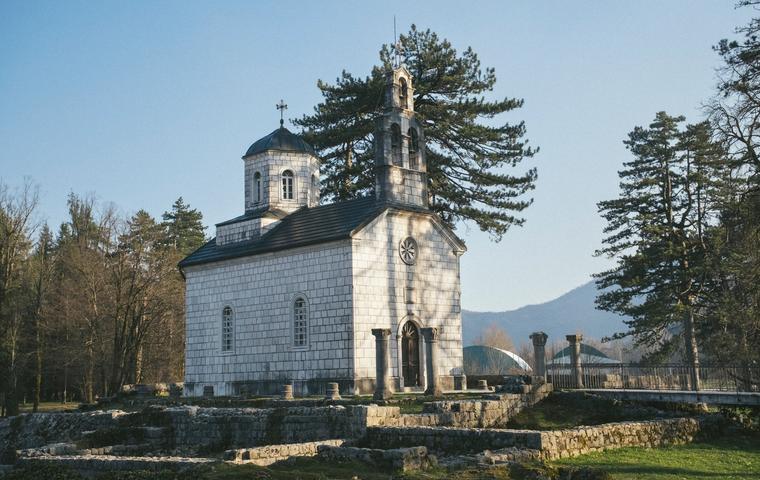
Petar II Petrović-Njegoš built a chapel here and chose it as his burial place (1845). WWI damage led to moving the remains to Cetinje; the chapel was rebuilt in the 1920s.
Between 1970–1974, the chapel was replaced by a monumental mausoleum designed by Ivan Meštrović, sparking public debate about Njegoš’s last will and the memorial’s form.
Practical information
Location: SW Montenegro; approaches from Kotor (via Krstac pass) and Cetinje (via Ivanova Korita).
Getting there: by car from Kotor on road P1 or from Cetinje on Lovćen road; by bus to Kotor/Cetinje, then taxi/tour.
Access: park entry ticket; the mausoleum requires a separate ticket. Seasonal closures possible in winter.
Visiting hours: park year-round; the mausoleum depends of the season.
Visit duration: 2–4 hours for the mausoleum and viewpoints, or a full day with plateau walks.
Best time: clear days; mornings and late afternoons for softer light. Summer queues at the stairs.
Notes: 461 steps; windy ridge; ice/snow in winter – warm layers and grippy footwear; occasional road/site closures.
Lovcen NP & Njegos Mausoleum
Articles about this place

Tours
Montenegro Markets (Pijaca): How to Buy Real Cheese at €8/kg, Kajmak and Wine
Budva's market is 1.5–2× more expensive than supermarkets, while Podgorica sells the same cheese at half price. Where to buy real Njeguški cheese, kajmak, pršut and Vranac without the tourist markup.
April 30, 2026
Tips
What to Eat in Montenegro: 10 Dishes Worth Ordering (With 2026 Prices)
Montenegrin food isn't seafood first – it's meat, cheese and bread from the mountain villages. 10 dishes worth ordering, where to find the real versions, and what they cost in 2026.
April 24, 2026
Transport
Scooter & Motorcycle Rental in Montenegro: Traffic Rules, Prices and the 5 Best Rides
Scooters from €15/day, motorcycles from €40. License requirements, hidden costs, real fines – and 5 routes that make two wheels better than four.
April 02, 2026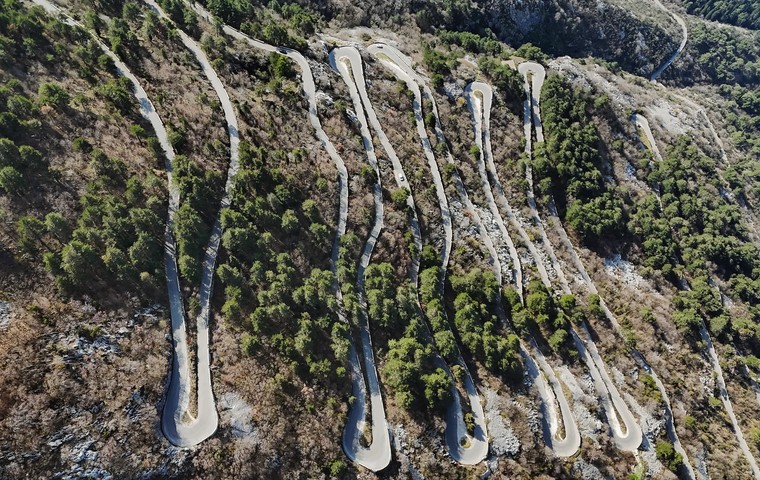
Tours
Njegoš Mausoleum Lovćen – How to Get There for the 461 Steps at 1 657 m
Compare the two driving approaches and the cable car, which still leaves 6 km to the mausoleum. Ticket costs checked on 14 August 2026.
March 20, 2026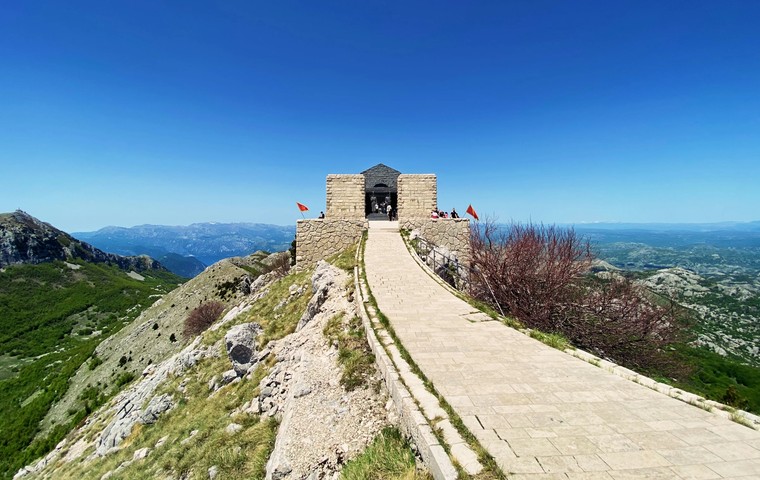
Tours
Cetinje & Lovćen: Montenegro's Royal Capital and a Mountaintop Mausoleum
Cetinje was a European capital that the Ottomans never conquered. Atop Lovćen sits a mausoleum with 18 kg of gold on the ceiling. Here's what's actually worth seeing – and what it costs.
April 09, 2026
Tips
Montenegro with Kids: 8 Shallow-Entry Beaches That Work for Families
Sandy bottom, knee-deep water for 50 metres, sunbeds from €5 – a guide to the best family-friendly beaches in Montenegro.
March 15, 2026Nearby