National Museum of Montenegro
Narodni muzej Crne Gore
Permanent exhibition on Montenegro’s history from antiquity to the 20th century.
About
The exhibition spans archaeology, the medieval period, Ottoman rule and the rise of the Montenegrin state.
Transport
Travel time
On foot from Cetinje center10–16 min.1 km
By car from Cetinje4 min.1 km
From the airport Tivat · TIV1 h 10 min.23 km
On the map
Location
In detail
What's here
What is this place
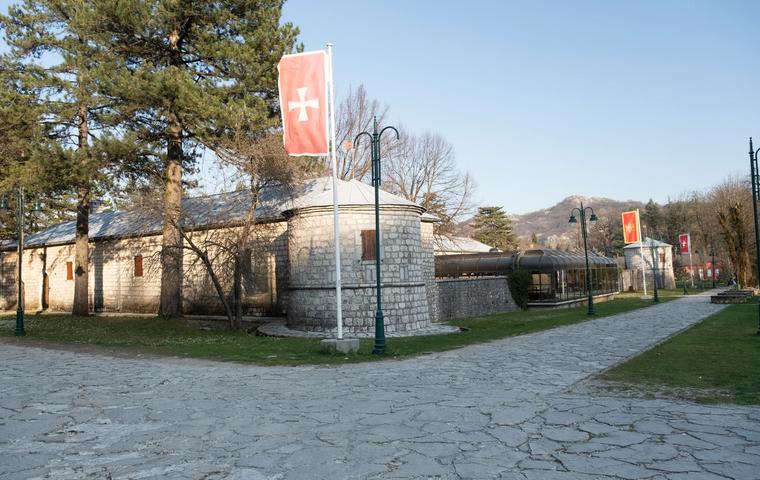
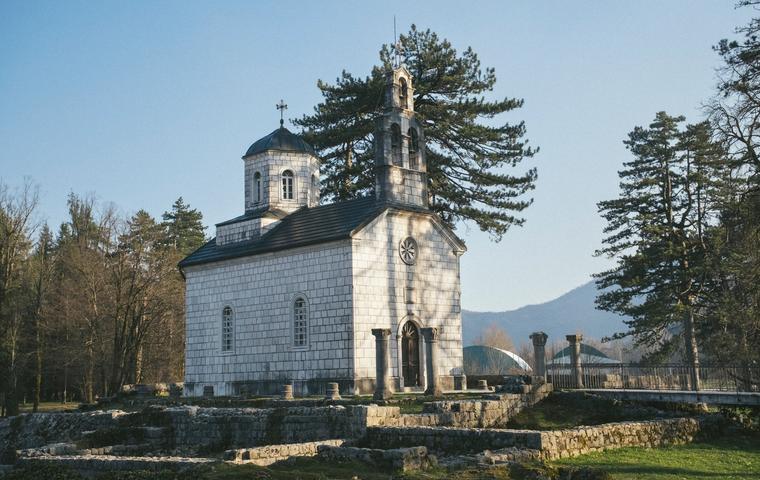
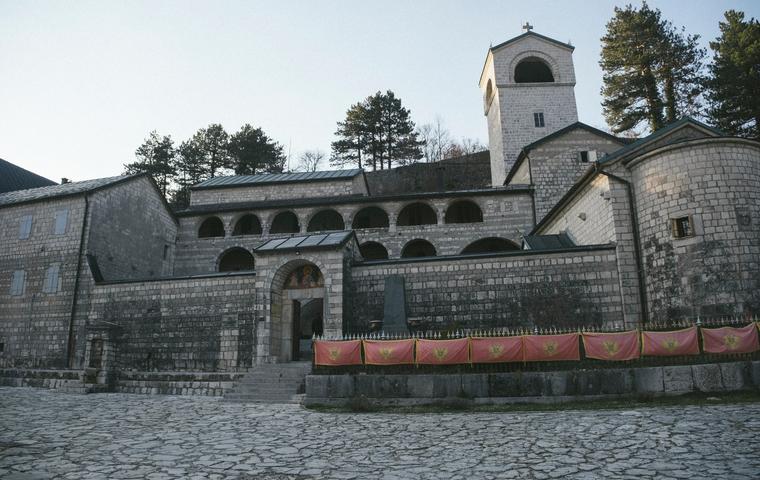
The National Museum of Montenegro is the country’s largest museum complex, established in 1926 in Cetinje. It unites multiple specialized museums and monuments under one institution.
Key features
- Comprises over 10 museum units, including historical, art, ethnographic, and archaeological museums.
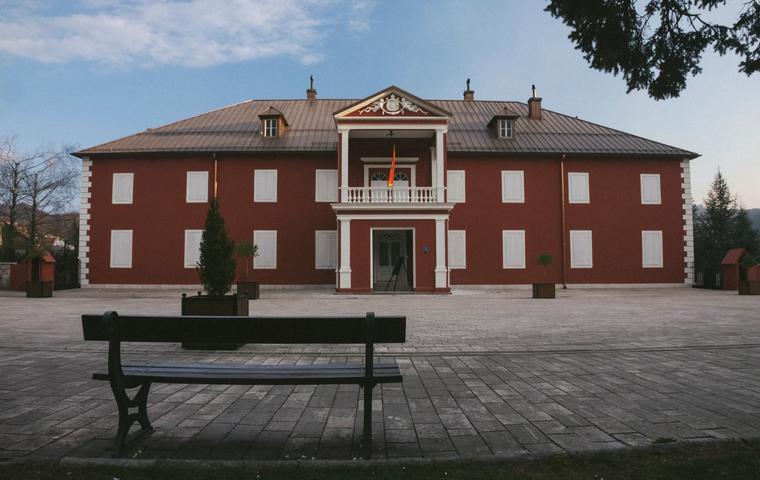
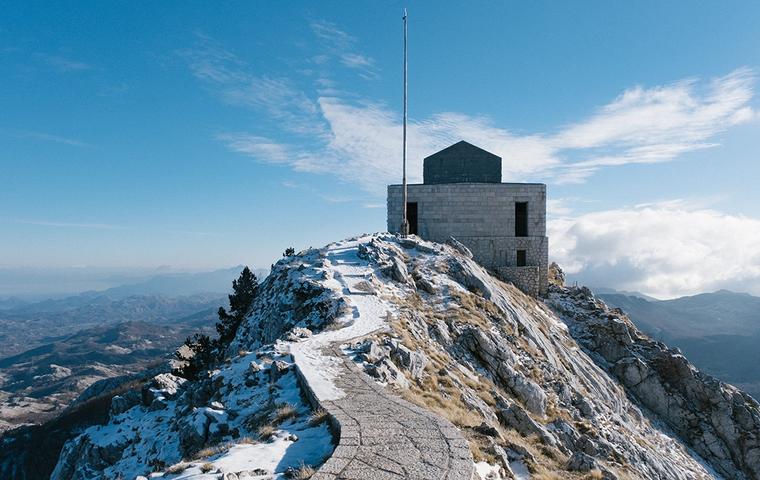
- Includes the King Nikola Museum, Petar II Petrović Museum, Njegoš’s birthplace, and mausoleums at Lovćen and Orlov krš.
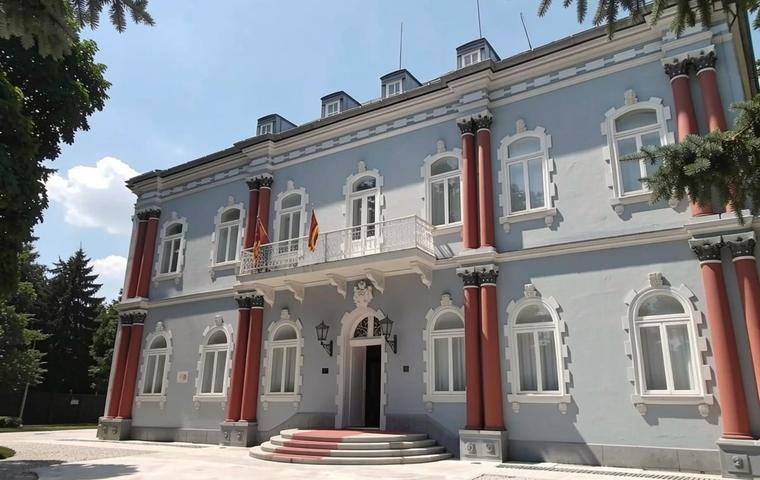
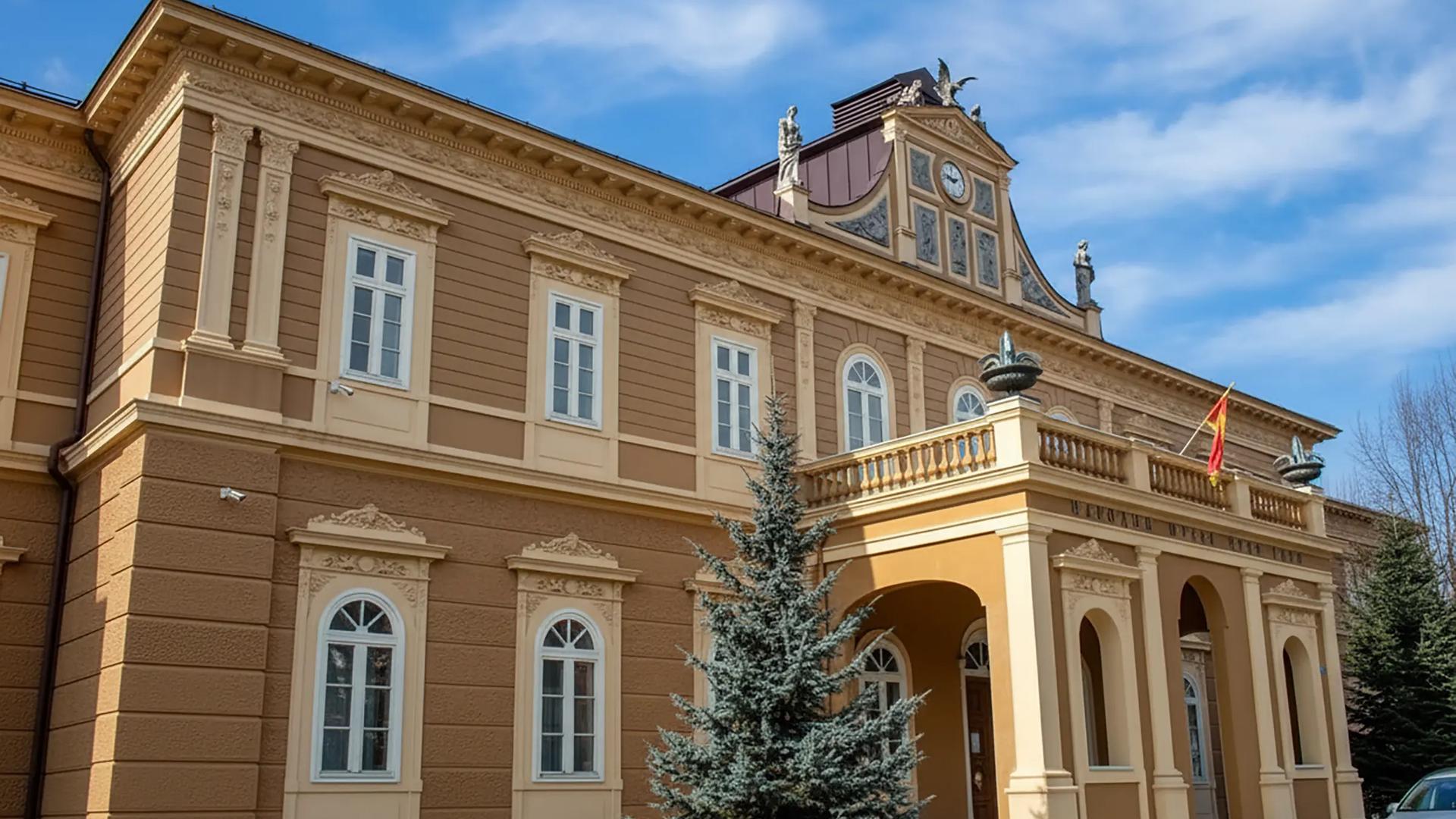
- Administrative headquarters is in the Government House (1910, Neo-Renaissance).
- Permanent exhibition of the Historical and Art Museum opened in 1989.
- Over 3000 items were reportedly stolen from the museum during the 20th century.
What to see
- Government House with historical and art collections.
- King Nikola Museum with personal belongings of the Petrović dynasty.
- Ethnographic Museum and the Gallery of Contemporary Art “Miodrag Dado Đurić”.
History
The museum’s origins go back to 1836, when a collection of weapons, flags, and church relics was first displayed. In 1890, the collection moved to the Laboratory building, and soon after a law established the Montenegrin Library and Museum.
The institution was formally founded in 1926. In 1976, systematic documentation began, and by 1989 a permanent exhibition was established.
In 1992, the museum received its current name – National Museum of Montenegro. In the 2000s, it expanded further with the Archaeological Museum and Lapidarium.
Practical information
Location: historic core of Cetinje, Novice Cerovića Street.
Getting there: walking distance from city center, bus connections from Podgorica and Budva.
Access: open to the public with ticketed entry.
Visiting hours: daytime, depending on individual exhibitions.
Visit duration: 1–3 hours depending on chosen units.
Best time: spring and summer, ideal for combining the museum with walking tours in Cetinje.
Notes: exhibitions are spread across several buildings, some located outside Cetinje (e.g., Lovćen mausoleum).
National Museum of Montenegro
Articles about this place
Nearby