Blog · Transport
Montenegro to Croatia by Car: Border Crossings, Documents & What No One Tells You
 Transport
In this article
Some links are affiliate links. You pay the same, and we may earn a commission.
The Montenegro–Croatia border is just 25 km long, but summer queues stretch to 3 hours. Which crossing to pick, what paperwork your rental car needs, and the alternative route through Vitaljina.
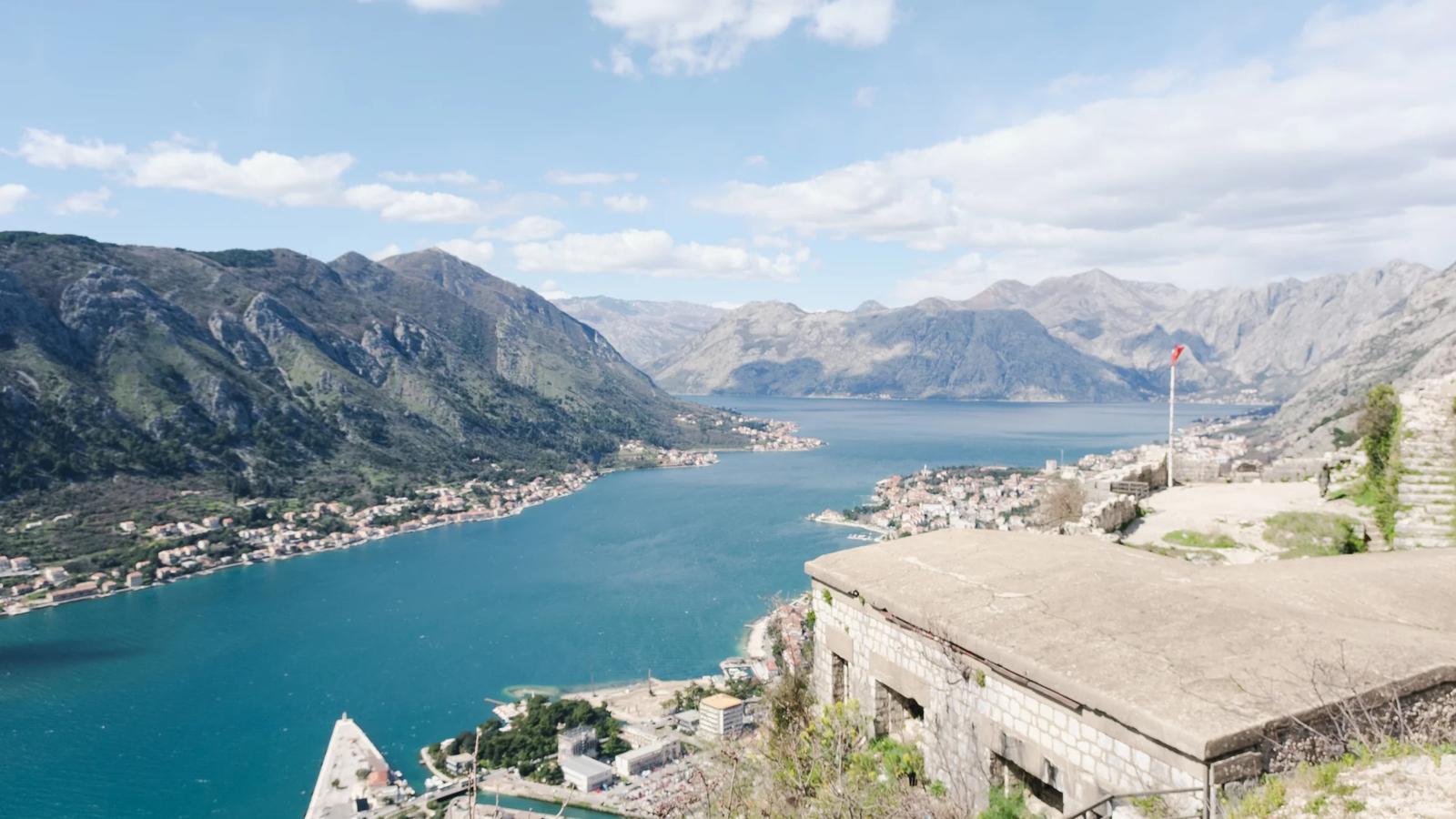
The border between Montenegro and Croatia is one of Europe's shortest – just 25 km of land. The main crossing at Debeli Brijeg – Karasovići sits right on the Adriatic Highway, and nearly everyone heading from Herceg Novi to Dubrovnik passes through it. The distance from Herceg Novi to Dubrovnik is around 46 km, roughly 50 minutes without delays. In summer, however, that estimate becomes fiction: border queues can eat up anywhere from 30 minutes to 3 hours.
Key facts:
- Croatia is part of the Schengen Area, Montenegro is not. This means full passport control at the border.
- Two checkpoints are separated by roughly 5 km of no-man's land – walking it with luggage is not recommended.
- The main crossing at Debeli Brijeg – Karasovići is the busiest, particularly from June through September.
- The alternative crossing at Njivice – Konfin (via Vitaljina) is less known and often faster, but sometimes closed without notice.
- A Green Card is mandatory for rental cars crossing the border – it proves your insurance is valid abroad.
- Check visa requirements for your nationality before planning this trip. Croatia follows Schengen entry rules.
- The Budva – Dubrovnik ferry operates in summer and bypasses the border entirely – but only for foot passengers.
Documents Required at the Border
Croatia is an EU and Schengen member state, so crossing with a rental car requires preparation. Here is the full checklist:
| Document | Why you need it |
|---|---|
Valid passport or national ID | Required for all travelers. Must be valid for at least 3 months beyond your entry date |
Visa (if applicable) | Check Schengen visa requirements for your nationality |
Driver's license | National license accepted; an International Driving Permit (IDP) is recommended |
Rental agreement | Must explicitly state permission for cross-border travel |
Green Card | Proof of international vehicle insurance – checked at the border |
Vehicle registration | Technical passport of the car |
Important: Inform your rental company about cross-border plans when booking. Not all providers allow travel to Croatia, and without proper documentation, your insurance is void. International rental companies typically charge a cross-border fee of €25–75.
Rental Car Cross-Border Fees
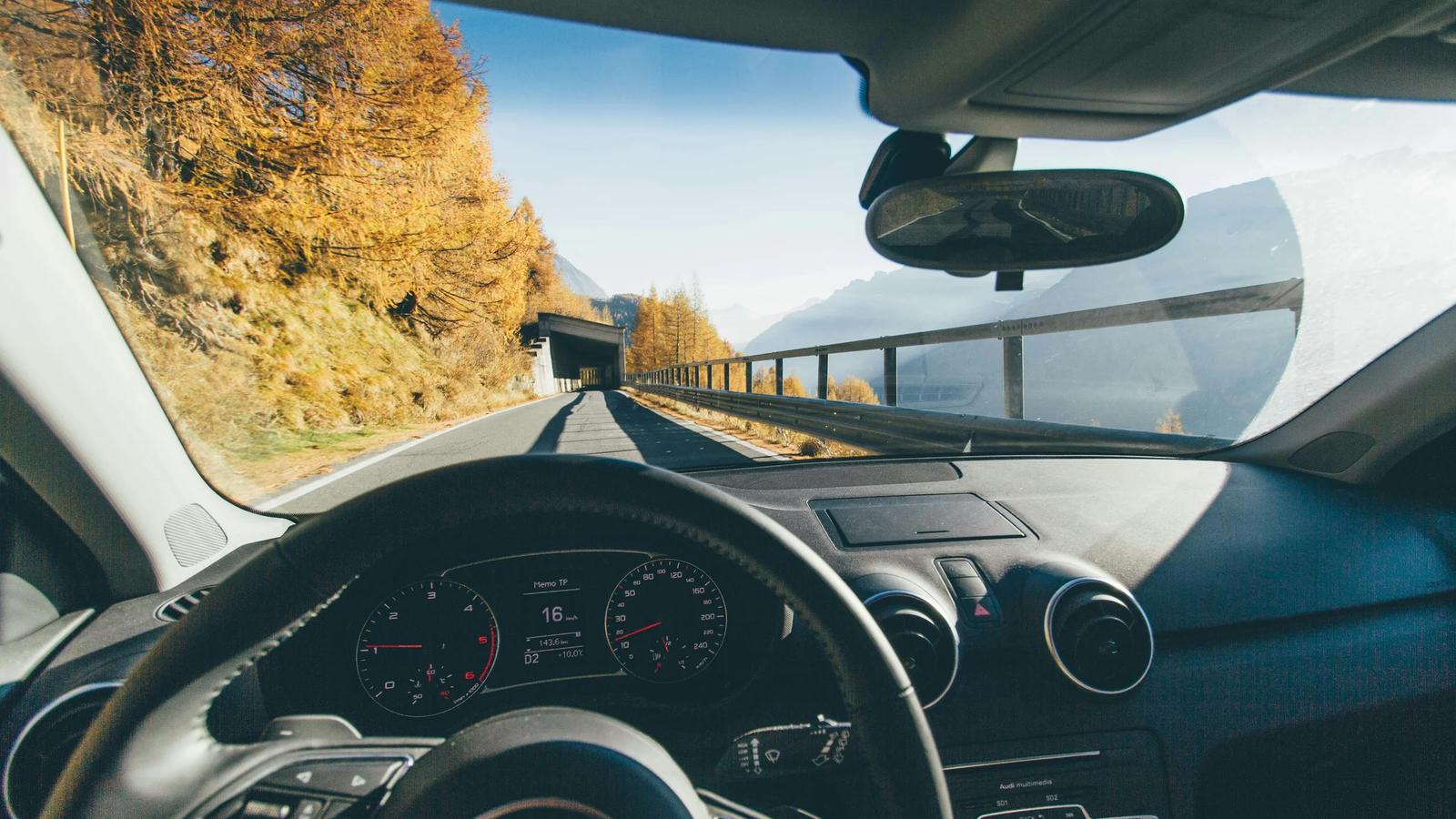
Crossing the border in a rental car always involves extra costs. Here is what to expect:
Cross-border fee – a flat surcharge from the rental company for permission to leave the country. Rates vary: some charge €25–50 per rental, others charge around €10 per day.
Green Card – a document confirming your car insurance extends beyond Montenegro. Most rental companies provide it for free or bundle it with the cross-border fee. Without it, border guards may refuse entry.
For renting a car in Montenegro, Localrent aggregates offers from local agencies and often provides better flexibility for cross-border travel – just confirm Croatia is permitted with the specific provider when booking.
Tip: If you only need a car for a Dubrovnik day trip, compare the total cost of rental + cross-border fee + parking against a private transfer. A pre-booked transfer through KiwiTaxi often costs less for 1–2 passengers.
Border Crossings: Which One to Choose
Debeli Brijeg – Karasovići (main crossing)
Located directly on the Adriatic Highway. This is where the vast majority of tourists cross because it is the shortest route from Herceg Novi to Dubrovnik. Infrastructure is minimal – no ATM, no café, no restrooms in the waiting area.
Best times to cross: before 7 AM or after 7 PM. Mornings tend to see heavier traffic flowing from Croatia into Montenegro, so the reverse direction is often faster. In peak season (July–August), all patterns break down.
Wait times: 5 minutes in winter to 3 hours in summer peaks. Navigation apps do not always reflect the actual queue accurately – even when the map shows no traffic, border guards may conduct thorough inspections.
Njivice – Konfin (alternative, via Vitaljina)
This crossing sits further south, on a smaller road through Vitaljina. From Herceg Novi, turn off the highway near Novi Mall toward Njivice. From the Croatian side, access is via Molunat and Vitaljina.
Pros: queues are usually shorter, sometimes just 10–15 minutes on a good day.
Cons: the road is narrower and in worse condition, and the crossing is occasionally closed without advance notice. If it is closed, you lose more time than you would have waiting at the main crossing.
Driving Routes from Montenegro to Croatia
Route 1: Herceg Novi – Dubrovnik (46 km, ~50 min)
The most popular option. Take the Adriatic Highway, cross at Debeli Brijeg – Karasovići, and reach Dubrovnik in about 20 km after the border. Good two-lane road with no switchbacks.
Route 2: Budva – Dubrovnik (92 km, ~2 hours)
From Budva, first drive to Herceg Novi. Two options: along the Bay of Kotor through Kotor (longer but scenic), or via the Lepetane – Kamenari ferry (faster). The ferry runs every 10–15 minutes, costs around €5 per car, and takes 10 minutes to cross.
Route 3: Via Bosnia (for destinations beyond Dubrovnik)
If heading to Split or Zagreb, consider routing through Bosnia and Herzegovina. From Podgorica or Herceg Novi, you can take the Trebinje road through Bosnian territory into Croatia. This avoids coastal congestion but adds distance.
Note: Driving through Bosnia requires a separate Green Card (or one that covers both countries). Confirm with your rental provider.
Trip Costs
| Expense | Cost |
|---|---|
Car rental (economy, per day) | from €25–40 |
Cross-border fee | €25–75 (one-time) |
Fuel Herceg Novi – Dubrovnik – return | ~€10–12 |
Lepetane – Kamenari ferry (if coming from Budva) | ~€5 per car |
Parking in Dubrovnik (city center, per hour) | €5–10 |
Toll roads near Dubrovnik | None |
Total budget for a day trip from Budva to Dubrovnik and back by rental car: €70–140 depending on car class and provider.
Alternatives to Driving
A car is not always the best option. Here are the alternatives:
Bus – services run from Herceg Novi, Kotor, and Budva to Dubrovnik several times daily. Tickets cost €9–20, travel time is 1–2.5 hours depending on departure city and border delays. Buses queue at the border with everyone else but are generally processed faster.
Private transfer – a pre-booked transfer through KiwiTaxi or Welcome Pickups costs from €35–50 per car from Herceg Novi. Drivers know border schedules and can choose the best crossing.
Budva – Dubrovnik ferry – a seasonal catamaran (July–August), approximately 2 hours each way. Eliminates the border queue entirely. Prices start at €35 one way.
Organized tours – group day trips from Montenegrin resorts to Dubrovnik start from €40 per person and handle all border logistics for you.
Driving Rules: Key Differences in Croatia
After crossing the border, some rules change:
Speed limits in Croatia: 50 km/h in built-up areas, 90 km/h outside, 130 km/h on motorways. Limits are similar to Montenegro, but enforcement in Croatia is noticeably stricter – speed cameras and radar traps are common.
Headlights must be on at all times in both countries.
Blood alcohol limit – 0.5‰ in Croatia (0.0‰ for drivers with less than 2 years of experience). In Montenegro, the limit is 0.3‰. The safest approach is to not drink at all before driving.
Parking in Dubrovnik is notoriously difficult. Free spots in the center do not exist, and rates can reach €10 per hour in peak season. The best strategy is to park at one of the shopping center lots on the outskirts and take a bus into the Old Town.
Frequently Asked Questions
1. Can I drive a rental car from Montenegro to Croatia? Yes, but only with your rental company's written permission and a valid Green Card. Not all providers allow cross-border travel, and without documentation, your insurance is void. Expect a cross-border fee of €25–75.
2. How much does it cost to cross the Montenegro–Croatia border? The border crossing itself is free – there is no toll or fee. Costs are related to your rental: cross-border fee (€25–75), Green Card, and fuel. There are no toll roads between the border and Dubrovnik.
3. How long does the border crossing take? In winter and off-season: 5–15 minutes. In summer peak hours (10 AM – 4 PM), queues can stretch to 3 hours. Cross early (before 7 AM) or late (after 7 PM) for shorter waits.
4. Do I need a visa to enter Croatia? Croatia is part of the Schengen Area. Check Schengen visa requirements for your nationality before planning the trip. Citizens of many countries can enter visa-free for short stays.
5. Is it cheaper to drive or take a transfer to Dubrovnik? For 1–2 people, a transfer (from €35–50) is often cheaper than rental + cross-border fee + parking. For groups of 3–4, a rental car pays for itself, especially if you want to make stops along the way.
Conclusion
Driving from Montenegro to Croatia is straightforward but requires preparation: a Green Card, cross-border permission from your rental provider, valid travel documents, and cash euros. The main challenge is the summer border queue that turns a 50-minute drive into a 3-hour wait. Plan for an early morning departure, keep your documents accessible, and remember the alternative crossing at Vitaljina.
Read also:
- Car Rental in Montenegro: Everything Tourists Need to Know
- Do You Need a Car in Montenegro? Pros and Cons of Renting a Vehicle
- Border Routes: Where to Go from Montenegro for a One-Day Trip
- Parking in Montenegro: Where You Can Leave Your Car and How Much It Costs
- Popular Itineraries in Montenegro: What to See in 1 to 7 Days?
Sources:
- Croatian Ministry of Foreign Affairs – visa requirements – https://mvep.gov.hr/services-for-citizens/consular-information-22730/visas/visa-requirements-overview/22882
- Montenegro Border Police – crossing points – https://www.gov.me/en/mup
- European Commission – Schengen Area – https://home-affairs.ec.europa.eu/policies/schengen-borders-and-visa/schengen-area_en
- Green Card System – member countries – https://www.cobx.org/
- Croatian Automobile Club (HAK) – road information – https://www.hak.hr/en/
Places to see in Montenegro
You may also like
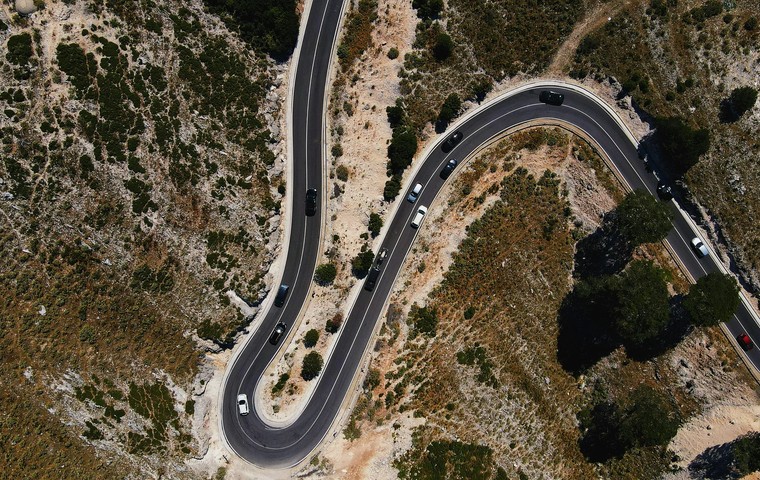
Ulcinj to Shkodër by Car: Is It Worth the Day Trip and What Documents Do You Need
How to drive from Ulcinj, Montenegro to Shkodër, Albania – Sukobin-Muriqan border crossing, rental car documents, Green Card insurance, what to see, and trip costs in 2026
February 24, 2026Montenegro – Albania Border Crossing: 3 Checkpoints, Wait Times & What Documents You Need
Three crossings, wildly different queues. Which one to pick, what papers border guards actually check, and how to skip the summer gridlock – a practical breakdown.
March 20, 2026
Bar, Montenegro: Ancient Ruins, 2 000-Year-Old Olives & a Working Port
Bar is Montenegro's only ferry port to Italy and the terminus of the Belgrade–Bar railway. Stari Bar fortress, a 2 000-year-old olive tree, quiet beaches, and prices 30% below Budva.
March 21, 2026
Scooter & Motorcycle Rental in Montenegro: Traffic Rules, Prices and the 5 Best Rides
Scooters from €15/day, motorcycles from €40. License requirements, hidden costs, real fines – and 5 routes that make two wheels better than four.
April 02, 2026
Petrol in Montenegro: Fuel Prices, Which Brands to Trust, Where Tourists Get Scammed
Fuel prices in Montenegro, autumn 2026: €1.75 for 95-octane, €1.95 for diesel. Which networks won't cheat you, where cards work, and why the cheapest pump is rarely the best one.
April 26, 2026
Driving in Montenegro 2026: Toll Roads, Sozina Tunnel Price and Real Fines
Montenegro's roads are stunning but tricky – switchbacks without guardrails, aggressive local drivers, and fines up to €2,000. Speed limits, toll costs, and 9 things guidebooks don't mention.
March 06, 2026