Some links are affiliate links. You pay the same, and we may earn a commission.
Montenegro uses the euro without belonging to the EU or euro area. Before accepting DCC, check both amounts, the rate and added charges.
Euro in Montenegro
Currency in Montenegro 2026: the short answer
The currency in Montenegro in 2026 is the euro (EUR, €). The official means of payment in Montenegro is the euro (EUR, €), which the country has used since 1 January 2002. Montenegro is not part of either the EU or the euro area.
Prepare two ways to pay and check the terms for each before travelling. Ask your card issuer about foreign transactions, cash withdrawals and currency conversion. Ask your accommodation, restaurants and transport providers which payment methods they accept.
At a glance:
Payments use the euro.
There is no verified one-size-fits-all cash amount: base your reserve on your own spending plan.
Card acceptance needs confirmation from the individual business.
If an ATM or terminal offers dynamic currency conversion (DCC), read the terms before confirming.
Currency status
Why Montenegro uses the euro outside the euro area
Montenegro belongs to neither the EU nor the euro area and uses the euro as its de facto domestic currency without a monetary agreement with the EU. It began using the euro on 1 January 2002.
Two series of euro banknotes remain in circulation. The first series includes denominations up to €500, while production of the €500 note was discontinued in the Europa series. This distinction concerns banknote series; it does not establish whether a particular business will accept a particular note.
Ways to pay
Cash or card: what to prepare
The choice between cash and card depends on your issuer's terms and the policy of each business. Before travelling, ask your accommodation and other important stops how you can pay. For your card, check foreign-transaction and conversion terms separately.
Eirik Skarstein
Cash can serve as a backup. Calculate a reserve from your own itinerary and expenses instead of relying on one universal amount or set of denominations. Use the guide to prices in Montenegro in 2026 for budget planning.
Do not infer that a card will work from its payment network or country of issue without checking with the issuer. Likewise, do not assume a business accepts it until the business confirms that.
Cash withdrawals
ATMs: fees and DCC are separate questions
Before withdrawing, separate the terms into three parts: a possible ATM-owner fee, your card issuer's charge and a DCC offer. Do not combine them into a single "ATM fee" or apply the terms shown by one machine to others.
Check the ATM owner's current charge on screen before confirming and through that bank's official ATM map or page. Ask your card issuer about foreign cash-withdrawal charges and its own conversion terms.
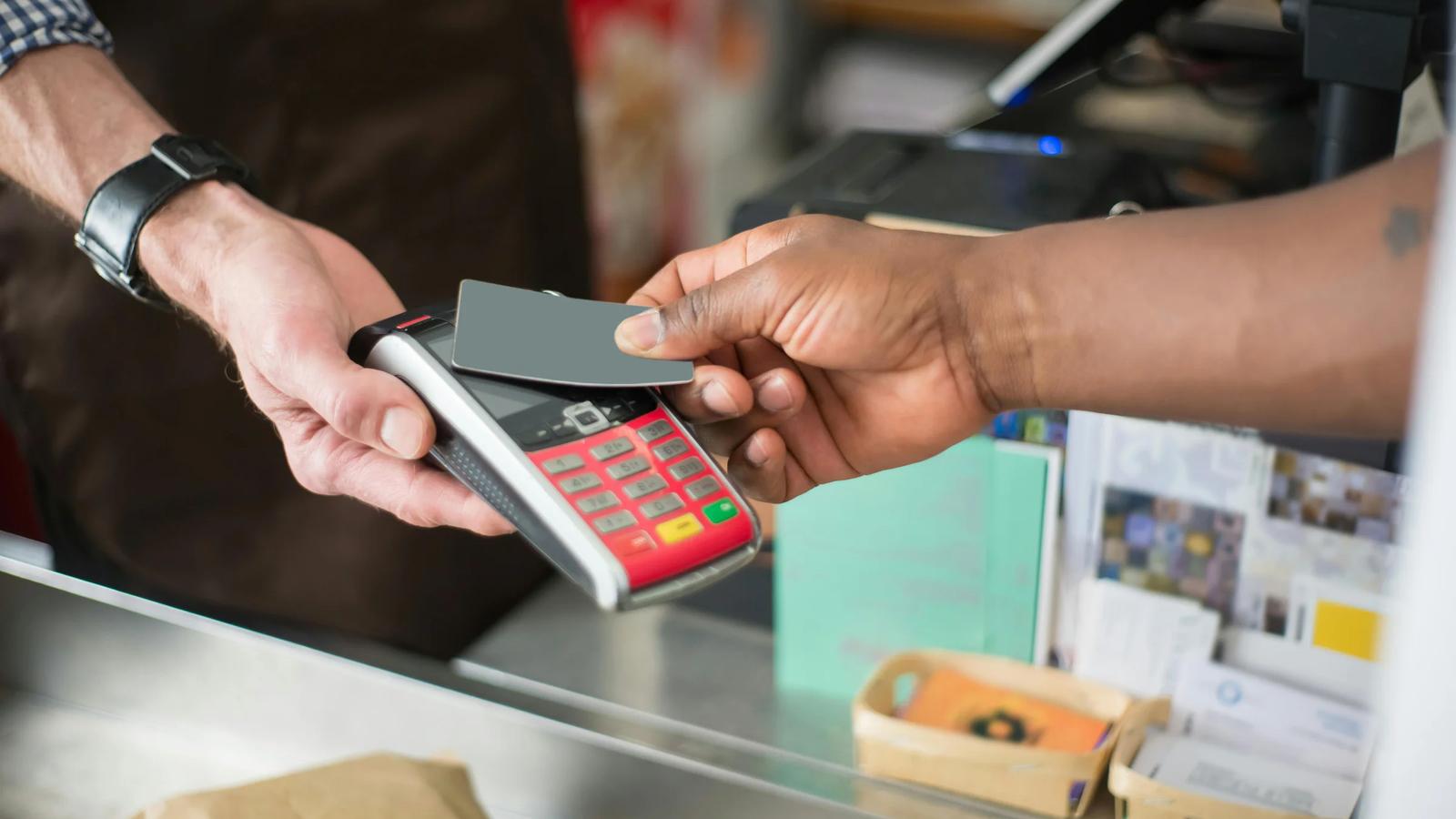
DCC means that an ATM or terminal offers to charge you in your card's currency instead of the local transaction currency. For Visa cards, a DCC offer must display both amounts, the exchange rate and additional charges, and the cardholder must be able to decline the conversion.
Kampus Production
Currency conversion
DCC on screen: checks before you confirm
If a DCC offer appears, do not confirm it automatically. First find:
the amount in euros;
the amount in your card's currency;
the stated exchange rate;
any additional charges;
the option to decline the offered conversion.
These details let you assess the offer shown on screen. Your card issuer's own terms still need a separate check.
Cash exchange
Currency exchange: what to confirm in advance
If you need to exchange another currency for euros, find a specific provider in advance and request its current terms directly. Do not rely on a universal list of exchange locations, their hours, supported currencies or rates.
Before visiting, confirm whether the selected location operates when you need it, handles your currency, requires documents and explains the final amount. Do not plan around an old list of exchange offices or banks.
Payment preparation
What to check before travelling
Review three groups of terms:
with your card issuer: foreign transactions, cash withdrawals and conversion;
with accommodation, restaurants and transport providers: accepted payment methods;
with the ATM owner: machine location and current transaction terms.
In 2025, Montenegro became an operational participant in the Single Euro Payments Area (SEPA), with the first transfers starting on 7 October 2025. This is a historical banking-integration date, not a guarantee of tourist card acceptance or a particular fee.
Trip charges
Other cash expenses
Check accommodation-related charges and registration separately. Current requirements are covered in the guide to Montenegro tourist tax and registration; amounts and rules are not repeated here.
Currency and payments
Frequently asked questions
What is the currency in Montenegro in 2026?
The official means of payment is the euro (EUR, €). Montenegro has used it since 1 January 2002.
Why does Montenegro use the euro outside the euro area?
Montenegro uses the euro as its de facto domestic currency without a monetary agreement with the EU. The country belongs to neither the EU nor the euro area.
Should I take cash or a card to Montenegro?
Prepare a primary and a backup way to pay. Confirm card acceptance with each business, check foreign-transaction terms with your issuer and calculate your cash reserve from your itinerary.
What is DCC at an ATM or payment terminal?
DCC is an offer to charge you in your card's currency instead of the local currency. For Visa cards, the screen must show both amounts, the rate, additional charges and an option to decline the conversion.
Where can I exchange another currency for euros?
Check a specific provider's terms before travelling. Do not rely on a universal list of exchange locations, their hours, rates or supported currencies.
Payment plan
How to prepare your travel payments
Payments in Montenegro use the euro, but that currency status does not guarantee the same payment methods at every business. Prepare a backup, check terms with your issuer and businesses on your route, and assess any DCC offer by both amounts, the exchange rate and added charges before confirming.