Blog · Tips
Pharmacies in Montenegro: What's Over-the-Counter, What Needs a Prescription, Real Prices
 Tips
TipsIn this article
- 01Key facts
- 02What to pack from home
- 03What's not worth packing
- 04Pharmacy prices in Montenegro
- 05How pharmacies work: tips on the ground
- 06What to do if you get sick
- 07Travel insurance: formality or real protection?
- 08Traveler's first aid kit for Montenegro: final checklist
- 09FAQ
- 10Bottom line
- 11Read also
- 12Sources
Some links are affiliate links. You pay the same, and we may earn a commission.
Antibiotics, sedatives and many "everyday" meds are prescription-only here. What to pack, what to buy locally and how to ask the pharmacist when you don't speak the language.
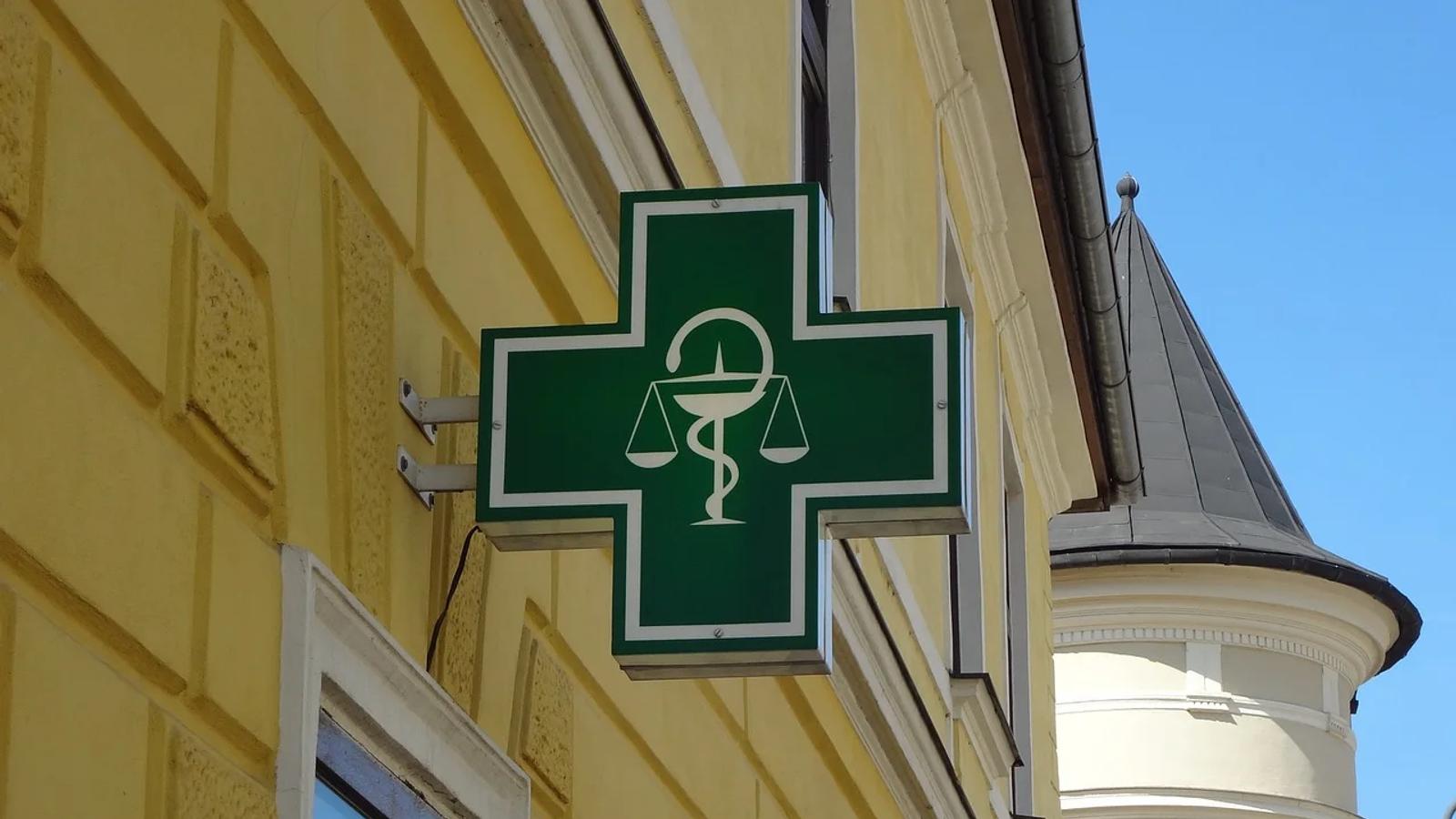
Pharmacies in Montenegro are marked "Apoteka" and you'll find them in every tourist town, but the prescription regime is stricter than many travelers expect. Antibiotics, strong painkillers and any sedatives are dispensed only against a prescription issued by a state clinic doctor (Dom Zdravlja). Paracetamol, ibuprofen, antihistamines, antidiarrheals and basic ointments are over the counter. The real friction isn't price (it's moderate) but brand availability: half of your familiar trade names don't exist here, so you'll need to know the international non-proprietary name.
Key facts
- Antibiotics are prescription-only. No amount of asking helps in tourist pharmacies – e-prescriptions are tied to the doctor's system. Bring your own course or budget half a day for a clinic visit.
- Pharmacy hours are 08:00–20:00, with one or two on-duty pharmacies open at night and on Sundays in each town.
- Search by international name, not by brand. "Advil" is ibuprofen, "Tylenol" is paracetamol, "Benadryl" is sold as loratadine or cetirizine.
- Supply chains run through Serbia, Croatia, Italy, Germany. Quality is consistent EU-grade, but US/UK trade names are largely absent.
- Customs rarely check for personal-use OTC meds, but bring original packaging and a translated prescription for controlled or psychotropic substances.
- Visa-free visitors don't need insurance to enter, though visa applicants do – and without cover a private clinic visit starts at 50 €, paid out of pocket.
- Emergency care is free for everyone in life-threatening situations, but follow-up treatment and medication are paid.
What to pack from home
The rule of thumb: anything that's prescription-only at home will be prescription-only here, plus an extra 30 % on top. Pack enough for the trip plus 3–5 buffer days.
| Category | What to bring | Why pack from home |
|---|---|---|
Chronic medication (BP, diabetes, thyroid) | Full course + Latin-name prescription | Equivalents exist, but tracking them down through the public clinic burns a vacation day |
Broad-spectrum antibiotics | One "just-in-case" course (amoxicillin/azithromycin) | Won't be sold without a local prescription, and food poisoning on day one is a classic |
Sedatives, sleeping pills | Bring your own with a prescription | Tightly controlled in Montenegro – no over-the-counter access at all |
Children's fever and cold meds | Familiar brands and dosages | Local equivalents exist, but dosages differ and a sick toddler is no time to translate labels |
Specialty items (insulin, asthma inhalers) | Spare supply + prescription | Compatible local equivalent isn't always in stock, especially off-season |
Important: for controlled substances (opioid painkillers, psychotropics, benzodiazepine-class sleeping pills) keep the prescription in English and the original packaging. Personal-use quantities don't require declaration at the border, but random checks without documents can lead to confiscation.
What's not worth packing
- Paracetamol, ibuprofen, aspirin – stocked everywhere, often cheaper than in Western Europe.
- Antihistamines (loratadine, cetirizine, desloratadine) – over the counter, wide selection.
- Antidiarrheals – loperamide, activated charcoal, oral rehydration salts.
- Antiseptics and bandages – available even in supermarkets.
- Sunscreen – stocked, but coastal markup is real. SPF 50+ for kids in summer is worth packing.
Pharmacy prices in Montenegro
Approximate retail (Updated: April 2026, state-run Montefarm and major chains – pricing is comparable):
| Product / category | INN (search by) | Pack price |
|---|---|---|
Paracetamol 500 mg, 20 tabs | paracetamol | 2–3 € |
Ibuprofen 400 mg, 20 tabs | ibuprofen | 3–4 € |
Nimesulide powder, 30 sachets | nimesulide | 8–11 € |
Loratadine 10 mg, 10 tabs | loratadine | 3–5 € |
Nifuroxazide, 30 caps | nifuroxazide | 10–14 € |
Loperamide, 20 tabs | loperamide | 2–4 € |
Decongestant nasal spray | oxymetazoline | 5–7 € |
Amoxiclav antibiotic (Rx) | amoxicillin + clavulanic acid | 7–10 € |
Sunscreen SPF 50, 200 ml | – | 18–28 € |
Glucometer test strips | – | 12–20 € |
For comparison: a private GP visit costs 40–60 €, while the state clinic Dom Zdravlja charges 15–25 € for travelers with international insurance (reimbursable through your provider).
How pharmacies work: tips on the ground
State chain vs. private. Montefarm is the largest state-run network, with prescription medication priced 10–20 % below private chains. Private chains like Benu and Tea Medica have better locations and longer hours but charge a premium.
On-duty pharmacies. Every major city has a designated on-duty pharmacy operating overnight and on Sundays. The list is posted in the windows of all other pharmacies. Budva, Kotor and Podgorica have reliable night coverage; small towns like Perast have no pharmacy at all – the closest one is in Kotor.
Language barrier is moderate. Pharmacists in tourist areas often speak some English. For uncommon medications, bring the active ingredient written down in Latin – this works universally with any pharmacist.
Specialty pharmacies. Bar and a few other towns have pharmacies with multilingual staff and selected products from non-EU manufacturers. Useful if you need a specific brand from your home country – prices are slightly higher.
What to do if you get sick
- Mild illness (cold, mild stomach upset) – go to a pharmacy and describe symptoms with a translation app. Pharmacists will recommend an OTC product.
- Need an antibiotic or a chronic prescription refill – book at Dom Zdravlja (state clinic). With travel insurance assistance, call the helpline – they'll arrange the doctor visit.
- Acute pain, fever above 39°C, injury – dial 124 (medical emergency) or 112 (general emergency). Initial emergency care is free; further treatment goes through your insurance.
- Out of psychotropic or opioid medication – only through a doctor and only via Montefarm against an e-prescription tied to a local ID. In practice, this route is nearly closed to tourists – pack your own supply.
Travel insurance: formality or real protection?
Visa-free visitors don't need a policy to enter; visa applicants do. Real protection comes from a policy with at least 50 000 € coverage and an English-speaking assistance line: 1,5–3 € per day.
What your Montenegro policy should include:
- Emergency medical and inpatient cover – minimum 35 000 €.
- Acute dental – at least 250 €.
- Repatriation – critical if you're going to the mountains or planning canyoning.
- Active sports cover – must be a separate clause, otherwise hiking injuries are not reimbursed.
Insurance from Ekta works with Montenegrin assistance services and integrates with the local healthcare workflow – which solves most of the "submit receipts later" headache.
Traveler's first aid kit for Montenegro: final checklist
For a 7–10-day trip without chronic conditions:
- Painkillers and fever reducers (paracetamol + ibuprofen) – one pack each.
- Antihistamine (for insect bites and unfamiliar food reactions).
- Antidiarrheal (loperamide) and rehydration salts.
- Activated charcoal or an enterosorbent.
- Antiseptic, plasters (including waterproof), gauze, hydrogen peroxide.
- Throat and nasal spray.
- Bruise/sprain ointment (essential for hiking around Žabljak or Kolašin).
- Motion sickness pills (the Adriatic coastal serpentines test everyone).
- Sunscreen SPF 30+ (50+ for kids).
- Personal chronic medications with prescription and original packaging.
FAQ
Can I buy antibiotics in Montenegro without a prescription? No. Over-the-counter sale of antibiotics has been banned since 2018, and the introduction of e-prescriptions has effectively closed any informal workarounds. Bring your own course or plan a Dom Zdravlja visit.
How much does a doctor's appointment cost without insurance? A GP at a private clinic costs 40–60 €, a specialist 60–100 €, ultrasound 30–50 €, blood test from 15 €. At the state clinic Dom Zdravlja the consultation for an uninsured tourist is 15–25 €, but you may need to wait until the next day.
Which payment methods do Montenegrin pharmacies accept? Cash in euros and major international credit/debit cards (Visa, Mastercard). ATMs are widespread – NLB and CKB bank ATMs offer competitive fees.
What if my child needs medication urgently at night? Go to the on-duty pharmacy (the address is posted in every pharmacy window) or to the ER of the nearest hospital – pediatricians are on call 24/7 in Podgorica, Kotor, Bar and Budva. With travel insurance assistance, calling the helpline is the fastest route.
Can I bring insulin and syringes? Yes, in personal-use quantities – no declaration required. Bring an English-language prescription, a medical certificate with the diagnosis in Latin, an insulated bag for the insulin, and the prescription label on the syringes. Local pharmacies stock common insulins (Lantus, NovoRapid), but specific types aren't always available.
Bottom line
Montenegrin pharmacies are squarely middle-of-the-road European: decent stock, prices below Germany or Italy, qualified staff. Two real friction points: the strict prescription regime (pack everything Rx-only from home) and the brand-vs-generic gap that forces you to search by INN. A proper travel policy with an assistance hotline removes 90 % of problems – without one, a serious incident means paying out of pocket and chasing reimbursement later.
Read also
- Travel Insurance in Montenegro: Do You Need It and How to Choose
- Montenegro Prices in 2026: How Much Does a Week Really Cost
- Montenegro Tourist Tax & White Card Registration
Sources
- Montenegro Law on Medicines – official translation
- Ministry of Health of Montenegro
- Institute for Medicines and Medical Devices of Montenegro CInMED
- Montefarm – state pharmacy chain
- CDC Travelers' Health: Montenegro
- Statista – analgesics market in Montenegro 2025
Places to see in Montenegro
You may also like
Solo Female Travel in Montenegro: Real Safety Stats, Dress Codes & Hidden Traps
Montenegro ranks #14 globally for female solo travel safety. Honest take on what works, where to watch out, and why Ostrog Monastery turns away tourists in shorts.
April 25, 2026
Travel Apps for Montenegro 2026: No Uber, No Wolt, Glovo Delivers, eSIM Saves
Uber and Bolt don't work in Montenegro, Wolt left, Google Maps gets addresses wrong. The 7 apps that actually work in 2026, with prices and local quirks.
April 26, 2026
Travel Insurance in Montenegro: Do You Need It and How to Choose
Do you need travel insurance for Montenegro, how much it costs, what it covers and how to use it if something happens. A practical guide for travelers.
November 27, 2025
Montenegro Prices 2026: Real Weekly Budget – From €480 Bare-Bones to €2 000 Comfort
What a week in Montenegro costs in 2026: lodging, food, car rental, tours.
April 27, 2026
Montenegro Markets (Pijaca): How to Buy Real Cheese at €8/kg, Kajmak and Wine
Budva's market is 1.5–2× more expensive than supermarkets, while Podgorica sells the same cheese at half price. Where to buy real Njeguški cheese, kajmak, pršut and Vranac without the tourist markup.
April 30, 2026
Wild & Secret Beaches of Montenegro: Where Crowds Actually Disappear
300 km of coast, but most of it is sunbeds and crowds. 12 beaches where logistics beat popularity – and why Montenegro's "untouched beach" is mostly a myth.
April 24, 2026