Blog · Tips
Montenegro in May: +27°C, Warming Sea & No Summer Crowds
 Tips
TipsIn this article
Some links are affiliate links. You pay the same, and we may earn a commission.
May is Montenegro's sweet spot — 22–27°C days, a sea warming to 20°C, prices well below July and no crowds yet. Best routes, beaches and tips.
May in Montenegro hits a sweet spot: the country is warm enough for comfortable exploring, yet the summer crowds haven't arrived. Coastal daytime temperatures reach +22–27 °C, rainfall drops significantly compared to spring, and accommodation prices sit well below July peaks. The sea hovers around +18–20 °C – too brisk for most swimmers but perfect for those who came for hiking, sightseeing and discovering the country at its greenest.

Key facts:
- Air temperature – from +22 °C early in the month to +27 °C by late May; nights +12–15 °C
- Sea temperature – +17–20 °C: refreshing early on, tolerable for short swims by month's end
- Rainfall – 8–10 rainy days, mostly brief afternoon showers
- Daylight – around 14.5 hours; sunset after 20:00
- Prices – 30–40 % lower than peak season (July–August)
- Crowds – minimal until the final week of May when visitor numbers spike
- Visa note – check entry requirements for your nationality before booking, as Montenegro is gradually aligning its visa policy with the EU
Weather in May: Coast vs Mountains
Along the Adriatic coast – Budva, Kotor, Tivat – expect steady +22–25 °C during the day, climbing to +27 °C toward month's end. Nights are cool at +12–14 °C, so pack a light jacket for evening strolls along the waterfront.
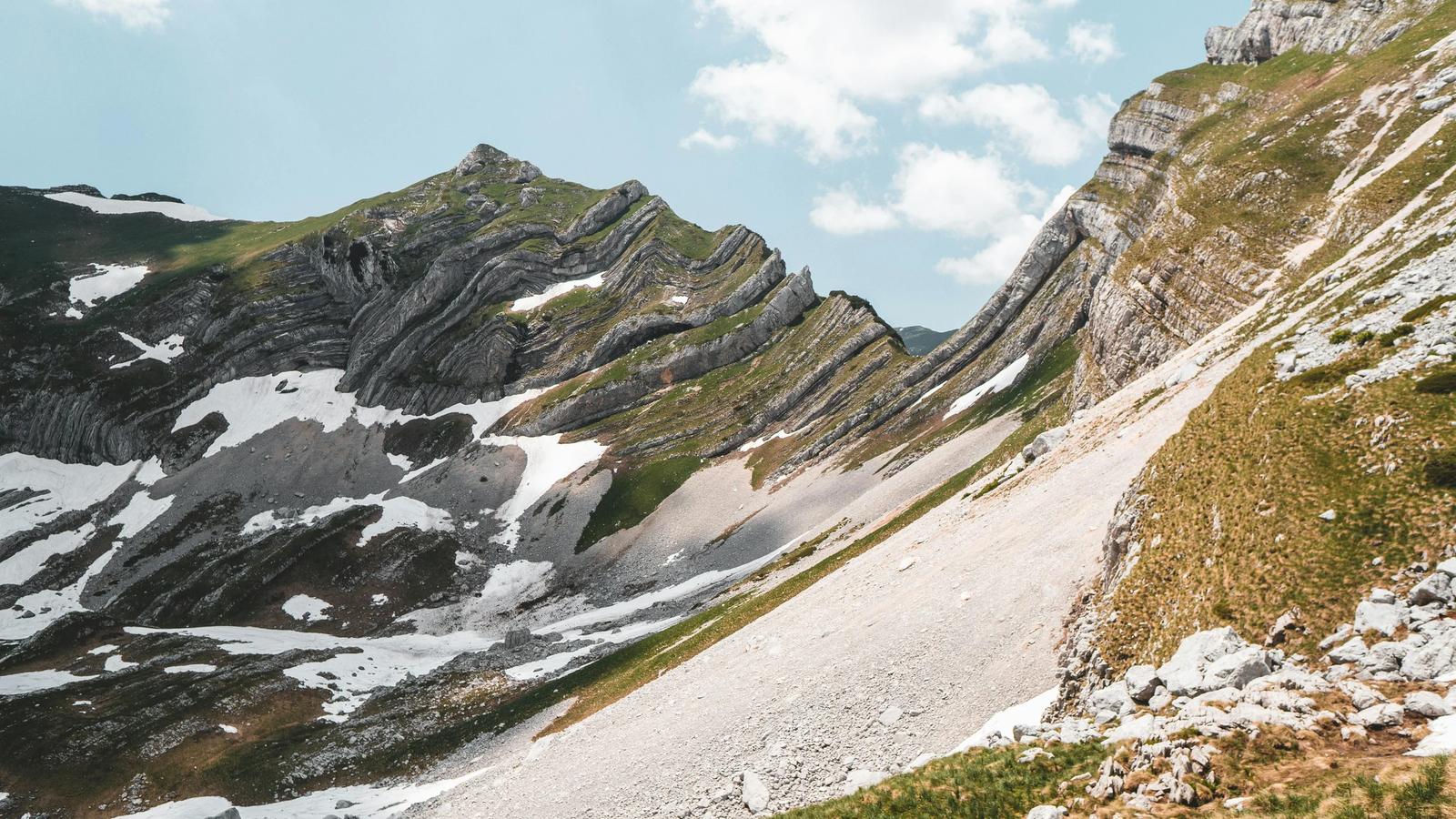
In the mountains – Zabljak, Kolasin – temperatures are 5–8 degrees lower. Daytime +14–18 °C, dropping to +5 °C at night. Snow clears from the main trails by May, though patches may remain on higher summits of Durmitor National Park. This is prime time for mountain hikes – cool enough for effort, dry trails, fresh greenery everywhere.
The capital, Podgorica, typically runs a couple of degrees warmer than the coast – up to +24–26 °C. Humidity averages 65–73 %, far more comfortable than the summer's stifling +35 °C.
Tip: May lets you combine sea and mountains in a single trip. Morning dip (for the brave), afternoon mountain drive – all within 2–3 hours of each other.
Sea and Beaches
Sea temperature starts around +17 °C in early May and reaches +20 °C by month's end. Not ideal for extended swimming, but fine for quick dips and acclimatization. The warmest waters tend to be near Becici and Ulcinj, where shallow areas warm up faster.
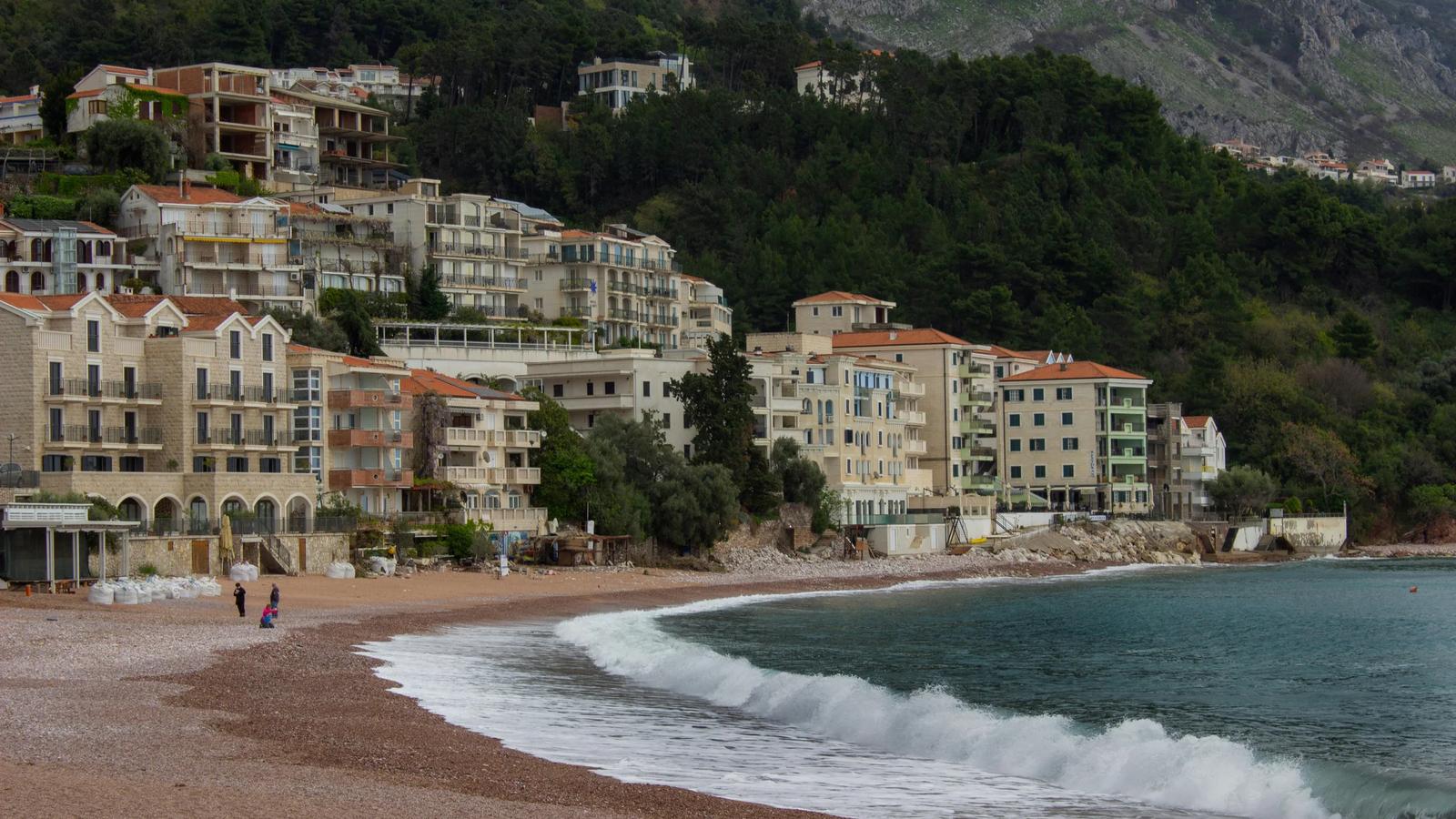
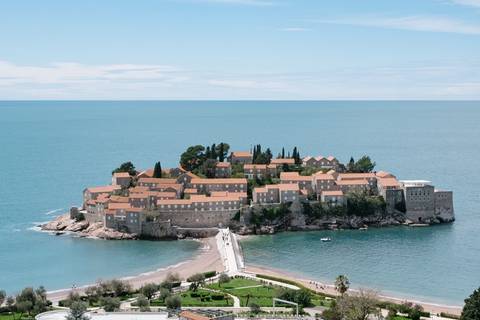
The real May advantage: beaches are virtually empty. Mogren Beach in Budva, packed wall-to-wall in summer, feels private in May. Same goes for Kamenovo Beach and Sveti Stefan Beach. Sunbed operators on public beaches either haven't set up yet or let you use them free of charge – fees kick in closer to June.
For atmosphere rather than swimming, the southern coast near Ulcinj with its 13-km Long Beach is hard to beat – sandy shore, minimal crowds, reliable wind for kitesurfing.
Prices in May 2026
May is a shoulder season – winter rates are gone, but summer premiums haven't kicked in. Approximate costs (updated: February 2026):
| Category | Cost |
|---|---|
Budget restaurant meal | €6–15 |
Dinner for two (three courses, no wine) | €30–90 |
Cappuccino | €1.30–3.50 |
Draft beer (0.5 L) | €1.45–4 |
Water (1.5 L, supermarket) | €0.50–1.40 |
Bottle of wine (mid-range) | €4–10 |
Car rental (economy) | €25–45/day |
Taxi (flag + 1 km) | €2–3 |
Petrol (1 litre) | €1.40–1.60 |
A typical coastal restaurant meal runs about €10 per person. In less touristy towns – Bar, Virpazar – expect 20–30 % less. Street food (burek, cevapi) costs €2–4.
Accommodation delivers the biggest May savings. A one-bedroom seaside apartment runs €30–60 per night versus €80–150 in July–August. Compare rates through Trip.com or Booking.
For independent travel, renting a car through Localrent makes sense – economy models start at €25/day in May, cheaper than relying on taxis and tour buses. More on rental logistics in our guide: Do You Need a Car in Montenegro?.
Things to Do in May
Hiking and Nature
May kicks off trekking season. Key routes:
Durmitor National Park – trails to Black Lake are open, though high-altitude routes to Bobotov Kuk may be partially snow-covered until late May. Park entry: €3.
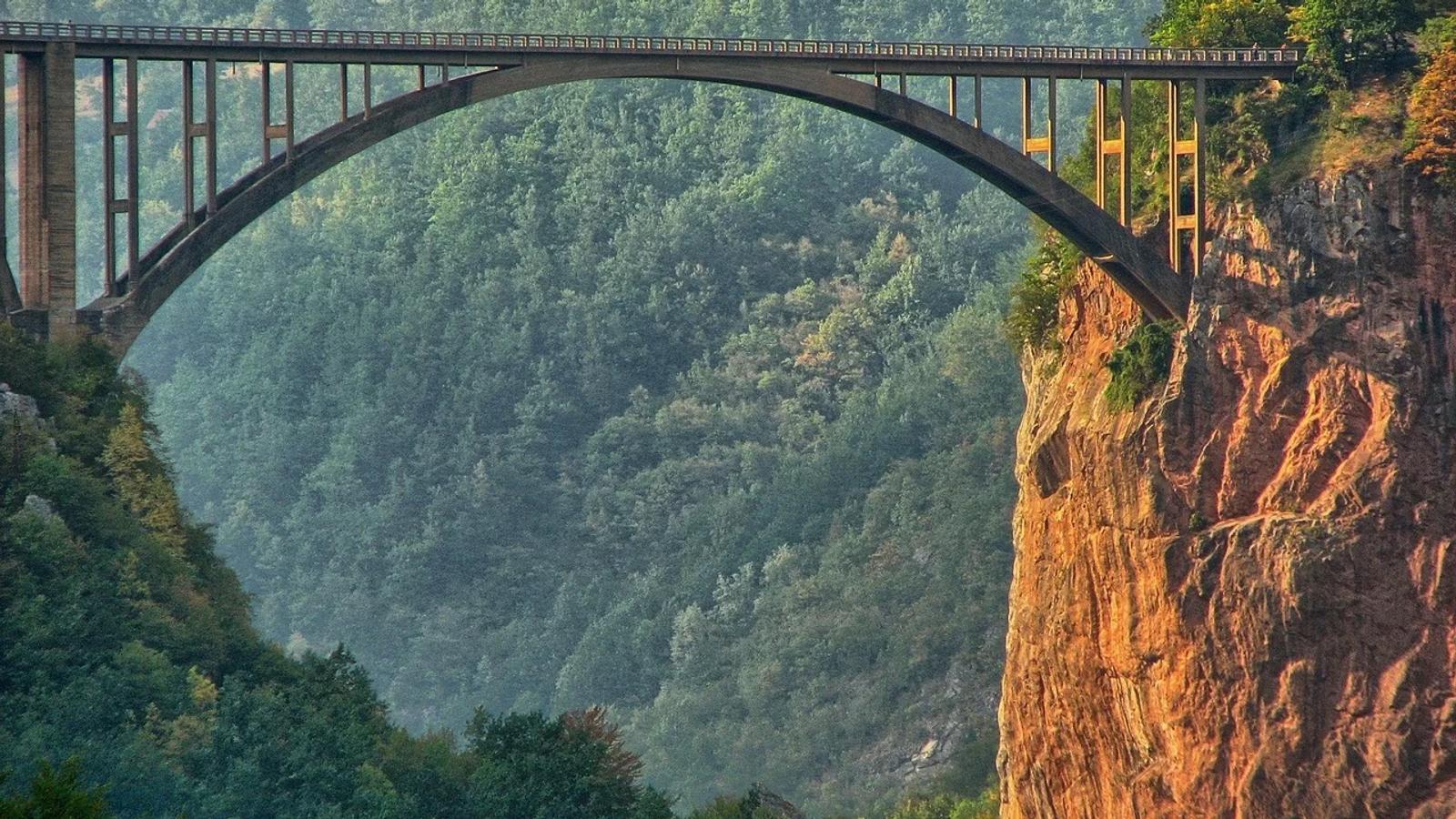
Tara Canyon – the world's second-deepest canyon after the Grand Canyon. May brings high water levels from spring snowmelt, making it the best month for white-water rafting. Half-day rafting tours start at €50. Djurdjevic Bridge without the crowds is worth the drive alone.
Lake Skadar – the Balkans' largest lake. May marks the start of water lily blooms and peak bird-nesting season. Boat excursions from Virpazar cost €15–25 per person. Details in our guide: Lake Skadar.
Biogradska Gora National Park – ancient forest surrounding Lake Biograd. In May: quiet, green, and practically deserted.
Old Towns and Culture
Kotor Old Town – a UNESCO World Heritage site. In May, you can still wander its narrow streets without feeling like rush hour. The climb to San Giovanni Fortress (1 350 steps, entry €8) is far more pleasant in the cool May air than in July's heat.

Budva Old Town – compact, atmospheric, with a citadel and views of Sveti Nikola Island. May brings the annual Budva Carnival with parades, theatre performances and a children's programme.
Perast and Our Lady of the Rocks – a boat from Perast to the island costs €5 (negotiate at the dock). No queues in May.
Cetinje – the former royal capital with Cetinje Monastery and the Museum of King Nikola. A solid day-trip from any coastal resort.
Festivals and Events
Budva comes alive with cultural events in May. The traditional Budva Carnival features processions and street performances. The Arts Festivals Summit (16–19 May 2026) brings 250 European festival professionals to town. Herceg Novi hosts international folklore festivals throughout May.
Getting There
Airports
Montenegro has two international airports: Tivat (best for the coast) and Podgorica (best for inland and mountain destinations). Tivat sits right in town – just 20 minutes to Budva and 10 minutes to Kotor by car.
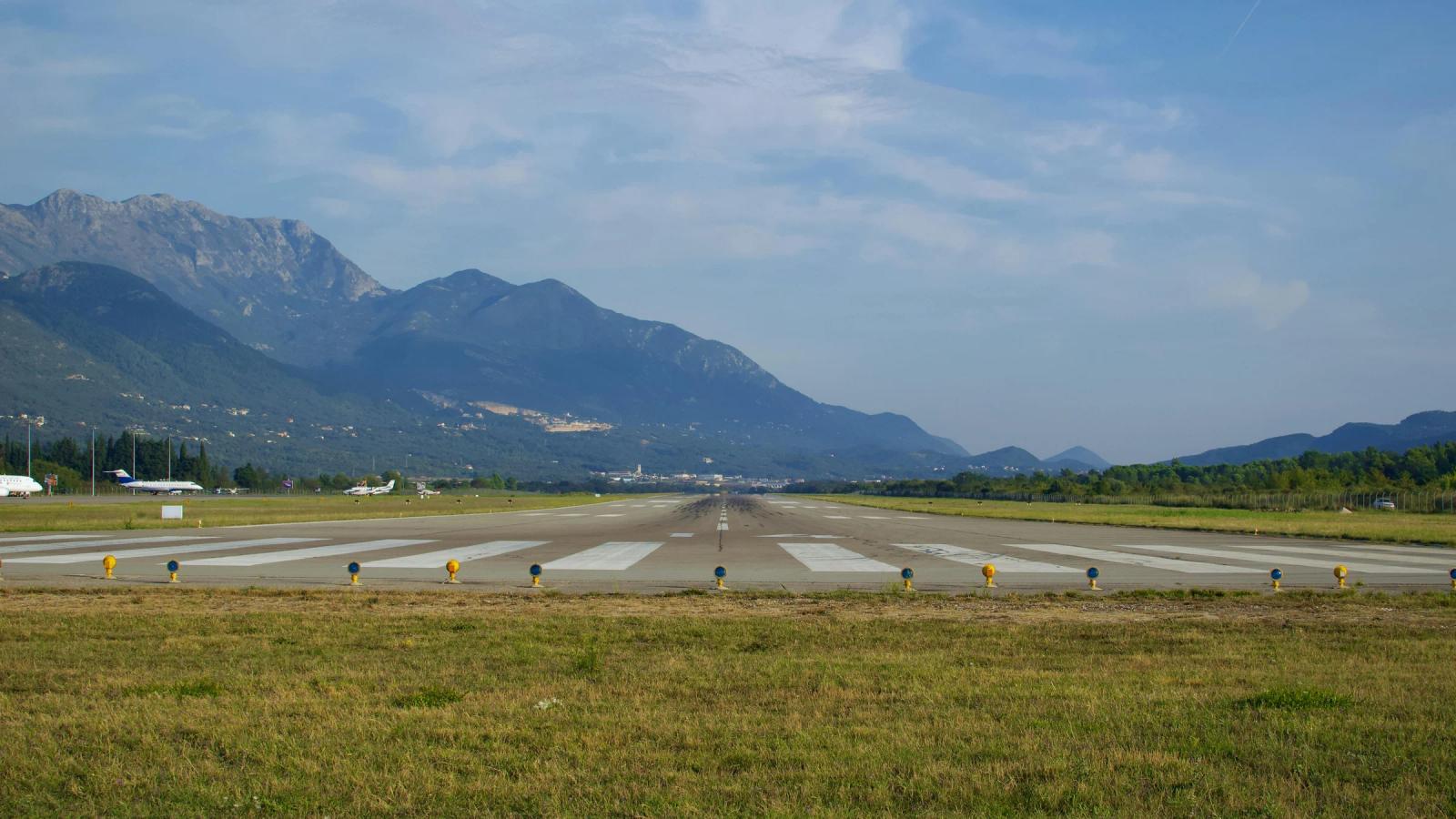
International carriers operate flights from major European hubs including Istanbul, Belgrade, Vienna and London. In May, flight availability ramps up compared to winter, and booking early secures better fares. Search flights through aggregators and compare options for the best connections.
Pre-booked airport transfers through KiwiTaxi or Welcome Pickups offer fixed pricing and meet-and-greet service. More details: How to Get from Tivat or Podgorica Airport to Your Resort.
Visa Requirements
Check visa requirements for your nationality before booking. Many nationalities enjoy visa-free entry for up to 90 days. Holders of valid Schengen, US, UK or Canadian visas can enter visa-free for up to 30 days. Montenegro is progressively aligning its visa policy with the EU, so requirements may change – verify current rules on the official government portal before travel.
Important: upon check-in at any accommodation, you must register with the local police (or confirm that your host has done so). Failure to register can result in fines.
Getting Around
Public transport exists but bus schedules are unreliable. A rental car is the most practical way to explore beyond a single resort. More on bus travel: How to Use Buses in Montenegro.
Car rental in May starts from €25/day for an economy vehicle through Localrent. Petrol runs €1.40–1.60/litre. Roads are generally good, though coastal switchbacks are narrow with sharp bends – take it slow until you adjust. The only toll tunnel is Sozina (€3.50), connecting the coast to Podgorica.
Taxis: from €1 flag-drop + €0.60–1.37/km. Uber and Bolt do not operate in Montenegro. Details: Taxis in Montenegro.
Travel Insurance
Travel insurance is not a formal entry requirement for Montenegro but is strongly recommended. Basic coverage through EKTA starts from $7/week (START plan). Gold coverage with extended benefits costs from $12/week. For active holidays (rafting, hiking), opt for an extreme sports policy at around $37/week. More details: Travel Insurance in Montenegro.
Connectivity
Wi-Fi is available at most coastal hotels and cafés, but mountain coverage is patchy. For navigation and on-the-go connectivity, consider an eSIM or local SIM card.
Local SIM cards (Crnogorski Telekom, m:tel, One) cost €5–10 with 5–10 GB data. Available at carrier shops in any town – passport required.
eSIM is a convenient alternative, especially for multi-country trips (Croatia, Albania, Bosnia). Regional packages covering the Balkans or Europe work seamlessly across borders. Recommended providers: Airalo, Saily, Yesim.
Tip: eSIM works out cheaper than a local SIM if you're visiting multiple countries or staying under 10 days. For longer stays, a local SIM offers better value per gigabyte. Comparison guide: Best eSIMs for Montenegro and Albania.
Suggested Itineraries: 3, 5 and 7 Days
3 days (coast): Tivat → Kotor (Old Town + fortress) → Perast → Budva (Old Town + beaches) → Sveti Stefan.
5 days (coast + lake): Add a day trip to Lake Skadar via Virpazar and a day in Ulcinj at Long Beach.
7 days (full Montenegro): Coast (3 days) → Lovcen National Park and Cetinje → Durmitor and Tara Canyon (2 days) → return via Moraca Monastery and Podgorica.
Full planning guide: Popular Itineraries in Montenegro.
What to Pack
Layering is the rule for May. Shorts and a t-shirt work during coastal daytime, but evenings call for a light jacket. In the mountains, pack hiking boots, a windbreaker and a fleece. Bring a swimsuit – even if the sea is brisk, hotel pools are open, and late May offers brave swimmers a decent chance at a comfortable dip.
Sunscreen SPF 30+ is essential – the UV index reaches 7 in May. Comfortable walking shoes for medieval cobblestones in Kotor and Budva are non-negotiable.
Frequently Asked Questions
1. Can you swim in Montenegro in May? Sea temperature ranges from +17–20 °C – brisk, but by late May southern beaches (Ulcinj, Becici) reach +20 °C. For proper beach holidays, mid-June onward is better. May swimming suits those who enjoy cooler water.
2. How much does a week in May cost? Budget (apartment + self-catering + buses): from €400–500 per person. Mid-range (3-star hotel, restaurants, rental car): €700–1 000. Detailed breakdown: Montenegro Prices in 2026.
3. Is May a good time to visit Montenegro? Yes – it is arguably the best month for active travel. Weather is warm without being oppressive, trails are open, prices are low, and tourist sites are uncrowded. The only trade-off is sea temperature.
4. Do I need a car? Highly recommended if you plan to explore beyond a single resort. Buses run infrequently, and taxis between towns add up fast. Economy rentals through Localrent start at €25/day in May.
5. What's the best base for a May trip? Kotor or Budva for coastal exploration with easy access to both the Bay of Kotor and southern beaches. Zabljak if mountains are the priority.
Summary
May is one of the best months to explore Montenegro. The sea is still cool for prolonged swimming, but everything else – weather, prices, absence of crowds, open mountain trails – works in your favour. This is the month for active travellers who come to discover the country rather than sunbathe. For beach holidays, wait until mid-June at least. But if you want to see Montenegro without the filter of thousands of cruise-ship passengers, May is the optimal choice.
Read also:
- Montenegro in April
- Montenegro in March
- Popular Itineraries in Montenegro
- Kotor vs Budva: Detailed Comparison
- Active Tours in Montenegro
Sources:
- National Tourism Organisation of Montenegro – official portal
- Government of Montenegro – visa policy
- European Festivals Association – Arts Festivals Summit 2026 in Budva
- Wikipedia – Visa policy of Montenegro
Places to see in Montenegro
You may also like
Montenegro in January – weather, sea, skiing and prices
Montenegro in January: weather, sea temperature, ski resorts, prices, where to stay and what to pack.
November 18, 2025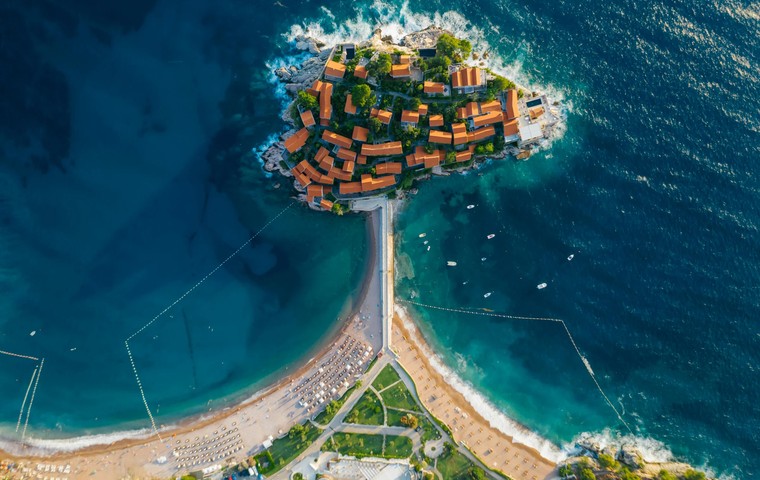
Montenegro in August: +32 °C, Budva Crowds and Where to Actually Go Instead
Peak season: sea at +26 °C, hotels cost double May rates, Budva is packed. Here's where to stay smarter – Ulcinj, Žabljak, Herceg Novi – and what it really costs.
April 21, 2026
Lake Skadar: €5 Kayaks, Pelicans, and the Real Virpazar Fish Dinner
The Balkans' largest lake, one hour from Budva: group boats from €15, kayaks from €5/hr. Where to eat fresh carp, when pelicans actually show up, and what to skip.
April 22, 2026
Montenegro in December: Weather, Holidays and Ski Resorts
What Montenegro is like in December: weather, coast vs mountains, Kolasin and Zabljak ski resorts, prices and practical winter tips.
November 18, 2025
Bar, Montenegro: Ancient Ruins, 2 000-Year-Old Olives & a Working Port
Bar is Montenegro's only ferry port to Italy and the terminus of the Belgrade–Bar railway. Stari Bar fortress, a 2 000-year-old olive tree, quiet beaches, and prices 30% below Budva.
March 21, 2026
Wild & Secret Beaches of Montenegro: Where Crowds Actually Disappear
300 km of coast, but most of it is sunbeds and crowds. 12 beaches where logistics beat popularity – and why Montenegro's "untouched beach" is mostly a myth.
April 24, 2026