Blog · Tips
Montenegro in March: Empty Coast, 13°C Sea & Low-Season Prices
 Tips
TipsIn this article
Some links are affiliate links. You pay the same, and we may earn a commission.
March in Montenegro: 12–16°C on the coast, a sea too cold to swim at 13°C, but empty towns and low-season prices. What's open and what to do.
Montenegro in March is a transitional period between winter and spring, when coastal temperatures reach 12–16 °C during the day but the Adriatic is still too cold for swimming at 13–14 °C. The real draw is prices 40–60% lower than peak season, and near-empty streets in Kotor, Budva and Perast. If sightseeing, food and mountains matter more to you than beach time, March can be one of the best months to visit.

Key Points
- Coastal daytime temperature: 12–16 °C, dropping to 6–9 °C at night. In the mountains (Zabljak, Kolasin) – 2 to 8 °C during the day, sub-zero at night.
- Sea temperature: 13–14 °C – far too cold for most swimmers.
- Rainfall: March is one of the wettest months (10–14 rainy days on the coast). Pack a rain jacket and umbrella.
- Accommodation prices: Studios in Budva start at 25–35 € per night, in Kotor from 30–45 €. That is 2–3 times cheaper than July–August.
- Crowds: Virtually none. No queues at Kotor Old Town, free parking everywhere.
- Ski resorts: Kolasin 1450 and Kolasin 1600 are still open – snow typically lasts through late March.
- Flights: Fewer direct connections. Both Tivat and Podgorica airports operate, but schedules are thinner than in summer.
Weather in March by Region
Montenegro is small, but climate varies significantly between the coast and the mountains.
Important: March weather is unpredictable. Mornings can be sunny, afternoons stormy. Plan outdoor activities for the first half of the day and have an indoor backup ready.
Things to Do in March
Old Towns Without Crowds
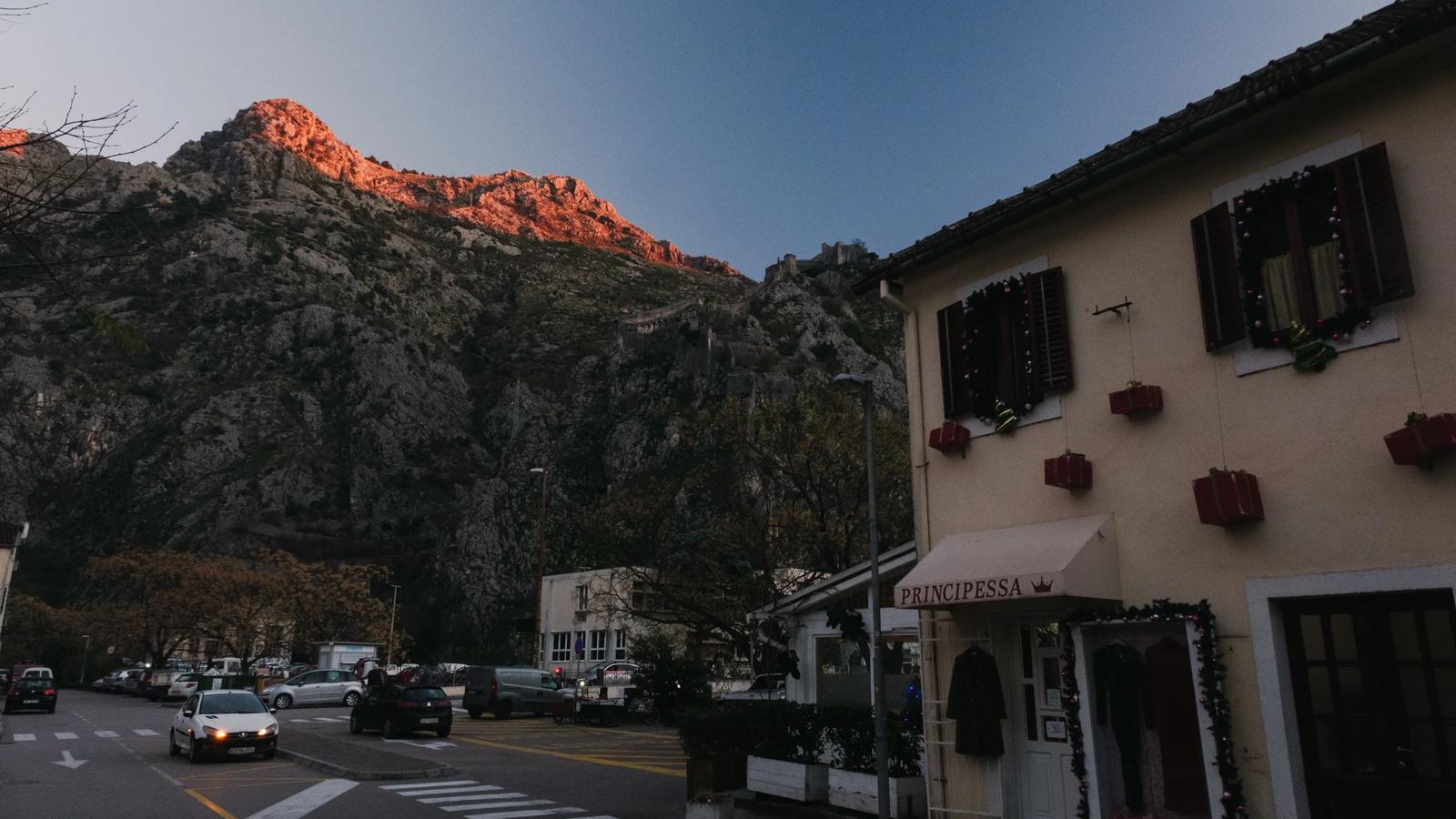
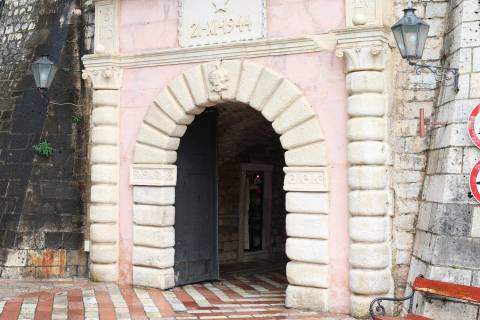
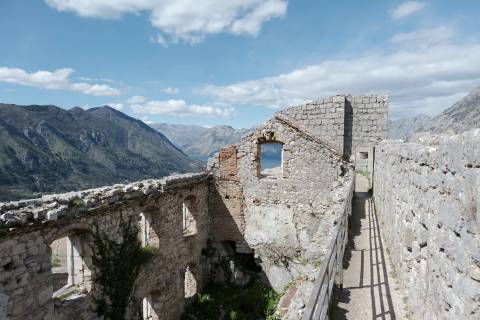
March is ideal for exploring historic sites at a relaxed pace. Kotor Old Town – a UNESCO site – is practically empty: you can climb to Kotor Fortifications without queues. The hike takes 40–60 minutes and is far more pleasant in mild weather than in summer heat. In Budva, visit the Citadel; in Herceg Novi, walk through the Old Town and see Forte Mare.
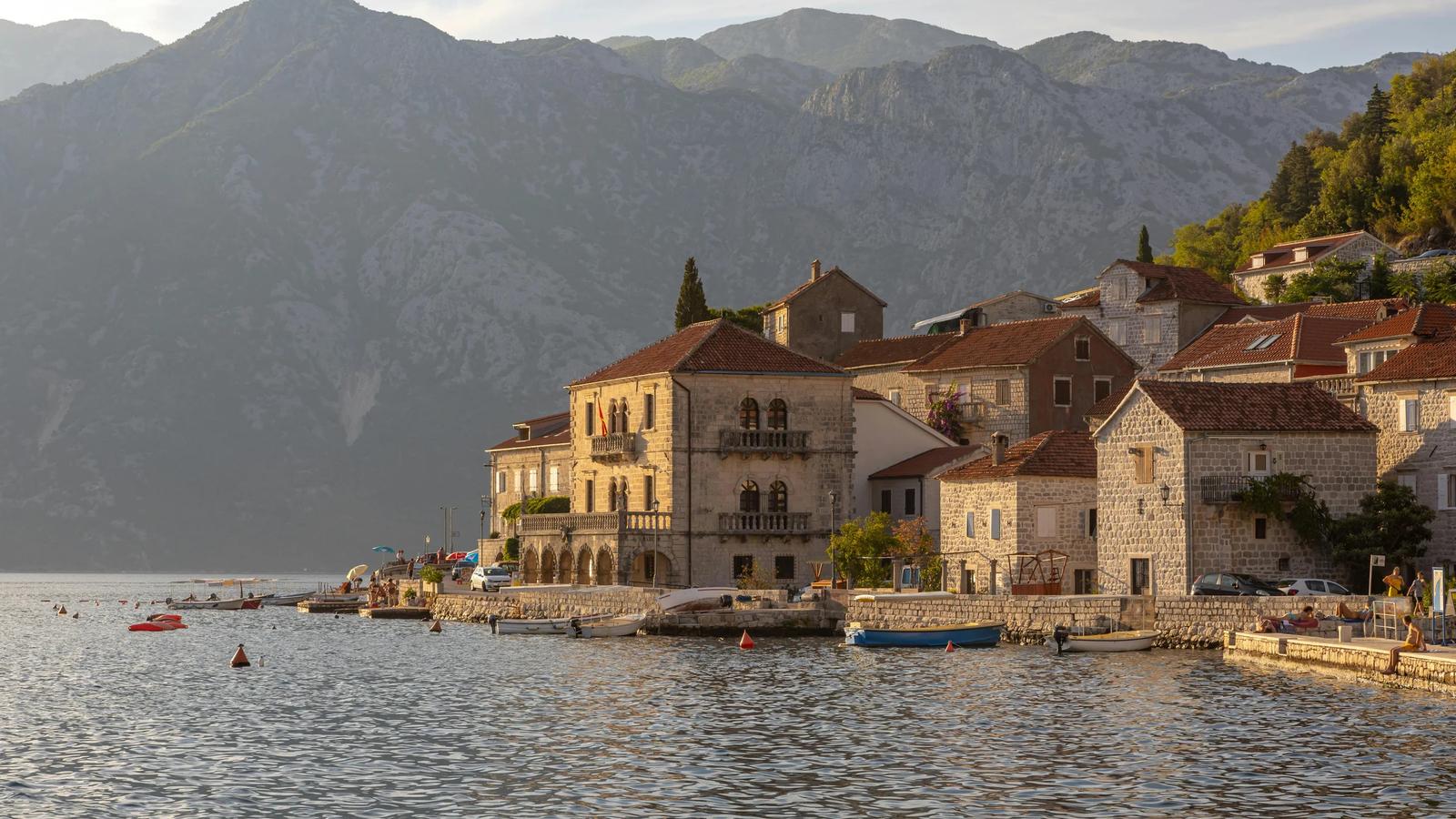
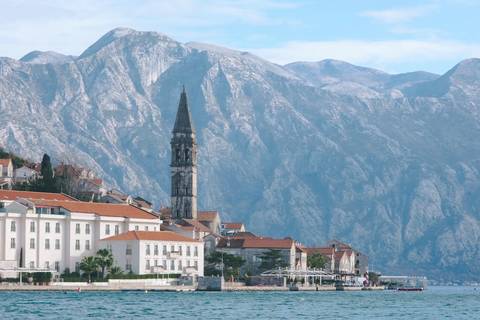
Perast is especially rewarding in March: boats to Our Lady of the Rocks run year-round (5–8 € per person), and the waterfront is free of cruise-ship crowds.
Skiing
The mountains are still firmly in winter mode. Durmitor National Park is snow-covered, and both ski resorts near Kolasin remain open. A day ski pass costs 20–30 €, equipment rental about 15–20 €. By Alpine standards, these are minimal prices. The trade-off: slopes and infrastructure are modest, but perfectly fine for beginners and families.
Tara Canyon and Nature
Tara Canyon and the Djurdjevic Bridge are accessible year-round, but the rafting season does not start until May. In March, you can drive to the bridge and enjoy the views. The road from Podgorica takes about 2.5–3 hours.
Lake Skadar
Lake Skadar is full after winter rains in March, making it prime time for birdwatching – pelicans arrive this time of year. The starting point is the village of Virpazar, where boat tours cost 15–25 € per person. The drive from Podgorica takes 30–40 minutes.
Food and Wine
Not every coastal restaurant is open in March, but Kotor, Budva and Tivat have enough options. A two-course lunch costs 10–15 €, dinner for two at a mid-range restaurant 30–50 € (Updated: February 2026). Try njeguški pršut (dry-cured ham), kajmak and fresh seafood. For culinary tours, see The Taste of the Country: Wine and Culinary Tours in Montenegro.
Transport
Getting There
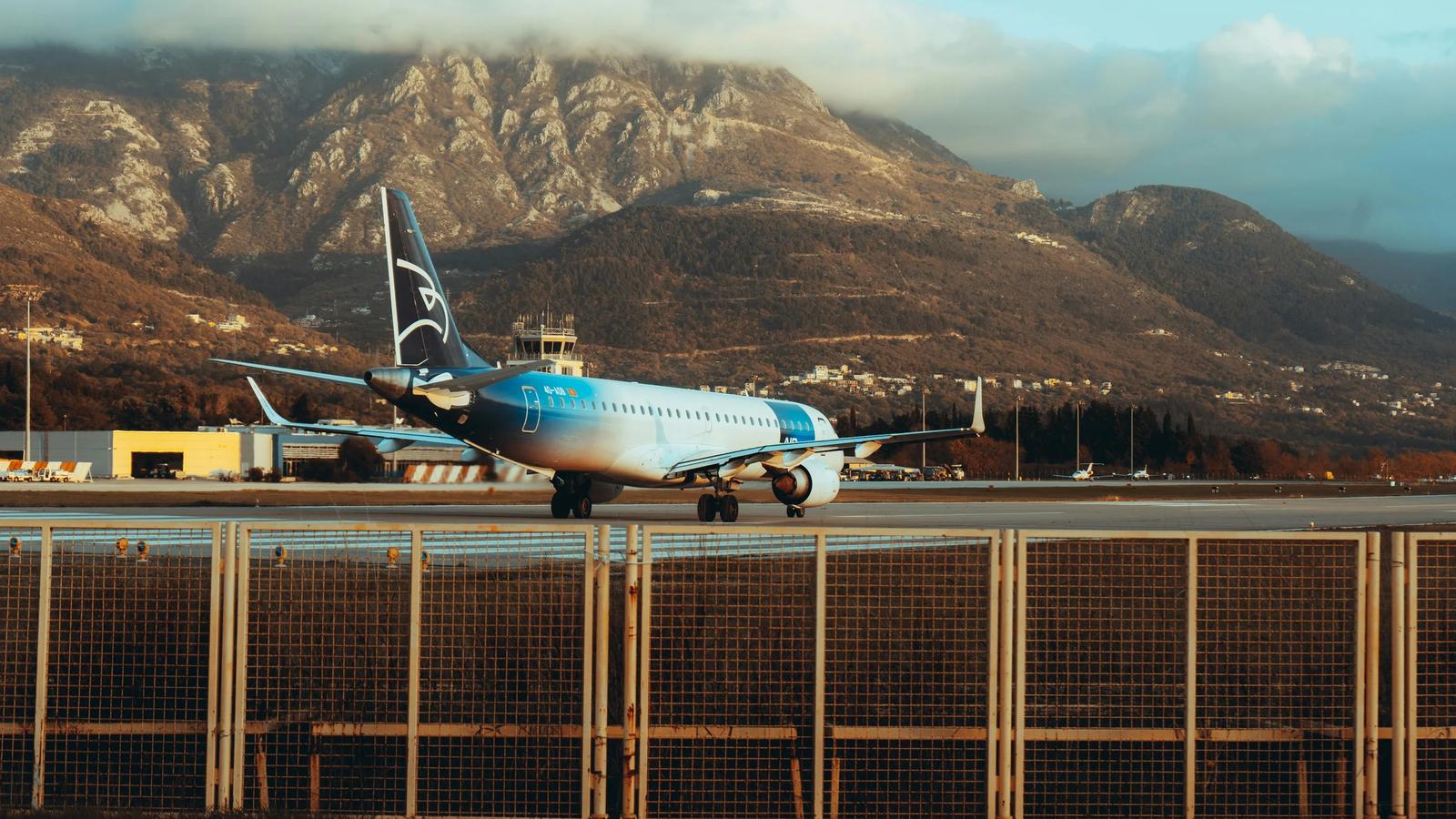
Check visa requirements for your nationality before booking. Both Tivat and Podgorica airports operate year-round, but March schedules are thinner. International carriers connect through Istanbul, Belgrade or Vienna. Flights are typically 20–40% cheaper than summer peak.
Airport transfers can be pre-booked through KiwiTaxi or Welcome Pickups at a fixed price. More details: How to Get from Tivat or Podgorica Airport to Your Resort.
Car Rental
A rental car is the best way to get around in March. Buses run, but less frequently than in summer, and many destinations (canyons, mountain monasteries) have no public transport at all. Compact car rates start from 20–30 € per day through Localrent. Full guide: Car Rental in Montenegro: Everything Tourists Need to Know.
Driving note: Mountain roads near Zabljak can be icy or snow-covered in March. If you plan to visit the mountains, request winter tyres and check pass conditions before departure.
Prices in March
March is low season, and it shows. (Updated: February 2026)
| Expense | Cost |
|---|---|
Studio / apartment by the sea (night) | 25–45 € |
3-star coastal hotel (night) | 40–70 € |
Lunch at a budget café | 6–15 € |
Dinner for two (mid-range) | 30–50 € |
Cappuccino | 1.30–2.50 € |
Car rental (per day) | 20–30 € |
Petrol (1 litre) | 1.40–1.60 € |
Bus ticket (one way) | 1–2 € |
Ski pass (day, Kolasin) | 20–30 € |
eSIM (7 days, 5 GB) | 5–10 € |
For mobile data, an eSIM is the easiest option – instant activation, no shop visit needed. See: Best eSIMs for Traveling in Montenegro and Albania.
What to Pack
The key word for March in Montenegro is layers. Daytime on the coast can feel like 16 °C with sunshine, but evenings drop to 7 °C with sea wind. Essentials: waterproof jacket, comfortable walking shoes for cobblestone streets (heels are a bad idea in Kotor Old Town), sunglasses. If heading to the mountains – warm jacket, hiking boots and a beanie.
Is March Worth It?
March suits a particular type of traveller. If you need beach and warm sea, this is not your month. But if you want a quiet, affordable trip focused on history, nature and food, March hits the mark. You get empty old towns, cheap accommodation, open ski resorts and the last chance to see Durmitor's snow-capped peaks before they turn green.
Frequently Asked Questions
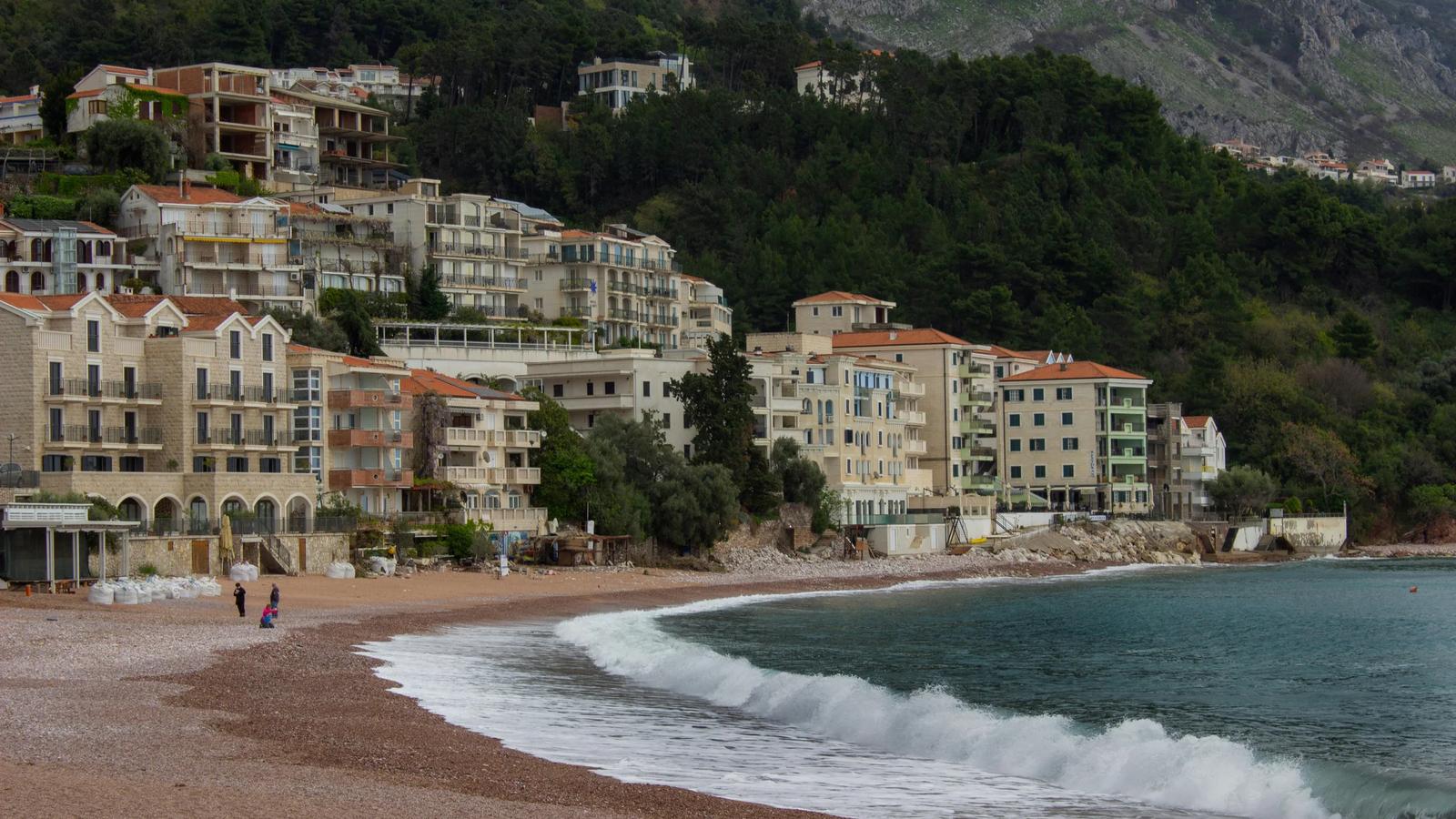
1. Can you swim in Montenegro in March? No, the sea is too cold for most people at 13–14 °C. Beach season begins in late May or June. March is great for coastal walks, but not swimming.
2. Are restaurants and shops open in March? Yes, but not all. In Kotor, Budva, Tivat and Podgorica core services run year-round. Smaller resort villages like Petrovac or Rafailovici have many closures until May.
3. Do I need a visa for Montenegro? Visa requirements depend on your nationality. Many EU, US and UK passport holders can enter visa-free for up to 90 days. Check the latest entry rules on the official website of Montenegro's Ministry of Foreign Affairs before travelling.
4. Which resort is best for a March trip? Kotor is the top pick: the old town, restaurants and cafés operate year-round, and there is plenty to do on a rainy day. Tivat with Porto Montenegro is a modern alternative. For mountains – Kolasin.
5. What is a reasonable budget for one week in March? Budget travel (apartment, self-catering, casual dining) – 400–500 € per person. Mid-range comfort (3-star hotel, restaurants, car rental, a couple of excursions) – 700–1 000 € per person. Montenegro in March is one of the most affordable Adriatic destinations.
Read Also
- Popular Itineraries in Montenegro: What to See in 1 to 7 Days
- Travel Insurance in Montenegro: Do You Need It and How to Choose
- Ski Resorts in Montenegro: Where to Go and How to Get There
- Public Transport in Montenegro: Is It Convenient to Travel Without a Car
Sources
- Institute of Hydrometeorology and Seismology of Montenegro – weather data
- National Tourism Organisation of Montenegro – travel information
- Ski Resort Info – ski resort data
Places to see in Montenegro
You may also like
Montenegro in January – weather, sea, skiing and prices
Montenegro in January: weather, sea temperature, ski resorts, prices, where to stay and what to pack.
November 18, 2025
Bar, Montenegro: Ancient Ruins, 2 000-Year-Old Olives & a Working Port
Bar is Montenegro's only ferry port to Italy and the terminus of the Belgrade–Bar railway. Stari Bar fortress, a 2 000-year-old olive tree, quiet beaches, and prices 30% below Budva.
March 21, 2026
Montenegro in August: +32 °C, Budva Crowds and Where to Actually Go Instead
Peak season: sea at +26 °C, hotels cost double May rates, Budva is packed. Here's where to stay smarter – Ulcinj, Žabljak, Herceg Novi – and what it really costs.
April 21, 2026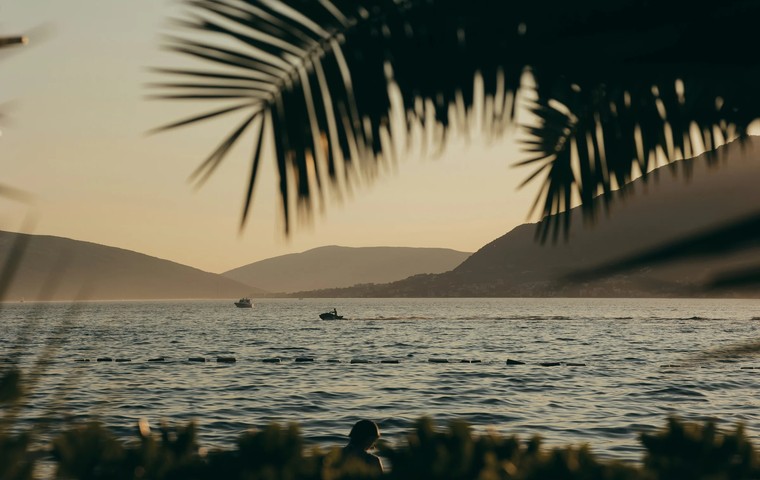
Montenegro or Cyprus for Summer: Price, Beach & Logistics Comparison
Montenegro is 30–40% cheaper, easier to reach, and packed with wild coastline. Cyprus counters with warmer seas and longer season. Here's a point-by-point breakdown.
April 09, 2026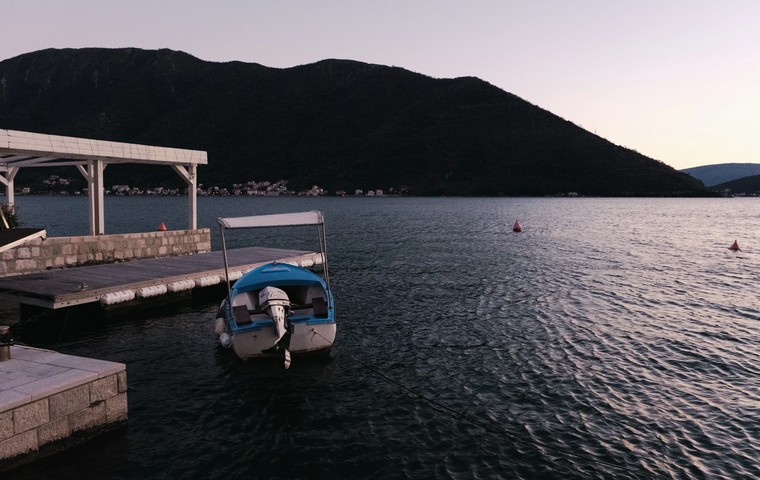
Montenegro in November – weather, sea and is it worth going?
Montenegro in November – weather and sea temperature, how rainy it gets, where to stay, average prices for hotels, car rental and transfers, what to pack and what to do on the coast and in the mountains.
November 16, 2025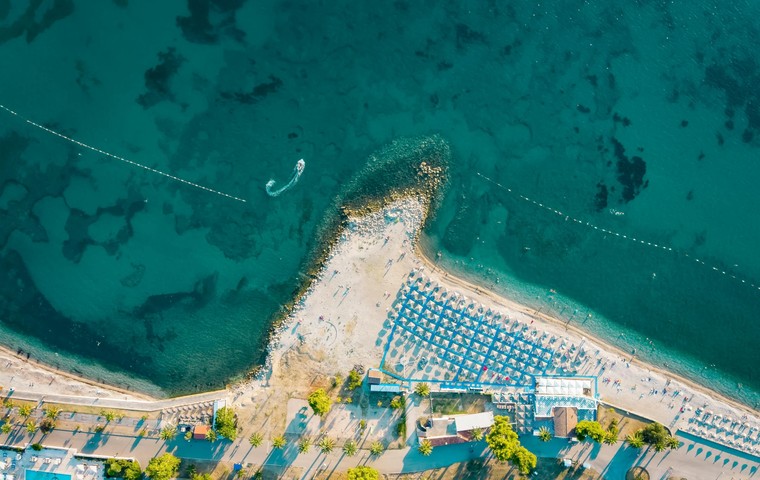
Montenegro in July: +31°C, Peak Prices & What They Don't Tell You
July is Montenegro's hottest and priciest month – 31°C air, 25°C sea, packed beaches. Here's what it actually costs, where to find space, and what to skip.
March 06, 2026