Herceg Novi Old Town
Herceg Novi Stari grad
Stone stairways, intimate squares and bay views.
About
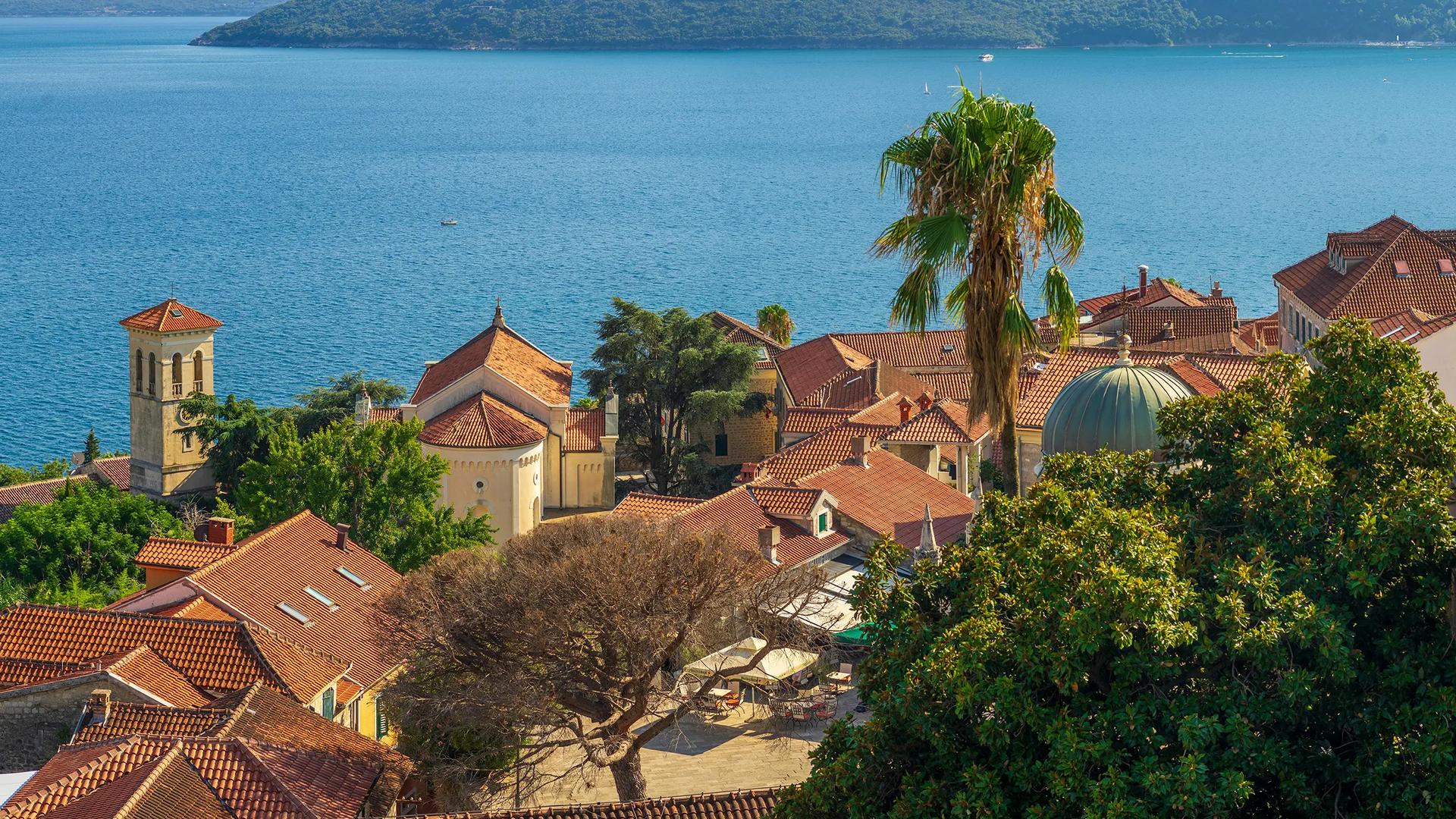
The compact Old Town stretches from the waterfront up the slopes, linking fortresses, towers and church courtyards. Its core is formed by the squares near the Clock Tower and Belavista. Venetian, Ottoman and Austrian layers can all be seen here.
Transport
Travel time
On foot from Herceg Novi center11–17 min.800 m
By car from Herceg Novi3 min.1 km
From the airport Tivat · TIV1 h 18 min.21 km
On the map
Location
In detail
What's here
What is this place
Herceg Novi Old Town is the historic core at the western entrance to the Bay of Kotor, founded in 1382 by King Tvrtko I as a trading fortress. Its layered fabric shows Ottoman, Venetian, Spanish and Austro-Hungarian phases.
Key features
- Founded 1382 as “Sveti Stefan”/Novi – a salt-trade port rival to Dubrovnik.
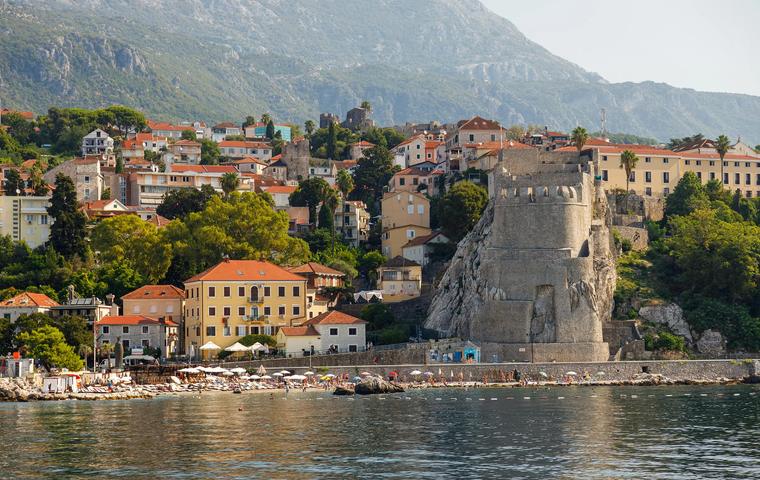
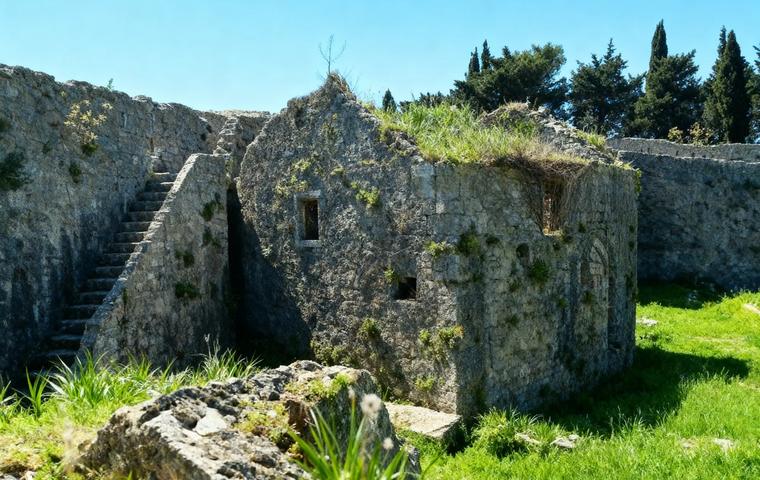
- Fort belt – seaside Forte Mare, hill-top Kanli Kula, and Španjola (Upper Town) on Bajer hill.
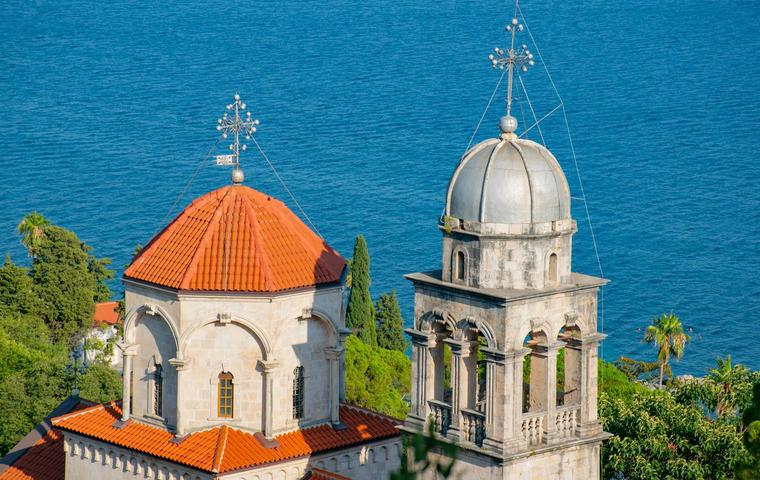
- Two faiths in the centre – Orthodox Church of St Archangel Michael on Belavista and Catholic St Jerome on Trg Mića Pavlovića.
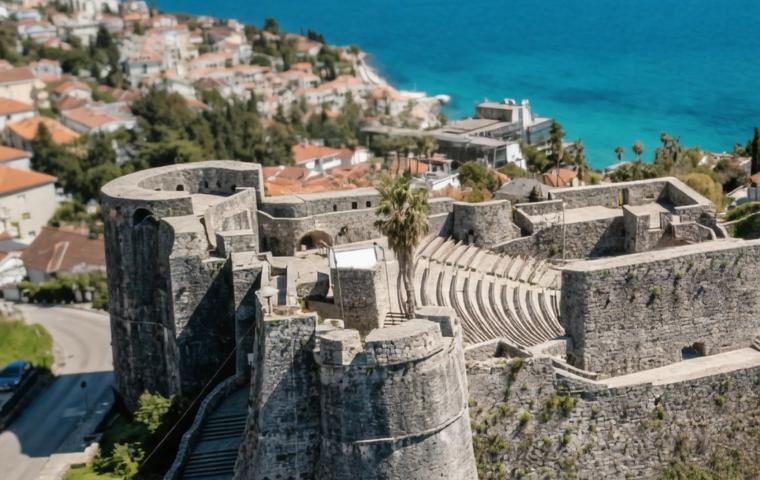
- Amphitheatre terrain – stepped lanes and stairways with bay views.
- Living culture – summer festivals at Kanli Kula; exhibits and viewpoints at Forte Mare.
What to see
- Forte Mare – sea fortress with passages and terraces above the promenade.
- Kanli Kula – upper fortress turned open-air theatre with sweeping vistas.
- Španjola – outer hilltop citadel around 170 m above sea level.
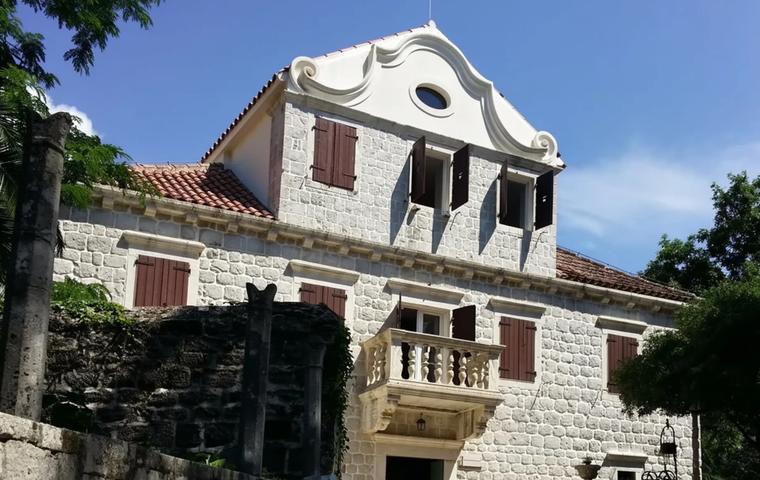
- Belavista Square with St Archangel Michael and palm-lined stonework.
- St Jerome’s Square with the baroque Catholic church.
History
Laid out in 1382 by Tvrtko I as a new salt port; the early name “Sveti Stefan” soon yielded to Novi/Castelnuovo. Under the Kosačas the town gained today’s name “Herceg Novi” as their winter seat.
From 1482 to 1687 it was an Ottoman stronghold (Kanli Kula built); from 1687 to 1797 it belonged to Venice’s Albania Veneta (Forte Mare reinforced), followed by a brief Spanish phase and Austrian modernisations.
In the 19th–20th centuries the forts lost military roles: since 1966 Kanli Kula serves as a summer amphitheatre, while Forte Mare is adapted for exhibits and promenade views.
Practical information
Location: municipal centre of Herceg Novi, terraced above the seafront and marina.
Getting there: buses/taxis to Herceg Novi bus station; 10–20 min on foot down to the Old Town; by car use upper or lower car parks.
Access: historic core is largely pedestrian; Forte Mare and Kanli Kula have paid, seasonal entry. Expect many steps and slopes.
Visiting hours: year-round; interiors of forts follow seasonal hours.
Visit duration: 1.5–3 hours for a loop of streets and fortresses; add up to half a day if hiking to Španjola.
Best time: summer mornings/evenings and shoulder seasons for milder weather and light; summer shows at Kanli Kula.
Notes: sturdy shoes; in heat bring water and sun protection; occasional closures or works at the forts are possible.
Herceg Novi Old Town
Articles about this place
Accommodation
Tivat or Herceg Novi: Where to Stay in the Bay of Kotor?
Tivat has the airport and a yacht marina. Herceg Novi has medieval fortresses and lower prices. An honest comparison of two bases for exploring Boka Bay.
March 17, 2026
Accommodation
Affordable Seaside Hotels in Montenegro: Budget Beach Stays
Enjoy a stylish and comfortable stay without overspending. A handpicked selection of budget-friendly hotels with great locations, excellent reviews, and stunning views of the Adriatic.
October 18, 2025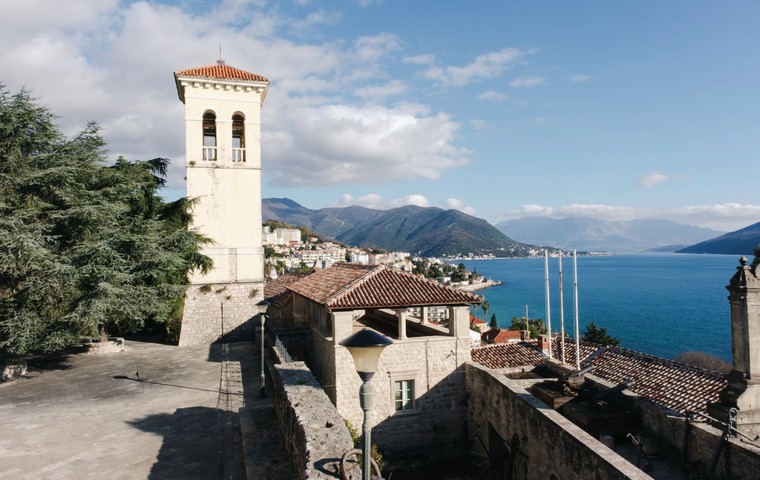
Tours
Herceg Novi – The City of a Thousand Steps: What to See and Where to Stay
Complete guide to Herceg Novi, Montenegro – top attractions, fortresses, accommodation, beaches, dining costs and transport tips for independent travellers.
March 06, 2026Nearby