Blog · Tips
Georgia vs Turkey – Which Vacation to Choose in 2026
 Tips
TipsIn this article
- 01Flights and Logistics
- 02Accommodation and Prices
- 03Food and Cuisine – The Main Event
- 04Beach Holidays
- 05Georgia or Turkey in Autumn and Winter
- 06Mountains and Active Travel
- 07Culture and Sightseeing
- 08Insurance and Healthcare
- 09Internet and Connectivity
- 10Transport Within the Country
- 11Who Should Go Where – Summary Table
- 12Frequently Asked Questions
- 13Conclusion
Some links are affiliate links. You pay the same, and we may earn a commission.
A detailed comparison of Georgia and Turkey for your next vacation: flights, accommodation costs, food, beaches, mountains, culture and practical tips for 2026.
Georgia and Turkey compete for the same pool of sun-seeking travelers, yet they deliver fundamentally different experiences. Tbilisi offers intimate gastronomy, Caucasus mountain roads and a city that feels personal. Antalya runs a polished all-inclusive machine with predictable results. The short version: Georgia wins on budget, food and authenticity; Turkey wins on beach infrastructure and all-inclusive convenience. Below is a granular breakdown with current prices.
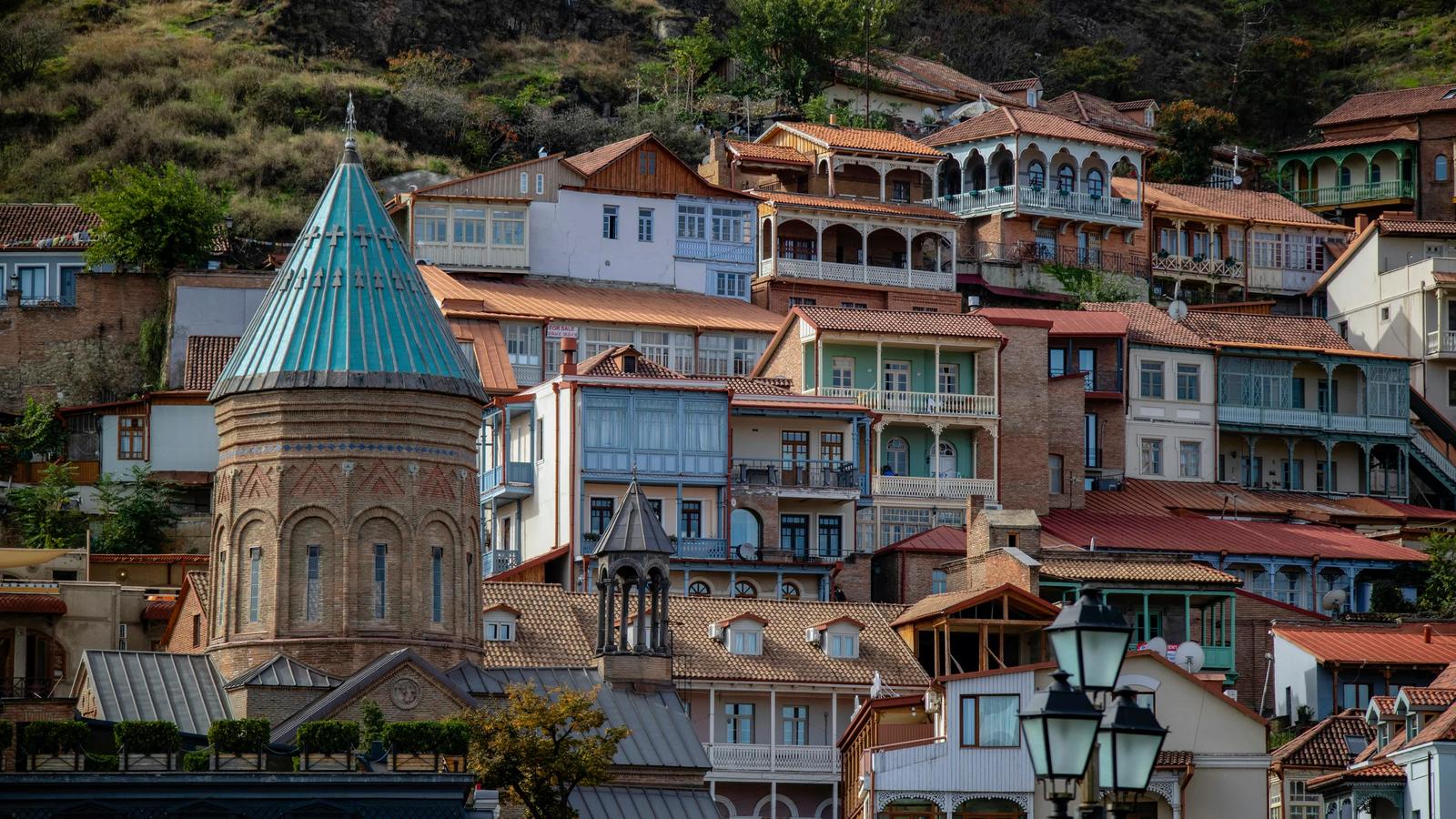
Quick decision facts:
- Flight time: Tbilisi – ~3 hours from major hubs; Antalya – ~4 hours from most European capitals.
- Visa: Georgia – visa-free for most nationalities up to 1 year; Turkey – visa-free or e-visa depending on nationality (check requirements for yours).
- Insurance: Georgia requires travel insurance for all foreign nationals since January 1, 2026; Turkey does not enforce it at the border.
- Average lunch cost: Georgia – $5–10; Turkey (resort area) – $8–15.
- Hotels (rating 8+): Tbilisi – from $25–40/night; Antalya – from $30–50 (room only), all-inclusive 5* from $80–150.
- Alcohol: Georgia – inexpensive and widely available (wine from $4/bottle); Turkey – expensive outside hotels (beer from $4–8).
Flights and Logistics
Tbilisi International Airport (Tbilisi Airport) is served by international carriers from most European and Middle Eastern hubs. Flight time from key departure points averages 3–4 hours. Antalya receives direct flights from dozens of cities worldwide, with typical flight times of 3–5 hours.
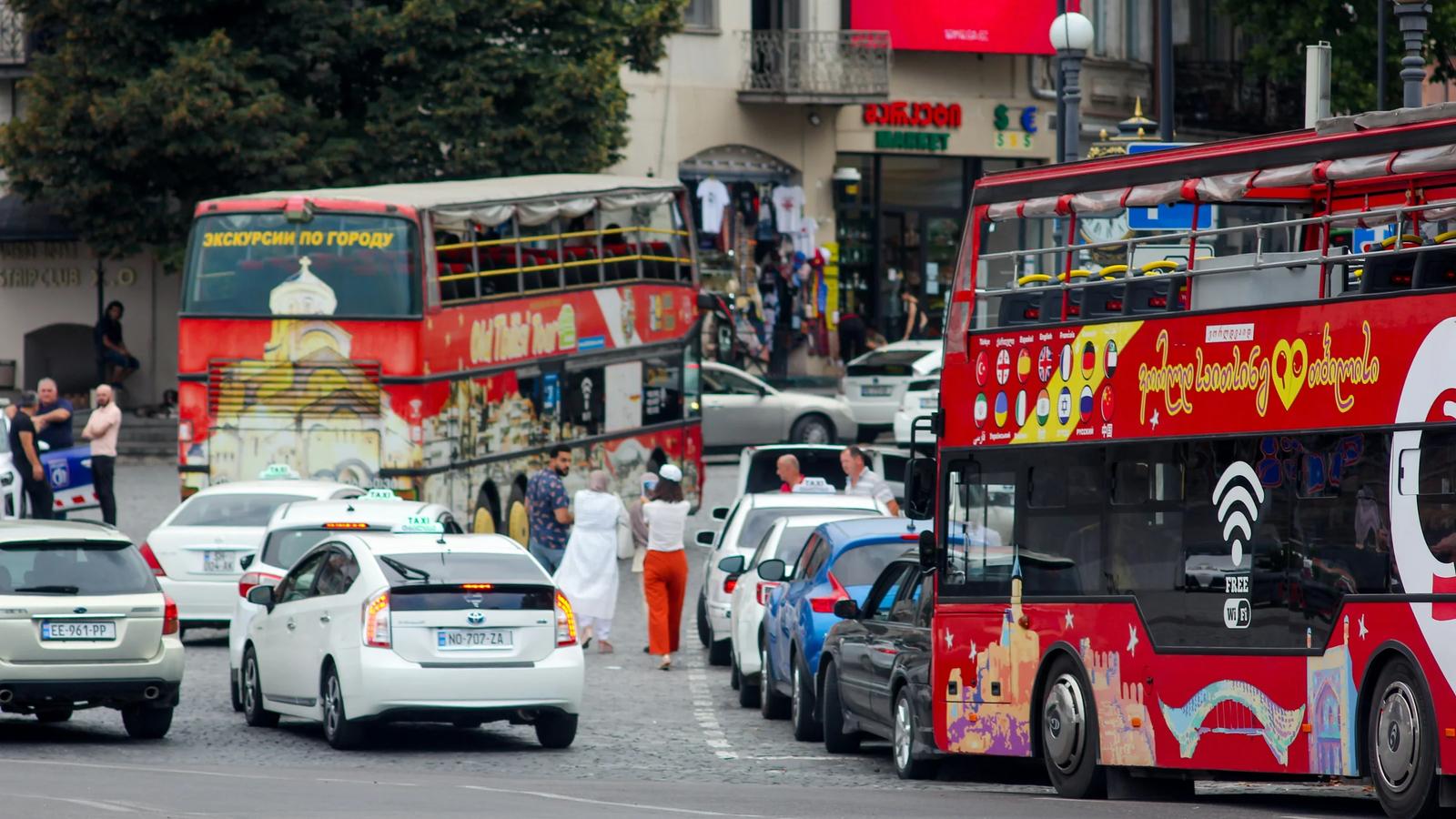
Beyond Tbilisi, Georgia has airports in Batumi (Batumi Airport) and Kutaisi (Kutaisi Airport), allowing you to fly into one city and out of another – covering both mountains and coast in a single trip. Turkey offers similar flexibility with airports in Istanbul, Bodrum, Dalaman and beyond.
Accommodation and Prices
Georgia is one of Europe's most affordable destinations. An 8+ rated hotel in central Tbilisi runs $25–50 per night. Designer boutique hotels with breakfast cost $50–90. Luxury chains (Marriott, Paragraph) start from $120–250. In Batumi, prices dip lower off-season and match Tbilisi during summer.
| Category | Georgia | Turkey (Antalya) |
|---|---|---|
3* hotel (rating 8+) | $25–40 | $30–50 |
4–5* (room only) | $50–120 | $60–150 |
All-inclusive 5* | Not common | $80–200 |
Apartment (center) | $30–60 | $35–70 |
Hostel | $8–15 | $10–20 |
(Updated: March 2026)

Turkey's strength is the all-inclusive model: $80–200/night gets you meals, drinks, pools, entertainment and beach access. Georgia doesn't do all-inclusive, but its guesthouses and boutique hotels create a "home" feeling that big Turkish complexes simply can't replicate.
For bookings in both countries, Booking.com and Trip.com offer solid coverage. For more on Georgia's best stays, see Best Luxury Hotels in Georgia.
Food and Cuisine – The Main Event
This is arguably where Georgia wins hands down. Khinkali, khachapuri, mtsvadi, pkhali, ajapsandali – Georgian cuisine combines simplicity, generous portions and laughably low prices by European standards.

| Item | Georgia | Turkey (resort) |
|---|---|---|
Lunch at a local cafe | $5–10 | $8–15 |
Dinner for two (mid-range) | $25–40 | $35–60 |
Cappuccino | $3–4 | $4–6 |
Beer (0.5L) | $1.5–3 | $4–8 |
Bottle of wine (decent) | $4–8 | $15–30 |
Street food | $2–4 | $3–7 |
(Updated: March 2026)
Wine is a separate category entirely. Georgia is the cradle of winemaking with an 8,000-year history. A good bottle of Saperavi costs $4–8 in a shop, $10–20 at a restaurant. For wine country routes, see Telavi and Kakheti – Georgia's Wine Region. In Turkey, alcohol carries heavy excise taxes: a bottle of local wine starts at $15, a glass of beer in a restaurant runs $4–8.
Tip: If you travel for food – Georgia is in a league of its own. If you want to switch off and have everything served to you – Turkey does that professionally.
Beach Holidays
Here the balance tips firmly toward Turkey. Antalya, Kemer, Side, Alanya – these offer long sandy beaches, crystal-clear Mediterranean water and polished infrastructure (sunbeds, beach bars, water sports). The Turkish Riviera has been optimized for beach tourism over decades.
Georgia offers the Black Sea coast around Batumi and beyond. Beaches are mostly pebble, infrastructure is more basic, but crowds are significantly smaller. More details: Best Beaches in Georgia.
| Parameter | Georgia (Black Sea) | Turkey (Mediterranean) |
|---|---|---|
Beach type | Mostly pebble | Sand and pebble |
Water temperature (summer) | 24–26 °C | 27–30 °C |
Beach season | June – September | May – October |
Infrastructure | Basic | Well-developed |
Water quality | Average | High (Blue Flags) |
If beach is your number one priority, Turkey wins. If beach is a bonus alongside mountains, food and culture, a few days in Batumi will leave you satisfied.
Georgia or Turkey in Autumn and Winter
In summer the argument comes down to beaches and heat; from September the balance shifts. Southern Turkey – Antalya, Side, Alanya – runs its late season: in early October the sea holds 25–27 °C with air temperatures of 28–30 °C, and by the end of the month the water drops to about 23 °C. Rain arrives in the second half of October, and in November the beach season closes at 15–18 °C.
In Georgia, September and October mean rtveli, the grape harvest. In Kakheti it is not a one-day festival but a month of work in family marani: presses, young wine and guesthouses at low-season rates. The heat in Tbilisi has eased by then, and the trekking season in the mountains – Kazbegi, Svaneti, Borjomi-Kharagauli – runs until the first snow.
In winter the two countries swap roles. Turkey from December to March is not a beach destination but cities and inland nature: Istanbul, Cappadocia with its balloons, the thermal terraces of Pamukkale; the Uludag and Erciyes ski areas operate, though their infrastructure is built mainly around domestic demand.
Georgia in winter means Gudauri. The season runs from the second half of December to April, and in snowy years parts of the mountain open in November and stay open into May. A day pass costs around 40 GEL (about $15) and a weekly pass around 232 GEL, the reusable pass card is 5 GEL, and children under six ride the lifts free. New Year, February and early March are the most expensive dates; towards the end of the season passes drop by roughly a quarter and accommodation falls further. The resort publishes the season's own price list closer to opening, so check it before you travel.
The short answer: until the end of October, Turkey is the logical choice for the sea; from November to March the balance moves to Georgia, where mountains, wine and food work all year, while the Turkish coast in that season lives through its cities rather than its beaches.
Mountains and Active Travel
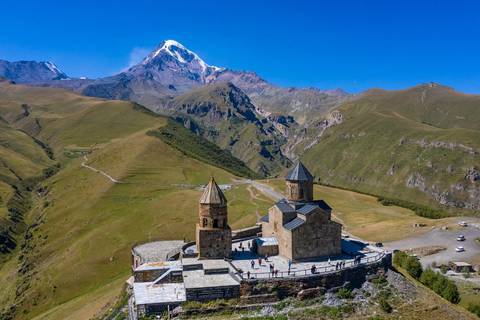
This is where Georgia leaves Turkey behind entirely. The Caucasus range delivers Stepantsminda (Kazbegi) with views of Mount Kazbek (5,033 m), treks in Svaneti among medieval towers, ski resorts at Gudauri and Bakuriani, Borjomi gorges and paragliding above alpine valleys.
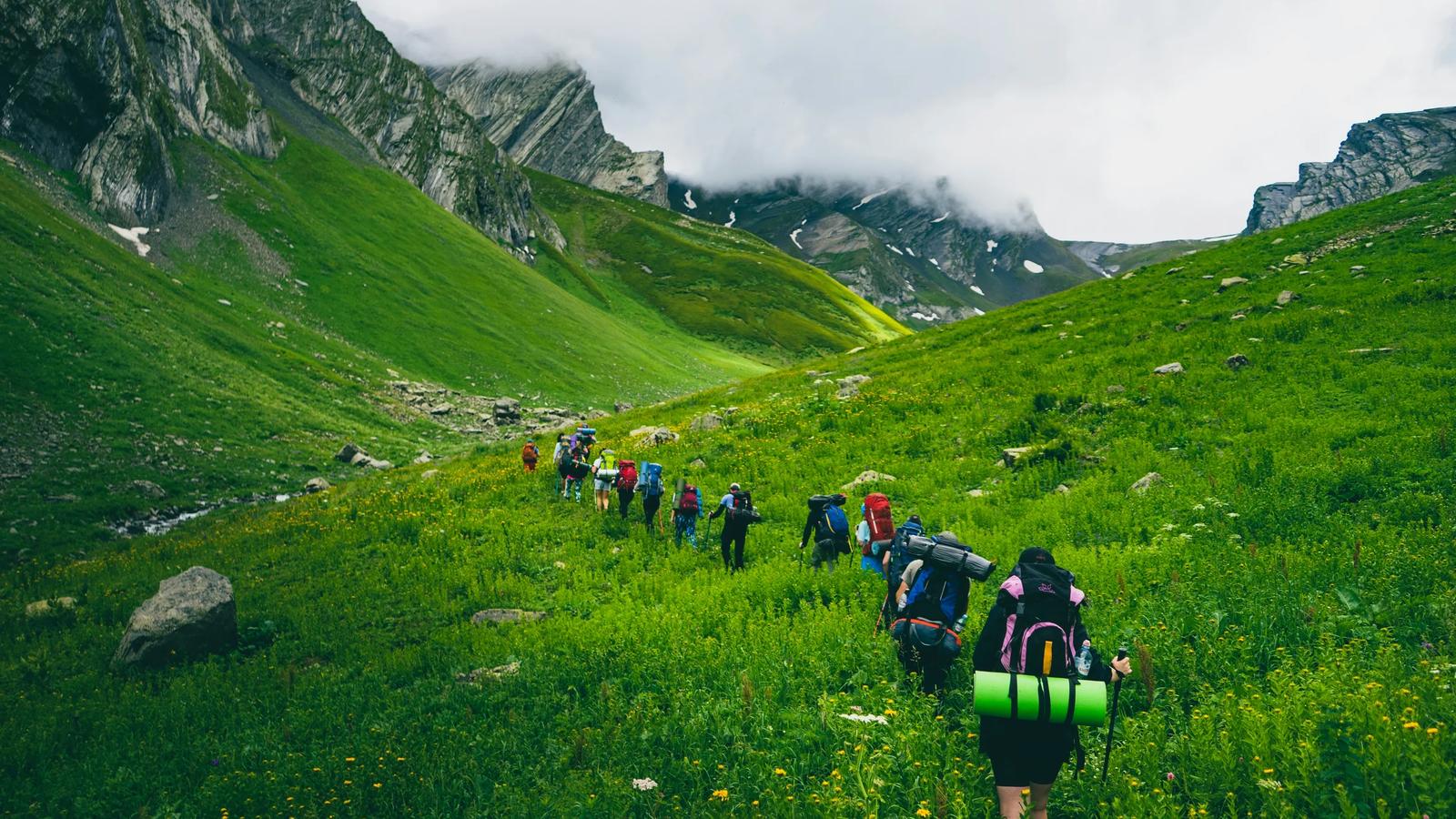
Turkey has mountains too (Taurus range, Cappadocia), but for alpine trekking and raw Caucasus scenery, Georgia is on another level. The Georgian Military Highway from Tbilisi to Kazbegi is one of Europe's most spectacular drives, passing Ananuri Fortress and the Russia-Georgia Friendship Monument.
For mountain road trips, car rental via EconomyBookings or Localrent is convenient. See Car Rental in Georgia for details.
Culture and Sightseeing
Both countries are exceptionally rich in history, but offer different experiences.
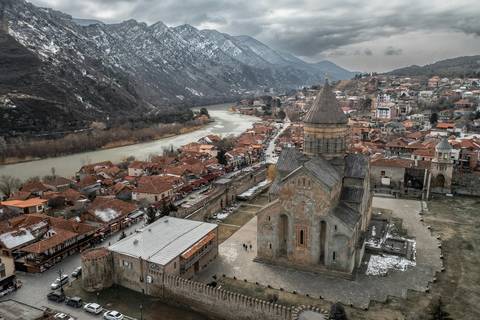
Georgia means ancient monasteries (Svetitskhoveli Cathedral in Mtskheta, Bagrati Cathedral in Kutaisi), cave cities (Uplistsikhe), Svan towers in Ushguli, and the sulfur baths of Abanotubani in Tbilisi. Most attractions are free or cost a symbolic $1–3.
Turkey means Istanbul (Hagia Sophia – €25, Topkapi – €20), ancient ruins of Ephesus, Pamukkale, Cappadocia balloon rides. Entrance fees to Istanbul's top museums have risen sharply in recent years and can total €100–150 per person.
Insurance and Healthcare
Essential: Since January 1, 2026, travel insurance is mandatory for all foreign nationals entering Georgia. It may be checked at the border. Minimum coverage: €15,000.
You can purchase a policy through Ekta – from $7 for a week. Details: Travel Insurance for Georgia.
Turkey does not formally require insurance, but an ER visit costs $100–300 and hospitalization starts at $1,000+. Getting insured in advance is always the prudent choice.
Internet and Connectivity
A local SIM card in Georgia costs $2–3 in the city with generous data. Airport prices are significantly higher, so installing an eSIM beforehand can actually be cheaper than an airport SIM. More: Mobile Internet in Georgia.
In Turkey, tourist SIM cards (Turkcell, Vodafone) cost $6–15.
For a universal solution in both countries, eSIM works well:
Tip: For Georgia-only trips, a local SIM is cheapest. For multi-country itineraries including Turkey, a regional Europe eSIM from Voye (3 GB / 7 days – $9) is more practical.
Transport Within the Country
| Parameter | Georgia | Turkey |
|---|---|---|
Taxi (per km) | $0.50–1 | $0.50–1 |
Public transport | $0.15–0.40 | $0.50–1 |
Car rental (economy/day) | $25–40 | $25–50 |
Fuel (1L) | ~$1.6 | ~$1.6 |
Intercity bus | $5–15 | $10–25 |
(Updated: October 2026)
For car rental in Georgia, Localrent or EconomyBookings are both solid options. For airport transfers in either country, KiwiTaxi lets you pre-book.
Who Should Go Where – Summary Table
| Criterion | Georgia | Turkey |
|---|---|---|
Budget travel | ✅✅✅ | ✅✅ |
Beach holiday | ✅ | ✅✅✅ |
Food and wine | ✅✅✅ | ✅✅ |
All-inclusive | ❌ | ✅✅✅ |
Mountains and hiking | ✅✅✅ | ✅ |
Nightlife | ✅ | ✅✅ |
Family vacation | ✅✅ | ✅✅✅ |
Independent travel | ✅✅✅ | ✅✅ |
Frequently Asked Questions
1. Which is cheaper – Georgia or Turkey? Georgia is cheaper across all main categories: food, accommodation, transport and entertainment. An average daily budget per person in Georgia is $40–70, in Turkey (without all-inclusive) $60–120. The exception is Turkey's all-inclusive system, which when booked early can compete on value for what's included.
2. Where is the beach holiday better? Turkey. The Mediterranean is warmer and clearer, beaches are longer and better equipped, and the season runs from May through October. Georgia's Black Sea coast around Batumi works for a short beach break but doesn't match Turkey for infrastructure or water quality.
3. Where is the food better? Georgia. The combination of quality, portion size and price makes Georgian cuisine extremely hard to beat. A full meal with wine for two runs $20–30. Turkey has excellent cuisine too, but resort pricing inflates costs significantly.
4. Is Georgia safe for solo travelers? Yes. Georgia consistently ranks among the safest countries in Europe. Violent crime is extremely rare, and locals are genuinely hospitable. Standard travel precautions apply – watch your belongings in crowded areas, negotiate taxi prices in advance.
5. When is the best time to visit each country? Georgia works year-round: spring (April–May) for hiking, summer for beaches and mountains, autumn for wine harvest, winter for skiing at Gudauri. Turkey is optimal May–October for beaches, Istanbul year-round. Georgia by month: Georgia in March, Georgia in April, Georgia in May.
Conclusion
Georgia and Turkey are not interchangeable – they cater to different travel appetites. If you prioritize budget, gastronomy and active mountain adventures with an authentic feel, Georgia is the clear choice. If beach comfort and all-inclusive convenience top your list, Turkey remains the proven option. The ideal approach: try both on separate trips and decide for yourself.
For more practical preparation tips, see First Time in Georgia – What You Need to Know.
Places to see in Georgia

You may also like

Tbilisi to Batumi Train: How to Buy Tickets Online for €12 and Skip the Queue
Stadler KISS runs the route in 5 hours from 35 GEL in 2nd class. Where to book online, which class is actually worth it, and why the morning train beats the evening one.
April 26, 2026
What to Eat in Georgia – 15 Dishes Worth Booking a Flight For
Khinkali for under a dollar, Adjarian khachapuri with egg and butter, qvevri wine aged 8,000 years – real prices, local tips and the dishes that define Georgian cuisine.
April 09, 2026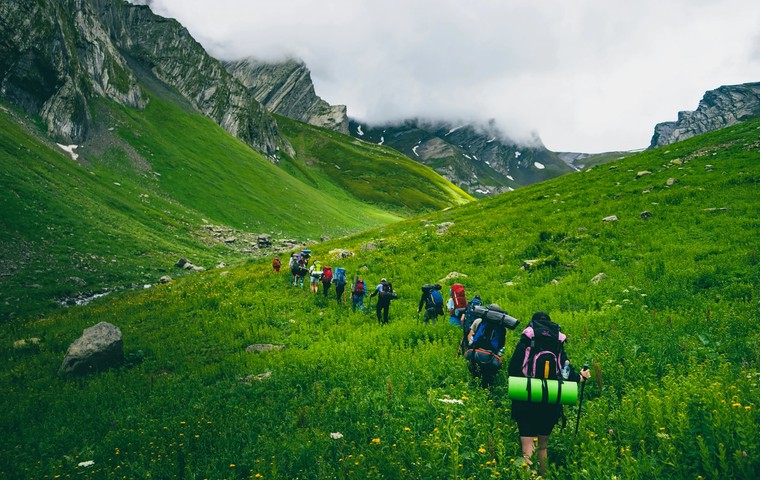
Georgia in July: +30 °C Heat, +26 °C Sea & Real Trekking Conditions
Tbilisi hits +34 °C, Batumi gets thunderstorms, and mountain snow cleared a week ago. Where to actually go, what it costs in 2026, and what to skip.
April 21, 2026
Best Day Trips from Tbilisi: 7 Tours from $13 (2026 Guide)
Kazbegi, Kakheti wine country, Mtskheta, Vardzia – the day trips locals actually recommend, with honest prices, timing and pitfalls most guides skip.
April 21, 2026
Kutaisi – What to See & Is It Worth Visiting? A Guide to Georgia's Second City
Kutaisi isn't a resort – it's a 3,000-year-old city with UNESCO monasteries, epic canyons 30 minutes away, and prices half of Tbilisi. Here's who should visit and who should skip it.
March 25, 2026
Georgia in June: +27°C, Early Season Prices & What to Really Expect
June is Georgia's sweet spot – warm weather without peak crowds, Batumi sea reaching 23°C, and hotel prices 20–30% below midsummer peaks. Here's the honest picture.
March 20, 2026