
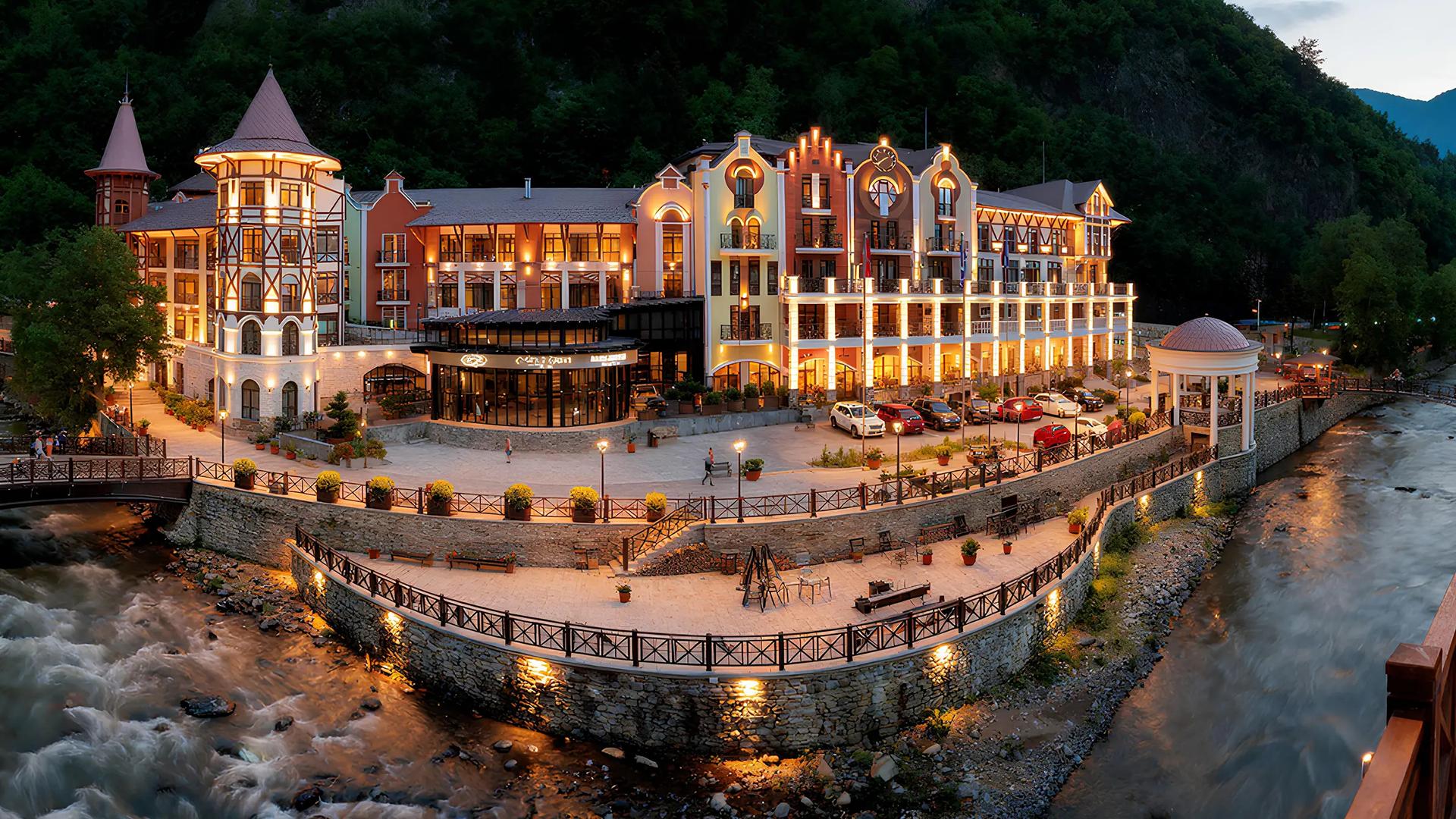
Borjomi
Spa resort, mineral water, and gateway to Georgia's largest national park
Borjomi. Overview
About the city
Borjomi is a resort town at 800 m elevation in the Kura River gorge (Samtskhe-Javakheti region), 165 km west of Tbilisi. Population: around 11,000. Known primarily for its volcanic-origin mineral water – free to collect from springs in Central Park. The town is compact: life centres on one street along the river. Key points: the park with its cable car, sulphur pools, Romanov Palace in Likani, and the entrance to Borjomi-Kharagauli National Park – one of Europe's largest (85,000 ha). The cuisine differs from Tbilisi: strong Armenian influence – tolma, shashlik, lavash.
From Tbilisi: marshrutka from Didube – 10–15 GEL, 2 hours. Train is cheaper but 4+ hours. One day is enough for the town. If you plan hikes in the national park (routes from 1 to several days, elevations up to 2,640 m), budget 2–3 days. Borjomi pairs logically with Bakuriani (30 km, 40 min) – skiing in winter, hiking in summer. The narrow-gauge 'Kukushka' railway between Borjomi and Bakuriani is currently not operating (closed since the pandemic, no confirmed reopening).
Weather now · Borjomi
—
RegionSamtskhe–Javakheti
When to goApril – October
AirportKutaisi (KUT)94 kmLocal time—Georgia
Borjomi. What to see
Top sights
What you should not miss in the city and around it.
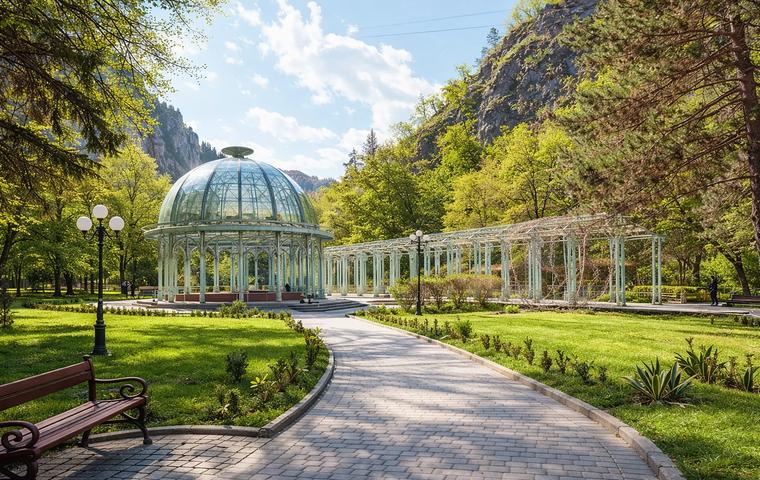
Borjomi Central Park
Historic 1850 spa park with the original Borjomi mineral spring and cable car over the gorge
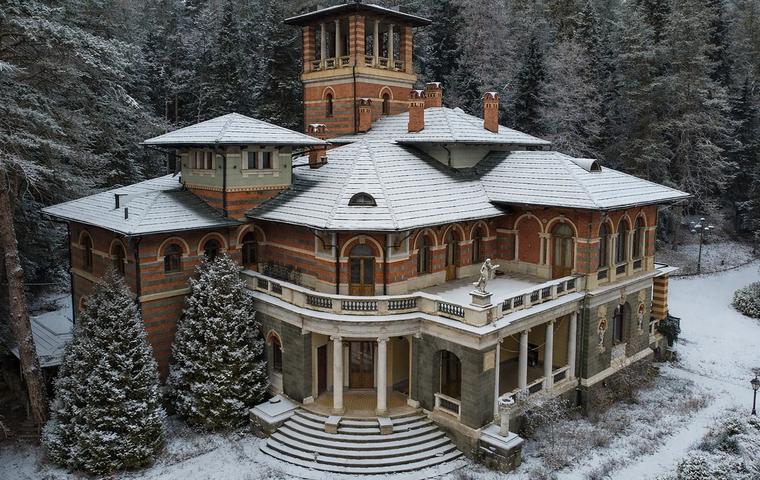
Romanov Palace in Likani
Moorish-style 1895 summer residence on the Kura River – first electrified building in the Caucasus
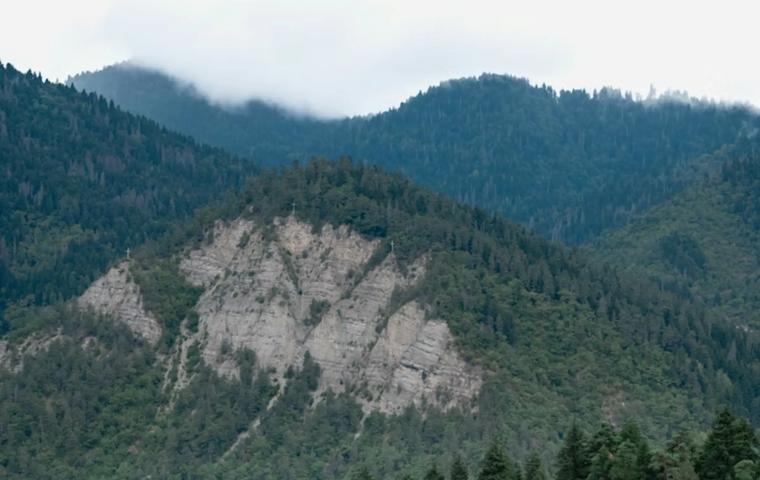
Borjomi-Kharagauli National Park
Georgia's first national park – 107,000 hectares of ancient forests with 12 marked hiking trails
Borjomi. Map
On the map
Key sights and surroundings — to plan your walk and gauge distances.
Loading map…
Borjomi. Services
Plan your trip
Everything you need — connectivity, transport, stay and tours.
Borjomi. Questions & answersFAQ
Popular questions
Answers about seasonality, routes, neighbourhoods and basic trip planning.
How many days do I need for Borjomi?+
One day for the park, springs, cable car, and palace. 2–3 days if you want hikes in the national park.
How do I get from Tbilisi?+
Marshrutka from Didube – 10–15 GEL, 2 hours, departs when full. Train is cheaper but 4+ hours, and the station is outside the centre.
Is the water actually medicinal?+
Borjomi water is sodium bicarbonate, volcanic in origin. Used for digestive and metabolic conditions. The taste is distinctive – salty, not for everyone. Free to collect from springs in the park.
What is there to do in the park?+
Mineral water springs, cable car (1 GEL one-way), sulphur pools (5 GEL), rides in summer. Entry – 2 GEL. The park opens in the morning, but most facilities only operate June–September.
Where can I eat?+
Dozens of cafés on the main street. Cuisine has an Armenian lean. Lunch runs 15–25 GEL. Restaurants near the park entrance are pricier and tourist-oriented.
Is it worth staying overnight?+
Yes, if you plan to visit the national park or combine with Bakuriani. Many hotels include full board, spa, and sulphur baths. Rooms from 80–120 GEL.
Is the Kukushka train running?+
The narrow-gauge line Borjomi–Bakuriani has been closed since the pandemic. As of 2025–2026, no reopening confirmed. Reach Bakuriani by taxi (20–25 GEL) or marshrutka.
Is travel insurance required?+
Insurance is mandatory for entering Georgia since 2026. Essential for national park treks – medical help is unavailable in the mountains.
When is the best time to visit?+
June–October: all park infrastructure operates, national park hiking is accessible. Winter is quiet, but the Bakuriani ski resort is nearby.
What else can I visit from Borjomi?+
Bakuriani – 30 km. Vardzia (cave monastery) – 100 km. Rabati (fortress in Akhaltsikhe) – 50 km. All convenient by rental car or via a guided tour.
Borjomi. Helpful resourcesblog
Articles
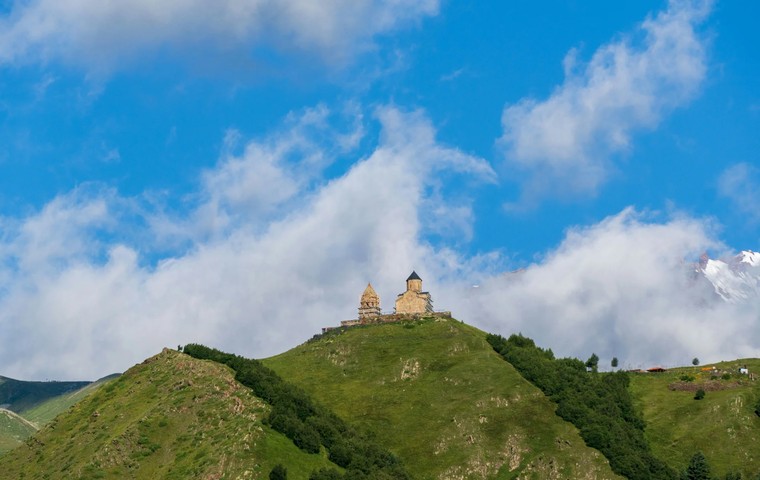
Tours
Best Day Trips from Tbilisi: 7 Tours from $13 (2026 Guide)
Kazbegi, Kakheti wine country, Mtskheta, Vardzia – the day trips locals actually recommend, with honest prices, timing and pitfalls most guides skip.
April 21, 2026
Tips
Georgia With Kids: 7 Destinations, Real Costs & What Guides Don't Tell You
Where to take your family in Georgia – from Batumi's coast to Borjomi's parks and mountain day trips. Mandatory insurance since 2026, family-friendly tours, honest pricing.
March 28, 2026
Accommodation
Best Family Hotels in Georgia – Where to Stay With Kids
Complete guide to the best family-friendly hotels in Georgia: from Tbilisi and Batumi to mountain resorts in Bakuriani and the Black Sea coast. Pools, kids' clubs, prices, and honest tips.
February 26, 2026
Tips
Georgia vs Turkey – Which Vacation to Choose in 2026
A detailed comparison of Georgia and Turkey for your next vacation: flights, accommodation costs, food, beaches, mountains, culture and practical tips for 2026.
March 06, 2026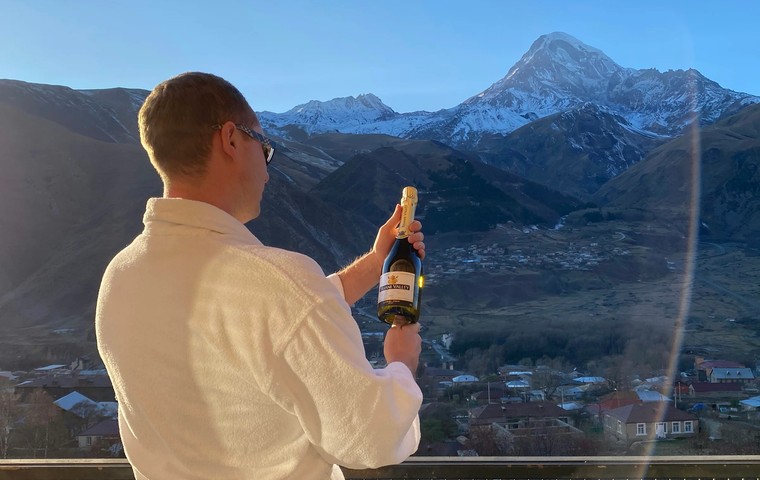
Accommodation
Best Mountain Hotels in Georgia – Where to Stay in Gudauri, Kazbegi, Bakuriani and Svaneti
Curated guide to mountain hotels in Georgia for 2026 – from budget guesthouses to premium resorts in Gudauri, Kazbegi, Bakuriani, Borjomi and Mestia. Prices, features and practical tips.
February 26, 2026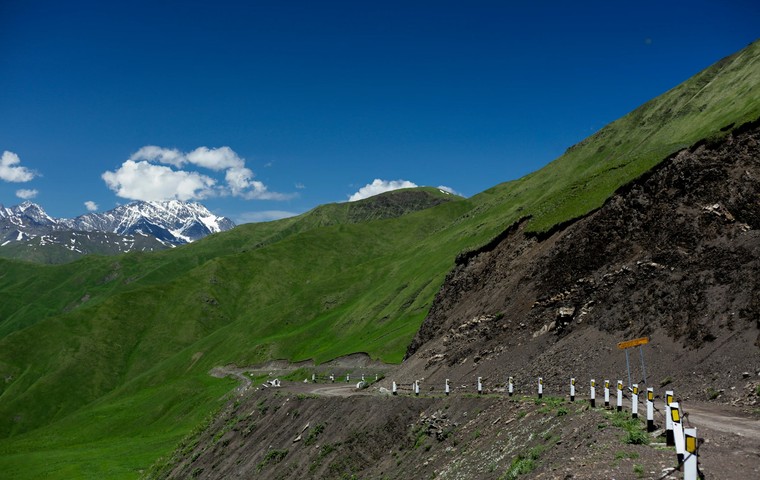
Transport
How to Get from Tbilisi to Batumi: Train, Bus, Transfer, Car Rental – Comparison
The Stadler train takes 5 hours and costs from 35 GEL – but summer tickets sell out in days. All 5 transport options compared with real prices, pitfalls, and insider tips.
March 11, 2026Borjomi. Nearby
Nearby cities
Towns nearby — easy to add to your route for a day trip.
19 km
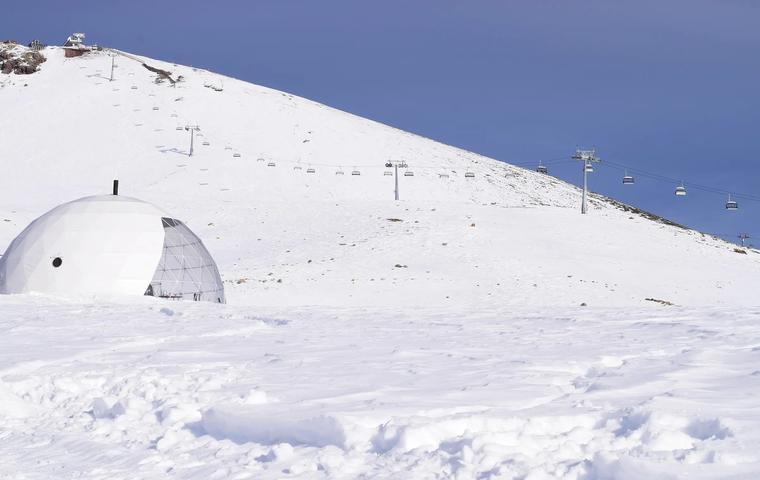
Bakuriani
Georgia's family ski resort: gentle slopes, forests, and Borjomi 30 minutes away
98 km
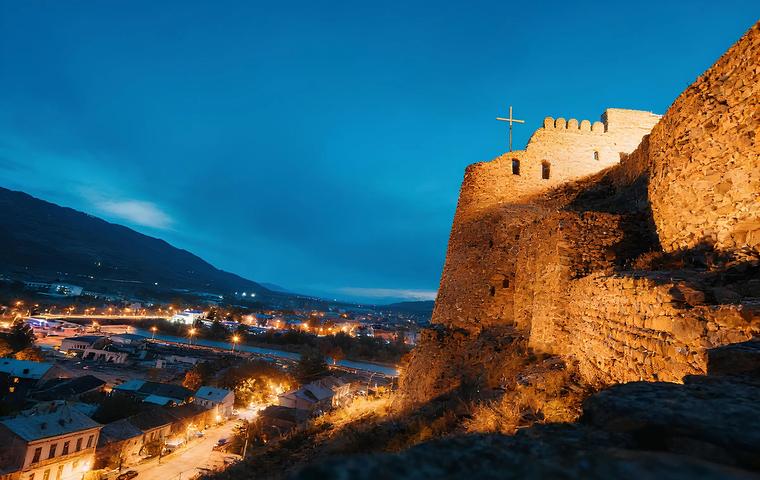
Gori
Stalin's birthplace, a cave city, and the shadow of South Ossetia
144 km
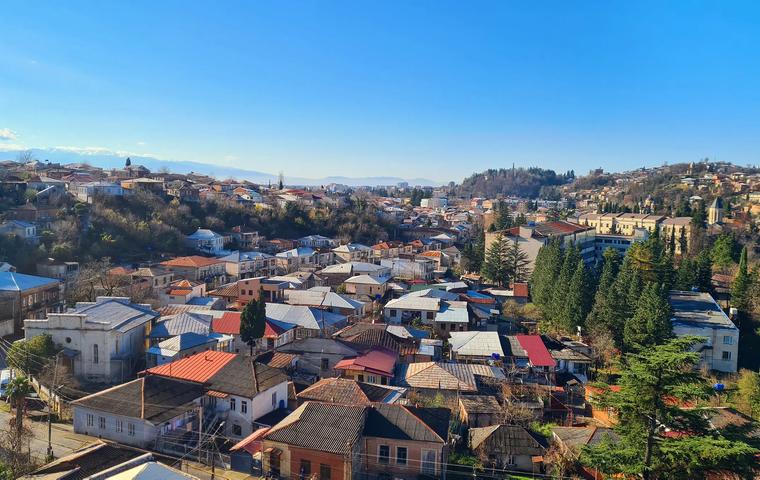
Kutaisi
Low-cost flight hub and gateway to western Georgia's canyons
151 km
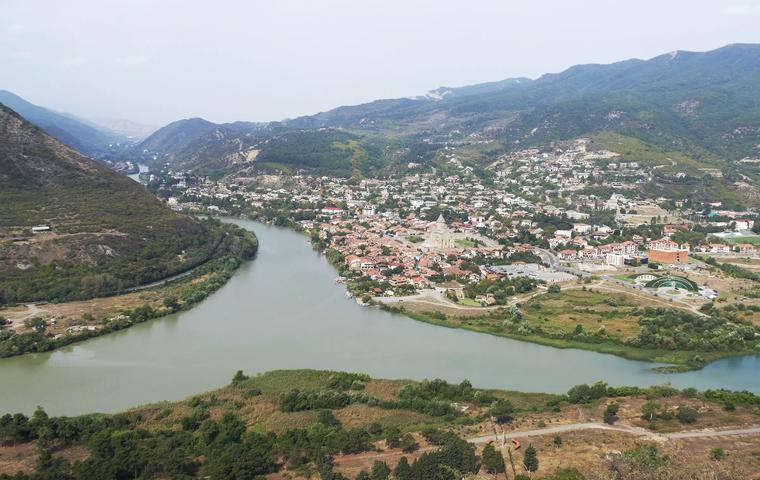
Mtskheta
Georgia's ancient capital and religious center, 30 minutes from Tbilisi
174 km
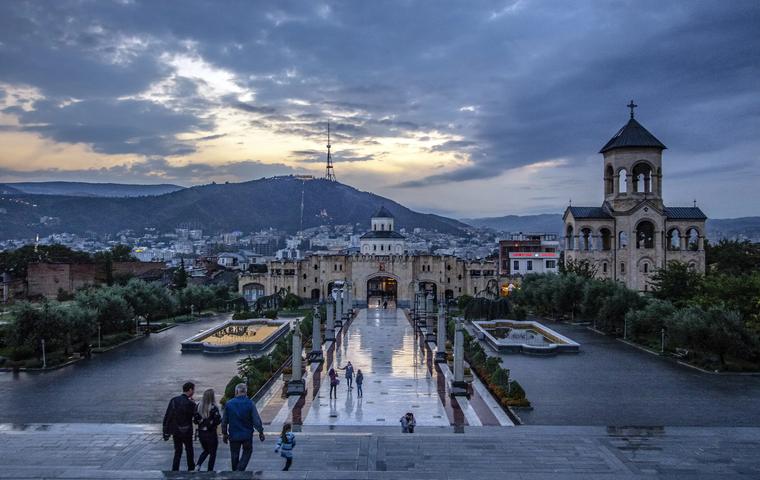
Tbilisi
Capital city, transport hub, and the starting point for any Georgia itinerary
237 km
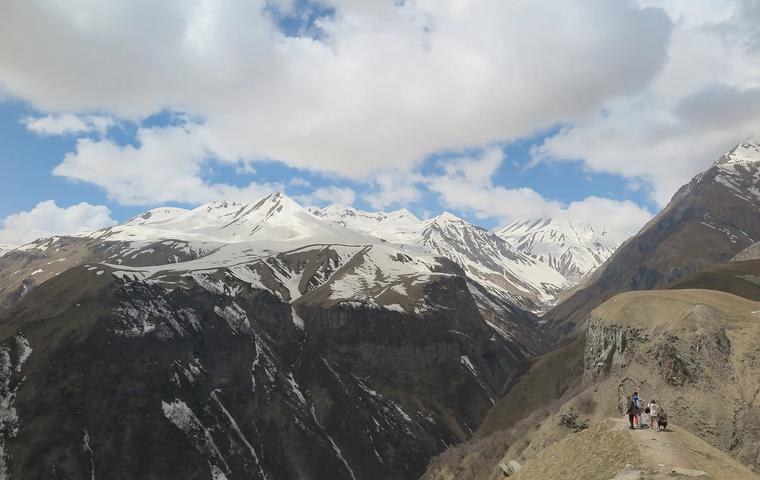
Gudauri
Georgia's main ski resort and transit point on the Georgian Military Highway
262 km
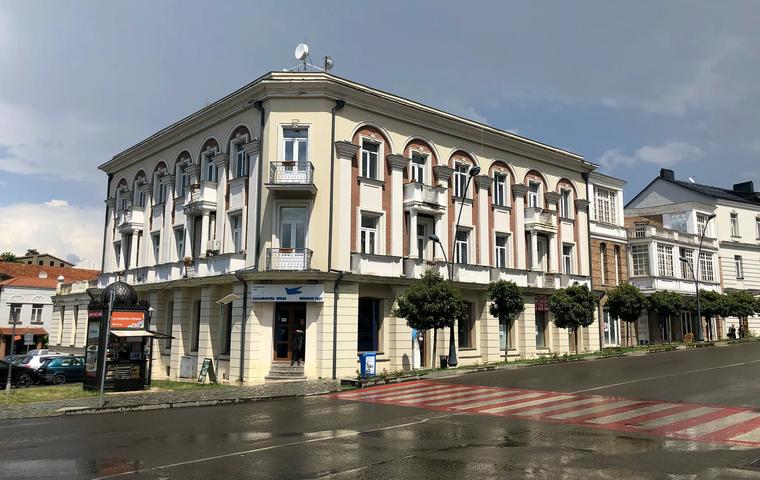
Telavi
Capital of Kakheti, winemaking center, and the best base for exploring the region
272 km
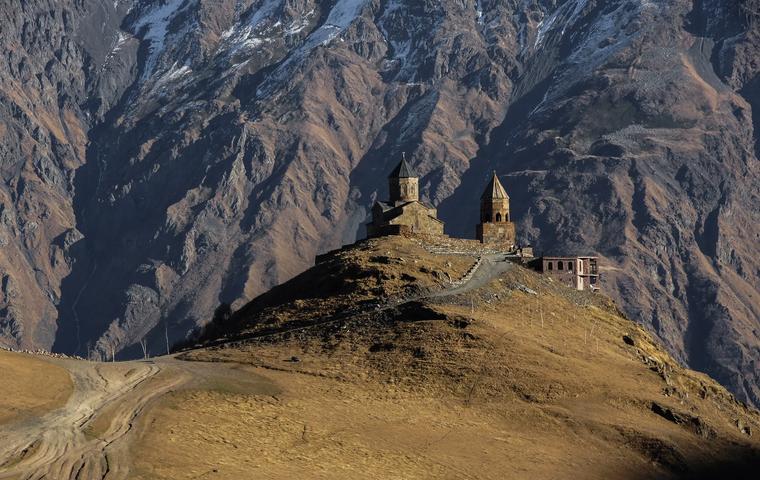
Kazbegi
High-mountain village at the foot of Mount Kazbek: trekking, Gergeti Church, and the Georgian Military Highway