
Telavi
Capital of Kakheti, winemaking center, and the best base for exploring the region
Telavi. Overview
About the city
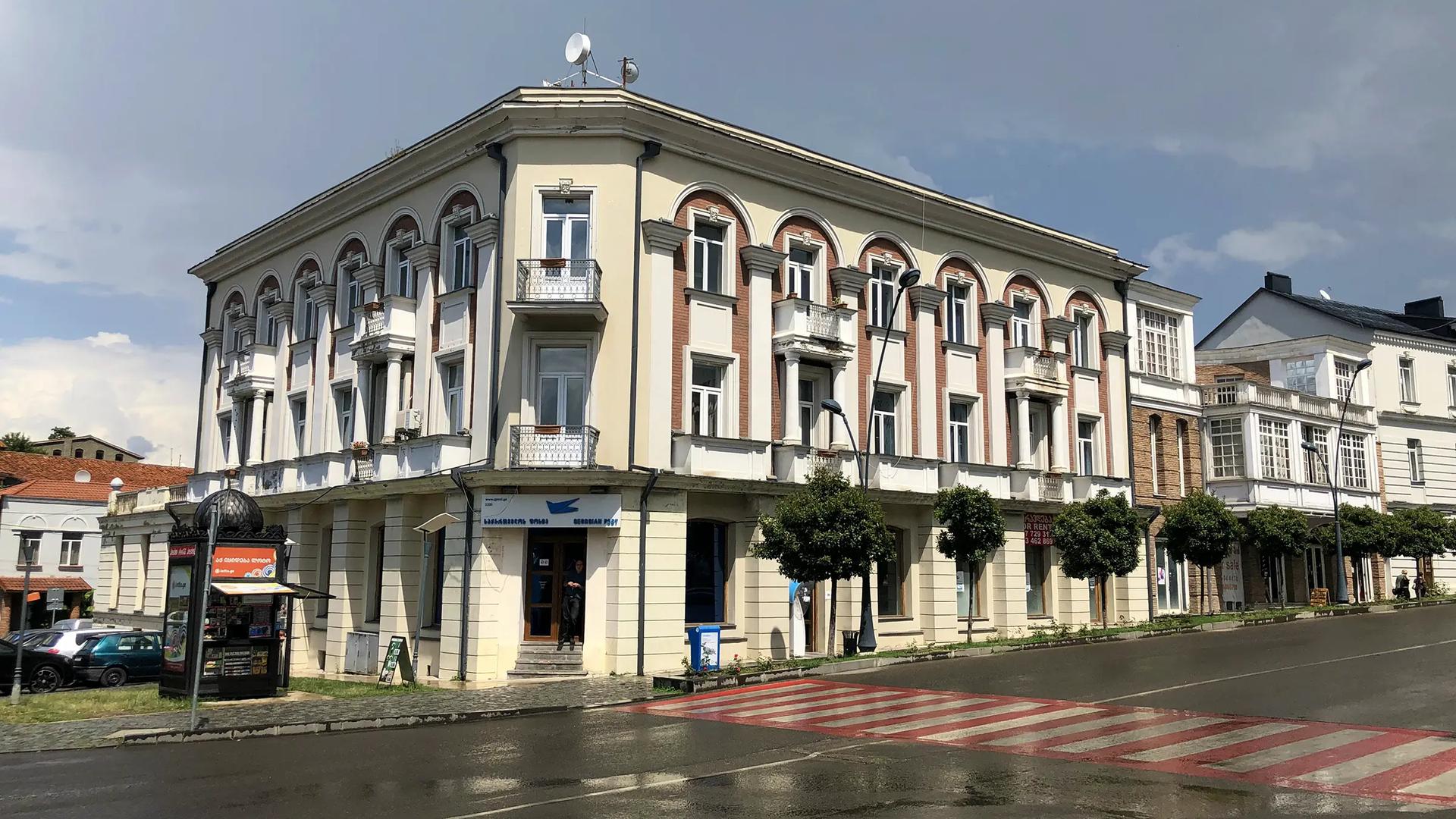
Telavi is the administrative center of Kakheti (population ~20,000) and the region's oldest city. It sits at 490 m elevation above the Alazani Valley. Compact center: the 17th-century Batonis Tsikhe fortress with Erekle II's palace, a 900-year-old plane tree, a bazaar, and several good restaurants. Within 20–30 km – Kakheti's key monasteries: Alaverdi, Shuamta, Gremi. Nearby – the Chavchavadze House Museum in Tsinandali with its park and wine cellar. En route from Tbilisi – Gombori Pass with panoramic views.
Marshrutka from Ortachala or Samgori in Tbilisi – 7–10 GEL, 2–2.5 hrs, every 40–45 min. Bolt taxi – 70–80 GEL. No trains. The Gombori Pass was closed for repairs in spring 2025 – check status; the alternative via Gurjaani is 60 km longer. Allow at least 2 days for Telavi: one for the town and nearby wineries, a second for monasteries. For touring wine estates and monasteries, a car with driver or rental car is far more practical, as public transport between sights is unreliable.
Weather now · Telavi
—
RegionKakheti
When to goApril – October
AirportTbilisi (TBS)51 kmLocal time—Georgia
Telavi. What to see
Top sights
What you should not miss in the city and around it.
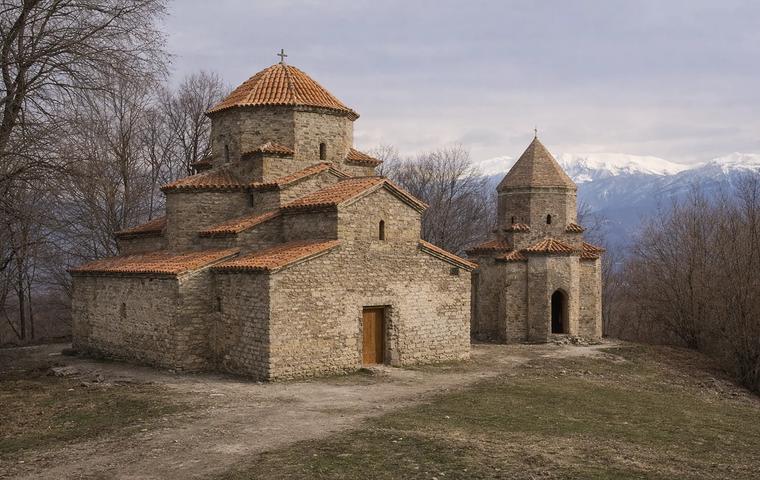
Shuamta Monastery Complex
Two monasteries from the 5th–16th centuries in a forest – 1,500 years of Georgian architecture
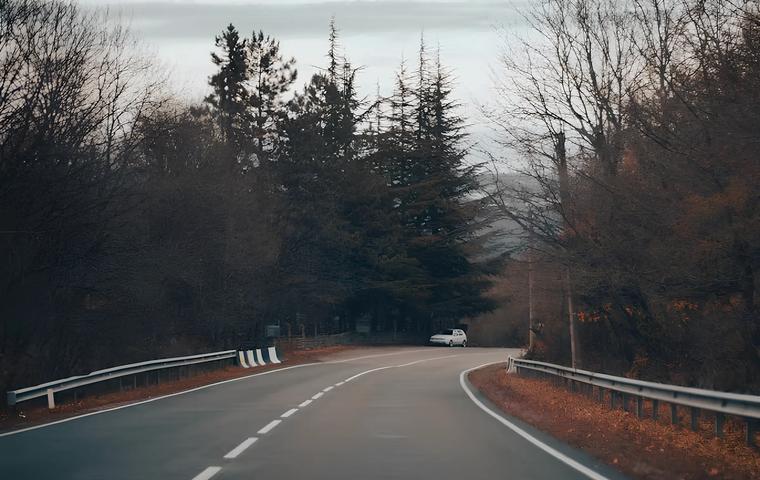
Gombori Pass
Mountain pass at 1,620 m – the shortest route from Tbilisi to Kakheti through forest switchbacks
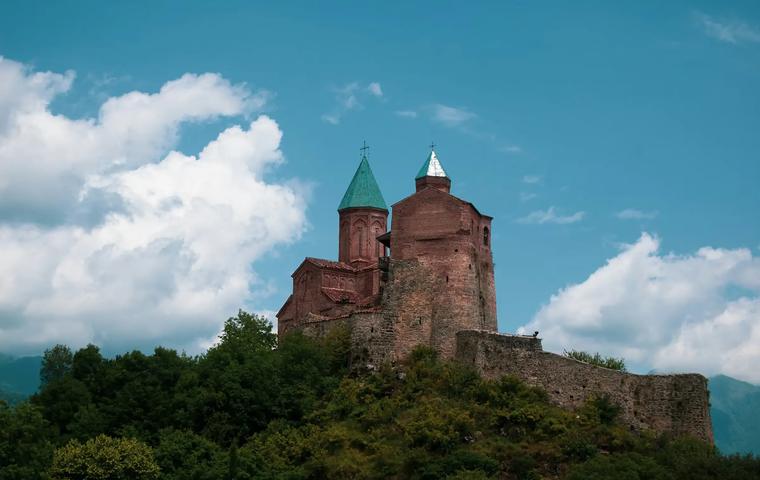
Gremi Citadel
A 16th-century royal fortress – former capital of the Kingdom of Kakheti on the Silk Road
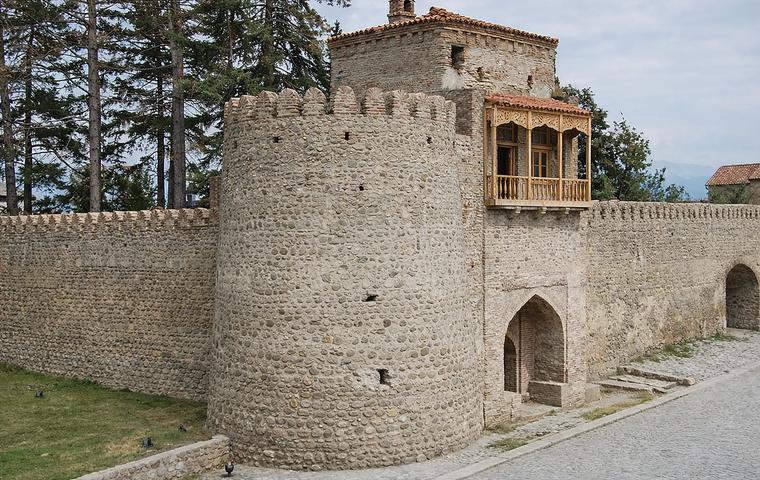
Batonis Tsikhe
17th-century royal fortress – residence of the Kakhetian kings in the heart of Telavi
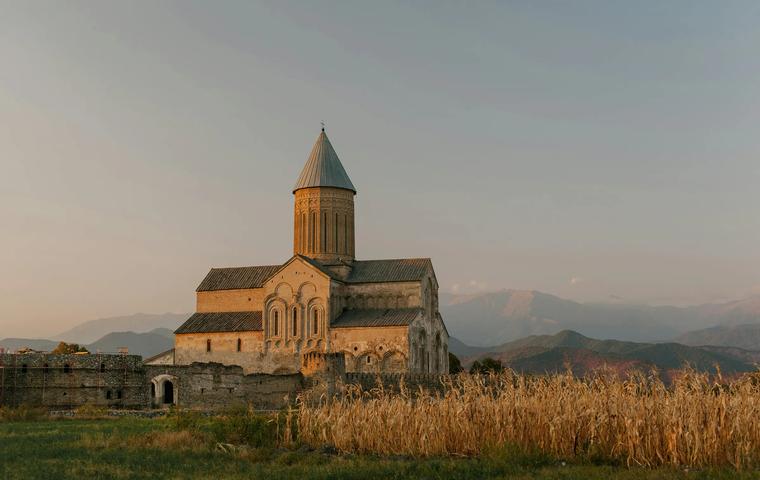
Alaverdi Monastery
11th-century cathedral standing 50 meters tall – the principal church of Kakheti
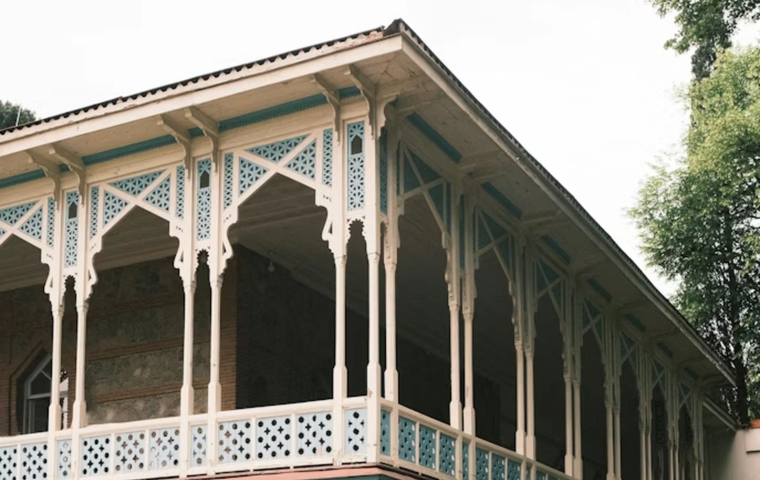
Chavchavadze House Museum
19th-century estate in Tsinandali – Georgia's first European-style winery and landscaped park
Telavi. Map
On the map
Key sights and surroundings — to plan your walk and gauge distances.
Loading map…
Telavi. Services
Plan your trip
Everything you need — connectivity, transport, stay and tours.
Telavi. Questions & answersFAQ
Popular questions
Answers about seasonality, routes, neighbourhoods and basic trip planning.
Why Telavi instead of Sighnaghi?+
Telavi is a working regional capital: more restaurants, lower prices, better transport, closer to major monasteries (Alaverdi 20 km, Gremi 25 km) and large wineries. Sighnaghi is prettier for photos but less practical as a base.
Where can I taste wine?+
In town: Dakishvili Wine & Chocolate (boutique with tastings), Rostomaant Marani (family cellar). Outside town: Shumi Winery (35 GEL for a tour with 7 wines), Tsinandali (Chavchavadze Museum), dozens of family marani. Most wine tours require advance booking.
How much does accommodation cost?+
Guesthouses run 50–100 GEL/night with breakfast. Hotels cost 120–250 GEL. Telavi is significantly cheaper than Sighnaghi. Find accommodation on Booking.
How do I visit monasteries without a car?+
Marshrutkas to villages exist but schedules are inconvenient. A half-day taxi costs ~80–100 GEL. Easier to book a driver through GoTrip or similar service.
What's worth seeing in the town itself?+
Batonis Tsikhe – fortress with museum and valley views. The 900-year-old plane tree on Chadri Street. The morning bazaar – one of the best in Georgia (spices, churchkhela, cheese). In the evening – dinner with Kakhetian wine at one of the restaurants on the main street.
When is the best time to visit?+
April–June and September–October. Late September is Rtveli season (grape harvest): you can stomp grapes at family wineries. Summer is hot (35°C+). Winter is quiet, some wineries closed.
Is insurance required?+
Yes. Since 2026, health insurance is mandatory for entering Georgia. Coverage minimum is 30,000 GEL. Policy must be in English or Georgian.
Are there ATMs? Do they accept cards?+
ATMs are available in the center. Cards accepted at hotels and larger restaurants. The bazaar, marshrutkas, and family wineries are cash only.
How do I get from Sighnaghi?+
Distance is 60 km, 1.5–2 hrs by road. Direct marshrutkas are scarce. Taxi costs 50–70 GEL. You can book a transfer. If coming from Tbilisi, it makes sense to visit both towns in a loop over 2–3 days.
Does internet work?+
Mobile internet in town is stable. Wi-Fi at hotels and cafés. Signal weakens in the mountains and at monasteries. An eSIM is a convenient option.
Telavi. Helpful resourcesblog
Articles
Tips
Georgia Road Trip 2026 – 4 Routes from Kazbegi to Svaneti
The best Georgia road trip depends on days available: 3 days covers the Military Highway to Kazbegi, 7 days adds Kakheti and the west, 10+ reach Svaneti. Actual 2026 prices, winter closures, and pitfalls explained.
April 24, 2026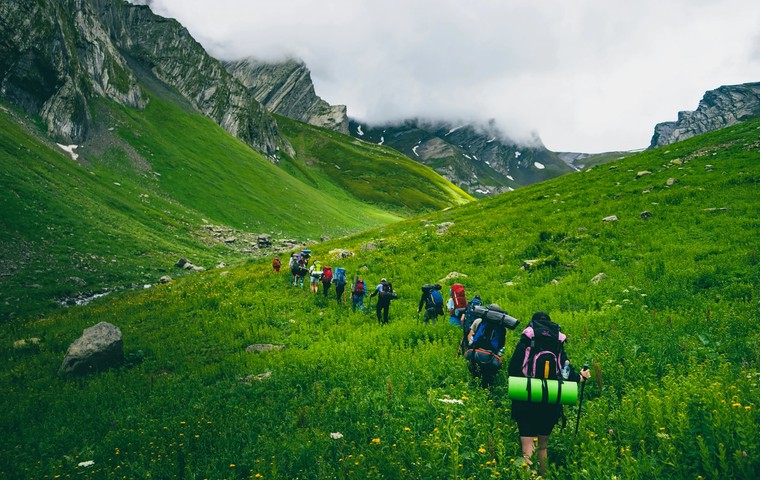
Tours
Georgia in July: +30 °C Heat, +26 °C Sea & Real Trekking Conditions
Tbilisi hits +34 °C, Batumi gets thunderstorms, and mountain snow cleared a week ago. Where to actually go, what it costs in 2026, and what to skip.
April 21, 2026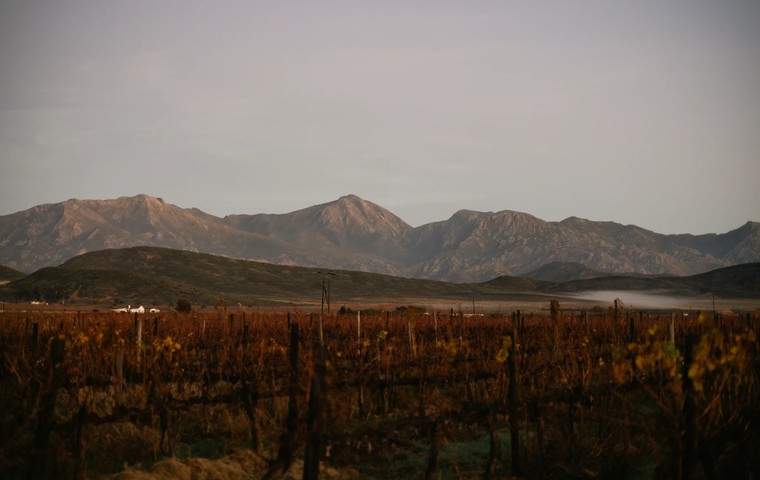
Tours
Sighnaghi – Georgia's "City of Love": Is It Worth the Trip?
A 24/7 wedding chapel, 28 fortress towers and Alazani Valley views – sounds dreamy, but reality is more nuanced. Here's what to expect and what to skip.
March 28, 2026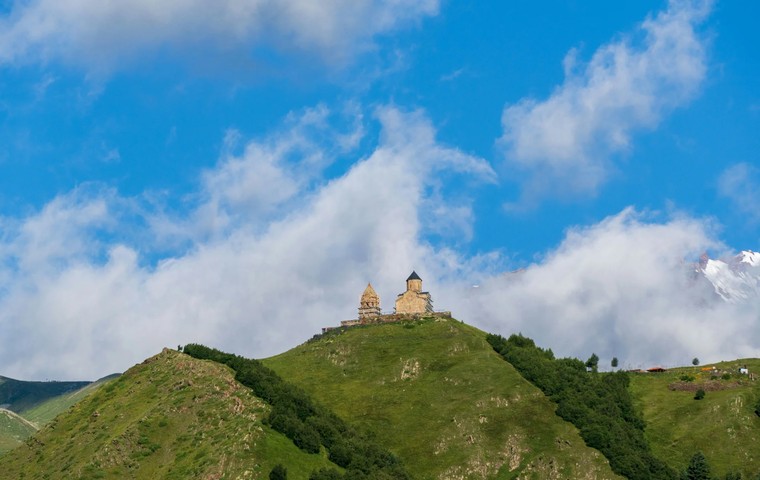
Tours
Best Day Trips from Tbilisi: 7 Tours from $13 (2026 Guide)
Kazbegi, Kakheti wine country, Mtskheta, Vardzia – the day trips locals actually recommend, with honest prices, timing and pitfalls most guides skip.
April 21, 2026
Tours
What to Eat in Georgia – 15 Dishes Worth Booking a Flight For
Khinkali for under a dollar, Adjarian khachapuri with egg and butter, qvevri wine aged 8,000 years – real prices, local tips and the dishes that define Georgian cuisine.
April 09, 2026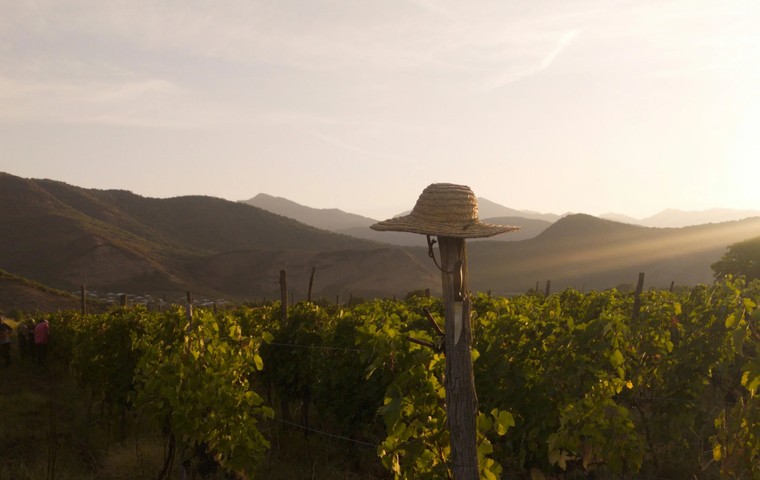
Tours
Wine Tours in Georgia – Where to Go, What to Taste & Real Costs in 2026
Georgia has 8,000 years of winemaking and group tours from $14. Kakheti, Imereti, Racha – where to find authentic qvevri wines beyond the tourist trail.
March 15, 2026Telavi. Nearby
Nearby cities
Towns nearby — easy to add to your route for a day trip.
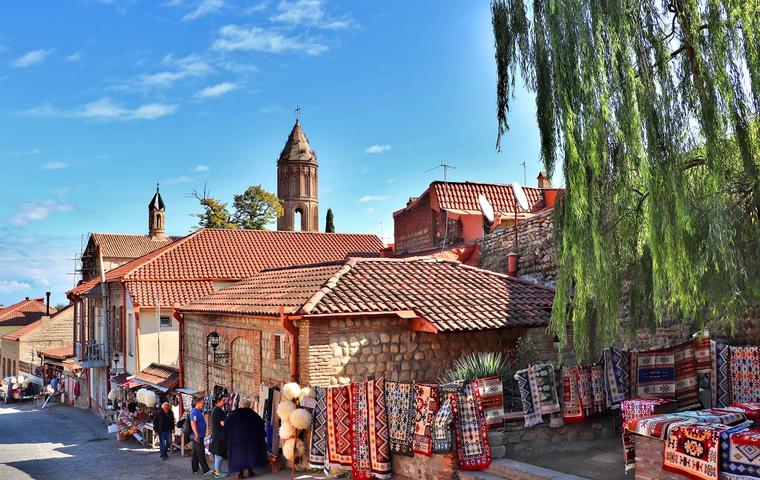
62 km
Sighnaghi
Hilltop wine town above the Alazani Valley: Kakheti in one or two days
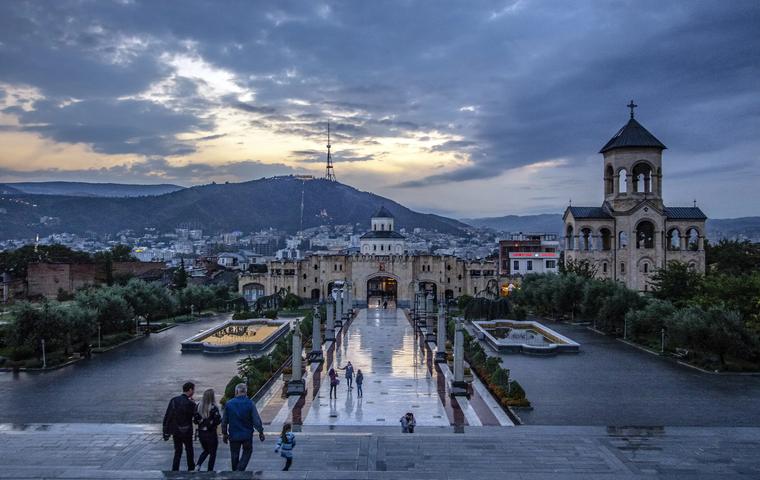
96 km
Tbilisi
Capital city, transport hub, and the starting point for any Georgia itinerary
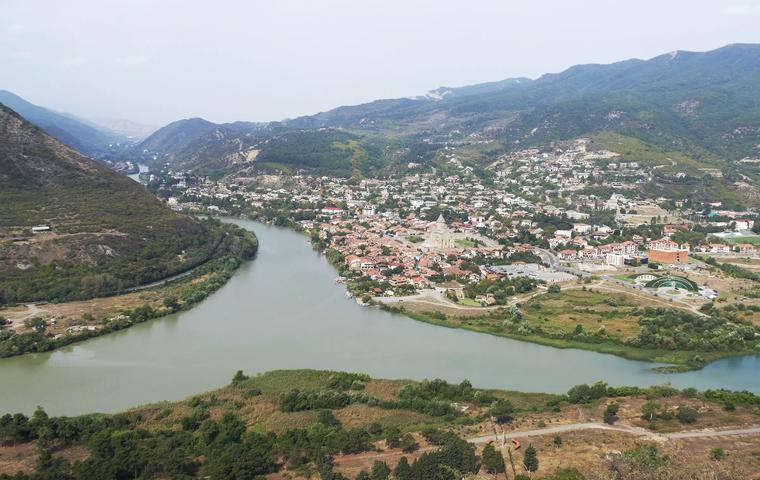
116 km
Mtskheta
Georgia's ancient capital and religious center, 30 minutes from Tbilisi
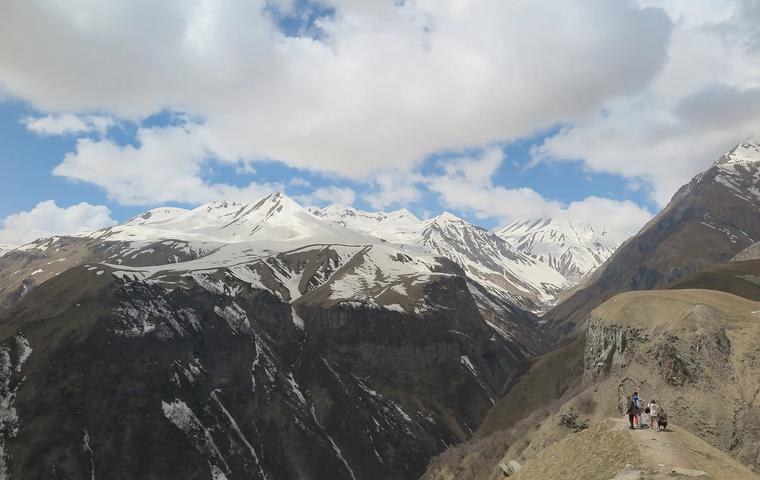
147 km
Gudauri
Georgia's main ski resort and transit point on the Georgian Military Highway
174 km
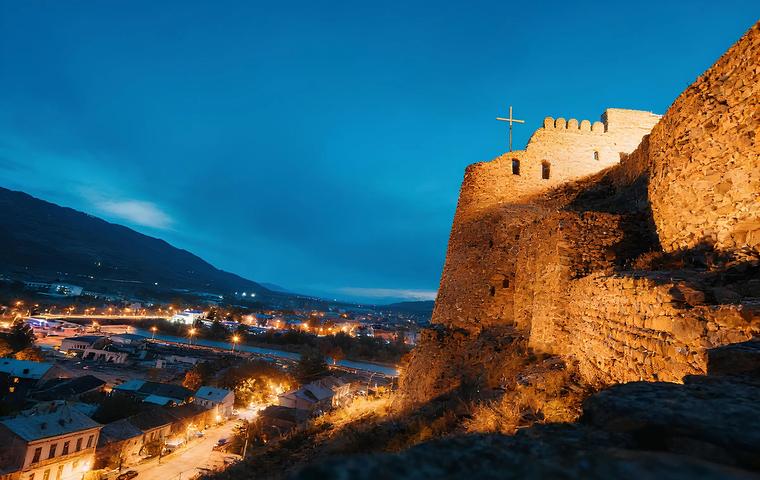
Gori
Stalin's birthplace, a cave city, and the shadow of South Ossetia
182 km
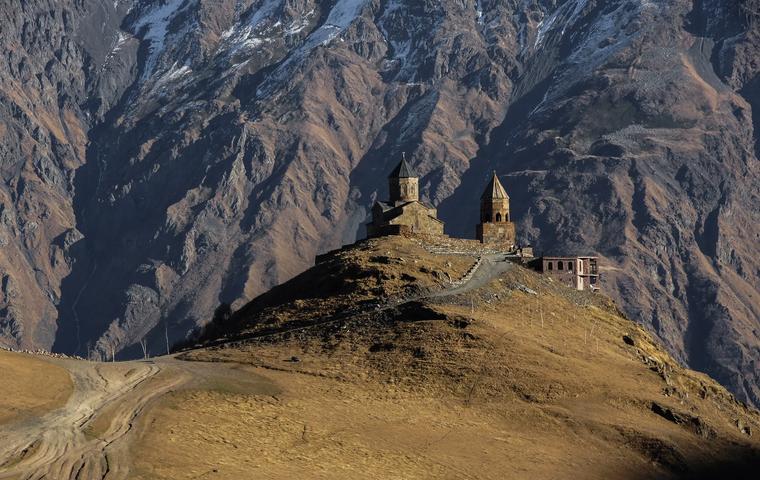
Kazbegi
High-mountain village at the foot of Mount Kazbek: trekking, Gergeti Church, and the Georgian Military Highway
262 km
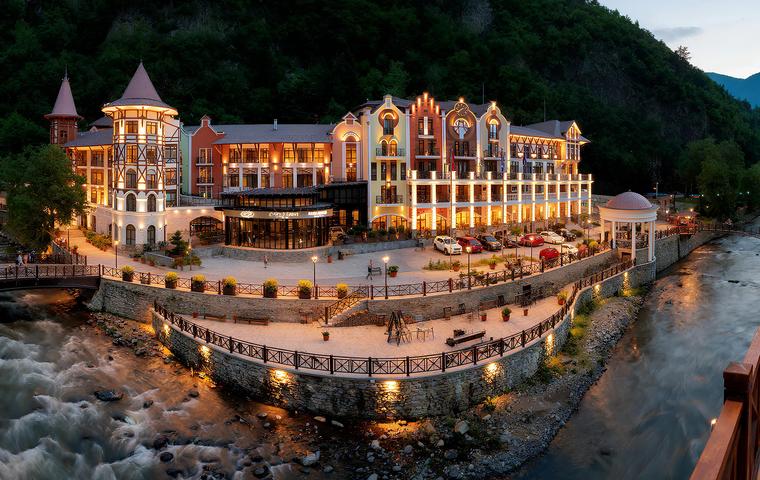
Borjomi
Spa resort, mineral water, and gateway to Georgia's largest national park
272 km
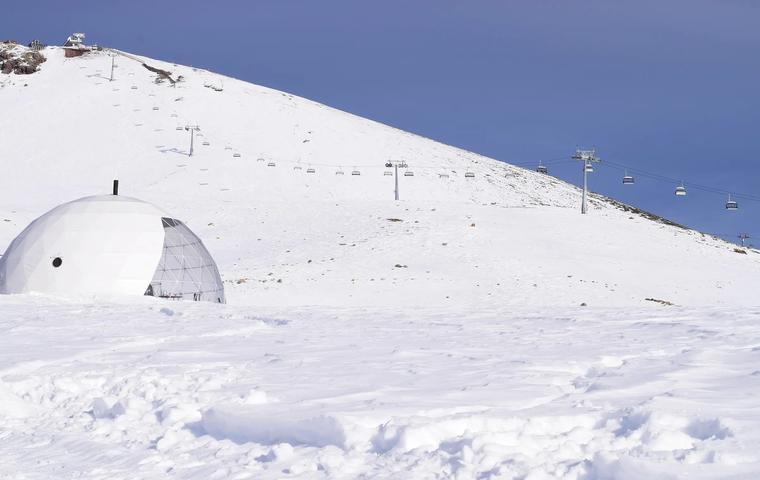
Bakuriani
Georgia's family ski resort: gentle slopes, forests, and Borjomi 30 minutes away