Blog · Tours
Georgia in July: +30 °C Heat, +26 °C Sea & Real Trekking Conditions
 Tours
ToursIn this article
- 01Weather by region
- 02Where to swim and when to skip the sea
- 03Mountains in July – the key month of the year
- 04Wine country and a cooler alternative to cities
- 05Prices: what Georgia actually costs in July
- 06Transport: getting around
- 07Insurance: the main 2026 change
- 08Internet and connectivity
- 09Day trips from Tbilisi
- 10Getting there
- 117-day route: mountains + sea + wine
- 12Practical tips
- 13Frequently asked questions
- 14Wrap-up
- 15Related reading
- 16Sources
Some links are affiliate links. You pay the same, and we may earn a commission.
Tbilisi hits +34 °C, Batumi gets thunderstorms, and mountain snow cleared a week ago. Where to actually go, what it costs in 2026, and what to skip.
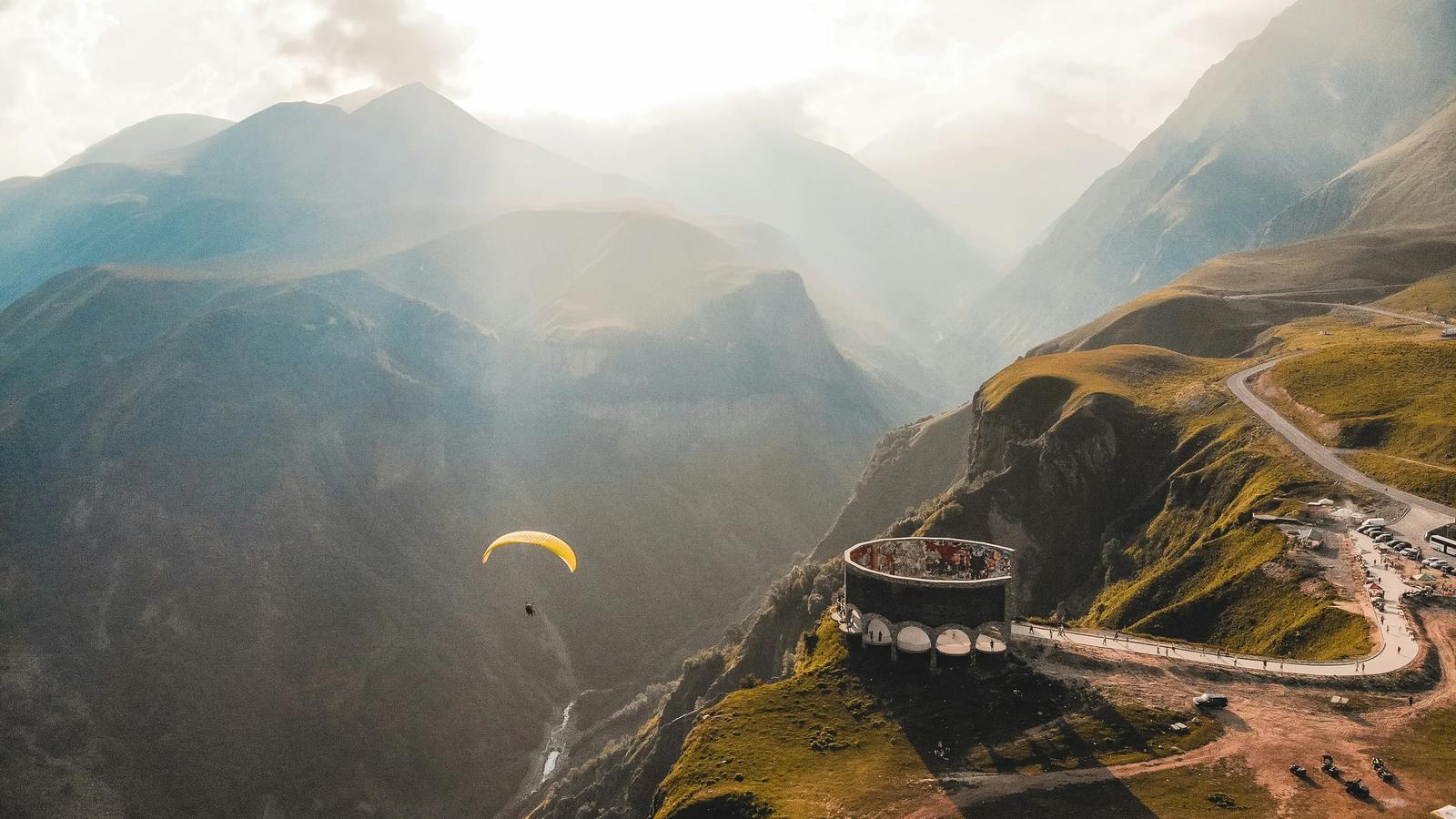
July in Georgia is peak season and a month of extremes: Tbilisi sits steadily at +30…+34 °C with melting asphalt, Batumi warms the Black Sea to +26 °C but gets subtropical downpours once a week, and in the Kazbegi and Mestia mountains nighttime temperatures still drop to +8 °C while every trekking route finally opens up. The right strategy is almost never one city – it's a combo of mountains + coast, or mountains + wine. Note: from January 1, 2026, Georgia requires every foreign tourist to hold medical insurance with a minimum of 30 000 GEL coverage, or risk border fines and denial of entry.
Key points:
- Weather: Tbilisi +30/+18 °C, Batumi +27/+20 °C air and +25…+26 °C sea, Kazbegi +20/+8 °C – ideal for hiking.
- Peak season: Batumi accommodation runs 40–60 % higher than in May; book at least 3–4 weeks ahead.
- Insurance is now mandatory: from January 1, 2026, minimum 30 000 GEL coverage, fine 300 GEL (≈ 110 $), rising to 900 GEL if unpaid for 30 days.
- Swimming season in Batumi: peaks in mid-July with sea at +26 °C.
- Check visa requirements for your nationality: Georgia has generous visa-free access, but rules vary.
- Where to go: mountains any time of day, sea before noon, wine country in the evening.
- What to skip: central Batumi beach on weekends and shadeless Kakheti valleys at midday.
Weather by region
July is the hottest and wettest month on the coast. Tbilisi averages a high of +30 °C, but the city sits in a basin that regularly pushes +34…+36 °C (record +42 °C in 2018). Batumi is softer: air +26…+28 °C, but 9–13 rainy days and 135–180 mm precipitation – three times more than Tbilisi. Showers are short and usually evening, but intense.
| Region | Day | Night | Sea | Rain | Comfort |
|---|---|---|---|---|---|
Tbilisi | +30…+34 °C | +18…+20 °C | – | 4–10 days, 57 mm | Hot midday, pleasant evenings |
Batumi | +26…+28 °C | +19…+21 °C | +25…+26 °C | 9–13 days, 135–180 mm | Peak swimming season |
Kazbegi | +18…+22 °C | +6…+10 °C | – | 8–10 days | Ideal trekking conditions |
Mestia (Svaneti) | +20…+25 °C | +8…+12 °C | – | 10–12 days | All passes open |
Borjomi | +26…+28 °C | +13…+15 °C | – | 8 days | 4–5 °C cooler than Tbilisi |
(Updated: April 2026)
Tbilisi heat feels worse than the numbers suggest. The center is a stone bowl and asphalt keeps radiating until midnight. From 12:00 to 16:00 locals retreat home or into air-conditioned cafés – copy them.
Where to swim and when to skip the sea
In July, Batumi sea temperature holds steady at +25…+27 °C – "bath temperature" according to oceanographers. The Black Sea swimming season runs June to October, but July combines maximum sun hours with water that hasn't yet overheated. The catch: after heavy rain, the Chorokhi river mouth (south of Batumi) clouds the water for 1–2 days – move north to Gonio, Kobuleti, or Ureki.
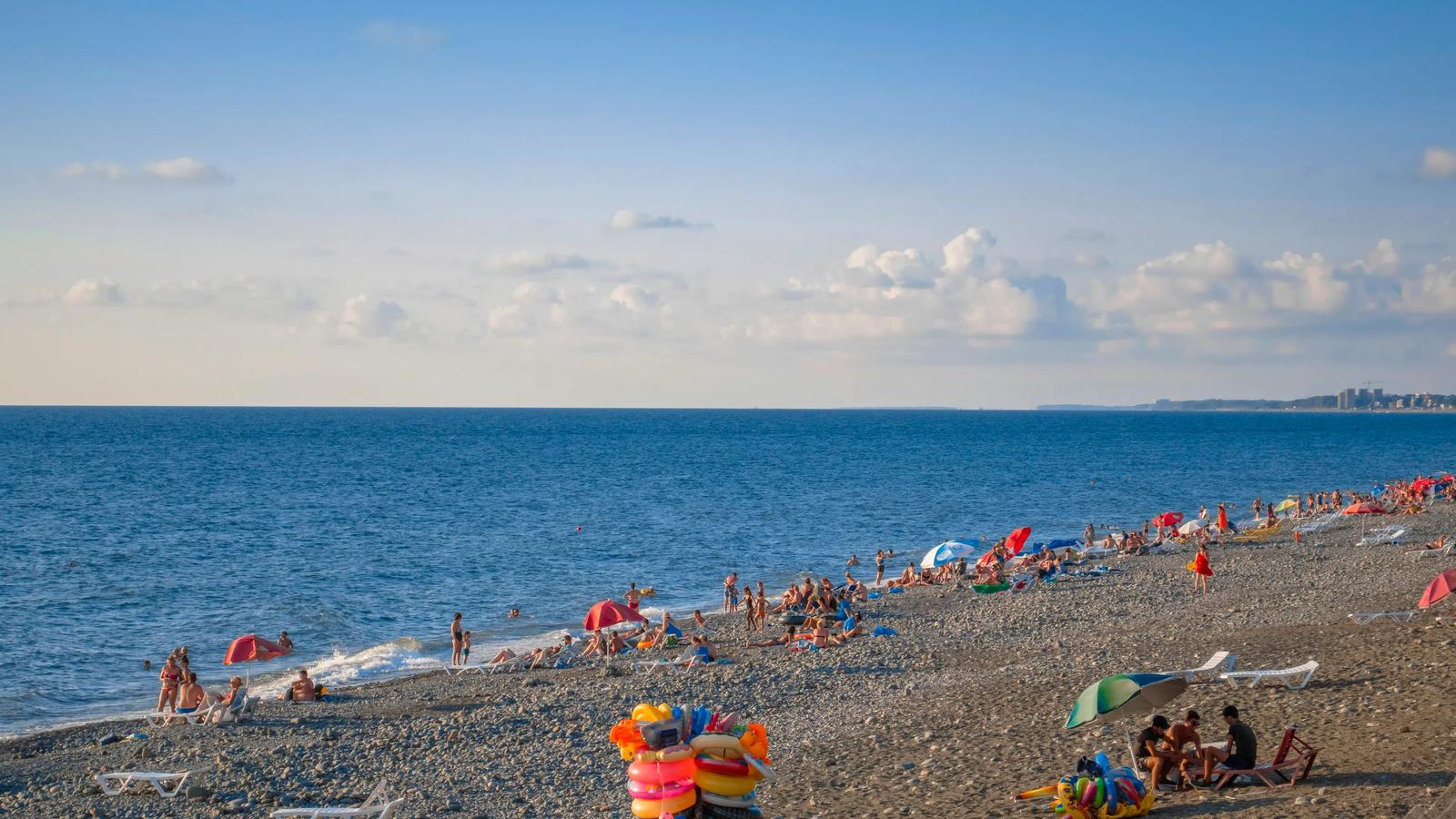
Georgian beaches are pebbled, not sandy (except Ureki, known for its magnetic sand). Water shoes are essential – flip-flops slip on wet stones. Municipal beach loungers run 5–7 GEL (≈ 2 $), private ones up to 15 GEL.
Mountains in July – the key month of the year
Snow in Svaneti and Tusheti passes clears only by mid-June, making July to mid-September the real trekking window. Classic routes:
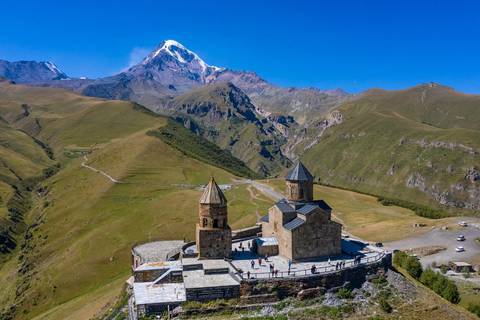
- Kazbegi – Gergeti Trinity: 500 m elevation gain, 4–6 hours round trip. Gergeti Trinity Church at 2 170 m – the postcard view of Mount Kazbek.
- Mestia – Chkhutnieri – Koruldi: one of Georgia's most beautiful day hikes, 15 km, climbing to Koruldi Lakes at 2 700 m.
- Mestia to Ushguli: the legendary 4-day, 55 km Caucasus trek. Stays in Svan guesthouses run 30–40 € with dinner.
- Chalaadi Glacier: Chalaadi Glacier from Mestia – 6 km one way, the glacier tongue runs right to the trail.
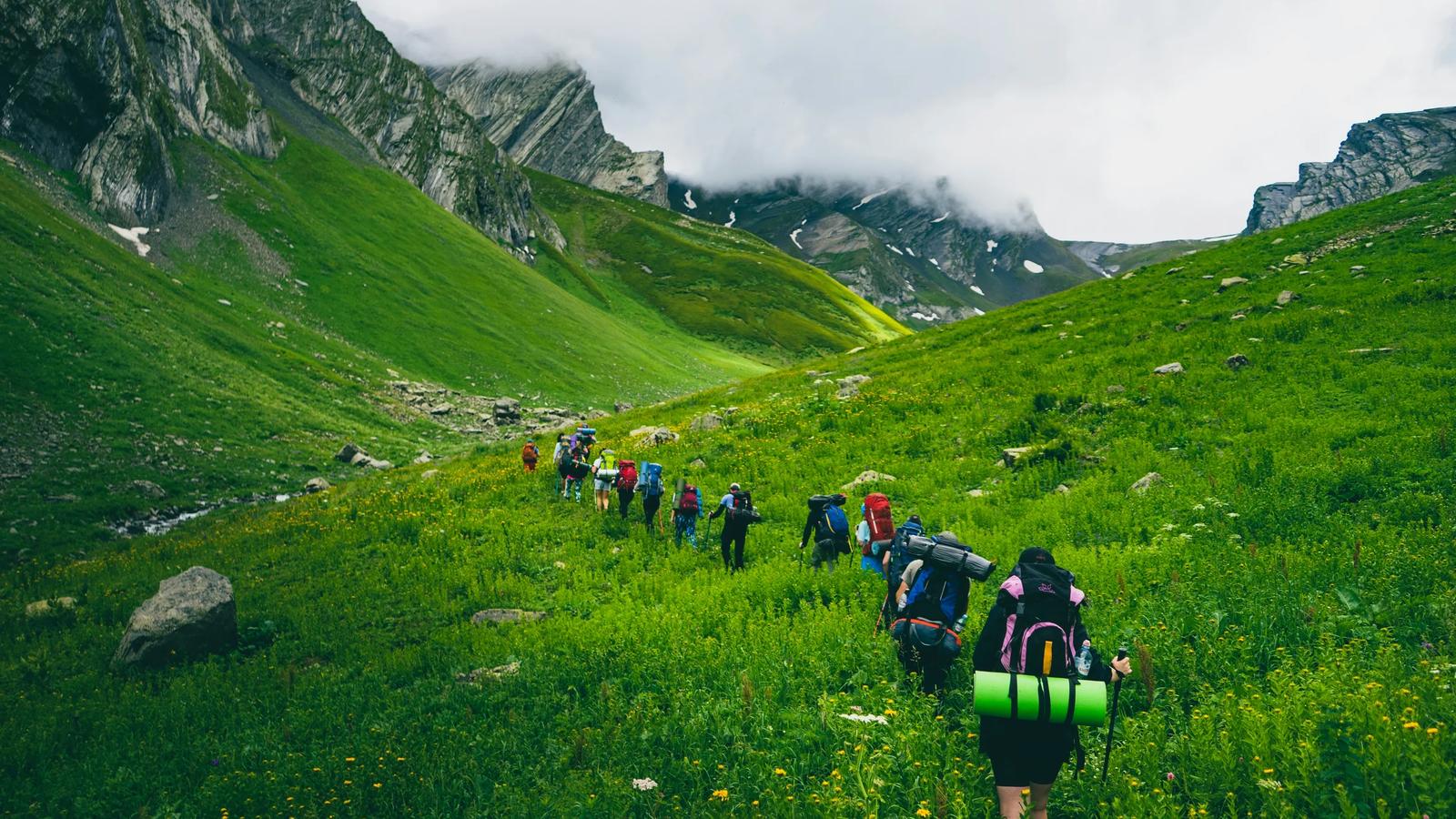
July mountains demand a waterproof shell and a fleece: thunderstorms roll in fast, temperature can drop from +20 to +8 °C within an hour. Tackling 3 000+ m in a T-shirt is a fast path to the clinic.
Wine country and a cooler alternative to cities
Telavi and Sighnaghi run 2–3 °C cooler than Tbilisi and are far more interesting for travelers tired of hot stone streets. July isn't harvest yet (that starts late September), but open tastings and traditional "supra" dinners are in full swing. A private winemaker's dinner with 4–5 wine varieties runs 15–25 €, a hotel restaurant – 30–40 €.
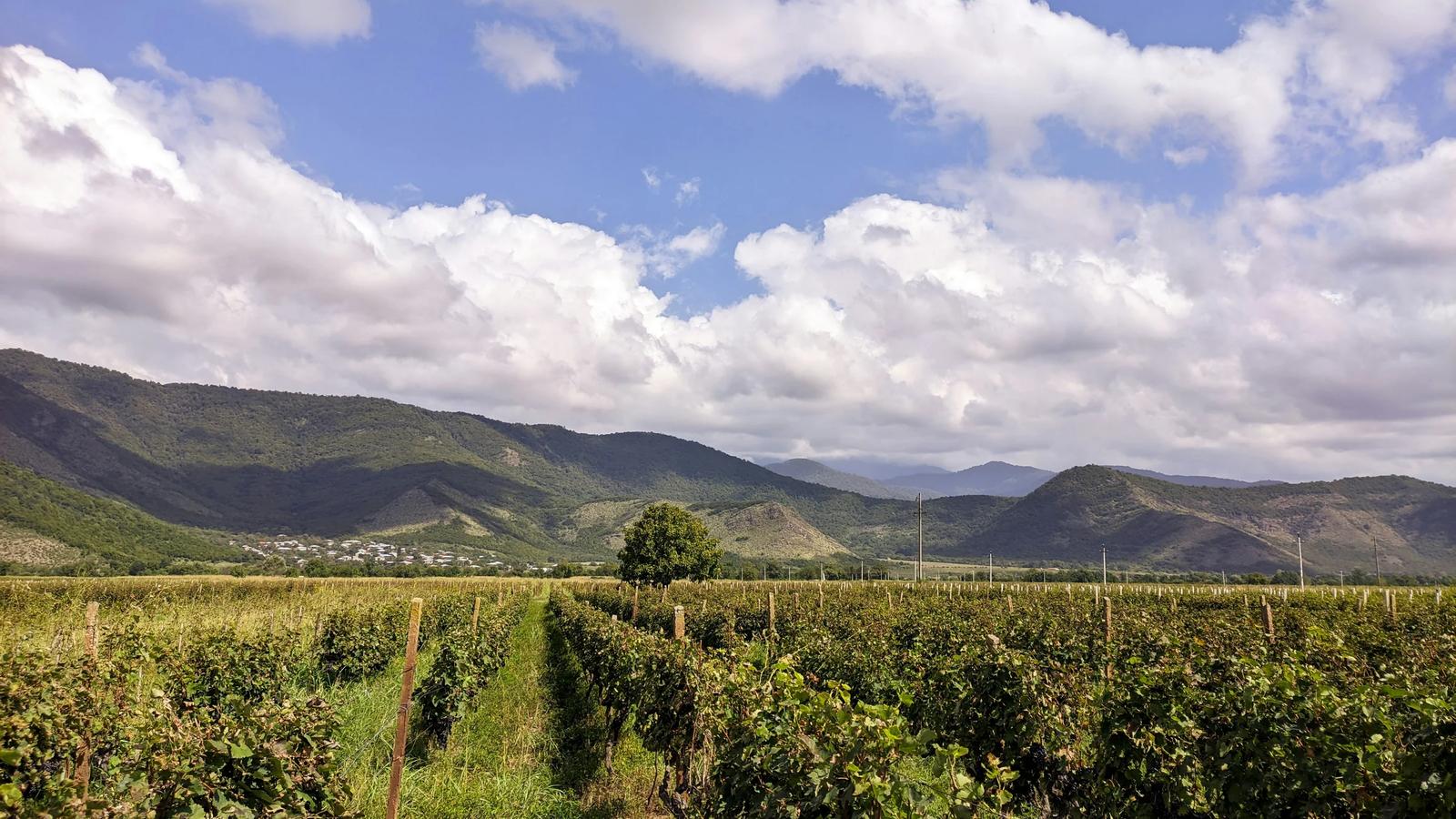
Key stops:
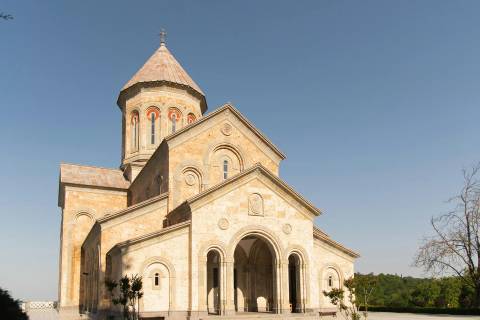
- Bodbe Monastery – tied to Saint Nino;
- Gremi Citadel and Alaverdi Monastery – the region's landmarks;
- Chavchavadze House Museum in Tsinandali – a park of oaks and plane trees, +3 °C cooler even at noon.
Prices: what Georgia actually costs in July
July is peak season – coastal accommodation runs 40–60 % higher than May. The prices below are averages for properties rated 8.0+ on booking platforms. (Updated: April 2026)
| Category | Tbilisi | Batumi | Kazbegi/Mestia |
|---|---|---|---|
Guesthouse/hostel | 20–35 $ | 30–50 $ | 25–40 $ |
3★ hotel (8.0+) | 55–80 $ | 70–110 $ | 50–75 $ |
4★ hotel (8.0+) | 90–140 $ | 120–180 $ | 90–130 $ |
Luxury/5★ | 180–350 $ | 220–500 $ | 200–350 $ |
Café lunch | 9–12 $ | 10–15 $ | 10–14 $ |
Dinner for two | 35–50 $ | 40–60 $ | 40–55 $ |
House wine (1 L) | 4–7 $ | 5–8 $ | 5–8 $ |
City taxi ride | 3–6 $ | 4–7 $ | – |
Groceries are cheap: milk 1.88 $, bread 0.62 $, chicken breast 5.79 $/kg. Gasoline – 1.14 $/L, roughly 1.5 times cheaper than European averages. Book via Booking.com for international cards.
Transport: getting around
Between cities. Tbilisi – Batumi: the Stadler Double-Decker express (4 hours, 20–45 GEL / 7–16 $ by class), marshrutka minibus (20–25 GEL, 5–7 hours), or private transfer via KiwiTaxi or Welcome Pickups for groups of 3+. Full breakdown in Tbilisi to Batumi: How to get there.
Car rental. You lose a lot of Georgia without a car. International chains work out of Tbilisi Airport and Kutaisi Airport; cross-compare via EconomyBookings. July rates: 35–55 $/day for a compact, 65–90 $ for a crossover. Read the fine print in Car rental in Georgia.
Taxis. Bolt works across Tbilisi and Batumi, with Yandex Go as a secondary option – meters run 30–50 % fairer than street "private" drivers at stations. Starting fare ≈ 1.1 $, per km 0.75 $, per hour waiting 7.5 $.
Insurance: the main 2026 change
From January 1, 2026, medical insurance is a legal entry requirement for every foreign tourist, formalized under Georgia's Tourism Law and Government Regulation No. 602. The policy must:
- cover at least 30 000 GEL (≈ 11 000 $);
- be valid for the entire stay, including arrival and departure dates;
- be presented in English or Georgian, digital or paper;
- include medical treatment and accident coverage.
First violation fine: 300 GEL (≈ 110 $). Unpaid after 30 days, the amount rises to 900 GEL. Repeat violations can trigger deportation. Only diplomatic passport holders and international transport drivers are exempt.
Most standard annual travel policies qualify, but check explicitly for "medical emergency treatment, hospitalization, and repatriation" wording, and that Georgia is in the country list. Specialist providers now issue compliant policies in 2 minutes online for around 10–25 $ per week.
Internet and connectivity
Georgian mobile data is cheap and fast on local operators (Magti, Geocell, Beeline): a local SIM in town runs 10–15 GEL (4–6 $) for 20–30 GB a month. Watch out: the same packages at Tbilisi and Kutaisi airports cost 2–3 times more – an eSIM is often cheaper than a SIM bought at arrivals.
When eSIM wins: trips under 10 days, instant data on landing, skipping airport queues. When a local SIM wins: stays over 2 weeks when you need a Georgian number for local services (Liberty Bank ATMs, Wolt/Glovo delivery).
Day trips from Tbilisi
Group minibus day trips run daily and cover most of the country. Average price: 14–29 $, including transfer, guide, and stops. Book 1–2 days ahead in peak season.
- Highlights of Caucasus Mountains – Jinvali, Ananuri, Gudauri, Kazbegi – from 29 $ per person, the classic Military Highway day trip.
- Day Trip to Kakheti Wine Region with 9 Wine Tastings – from 39 $ per person, Sighnaghi and Bodbe included.
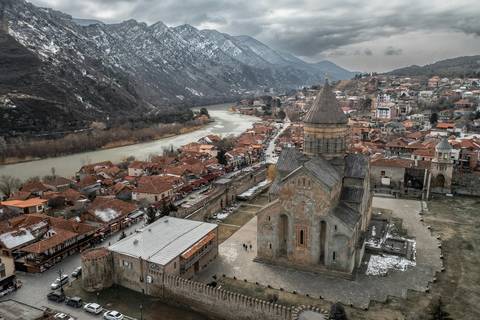
- Day Trip to Mtskheta, Gori and Uplistsikhe – from 39 $ per person, the ancient capitals in one day.
- Tbilisi Walking Tour with Cable Car and Traditional Bakery – from 19 $ per person, evening option that avoids midday heat.
- Kutaisi Canyons and Caves Full Day Tour – from 65 $ per person, Martvili and Prometheus in one trip.

Getting there
International carriers connect Georgia to most of Europe, Turkey, and the Middle East: Turkish Airlines, Lufthansa, Pegasus, Wizz Air – the last often offers the cheapest fares into Kutaisi (35–60 € from Warsaw, Milan, Berlin). Tbilisi Airport handles most legacy carriers. Batumi Airport works well for direct beach access. Check visa requirements for your nationality before booking. Detailed breakdown in How to get to Georgia.
7-day route: mountains + sea + wine
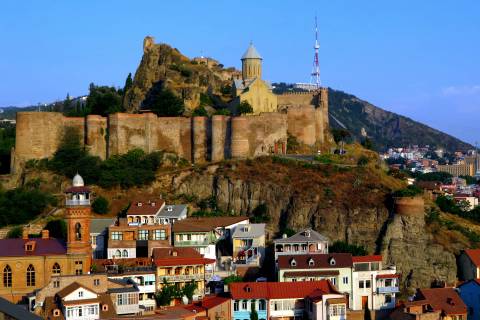
- Day 1–2: Tbilisi – Old Tbilisi, Abanotubani sulfur baths, Narikala Fortress.
- Day 3: Drive to Kazbegi via Ananuri Fortress and the Russia–Georgia Friendship Monument. Overnight in Stepantsminda.
- Day 4: Morning hike to Gergeti Trinity Church, return to Tbilisi.
- Day 5: Kakheti – Telavi, Sighnaghi, winemaker dinner.
- Day 6–7: Train or flight to Batumi, beach and Batumi Botanical Garden.
Practical tips
- UV is brutal: Batumi July UV index hits 10 of 11. SPF 50 and a hat – non-negotiable.
- Local water: Borjomi mineral water (≈ 1.5 GEL / 0.5 $) genuinely helps with heat – hydrocarbonate composition.
- Tipping: not always included, standard is 10 % in restaurants.
- Tbilisi transit: single bus/metro ride is 1 GEL (~ 0.37 $), a Metromoney card pays off from day 3.
- Cash buffer: in the mountains, cards work only at larger hotels. Keep 100–200 GEL in cash minimum.
- Kazbegi road: driving rentals – pay attention at the Cross Pass, where thunderstorms and fog roll in even on clear days.
Frequently asked questions
1. Q: Can you swim in Batumi in July? Yes. Water temperature holds at +25…+26 °C, and it's peak swimming season. Expect 9–13 rainy days: after heavy storms, water near the Chorokhi river mouth clouds for 1–2 days – move to Ureki or Gonio.
2. Q: Is travel insurance required to enter Georgia in July 2026? Yes, mandatory. From January 1, 2026, policies must carry at least 30 000 GEL (~ 11 000 $) coverage and cover your full stay. Fine for non-compliance: 300 GEL (rising to 900 GEL if unpaid after 30 days), plus possible entry denial at the border.
3. Q: Is Tbilisi worth visiting in July given the heat? Yes, if you pair it with mountain and wine-country escapes. In Tbilisi itself, plan indoor activities for 12:00–16:00. Evening hours after 19:00 are comfortable for walking and dining.
4. Q: How much does a week in Georgia cost in July? Budget travel (guesthouses, marshrutkas, café meals): from 450–550 $ per person. Mid-range (3★ hotels, two day trips): 700–900 $. Luxury: from 1 500 $.
5. Q: Do I need a visa for Georgia? Check visa requirements for your nationality – Georgia offers visa-free entry to citizens of 98 countries for stays up to one year, but rules vary by passport.
Wrap-up
July is Georgia's most "loaded" month: peak tourist flow, full mountain trekking window, and the Black Sea at its warmest. The "mountains + coast + Kakheti" strategy across 7–10 days delivers the best experience-to-fatigue ratio. Non-negotiables: budget for insurance, book accommodation 3–4 weeks ahead, and don't attempt Tbilisi sightseeing at 14:00.
Related reading
- First time in Georgia – travel guide
- Georgia in May: weather, prices, sea and tips
- Best beaches in Georgia
- Georgia travel insurance
- Car rental in Georgia – guide and pitfalls
- What to see in Tbilisi in 1, 2 or 3 days
- Tbilisi to Batumi: how to get there
- Internet and SIM cards in Georgia
Sources
- U.S. Embassy Georgia – official notice on mandatory insurance from January 1, 2026
- Geoconsul.gov.ge – Consular Department, Ministry of Foreign Affairs of Georgia
- Weather Atlas – Tbilisi and Batumi July climate data
- Numbeo Georgia – cost of living data
- Georgian Railway – Tbilisi–Batumi schedule and fares
Places to see in Georgia

You may also like
Georgia in May: Weather, Prices, Sea and Travel Tips
Georgia in May – a complete guide covering weather in Tbilisi and Batumi, sea temperature, up-to-date prices for accommodation and food, top things to do, and practical travel tips.
February 20, 2026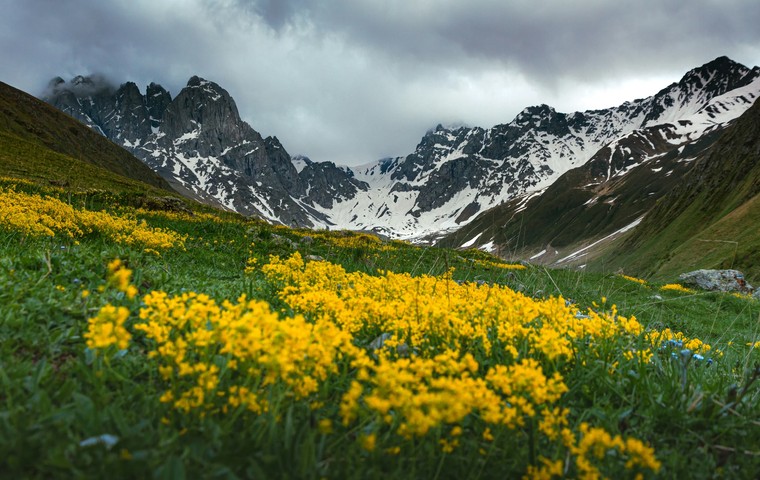
Georgia in April: Weather, Prices, What to See and Practical Tips
Georgia in April brings warm spring weather up to 18 °C, blooming landscapes, off-season prices, and crowd-free sightseeing. A practical guide to weather, costs, and activities.
February 19, 2026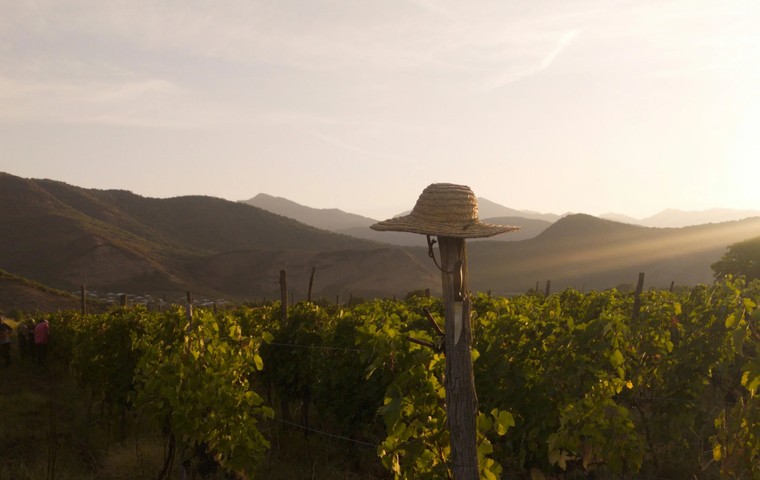
Wine Tours in Georgia – Where to Go, What to Taste & Real Costs in 2026
Georgia has 8,000 years of winemaking and group tours from $14. Kakheti, Imereti, Racha – where to find authentic qvevri wines beyond the tourist trail.
March 15, 2026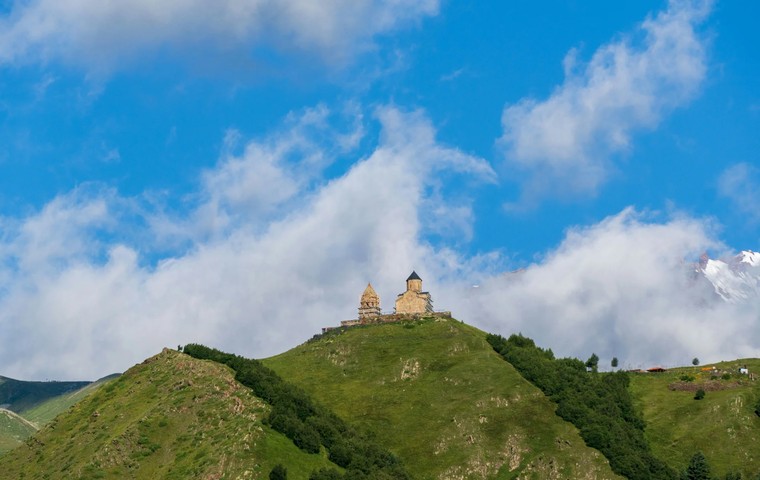
Best Day Trips from Tbilisi: 7 Tours from $13 (2026 Guide)
Kazbegi, Kakheti wine country, Mtskheta, Vardzia – the day trips locals actually recommend, with honest prices, timing and pitfalls most guides skip.
April 21, 2026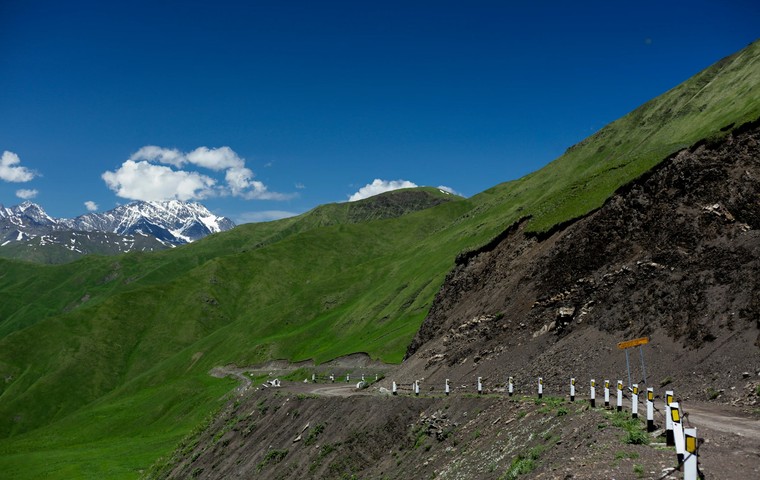
Georgia Road Trip 2026 – 4 Routes from Kazbegi to Svaneti
The best Georgia road trip depends on days available: 3 days covers the Military Highway to Kazbegi, 7 days adds Kakheti and the west, 10+ reach Svaneti. Actual 2026 prices, winter closures, and pitfalls explained.
April 24, 2026
Best Mountain Hotels in Georgia – Where to Stay in Gudauri, Kazbegi, Bakuriani and Svaneti
Curated guide to mountain hotels in Georgia for 2026 – from budget guesthouses to premium resorts in Gudauri, Kazbegi, Bakuriani, Borjomi and Mestia. Prices, features and practical tips.
February 26, 2026