Blog · Tips
What to See in Tbilisi in 1, 2, and 3 Days – Itineraries and Practical Tips
 Tips
TipsIn this article
Some links are affiliate links. You pay the same, and we may earn a commission.
A detailed Tbilisi travel guide for 1, 2, and 3 days: Old Town walking routes, sulfur baths, Narikala Fortress, Mtskheta day trip, cable cars, prices, and insider tips for independent travelers.
What to See in Tbilisi in 1, 2, and 3 Days
Tbilisi is a city where you can walk from a 4th-century fortress to a trendy rooftop bar in a single afternoon – and the entire route fits within a comfortable walk. The logic is simple: one day covers Old Town and sulfur baths, two days add Mtatsminda Mountain and gastronomy, and three days allow a day trip to Mtskheta or the wine region of Kakheti. Expect to spend 50–70 $ per person per day at a mid-range comfort level – including meals, transport, and entrance fees.
Key takeaways:
- Day 1 – Old Tbilisi, Abanotubani, Narikala Fortress, Bridge of Peace
- Day 2 – Mtatsminda Mountain, Holy Trinity Cathedral (Sameba), markets and wine bars
- Day 3 – day trip to Mtskheta (Jvari Monastery + Svetitskhoveli Cathedral) or Kakheti wine region
- Cable car to Narikala Fortress costs 2.5 GEL (~1 $) one way – requires a Metromoney card (2 GEL deposit)
- Sulfur baths – from 5–10 GEL for public baths; 70–200 GEL (25–70 $) per hour for a private room
- Average lunch in the tourist zone costs 9–10 $ per person; residential areas are 30–40% cheaper
- Buses and metro – 1 GEL per ride (~0.35 $)
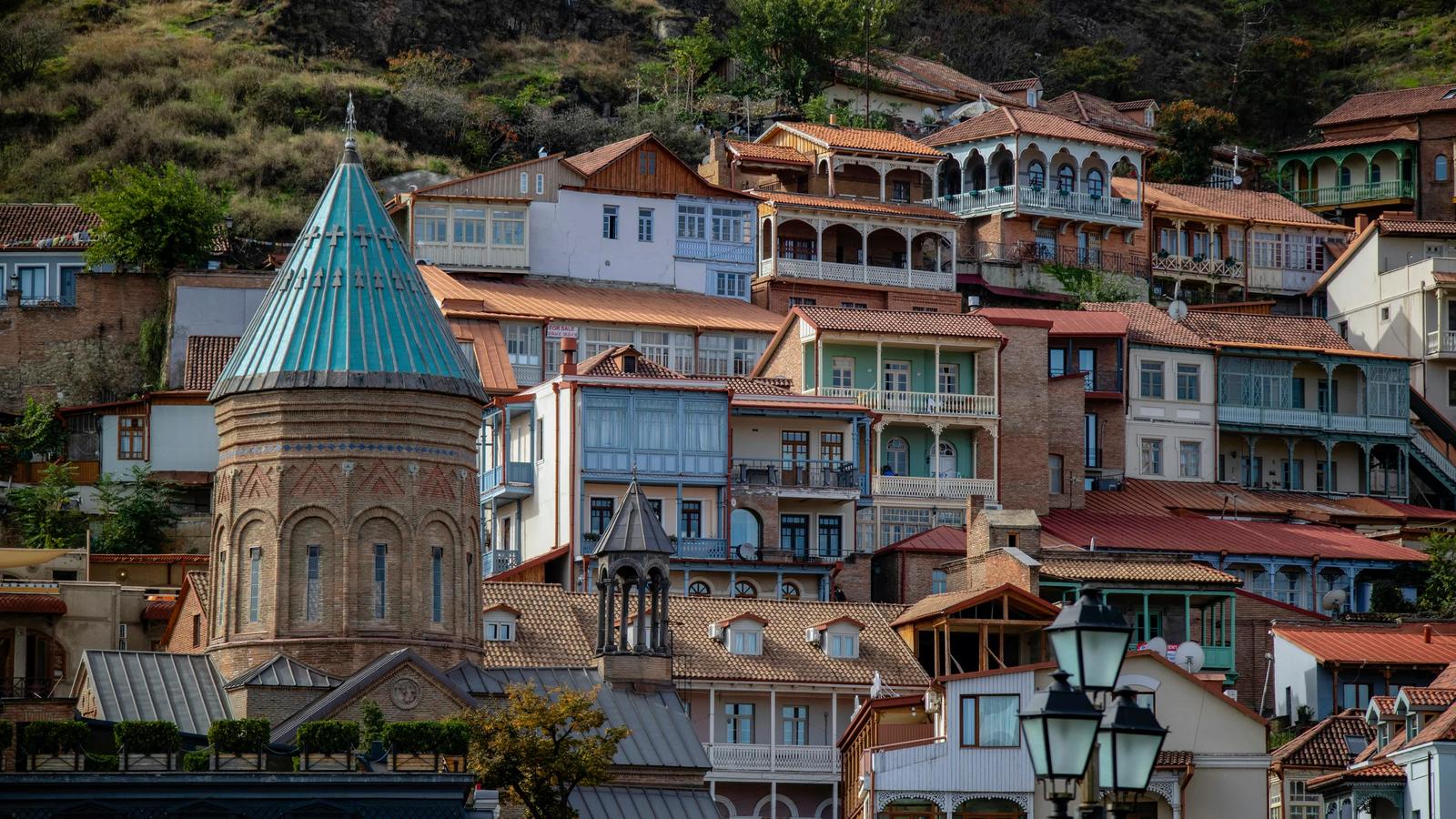
Day 1: Old Town, Sulfur Baths, and the Fortress
Morning: Old Tbilisi and Abanotubani
Start at Old Tbilisi – a neighborhood of carved wooden balconies, narrow lanes, and coffee shops on every corner. From Freedom Square, walk downhill to Abanotubani – the bath district, where brick domes of sulfur baths rise from the ground. Aim for 10–11 AM to beat the queues.
A note on baths: public sections (5–10 GEL entry) are more utilitarian hammam than spa. For a proper experience, book a private room in advance via the bathhouse's messaging apps. Budget around 100–150 GEL (35–55 $) for a private room for two, plus 15–20 GEL per person for a kisi scrub. Cash only for the scrub – card machines are not available for this service. (Updated: February 2026)
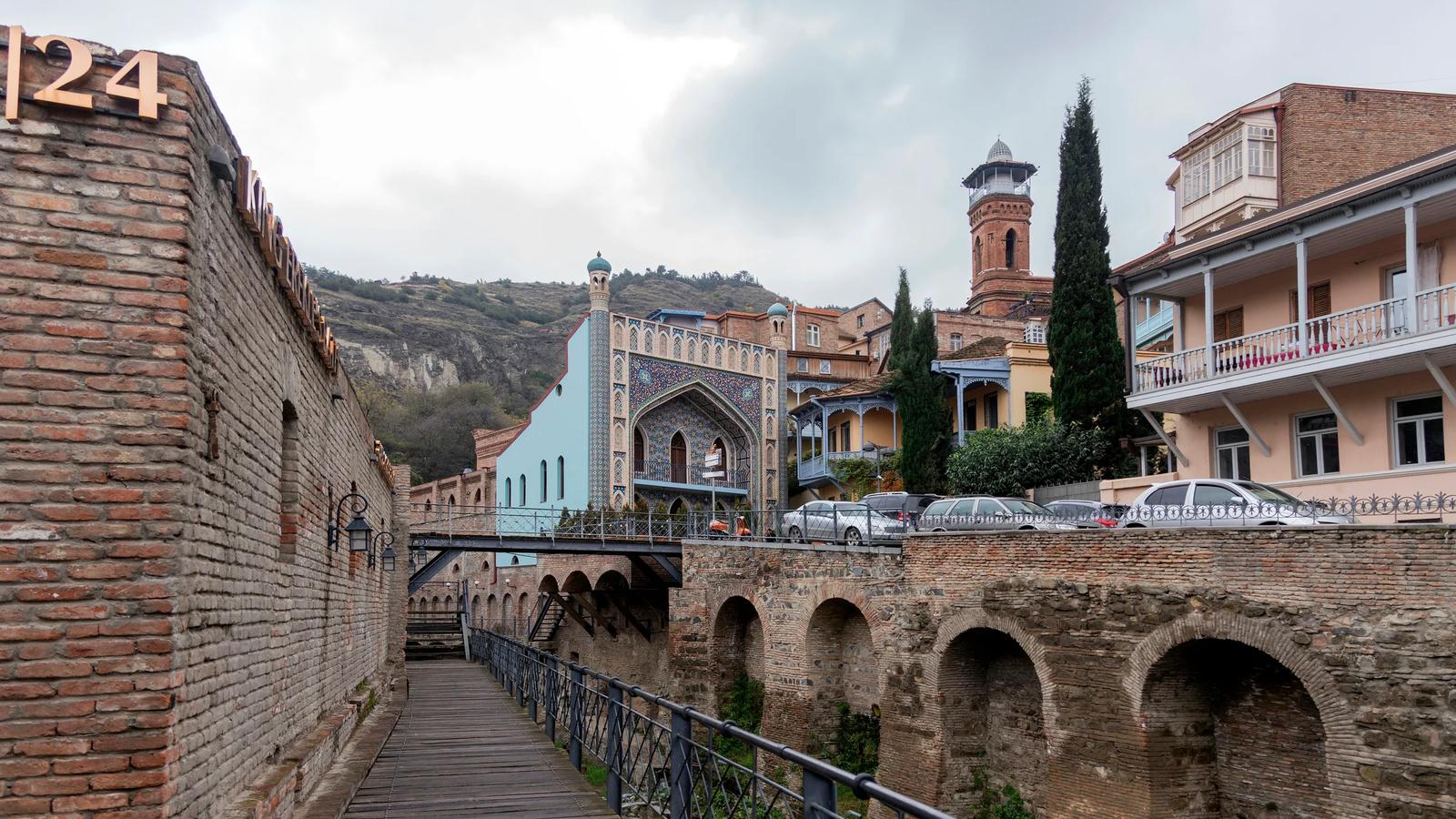
Midday: Cable Car and Narikala
From Abanotubani, walk 10–15 minutes to Rike Park and take the cable car up to Narikala Fortress. The ride takes 2–3 minutes, but the aerial views of the Kura River, Bridge of Peace, and the rooftops of Old Tbilisi are worth every one of those 2.5 GEL.
Important: Narikala Fortress has been undergoing restoration since 2024. Check the current status before visiting – viewpoints and the Mother of Georgia statue remain accessible regardless.
Allow 40–60 minutes at the top: walk the fortress walls (free), visit the Mother of Georgia statue, and descend on foot through the upper Betlemi quarter – one of the city's most photogenic neighborhoods.
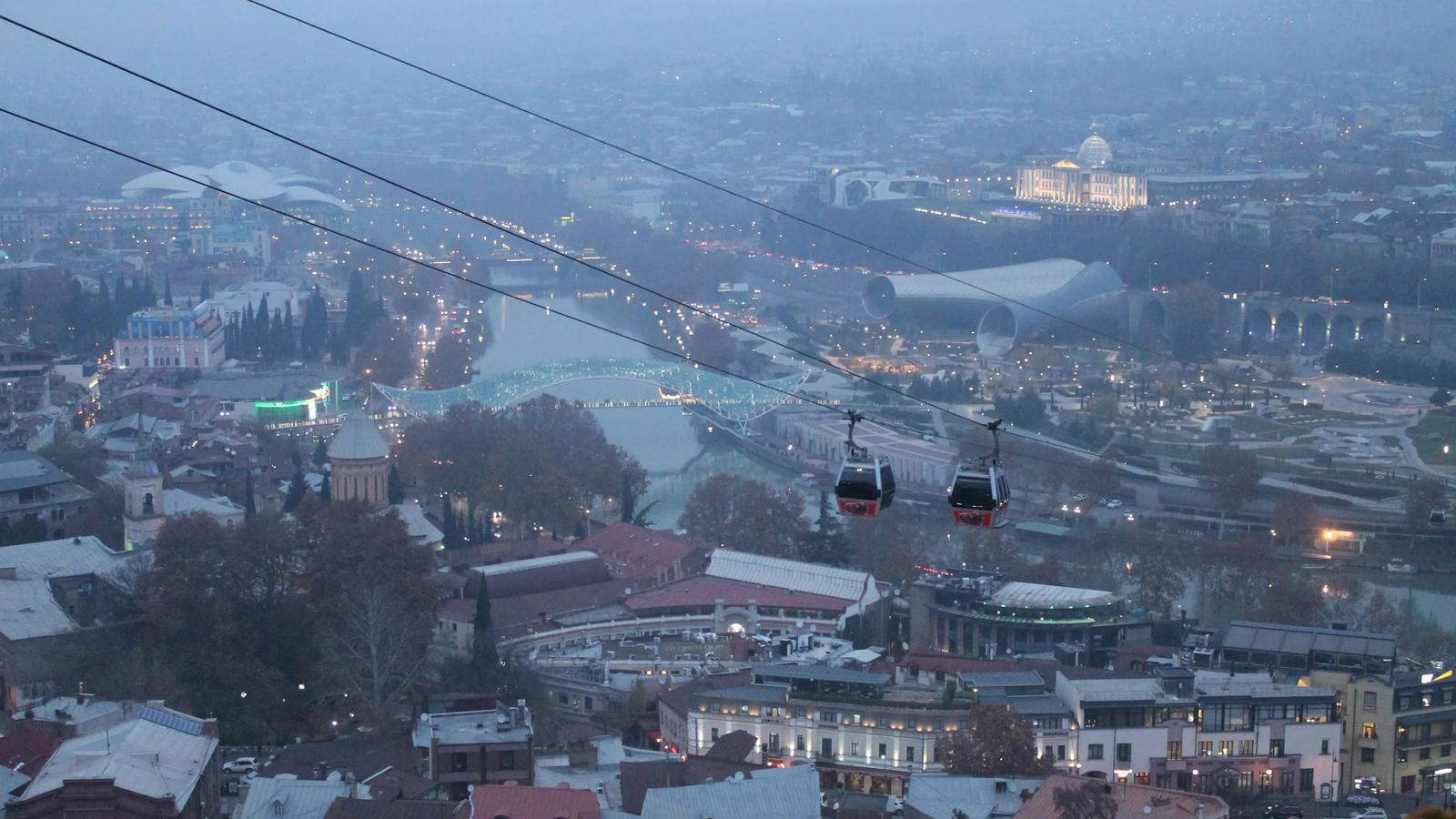
Evening: Bridge of Peace, Gabriadze Theater, and Dinner
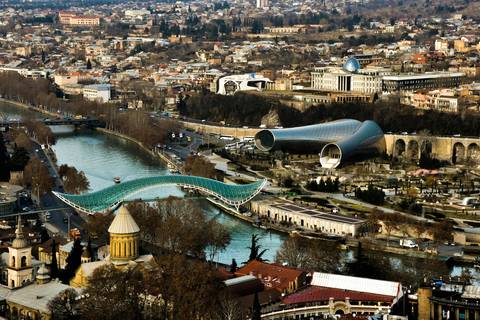
Back in Old Tbilisi, walk across the Bridge of Peace at sunset – the glass structure lights up beautifully at dusk. Nearby is the Rezo Gabriadze Theater with its famous clock tower – figures perform a mini-show every hour.
For dinner, head to the Shardeni or Kote Abkhazi streets. Price reference: khinkali cost 1–1.5 GEL each (locals order 5–8 pieces), Adjarian khachapuri runs 12–18 GEL, and a bottle of house wine is 15–25 GEL. A full dinner for two with wine comes to 60–100 GEL (22–37 $).

Day 2: Mtatsminda, Sameba, and Gastronomy
Morning: Funicular and Mtatsminda Mountain
On your second day, head to Mtatsminda Mountain. The funicular departs from the station near Rustaveli Avenue – a ticket costs 8–13 GEL one way (you need a separate plastic card for 2 GEL). At the top: an amusement park, restaurants with panoramic views, and a TV tower. The real draw is the observation deck offering a sweeping view of Tbilisi from the Kura River to the Caucasus range. Walking back down through the forest takes about 40 minutes and brings you into the Sololaki district.
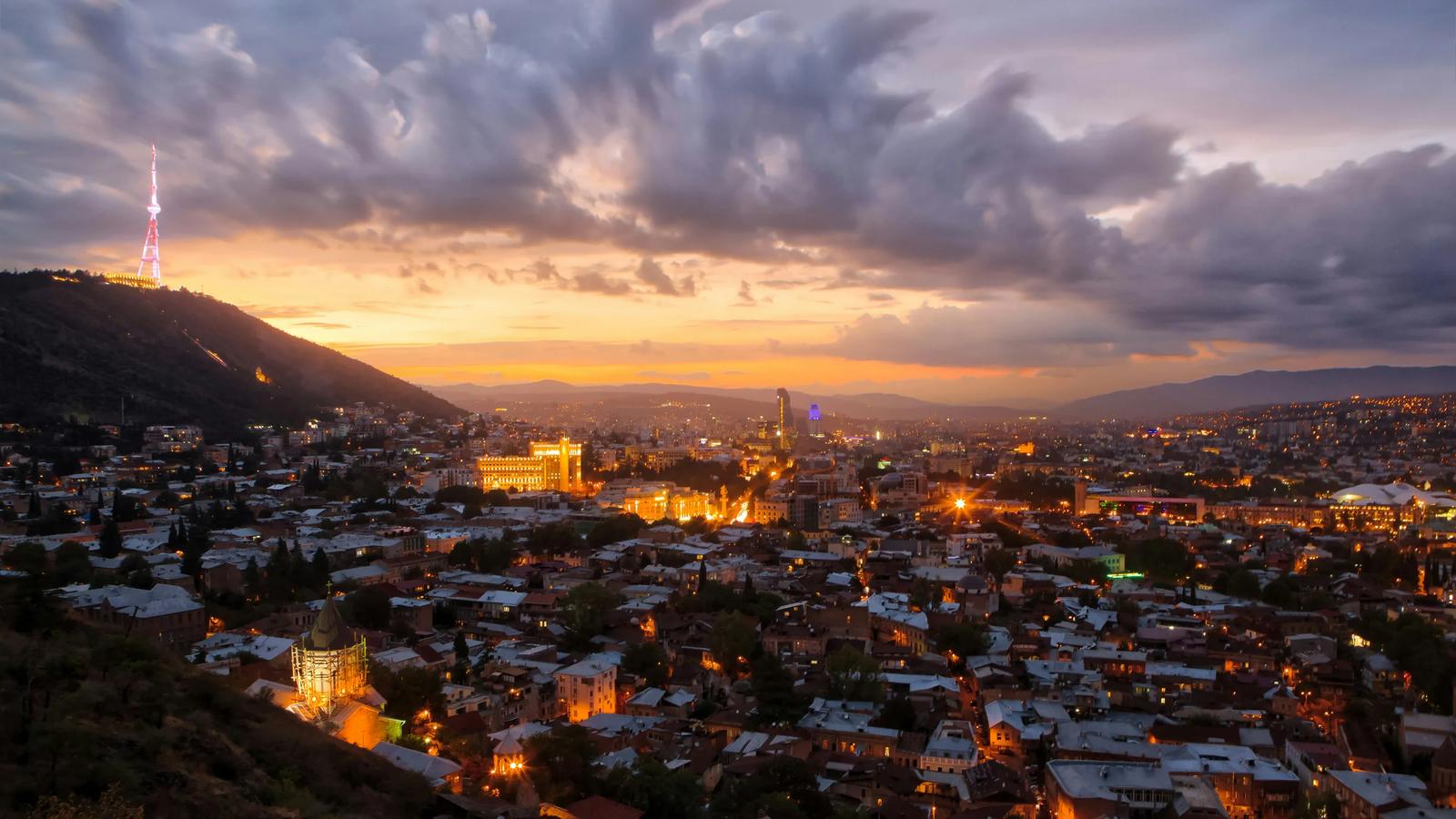
Midday: Sameba Cathedral and Avlabari
Cross the river and climb to Holy Trinity Cathedral (Sameba) – Georgia's largest Orthodox cathedral. Entry is free, but there is a strict dress code: long trousers, covered shoulders, and headscarves for women. The Avlabari neighborhood around the cathedral is one of the most authentic in the city, with Italian-style courtyards and colorful cafes.
After the cathedral, walk to Metekhi Church perched on a cliff above the river – this is where you get the classic postcard view of Old Tbilisi.
Evening: Fabrika and Wine Bars
Fabrika Tbilisi – a former sewing factory turned creative hub with a hostel, cafes, bars, and co-working spaces. The Fabrika courtyard transforms into the city's main social hub in the evening. Try a glass of natural Georgian wine at one of the bars – a glass runs 8–15 GEL (3–5 $).
For a deeper food experience, book a tour through Viator or Viator – food tours typically include the Dezerter Bazaar market, wine tasting, and a khinkali cooking class.

Day 2 Budget
| Expense | Cost |
|---|---|
Funicular (round trip) | 16–26 GEL (6–10 $) |
Lunch | 20–30 GEL (7–11 $) |
Wine at a bar (2–3 glasses) | 16–45 GEL (6–17 $) |
Dinner with wine | 50–80 GEL (18–30 $) |
Taxi around the city (2–3 rides) | 15–30 GEL (5–11 $) |
Total | ~50–80 $ |
(Updated: February 2026)
Day 3: Mtskheta or Kakheti
Option A: Mtskheta (Half-Day)
Mtskheta – the ancient capital of Georgia – sits just 20 km from Tbilisi. A marshrutka from Didube bus station costs 1–2 GEL; a taxi runs 20–30 GEL one way. Two essential stops:
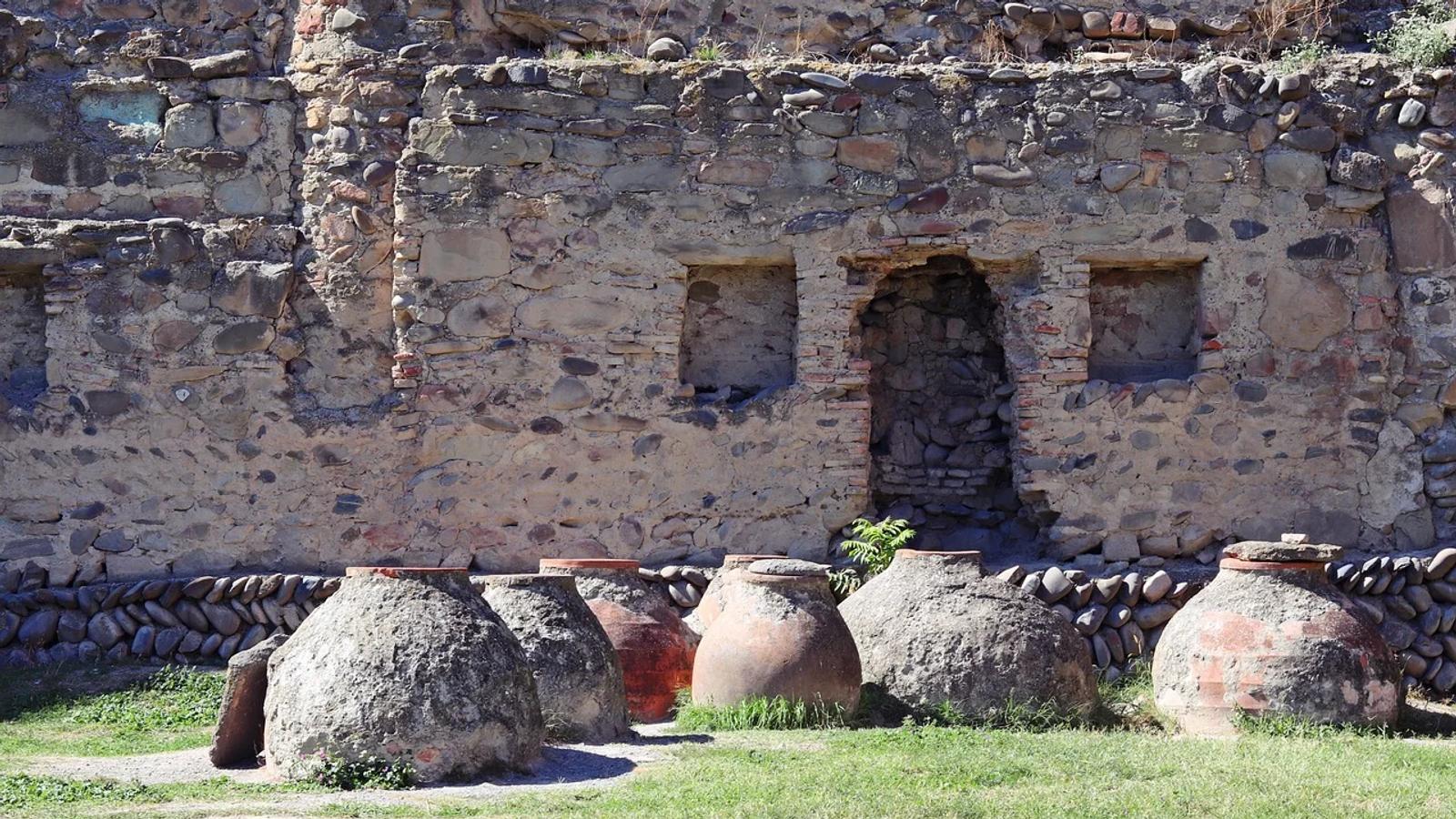
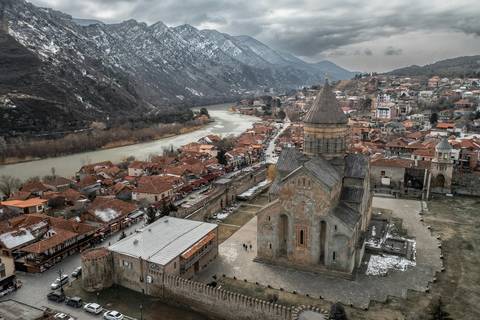
Jvari Monastery – a 6th-century church on a hilltop overlooking the confluence of the Kura and Aragvi rivers. Reachable only by taxi or organized tour – no public transport goes to the top. Free entry.
Svetitskhoveli Cathedral – the country's principal cathedral, located in the center of Mtskheta. Free entry; donations welcome. According to tradition, the Robe of Christ is buried here.
Both sites can be covered in 3–4 hours, getting you back to Tbilisi by lunchtime. Spend the rest of the day at the Dezerter Bazaar (street food, spices, churchkhela), shopping on Rustaveli Avenue, or a return visit to the sulfur baths.
Option B: Kakheti (Full Day)
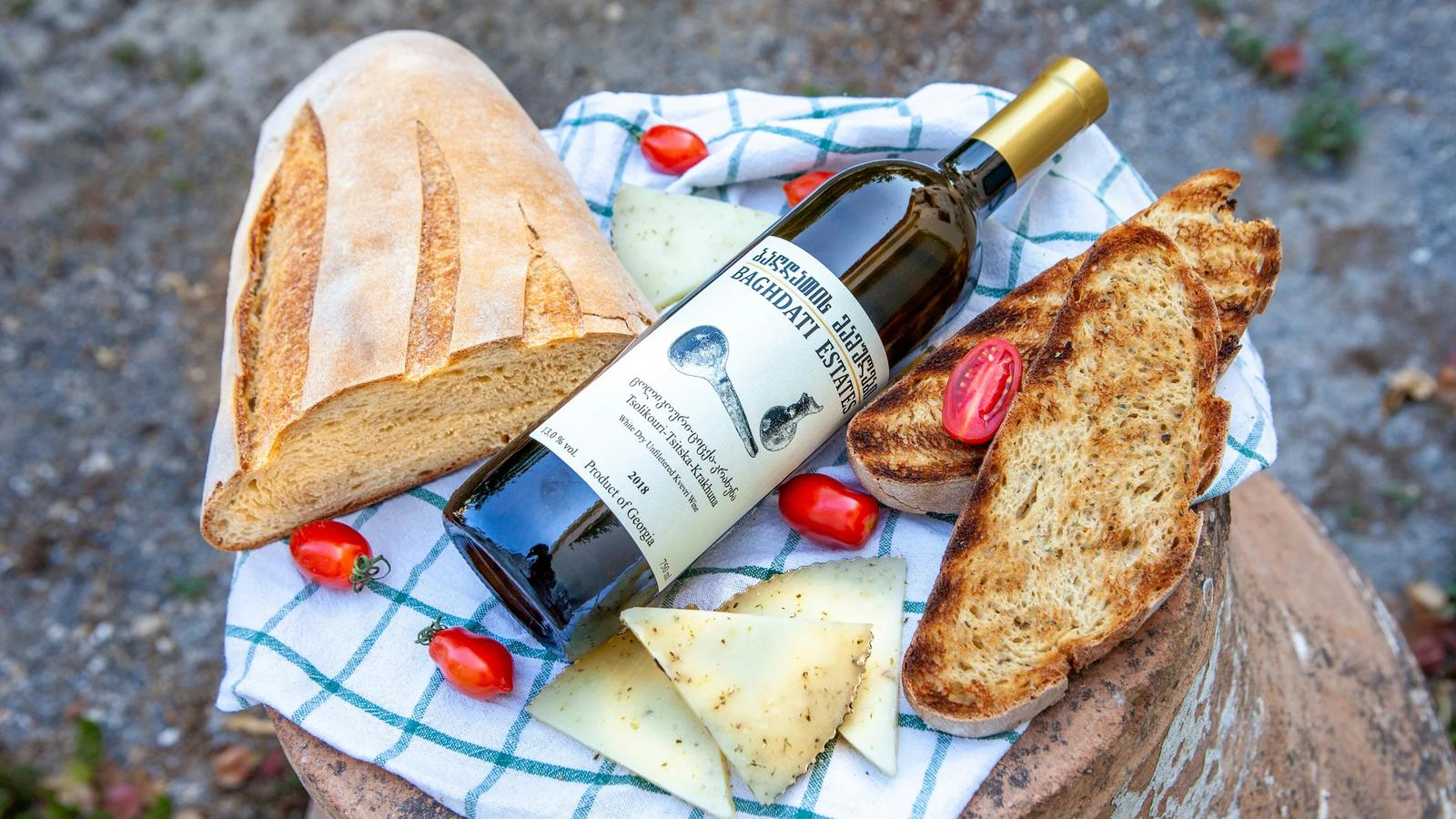
For wine lovers, a day trip to Sighnaghi and Telavi is the way to go. Going independently requires a rental car (from 30–40 $ per day through Localrent). Otherwise, book an organized tour for 80–150 GEL per person (typically includes transport, 2–3 wineries, and lunch).
In Sighnaghi, visit the fortress wall and Bodbe Monastery. In Telavi, see the Batonis Tsikhe castle.
Getting Around Tbilisi
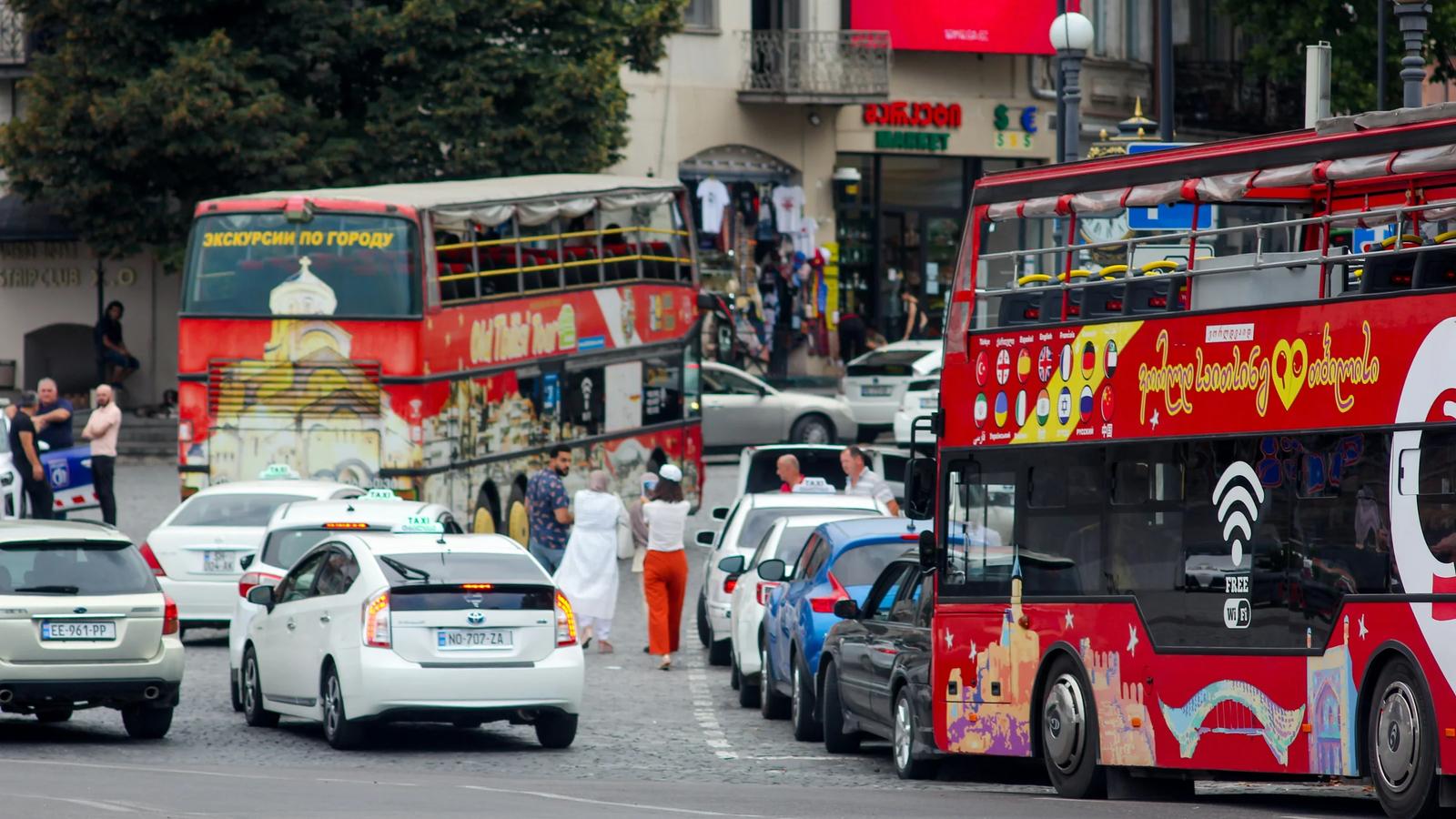
Tbilisi's center is effectively walkable. Distances between major sights are 10–20 minutes on foot. For longer trips, a ride-hailing app works well – average city rides cost 5–15 GEL (2–5 $). The metro (two lines, 23 stations) and buses charge 1 GEL per ride. Payment is by Metromoney card or contactless bank card.
From Tbilisi International Airport to the center: bus #337 for 1 GEL (runs 07:00–23:00, 30–40 min journey) or taxi for 35–40 GEL (13–15 $).
Tip: check visa requirements for your nationality before traveling. For mobile internet, an eSIM is a convenient option – activate it before your flight and stay connected on arrival. More details: eSIM for Travel: How to Save on Roaming Charges.
How Much Does Tbilisi Cost?
| Category | Price |
|---|---|
Lunch at a budget restaurant | 9–10 $ |
Dinner for two at a mid-range restaurant | 37–75 $ |
Cappuccino | 2–3 $ |
Draft beer (0.5 L) | 2–3 $ |
Bottle of wine (store) | 4–11 $ |
Metro / bus | 0.35 $ |
Taxi (average ride) | 2–5 $ |
Hostel (bed) | 8–15 $ |
3-star hotel (double) | 30–60 $ |
4-5 star hotel | 80–200 $ |
(Updated: February 2026)
For accommodation bookings, consider Trip.com or Booking.com. Airport transfers can be arranged through KiwiTaxi.
Practical Tips
Cash is needed for sulfur bath scrubs, marshrutkas, and small shops. ATMs are plentiful but many charge fees for international cards – check before withdrawing. Most cafes, restaurants, and shops accept contactless payments.
The best time to visit is May – June and September – October: warm weather (20–28 °C), minimal rain, and none of the punishing summer heat of July – August (35 °C+).
Frequently Asked Questions
1. Is one day enough for Tbilisi? Yes, one day covers Old Tbilisi, the sulfur baths, Narikala Fortress, and the Bridge of Peace. However, two to three days allow a more relaxed pace plus day trips and deeper food exploration.
2. How much money should I budget for 3 days in Tbilisi? At mid-range comfort (3-star hotel, two restaurant meals per day, transport, entrance fees): 150–250 $ per person for 3 days, excluding flights and accommodation. Budget travelers can manage on 50–70 $ per day.
3. Is Tbilisi safe to walk around at night? Yes, central neighborhoods are safe even late in the evening. Standard precautions apply: keep an eye on your belongings and watch your wallet in crowded markets.
4. Do I need a car to explore Tbilisi? No. Walking and ride-hailing apps cover the city easily. A car is only useful for trips outside the capital – to Kakheti, Stepantsminda (Kazbegi), or Borjomi.
5. Are sulfur baths open year-round? Yes, they operate daily in every season. Winter is especially rewarding – the contrast of hot sulfur water and cold air is memorable. During peak season (July – August), book private rooms at least 1–2 days ahead.
Summary
Tbilisi is one of those rare cities where three days deliver a complete experience: ancient fortresses and monasteries, modern bars and wine tastings, and some of the most affordable food in Europe. The key rule – do not try to cram everything into a single day. One day gives you a taste, two days let you fall in love, and three days leave you feeling like you truly know the city.
Read also: eSIM and Remote Work: How to Stay Connected Anywhere in the World
Places to see in Georgia
You may also like
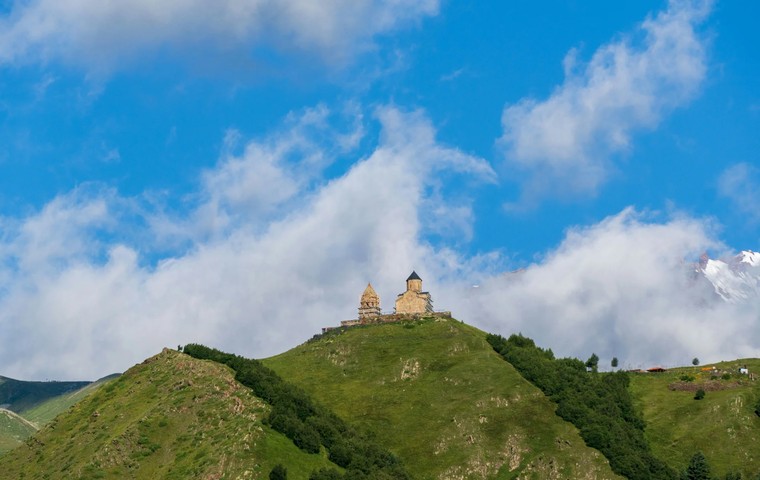
Best Day Trips from Tbilisi: 7 Tours from $13 (2026 Guide)
Kazbegi, Kakheti wine country, Mtskheta, Vardzia – the day trips locals actually recommend, with honest prices, timing and pitfalls most guides skip.
April 21, 2026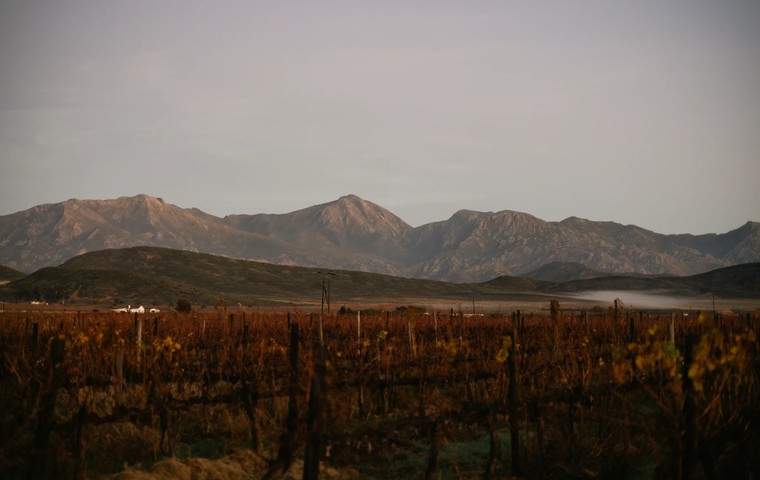
Telavi and Kakheti – Georgia's Wine Region: What to See, How to Get There, Prices
Complete guide to Telavi and Kakheti – Georgia's wine heartland. Qvevri tastings, monasteries, routes from Tbilisi, accommodation and food costs, practical tips.
February 20, 2026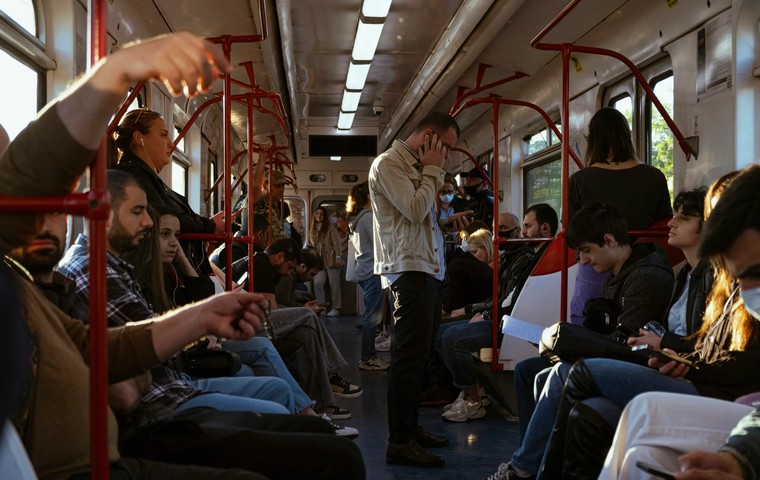
Tbilisi to Batumi Train: How to Buy Tickets Online for €12 and Skip the Queue
Stadler KISS runs the route in 5 hours from 35 GEL in 2nd class. Where to book online, which class is actually worth it, and why the morning train beats the evening one.
April 26, 2026
Georgia in July: +30 °C Heat, +26 °C Sea & Real Trekking Conditions
Tbilisi hits +34 °C, Batumi gets thunderstorms, and mountain snow cleared a week ago. Where to actually go, what it costs in 2026, and what to skip.
April 21, 2026
Kutaisi – What to See & Is It Worth Visiting? A Guide to Georgia's Second City
Kutaisi isn't a resort – it's a 3,000-year-old city with UNESCO monasteries, epic canyons 30 minutes away, and prices half of Tbilisi. Here's who should visit and who should skip it.
March 25, 2026
Georgia in June: +27°C, Early Season Prices & What to Really Expect
June is Georgia's sweet spot – warm weather without peak crowds, Batumi sea reaching 23°C, and hotel prices 20–30% below midsummer peaks. Here's the honest picture.
March 20, 2026