Hero background

Abanotubani

აბანოთუბანი

Historic sulfur bathhouse district from the 5th century – the place where Tbilisi began

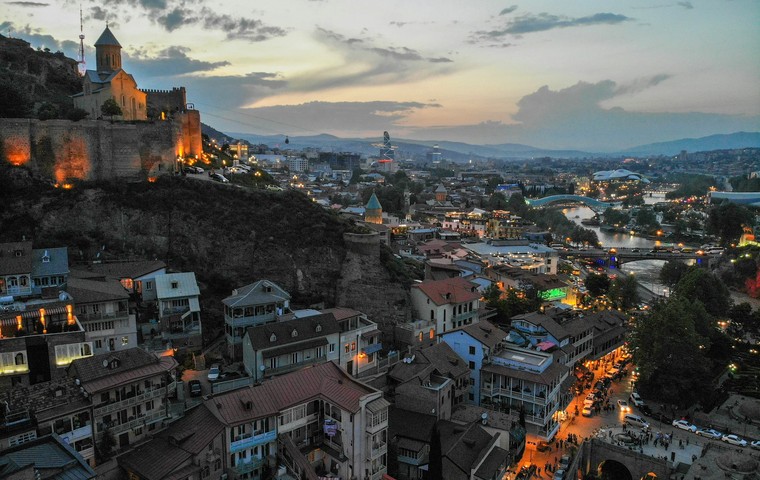
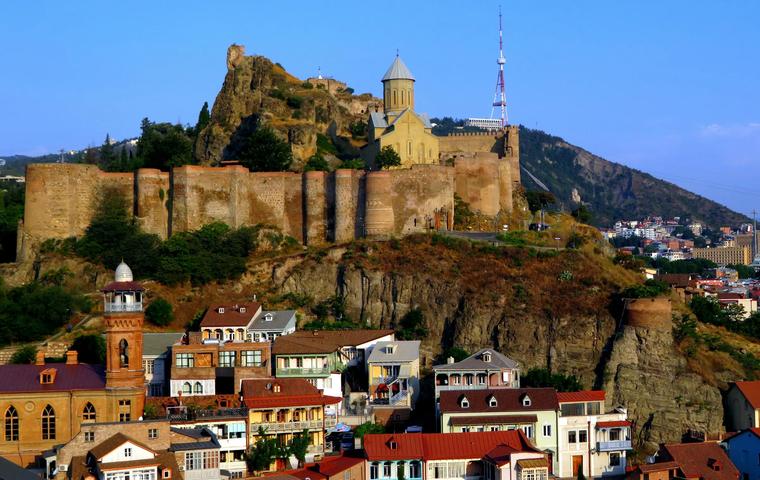
Abanotubani (Georgian: აბანოთუბანი – literally "bath district") is the oldest neighbourhood in Tbilisi, located on the right bank of the Kura River at the foot of Narikala Fortress. According to legend, King Vakhtang Gorgasali discovered the hot sulfur springs here in the 5th century, leading to the founding of the city. The very name "Tbilisi" comes from the Georgian word "tbili" – "warm."

The district sits within the pedestrian zone of Old Tbilisi, a 10-minute walk from Freedom Square. Nearest metro – Avlabari (15 minutes on foot). A Bolt taxi from the centre costs 5–8 GEL (~$2–3).

Walking through the district is free, open 24/7. Allow 30–40 minutes for a stroll without visiting a bathhouse. With a bath session – 1.5–2.5 hours.

Location

On the Map

About

What's Here

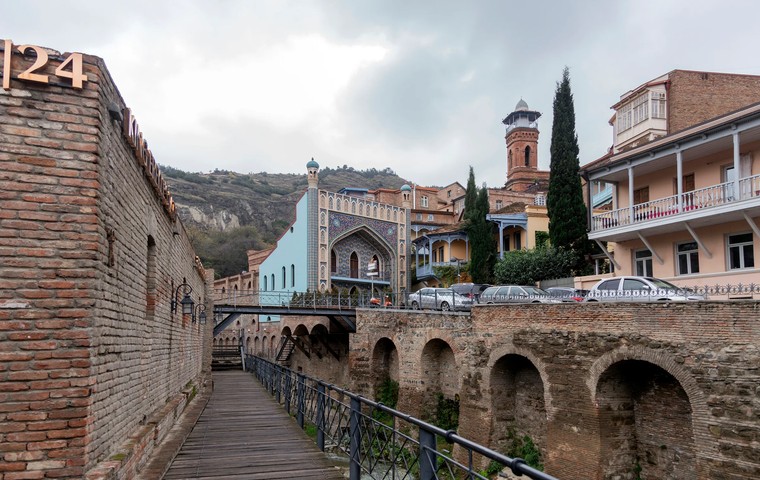
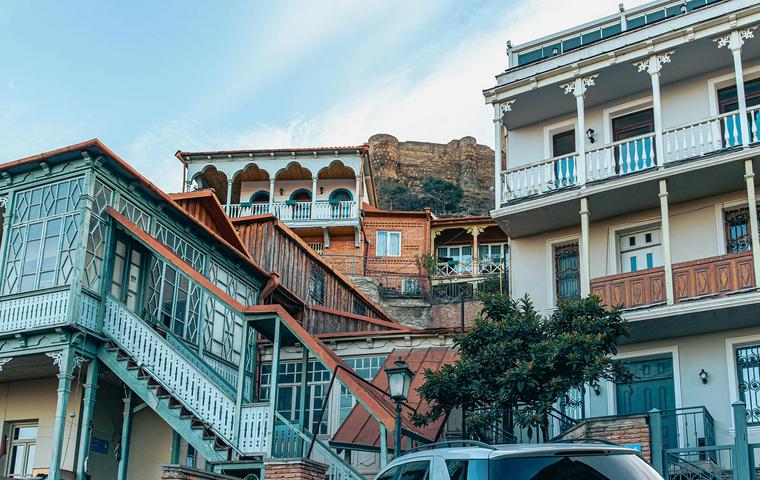
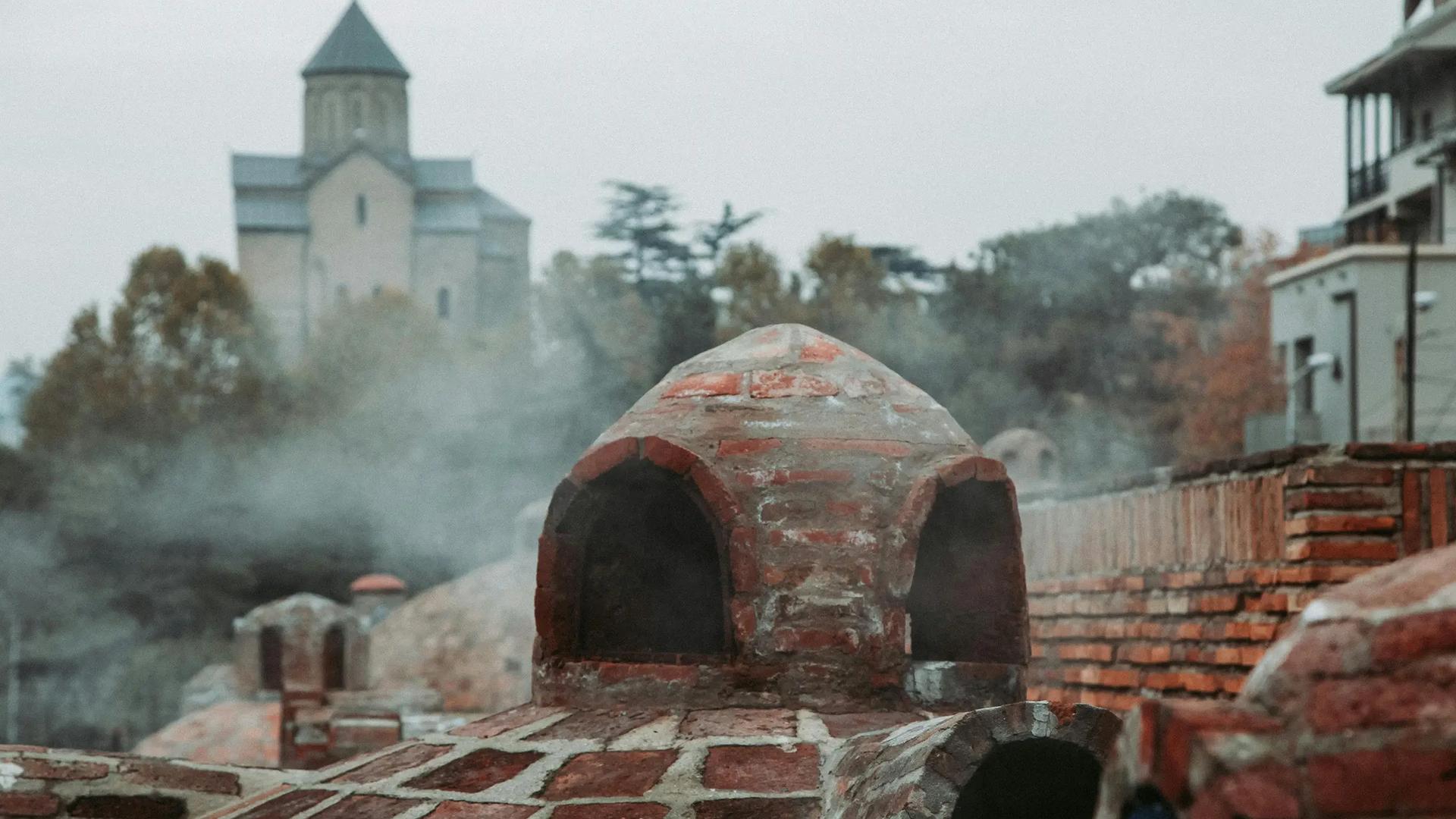
Abanotubani is a compact district along Abano, Grishashvili, and Akhundov Streets, lined with bathhouse complexes dating from the 17th–19th centuries. The architectural signature of the area is the brick domes rising from the ground: the semi-underground halls are covered by vaults with openings for steam and light. The most photogenic façade belongs to Chreli Abano (Colourful Bath, also known as Orbeliani Baths): blue mosaic tilework in a Persian style with arches and ornamental patterns, often mistaken for a mosque. The building was constructed in 1893 inspired by earlier baths; the facing was renewed in 1984 by Uzbek craftsmen.

Inside the baths, private rooms contain pools of hot sulfur water (38–40°C / 100–104°F), stone slabs for the traditional "kisi" scrub, and showers. Higher-end rooms include cold plunge pools, Finnish or Turkish saunas, and lounge areas with sofas. The water comes directly from thermal springs, and the hydrogen sulfide smell is noticeable well before you reach the district. The "kisi" scrub – a vigorous exfoliation with a coarse glove performed by a mekise (attendant) – removes dead skin and leaves the body smooth.

Beyond the baths, the district rewards a short walk to the Leghvtakhevi Gorge with a small waterfall (5 minutes on foot), up the stairs to the Juma Mosque – the only mosque in Tbilisi surviving from the 1840s – and further up to Narikala Fortress.

Why Visit

The Highlights

Age – hot sulfur springs known since the 5th century, operating bathhouses since the 17th–18th centuries

Water temperature – 38–40°C (100–104°F), natural thermal water rich in sulfur, calcium, and magnesium

Chreli Abano – Persian-style mosaic facade (1893), the most photographed building in Abanotubani

Famous visitors – Alexander Pushkin, Alexandre Dumas, and Anton Chekhov bathed here in the 19th century

Number of baths – around 10 operating establishments, from budget communal halls to luxury private rooms

Kisi – traditional Georgian exfoliation scrub with a coarse glove, 10–20 GEL (~$4–8)

History

Past & Present

The sulfur springs at this site were known long before the city's founding. According to legend, in the 5th century King Vakhtang Gorgasali discovered a hot spring during a hunting trip when his falcon (or a shot pheasant, depending on the version) fell into boiling water. The king was so impressed that he ordered a city built on the spot. By the 13th century, Abanotubani had 65 bathhouses, described by Marco Polo for their therapeutic properties. The baths served not only for hygiene but as social hubs: business deals were struck, marriages arranged, and civic matters debated within their steamy chambers.

After the devastating invasion by Persian Shah Agha Mohammad Khan in 1795, the city and its baths suffered severe damage. Most current buildings date from the 17th–19th centuries. Chreli Abano was built in 1893; its mosaic façade was renewed in 1984. In 2017, Chreli Abano underwent major renovation and reopened as a modern spa complex with period interiors. Today, around 10 bathhouses in the district serve hundreds of tourists and locals daily.

For Visitors

Visitor Information

Tickets & Prices

Walking the district is free.

Sulfur baths (price per room/hour):

Communal halls (gender-separated):

Bathhouse No. 5: 6–10 GEL (~$2–4)

Mirzoev Bath: ~20 GEL (~$8)

Private rooms:

Bathhouse No. 5: 70–110 GEL (~$27–42)

Gulo's Thermal Spa: 100–250 GEL (~$38–95)

Royal Bath: 40–80 GEL (~$15–30)

Chreli Abano (Orbeliani): 120–600 GEL (~$45–225)

Extras:

Kisi (scrub): 10–20 GEL cash to the mekise

Massage: from 40 GEL

Towel rental: 3–5 GEL

Most baths accept card payments. Kisi is cash only. Advance booking recommended, especially at Chreli Abano (via chreli-abano.ge or email).

Rules & Restrictions

In private rooms, swimwear is optional – your choice. In communal halls, bathing is gender-separated, typically without swimwear. Do not stay in hot water for more than 10–15 minutes at a time. Drink water before and after. Contraindications: acute skin conditions, heart problems – consult your doctor. Children are welcome in private rooms, but the hot water may be uncomfortable for young kids. The hydrogen sulfide smell is strong but normal.

On-Site Facilities

Inside the baths:

Each private room has a shower, toilet, and changing area. Higher-end rooms include sauna, cold plunge, and a lounge with sofas. Some baths (Chreli Abano) offer tea, drinks, Wi-Fi, and TV in the room.

In the district:

Restaurants and cafés within 2–3 minutes' walk (average meal 25–40 GEL / $10–15). Souvenir shops. Free mineral water drinking fountains on Abano Street.

Parking: Extremely limited – narrow streets and pedestrian zones. Come on foot or by taxi.

Accessibility: Most baths have steps at the entrance. Limited access for visitors with reduced mobility – check with the specific bathhouse.

Getting There

Transport & Directions

From central Tbilisi:

– On foot from Freedom Square – 10–12 minutes via Kote Abkhazi and Sioni Streets to Meidan Square.

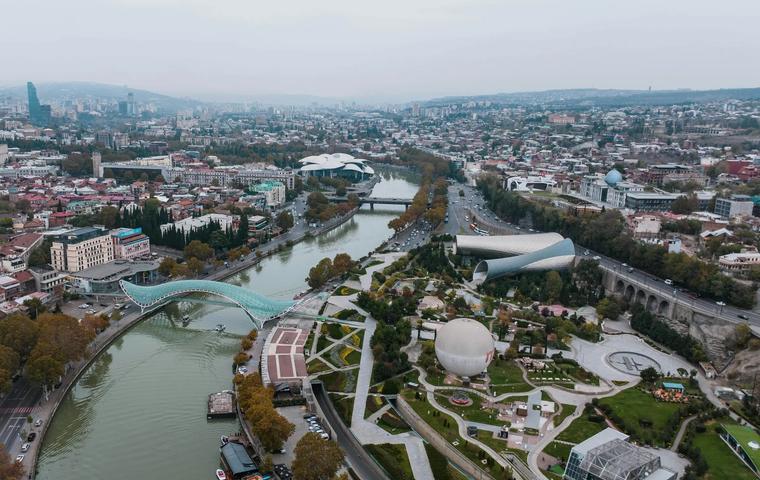
– On foot from the Bridge of Peace – 8–10 minutes along the embankment through Meidan Square.

– Avlabari metro – 15 minutes on foot across the bridge and downhill.

– Bolt taxi – 5–8 GEL (~$2–3) from anywhere in the centre.

From Narikala Fortress:

– On foot downhill – 7–10 minutes via stairs past the Juma Mosque.

On site:

The district is compact – all bathhouses are within a 200 m radius on Abano and Grishashvili Streets.

When to go

Best time to visit

Season: Year-round. In winter (November–March), the sulfur baths are especially pleasant in cool weather. Summer can be hot in the district – come in the morning or evening.

Time of day: Morning (before 11:00) – shorter queues at the baths. Evening (after 18:00) – atmospheric dome lighting. For photos of the Chreli Abano façade – morning light works best.

Duration: 30–40 minutes for a walk through the district. 1–1.5 hours for a standard bath session. Full visit with strolling and bathing – 2–3 hours.

Avoid: Weekend evenings in high season (May–September) – book baths in advance.

FAQ

Common Questions

Communal halls start at 6 GEL (~$2). Private rooms from 70 GEL (~$27) per hour. At Chreli Abano from 120 GEL (~$45). Kisi scrub – 10–20 GEL in cash.

At Chreli Abano – yes, especially for evenings and weekends. Book via chreli-abano.ge or email. At Bathhouse No. 5 and Gulo's, walk-ins are accepted, but expect queues in peak season.

In private rooms – your choice: swimwear or without. For the kisi scrub, you'll need to be undressed. In communal halls, bathing without swimwear is the norm; halls are gender-separated.

Standard session is 1 hour. Don't soak continuously for more than 10–15 minutes – alternate with showers and rest. Stay hydrated.

Kisi is a traditional Georgian exfoliation with a coarse glove. A mekise (attendant) vigorously scrubs your entire body, removing dead skin. It's intense but leaves your skin remarkably smooth. Costs 10–20 GEL, paid in cash.

Private rooms work for families. However, the hot water (38–40°C / 100–104°F) may be uncomfortable for young children, and the strong sulfur smell isn't for everyone. Walking around the district has no restrictions.

Georgian restaurants and cafés line Grishashvili Street and Meidan Square, 2–3 minutes on foot. Average meal 25–40 GEL ($10–15) per person. Wine bars and street food are also available.

Leghvtakhevi Gorge with its waterfall – 5 min walk. Juma Mosque – on the path up to Narikala Fortress. Meidan Square with its underground bazaar. The riverbank and Bridge of Peace – 8 minutes away.

Distance

Travel Time

From Tbilisi by taxi or transfer ~10 min.
From Mtskheta by car ~29 min.
From Telavi by car ~1 h 30 min.
From TBS airport (Tbilisi Airport (TBS)) by car ~18 min.
From KUT airport (Kutaisi Airport (KUT)) by car ~4 h 55 min.
Social

Share