Tickets & prices
Fortress grounds:
Free entry, open at all times.
Museum (palace-bell tower):
Adults: 3 GEL (~$1)
Children under 12: free
Museum hours: daily 10:00–18:00, closed Mondays. Photography included in the ticket.
გრემი
A 16th-century royal fortress – former capital of the Kingdom of Kakheti on the Silk Road
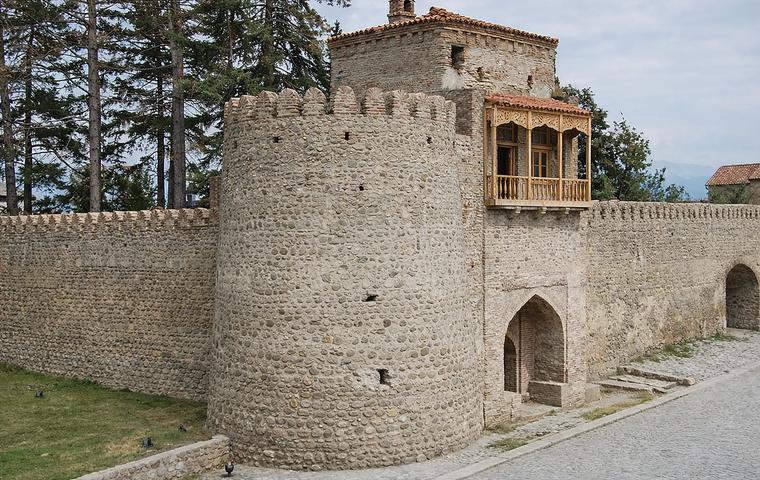
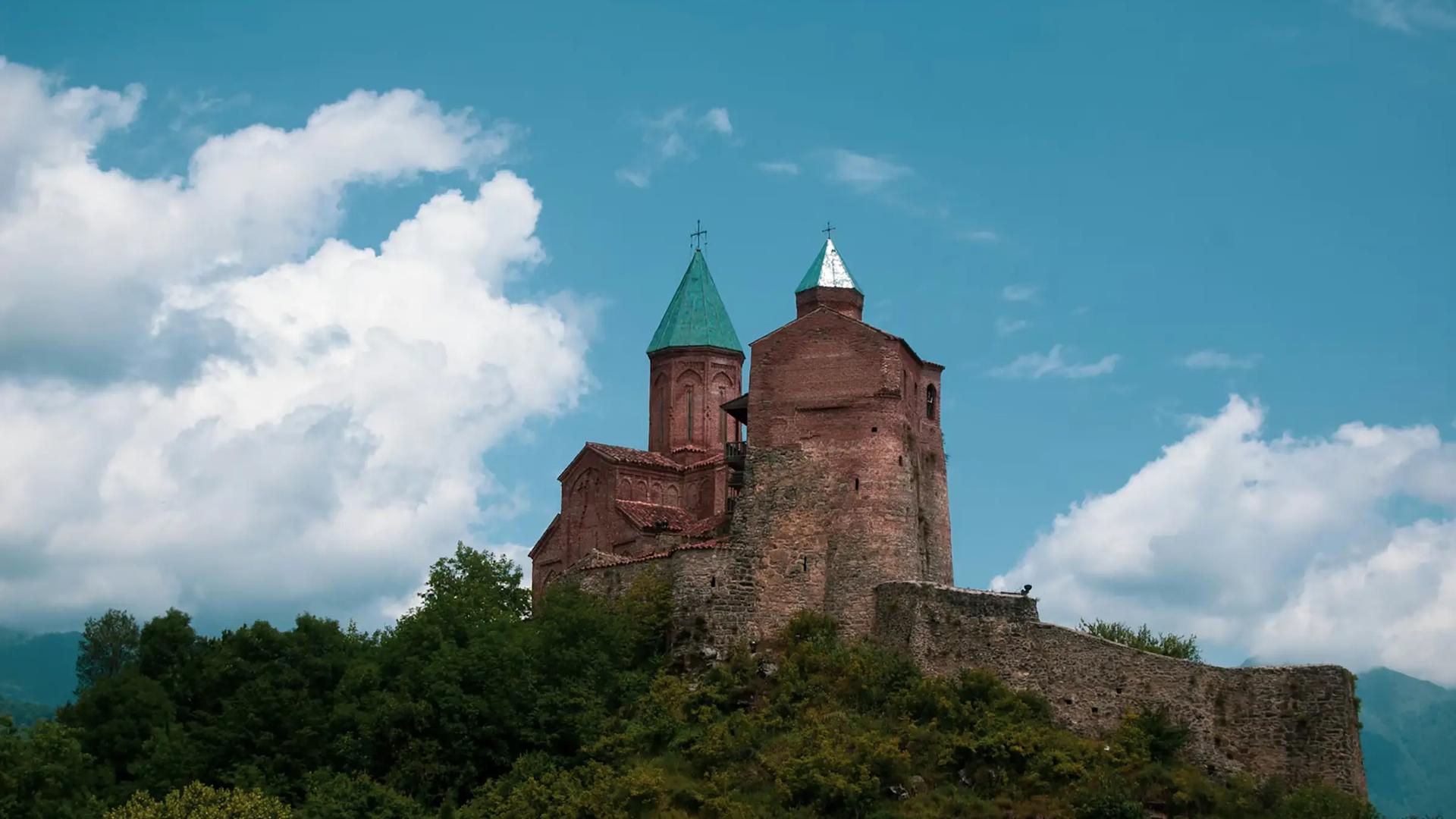
Gremi is a 16th-century architectural complex in Kvareli Municipality, Kakheti, 20 km northwest of Telavi. On a rocky hill above the Alazani Valley stand the Church of the Archangels Michael and Gabriel (1565), a three-story palace-bell tower, and defensive walls. The complex is all that remains of the town of Gremi, capital of the Kingdom of Kakheti from 1466 to 1616. The former town covered approximately 50 hectares.
From Telavi, Gremi is 20 km along the road toward Kvareli – a 20–25-minute drive. Shared minibuses (marshrutkas) on the Telavi–Kvareli route pass directly at the base of the fortress. You can also take a taxi (15–20 GEL / ~$6–7) or rent a car.
Entry to the fortress grounds is free; the museum inside the palace costs 3 GEL (~$1). Allow 40–60 minutes for the visit. Suitable for all ages – the walk up the hill takes just 5–7 minutes on a gentle path.
The Gremi complex sits atop a rocky ridge and is visible from the Telavi–Kvareli highway several kilometers away. The Church of the Archangels is a cross-domed structure built of dressed stone with three entrances (west, south, north). Its proportions are atypical for Georgian churches – the building stretches upward, reflecting the influence of 16th-century Persian architecture. Inside, frescoes from 1577 survive with biblical scenes and portraits of King Levan and Queen Tinatin. The tomb of the founder, King Levan, is located to the right of the main entrance.
Beside the church stands the three-story palace-bell tower. The lower floors served as the royal residence; the top level functioned as a belfry. Today it houses a museum with archaeological finds: medieval ceramics, weapons (16th-century cannons and bows), Bronze Age jewelry, and 15th-century water pipes. From the fortress walls, the panorama stretches across the Alazani Valley with its vineyards and the Caucasus Range on the horizon. On clear days, snow-capped peaks are visible.
At the base of the hill lie the ruins of the trading town: fragments of a caravanserai, bathhouses, a market square, and Matarsa Church (1593–1595). Near the road stands a large portrait of Kakhetian Queen Ketevan, who was tortured to death by Shah Abbas in 1624 for refusing to convert to Islam.
Status – on the UNESCO World Heritage tentative list since 2007
Age – church built in 1565, frescoes completed in 1577
Territory – the former town covered approximately 50 hectares with up to 100,000 residents
Architecture – a blend of Georgian stone masonry and 16th-century Persian style
Museum – over 2,000 exhibits, including Bronze Age artifacts and medieval weapons
Location – panoramic views of the Alazani Valley and Caucasus Range from the fortress walls
The town of Gremi was founded in the 15th century by King George I, the first ruler of the independent Kingdom of Kakheti. Under King Levan (r. 1520–1574), the town became the capital and a major trading hub on a branch of the Silk Road. In 1565, Levan built the Church of the Archangels and the palace-bell tower on the hilltop. The town below expanded to 50 hectares: markets, caravanserais, bathhouses, artisan quarters. At its peak, the population reached an estimated 100,000.
In 1615, the armies of Persian Shah Abbas I razed the town to the ground. Gremi never recovered, and in the mid-17th century the Kakhetian capital was moved to Telavi. The hilltop citadel survived – the walls, church, and palace stand to this day. The complex has been a museum-reserve since 1975. Recent decades have seen restoration of the walls, towers, and church frescoes.
Fortress grounds:
Free entry, open at all times.
Museum (palace-bell tower):
Adults: 3 GEL (~$1)
Children under 12: free
Museum hours: daily 10:00–18:00, closed Mondays. Photography included in the ticket.
The church is an active place of worship. Dress code: covered shoulders and knees. Women should wear a headscarf (available at the entrance). Photography inside the church – no flash. Photography is unrestricted on the fortress grounds. The path up the hill is uneven – comfortable shoes recommended.
Minimal infrastructure. Restrooms at the parking area below. Small cafés and souvenir stalls at the base of the hill. Free parking by the highway, 15–20 spaces. Mobile coverage (4G) works well. No Wi-Fi. The walk up the hill takes 5–7 minutes on a gentle path, manageable for most visitors. No ramps – difficult for visitors with limited mobility.
From Telavi (20 km, 20–25 min):
– Shared minibus (marshrutka) to Kvareli – 2 GEL (~$0.75), stops right at the fortress
– Taxi – 15–20 GEL (~$6–7) one way
– Car rental – free parking at the base
From Tbilisi (150–175 km, 2.5–3 hours):
– By car via Gombori Pass or via Sagarejo–Gurjaani
– No direct minibuses – connect through Telavi or Kvareli
– Convenient to combine with a Kakheti day tour
On site:
From the roadside parking to the citadel – 5–7 minutes uphill on foot.
Season: April–October for comfortable weather. Autumn (September–October) is ideal: grape harvest in the valley, soft light.
Time of day: Morning (before 11:00) or evening (after 16:00) – fewer tour groups and better light for photos.
Duration: 40–60 minutes for the citadel and museum. Including the trading town ruins below – 1.5 hours.
Avoid: Summer weekends at midday (July–August) – hot (+35°C / 95°F) and crowded.
Practical answers about visiting, routes and time on site.
The fortress grounds are free. The museum inside the palace-bell tower costs 3 GEL (~$1). The museum is closed on Mondays.
40–60 minutes for the citadel, church, and museum. If you explore the trading town ruins at the base – about 1.5 hours.
The Telavi–Kvareli shared minibus (marshrutka) stops right at the base of the fortress. Fare is 2 GEL (~$0.75), departing from Telavi bus station.
Yes, but without flash. In the courtyard and on the fortress walls – no restrictions.
Yes. The hill climb is gentle, taking 5–7 minutes. Children enjoy the museum with its weapons and climbing the tower floors.
Comfortable shoes with non-slip soles. The path up the hill is rocky, and the palace interior has steep staircases.
18 km away is Alaverdi Monastery (11th century). 15 km toward Kvareli – wineries with tastings. Easy to combine in a single day trip.
No organized tours on site. Museum panels are in Georgian and English. For a detailed tour, book a guide in advance through tour services.
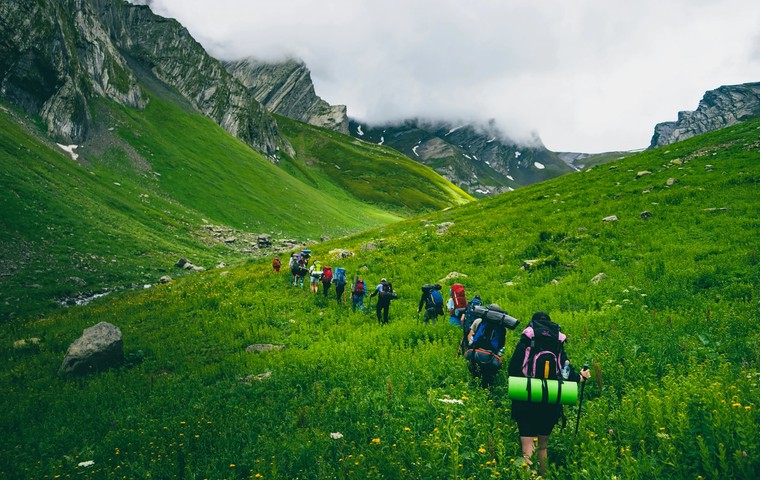
Tbilisi hits +34 °C, Batumi gets thunderstorms, and mountain snow cleared a week ago. Where to actually go, what it costs in 2026, and what to skip.
April 21, 2026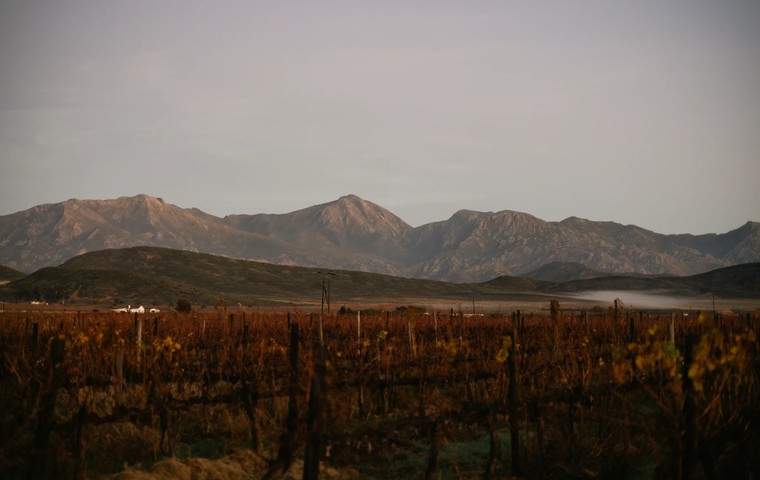
Complete guide to Telavi and Kakheti – Georgia's wine heartland. Qvevri tastings, monasteries, routes from Tbilisi, accommodation and food costs, practical tips.
February 20, 2026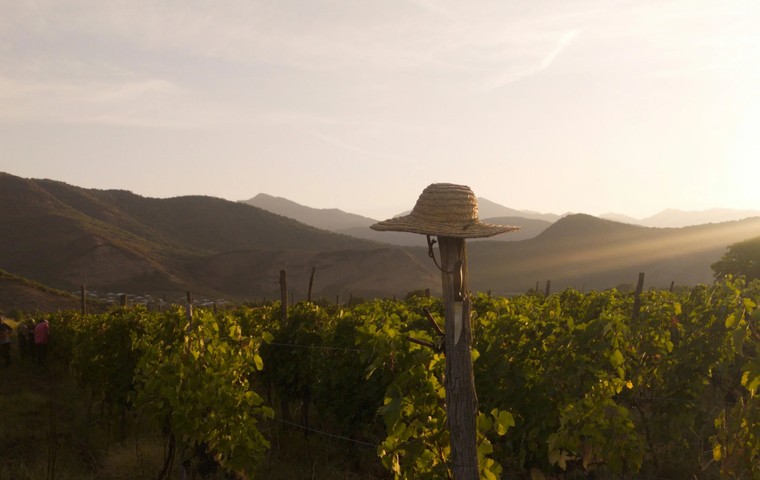
Georgia has 8,000 years of winemaking and group tours from $14. Kakheti, Imereti, Racha – where to find authentic qvevri wines beyond the tourist trail.
March 15, 2026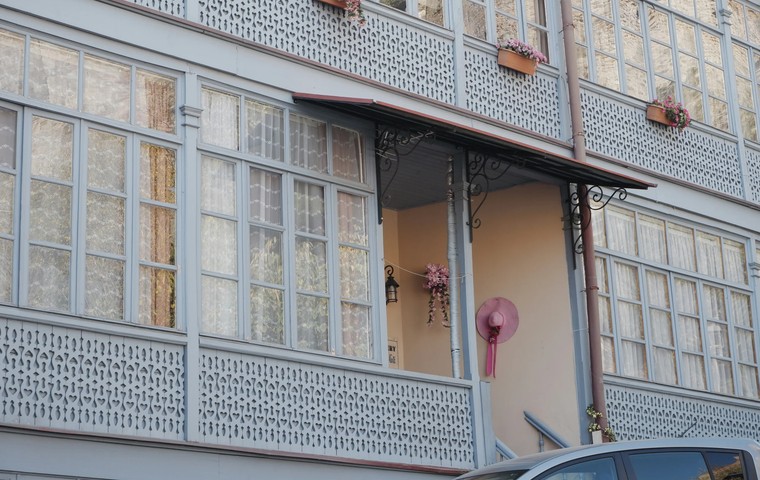
Where to rent atmospheric apartments in Georgia – Tbilisi, Batumi, Kazbegi, Sighnaghi. Prices, neighborhoods, booking tips and hidden rental pitfalls.
February 27, 2026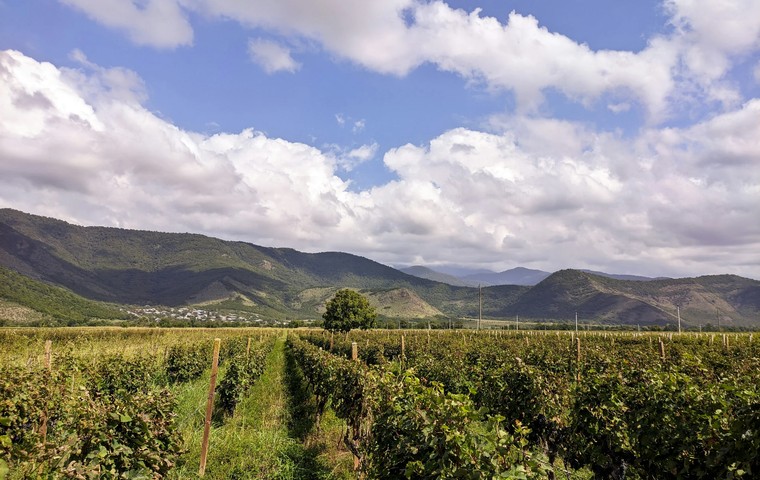
Complete guide to Kakheti and Telavi: wineries, monasteries, transport from Tbilisi, accommodation prices, wine tastings, and practical tips for independent travelers.
March 06, 2026
Georgia in May – a complete guide covering weather in Tbilisi and Batumi, sea temperature, up-to-date prices for accommodation and food, top things to do, and practical travel tips.
February 20, 2026