In detail
What's here
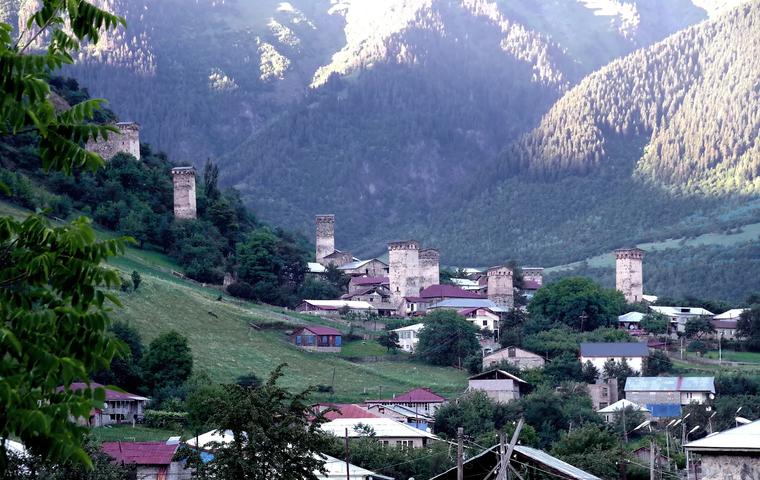
Ushguli looks like a page from a medieval chronicle. Stone houses with slate roofs huddle against the hillsides, punctuated by Svan towers from the 9th–12th centuries – square, rough-hewn stone structures standing 20–25 m tall. Chazhashi alone has over 200 of them. Each family built its own tower as both dwelling and fortress.
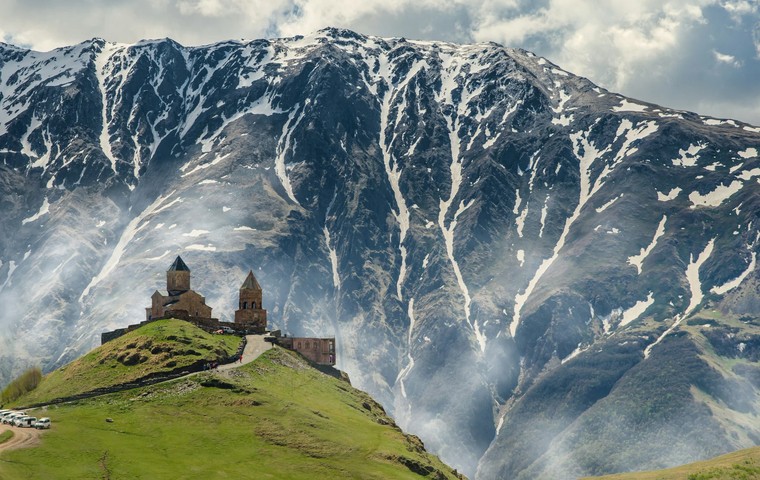
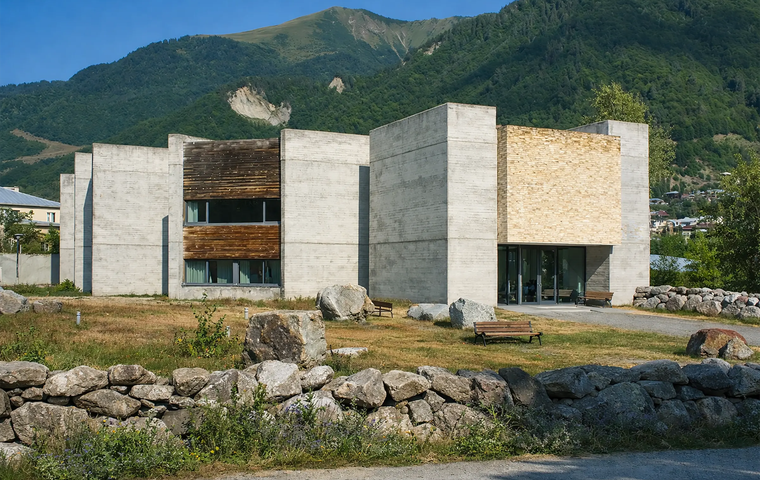
Zhibiani is the highest village (2,100 m). On the hill above it stands Lamaria Church (9th–10th century) with fragments of medieval frescoes. From the church platform, the view spans all four villages and the snow-covered wall of Shkhara. The Enguri River glints below. Chazhashi houses an ethnographic museum with household objects from medieval Svaneti.
From Ushguli, you can hike to the Shkhara glacier – 8 km one way along the Enguri valley (5–7 hours round trip). Horses can be rented from locals. The villages have several cafés serving Svan cuisine (kubdari meat pie, tashmjabi potato-cheese mash) and guesthouses with full board.
Highlights
Why visit
Altitude – 2,060–2,200 m, one of the highest permanently inhabited settlements in Europe
UNESCO – World Heritage Site since 1996 (Upper Svaneti)
Svan towers – over 200 defensive towers from the 9th–12th centuries in Chazhashi village
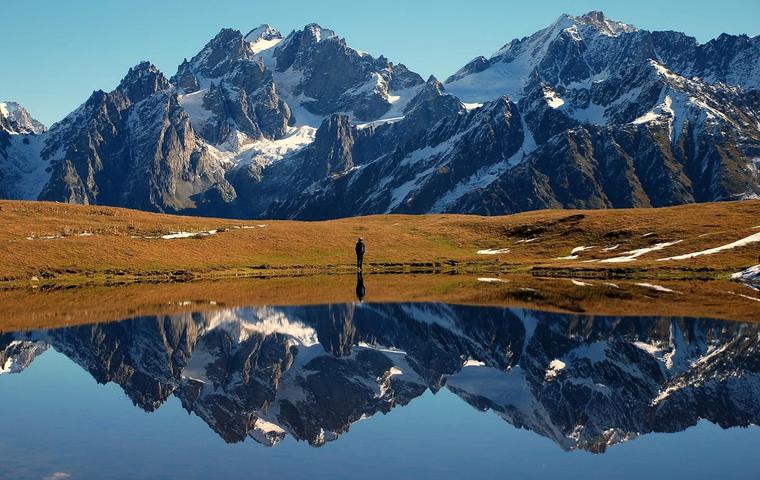
Shkhara – Georgia's highest peak (5,201 m) rises directly behind the village
Lamaria Church – 9th–10th century temple on a hilltop with surviving frescoes
Isolation – cut off from the outside world by snow for 6 months a year (November–April)
History
Past & present
Ushguli dates to the early medieval period – the first stone structures go back to the 9th–10th centuries. Thanks to its inaccessibility, the community remained free and ungoverned. The name is linked to the expression meaning "fearless heart." According to legend, seven noblemen who tried to impose rule over Ushguli were killed by the villagers. The towers served simultaneously as homes and fortifications.
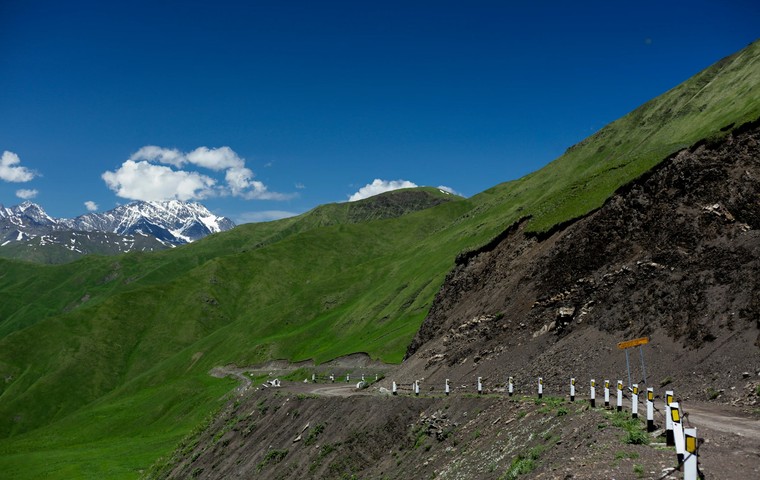
Ushguli still contains the so-called "summer and winter residences of Queen Tamar" – towers that differ architecturally from the rest. Until recently, the only way to reach the community was on foot or horseback. A new road from Mestia, fully sealed by 2024, made Ushguli accessible for day trips. Tourism has become the main income source, though the traditional way of life – herding and hunting – persists for now.
Getting there
Transport & directions
From Mestia (45 km, 1.5–2 hours):
– Shared minibus (marshrutka) – 20–40 GEL (~$7–14), morning departure from the main square (book a seat the day before)
– Taxi/jeep – 150–200 GEL (~$54–72) per car
– Jeep tour via agencies – from $50–80/person (including stops along the way)
– Trek from Mestia – 4 days via Jabeshi, Adishi, and Iprali; season June–October
Returning from Ushguli:
Taxi 40–50 GEL/person (at the bridge at the village entrance). Return minibuses run irregularly. Arrange through your guesthouse host.
From Tbilisi:
First get to Mestia: marshrutka 50 GEL, 9–10 hours, or Vanilla Sky flight 90 GEL (~$32), 30 min from Natakhtari Airport (4 flights per week; frequently cancelled due to weather).