Hero background

Svan Towers

სვანური კოშკები

Medieval defensive towers from the 9th–12th centuries – the symbol of Svaneti and a UNESCO site

Svan towers (koshkebi) are stone defensive structures scattered across the Upper Svaneti region. The highest concentration is in Mestia and Ushguli. Most were built between the 9th and 12th centuries, during the Golden Age of the Georgian Kingdom. Around 175 towers survive in the region. Upper Svaneti with its towers has been a UNESCO World Heritage Site since 1996.

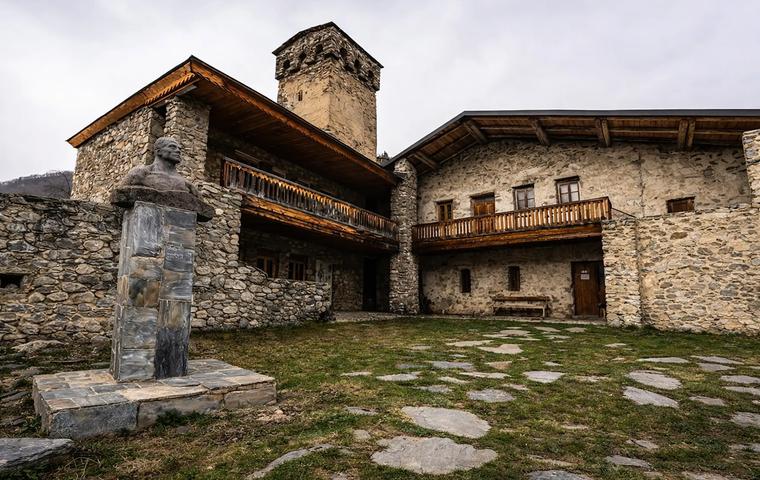
The towers cluster in several communities of Mestia: Lekhtagi, Lagami, and Lanchvali have the densest groupings. For a deeper look into Svan daily life, visit the Margiani House Museum, where a tower is open for climbing.

Viewing the towers from outside is free – they stand right among residential houses. Allow 1.5–2 hours for a walk through the main tower quarters. Climbing individual towers costs from 3 GEL (~$1/€1).

Location

On the Map

About

What's Here

Svan towers are square stone structures roughly 5×5 meters at the base, reaching up to 25 meters in height. The walls taper upward, giving each tower a distinctive conical silhouette. Each has 3–5 storeys with wooden floors inside. The top floor features narrow window openings used for observation and defence. The towers were built using dry stone masonry with little or no mortar – a technique that has held for centuries. There are no chimneys or hearths inside – these were not built for permanent habitation.

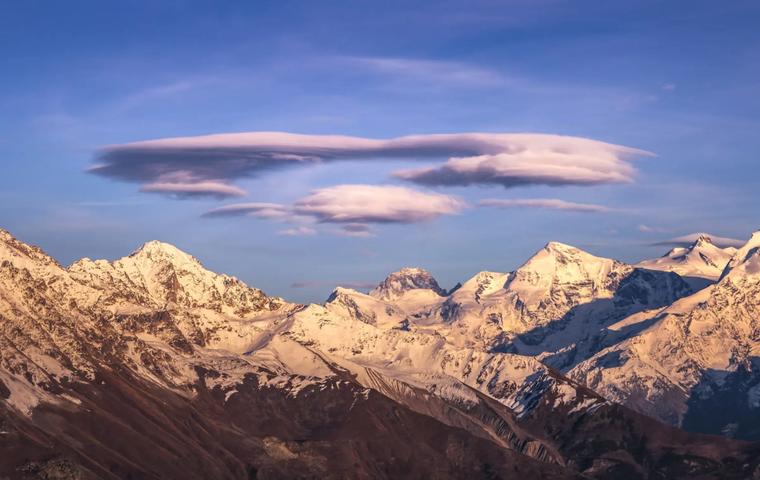
In Mestia, the towers stand among residential houses, farm buildings, and garden plots. The contrast of medieval stone against the snow-capped Caucasus peaks behind them creates Svaneti's iconic skyline. On clear days, the glaciers of Ushba (4,710 m) and Tetnuldi (4,858 m) are visible from the rooftops of certain towers. In the early morning, when sunlight hits the valley, the towers cast long shadows over the roofs of Svan houses – the area is nearly empty at this hour.

Several towers are open to visitors. The Margiani House Museum allows you to climb all floors and step onto the roof. Khergiani Tower on the hillside above town offers a panorama of the entire valley – entry is 3 GEL (~$1). Most towers are privately owned; some are illuminated at night.

Why Visit

The Highlights

Age – most towers date from the 9th–12th centuries; the youngest are at least 200 years old

Dimensions – standard tower is 5×5 m at the base, 20–25 m tall, with 3–5 storeys

Count – approximately 175 surviving towers in Svaneti, with the largest clusters in Mestia and Ushguli

UNESCO – Upper Svaneti was inscribed on the World Heritage List in 1996

Construction – dry stone masonry without mortar, tapering walls, no chimneys or hearths inside

Function – exact purpose debated: defence, signal beacons, storage, or symbols of family status

History

Past & Present

Svan towers were primarily built between the 9th and 12th centuries, during Georgia's Golden Age, though the origins of tower architecture in the region may reach back to prehistory. Each family erected its tower with the help of the entire village. The towers served as refuges during invasions by Persians, Mongols, and Turks, and also functioned as signal posts: when enemies approached, a fire was lit atop the main tower, the signal passed from tower to tower, and within minutes the entire valley was ready to defend itself. The number and height of towers indicated a family's influence.

After Svaneti's incorporation into the Russian Empire in the 19th century, and especially during the Soviet period, the towers lost their military function. Many fell into disrepair or were partially destroyed. In 1996, UNESCO inscribed Upper Svaneti as a World Heritage Site. Since the 2000s, restoration and conservation work has been carried out on select towers. Today most remain in private ownership, with a few open as museums.

For Visitors

Visitor Information

Tickets & Prices

Viewing towers from outside is free – they line the village streets.

Climbing inside towers:

- Khergiani Tower – 3 GEL (~$1/€1)

- Margiani House Museum (with tower) – 10 GEL (~$3.50/€3.50)

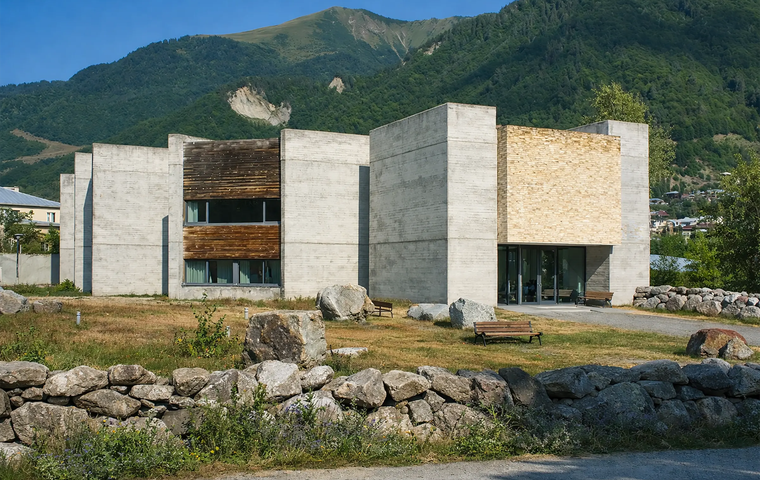
- Museum of History and Ethnography – 20 GEL (~$7/€7)

Tickets are cash only, purchased on site.

Rules & Restrictions

No special restrictions. Many towers are private property – do not enter without permission. Staircases inside towers are steep, narrow, and sometimes unstable – sturdy footwear and caution are essential. Towers are dark inside – a phone flashlight is useful. Not suitable for visitors with fear of heights or limited mobility.

On-Site Facilities

Minimal infrastructure – towers stand among residential buildings. Cafés and restaurants in central Mestia are 5–10 minutes' walk away. Toilets are available in nearby cafés or museums. Free parking along village streets. 4G coverage is stable in the settlement. Tower interiors are not equipped for visitors with mobility limitations.

Getting There

Transport & Directions

From Tbilisi (460 km, 8–10 hours):

- Shared minibus (marshrutka) from Samgori bus station – 50 GEL (~$18/€17), departing at 7:00 AM

- Train to Zugdidi (16 GEL, 6 hours) + marshrutka Zugdidi–Mestia (30 GEL, 3 hours)

- Vanilla Sky flight from Natakhtari – 90 GEL (~$33/€31), 1 hour, 4 flights per week (weather dependent)

- Car rental – road via Zugdidi is fully paved

From Kutaisi (230 km, 5–6 hours):

- Marshrutka – 40 GEL (~$15/€14), morning departure

- New road via Lentekhi (opened 2024) – shorter but winding mountain road

From Zugdidi (130 km, 3 hours):

- Marshrutka – 30 GEL (~$11/€10), several departures daily (more frequent in summer)

Within Mestia:

All main tower clusters are 5–15 minutes' walk from the central square. The Lanchvali quarter (Margiani Museum) requires a 10-minute uphill walk.

When to go

Best time to visit

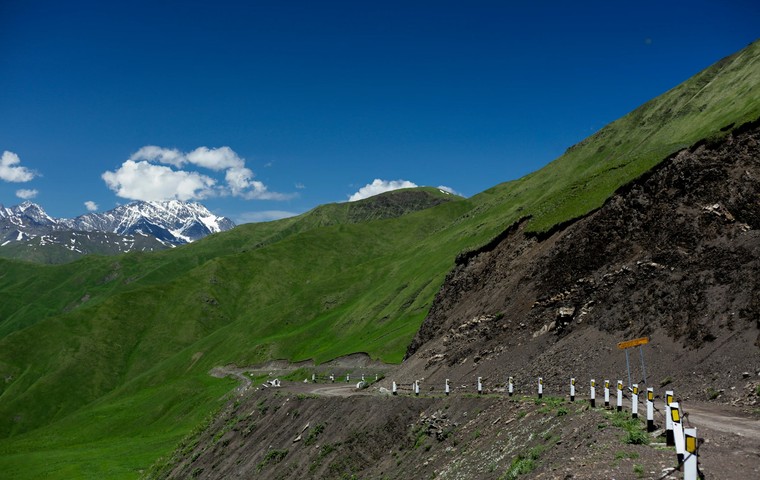
Season: June–September – warm weather, all roads open. October – autumn colours, fewer tourists. In winter (November–March) roads may close due to snow, but towers remain accessible.

Time of day: Early morning (before 9:00 AM) – soft light, empty streets. Sunset – warm tones on tower stonework. Midday (11:00 AM–4:00 PM) – tour groups.

Duration: 1.5–2 hours for a walk through the main tower quarters. With the Margiani Museum visit – 2.5–3 hours.

Avoid: July–August – peak season, crowded. Stone paths are slippery in rain.

FAQ

Common Questions

Viewing from outside is free. Climbing Khergiani Tower costs 3 GEL (~$1). The Margiani House Museum with tower entry is 10 GEL (~$3.50).

1.5–2 hours for a walk through the main quarters. With a tower climb and museum – 2.5–3 hours.

Yes, several towers are open: Khergiani Tower (3 GEL), the tower at Margiani Museum (10 GEL). Staircases are steep and narrow – use caution.

Marshrutka from Tbilisi – 50 GEL (~$18), 8–10 hours. Better option: train to Zugdidi (16 GEL) + marshrutka (30 GEL, 3 hours). Vanilla Sky flight – 90 GEL (~$33), 1 hour.

Walking among the towers – yes. Climbing inside – for children over 8–10 with supervision. Staircases are steep with no railings.

In Mestia: Lekhtagi, Lagami, and Lanchvali quarters – 5–15 minutes' walk from the central square. The largest cluster in Georgia is in Ushguli (45 km from Mestia).

Margiani House Museum – a medieval Svan house with tower. Museum of History and Ethnography – icons, manuscripts, weapons. Chalaadi Glacier – a 3–4 hour trek.

Since 2026, health insurance is mandatory for entering Georgia (minimum 30,000 GEL coverage). Sports coverage is recommended for mountain trekking.

Social

Share