
Viator★ 5.0(306)
Ljubljana Small Group Food Walking Tour
- Culture
- Food & wine
from €90View
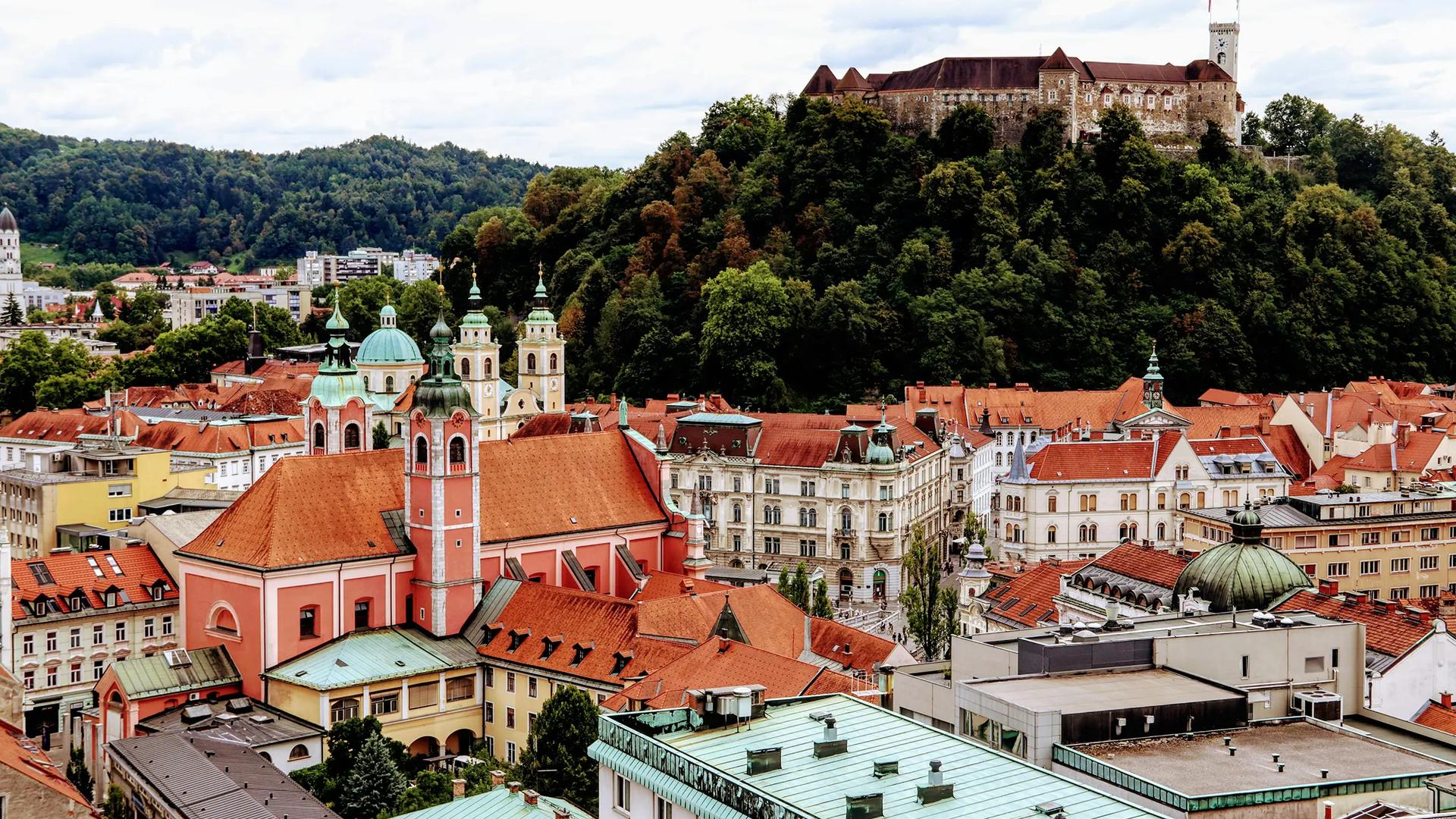
Slovenia's capital and main transport hub – compact, pedestrian-friendly, with a baroque center along the Ljubljanica river
Ljubljana is a city of 300,000, nestled between the hill topped by Ljubljana Castle and Tivoli Park. The center is almost entirely car-free: it's a ten-minute stroll from Prešeren Square to the Central Market. The Ljubljanica riverbanks are lined with cafés and bars; in summer, tables spill right to the water's edge. The city is small – two full days are enough to cover everything, including Metelkova and the Botanical Garden.
Jože Pučnik Airport (LJU) is 26 km north. Bus line 28 costs around €4 and takes 50 minutes, the Nomago shuttle is €12 for 40 minutes, and a taxi runs about €30. Ljubljana is a convenient base for day trips: buses to Bled cost €6–8 (just over an hour), to Postojna Cave about €7 (one hour). For anything beyond Bled or the Soča Valley, it's better to rent a car – public transport coverage is thin. Don't forget the motorway vignette (eVinjeta from €15 per week).
What you should not miss in the city and around it.
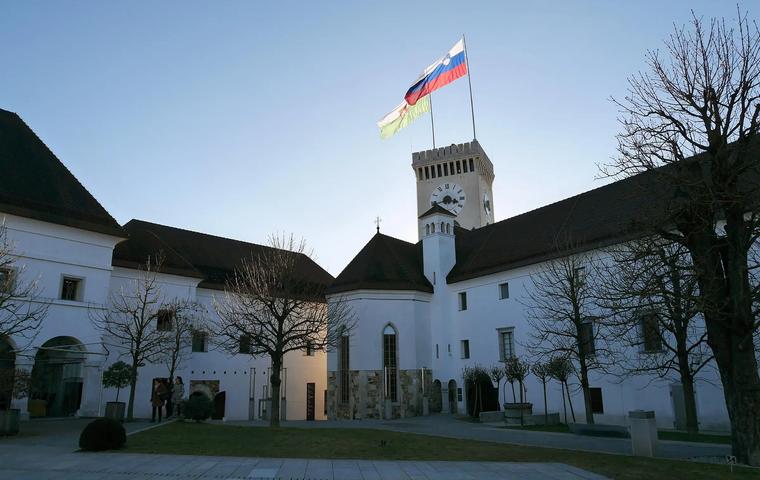
An 11th-century fortress on a hilltop above Ljubljana with a panoramic tower and funicular
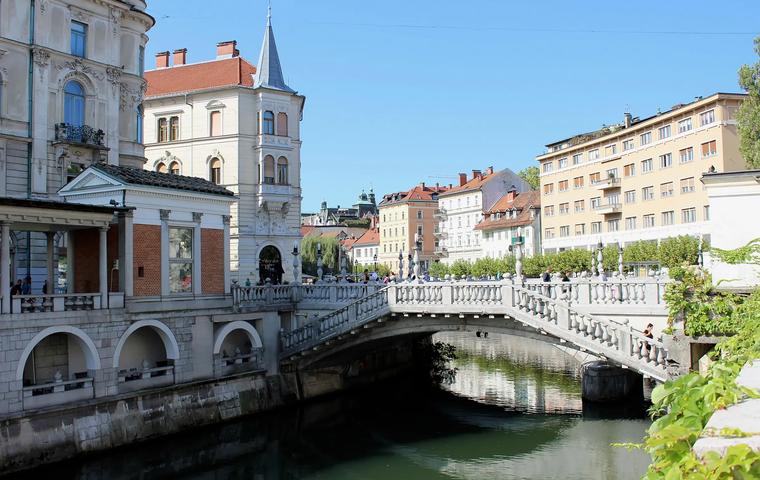
Three bridges across the Ljubljanica by Jože Plečnik – a UNESCO Heritage Site since 2021
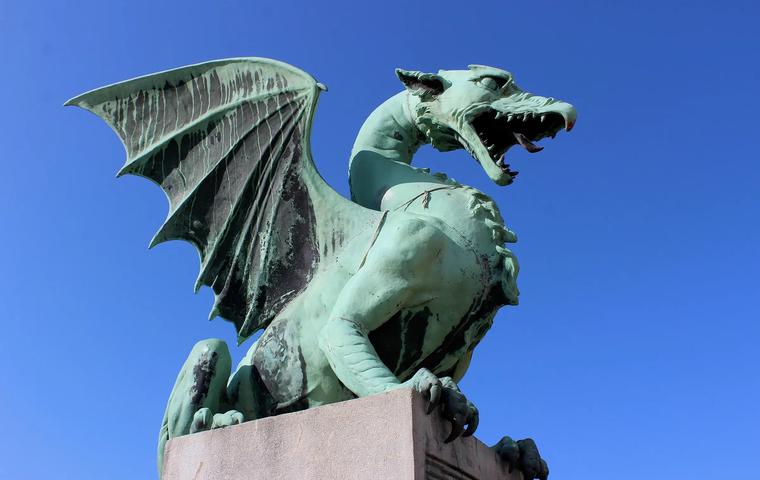
A 1901 Art Nouveau bridge with four copper dragon statues – the symbol of Ljubljana
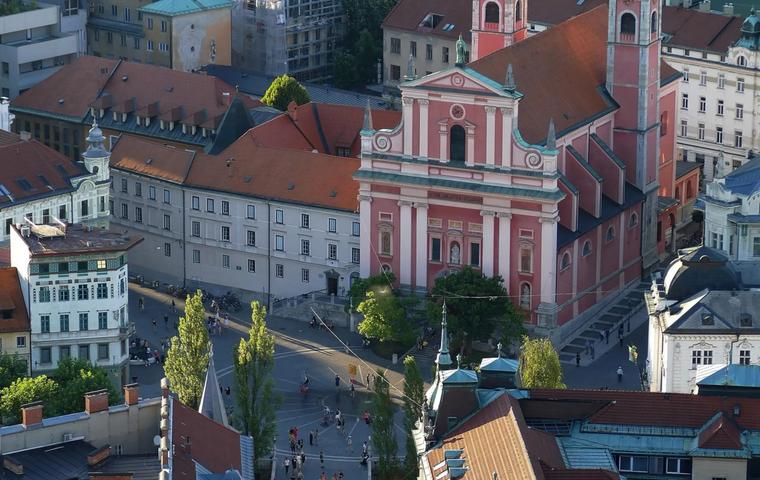
Ljubljana's central square with a monument to the national poet and Art Nouveau architecture
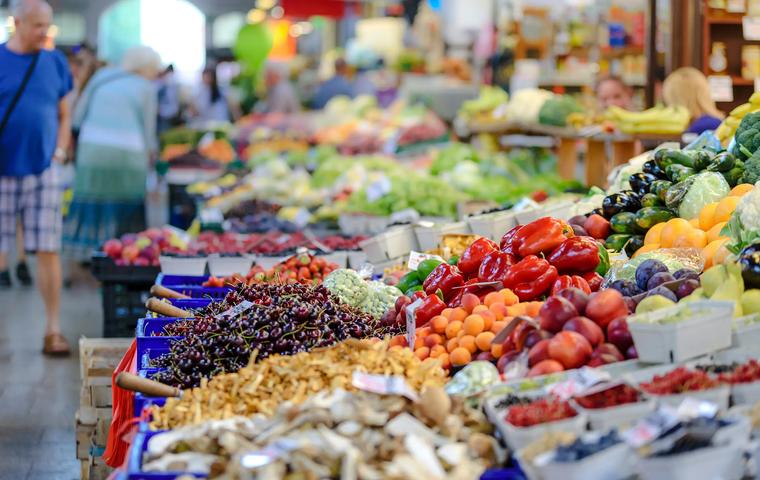
A 1940s food market designed by Jože Plečnik – a UNESCO World Heritage Site
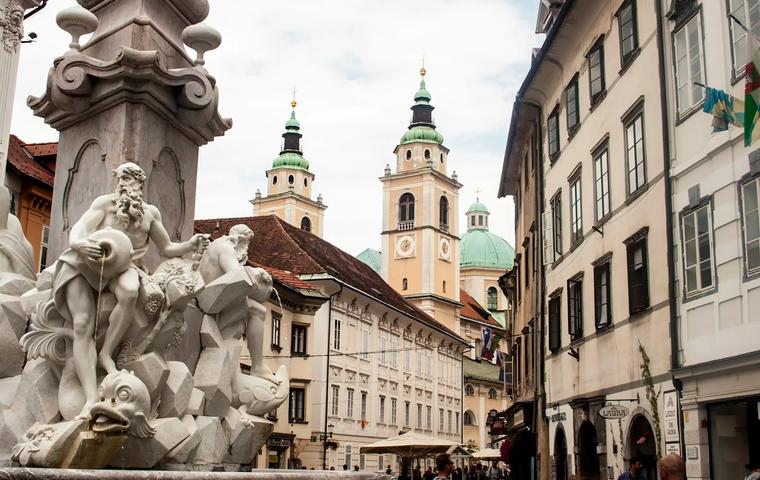
An 18th-century Baroque cathedral with a green dome and frescoes by Giulio Quaglio
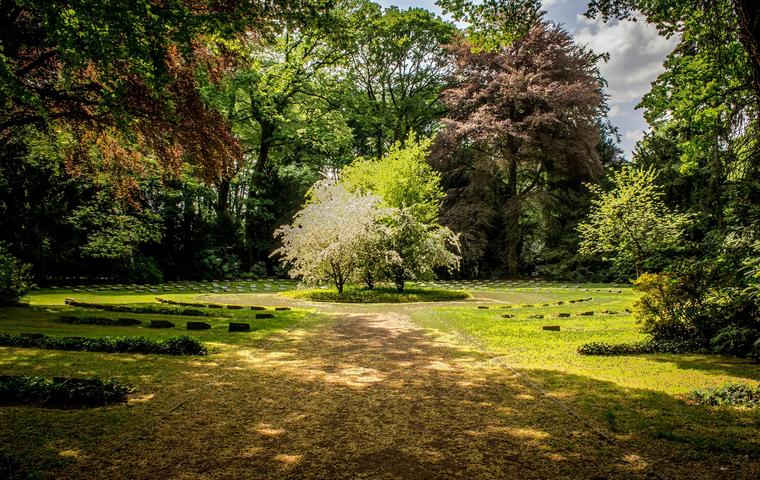
Ljubljana's largest city park spanning 5 km² – the capital's green heart since 1813
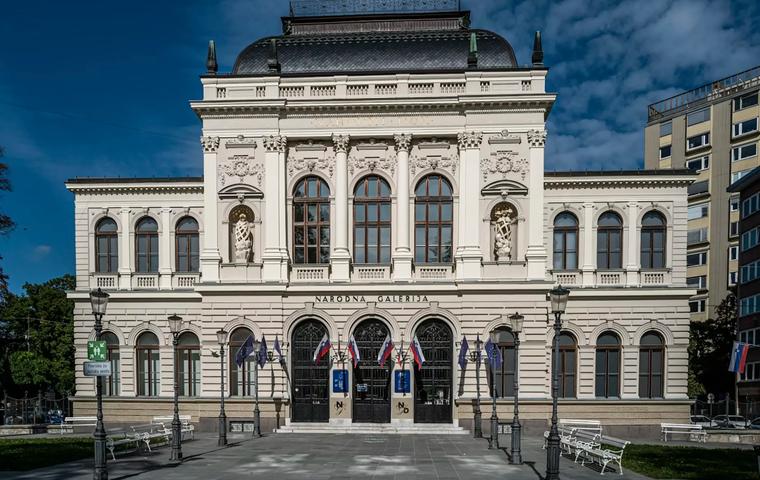
Slovenia's foremost art museum with a collection spanning the Middle Ages to the 20th century
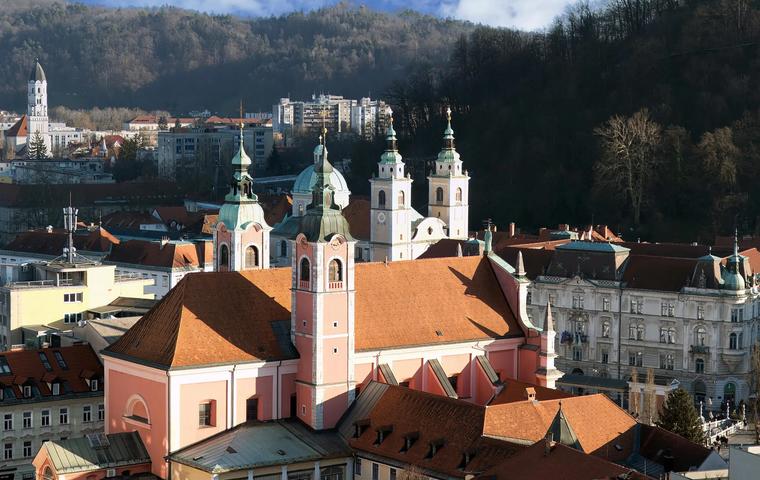
Pedestrian historic centre with medieval layout, Baroque facades, and Plečnik's architecture
Key sights and surroundings — to plan your walk and gauge distances.
Everything you need — connectivity, transport, stay and tours.
Tours and activities from trusted platforms — book directly with the operator.
Answers about seasonality, routes, neighbourhoods and basic trip planning.
Slovenia is in the eurozone, so the currency is the euro. Cards are accepted virtually everywhere, including markets and small cafés. Cash comes in handy for the airport bus (the driver accepts cash only) and at flea markets.
Ljubljana is one of Europe's safest capitals, with a crime index of about 22 out of 100. The main concern is pickpockets on public transport and near the train station. The Fužine and Moste districts aren't dangerous, just uninteresting for tourists. The center is pedestrianized, calm, and well-lit even at night.
The historic center around Old Town (Stari Trg) and Prešeren Square is ideal – everything is within walking distance. The Rakovnik area along the river is quieter and cheaper, about a 20-minute walk to the center. A hostel bed in the center starts at €20–24, a 3-star hotel at €60–120 per night.
Bus line 28 costs €4 and runs hourly, with the last departure at 8 PM. The Nomago shuttle is €12 and drops you closer to your address. Taxis cost around €30, taking 30–40 minutes. There is no direct train from the airport.
Lunch at a local restaurant (gostilna) runs €8–14 for a main course. Coffee is €1.50–2, a pint of domestic beer €2–3, a glass of wine €2–3. On Fridays, the Central Market hosts Open Kitchen – street food from €5 per serving.
If you plan 2–3 days of active sightseeing, yes. The card (€31–45 for 24–72 hours) includes the funicular to Ljubljana Castle, a river cruise, entry to 20+ museums, and unlimited city bus rides. It pays for itself in one packed day.
Top picks: Lake Bled (bus €6–8, 1 hr 15 min), Postojna Cave + Predjama Castle (bus €7, 1 hr), Piran on the coast (bus €8–13, 1.5 hrs). With a car, you can also reach Kranjska Gora and the Vršič Pass.
Slovenia is in the Schengen Area – Russian citizens need a Schengen visa. Travel insurance is mandatory for the visa application and covers medical expenses. Your passport must be valid for at least 6 months from your return date.
Free Wi-Fi is available in most cafés, hotels, and across the city center squares. For mobile data, the easiest option is to get an eSIM before departure. Local carriers (A1, Telekom) sell tourist SIMs, but activating an electronic card before your flight is faster.
May–June and September–October are optimal: warm (18–25°C), fewer tourists, lower prices. July–August is peak season, with accommodation costing up to 30% more. Winter suits transit to ski resorts, but many outdoor city activities shut down.
Towns nearby — easy to add to your route for a day trip.
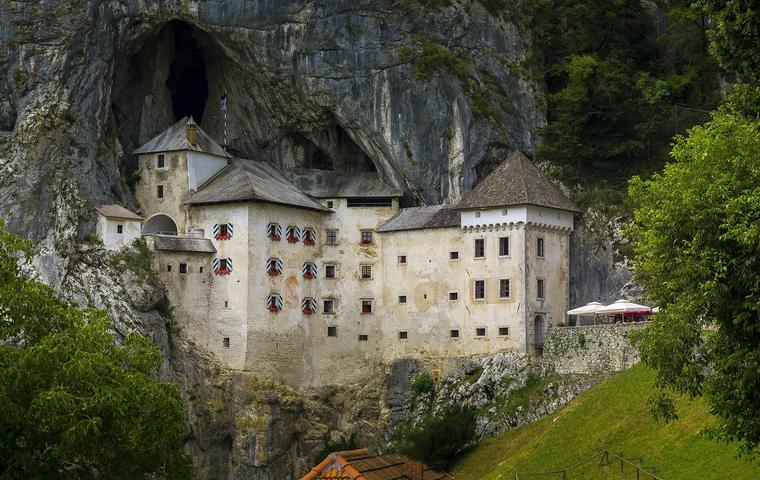
A transit stop for two of Slovenia's top attractions – the cave and the castle in the cliff
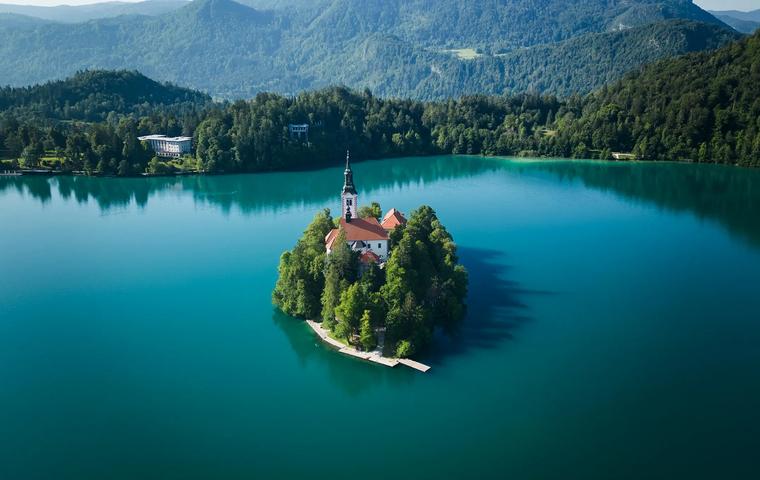
Mountain resort on an alpine lake – gateway to the Julian Alps and Triglav National Park
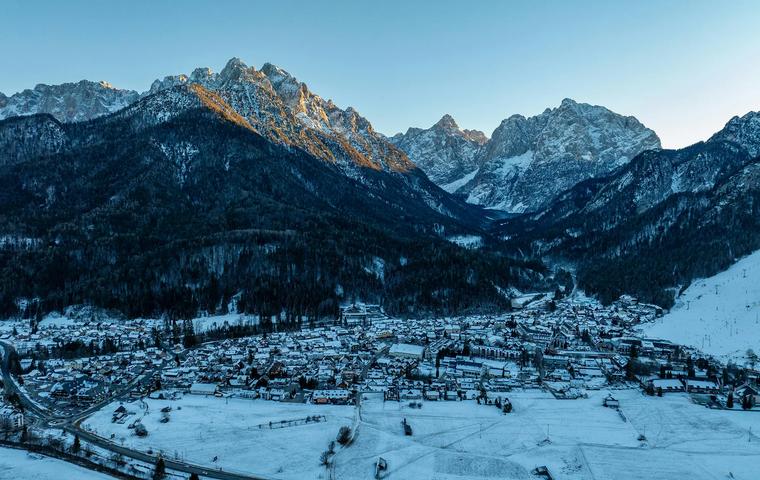
Alpine resort at the junction of three countries – ski base in winter, Vršič Pass gateway in summer
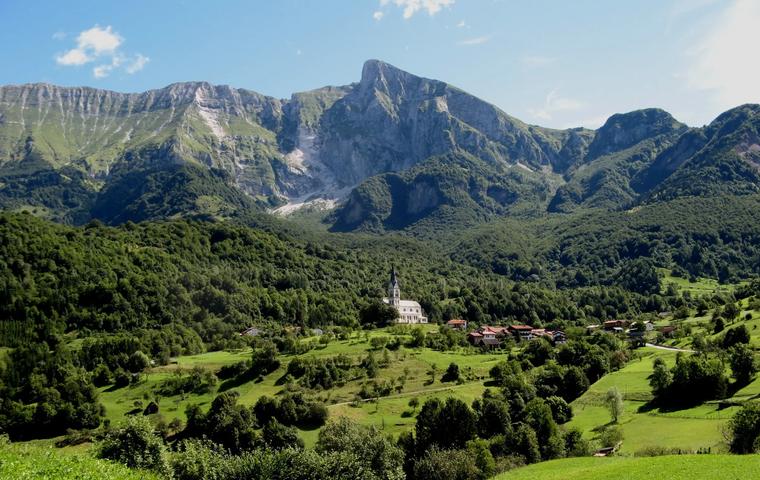
Outdoor adventure base in the Soča Valley and the gastronomic capital of the Slovenian Alps
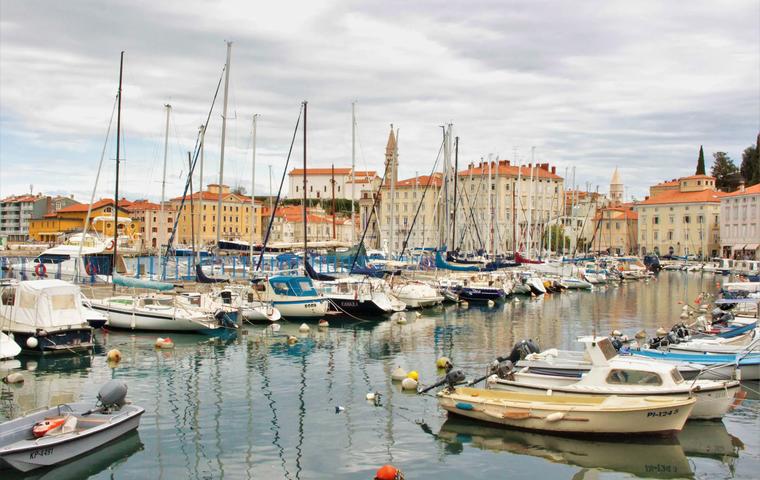
Slovenia's main seaside resort: thermal spas, Adriatic beaches, and Sečovlje salt pans
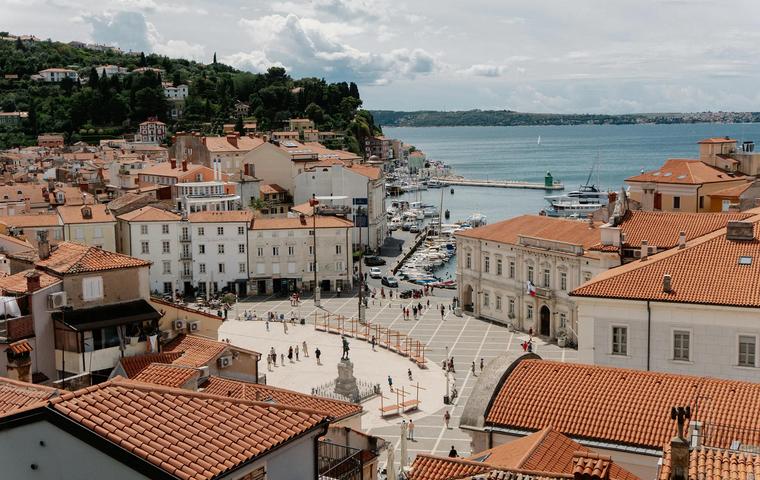
A Venetian town on Slovenia's Adriatic coast – compact, walkable, without beach chaos
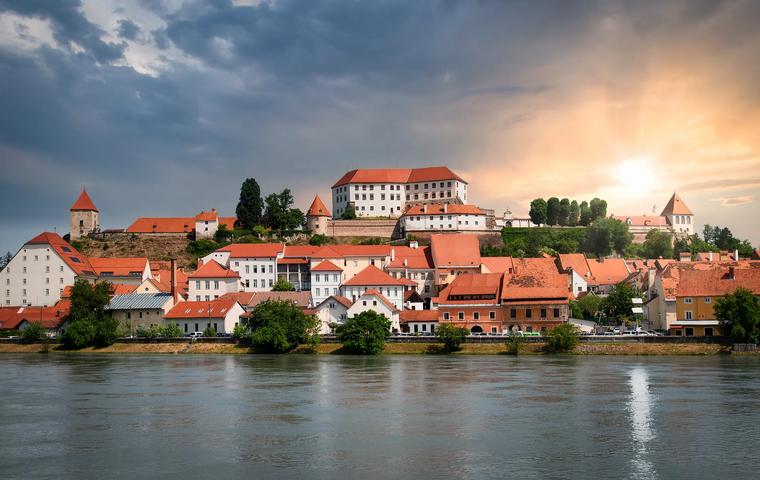
Slovenia's oldest town: Roman roots, Kurentovanje carnival, and wine cellars
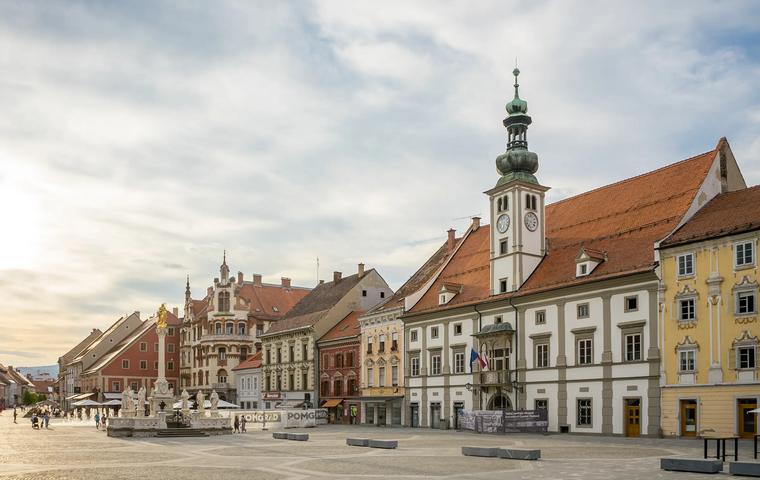
Slovenia's second city, the wine capital of Styria, and gateway to Pohorje mountains