
Cities of Slovenia
Alpine lakes, medieval towns, karst caves, and an Adriatic coastline – all in one compact country.
All cities of Slovenia
Every destination in the country — from the coast to the mountainous north. Open a detailed guide for each city.
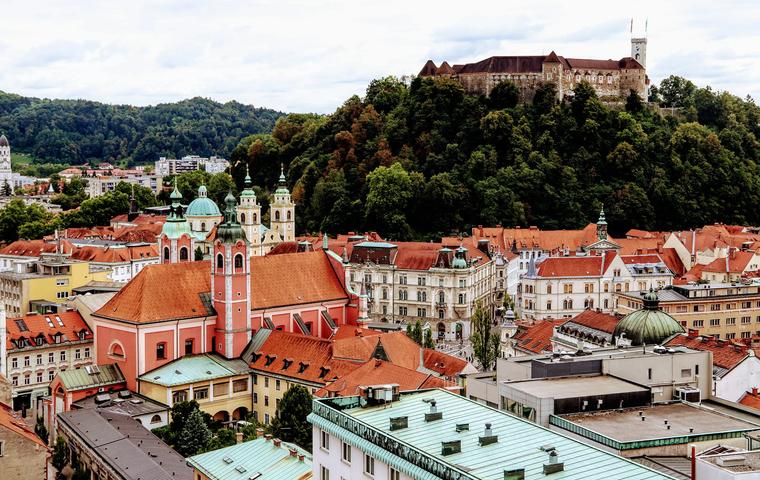
Ljubljana
Slovenia's capital and main transport hub – compact, pedestrian-friendly, with a baroque center along the Ljubljanica river
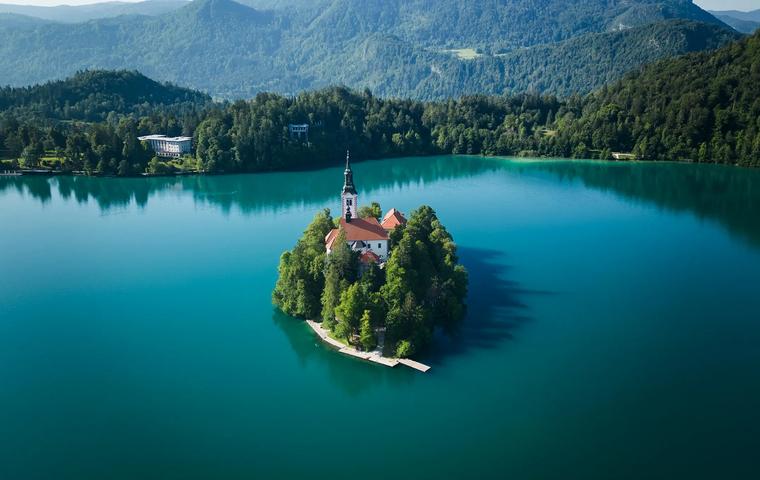
Bled
Mountain resort on an alpine lake – gateway to the Julian Alps and Triglav National Park
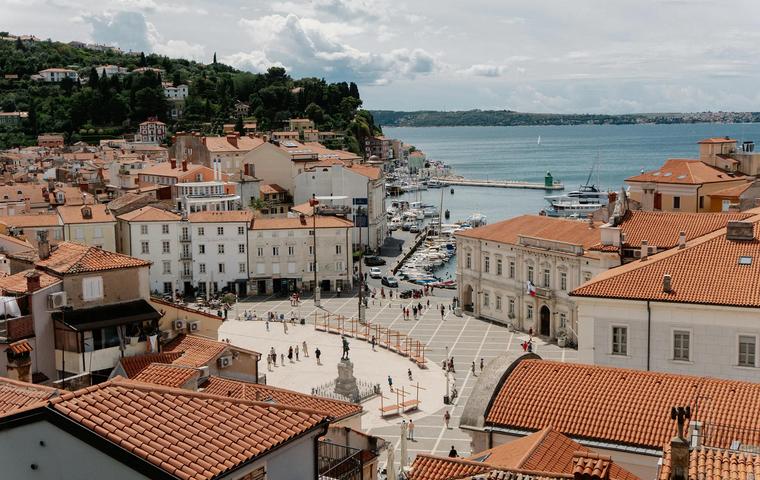
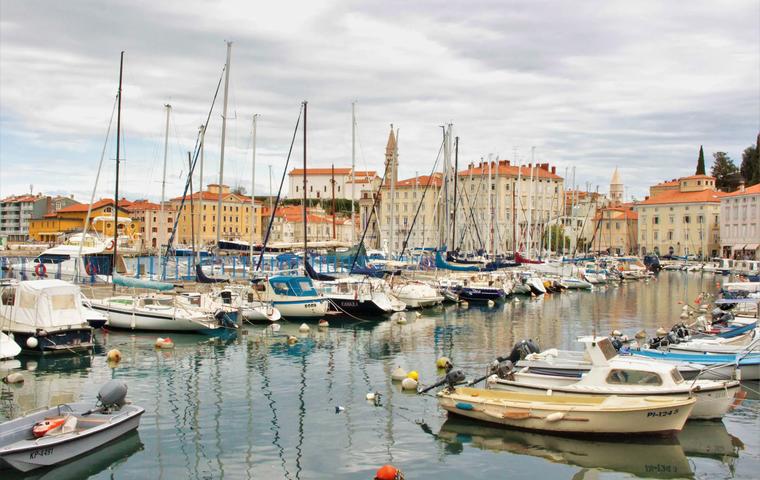
Piran
A Venetian town on Slovenia's Adriatic coast – compact, walkable, without beach chaos
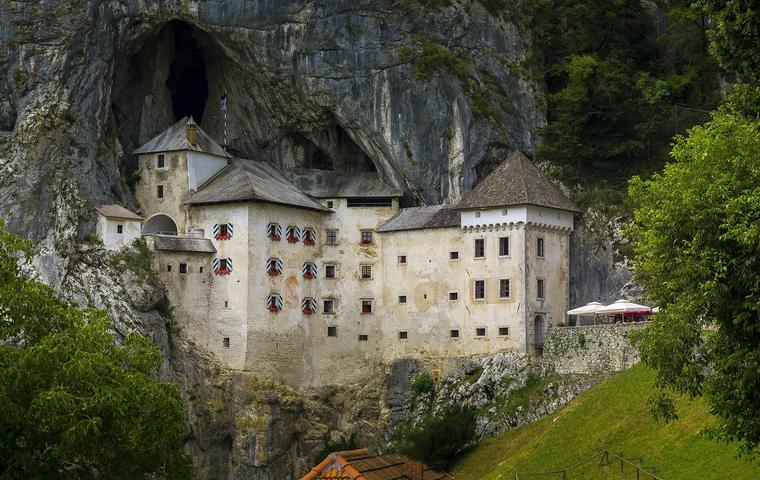
Postojna
A transit stop for two of Slovenia's top attractions – the cave and the castle in the cliff
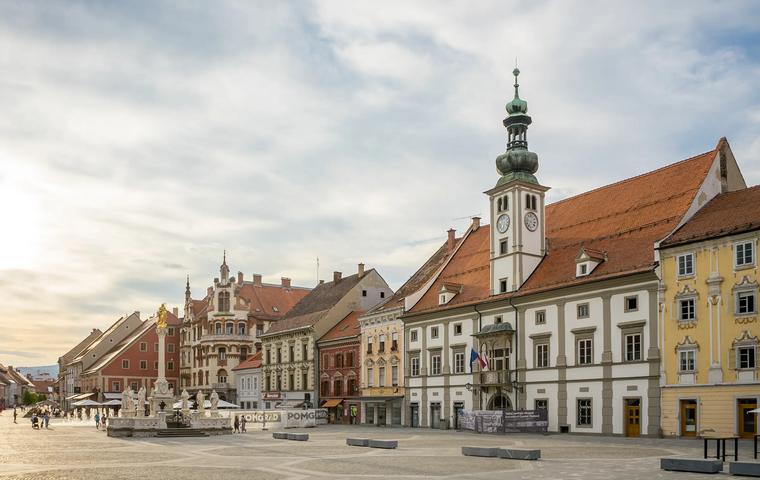
Maribor
Slovenia's second city, the wine capital of Styria, and gateway to Pohorje mountains
Portorož
Slovenia's main seaside resort: thermal spas, Adriatic beaches, and Sečovlje salt pans
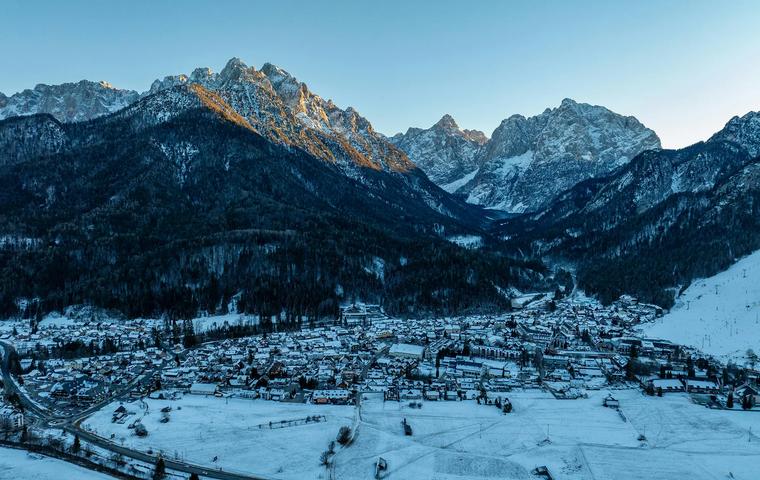
Kranjska Gora
Alpine resort at the junction of three countries – ski base in winter, Vršič Pass gateway in summer
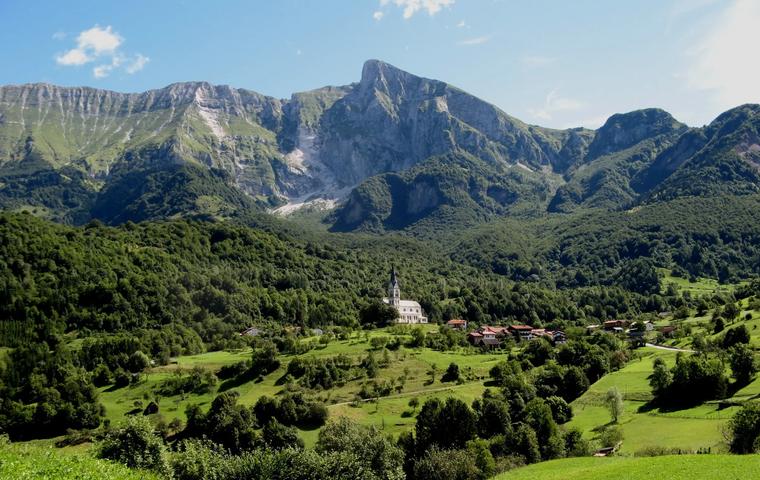
Kobarid
Outdoor adventure base in the Soča Valley and the gastronomic capital of the Slovenian Alps
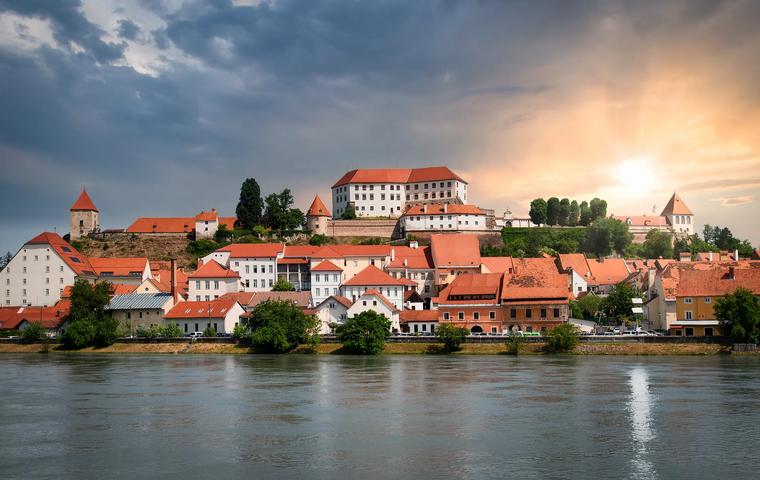
Ptuj
Slovenia's oldest town: Roman roots, Kurentovanje carnival, and wine cellars
Destinations by region
Pick the region that suits you — the card opens its cities in the comparison below.
Compare cities by region and season
Filter by region and sort by season to quickly pick a destination.
How to plan your trip
Choose a city, check neighbourhoods and services, then move on to stays, tours or transport.
Choose a city
Decide on the kind of trip and the destination.
Read the guide
What to see, when to go and how many days to plan.
Build a route
Connect cities by transport and book your stay.
Hit the road
Save the guide and set off on your trip.
Popular questions about cities
Quick answers about choosing a city, routes and where it is best to stay.
Which cities in Slovenia should I visit first?+
How many days do I need for a trip around Slovenian cities?+
How do I get between cities in Slovenia?+
Slovenia is a small country with short distances between cities. Renting a car via EconomyBookings or Localrent gives the most flexibility — you can stop at Vršič Pass or Peričnik Waterfall along the way. Trains and buses connect major cities, and tickets are available through Omio. Airport transfers from Ljubljana (LJU) can be booked via Welcome Pickups.
Which Slovenian cities are good for a beach holiday?+
Slovenia's Adriatic coastline is small but beautiful. Portorož is the main resort with beaches and the Terme Portorož spa complex. Nearby medieval Piran features Venetian architecture and Tartini Square. Beach season runs from June to September with water temperatures of 24–26 °C. Accommodation is easy to find via Booking.com or Trip.com.
Where should mountain and hiking lovers go in Slovenia?+
Kranjska Gora is a gateway to the Julian Alps — from here you can reach Lake Jasna, the Zelenci Nature Reserve, and Vršič Pass. In winter, the ski resort is open. Kobarid attracts visitors with the Kozjak and Virje waterfalls, plus excellent kayaking on the Soča River.
Which Slovenian cities are most interesting for history lovers?+
Ptuj is Slovenia's oldest city with Roman heritage: Ptuj Castle, the Orpheus Monument, and the traditional Kurentovanje carnival. Ljubljana blends its medieval Old Town with baroque architecture and Jože Plečnik's modernism — Triple Bridge, Dragon Bridge. In Kobarid, visit the Kobarid Museum dedicated to WWI battles.
Where can I try local wine in Slovenia?+
Maribor is the capital of Slovenian winemaking. Here you'll find the Old Vine — the world's oldest still-fruiting vineyard (over 400 years old). The Lent District along the Drava River is packed with wine cellars and restaurants. Ptuj also has great vineyards, known for Šipon and Riesling varieties. Both cities are reachable by train from Ljubljana in 1.5–2 hours.
Which Slovenian cities are best for families with kids?+
Which airport should I fly into for a Slovenia trip?+
The main airport is Ljubljana (LJU), located 26 km from the city center. From there, all cities in the country are easily accessible. You can also consider airports in neighboring countries: Trieste (Italy), Zagreb (Croatia), or Klagenfurt (Austria) — flights are often cheaper. Transfers from any airport can be booked through KiwiTaxi or Welcome Pickups.
Is Slovenia expensive to travel around?+
Slovenia is cheaper than Austria and Italy but pricier than Croatia and the Balkans. Average budget: €80–120 per day per person (accommodation, food, transport). Portorož and Bled are more expensive in peak season, while Maribor and Ptuj are notably more affordable. Save on lodging by booking early via Booking.com. For mobile connectivity, an eSIM from Airalo or Saily is cheaper than roaming.
When is the best time to visit Slovenia?+
It depends on your itinerary. For city sightseeing in Ljubljana, Maribor, and Ptuj, May–June and September are ideal — warm weather, fewer tourists. Beach season in Piran and Portorož: July–August. Mountains (Kranjska Gora, Kobarid): best from June–September. In winter (December–March), ski resorts in Kranjska Gora and Maribor Pohorje are open.
Can I book guided tours of Slovenian cities?+
Yes, organized tours are a great way to see more in less time. Through GetYourGuide and Viator, you can book day trips from Ljubljana to Lake Bled, Postojna, and the coast. A popular route combines Bled Castle and Postojna Cave in a single day trip.